
The best walks and hikes in Willapa National Wildlife Refuge
4.6
(9)
114
hikers
11
hikes
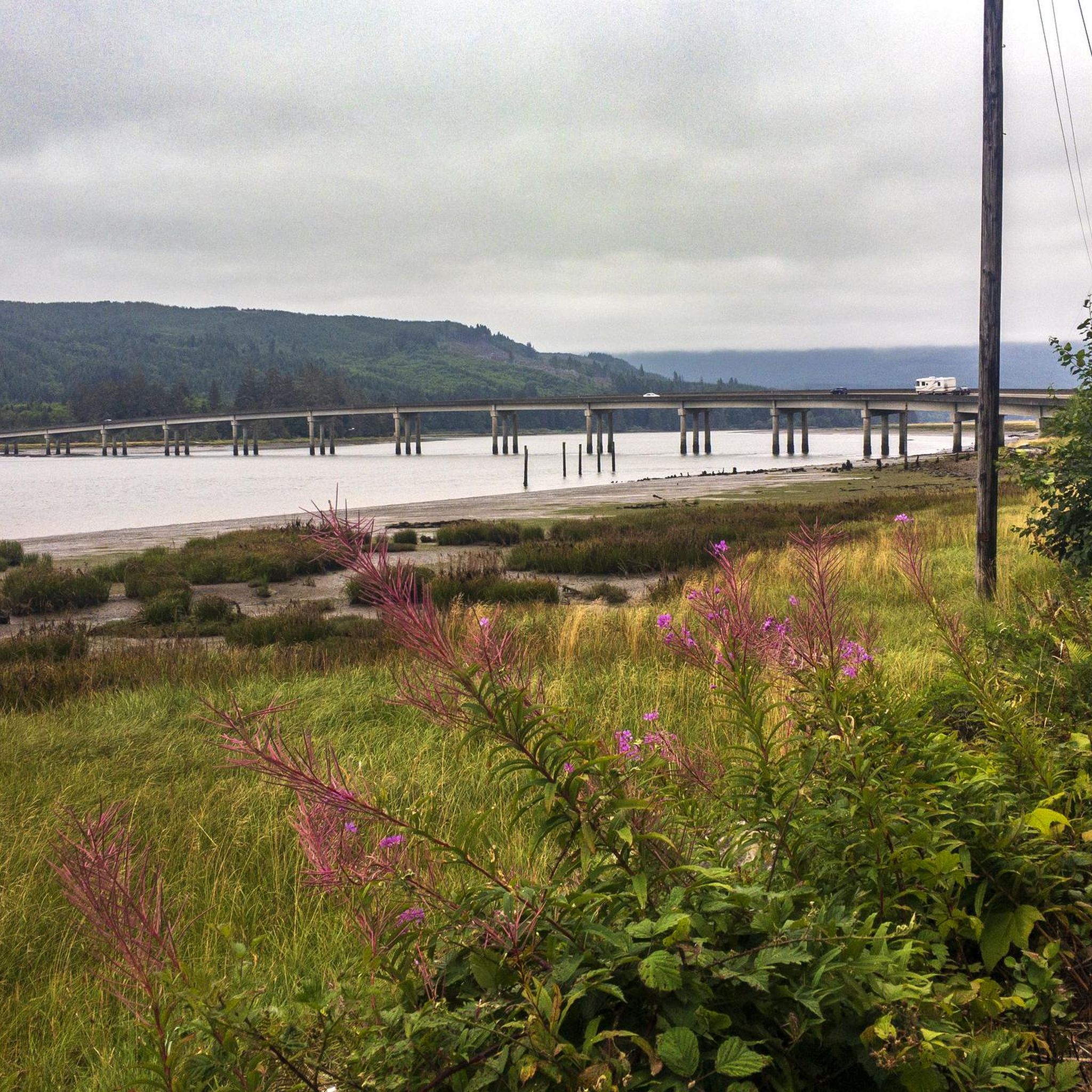
Hiking in Willapa National Wildlife Refuge offers diverse terrain across its expansive area, encompassing tidelands, temperate rainforests, ocean beaches, and freshwater wetlands. The refuge features coastal dunes, salt marshes, and remnants of old-growth cedar forests, providing varied landscapes for outdoor exploration. Trails traverse areas with views of Willapa Bay, one of the largest estuaries in the United States, and lead through habitats supporting abundant wildlife. The region's physical features include ancient trees, coastal ecosystems, and a network of paths suitable…
Last updated: September 1, 2026
1
hikers
1.89km
00:29
10m
10m
Easy hike. Great for any fitness level. Easily-accessible paths. Suitable for all skill levels.
1
hikers
1.89km
00:29
10m
10m
Easy hike. Great for any fitness level. Easily-accessible paths. Suitable for all skill levels.

Sign up for free
1.57km
00:24
0m
0m
Easy hike. Great for any fitness level. Easily-accessible paths. Suitable for all skill levels.
2.57km
00:42
40m
40m
Easy hike. Great for any fitness level. Easily-accessible paths. Suitable for all skill levels.
13.5km
03:30
70m
100m
Moderate hike. Good fitness required. Easily-accessible paths. Suitable for all skill levels.
Get access to more routes and recommendations from other explorers.
Sign up for free
Already have an account?
Our route recommendations are based on thousands of hikes, rides, and runs completed by other people on komoot.
Start today with a free account
Your next adventure awaits.
Login or Signup
Popular around Willapa National Wildlife Refuge

Frequently Asked Questions
What kind of terrain can I expect on hiking trails in Willapa National Wildlife Refuge?
The refuge offers a diverse range of terrain, from tidelands and ocean beaches to temperate rainforests and freshwater wetlands. You'll find trails winding through coastal dunes, salt marshes, and even rare remnants of old-growth cedar forests. Some paths provide stunning views of Willapa Bay, while others lead through dense woodlands.
Are there any easy hiking trails suitable for beginners or casual walkers?
Yes, Willapa National Wildlife Refuge has several easy trails. For instance, the Bay Loop Trail is an easy 1.2-mile path offering views of Willapa Bay. Another great option is the Black Lake Trail, a 1.6-mile easy path through freshwater wetland areas.
What unique natural features or landmarks can I see while hiking in the refuge?
You can explore impressive old-growth cedar and Sitka spruce forests, with some trees over 900 years old, particularly on Long Island. Many trails offer stunning views of Willapa Bay, one of the largest and most pristine estuaries in the United States. The refuge also features unique coastal ecosystems, including beaches and coastal dunes, especially near Leadbetter Point.
Are there any trails that are particularly good for wildlife viewing?
The refuge's varied habitats, including salt marshes, tidal flats, and wetlands, make it excellent for wildlife observation. You might spot large flocks of shorebirds and waterfowl during migrations, bald eagles, northern harriers, and American kestrels. Roosevelt elk, deer, river otters, and even black bears also inhabit the area. The Tarlatt Slough Trail is noted as a good spot for birds of prey, deer, and geese.
Can I bring my dog on the hiking trails in Willapa National Wildlife Refuge?
Regulations regarding pets can vary within National Wildlife Refuges. It's always best to check the official refuge website for the most current pet policies before your visit. Generally, dogs are permitted on leash in designated areas, but often not on sensitive wildlife trails or in certain habitats to protect wildlife.
Are there any family-friendly hiking options in the refuge?
Many of the easier trails are suitable for families. The Long Beach Boardwalk and Discovery Trail Loop is an easy 1-mile path that combines boardwalk sections with coastal scenery. The Art Trail, a 1.25-mile accessible journey, features art installations that educate visitors about the refuge's wildlife and habitat, making it an engaging option for families.
What is the best time of year to go hiking in Willapa National Wildlife Refuge?
The refuge offers unique experiences year-round. Spring and fall are excellent for observing large flocks of migrating shorebirds and waterfowl. Summer provides pleasant weather for exploring coastal trails and forests. Even in winter, the temperate rainforests offer a serene hiking experience, though some trails might be wetter. Always check local weather conditions before heading out.
Are there any circular or loop trails available for hiking?
Yes, there are several loop options. The Bay Loop Trail is a popular 1.2-mile circular route. On Long Island, the Don Bonker Cedar Grove Trail is a 1-mile loop that takes you through ancient cedar forests. The Long Beach Boardwalk and Discovery Trail Loop also offers a shorter circular experience.
Where can I find parking for the hiking trails?
Parking is generally available at various access points and trailheads throughout the different units of the refuge, including South Bay, Leadbetter Point, and East Hills. Specific parking information for individual trailheads is usually provided on the official refuge website or on detailed trail maps. Always look for designated parking areas to avoid disturbing sensitive habitats.
What do other hikers enjoy most about Willapa National Wildlife Refuge?
The area is highly rated by the komoot community, with an average score of 4.5 stars. Reviewers often praise the refuge's diverse ecosystems, the opportunity to see abundant wildlife, and the peaceful immersion in nature. The stunning views of Willapa Bay and the chance to walk among ancient old-growth forests are frequently highlighted as favorite aspects.
Are there any trails that lead through old-growth forests?
Absolutely. The refuge is renowned for its old-growth forests. On Long Island, the Don Bonker Cedar Grove Trail features trees over 900 years old. The Teal Slough Trail also offers a relatively easy 0.5-mile trek into a forest with gigantic old-growth cedar and Sitka spruce, while the Cutthroat Climb trail takes hikers through old-growth hemlocks and thick ferns.
How many hiking trails are there in Willapa National Wildlife Refuge?
There are over 9 hiking routes documented in Willapa National Wildlife Refuge, ranging from easy strolls to more moderate, longer routes. This variety ensures options for different skill levels and preferences.
Most popular routes in Willapa National Wildlife Refuge

Get inspired with the komoot mobile app


Explore more
Browse the best Hikes in other regions.
