Attractions and Places To See around Rio Douro - Top 7
Best attractions and places to see around Rio Douro include a diverse range of historical sites, scenic viewpoints, and dedicated cycle paths. The region is characterized by its river valleys, terraced landscapes, and cultural heritage, offering varied exploration opportunities. Visitors can discover ancient landmarks, natural features, and engaging points of interest. This area provides a mix of outdoor activities and cultural insights.
Best attractions and places to see around Rio Douro
- The most popular attraction is Arco de Baúlhe Railway…
Last updated: July 2, 2026
Arco de Baúlhe Railway Station
Highlight • Monument
Tip by

Tâmega Line Ecotrail
Highlight (Segment) • Cycleway
Tip by

Sign up now to discover places like this
Get recommendations on the best single tracks, peaks, & plenty of other exciting outdoor places.
Sign up for free
Porto d'Olho Viewpoint
Highlight • Viewpoint
Translated by Google •
Tip by

Talefe Viewpoint
Highlight • Viewpoint
Translated by Google •
Tip by

Ponte de Cavez
Highlight • Bridge
Translated by Google •
Tip by

Sign up for free to discover even more attractions around Rio Douro.
Sign up for free
Already have an account?
Start today with a free account
Your next adventure awaits.
Login or Signup

Tips from the Community

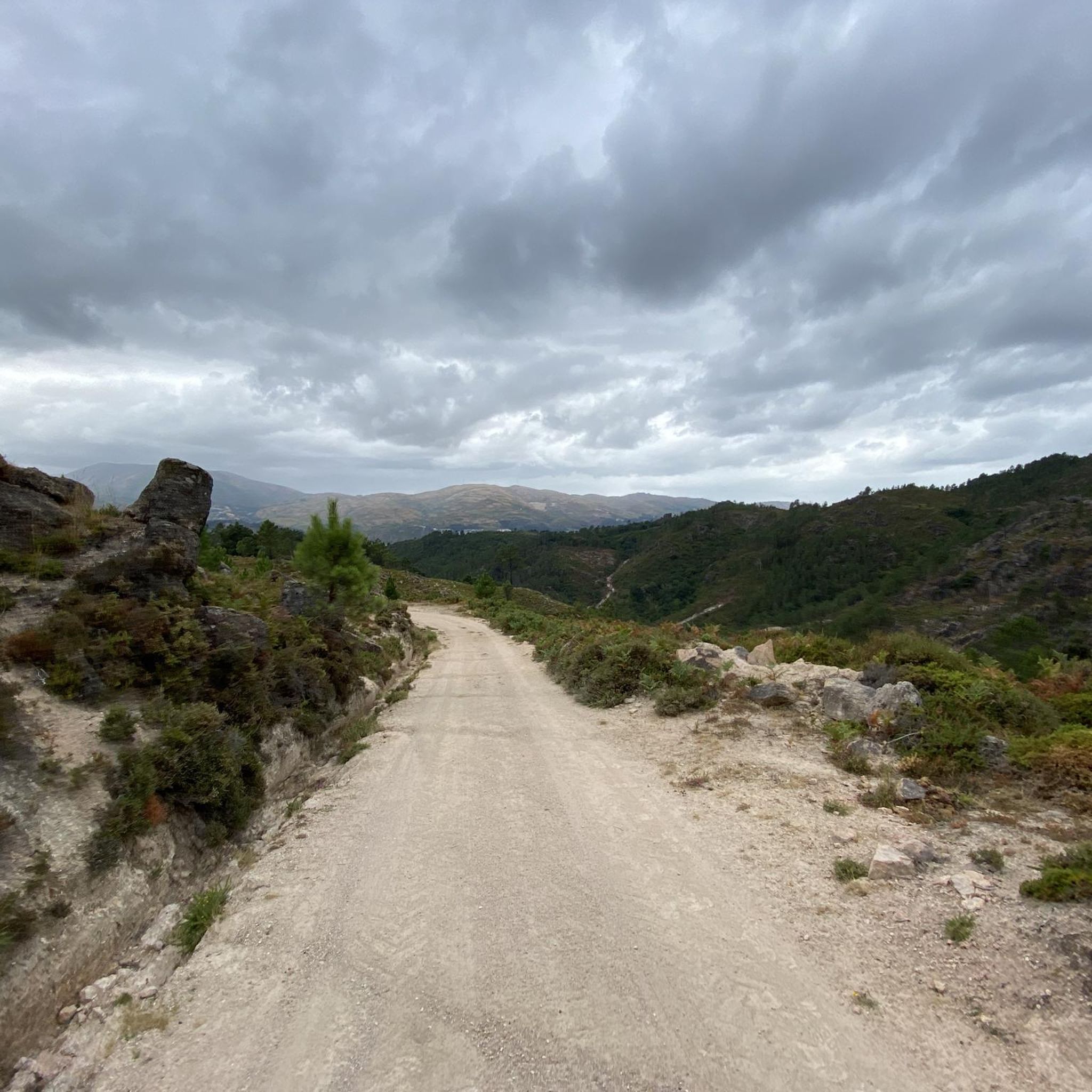
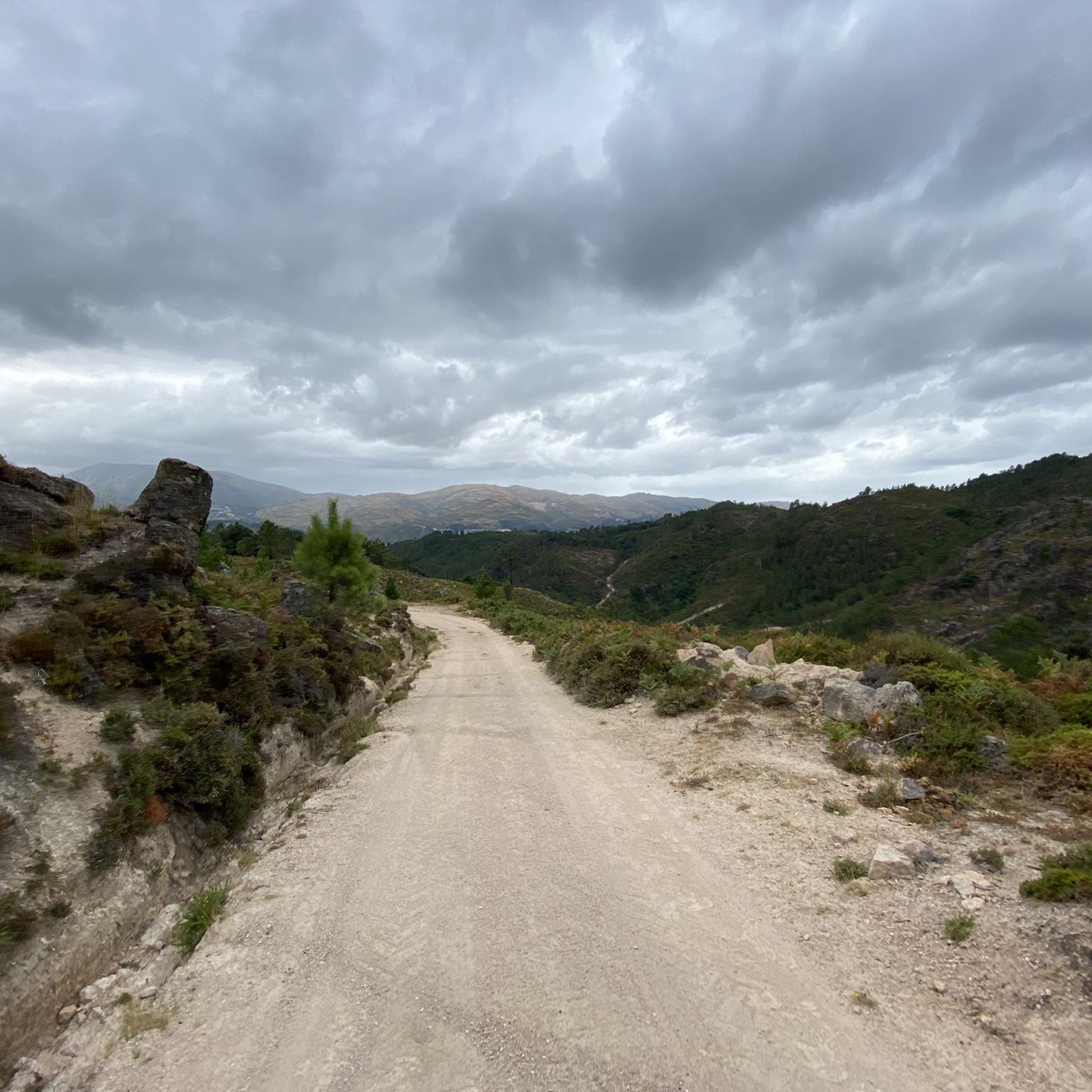
A peaceful route with stunning views over the Tâmega River; in autumn, enjoy the falling leaves and their variety of colors. A safe place to cycle – be careful when crossing local roads, which are usually marked. At a sporting level, sufficiently challenging – 80 kilometers and 800 meters of elevation gain (round trip between Amarante and Arco de Baulhe). Restaurants and/or bars are available at the Gatão, Celorico, and Mondim de Basto train stations.
0
0

A beautiful walk starting along the levadas, the king's windmills, and then climbing up to the magnificent viewpoint with the miradouro! 🇵🇹👌
0
0

Legend has it that Serra da Cabreira owes its name to a young and beautiful goatherd who used to tend her flock there: "(...) And the people wanted to perpetuate forever, with all justice, the shepherd girl's unhappy love. Therefore, they named the mountain where she had experienced her great passion Serra da Cabreira, and since she wanted to be a bird and fly, she began to call the river in Vila do Conde the Ave River...". Whether on foot, by mountain bike, or by car, Serra da Cabreira is a must-see for anyone visiting Vieira do Minho and for those who wish to enjoy the lush mountain landscape. Serra da Cabreira extends across the territories of Vieira do Minho and Cabeceiras de Basto.
0
0

beautiful landscapes, clean air and good flooring
1
0

It's a lovely old train station which now hosts a museum, open in the morning until 12 and in the afternoon from 2 pm.
1
0

13th century bridge over the Tâmega river, which is located near the mouth of the Cavez river and the Old Bridge over that river.
0
0

Fantastic view after a short climb
1
0

Great views, low traffic. Camping in Mondim de Basto. Train in Guimarães and Vila Meã
1
0
Frequently Asked Questions
What historical sites can I explore in the Rio Douro region?
The Rio Douro region is rich in history. You can visit the Arco de Baúlhe Railway Station, which now hosts a museum offering a glimpse into the region's past. Another historical highlight is the 13th-century Ponte de Cavez over the Tâmega river. Beyond these, the region boasts the exquisitely tiled train station in Pinhão, the Douro Museum in Peso da Régua, the Sanctuary of Nossa Senhora dos Remédios and Sé Cathedral in Lamego, and the ancient rock art at the Côa Valley Archaeological Park in Vila Nova de Foz Côa.
Where can I find the best scenic viewpoints in the Rio Douro area?
The Rio Douro is renowned for its breathtaking viewpoints. The Porto d'Olho Viewpoint offers a fantastic vista after a short climb, often reached via a walk along levadas. Another notable spot is the Talefe Viewpoint, providing expansive views of the mountain landscape. Other highly recommended viewpoints include Miradouro de São Leonardo de Galafura, Casal de Loivos (overlooking Pinhão), São Salvador do Mundo, Miradouro da Quinta de Vargellas, and Abelheira Viewpoint.
Are there any family-friendly attractions in Rio Douro?
Yes, several attractions in Rio Douro are suitable for families. The Arco de Baúlhe Railway Station, with its museum, is a great option. The historic Ponte de Cavez is also considered family-friendly. Additionally, many quintas (wine estates) offer family-friendly tours and activities, and river cruises on the Douro are a popular way for all ages to enjoy the scenery.
What outdoor activities can I do near these attractions?
The Rio Douro region offers a variety of outdoor activities, particularly cycling. You can explore the Tâmega Line Ecotrail, a cycle way with beautiful landscapes and good flooring, suitable for mountain or gravel bikes in some sections. For more cycling options, check out the dedicated guides for MTB Trails around Rio Douro, Cycling around Rio Douro, and Road Cycling Routes around Rio Douro.
What natural features define the Rio Douro landscape?
The Rio Douro landscape is characterized by its dramatic natural features. The most iconic are the terraced vineyards that climb the hillsides, a testament to centuries of winemaking and a UNESCO World Heritage site. The winding Douro River itself, with its deep valleys and steep cliffs, is a central feature. The Douro International Natural Park, where the river forms the border with Spain, showcases rugged landscapes and is excellent for birdwatching, especially birds of prey.
What do visitors enjoy most about the attractions around Rio Douro?
Visitors particularly enjoy the stunning panoramic views from various miradouros, such as the 'magnificent miradouro' from Porto d'Olho Viewpoint. The peaceful routes and beautiful landscapes, like those found along the Tâmega Line Ecotrail, are also highly appreciated. Many find the historical sites, like the Arco de Baúlhe Railway Station, to be charming and insightful.
Are there any unique cultural experiences related to wine in the Douro Valley?
Absolutely. The Douro Valley is the heart of Port wine country. Many quintas (wine estates) offer tours, wine tastings (especially Port wine), and even opportunities to participate in grape harvests during the season. Staying overnight at a wine hotel is also a popular immersive experience. The Douro Museum in Peso da Régua provides in-depth insights into the region's winemaking history and culture.
What is the best way to experience the Douro River itself?
Experiencing the Douro River is a must. River cruises are a popular way to admire the terraced vineyards and stunning landscapes. Options range from short Rabelo boat tours departing from Pinhão to full-day cruises from Porto. Another unique perspective is offered by the Linha do Douro (Douro Railway), a scenic train journey along the river from Porto to Pocinho, with particularly picturesque sections between Régua and Tua.
Can I find ancient rock art in the Rio Douro region?
Yes, the Rio Douro region is home to the remarkable Côa Valley Archaeological Park in Vila Nova de Foz Côa. This UNESCO World Heritage site is an open-air rock art gallery showcasing Paleolithic rock engravings that are over 20,000 years old. The Côa Museum provides exhibitions and guided tours to help visitors explore these ancient artworks.
Are there any medieval sites or hidden gems to discover?
Beyond the main attractions, the region holds several medieval sites and hidden gems. The picturesque medieval village of Ucanha features a charming toll bridge and defensive tower, along with river swimming pools. The ruins of Mosteiro de São João de Tarouca, once the most important monastery in Portugal during the medieval era, are situated in a hidden valley, offering a glimpse into the past.
What is the best time of year to visit the Rio Douro attractions?
The best time to visit Rio Douro attractions largely depends on your interests. Spring (April-May) brings blooming almond trees and pleasant temperatures, ideal for hiking and sightseeing. Autumn (September-October) is harvest season, offering vibrant colors in the vineyards and the chance to participate in grape picking at quintas. Summer (June-August) is warm and popular for river cruises, while winter offers a quieter, often misty, charm.
Are there opportunities for birdwatching or wildlife spotting?
Yes, the Douro International Natural Park, located where the Douro River forms the border between Portugal and Spain, is an excellent spot for birdwatching. This protected area is known for its rugged landscapes, deep river valleys, and steep cliffs, making it a prime habitat for various bird species, particularly birds of prey.
Most popular routes around Rio Douro

Get inspired with the komoot mobile app


Explore more
Still not found the Highlight you’re looking for? See guides of the top attractions in other regions:
