Attractions and Places To See around Bralin - Top 12
Best attractions and places to see around Bralin, a historic village in the Greater Poland Voivodeship, offer insights into Polish heritage. The area is characterized by its historical significance, with roots dating back to 1136, and features cultural sites. Bralin is a region where 12 places are available to explore.
Best attractions and places to see around Bralin
- The most popular attractions is Krzyż Wielkopolski on Kobyla Góra, a man-made monument and viewpoint. It is the highest elevation in…
Last updated: July 2, 2026
Church of the Nativity of the Blessed Virgin Mary in Myślniew
Highlight • Religious Site
Translated by Google •
Tip by

Krzyż Wielkopolski on Kobyla Góra
Highlight • Monument
Translated by Google •
Tip by

Sign up now to discover places like this
Get recommendations on the best single tracks, peaks, & plenty of other exciting outdoor places.
Sign up for free
Holy Trinity Wooden Church in Marcinki
Highlight • Religious Site
Translated by Google •
Tip by
Kępno Town Square and Swan Fountain
Highlight • Settlement
Translated by Google •
Tip by
St. Nicholas Wooden Church in Parzynów
Highlight • Religious Site
Translated by Google •
Tip by
Sign up for free to discover even more attractions around Bralin.
Sign up for free
Already have an account?
Start today with a free account
Your next adventure awaits.
Login or Signup


Tips from the Community


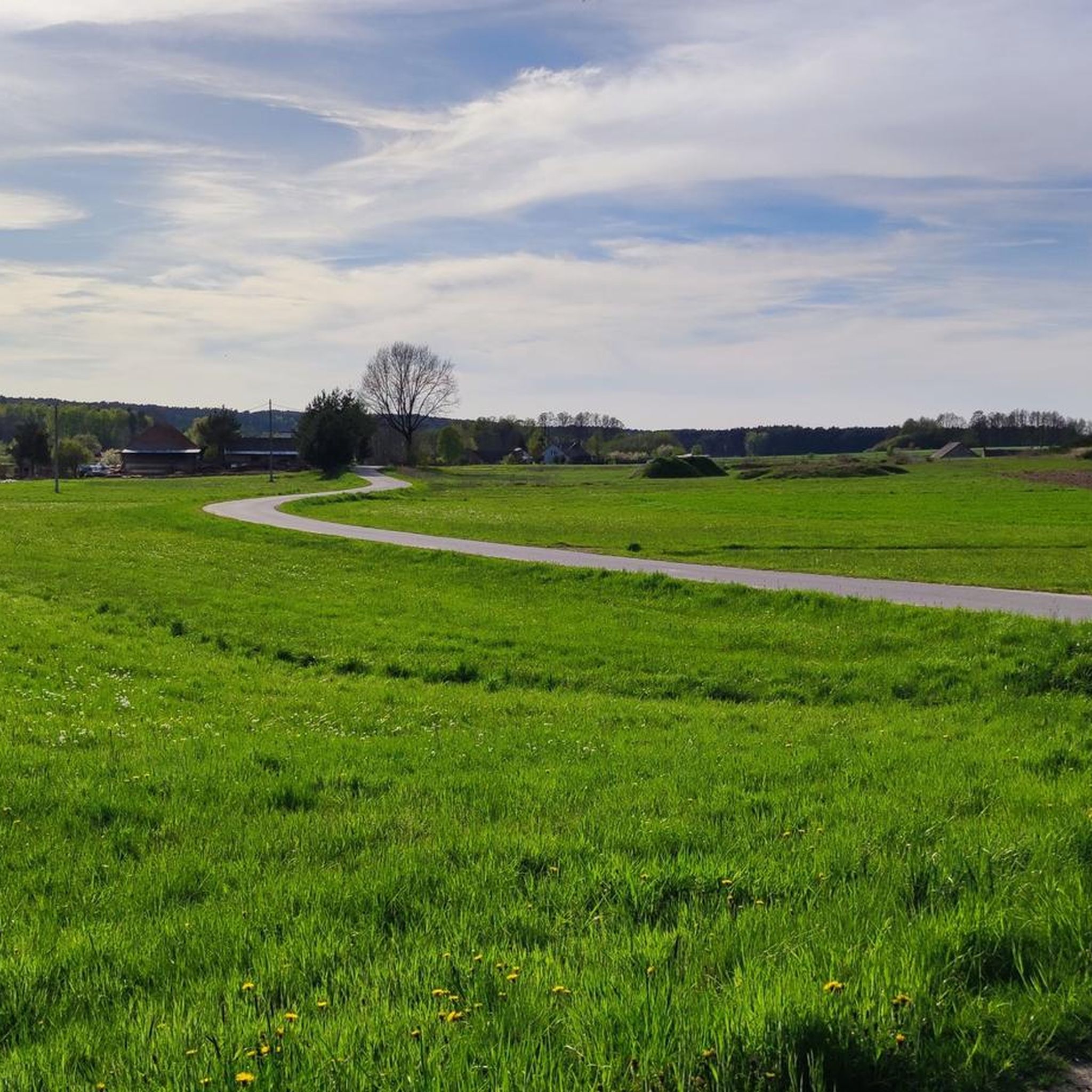
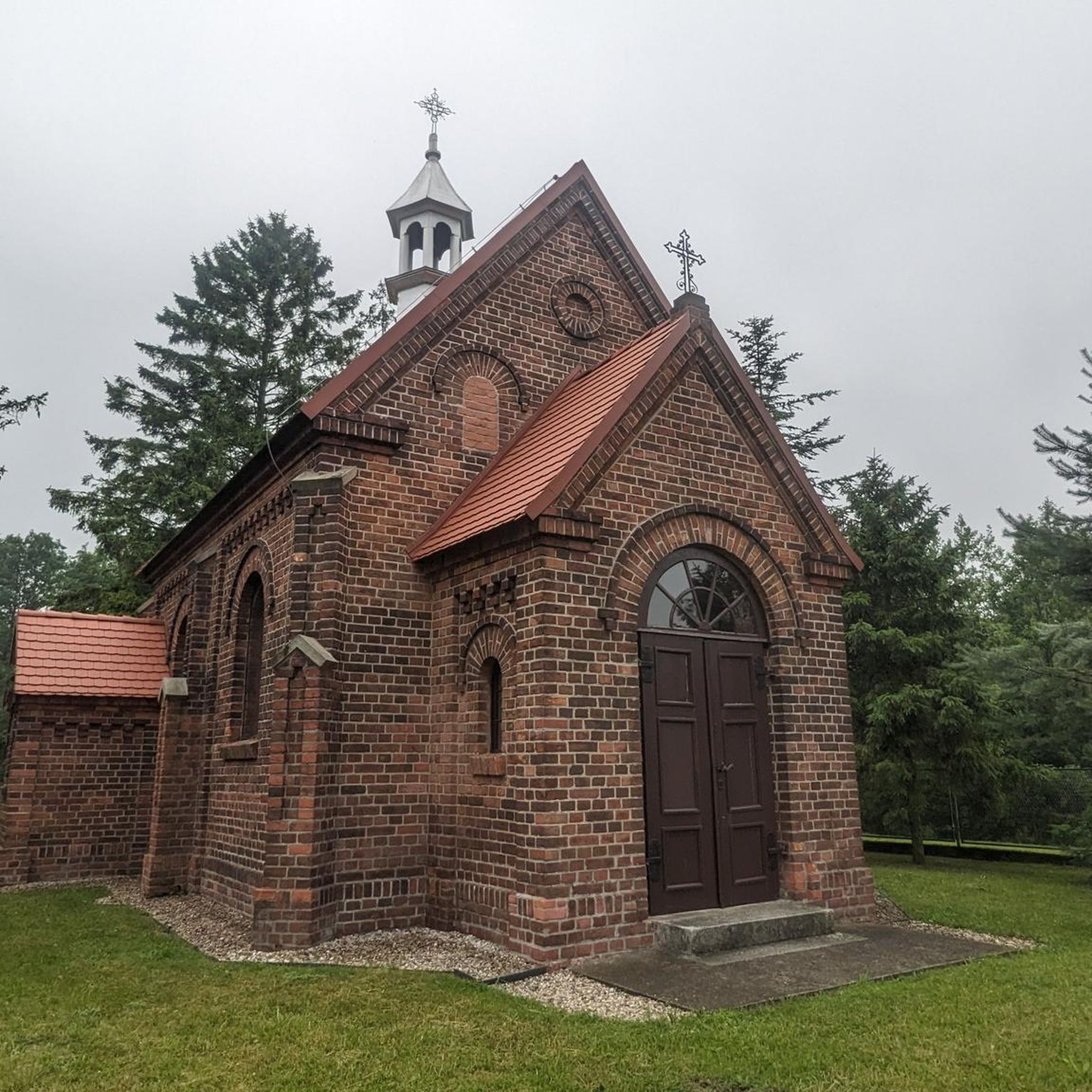
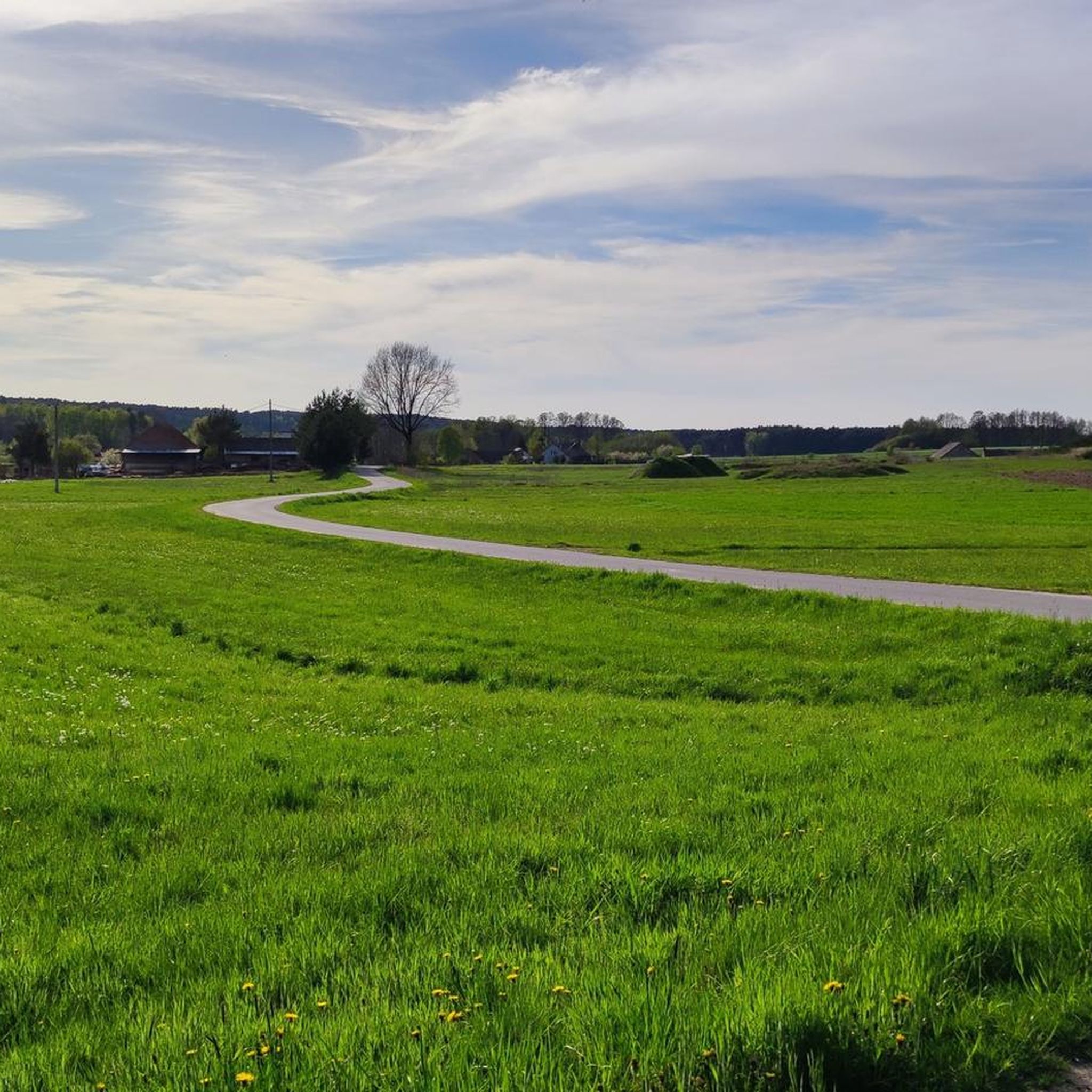
And again a beautiful church
0
0

Kobyla Góra is the highest elevation in Wielkopolska (284 m above sea level), located in the Ostrzeszów Hills range. At its peak there is the Greater Poland Jubilee Cross, commemorative stones and the John Paul II Bell, which tolls daily at 3:00 p.m. This place serves an important pilgrimage and sightseeing function, offering distant views, including the Eastern Sudetes and the Opole Power Plant. Several hiking and cycling trails lead to the peak, including the Trans-Greater Poland Cycling Route.
3
0

Church of St. Nicholas from 1780-81. Built from the foundation of Jan and Elżbieta Siewierski, Józef Wojakowski and Jan Grzymała Wiewiórkowski, by master Jan Kurzawa. Restored in the 1980s. A wooden church, single-nave, log construction. Not oriented. Two chapels on the sides, creating an apparent transept, closed rectangularly with ridges lower than the main nave. Smaller presbytery from the nave, closed on three sides with a side sacristy. Porch on the side of the nave. Low tower of post-and-beam construction, with a porch in the ground floor at the front. Topped with a tented roof with a tin, onion-shaped dome. Double-ridge roof, covered with sheet metal with a turret for a bell tower. Topped with an onion-shaped dome with a lantern. Flat ceiling inside with coffered decoration. Choir supported by two columns with a late Baroque organ prospect from the 2nd half of the 18th century. Main altar (founded by the Szyszkowski family) in the late Renaissance style with the Ostoja coat of arms, made by Jan Sifers in 1646. Rococo side altars from the 2nd half of the 18th century. Baroque pulpit from the mid-17th century. Two folk Baroque crucifixes. Numerous sculptures from the 17th and 18th centuries. Two contemporary paintings by Norbert Skupniewicz. Wooden belfry, not estimated, covered with a metal roof. Rectory from the late 20th century. Church surrounded by old oaks and beeches.
0
0
Church of the Nativity of the Blessed Virgin Mary from 1746. Renovated in 1974-75. In 2018, the roofs were covered with shingles. The temples were placed above a spring, which causes dampness of the floor. Wooden church, single-nave, log construction. Oriented. Smaller chancel from the nave, closed on three sides with a side sacristy. Porch on the side of the nave. Tower at the front, post-and-beam construction with walls sloping upwards and a porch in the ground floor. Topped with a Baroque, sheet metal dome with a double octagonal lantern and a cross. Double-ridge roof, covered with larch shingles with a wide eaves with a hexagonal turret for a bell tower. Topped with a pyramidal sheet metal dome with a lantern and a cross. Inside, apparent barrel vaults, slightly flattened in the chancel. On the wall, the Crucifixion Group with the date of construction of the church "1746". The choir is supported by two wooden pillars with a balustrade of a straight line, decorated with three figures on consoles. Pipe organs liquidated in 2009. The main altar and two late Baroque side altars from around the mid-18th century. Baroque pulpit with a canopy and baptismal font from the mid-18th century. Gothic figure of the Madonna and Child from the end of the 14th century. Baroque-folk processional crucifixes.
0
0
Holy Trinity Church from 1801-03. Polychrome from 1830, renovated in 1897 and 1972 - Teodor Szukała. Renovated in 1930 and 1975. Wooden church, single-nave, log construction. Oriented, built on a stone and brick foundation. Smaller presbytery from the nave, rectangularly closed with a side sacristy. Porch on the side of the nave. Low tower at the front, post-and-beam construction with porch in the ground floor. Walls slightly inclined upwards, topped with a tented roof covered with sheet metal. Double-ridge roof, covered with shingles. In the central part, a wooden, round turret with a bell tower with a sheet metal, onion-shaped dome and lantern. Flat ceiling inside. Choir supported on pillars and connected to a suspended side gallery. 8-voice organ from the late 19th century. Rainbow beam with woodcarving decoration and the Crucifixion Group from the 2nd half of the 18th century. Board floors. Partially preserved Baroque-folk polychrome from around 1830. Depiction of the Virgin Mary with figures of the Evangelists, the Holy Trinity and symbols: the Eye of Providence, the Chalice with the Host, the Cross with an Anchor. Polish Saints, bouquets of flowers and fruit in medallions. Late Renaissance main altar from the 1st half of the 17th century with a late Gothic sculpture of the Virgin Mary from the late 16th century.
0
0
The market square in Kępno is one of the largest in Greater Poland. For centuries, it had wooden buildings that were damaged many times by repeated fires. In the mid-nineteenth century, thanks to the expansion of communication and industry, the city began to develop intensively. During this period, until the beginning of the 20th century, many interesting tenement houses were built in the market, including in the neo-renaissance and eclectic style. In the square there is also a beautiful town hall built in the classical style in 1835 and a fountain with swans.
3
0
Frequently Asked Questions
What historical and cultural sites can I visit in Bralin?
Bralin is rich in history. The most prominent site is the Church of the Nativity of the Virgin Mary Na Pólku, a significant pilgrimage site built in 1711 with unique architecture and a miraculous image of the Virgin Mary. Beyond Bralin itself, you can explore the Church of the Nativity of the Blessed Virgin Mary in Myślniew, a wooden church from 1746, and the Holy Trinity Wooden Church in Marcinki, dating from 1801-03, both featuring preserved Baroque elements.
Where can I find the highest viewpoint in the Bralin area?
The highest elevation in Wielkopolska is Krzyż Wielkopolski on Kobyla Góra, standing at 284 meters above sea level. At its peak, you'll find the Greater Poland Jubilee Cross and commemorative stones. It offers expansive views, including the Eastern Sudetes and the Opole Power Plant.
Are there any unique architectural sites to see near Bralin?
Yes, the area is known for its distinctive wooden churches. Besides the main sanctuary in Bralin, you can visit the Church of the Nativity of the Blessed Virgin Mary in Myślniew, a wooden church from 1746, and the Holy Trinity Wooden Church in Marcinki, built between 1801-03. Another notable example is the St. Nicholas Wooden Church in Parzynów, constructed in 1780-81.
What kind of outdoor activities are available around Bralin?
The Bralin area offers various outdoor activities, particularly hiking and cycling. You can find several routes for different skill levels. For detailed options, explore the guides for easy hikes, road cycling, and general cycling around Bralin.
Are there easy hiking trails suitable for beginners near Bralin?
Yes, there are several easy hiking trails around Bralin. For example, you can find routes like the 'Jewish Cemetery in Kobyla Góra – Zalew Blewązka loop' or the 'Mausoleum loop from Syców'. These are typically shorter and have gentle terrain. You can find more options in the Easy hikes around Bralin guide.
Can I go cycling around Bralin?
Absolutely! Bralin and its surroundings offer various cycling opportunities. You can find routes for road cycling, such as the 'Historic Church in Pólko loop from Kępno', or general cycling tours like the 'Historic Fire Station in Kępno – Municipal Park in Kępno loop'. Explore the dedicated guides for Road Cycling Routes around Bralin and Cycling around Bralin for more options.
What is there to see in the nearby town of Kępno?
In the nearby town of Kępno, you can visit the Kępno Town Square and Swan Fountain. The market square is one of the largest in Greater Poland and features interesting tenement houses built in Neo-Renaissance and eclectic styles, along with a classical town hall from 1835.
Are there family-friendly attractions in the Bralin area?
While specific family-focused attractions are not extensively listed, the Kępno Town Square and Swan Fountain is noted as a family-friendly historical site. Exploring the town squares and gentle walking routes can also be suitable for families.
What makes the Church of the Nativity of the Virgin Mary Na Pólku so significant?
The Church of the Nativity of the Virgin Mary Na Pólku is significant as a major pilgrimage site and a cultural gem. Built in 1711, it features a unique framework structure and a Greek cross layout. Its interior boasts a baroque main altar, late-baroque paintings, and polychrome inspired by Venetian missals. The church also houses the miraculous image of the Virgin Mary of the Fields, which has received a papal coronation, making it a site of deep religious importance.
What do visitors particularly enjoy about the attractions near Bralin?
Visitors appreciate the historical and cultural depth of the region, particularly the well-preserved wooden churches and significant monuments. The Krzyż Wielkopolski on Kobyla Góra is highly rated for its distant views and serves as an important pilgrimage and sightseeing spot. The attractions have collectively received 10 upvotes and 7 photos shared by the komoot community, indicating a positive visitor experience.
What is the best time of year to visit Bralin's attractions?
The best time to visit Bralin's attractions, especially for outdoor activities and exploring the historical sites, is typically during the warmer months from spring to early autumn (April to October). This period offers pleasant weather for hiking, cycling, and enjoying the scenic viewpoints. The churches are generally accessible year-round, but the surrounding landscapes are most vibrant outside of winter.

Get inspired with the komoot mobile app


Explore more
Still not found the Highlight you’re looking for? See guides of the top attractions in other regions:
