The best road cycling routes around gmina Rokitno
4.5
(3)
117
riders
3
rides
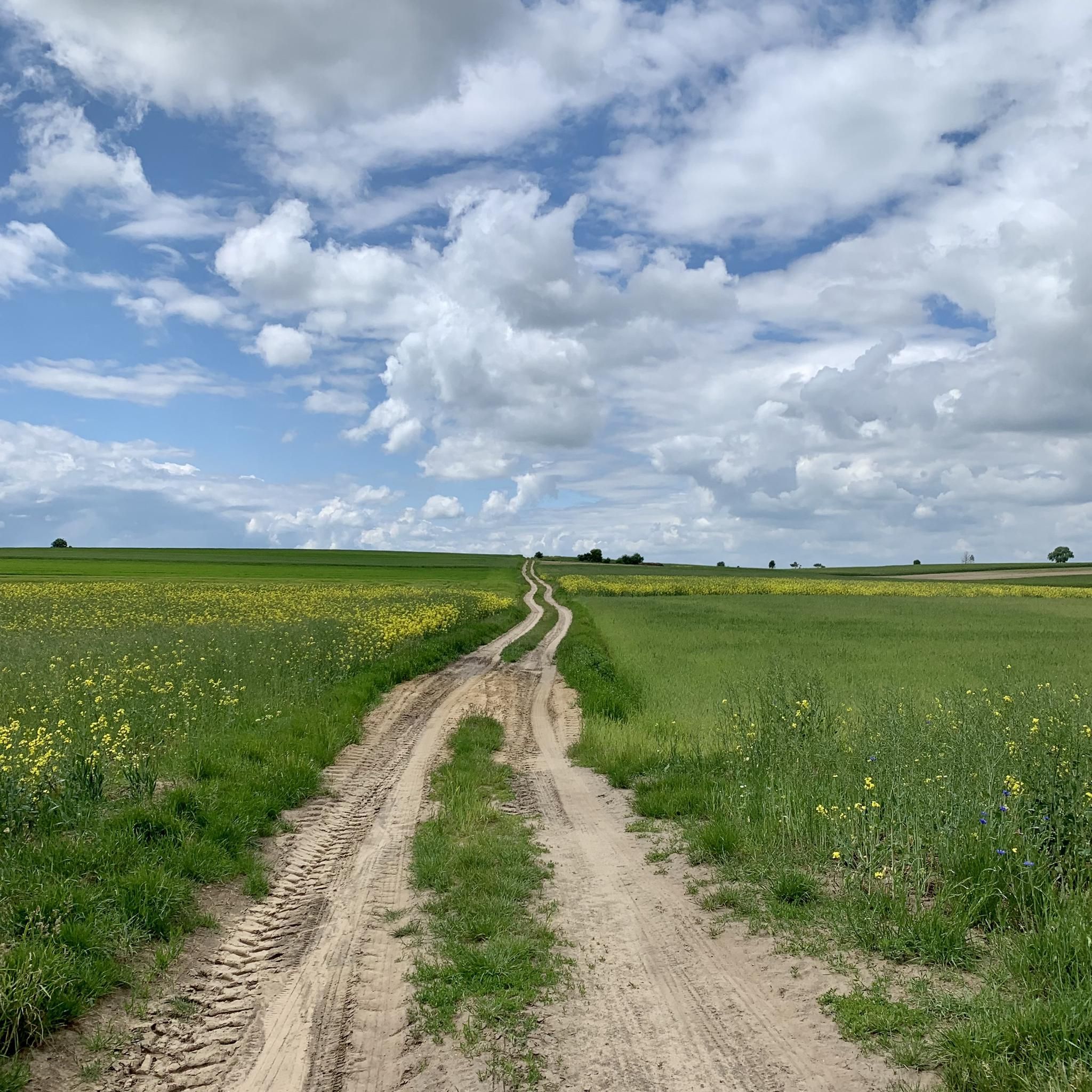
Road cycling around gmina Rokitno features a landscape characterized by generally flat to gently rolling terrain, ideal for longer rides. The region includes rural roads that traverse agricultural fields and connect small villages. Cyclists can expect routes that pass through natural reserves and past historical sites, offering varied scenery. The elevation gains are typically modest, making the area accessible for a range of cycling abilities.
Best road cycling routes around gmina Rokitno
- The most popular road cycling route is Manor…
Last updated: August 26, 2026
5.0
(1)
8
riders
19.9km
00:55
60m
60m
Moderate road ride. Great for any fitness level. Some segments of this route may be unpaved and difficult to ride.
19
riders
39.8km
01:43
120m
120m
Easy road ride. Great for any fitness level. Mostly well-paved surfaces and easy to ride.

Sign up for free
4.0
(2)
16
riders
29.3km
01:24
70m
70m
Moderate road ride. Great for any fitness level. Some segments of this route may be unpaved and difficult to ride.
17
riders
22.8km
00:52
50m
50m
Easy road ride. Great for any fitness level. Mostly well-paved surfaces and easy to ride.
18
riders
54.0km
02:11
280m
280m
Moderate road ride. Good fitness required. Mostly well-paved surfaces and easy to ride.
Our route recommendations are based on thousands of hikes, rides, and runs completed by other people on komoot.
Start today with a free account
Your next adventure awaits.
Login or Signup

Tips from the Community

Very atmospheric place, you have to stop here for a break
0
0
You get roaming from Belarus here, it's better to turn on airplane mode.
0
0

Before organizing your route, be sure to check the ferry times and ticket prices: https://podlasie.siematycze.pl/83-siematycze-przeprawa-promowa-mielnik-zabuze It's worth having cash with you.
3
2

On June 7, 2018, the Holy Trinity Collegiate Church in Janów Podlaski was given the title of Minor Basilica by a Decree of the Congregation for Divine Worship and the Discipline of the Sacraments. The Decree was signed by the Prefect of the Congregation, Cardinal Robert Sarah.
3
0
In 1428, the Grand Duke of Lithuania Vytautas founded and endowed a church in the village of Porchów, which the bishop of Lutsk, Jan Łosowicz, named Janów after himself. Initially, this church was a parish church, then the parish was moved to the Church of St. John and only in 1602, after giving this church to the Dominicans, the parish was moved to the Church of the Holy Trinity. In 1685, Stanisław Witwicki, bishop of Lutsk and Brzeg, founded a seminary at this church. The current brick parish church, construction was started in 1714 by the bishop of Lutsk Aleksander Wyhowski, and completed by bishop Stefan Bogusław Rupniewski and consecrated on November 30, 1735. In 1741, it was raised to the dignity of a collegiate church and in 1818 to the dignity of a cathedral. With the dissolution of the diocese by the Russian government in 1867, it is only a parish church. On the hundredth anniversary of the establishment of the diocese, it was restored to the dignity of a cathedral, by the bull of Pius XI.
3
0
1 V - 2 XI Monday - Friday 10:00-18:00 Saturday - Sunday 8:00-18:00 The Mielnik - Zabuże ferry runs from spring to autumn (the exact start and end dates depend on the water level on the Bug River), ferries run from 8:00 to dusk
3
0
The Mielnik Zabuże ferry crossing is a very good shortcut when going towards Janów Podlaski, it is along the GreenVelo bicycle route
3
0

A makeshift beach, the only thing you can do here is rest for a while and move on
0
1
Frequently Asked Questions
What is the general difficulty level for road cycling in gmina Rokitno?
Road cycling in gmina Rokitno is characterized by generally flat to gently rolling terrain, making it accessible for a range of cycling abilities. Most routes are classified as moderate, with modest elevation gains. For example, the Manor in Zabuż – Church of the Holy Spirit loop from Janów Podlaski is a moderate route with the highest elevation gain in the area, while the Cicibór Duży loop from Biała Podlaska is an easy option.
Are there any beginner-friendly road cycling routes in gmina Rokitno?
Yes, gmina Rokitno offers routes suitable for beginners. The region's flat to gently rolling terrain means many paths are manageable. A good option for those starting out is the Cicibór Duży loop from Biała Podlaska, which is classified as easy and covers 22.8 km.
What are the options for more experienced road cyclists in gmina Rokitno?
While gmina Rokitno is known for its modest elevation gains, experienced cyclists can still enjoy longer distances and varied rural landscapes. Routes like the Manor in Zabuż – Church of the Holy Spirit loop from Janów Podlaski, at 58.3 km, offer a good challenge with the highest elevation gain in the area, providing a more extended ride through diverse scenery.
What kind of scenery can I expect while road cycling in gmina Rokitno?
Road cycling in gmina Rokitno takes you through rural roads, vast agricultural fields, and charming small villages. You'll also find routes that pass through natural reserves, such as the Rezerwat Chmielinne loop from Biała Podlaska, offering a blend of natural beauty and open road cycling.
Are there any interesting landmarks or attractions to see along the road cycling routes?
Yes, gmina Rokitno's routes often pass by historical sites and points of interest. You can explore attractions such as the Janów Podlaski Stud Farm, the Collegiate Basilica of the Holy Trinity in Janów Podlaski, or the Cieleśnica Palace. The Fundamenty Pałacu loop from Biała Podlaska, for instance, leads past historical foundations.
Can I find circular road cycling routes in gmina Rokitno?
Yes, all the featured road cycling routes in gmina Rokitno are circular loops. This allows for convenient starting and ending points, often in or near towns like Janów Podlaski or Biała Podlaska. Examples include the Manor in Zabuż – Church of the Holy Spirit loop from Janów Podlaski and the Chapel – Dwór Zaścianek loop from Janów Podlaski.
Is parking available near the road cycling routes in gmina Rokitno?
Many road cycling routes in gmina Rokitno start and end in or near towns such as Janów Podlaski and Biała Podlaska. These locations typically offer public parking facilities, making it convenient to access the start of your ride. It's advisable to check local parking options in these towns before your trip.
When is the best time of year to go road cycling in gmina Rokitno?
The best time for road cycling in gmina Rokitno is generally from spring through early autumn (April to October). During these months, the weather is usually mild and pleasant, and the rural landscapes are at their most vibrant. The flat terrain makes it enjoyable even on warmer days, but always check the local forecast.
Are there road cycling options during winter in gmina Rokitno?
While road cycling is possible in gmina Rokitno during winter, conditions can be challenging due to cold temperatures, potential snow, and ice. The rural roads may not always be cleared quickly. It's recommended to exercise caution, use appropriate gear, and check local road conditions if planning a winter ride.
How can I find less crowded road cycling routes in gmina Rokitno?
Gmina Rokitno's road cycling routes primarily traverse rural roads and agricultural areas, which tend to be less crowded than urban paths. To ensure a quieter experience, consider cycling during off-peak hours or weekdays. Routes like the Chapel – Dwór Zaścianek loop from Janów Podlaski offer a peaceful journey through the countryside.
What do other cyclists say about road cycling in gmina Rokitno?
The road cycling routes in gmina Rokitno are highly rated by the komoot community, with an average score of 5.0 stars. Cyclists often praise the quiet rural roads, the scenic agricultural fields, and the opportunity to explore small villages and historical sites, making for a pleasant and varied riding experience.
Are there places to stop for refreshments or cafes along the road cycling routes?
While the routes primarily pass through rural areas, you'll find opportunities for refreshments in the small villages and towns that the loops connect, such as Janów Podlaski and Biała Podlaska. It's a good idea to plan your stops in advance or carry sufficient water and snacks, especially on longer stretches between villages.
Most popular routes around gmina Rokitno
Most popular attractions around gmina Rokitno

Get inspired with the komoot mobile app


Explore more
Browse the best Road cycling routes in other regions.
