The best walks and hikes around Łęczyca
4.8
(20)
270
hikers
63
hikes
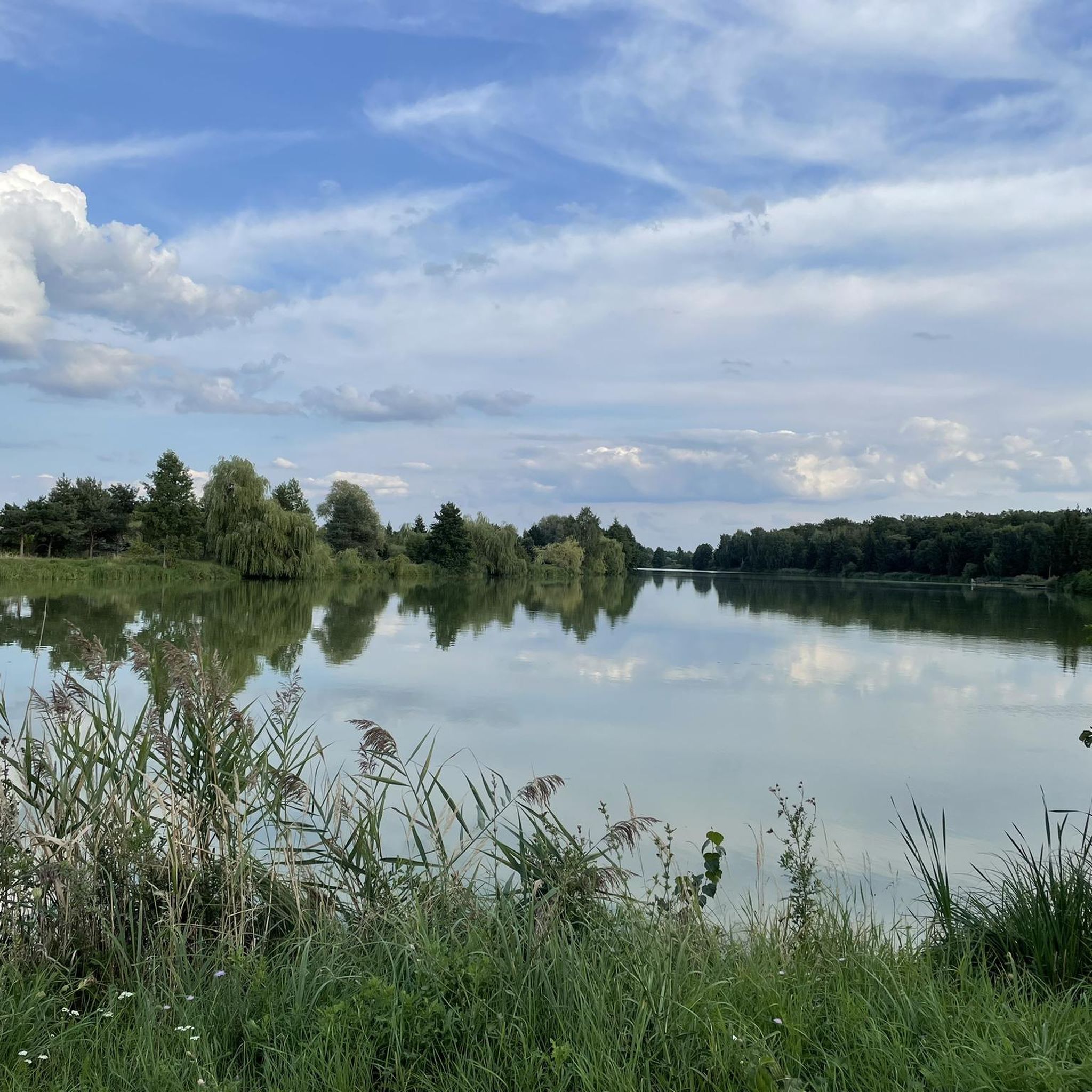
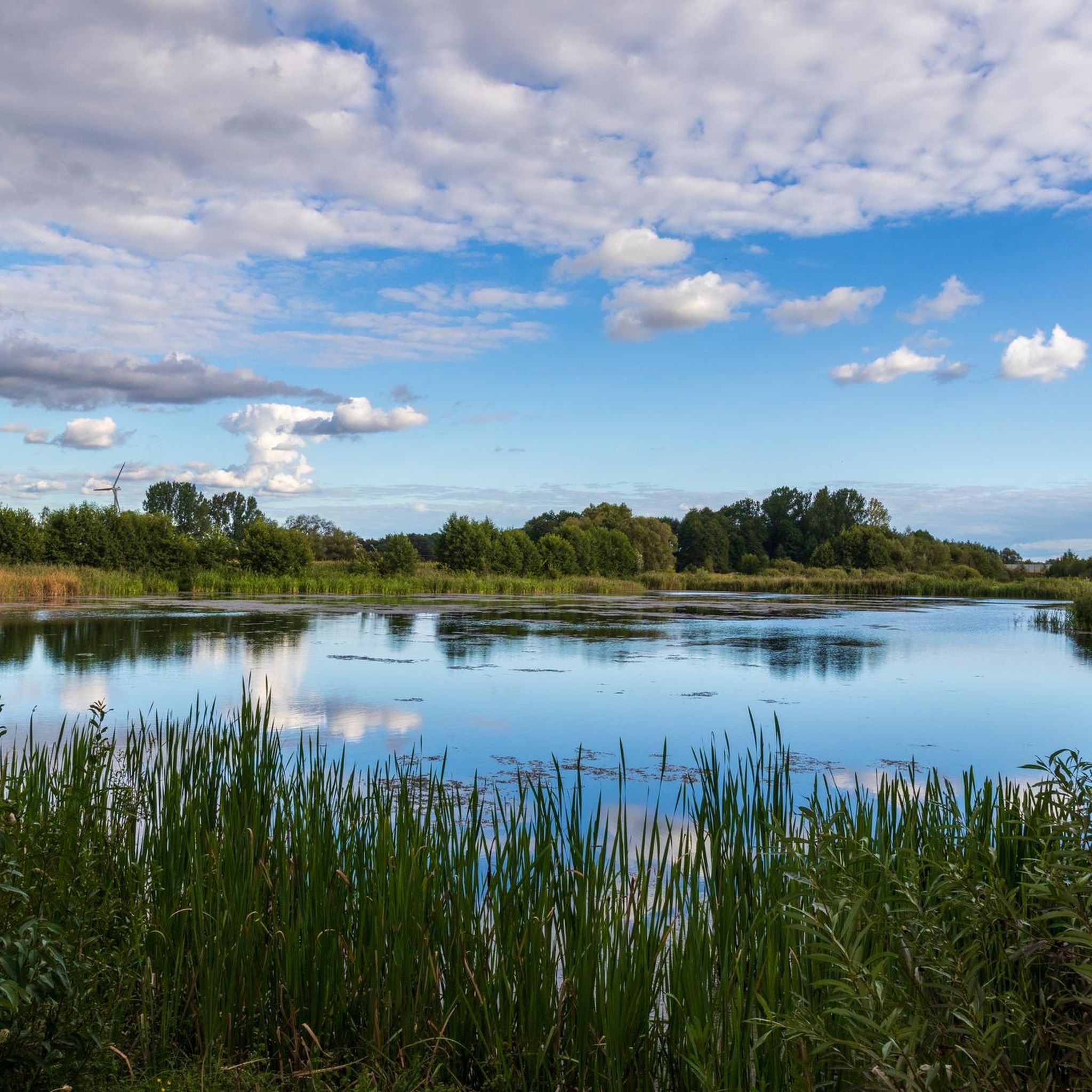
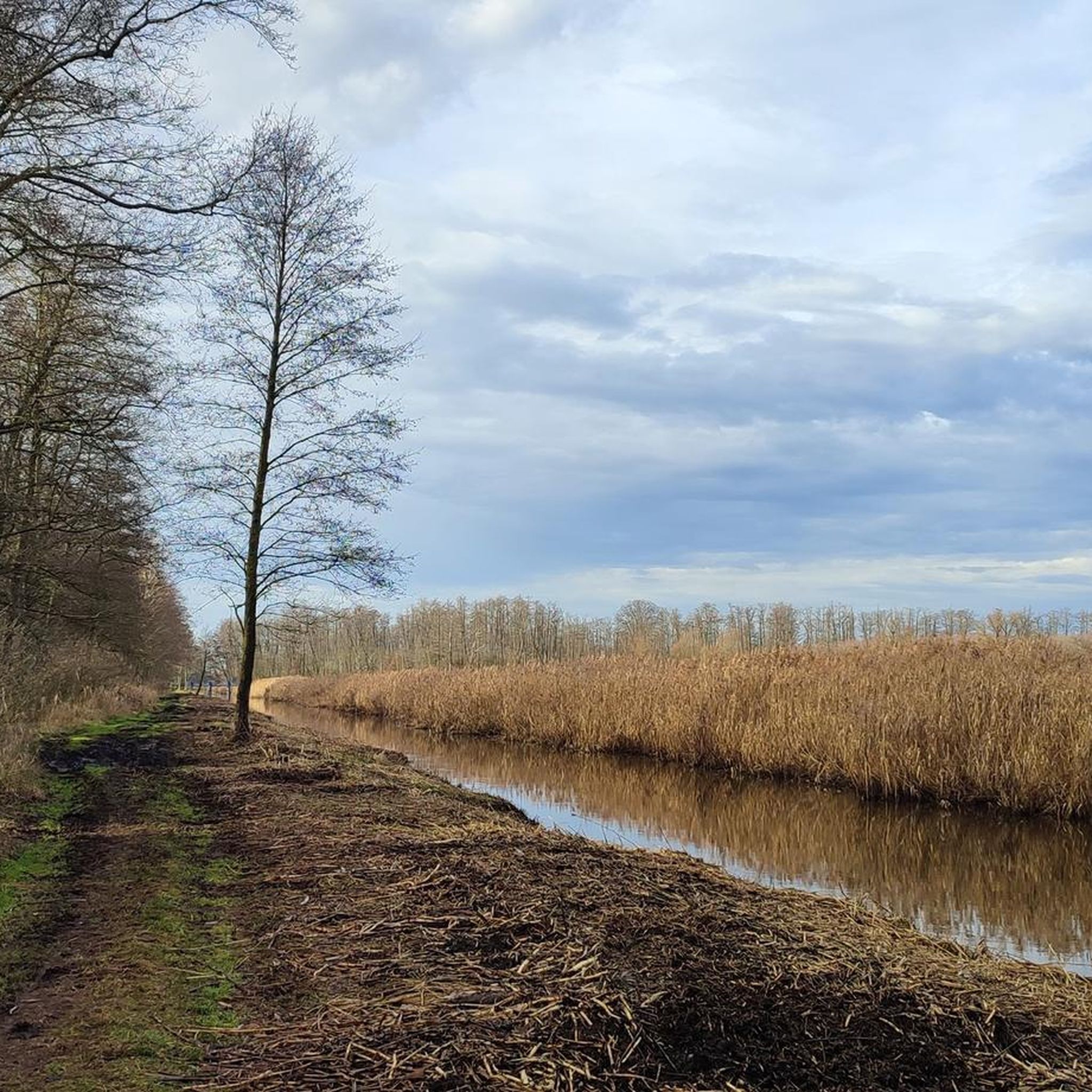
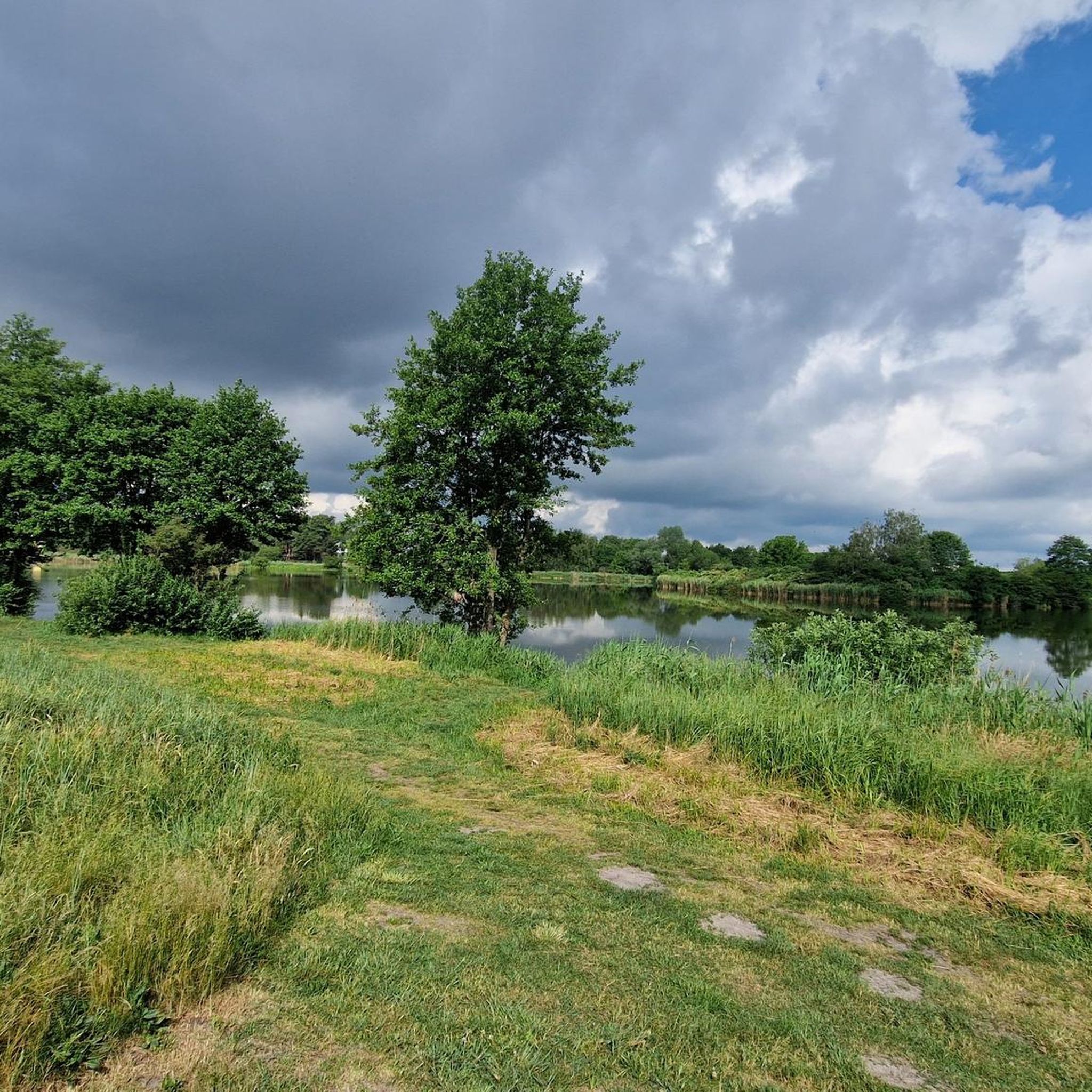
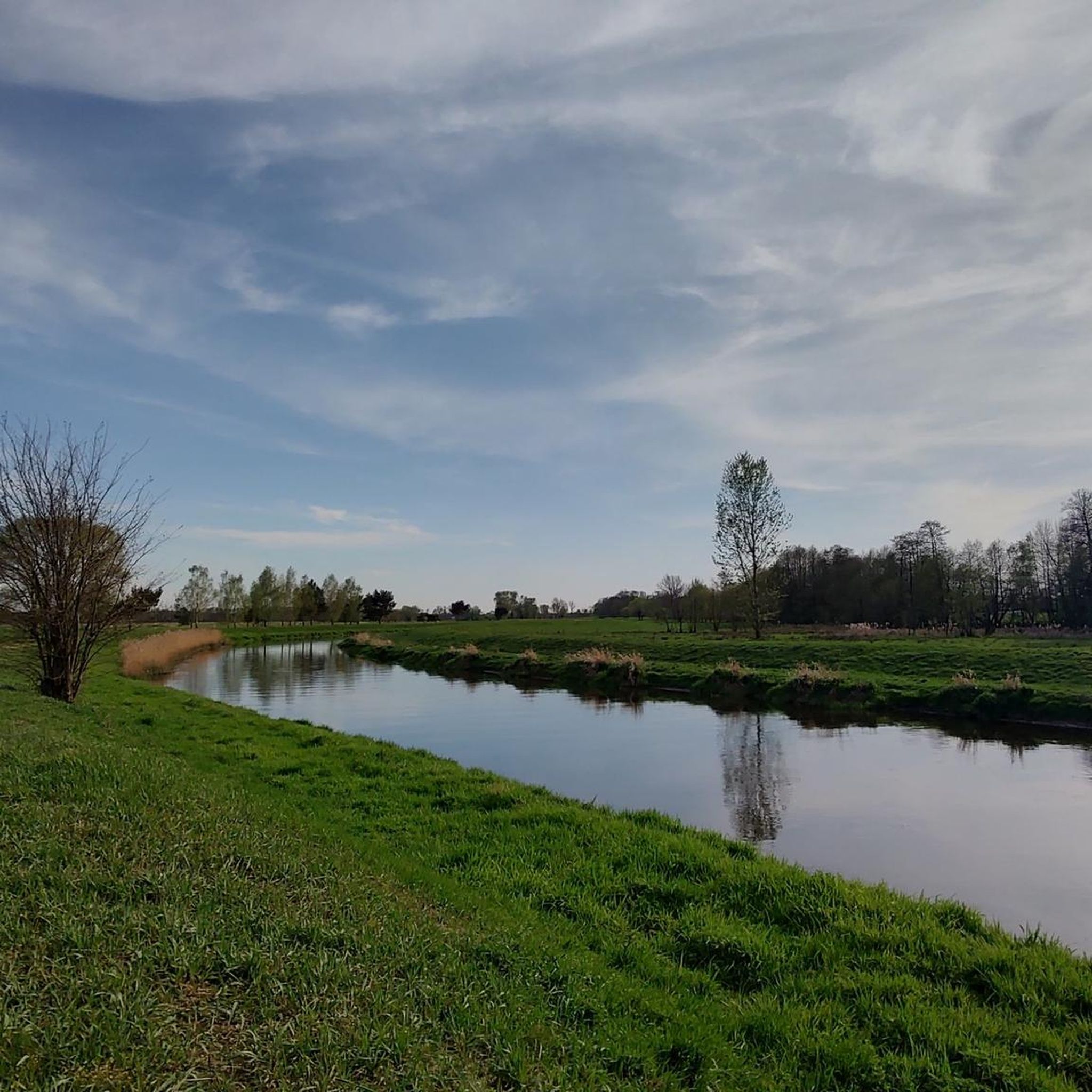
Hiking around Łęczyca offers routes through a landscape characterized by its flat terrain, historical landmarks, and riverine areas. The region, situated in Łódź Voivodeship, features gentle paths along the Warta River and around local ponds and post-glacial lakes. While elevation gains are minimal, the trails provide opportunities to explore the area's cultural heritage and natural scenery. The routes often connect historical sites with picturesque rural surroundings.
Best hiking trails in Łęczyca
- The most popular hiking route is Nadwarciańskie Boulevards –…
Last updated: June 18, 2026
4.0
(1)
8
hikers
Moderate hike. Good fitness required. Easily-accessible paths. Suitable for all skill levels.
4.0
(1)
12
hikers
Moderate hike. Good fitness required. Easily-accessible paths. Suitable for all skill levels.

Sign up for free
9
hikers
6.20km
01:36
30m
30m
Easy hike. Great for any fitness level. Easily-accessible paths. Suitable for all skill levels.
5.0
(1)
4
hikers
6.22km
01:35
20m
20m
Easy hike. Great for any fitness level. Easily-accessible paths. Suitable for all skill levels.
3
hikers
7.13km
01:51
40m
40m
Easy hike. Great for any fitness level. Easily-accessible paths. Suitable for all skill levels.
2
hikers
3.65km
00:57
20m
20m
Easy hike. Great for any fitness level. Easily-accessible paths. Suitable for all skill levels.
Get access to more routes and recommendations from other explorers.
Sign up for free
Already have an account?
Our route recommendations are based on thousands of hikes, rides, and runs completed by other people on komoot.
Start today with a free account
Your next adventure awaits.
Login or Signup




Tips from the Community

Łęczyca was chartered under German law before 1260. The oldest brick town hall, mentioned as early as the late 14th century, was located – as archaeological research has shown – in the central part of the Market Square. The town hall was built as the seat of the mayor, councilors, the city court, the land courts, and the city archives. It also housed a prison and the city scales. The building also housed the executioner's axe. The date and cause of the destruction of the first town hall are unknown. A 1777 inventory contains information about the town's lack of a town hall, the town council meeting in private homes, and the storage of documents in the mayor's house – likely the reason for the 1787 decision by the Police Department of the Permanent Council to rebuild the town hall in Łęczyca. At the same time, the idea arose to adapt the former Jesuit church as the seat of the city authorities, but this was rejected due to the high costs of the conversion and the building's distance from the city center. Ultimately, architect Jakub Kubicki, the then city architect, decided to build a new town hall on the Market Square, on the site of the former municipal seat. He also prepared a building design and a detailed work program. This plan included involving residents in the construction work to reduce construction costs and sourcing bricks from the old city walls. The Łęczyca municipal seat was built with funds granted to the city by the king and thanks to the efforts of the residents. Construction work was carried out between 1788 and 1790. The first session of the town council in the new town hall took place in 1791.
0
0
The prison gate from the film "Vabank" in the former prison on Pocztowa Street. This facility was used as a filming location not only for "Vabank" but also for other productions, such as "Papusza." The prison closed in 2006 and is now partially open to the public as a museum.
1
0
A defensive structure in Łęczyca, erected by King Casimir the Great. The exact date of the castle's commencement and completion is unknown. Construction work may have begun shortly after 1345, when the Łęczyca lands still belonged to Duke Władysław the Hunchback, but were no longer his principal residence. King Casimir the Great, naturally in consultation with the Duke, could have begun the defensive project at that time.
0
0
The open-air museum was established in 2011-2013, although the idea of its creation appeared at the end of 2009. From the very beginning, its concept was closely linked to the Tum – the pearl of the Romanesque trail project. It consists of several basic parts: architectural buildings (a residential house – the so-called clay cottage, a livestock building with a peat shed, a barn, an earth cellar, a well with a crane, a manure pit and a fence), small architectural elements (a chapel), buildings presenting rural industry and crafts (a trestle-type windmill, an oil mill, a forge) and accompanying buildings (an administrative and exhibition building, a pottery and bread oven). The Łęczycka Zagroda Chłopska open-air museum is one of the three elements of the Tum – the pearl of the Romanesque trail project. The farmstead is a clay residential house with two rooms: a kitchen and a room, and a passage hall. The threshold of a peasant's cottage transports you to the times of the Second Polish Republic, and the yard is filled with the delicate smell of linseed oil, which has just been pressed in the oil mill operating in the open-air museum, the only one in the area. Next to it, in the forge, coke glows, and the blacksmith has everything he needs to be happy. A two-hundred-year-old windmill towers over the farmstead, the construction and operating principle of which can be learned by visiting its interior. via centralluk.pl/leczycka-zagroda-chlopska-grodzisko-w-tumie
0
0

It was here in 1934 that Henryk Kwinto left prison and jumped into a driving car in the film "Vabank".
0
0

The building was built in the 12th century in the Romanesque style.
0
0

There is a museum in the castle
0
0
Collegiate Church of the Virgin Mary and St. Alexis in Tum (Łęczyca Collegiate Church) – a church erected in the 12th century, located near the former site of an early medieval stronghold[a]. It is one of the finest examples of Romanesque architecture in Poland and has the status of a historical monument. from Wikipedia
0
0
Frequently Asked Questions
What kind of terrain can I expect on hiking trails around Łęczyca?
Hiking around Łęczyca primarily features flat terrain with minimal elevation changes. You'll find paths along the Warta River, around local ponds, and through post-glacial lakes. The routes often traverse open fields and rural roads, connecting historical sites with picturesque natural scenery.
Are there many hiking routes available in Łęczyca?
Yes, the Łęczyca area offers a good selection of hiking routes. There are over 40 routes available, with the majority being easy (36 routes) and a few moderate options (6 routes). There are no difficult trails in this region, making it accessible for various fitness levels.
What are some notable historical landmarks I can see while hiking in Łęczyca?
Many trails in Łęczyca connect significant historical landmarks. For instance, the Royal Castle in Leczyca – Collegiate Church in Tum loop from Łęczyca will take you past both the Royal Castle and the Collegiate Church in Tum. You can also explore other historical sites like the Łęczycka Peasant Farm Open-Air Museum or the Besiekiery Castle Ruins.
Are there any circular hiking routes in Łęczyca?
Yes, many of the hiking routes around Łęczyca are designed as loops. A popular example is the Nadwarciańskie Boulevards – Green Terraces with Fountain loop from gmina Uniejów, which follows the scenic boulevards along the Warta River. Another option is the Castle in Leczyca – Town Square loop from Łęczyca, which explores historical town areas.
What do other hikers say about the trails in Łęczyca?
The hiking routes in Łęczyca are highly regarded by the komoot community, holding an impressive average rating of 4.9 stars from over 10 reviews. More than 200 hikers have used komoot to explore the varied terrain, often praising the well-maintained paths and the blend of historical and natural sights.
Are there any family-friendly hiking options in Łęczyca?
Given the flat terrain and minimal elevation, most of the easy-rated trails in Łęczyca are suitable for families. Routes like the Nadwarciańskie Boulevards – Uniejów Castle Tower loop from Osiedle 700-lecia Uniejowa are shorter and offer pleasant walks along the river, which can be enjoyable for all ages.
Can I bring my dog on the hiking trails in Łęczyca?
Generally, dogs are welcome on most public hiking trails in Poland, including those around Łęczyca. However, it's always advisable to keep your dog on a leash, especially when passing through agricultural areas or near wildlife, and to clean up after them. There are no specific restrictions mentioned for the trails in this region.
Are there any trails that pass by water features or lakes?
Yes, the region's landscape includes riverine areas and post-glacial lakes. The Jezioro polodowcowe loop from Witów is an example of a trail that takes you around a post-glacial lake, offering scenic views of the water.
How long do the hiking trails in Łęczyca typically take to complete?
The duration of hikes in Łęczyca varies depending on the route. Shorter, easy trails like the Hiking loop from Ozorków can be completed in just over an hour. Longer, moderate routes such as the Castle in Leczyca – Town Square loop from Łęczyca might take around 2 hours and 45 minutes.
Are there any places to explore near the trails that are not historical sites?
Beyond historical landmarks, you can find other points of interest. For example, the Geometric Center of Poland Monument is a unique man-made monument that can be visited. The general rural surroundings and river views also offer natural beauty to explore.
What is the best time of year to go hiking in Łęczyca?
While specific seasonal recommendations for Łęczyca are not detailed, generally, spring and autumn offer pleasant conditions for hiking in Poland with milder temperatures and beautiful scenery. Summer can also be enjoyable, especially along riverine paths, but be prepared for warmer weather. Winter hiking is possible, but trails may be covered in snow or ice.
Are there any trails that offer views of the Warta River?
Yes, several trails in the region follow the Warta River. The Nadwarciańskie Boulevards – Uniejów Castle loop from gmina Uniejów is a great option, offering picturesque views along the river and leading to Uniejów Castle.
Most popular routes around Łęczyca
Most popular attractions around Łęczyca

Get inspired with the komoot mobile app


Didn’t find what you were looking for?
Check out more Hikes throughout Łęczyca below and find the perfect route in your destination.
Explore more
Browse the best Hikes in other regions.
