The best gravel rides around Carmona
4.0
(5)
83
riders
18
rides
Gravel biking around Carmona is characterized by its diverse landscapes, including the Alcores Escarpment, river systems, and extensive agricultural plains. The region features varied terrain, from eroded calcareous rock and rugged vegetation on the escarpment to loamy sand, sandstone, and clay ground across the plains. These natural features, combined with historical rural roads and tracks, provide a range of surfaces suitable for gravel cycling.
Best gravel bike trails around Carmona
- The most popular gravel bike trail is Río Guadaíra –…
Last updated: October 12, 2026
7
riders
74.1km
05:50
850m
850m
Hard gravel ride. Very good fitness required. Mostly paved surfaces. Suitable for all skill levels.
4.0
(1)
5
riders
36.9km
02:44
190m
190m
Moderate gravel ride. Good fitness required. Mostly paved surfaces. Suitable for all skill levels.

9
riders
88.9km
07:08
900m
900m
Hard gravel ride. Very good fitness required. Mostly paved surfaces. Suitable for all skill levels.
6
riders
71.8km
05:27
630m
630m
Hard gravel ride. Very good fitness required. Mostly paved surfaces. Suitable for all skill levels.
3.0
(1)
8
riders
66.4km
04:51
540m
540m
Hard gravel ride. Very good fitness required. Mostly paved surfaces. Suitable for all skill levels.
Get access to more routes and recommendations from other explorers.
Already have an account?
Our route recommendations are based on thousands of hikes, rides, and runs completed by other people on komoot.
Start today with a free account
Your next adventure awaits.
Popular around Carmona
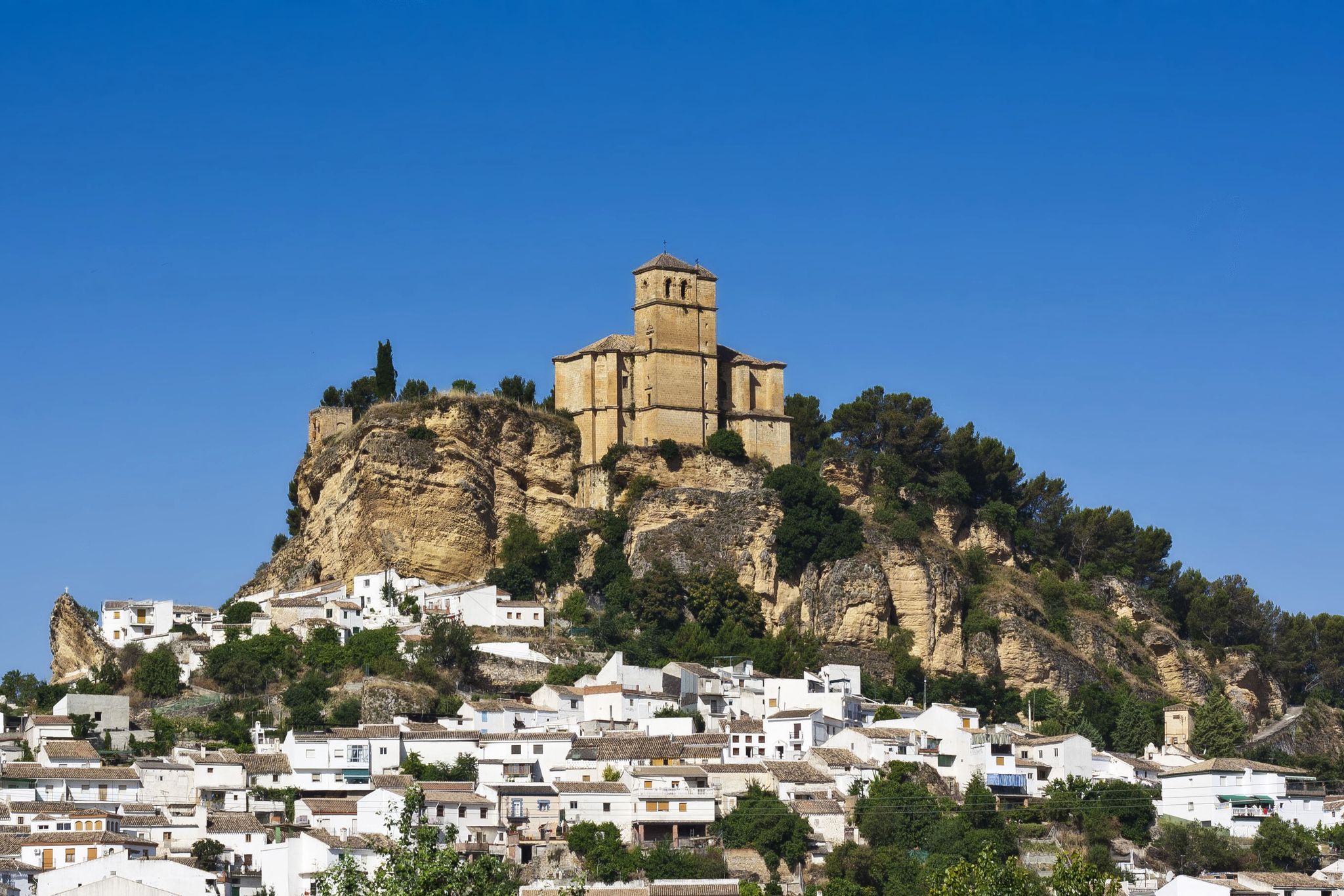
Washington Irving – cycle through the Arab vestiges of Andalusia
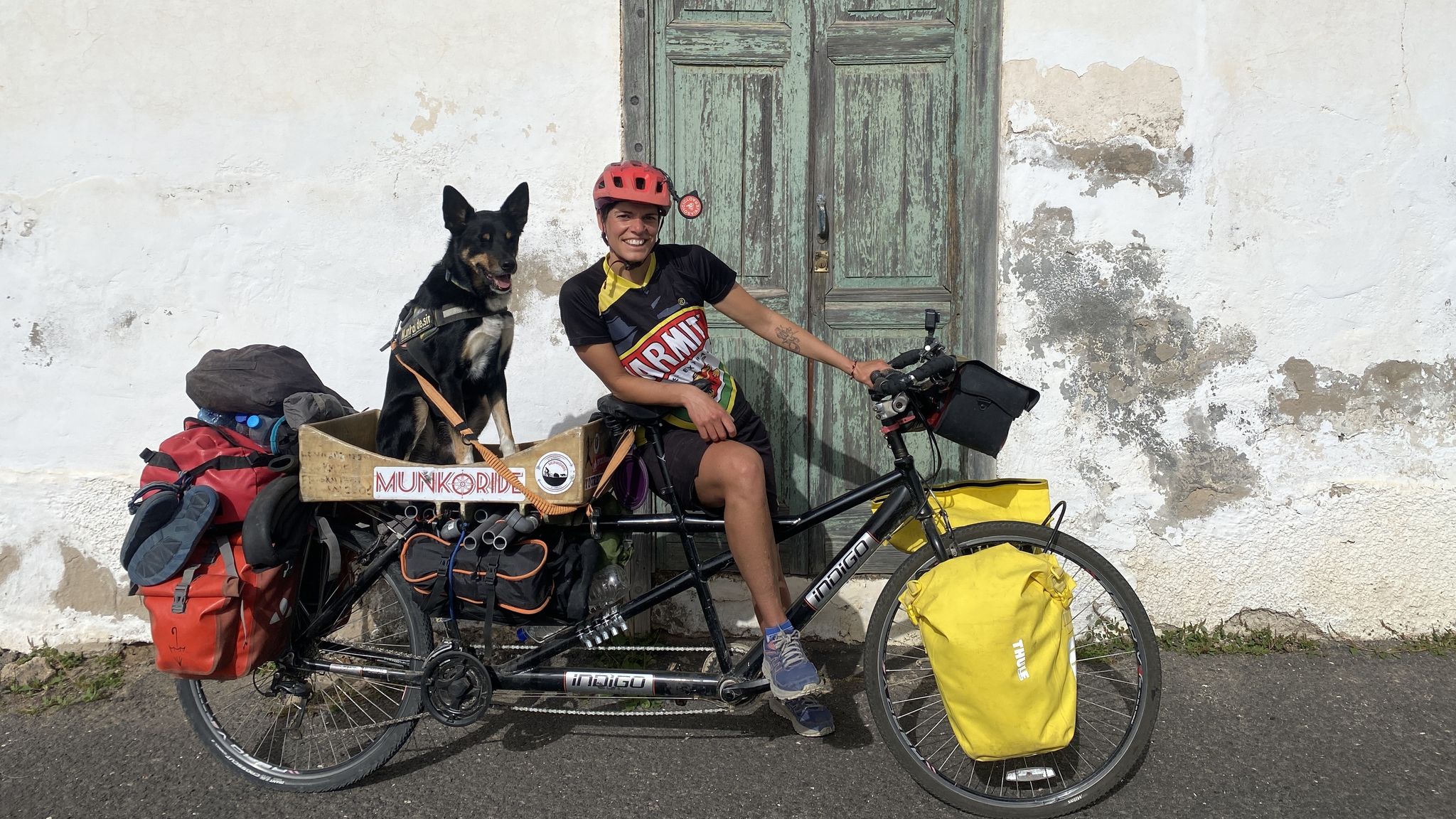
A winter getaway along the greenways of Andalusia in Spain
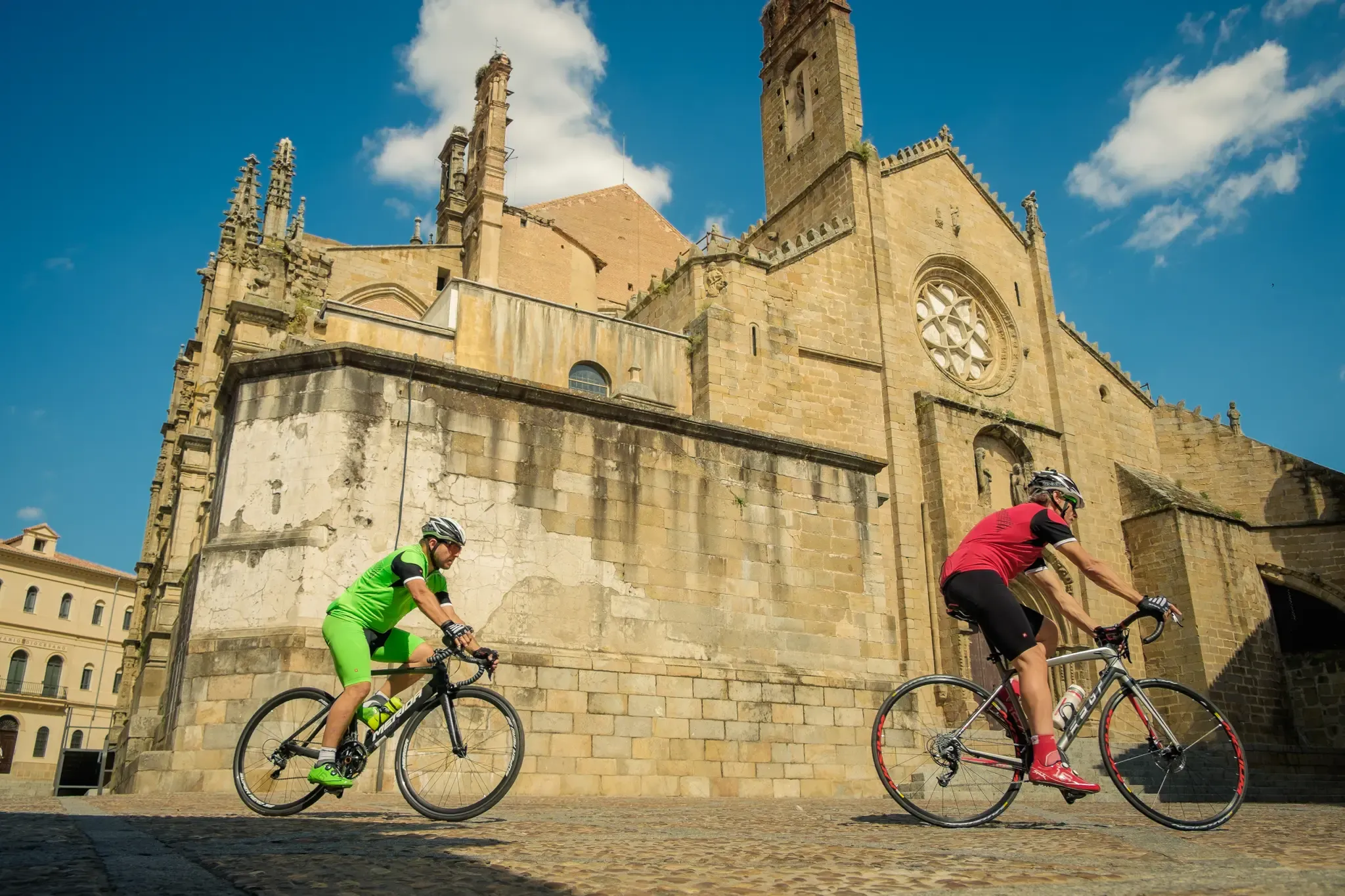
Vía de la Plata – from Seville to Gijón by bike
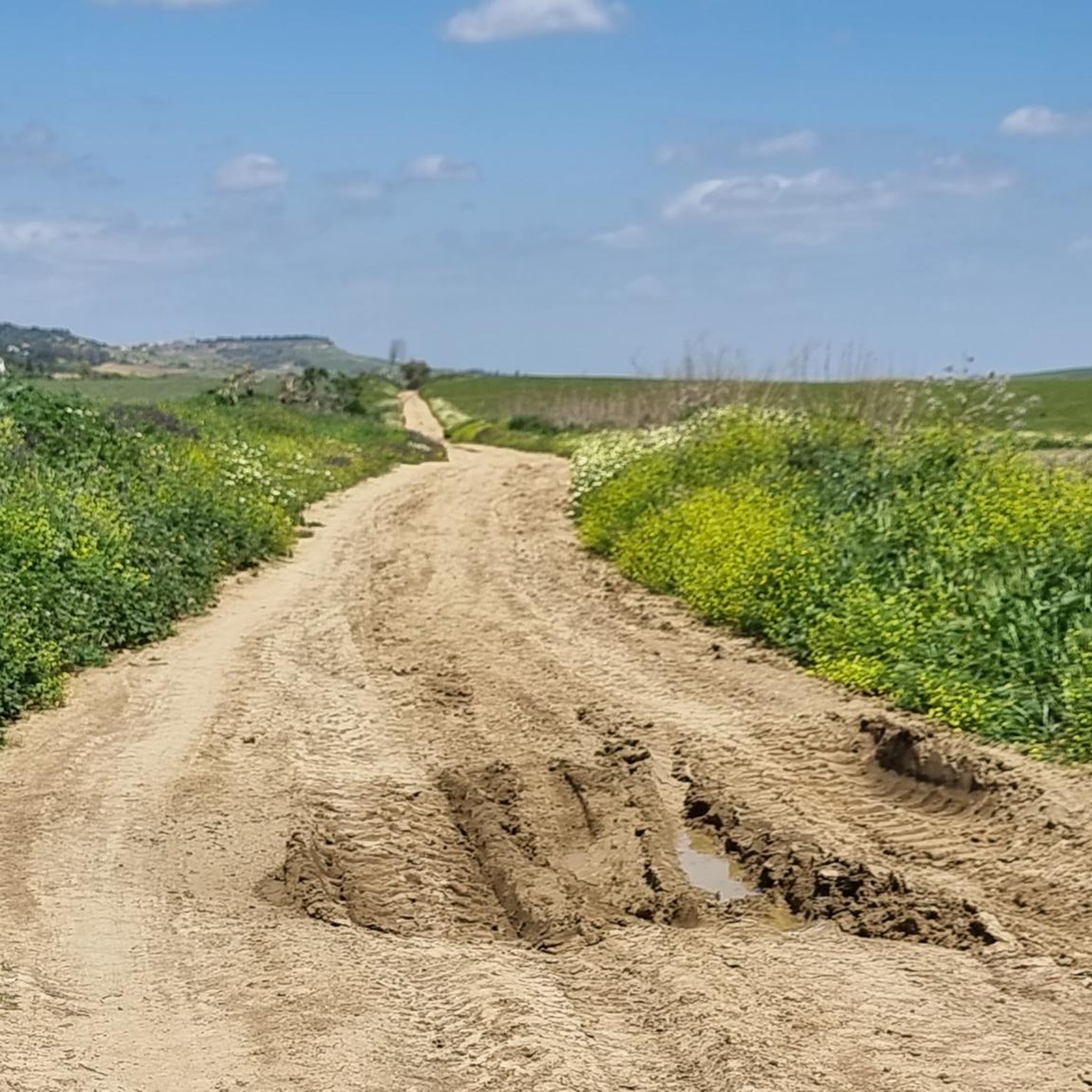
MTB Trails around Carmona
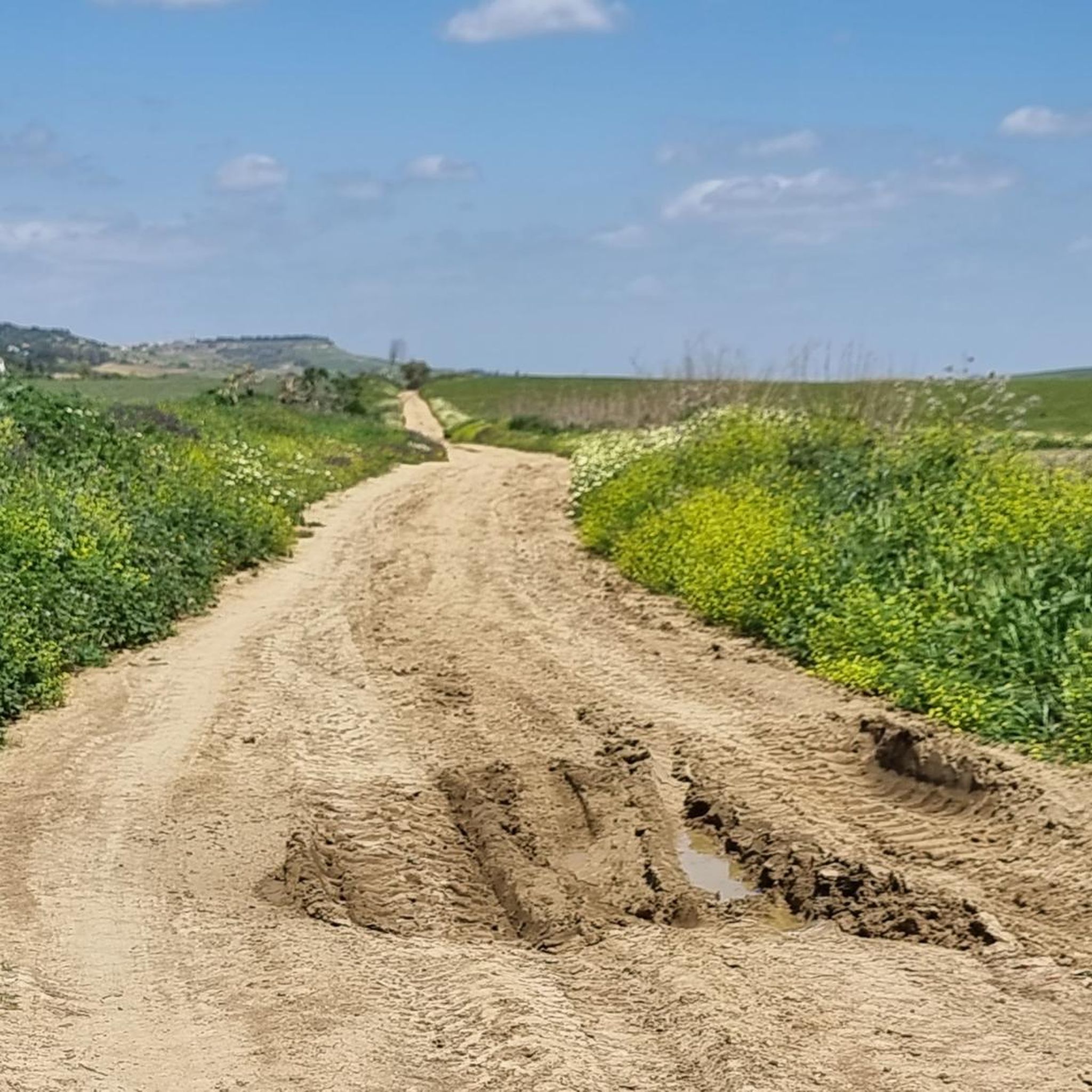
Road Cycling Routes around Carmona
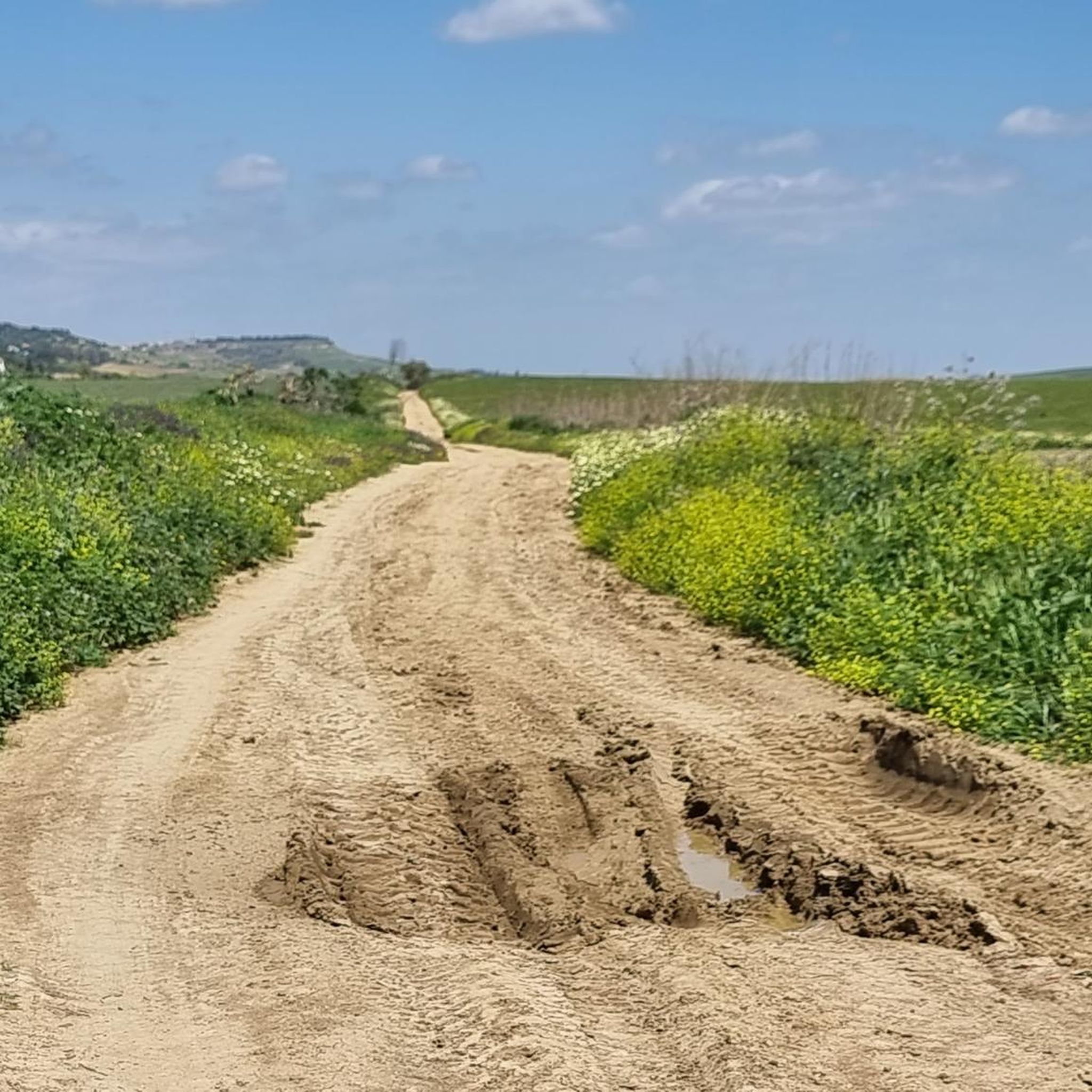
Hiking around Carmona
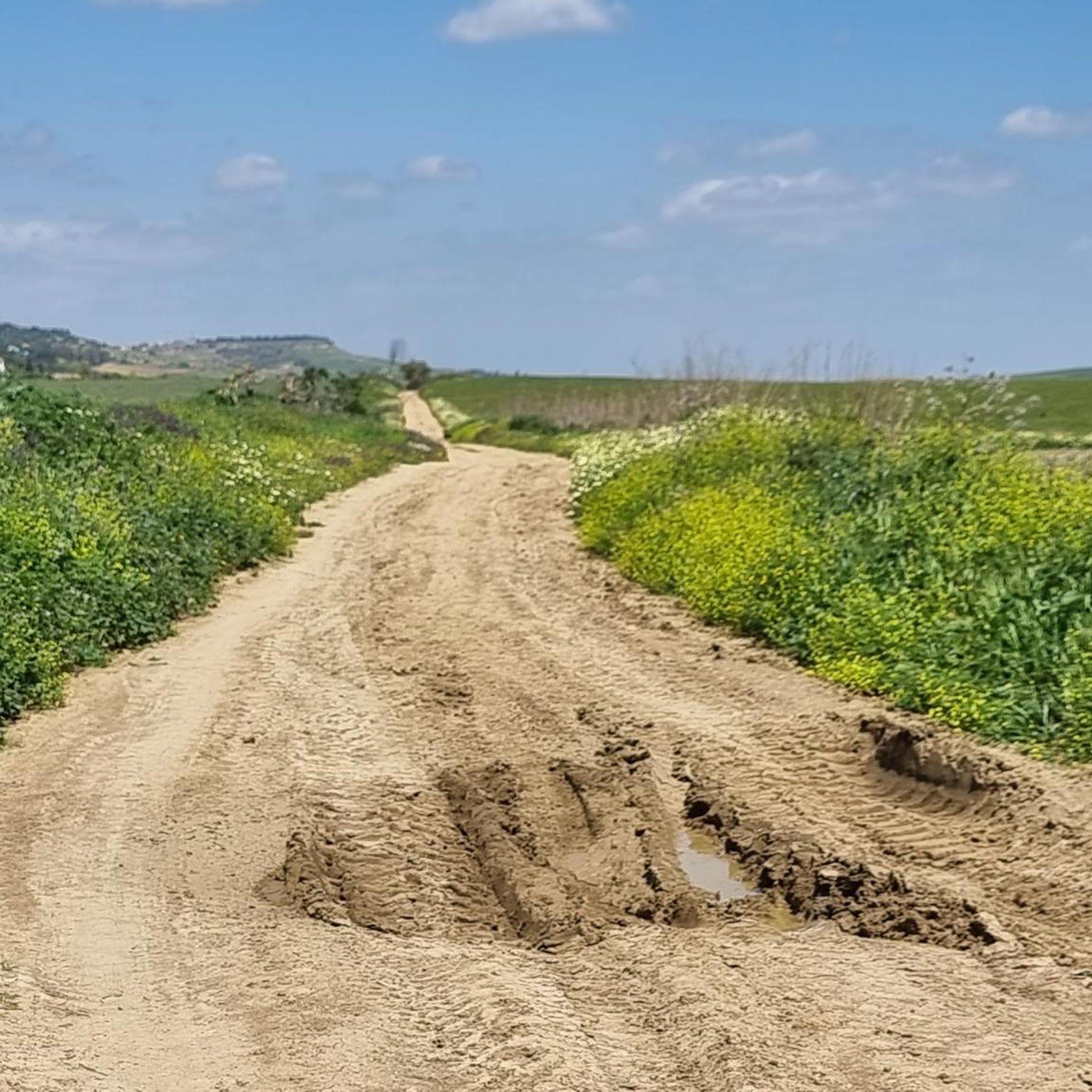
Cycling around Carmona
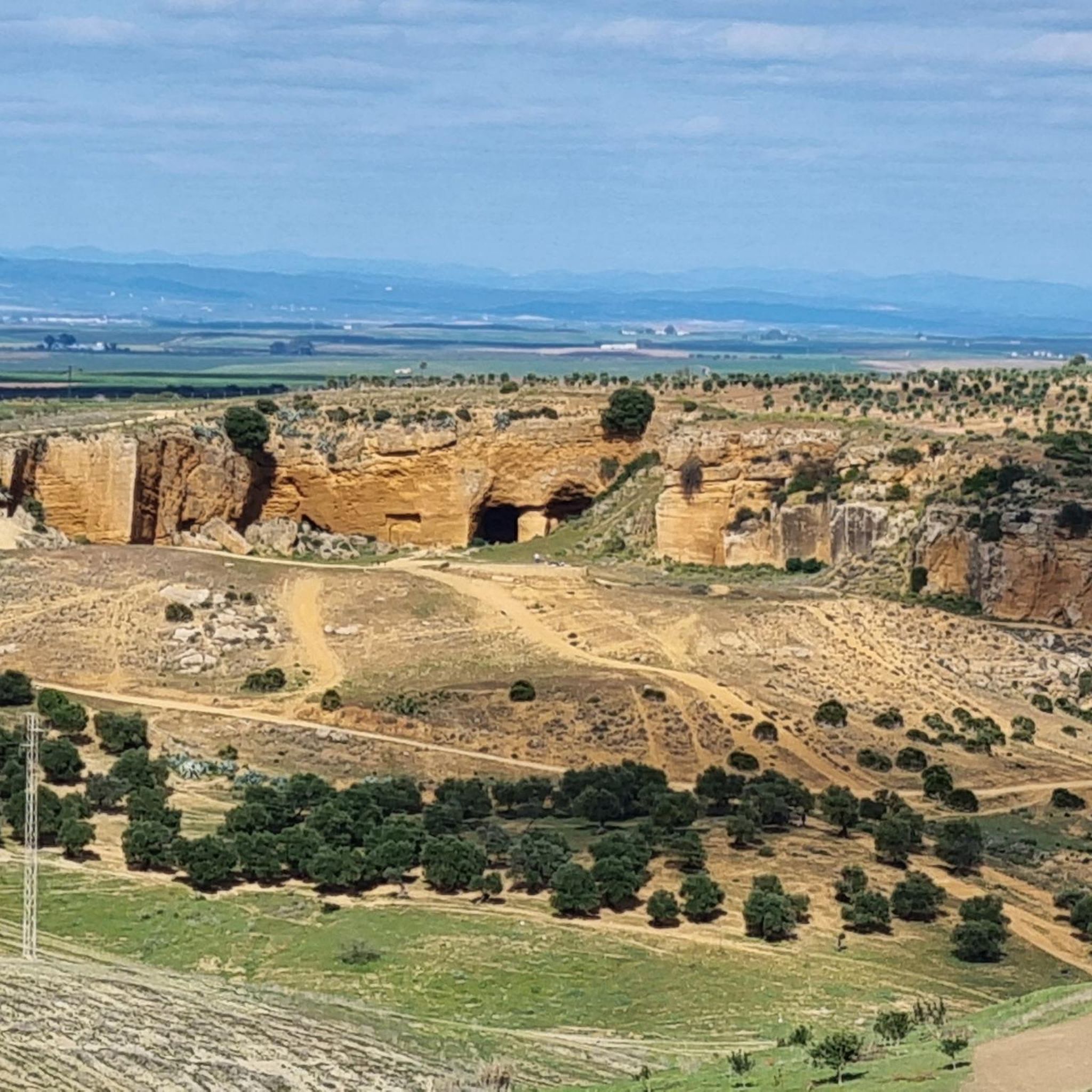
Running Trails around Carmona


Tips from the Community

Guillena is a small town located in the province of Seville known for its rich history, diverse landscape and beautiful architecture. The historic centre of the town retains much of its original charm and contains impressive buildings such as the church of Nuestra Señora de la Granada, the monastery of Santa Clara and the palace of the Counts of Torreblanca and the Sierra Norte de Sevilla, a large natural area that offers many possibilities. Guillena is also an important centre for agriculture and livestock, with the production of olive oil, wine and citrus fruits, and a rich gastronomy with traditional dishes such as gazpacho and salmorejo.
9
0


I went to see him one day in the car to inspect what that was and I didn't get out of the car. There was a German shepherd loose with no one around and I didn't dare get out of the car. This from the road. I didn't pass the back dirt road.
0
0

Historical place. A great highlight and great photo opportunity. Definitely recommended for history fans.
1
0


Bridge that is on one of the sections of the Camino del agua and that avoids one of the torrents that appear in the mountains around the dam.
1
0

The Water Route is super fun with impressive views in almost the entire route through the Gergal reservoir.
2
0
A bar with good views. The perfect place to rest or have a drink during an excursion.
1
0
Frequently Asked Questions
What kind of terrain and elevation can I expect on gravel trails in Carmona?
Gravel biking in Carmona offers a diverse range of terrain. You'll encounter the rugged, eroded calcareous rock and vegetation of the Alcores Escarpment, along with loamy sand, sandstone, and calcarenite limestone surfaces. The vast agricultural plains, such as La Vega del Corbones, feature extensive networks of rural roads and tracks with clay ground. Routes vary in elevation; some, like the Guillena Town Hall – Ribera de Gillena loop from La Rinconada, include significant elevation gain, while others follow flatter riverside paths.
Are there any notable landmarks or viewpoints along the gravel bike trails?
Yes, Carmona's gravel routes often pass through a rich cultural landscape. You can explore historical sites like the Marchenilla Castle and Hacienda de Gandul, which are featured on routes such as the Marchenilla Castle – Hacienda de Gandul loop from Alcalá de Guadaíra. Other highlights include the Jesús Nazareno Bridge / Roman Bridge Alcalá and the Puerta de Córdoba. Due to Carmona's elevated position, many routes offer panoramic views of the agricultural plains and river systems.
What is the best time of year for gravel biking in Carmona?
The best time for gravel biking in Carmona is typically during the cooler months, from autumn through spring (October to May). Summers can be very hot, making long rides challenging. Spring offers pleasant temperatures and blooming landscapes, while autumn provides mild weather. Winter conditions are generally mild, but it's always advisable to check local weather forecasts before heading out.
Are there family-friendly gravel biking routes in Carmona?
While the guide features routes ranging from moderate to difficult, many of the agricultural tracks and riverside paths can be suitable for families, especially those with some biking experience. The Río Guadaíra – Realaje Mill loop from Alcalá de Guadaíra is a moderate route following the Río Guadaíra, which might be a good option for families looking for a scenic ride without extreme challenges. Always check the route's distance and elevation profile to ensure it matches your family's ability.
Can I bring my dog on gravel bike trails in Carmona?
Generally, many rural and natural trails in Spain allow dogs, especially if kept on a leash. However, specific regulations can vary by municipality or protected natural areas. It's always recommended to check local signage or official guidelines for the specific trail you plan to ride to ensure dogs are permitted and to understand any requirements, such as leash laws or waste disposal.
What natural features will I encounter on gravel rides in Carmona?
Carmona's gravel routes are rich in natural diversity. You'll ride through the dramatic landscapes of the Alcores Escarpment, characterized by rugged rocks and varied vegetation. The routes also follow the courses of the Corbones and Guadaira rivers, offering scenic riverside views and protected natural areas. Additionally, you'll traverse vast agricultural plains, providing a sense of open space and a connection to the region's farming heritage.
What do other gravel bikers enjoy most about gravel biking in Carmona?
The gravel biking routes around Carmona are highly rated by the komoot community, with an average score of 4.4 stars. Reviewers often praise the diverse landscapes, which combine challenging terrain on the Alcores Escarpment with extensive, scenic rides through agricultural plains and along river systems. The integration of historical sites and panoramic views also adds to the unique appeal of the region's gravel biking experience.
Are there any circular gravel biking routes available?
Yes, many of the gravel biking routes around Carmona are designed as loops, allowing you to start and end at the same point. Examples include the Río Guadaíra – Realaje Mill loop from Alcalá de Guadaíra and the Plaza de España, Seville – Río Guadaíra loop from Venta El Cordobes A-392. These circular routes make planning your ride more convenient.
How many gravel bike trails are there in Carmona?
There are over 10 gravel biking routes available around Carmona, offering a variety of distances and difficulty levels. These include 1 easy route, 6 moderate routes, and 6 difficult routes, ensuring options for different skill sets and preferences.
Are there options for advanced gravel bikers seeking a challenge?
Absolutely. Carmona offers several challenging routes for experienced gravel bikers. For instance, the Camino del Chaparral – Alcalá del Río Dam loop from La Rinconada is a difficult route covering over 66 km with significant elevation gain, providing a demanding ride through varied landscapes. These routes often traverse more rugged sections of the Alcores Escarpment.
Is parking available near the gravel trails, or can I use public transport?
While specific parking information for every trailhead isn't detailed, many routes start from towns or villages like Alcalá de Guadaíra or La Rinconada, where public parking is generally available. For public transport, it's best to research local bus or train services to these starting points, keeping in mind that carrying a bike on public transport might have restrictions or require specific services. Planning your route start and end points with accessibility in mind is recommended.
Most popular attractions around Carmona

Get inspired with the komoot mobile app


Explore more
Browse the best Gravel rides in other regions.
