Top 20 Caves around Gulpen-Wittem
Best caves around Gulpen-Wittem are found in the South Limburg region, particularly near Valkenburg aan de Geul, which is known for its marl caves. While Gulpen-Wittem itself does not feature prominent caves, the surrounding area offers significant subterranean attractions. These sites are often visited by those staying in Gulpen-Wittem due to their close proximity and historical importance. The region's landscape is characterized by its unique geology, including marl and limestone formations.
Best caves around Gulpen-Wittem
- The most popular caves is…
Last updated: June 24, 2026
Strooberg Quarry
Highlight • Cave
The green, sloping Bemelerberg has a marl wall on one side like on a postcard. Here the yellow limestone rises high into the air and …
Translated by Google •
Tip by

Geulhemmerberg Climb and Cave Dwellings
Highlight (Segment) • Climb
Translated by Google •
Tip by

Sign up now to discover places like this
Get recommendations on the best single tracks, peaks, & plenty of other exciting outdoor places.
Sign up for free
Mine entrance and Geul sinkhole — Plombières Nature Reserve
Highlight • Cave
Translated by Google •
Tip by

Trichterberggroeve Limestone Quarry
Highlight • Natural Monument
Translated by Google •
Tip by

Savelsbos — The Henkeput
Highlight • Cave
Translated by Google •
Tip by
Sign up for free to discover even more caves around Gulpen-Wittem.
Sign up for free
Already have an account?
Start today with a free account
Your next adventure awaits.
Login or Signup
Popular around Gulpen-Wittem
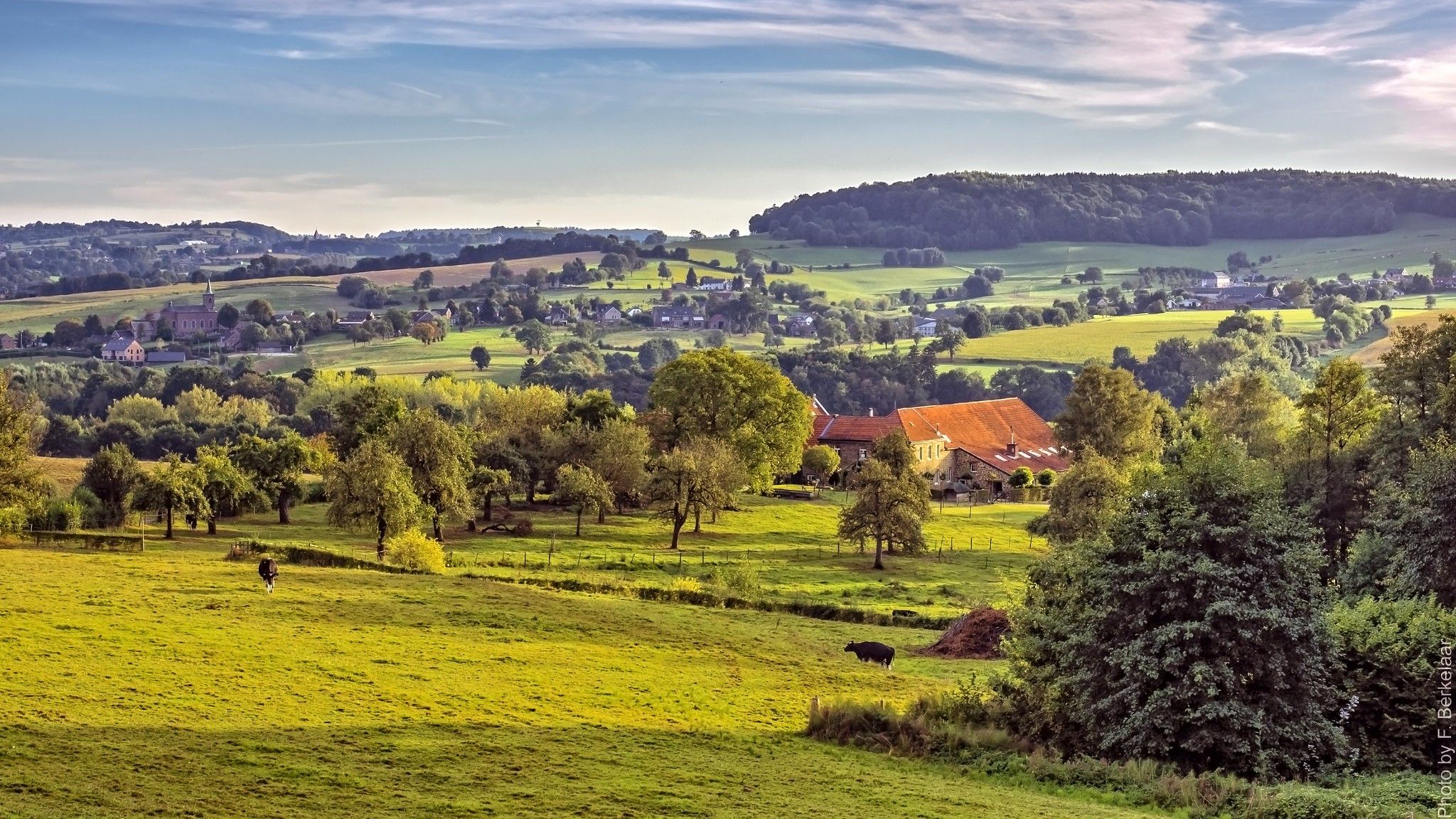
Pilgrim's Way part 2 — s-Hertogenbosch to Maastricht
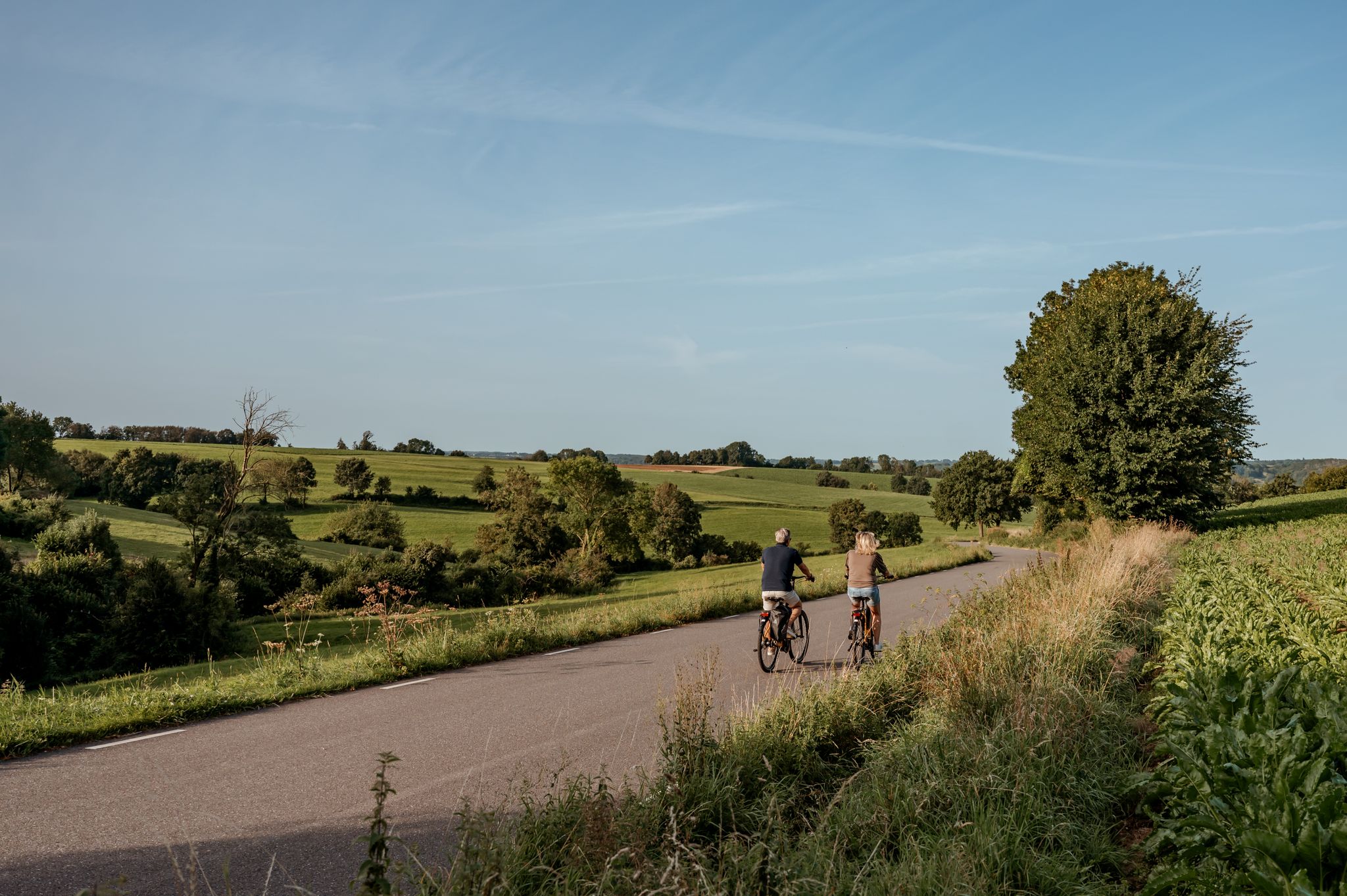
The best of South Limburg by bike
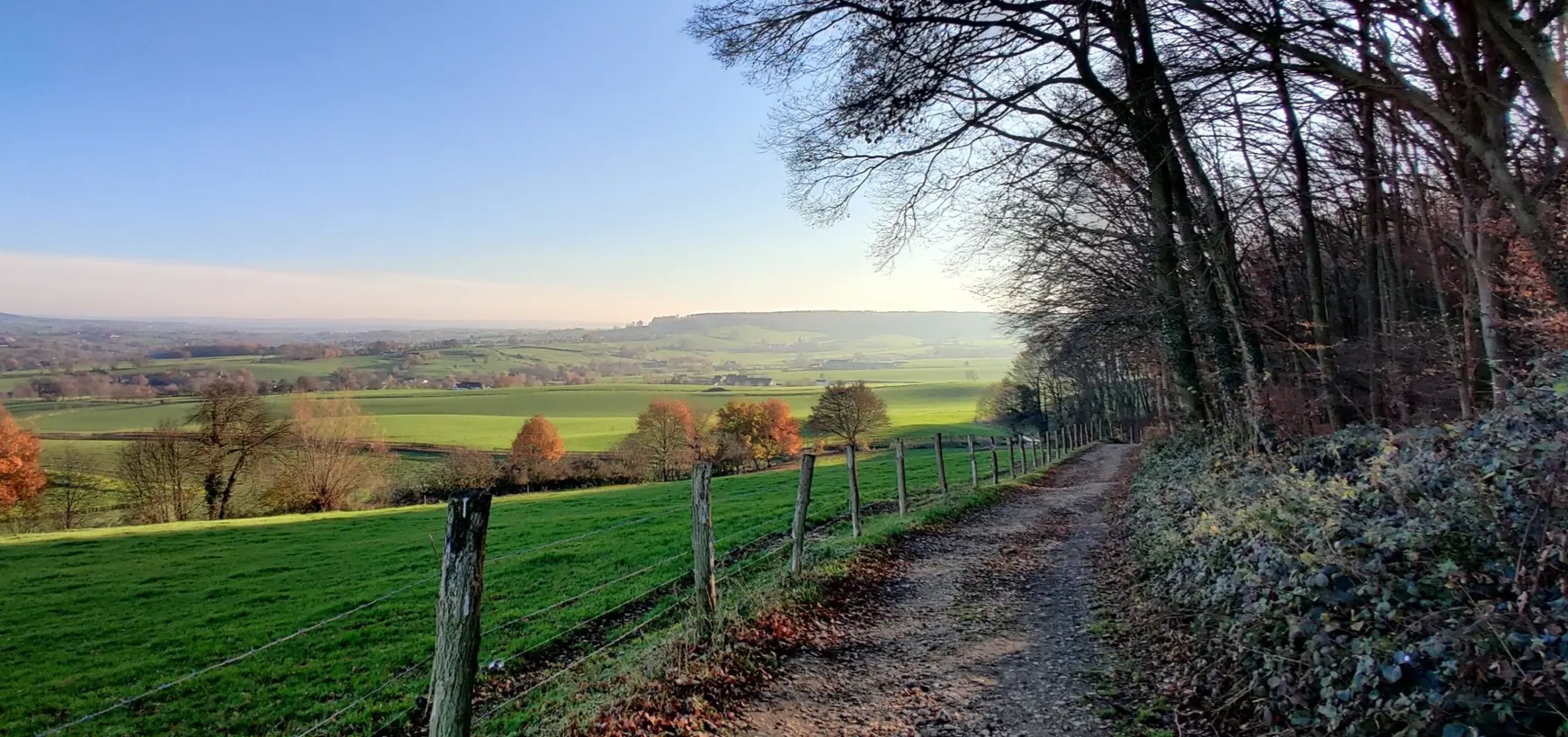
Two days Graveling through the Heuvelland – Limburg200 Gravel
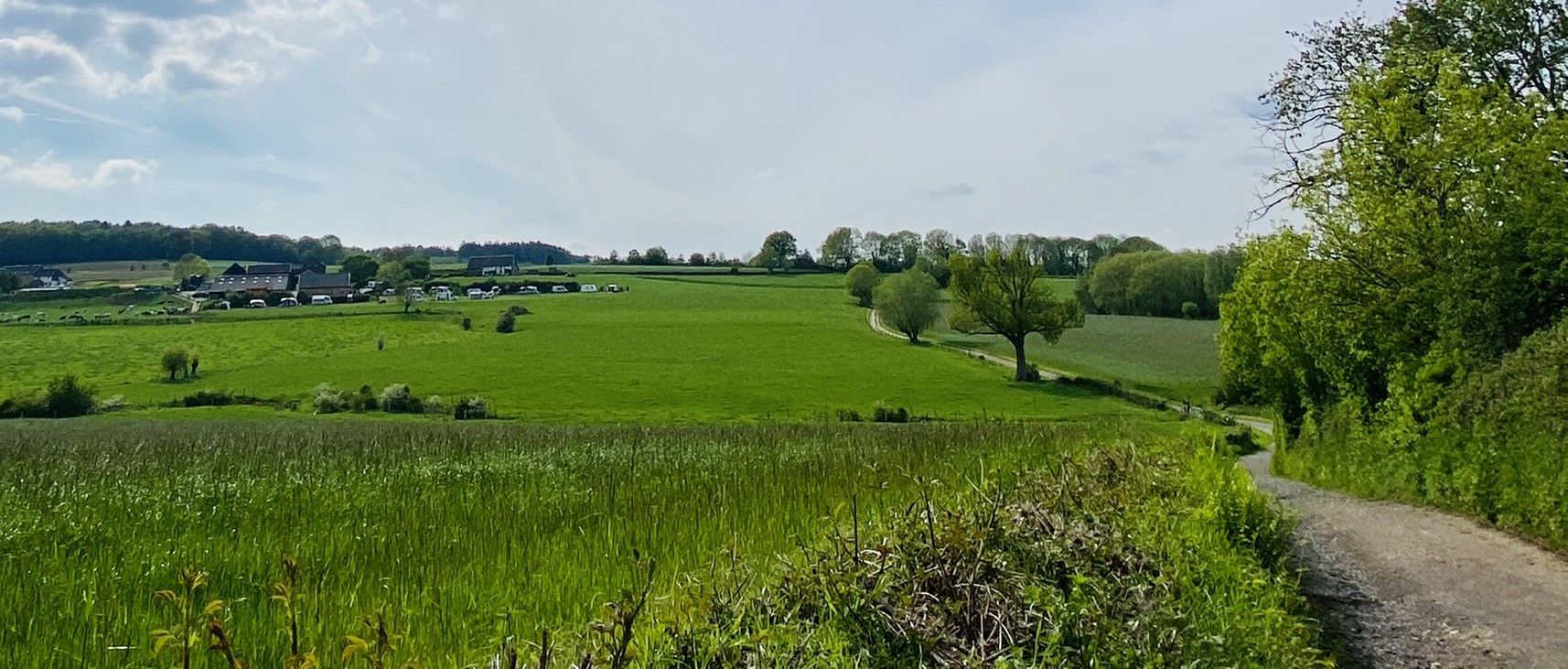
The Krijtlandpad trail - South Limburg at its best in five hiking stages
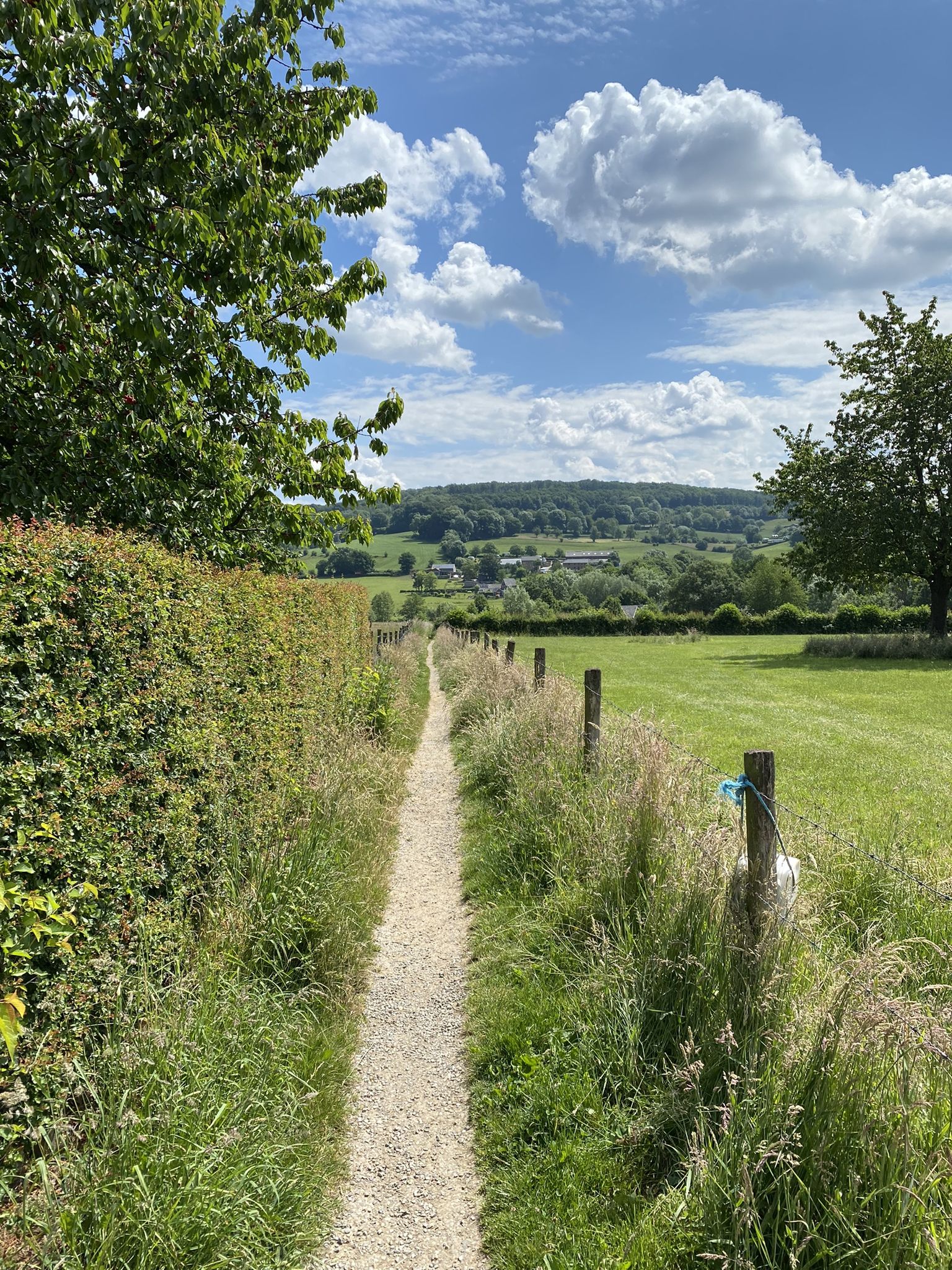
Train your calves in the rolling hills - 10 trailruns in Limburg
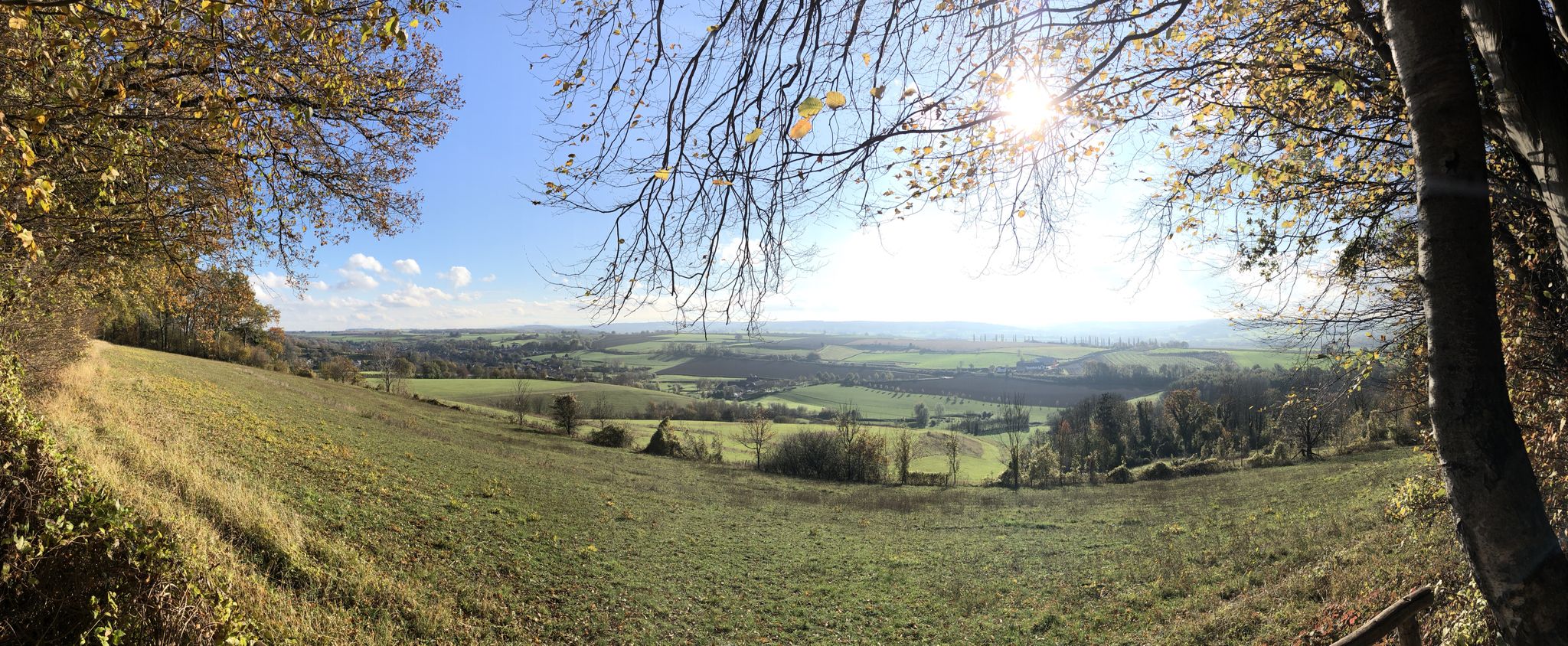
A merry multi-day hike – Limburg Pubs Route
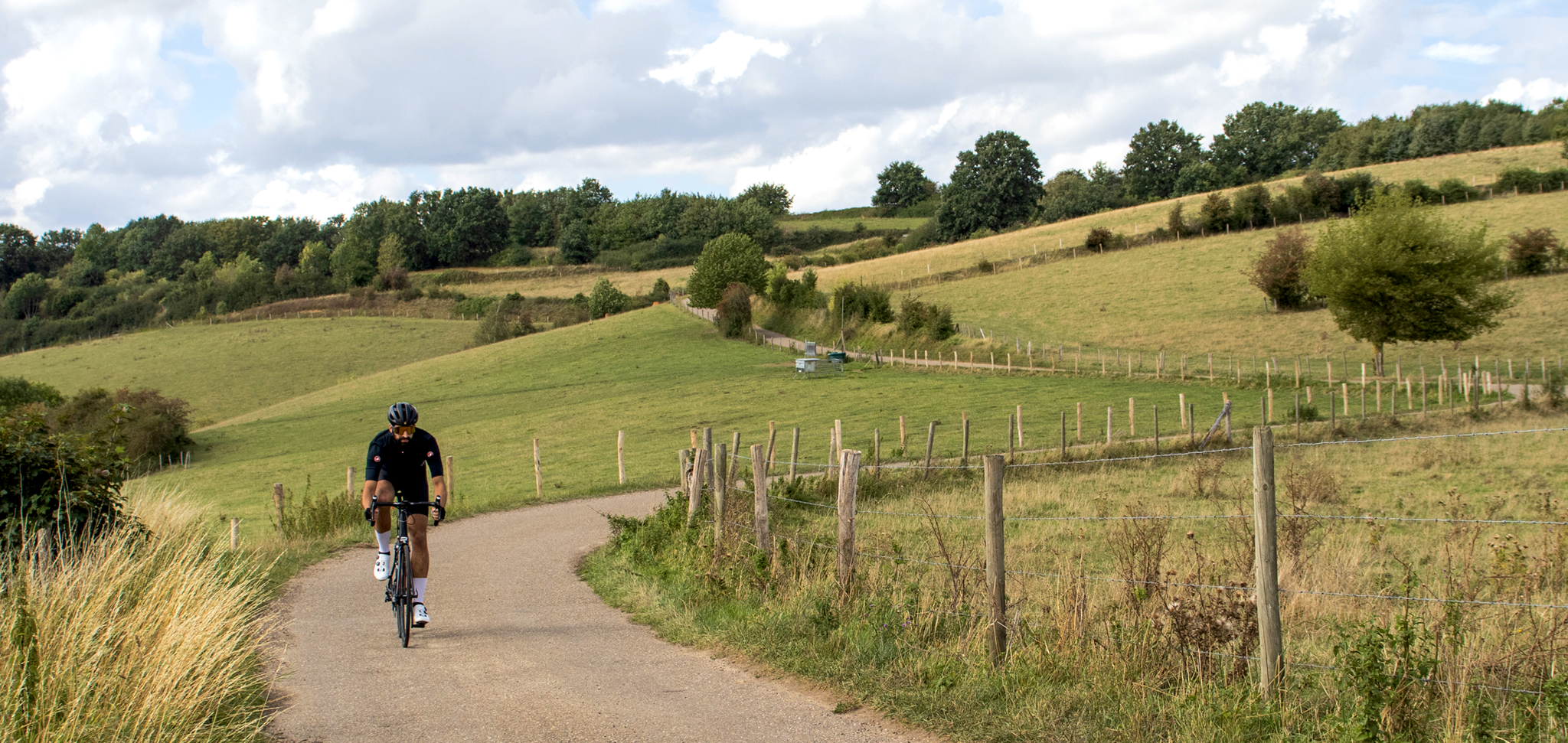
Cross-border cycling in South Limburg – the alternative routes
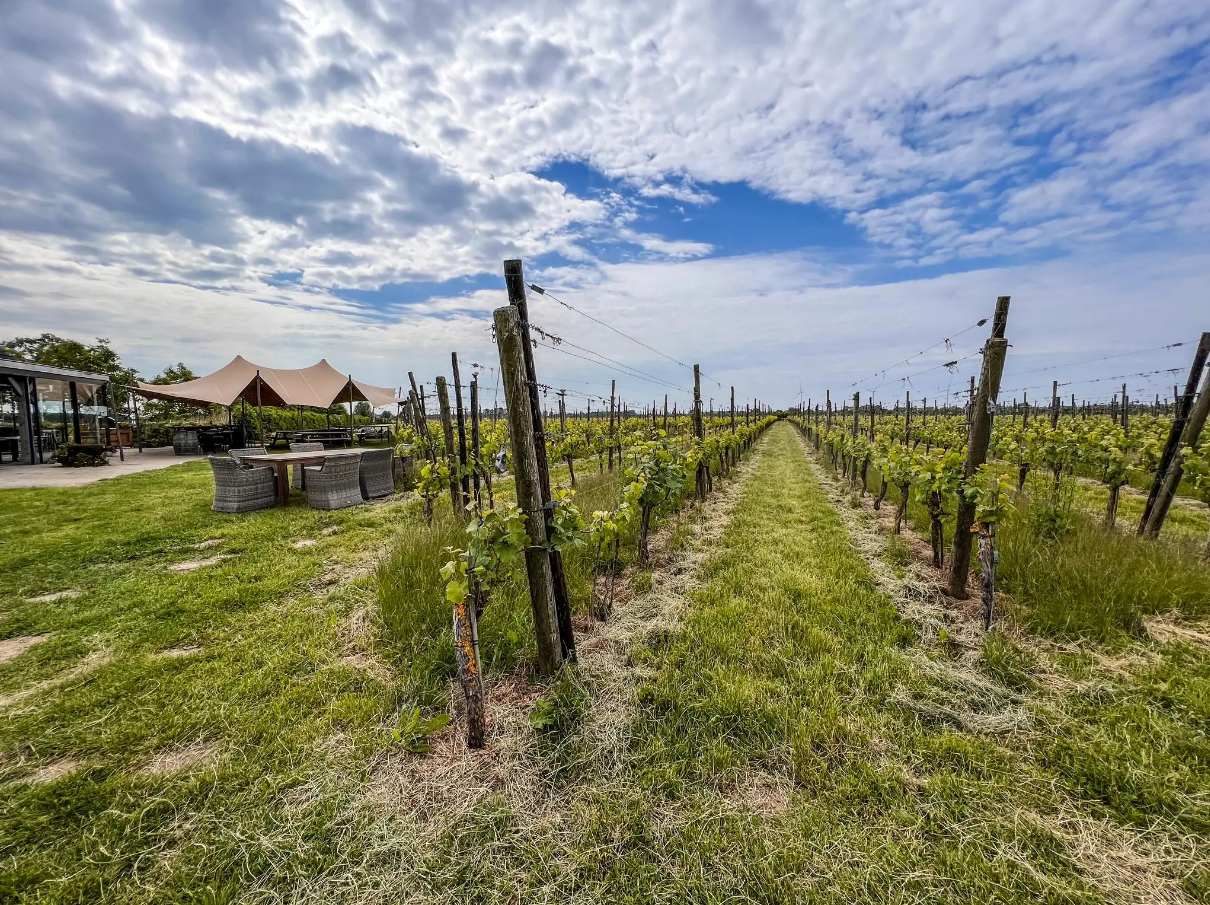
Hike and wine – walking through vineyards in the Netherlands
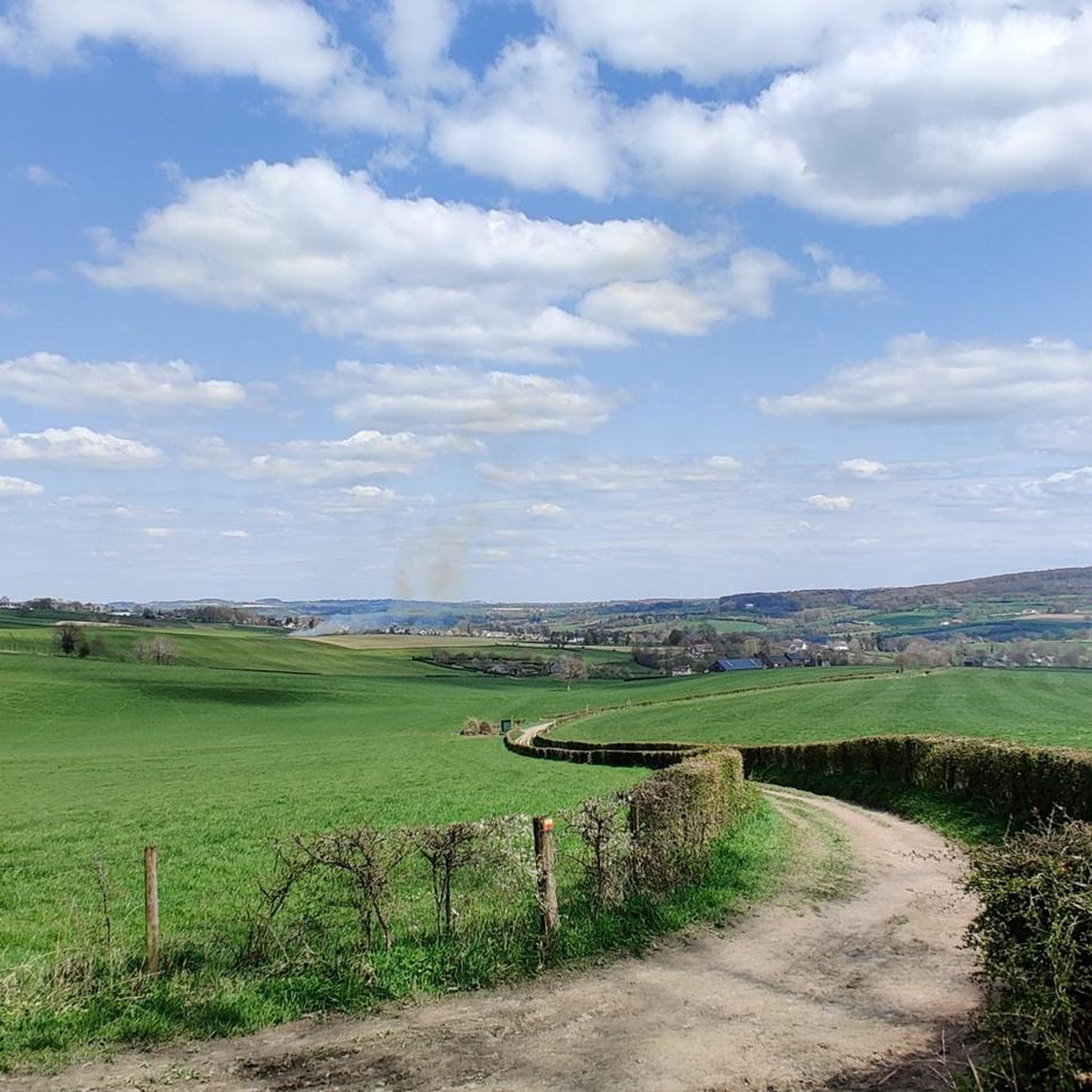
Hiking around Gulpen-Wittem
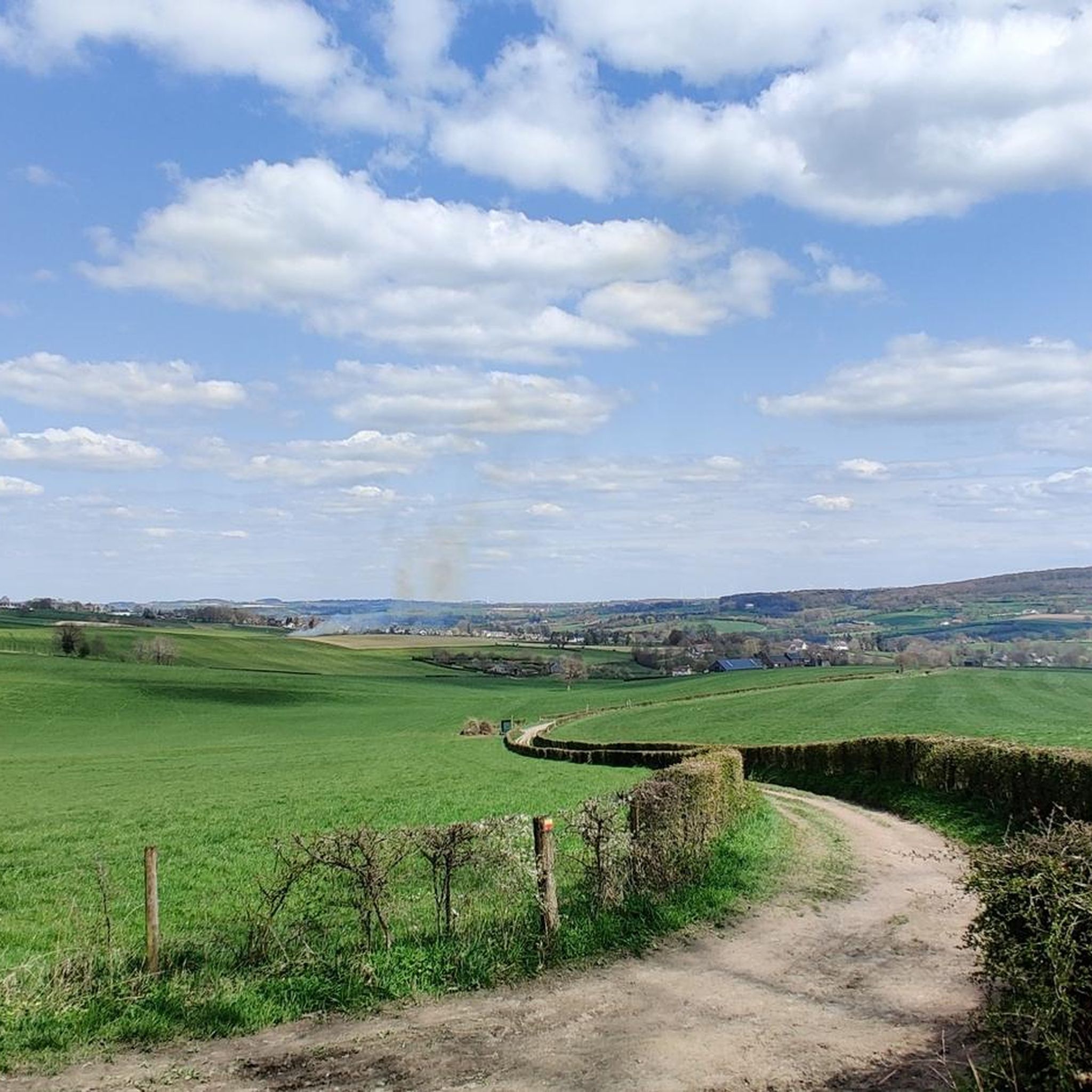
Cycling around Gulpen-Wittem
Other adventures around Gulpen-Wittem


Tips from the Community

we tried to return to Maastricht using the Arriva bus. However, it was a small bus and only 3 seats were available. My friends walked.
0
0

Here you have a view of old marl quarries. You can see a marl wall with meadows, cows, or sheep.
0
0

In the mid-19th century, flooding from the Göhl River posed a major threat to the mine in Bleyberg/Plombières: Water repeatedly penetrated the tunnels and claimed lives. To prevent this, a diversion of part of the river was requested and approved in 1861. By 1862, a tunnel several hundred meters long was built beneath the rock, keeping the Göhl away from the mine. The construction cost approximately 200,000 francs. The tunnel is a technical monument to mining engineering from an era when hazards were deliberately controlled while simultaneously harnessing hydropower. It demonstrates how work-related accidents were prevented while simultaneously harnessing resources.
54
0

The Strooberggroeve is a Limburg marl quarry in the Dutch municipality of Eijsden-Margraten. The underground quarry is located north of Bemelen under the Bemelerberg on the north side of the mouth of the dry valley Koelbosgrub in the Meuse valley. The quarry is located on the western edge of the Plateau of Margraten in the transition to the Meuse valley. At this point, the plateau drops steeply for a few meters. https://nl.wikipedia.org/wiki/Strooberggroeve
1
0

A mysterious deep hole that appeals to the imagination. Good thing there is a sturdy fence around it!
0
0

The Trichterberg quarry is located in the forest to the left of the steep Eckelraderweg, between Gronsveld and Eckelrade. Diagonally opposite are dole chambers. The quarry has been designated as a “Geological Monument”. Steep limestone walls with here and there sawn surfaces and a few small corridor remains are the only remains. Not much is known about the Trichterberg quarry. That is why Peter Jennekens, Kevin Amendt and Rob Habets wrote a source overview for the magazine of the Study Group Underground Limestone Quarries - Natural History Society in Limburg. Based on this, they cautiously conclude that the origin of the quarry must lie somewhere between the years 1846 and 1867. The entire PDF with all sources can be found at https://www.sok.nl (November 2013 edition).
5
0


The Savelsbos is a Natura 2000 area. Respect the outdoor code and stay away from here with bicycles
0
0
Frequently Asked Questions
What types of caves can I explore around Gulpen-Wittem?
The region around Gulpen-Wittem is known for its unique geology, primarily featuring marl caves and historical limestone quarries. You can find natural formations, human-made structures from marl extraction, and even ancient cave dwellings.
Which historical caves offer the most insight into the region's past?
For a deep dive into history, consider visiting the Fluweelengrot (Velvet Cave) in Valkenburg. It's one of South Limburg's oldest cave systems, connected to Valkenburg Castle, and features medieval passages, wall paintings, and served as a refuge during WWII. Another significant historical site is Geulhemmerberg Climb and Cave Dwellings, where you can see old rock dwellings once inhabited by blockbreakers.
Are there any family-friendly cave experiences near Gulpen-Wittem?
Yes, MergelRijk in Valkenburg offers an engaging and educational experience for families. It uses intricate sand sculptures and interactive exhibits to tell the story of the marl caves. Additionally, the Mine entrance and Geul sinkhole — Plombières Nature Reserve is listed as family-friendly and offers a glimpse into a cave opening within a nature reserve.
What are some notable natural features or geological sites related to caves in the area?
The Strooberg Quarry features impressive marl caves within the Bemelerberg, which is also a protected habitat for birds of prey and unique chalk grasslands. The Trichterberggroeve Limestone Quarry is designated as a 'Geological Monument' with steep limestone walls and examples of 'geological organ pipes'.
Can I find any unique cave dwellings or shelters in the region?
Yes, the Geulhemmerberg Climb and Cave Dwellings features historical rock dwellings at the start of the climb. Also, the Däölkesberg Abri (Limestone Rock Shelter) is a special cavity with an overhanging wall that may have provided shelter for prehistoric inhabitants and is the only known shelter of its kind in the Netherlands.
What outdoor activities can I combine with a visit to the caves?
The region offers various outdoor activities. You can explore mountain hikes, such as the 'Maria Monument, Gulperberg – Virgin Mary statue loop from Gulpen-Wittem', or 'Göhl Tunnel – Vaalserberg Three-Country Point loop from Plombières'. For cycling enthusiasts, there are gravel biking routes like the 'Breedeweg Gravel Route' or road cycling routes including the 'Eyserbosweg Climb – Keutenberg Climb loop from Gulpen'. You can find more details on these activities in the Mountain Hikes around Gulpen-Wittem, Gravel biking around Gulpen-Wittem, and Road Cycling Routes around Gulpen-Wittem guides.
What is the typical temperature inside the caves?
The marl caves, such as the Fluweelengrot, maintain a consistent temperature of around 12°C (54°F) throughout the year. This makes them a cool retreat in summer and provides relative warmth in winter.
Are there any caves that served as refuges during wartime?
Yes, the Fluweelengrot (Velvet Cave) famously served as a refuge for Valkenburg's residents and American troops during World War II, even functioning as a field hospital.
What do visitors enjoy most about the caves around Gulpen-Wittem?
Visitors frequently appreciate the rich history and unique geological formations. The Strooberg Quarry is praised for its beautiful sight, with some saying it 'almost looks like you are abroad'. The Däölkesberg Abri offers stunning panoramic views alongside its historical significance.
Is there public transport available to reach the main cave attractions?
While Gulpen-Wittem itself doesn't have prominent caves, the main attractions are concentrated around Valkenburg aan de Geul. Public transport options, including buses and trains, connect Valkenburg to larger cities in the region, making the caves accessible. It's advisable to check local transport schedules for specific routes to each cave.
Are there any caves or sites that highlight the historical mining industry?
The Mine entrance and Geul sinkhole — Plombières Nature Reserve is a former mining site where zinc and lead ores were extracted between the 14th century and 1922. You can still see visible traces of past industrial activity, including walls from former foundry floors and remains of old smelting furnaces.
Most popular routes around Gulpen-Wittem
Most popular attractions around Gulpen-Wittem

Get inspired with the komoot mobile app


Explore more
Extend your search for the best caves by checking out these guides of the top ones around Gulpen-Wittem:
