Top 10 Mountain Passes around Saint-Jean-Pla-De-Corts
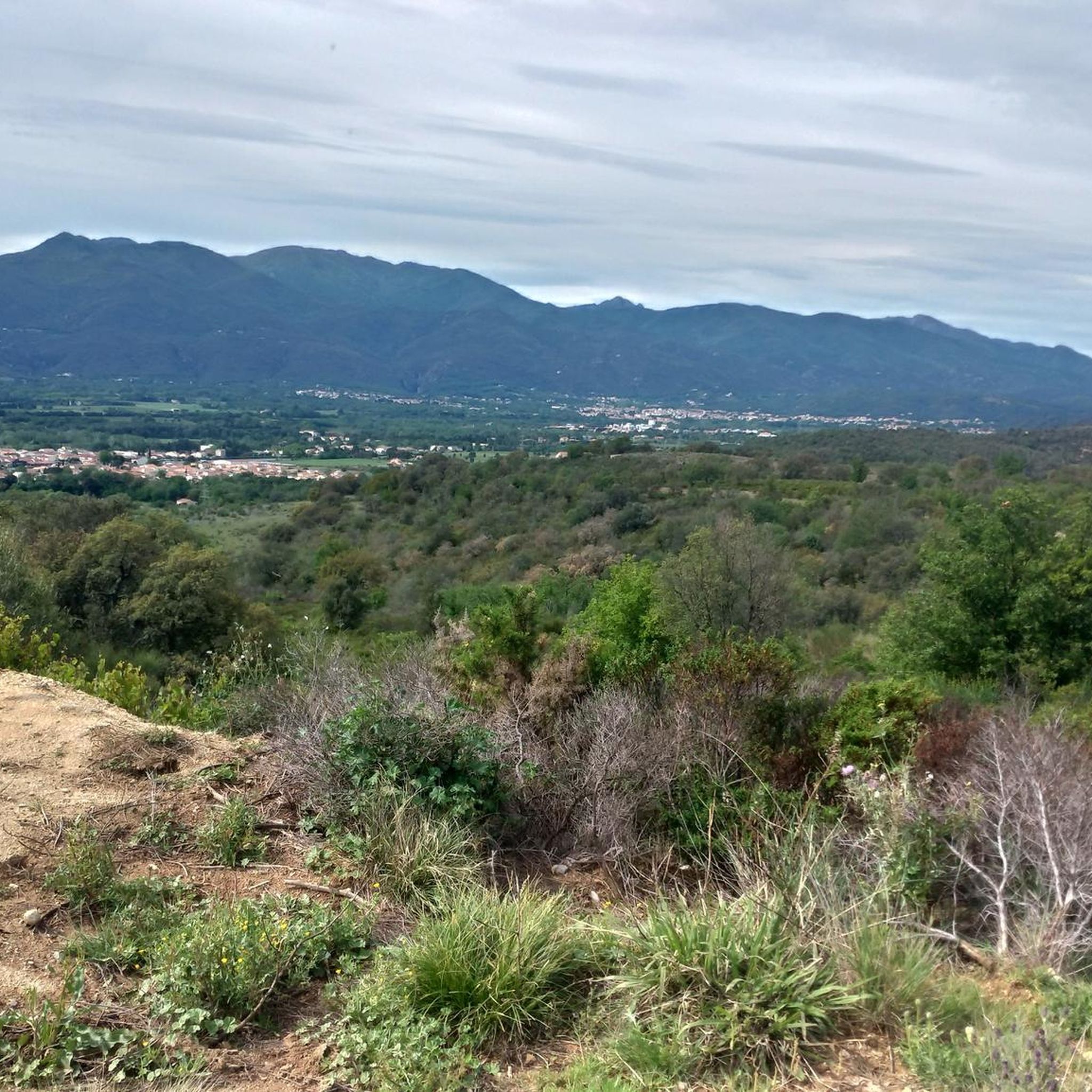
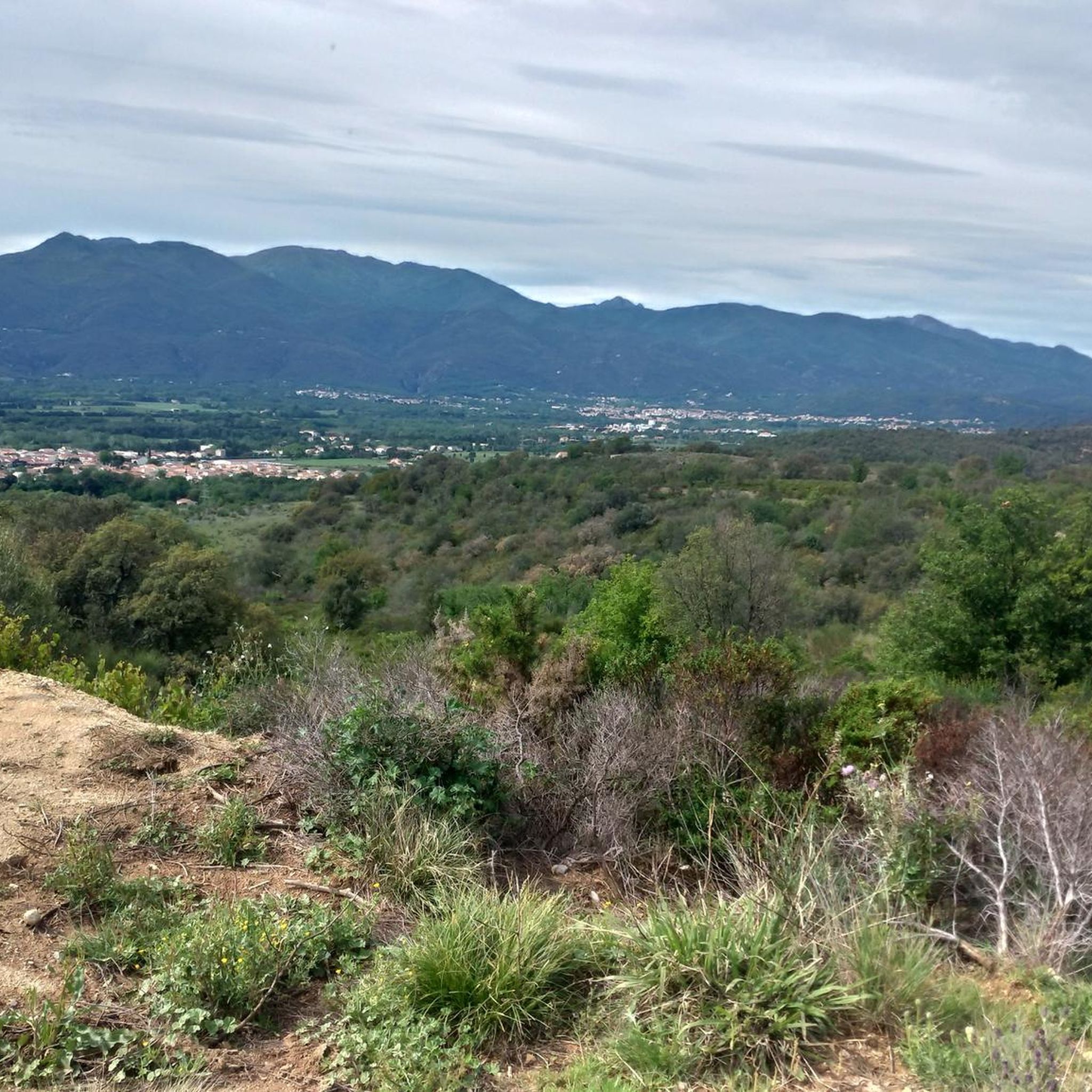
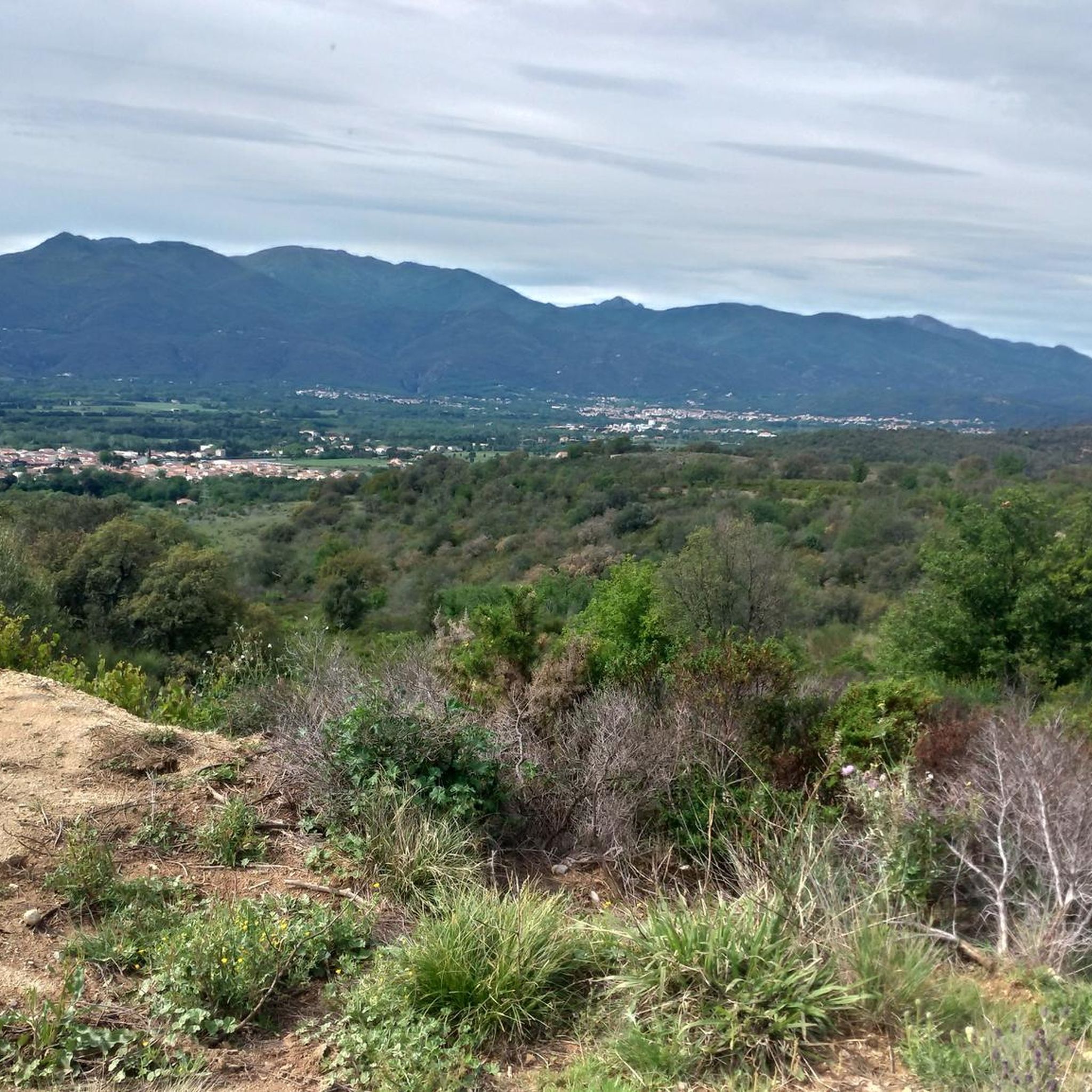
Mountain passes around Saint-Jean-Pla-De-Corts are situated in the Pyrénées-Orientales department of France, offering access to the Pyrenees mountain range. The region provides diverse landscapes, from forested hills to higher mountain elevations. This area is known for its natural features and serves as a gateway to various recreational opportunities.
Best mountain passes around Saint-Jean-Pla-De-Corts
- The most popular mountain passes is Ullat Pass, a mountain pass and viewpoint that offers great views. Pine trees and some redwoods proliferate on this hill in the Sierra de la Albera, and it features a restaurant, the Chalet de l'Albère.
- Another must-see spot is Pou de la Neu Pass, a mountain pass and viewpoint. It serves as a hub for hiking trails connecting France and Spain, offering magnificent views.
- Visitors also love Col de la Brousse (860 m), a mountain pass with a climb. This pass features slopes around 5% and offers passages through maquis.
- Saint-Jean-Pla-De-Corts is known for scenic drives, cycling routes, and hiking trails near Saint-Jean-Pla-De-Corts. The area offers a variety of mountain passes to see and explore, from moderate climbs to historical sites.
- The mountain passes around Saint-Jean-Pla-De-Corts are appreciated by the komoot community, with more than 40 upvotes and 20 photos contributed by users.
Last updated: July 10, 2026
Pou de la Neu Pass
Highlight • Mountain Pass
Translated by Google •
Tip by

Ullat Pass
Highlight • Mountain Pass
Translated by Google •
Tip by

Sign up now to discover places like this
Get recommendations on the best single tracks, peaks, & plenty of other exciting outdoor places.
Sign up for free
Col de la Brousse (860 m)
Highlight (Segment) • Mountain Pass
Translated by Google •
Tip by

Sierra de Panissars
Highlight • Mountain Pass
Translated by Google •
Tip by

Manrella Pass
Highlight • Mountain Pass
Translated by Google •
Tip by

Sign up for free to discover even more mountain passes around Saint-Jean-Pla-De-Corts.
Sign up for free
Already have an account?
Start today with a free account
Your next adventure awaits.
Login or Signup
Tips from the Community

Irregular pass on its ascent from its eastern side, little frequented.
0
0

From Vorarlberg to Barcelona, we rode our gravel bikes up the French side – a great trail! Once you cross the border, you have to push. The trail is loose in places, with deep, eroded ruts and steep inclines. With fat tires and experience, you'd have fun here – otherwise: plan plenty of time, provisions, and water! 🔥
2
0

This pass was important as a passage between regions, especially in activities such as transhumance or the transport of goods. The snow wells that give the place its name were also key elements in the economy of the mountainous areas. The term "Pou de la Neu" refers to the snow or ice wells that were traditionally used to store snow during the winter. These structures, dug into the ground or built with stones, served to preserve ice that was later transported to the lower areas for use in food, medicine or food preservation.
1
0

Really enjoyable ride. Id agree with level 3 for fitness it was a a constant climb altho the gradient ranged from 3,6,8% ( with only less than 100m that went up to 14%. So can be riden at your own pace The Hostel at Las illas after the Col is a slight detour but good for Coffee a beer or a sandwich. Lovely flowing decent, At Maureillas i nearly headed back along the main road but glad i didn't as the last 3rd of the ride has quite a different caricature ( mostly cycle paths)
0
0

Monument in memory of Luis Company, 1st President of the Generalitat of Catalonia, arrested by Vichy troops and given to the Francoists who executed him.
1
0
It is located at an altitude of approximately 936 metres in the Albera mountain range in the Pyrénées-Orientales, France. It is accessible by road via a narrow, paved route, which climbs from Le Boulou and Laroque-des-Albères. The road offers panoramic views as it ascends through the forest.
3
0
At the Col de l'Ullat, there is also a refuge that offers basic services for hikers. Surrounded by forests and with panoramic views, it is an ideal place to enjoy nature and explore the region.
3
1
The Coll de Panissars is a historic mountain pass located in the Sierra de l'Albera, which connects the regions of Rosselló and Alt Empordà, specifically the towns of El Pertús and La Jonquera. The pass has a hill to the west where the fortress of Bellaguarda is located, a few meters from the border. The pass has had important events such as being part of the Roman entrance to the peninsula, medieval complexes near the top, or being the site of epic battles.
1
0
Frequently Asked Questions
What are some of the most scenic mountain passes in the Pyrénées-Orientales region?
For breathtaking vistas, consider visiting Ullat Pass, which offers great views amidst pine trees and redwoods. Pou de la Neu Pass also provides magnificent views and serves as a hub for hiking trails. Further afield, the Col de la Perche (1,579 m) offers fantastic views, including the iconic Canigó mountain.
Are there mountain passes suitable for cycling near Saint-Jean-Pla-De-Corts?
Yes, several passes offer enjoyable cycling experiences. Col de la Brousse (860 m) is a rather rolling pass with slopes around 5%, offering passages through maquis. The Puymorens Pass (1,920 m) is also pleasant for cycling due to its well-developed road and moderate incline. For challenging routes, the internationally famous Col du Tourmalet (2,115 m) in the French Pyrenees is a legendary climb featured in the Tour de France.
Which mountain passes are good for hiking and offer access to trails?
Pou de la Neu Pass is a real hub for hiking trails, connecting routes between France and Spain. The Jou Pass (Col de Jou) (1,125 m) is another excellent choice, as the GR 10 long-distance footpath passes through it, making it a starting point for numerous hikes, including those leading to the Canigou peak.
What kind of natural features can I expect to see around these mountain passes?
The passes offer diverse natural beauty. At Ullat Pass, you'll find pine trees and redwoods. Col de la Brousse features long passages through maquis. Higher passes like the Col du Tourmalet provide spectacular vistas of jagged mountain peaks and verdant valleys. The Col d'Aspin is known for its wilder nature and the enchanting Payolle Lake surrounded by pine trees.
Are there any mountain passes with historical significance in the area?
Yes, the region has passes with historical ties. Manrella Pass features a monument commemorating Luis Companys, the 1st President of the Generalitat of Catalonia. Pla del Arca Pass is a hidden border pass between the French Eastern Pyrenees and the Catalan Pyrenees, marked by an old border marker. The Col du Tourmalet also has a rich history, with its name meaning 'bad detour' and its frequent inclusion in the Tour de France.
What outdoor activities can I do near the mountain passes around Saint-Jean-Pla-De-Corts?
Beyond exploring the passes themselves, the area offers a variety of outdoor activities. You can find numerous hiking trails, including moderate routes like the 'Mas d'en Poble - Belvedere – Balcon de Céret loop'. For cyclists, there are challenging cycling routes such as the 'Le Tech – Reynès Iron Bridge loop'. Runners can also enjoy running trails, including half marathon loops from Le Boulou or Saint-Jean-Pla-de-Corts.
Are there family-friendly mountain passes or activities in the Pyrenees-Orientales?
While specific passes directly adjacent to Saint-Jean-Pla-De-Corts might be more focused on hiking or cycling, the broader Pyrenees region offers family-friendly options. The Col d'Aspin, for instance, is accessible year-round and provides a wide range of sports and tourism activities suitable for families, including a recommended stop at Payolle Lake.
What do visitors enjoy most about the mountain passes around Saint-Jean-Pla-De-Corts?
Visitors frequently highlight the magnificent views and the sense of connection to nature. For example, the Pou de la Neu Pass is praised for its magnificent views and as a hub for trails. Ullat Pass is noted for its 'super foresight' and beautiful scenery. Cyclists particularly enjoy the 'really enjoyable ride' and 'beautiful climb' of Col de la Brousse.
Are there any amenities or places to eat near these mountain passes?
Yes, some passes offer amenities. At Ullat Pass, you'll find a restaurant called the Chalet de l'Albère. For cyclists tackling Col de la Brousse, the Hostel at Las Illas (a slight detour) is a good spot for coffee, a beer, or a sandwich.
What is the best time of year to visit the mountain passes in the Pyrenees-Orientales?
The best time to visit generally depends on your planned activity. For hiking and cycling, late spring (May-June) and early autumn (September-October) offer pleasant temperatures and often clearer skies. Summer (July-August) is also popular, though some passes can be busy. While the Col d'Aspin is accessible year-round, higher passes like the Col du Tourmalet may have snow well into spring and can close in winter.
Are there any passes that serve as border crossings between France and Spain?
Yes, the region's location in the Pyrenees means some passes straddle the border. Pou de la Neu Pass is a hub for hiking trails that go to both France and Spain. Similarly, Pla del Arca Pass is described as a hidden border pass between the French Eastern Pyrenees and the Catalan Pyrenees, featuring a border marker.
Most popular routes around Saint-Jean-Pla-De-Corts
Most popular attractions around Saint-Jean-Pla-De-Corts

Get inspired with the komoot mobile app


Explore more
See even more epic mountain passes by checking out these guides around Saint-Jean-Pla-De-Corts:
