The best running trails around Saint-Aigny
5.0
(6)
336
runners
81
runs
Jogging around Saint-Aigny offers diverse landscapes within the Brenne Regional Natural Park, a region known as the "Land of a Thousand Ponds." The area is characterized by a mosaic of natural features, including numerous ponds, natural meadows, and wet woodlands. Saint-Aigny is situated on the left bank of the Creuse river, featuring woods and rocky cliffs, with a gently undulating topography ranging from 72 meters to 141 meters in altitude. The region provides a mix of shaded paths, greenways, and…
Last updated: May 11, 2026
5.0
(1)
31
runners
10.6km
01:09
70m
70m
Moderate run. Good fitness required. Mostly paved surfaces. Suitable for all skill levels.
5.0
(1)
16
runners
10.5km
01:09
90m
90m
Moderate run. Good fitness required. Mostly paved surfaces. Suitable for all skill levels.

Sign up for free
7
runners
11.5km
01:13
100m
100m
Moderate run. Good fitness required. Mostly paved surfaces. Suitable for all skill levels.
8
runners
15.0km
01:43
120m
120m
Hard run. Very good fitness required. Mostly paved surfaces. Suitable for all skill levels.
6
runners
10.9km
01:10
100m
100m
Moderate run. Good fitness required. Mostly paved surfaces. Suitable for all skill levels.
Get access to more routes and recommendations from other explorers.
Sign up for free
Already have an account?
Our route recommendations are based on thousands of hikes, rides, and runs completed by other people on komoot.
Start today with a free account
Your next adventure awaits.
Login or Signup




Tips from the Community

Hike up to the old Château-Naillac with its twin 12th-century donjons—towers without buttresses—standing just above the Creuse River. Inside, you'll find remnants of prisoners' graffiti, a hall with a magnificent Romanesque fireplace, and a model showing what the castle once looked like.
2
0
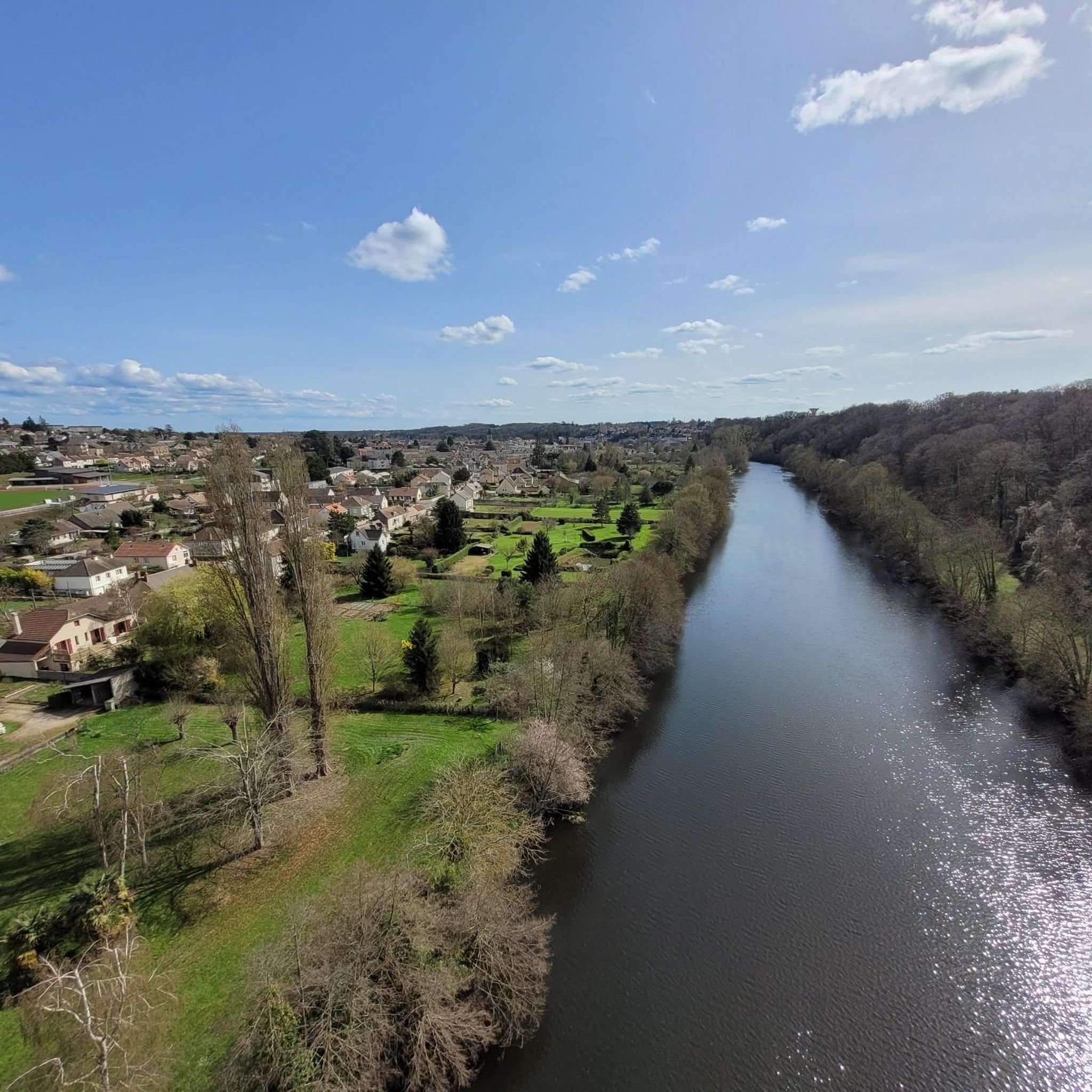
This impressive viaduct over the Creuse River looks like an ordinary old railway structure, but the stories behind it make it special. It was built in the late 19th century for a railway line that was never fully completed, earning it the nickname "the ghost train line." During World War II, the Germans used the bridge as an observation post, and after the war, it fell into complete disrepair. In the 1980s, it was even threatened with demolition, until bungee jumpers discovered the viaduct and revived it. Today, you can walk across it with stunning views of the valley, and be aware that bats have found refuge under the arches.
2
0

It's not the most beautiful track, but it's there!
0
0

The Viaduc du Blanc is a remarkable work of art located in the commune of Le Blanc, although the Creuse is often associated with this type of structure, this specific viaduct crosses the Indre region, in the Centre-Val de Loire region. This viaduct is an emblematic work of 19th century railway architecture in France. Points of Interest: Architecture and Construction: Railway Structure: Built at the end of the 19th century, the Viaduc du Blanc is one of the major railway infrastructures of the time. It was designed to allow trains to pass over the Creuse Valley, a river that crosses this picturesque region. Imposing Structure: The viaduct is distinguished by its stone arches, which extend over several hundred meters. The height and length of the structure testify to the technical and aesthetic ambition of its designers. With its multiple elegant arches, it blends harmoniously into the surrounding natural landscape while asserting its imposing presence. Why visit the Viaduc du Blanc? Engineering Masterpiece: The Viaduc du Blanc is an impressive example of 19th century railway architecture, combining technique and aesthetics in a monumental work. Breathtaking Landscapes: Located in an exceptional natural setting, the viaduct offers panoramic views of the Creuse Valley, ideal for nature and photography enthusiasts. Industrial Heritage: This viaduct is an important witness to French industrial heritage, allowing a better understanding of the history of infrastructure and rail transport in France. In short, the Viaduc du Blanc is a must-see destination for those interested in architecture, industrial history, and spectacular natural landscapes. It is a place that perfectly combines human technology and natural beauty.
1
0

very nice outing and very good group
0
1

A lovely quiet, gentle stroll across the bridge with panoramic views on both sides. This bridge leads to (or from) the town of Le Blanc which has all amenities, such as cafes, shops and pharmacies.
0
0

Château Naillac is a heterogeneous castle which has known several uses over the centuries. From the 12th century it was a fortress but much later, in the 18th century, it became a prison. It then became a school and now houses the Brenne Ecomuseum.
3
0
The church of Saint-Cyran, built in the 11th century, is now used as an exhibition space.
4
0
Frequently Asked Questions
How many running routes are available around Saint-Aigny?
There are over 90 running routes around Saint-Aigny, offering a wide variety of options for all skill levels within the Brenne Natural Regional Park.
What kind of terrain can I expect on the jogging trails in Saint-Aigny?
The region offers diverse terrains, including shaded paths, greenways built on former railway lines, and a mix of forests, wetlands, and open plains. You'll find both flat, secure paths ideal for comfortable runs and more undulating routes for a varied experience.
Are there any easy or beginner-friendly running routes in Saint-Aigny?
Yes, Saint-Aigny has several easy routes. For instance, the local hiking circuit 'La fontaine de St-Aigny' is an 8-kilometer route with shaded paths, perfect for a moderate and scenic jog. Overall, there are 3 easy routes available.
Are there any challenging running routes for experienced runners?
Absolutely. For those seeking a more demanding run, there are 19 difficult routes around Saint-Aigny. One example is the Saint-Cyran Church – Naillac Castle loop from Le Blanc, which spans over 22 kilometers with significant elevation changes.
What are some notable landmarks or attractions I might see while running near Saint-Aigny?
Many routes offer scenic views and pass by interesting landmarks. You might encounter the impressive Viaduc du Blanc, a 19th-century railway architectural feat, or the historic Naillac Castle. The region also features the Saint-Jean fountain, reputed for healing virtues, along the 'La fontaine de St-Aigny' circuit.
Are there any greenways or paved paths suitable for running in the area?
Yes, Saint-Aigny benefits from its proximity to a 'voie verte' (greenway) accessible from the nearby town of Le Blanc. This greenway, built on a former railway line, provides a flat and secure path ideal for jogging. Routes like the Viaduc du Blanc – Le Blanc cycle bridge loop from Le Blanc utilize this smooth surface.
What do other runners say about the trails in Saint-Aigny?
The running routes in Saint-Aigny are highly rated by the komoot community, with an average score of 5.0 stars from over 5 reviews. Runners often praise the natural diversity of the Brenne Natural Regional Park, the shaded paths, and the well-maintained greenways.
Are the jogging routes around Saint-Aigny suitable for families?
Yes, many routes are suitable for families, especially those on the greenways or the local 'La fontaine de St-Aigny' circuit with its shaded paths. These offer a pleasant and relatively easy environment for a family outing.
Can I bring my dog on the running trails in Saint-Aigny?
While specific regulations for each trail vary, the Brenne Natural Regional Park generally welcomes dogs, often requiring them to be on a leash. It's always best to check local signage or park guidelines for specific routes to ensure a dog-friendly experience.
Is there public transport access to the jogging routes in Saint-Aigny?
While Saint-Aigny itself is a small commune, the nearby town of Le Blanc, which serves as a starting point for several popular routes including those on the 'voie verte', may offer more public transport options. It's advisable to check local bus schedules for connections to Le Blanc.
Where can I park my car when accessing jogging trails near Saint-Aigny?
Many routes, especially those starting from towns like Le Blanc, will have designated parking areas. For the local 'La fontaine de St-Aigny' circuit, parking is typically available near the town hall in Saint-Aigny. Always look for official parking signs when planning your run.
What is the best time of year to go running in Saint-Aigny?
The diverse landscapes of the Brenne Natural Regional Park make Saint-Aigny enjoyable for running throughout much of the year. Spring and autumn offer pleasant temperatures and beautiful scenery. Summer provides shaded paths, while winter can offer crisp, invigorating runs, though conditions may vary.
Most popular routes around Saint-Aigny
Most popular attractions around Saint-Aigny

Get inspired with the komoot mobile app


Explore more
Browse the best Running Trails & Routes in other regions.
