The best mountain hikes around Notre-Dame-De-Commiers
4.8
(5)
39
hikers
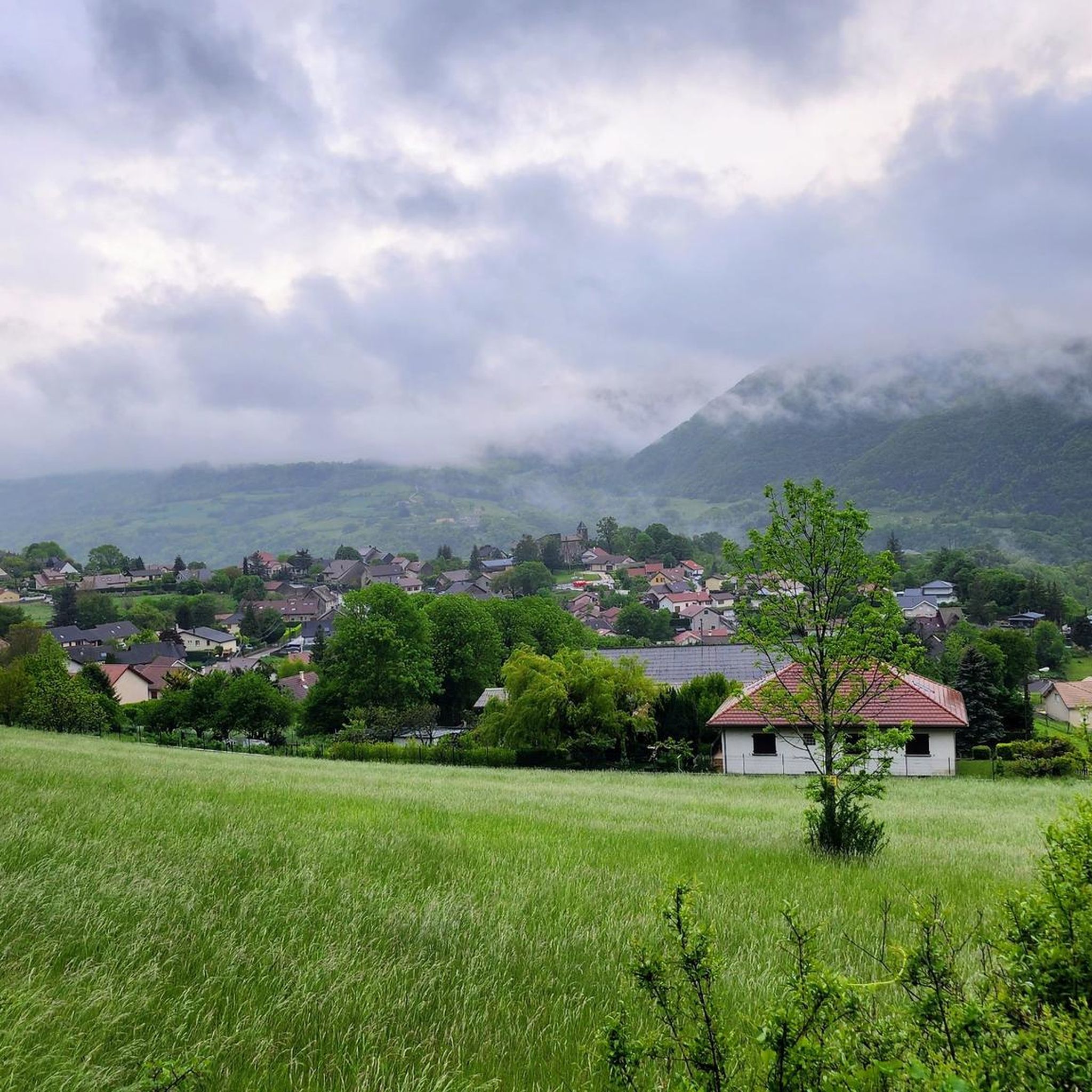
Mountaineering routes around Notre-Dame-De-Commiers are situated in a region characterized by significant alpine terrain and varied landscapes. The area features prominent peaks, deep valleys, and high-altitude lakes, offering challenging ascents and descents. Rocky outcrops, forested sections, and open mountain pastures define the environment, providing a diverse setting for mountaineering activities.
Best mountaineering routes around Notre-Dame-De-Commiers
- The most popular mountaineering route is Lac Charlet – L'Oreille du Loup loop from Villard-Saint-Christophe, a 5.7 miles (9.2 km) trail that takes 4…
Last updated: May 9, 2026
12
hikers
9.18km
04:16
790m
790m
Hard mountaineering route. Good fitness required. Sure-footedness, sturdy shoes and alpine experience required.
4.0
(1)
11
hikers
8.99km
04:04
830m
830m
Hard mountaineering route. Good fitness required. Sure-footedness, sturdy shoes and alpine experience required.

Sign up for free
5.0
(2)
5
hikers
15.9km
08:03
1,270m
1,270m
Hard mountaineering route. Very good fitness required. Sure-footedness, sturdy shoes and alpine experience required.
2
hikers
8.69km
03:10
380m
380m
Moderate mountaineering route. Good fitness required. Mostly accessible paths. Sure-footedness required.
5.0
(1)
1
hikers
10.7km
03:49
620m
620m
Moderate mountaineering route. Good fitness required. Mostly accessible paths. Sure-footedness required.
Our route recommendations are based on thousands of hikes, rides, and runs completed by other people on komoot.
Start today with a free account
Your next adventure awaits.
Login or Signup
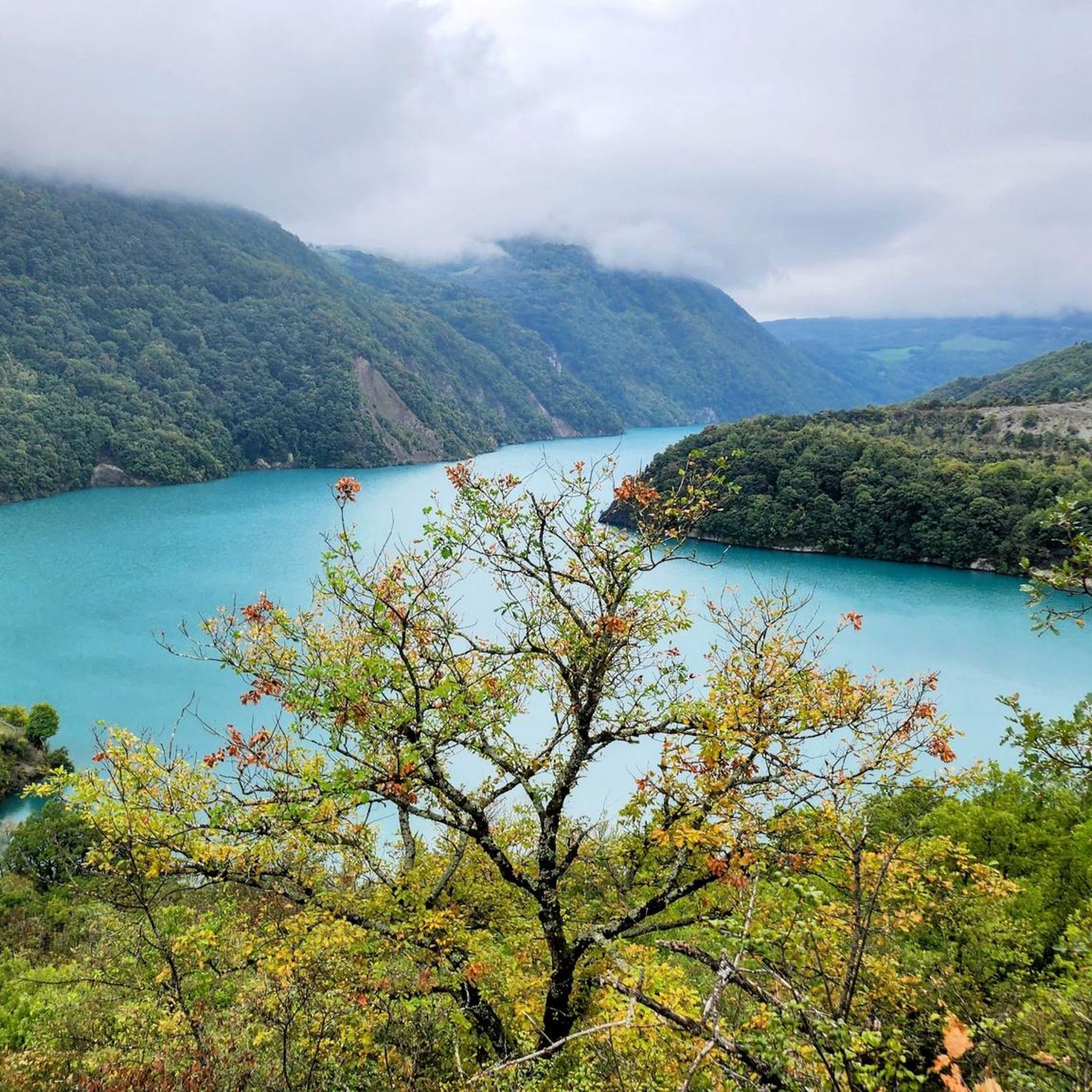
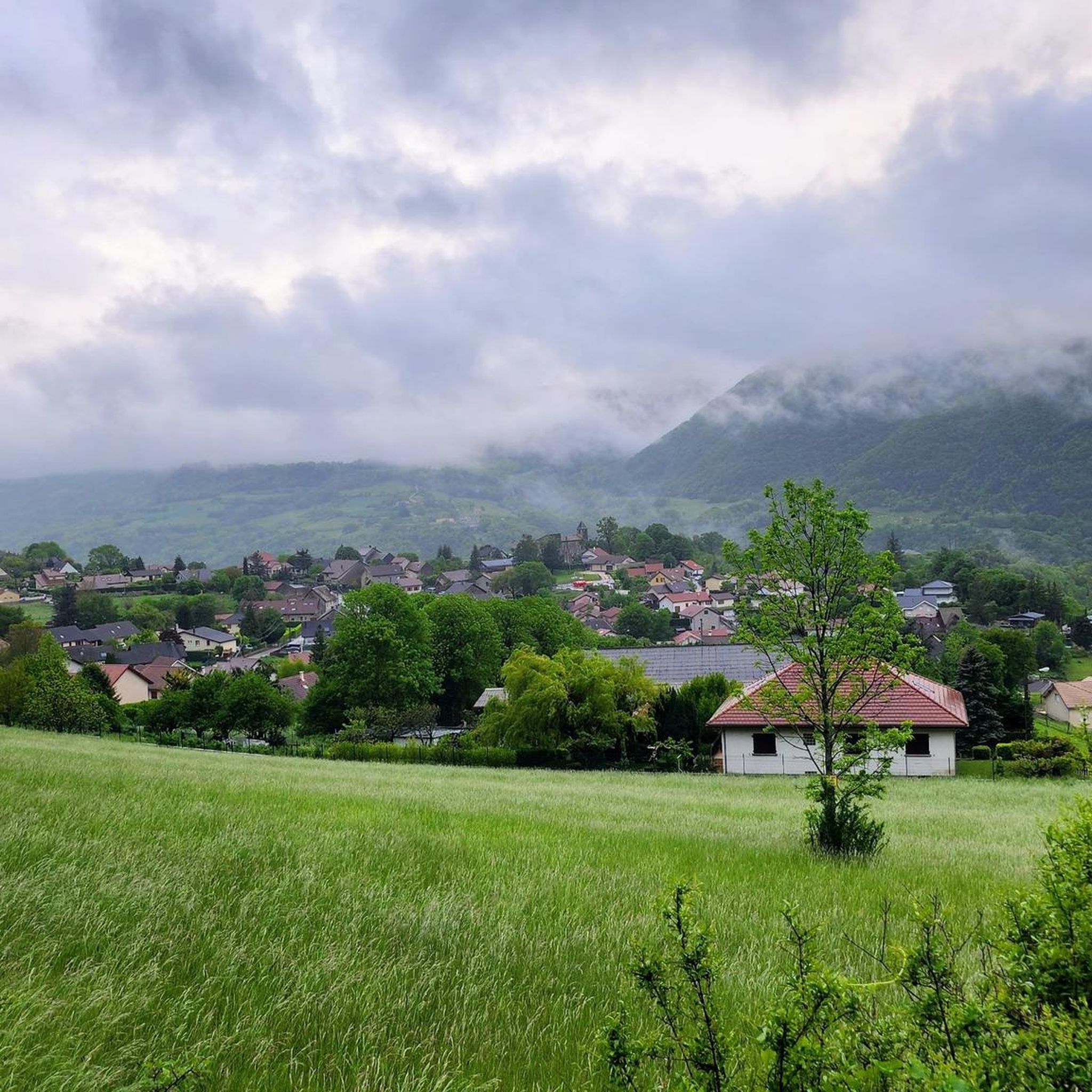
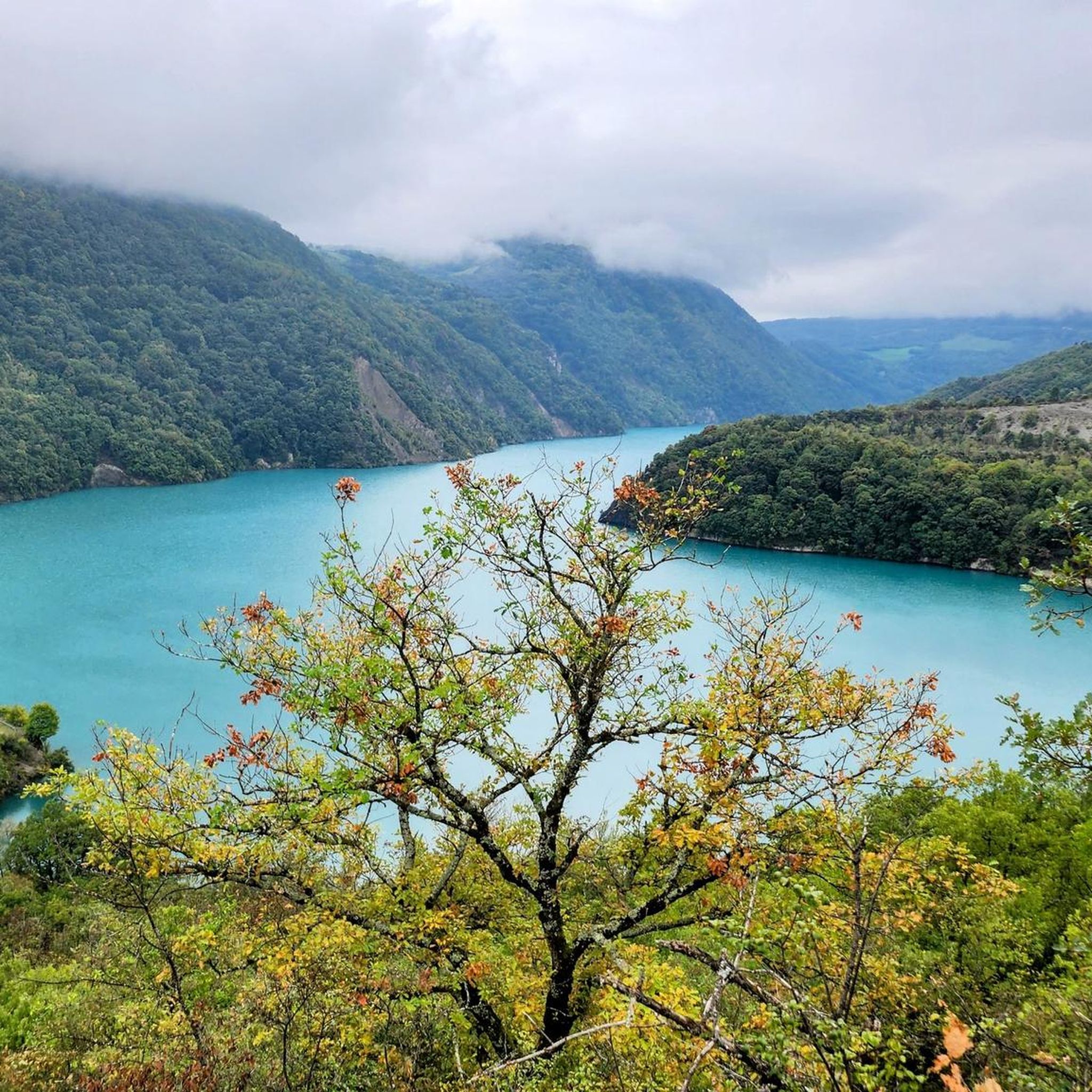
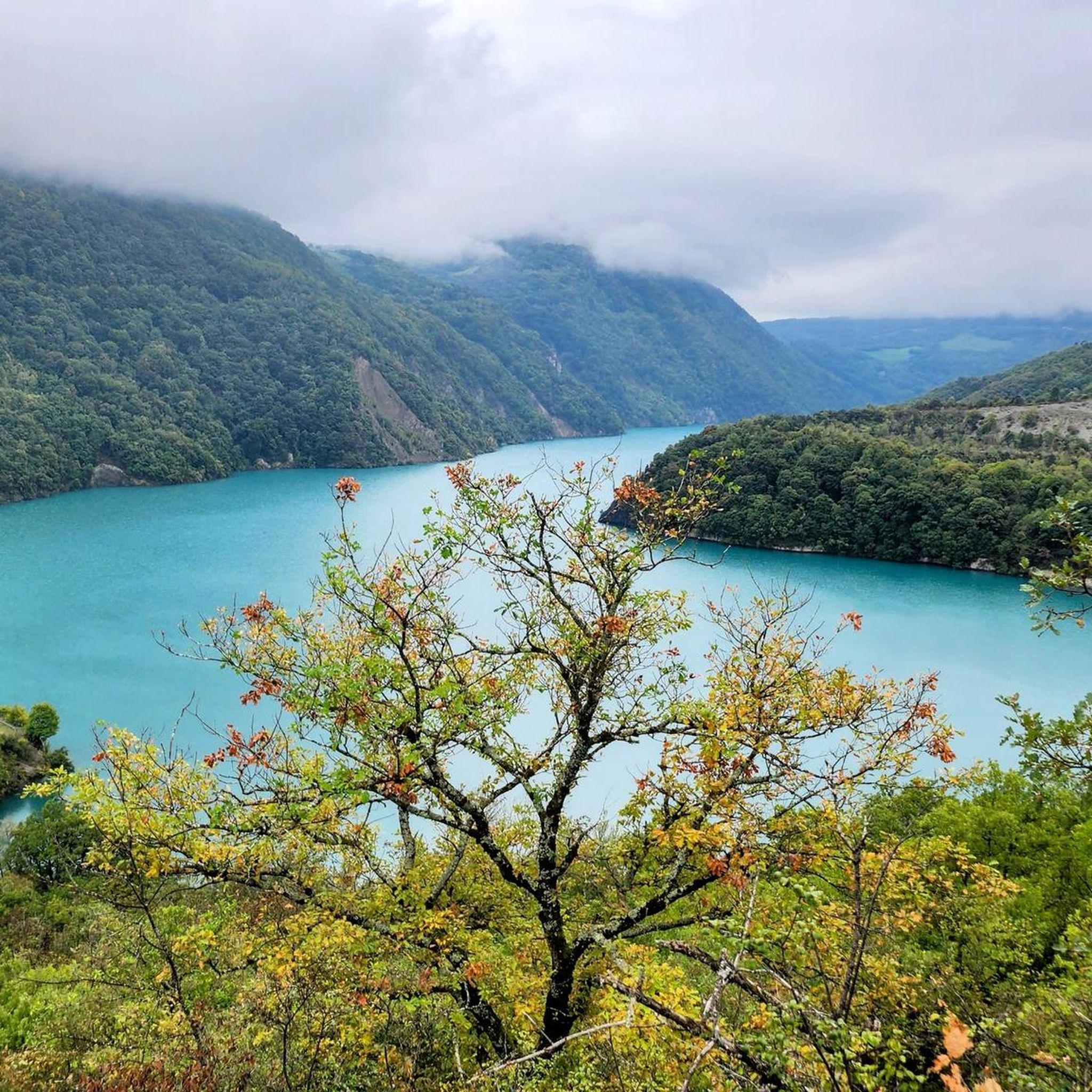

Tips from the Community

Second highest peak in the Vercors - and as usual with "second summits" 😆 harder to climb than the Grand Veymont. But, as I did on my tour, it can be crossed from both sides, T4+ to T5 (according to the SAC scale) or climbing sections 1+. I recommend going from northeast to south. More in my tour and in the second waypoint listed here, these are often marked multiple times on Komoot...
1
1
Second highest peak in the Vercors - and as is usual with "second summits" 😆 harder to climb than the Grand Veymont. But it is also possible to cross it here, from both sides T4+ to T5 (according to the SAC scale) or climbing sections 1+. But it is easier at the top than it looks from the northeast, from Lac de Moucherolle. If you have enough time, you can also cross the Petite Moucherolle in another intermediate climb.
0
1

Located at an altitude of 1,500 meters at the Col de l'Arzelier, the Soldanelle refuge was built in 1968. Its terrace offers a breathtaking view of the valley. You can sleep there in both a dormitory and a yurt. The refuge is not manned all year round. All the information here: https://www.lasoldanelle.com/refuge/.
2
2

La Grande Moucherolle (2,284 metres) is the second highest peak in the Vercors massif. From this summit, the view is unobstructed over the Drac Valley and the jagged line of peaks stretching westward, offering stunning views of the cliffs with their creeping forest cover towards the peaks.
3
0

La Grande Moucherolle (2,284 meters) is the second highest peak in the Vercors massif by altitude. La Petite Moucherolle (2,156 meters), slightly further south, is separated from it by the Col des Moucherolles.
0
1

Nice viewpoint, unfortunately now almost only accessible via ski slopes.
0
0
Frequently Asked Questions
How many mountaineering routes are available around Notre-Dame-De-Commiers?
There are 5 mountaineering routes documented around Notre-Dame-De-Commiers on komoot, offering a range of challenging ascents and descents through alpine terrain.
Are there any beginner-friendly mountaineering routes in Notre-Dame-De-Commiers?
While most routes in this alpine region are rated difficult, the Rocher des Deux Soeur – La Soldanelle Refuge loop from Château-Bernard is classified as moderate. It covers 8.7 km with 376 meters of elevation gain, making it a more accessible option for those with some mountaineering experience.
What are the most challenging mountaineering routes in the area?
For experienced mountaineers seeking a significant challenge, the Highly technical passage loop from Château-Bernard is a demanding option. It spans over 15.8 km with more than 1270 meters of elevation gain, requiring advanced skills and endurance.
Are there any circular mountaineering routes around Notre-Dame-De-Commiers?
Yes, several routes are circular. For example, the Lac Charlet – Le Tabor loop from Villard-Saint-Christophe offers a 11.9 km circular journey through lake environments and mountain ridges.
What is the best time of year for mountaineering in Notre-Dame-De-Commiers?
The best time for mountaineering in this alpine region is typically from late spring to early autumn (June to September) when snowmelt has largely receded from higher altitudes and weather conditions are generally more stable. Always check local weather forecasts and trail conditions before heading out.
What kind of wildlife might I encounter on the trails?
The alpine environment around Notre-Dame-De-Commiers is home to various wildlife. You might spot chamois, ibex, marmots, and a variety of birds of prey. Maintaining a respectful distance and observing quietly is key to a rewarding encounter.
Are there any notable landmarks or points of interest along the mountaineering routes?
Yes, the region features several interesting points. You can explore mountain passes like Arc Pass or Col de l'Arzelier. There are also impressive peaks such as Saint-Michel Peak and viewpoints like the Astonishing view of Mont Aiguille.
What do other mountaineers enjoy most about the routes in Notre-Dame-De-Commiers?
The routes in Notre-Dame-De-Commiers are highly rated by the komoot community, with an average score of 4.75 stars from over 6 reviews. Mountaineers often praise the challenging ascents, panoramic alpine views, and the presence of high-altitude lakes like those found on the Lac Charlet – L'Oreille du Loup loop from Villard-Saint-Christophe.
Are there any cafes or places to refuel near the mountaineering trails?
Yes, for a break and refreshments, you can find places like the Altebike Café – Col de l'Arzelier, which is conveniently located near some of the mountain passes in the area.
Is parking available at the trailheads?
Parking availability varies by trailhead. For routes starting from Villard-Saint-Christophe or Château-Bernard, there are typically designated parking areas, though they can fill up quickly during peak season. It's advisable to arrive early, especially for popular routes like the Le Tabor loop from Villard-Saint-Christophe.
Are permits required for mountaineering in this region?
Generally, permits are not required for day hikes on established trails in the Notre-Dame-De-Commiers area. However, if you plan to access specific protected areas, engage in technical climbing, or stay overnight in certain refuges, it's always best to check with local authorities or the national park office for any specific regulations or permit requirements.
Most popular routes around Notre-Dame-De-Commiers
Most popular attractions around Notre-Dame-De-Commiers

Get inspired with the komoot mobile app


Explore more
Browse the best Mountain Hikes & Routes in other regions.
