Top 19 Castles around Leutenthal
Best castles around Leutenthal are found within the historical region of Thuringia, Germany, an area rich in fortifications and cultural heritage. The landscape features a mix of rolling hills and forested areas, providing scenic backdrops for historical sites. Visitors can explore a variety of castles, from well-preserved Renaissance complexes to medieval ruins. This region offers insights into centuries of German history and architecture.
Best castles around Leutenthal
- The most popular castles is Ettersburg Castle, a castle that served as…
Last updated: June 23, 2026
Schloss Tiefurt
Highlight • Castle
Duchess Anna Amalia's summer residence
The current design reflects the taste of the time around 1800. Originally it was the estate tenant's house, until Duchess Anna Amalia took …
Translated by Google •
Tip by

Weimar City Palace
Highlight • Castle
Translated by Google •
Tip by

Sign up now to discover places like this
Get recommendations on the best single tracks, peaks, & plenty of other exciting outdoor places.
Sign up for free
Ettersburg Castle
Highlight • Castle
Translated by Google •
Tip by

Kromsdorf Castle
Highlight • Castle
Translated by Google •
Tip by

Ruins of the Tempelherrenhaus
Highlight • Historical Site
Translated by Google •
Tip by

Sign up for free to discover even more castles around Leutenthal.
Sign up for free
Already have an account?
Start today with a free account
Your next adventure awaits.
Login or Signup

Tips from the Community

Tiefurt Castle Duchess Anna Amalia's summer residence The current design reflects the taste of the time around 1800. Originally it was the estate tenant's house, until Duchess Anna Amalia took over the modest castle building after Ettersburg Castle as a summer residence and turned it into a place for literary and social meetings. The Duchess made a conscious decision not to change the exterior architecture, as she particularly liked the rural ambience. Anna Amalia also gathered scholars and friends around her in Tiefurt. The heyday of Tiefurt's sociability, which was reflected in Tiefurt's journal, is associated with the first four years of her summer stays. Performances by the Weimar amateur theater were among the special events. Tour Several works of art commemorate Anna Amalia's trip to Italy from 1788 to 1790, including a watercolor by Johann Georg Schütz showing the Duchess and her traveling party surrounded by Roman artists in the garden of the Villa d'Este. Sculptures and busts by the court sculptor Gottlieb Martin Klauer in the stairwell as well as porcelain from China, Meissen, Copenhagen, Fürstenberg and Vienna are among the artistic highlights of the furnishings. From the courtyard, it is possible to look into the cold kitchen with a variety of utensils. The historical display dishes made of porcelain, wax and papier-mâché on display there come from the ducal property and imitate the dishes in a deceptively realistic way. Text / Source: Weimar GmbH, Tourist Information Weimar, Markt 4, Weimar https://www.weimar.de/kultur/sehenswuerdigkeiten/schloesser/schloss-tiefurt/#:~:text=Schloss%20Tiefurt.%20Herzogin%20Anna%20Amalias%20Sommersitz.%20Die
15
2
Tiefurt Castle Park The Tiefurt Castle Park extends over an area of 21 hectares on both sides of the Ilm. Gently sloping meadows with beautiful groups of trees extend to the river bank. Beyond this, a steep slope covered with dense trees rises. Numerous monuments and park architecture such as the tea pavilion invite you to explore. The Ilmtal cycle path runs directly along the river. Text / Source: Weimar GmbH, Tourist Information Weimar, Markt 4, Weimar https://www.weimar.de/kultur/sehenswuerdigkeiten/parks-und-gaerten/schlosspark-tiefurt/#:~:text=Der%20Schlosspark%20Tiefurt%20erstreckt%20sich%20auf%20einer%20Fl%C3%A4che%20von
14
1

In the 🏰 park there is also a small snack bar with delicious 🍦 and ☕️.
16
0

Since the first palace and park complexes were built at the beginning of the 18th century, Ettersburg was a popular hunting and summer residence for the ducal family of Saxony-Weimar and Eisenach. Anna Amalia gathered a literary and artistic circle around her here. The extensive landscape park with its gardens and the "Pückler-Schlag" is a gem of garden art.
22
0

The castle was built in the 17th century in the Baroque style. Originally it was a manor house built on behalf of Count von Hatzfeldt. In the 18th century it was remodeled in the Rococo style. The castle was inhabited by various noble families and served as a residence and representative residence.
14
1

2 bears carved in stone guard the main entrance of Kromsdorf Castle
7
0
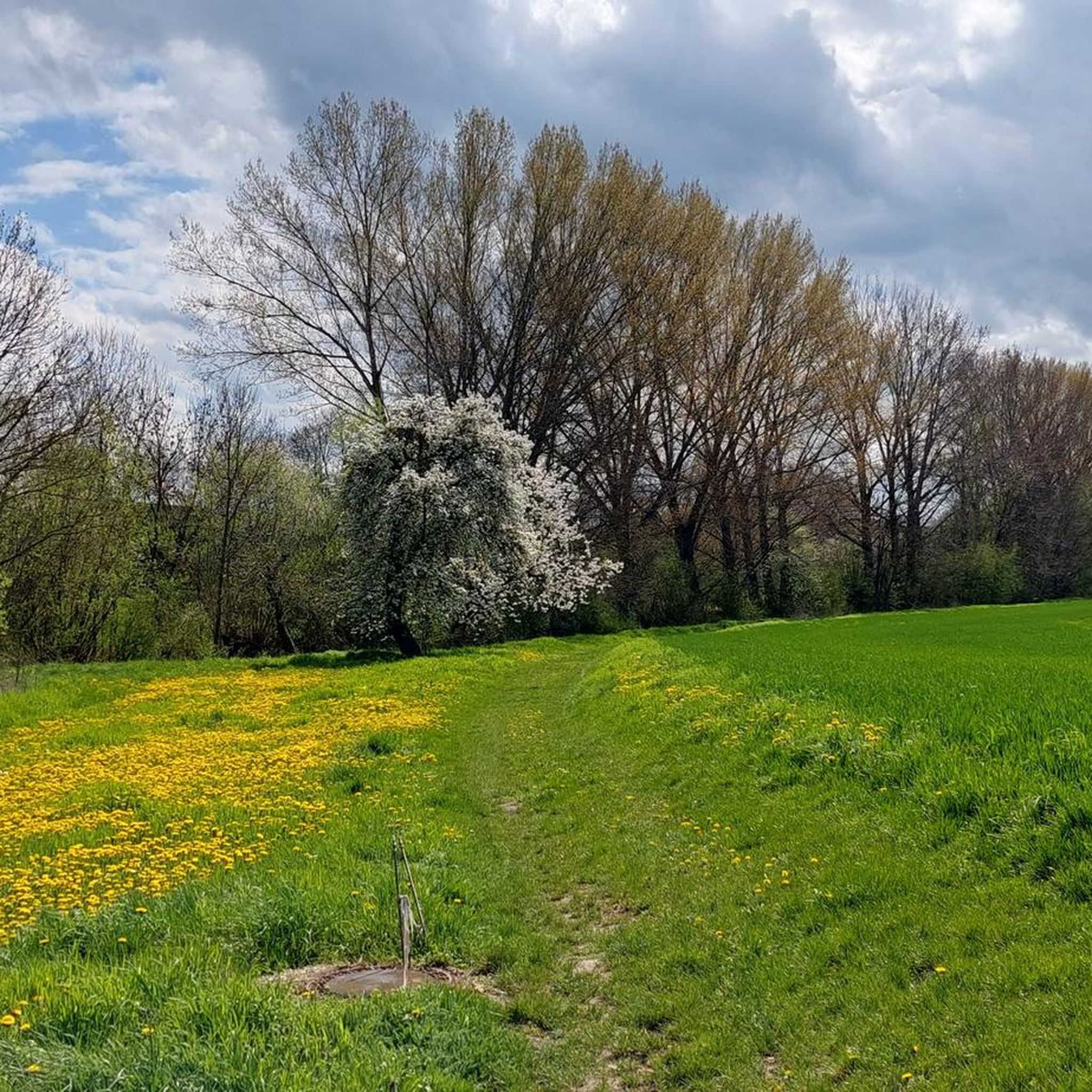
Beautifully landscaped park outside of Weimar.
6
0

This ruin looks artificial, but was destroyed in the war.
4
0
Frequently Asked Questions
What types of castles can I explore around Leutenthal?
The region around Leutenthal, part of historical Thuringia, offers a diverse range of castles. You can find everything from well-preserved Renaissance complexes like Kromsdorf Castle to medieval ruins such as the Ruins of the Tempelherrenhaus. Many were once ducal summer residences or hunting lodges, reflecting centuries of German history and architectural styles.
Are there any historically significant castles in the broader Leutenthal region?
Yes, the broader Thuringian region is rich in history. Ettersburg Castle, for instance, served as a popular hunting and summer residence for the ducal family and is recognized as a UNESCO World Heritage Site. Other notable sites include Lauenstein Castle, with a history spanning over a thousand years and local folklore, and Eyba Castle, a well-preserved Renaissance complex.
What are some unique or less-known castles worth visiting near Leutenthal?
Beyond the more popular sites, consider Wysburg Castle Ruins, described as a great excursion destination despite somewhat difficult access, offering a well-reconstructed complex. Obernitz Castle, though currently in need of refurbishment, is considered very worth seeing for its long history and architectural transition from a medieval castle to a Renaissance structure.
Are there family-friendly castles to visit near Leutenthal?
Many castles in the area are suitable for families. Schloss Tiefurt, with its extensive 21-hectare park, is a great option for a family outing. Ettersburg Castle also offers a great spacious area for walking and relaxing, making it enjoyable for all ages.
Can I find cafes or restaurants at the castles around Leutenthal?
Yes, some castles offer amenities like cafes or restaurants. For example, Ettersburg Castle has a cafe and restaurant. Kromsdorf Castle also features a restaurant, event, and exhibition halls, making it a good stop for refreshments and cultural experiences.
What is the best time of year to visit the castles around Leutenthal?
The castles around Leutenthal can be enjoyed throughout the year. Spring and summer offer pleasant weather for exploring the castle grounds and parks, such as the 21-hectare park at Schloss Tiefurt. Autumn brings beautiful foliage, while winter visits can offer a unique, serene experience, especially if the castles are adorned with snow.
Are there castles near Leutenthal with good viewpoints?
Several castles and historical sites offer scenic viewpoints. The Ruins of the Tempelherrenhaus, despite being partially destroyed, still provide a romantic ruin on the edge of a park with views. The Zeitschneise at the Jagdstern, near Ettersburg, is also noted as a nice rest area with spacious benches and views.
What outdoor activities can I do near the castles around Leutenthal?
The region around Leutenthal offers various outdoor activities. You can find numerous routes for gravel biking, road cycling, and running. For example, there are gravel biking routes like the 'Buchfart Watermill – Buchfart Rock Caves loop from Weimar' and road cycling routes such as the 'Kunitz Covered Bridge – View of the Dornburg Castles loop from Oßmannstedt'. You can explore more options on the Gravel biking around Leutenthal, Road Cycling Routes around Leutenthal, and Running Trails around Leutenthal guide pages.
Are there cycling routes that pass by castles in the Leutenthal area?
Yes, the area features several cycling routes that allow you to see castles. For instance, the 'Ilm Floodplain – Kromsdorf Castle loop from Oßmannstedt' is an easy road cycling route that passes by Kromsdorf Castle. You can find more cycling options on the Road Cycling Routes around Leutenthal guide.
Can I go running on trails near the castles?
Absolutely. There are running trails available in the vicinity of the castles. A moderate running trail, the 'Kromsdorf Castle – Ilm Floodplain loop from Oßmannstedt', takes you near Kromsdorf Castle. For more running adventures, check out the Running Trails around Leutenthal guide.
What do visitors enjoy the most about the castles around Leutenthal?
Visitors particularly appreciate the historical significance and the scenic beauty of the castle sites. The extensive parks, like the one at Schloss Tiefurt, are popular for walking and relaxing. The well-preserved architecture of places like Kromsdorf Castle and the romantic ruins of the Tempelherrenhaus also draw many visitors, as do the cultural events and exhibitions often held at these historical venues.
Tell me more about Schloss Tiefurt.
Schloss Tiefurt was the summer residence of Duchess Anna Amalia. Its design reflects the taste of the time around 1800, and it was a significant place for literary and social gatherings. The castle is surrounded by a beautiful 21-hectare park with gently sloping meadows, groups of trees, and numerous monuments, making it ideal for exploration.
What makes Ettersburg Castle a UNESCO World Heritage Site?
Ettersburg Castle, along with its park, is part of the 'Classic Weimar' ensemble, which has been a UNESCO World Heritage Site since 1998. It was a popular hunting and summer residence for the ducal family of Saxony-Weimar and Eisenach, where Anna Amalia gathered a literary and artistic circle. The extensive landscape park, with its gardens and the 'Pückler-Schlag', is considered a gem of garden art.
Most popular attractions around Leutenthal

Get inspired with the komoot mobile app


Explore more
Looking for the best castles somewhere else? Discover other guides around Leutenthal:
