The best running trails around Saint-Germain-Du-Seudre
4.6
(17)
149
runners
39
runs
Jogging around Saint-Germain-Du-Seudre offers a variety of routes through a gently rolling landscape. The terrain is characterized by low elevation gains, making it suitable for runners seeking less strenuous paths. Many routes traverse the open countryside, providing views of the local environment. The region's trails often follow established paths and quiet roads, connecting small villages and natural areas.
Best jogging routes around Saint-Germain-Du-Seudre
- The most popular jogging route is Running loop from Les Gatines, a 4.8 miles (7.8 km)…
Last updated: July 6, 2026
4.7
(3)
14
runners
7.76km
00:48
30m
30m
Moderate run. Good fitness required. Mostly paved surfaces. Suitable for all skill levels.
4.5
(2)
7
runners
6.07km
00:38
20m
20m
Moderate run. Good fitness required. Mostly paved surfaces. Suitable for all skill levels.

Sign up for free
4.3
(3)
6
runners
5.73km
00:36
30m
30m
Moderate run. Good fitness required. Mostly paved surfaces. Suitable for all skill levels.
4
runners
9.55km
01:00
20m
20m
Moderate run. Good fitness required. Mostly paved surfaces. Suitable for all skill levels.
3
runners
10.4km
01:06
130m
120m
Moderate run. Good fitness required. Mostly paved surfaces. Suitable for all skill levels.
Get access to more routes and recommendations from other explorers.
Sign up for free
Already have an account?
Our route recommendations are based on thousands of hikes, rides, and runs completed by other people on komoot.
Start today with a free account
Your next adventure awaits.
Login or Signup


Tips from the Community

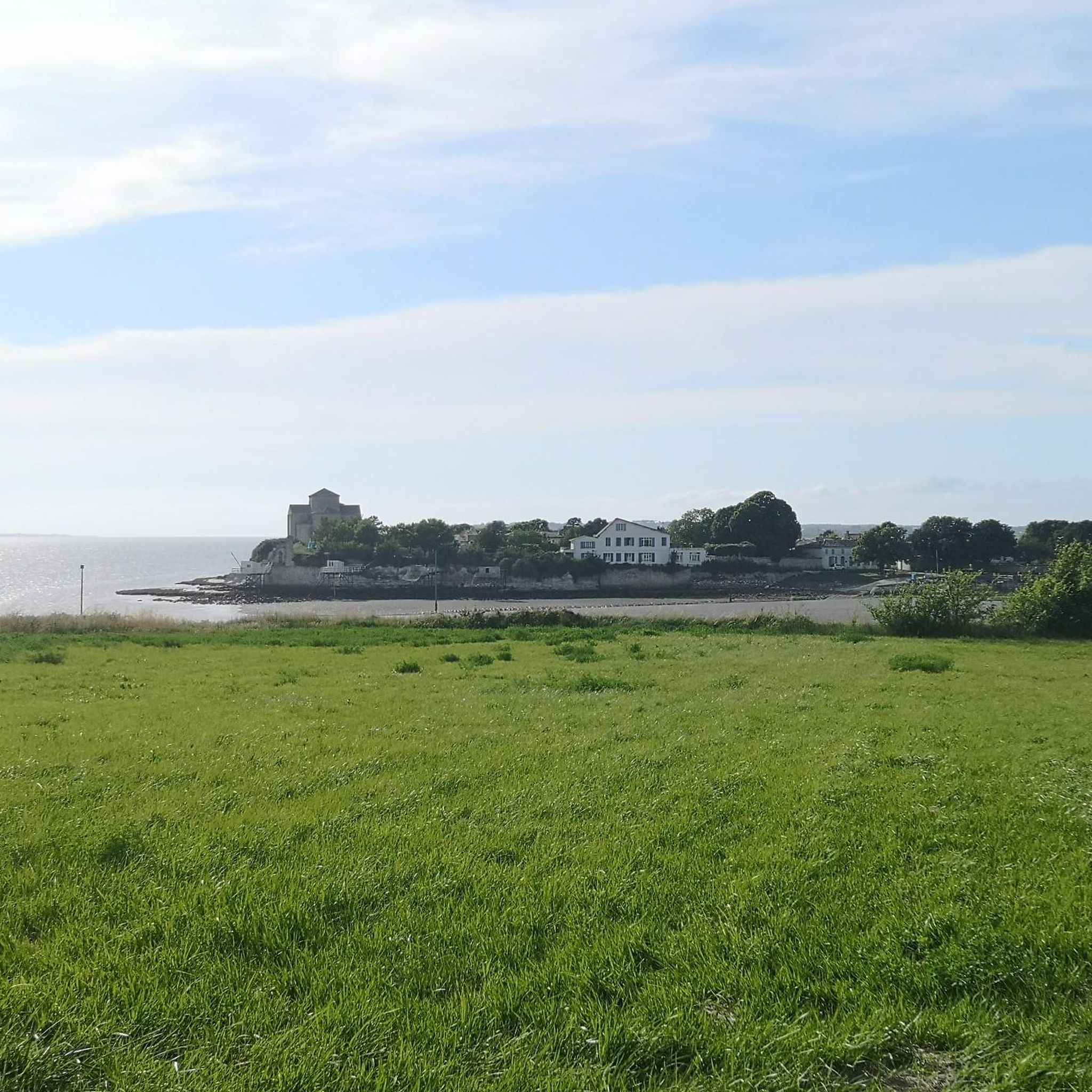
This magnificent church building - originally Romanesque - was dedicated to the patronage of "Saint-ETIENNE". He was one of the first seven deacons of the original Jerusalem community and, according to the biblical accounts in the "New Testament", was also the first martyr (martyr) of early Christianity. The church commemorates his death on the second day of Christmas, December 26th. As the Acts of the Apostles report: When Stephen expressed his vision of the open heavens "But he, filled with the Holy Spirit, looked up into heaven and saw the glory of God, and Jesus standing at the right hand of God" (Chapter 7, Verse 55), the people were so outraged that they drove him out of the city and stoned him.
0
0

Certain foundations of small elongated freestones bear witness to a building from the end of the 11th century or the beginning of the 12th century. The nave was taken over in the second half of the 12th century and reinforced by arcades. If the base of the bell tower is characteristic of Romanesque architecture, its upper part bears the mark of the first Gothic age. The octagonal stone spire crowns a bell chamber based on a similar plan, the sides featuring alternating single bays and twin bays. Finally, the north wall and the facade were redone in the 19th century, the first bay of the nave having been shortened in order to widen the road passing in front of the church41. Like the majority of churches in the region, the Saint-Pierre de Gémozac church is based on a plan in the shape of a Latin cross. It consists of a single nave with four bays covered with a pointed barrel vault, which was completely redone in the 16th century. Inside, arcades respond to the buttresses and serve to reinforce the structure of the building. As in some Romanesque churches in the region, the transepts are covered with cupolas. However, if the north brace has a dome on squinches, the south brace has the particularity of having a dome on pendentives. The two arms of the transept are extended by apsidioles: the oldest (12th century), that of the south transept, forms a vaulted hemicycle; the most recent is a rectangular chapel covered with ribbed vaults. A narrow arcade opens onto the first bay of the choir. This forms a set of two spans. The first is covered with quadripartite warheads, while the second is completed by liernes. The flat apse (13th century), pierced with a triplet, testifies to the Cistercian influence on the architecture of the time. The church of Saint-Pierre de Gémozac is part of the tourist inventory of the most beautiful churches of Saintonge and is often cited among the religious buildings worthy of a visit. In certain aspects, this church is indeed one of the beautiful Romanesque churches of the Saintonge type, among which are still the remarkable churches of Rétaud, Rioux or even Thaims, all located in its canton.
0
0
Originally, the Romanesque building had a Latin cross plan with an apse on each transept arm and a single nave. A first intervention was carried out in the Gothic period, perhaps after the Hundred Years War, at least on the vault of the south transept arm and the openings. The building suffered a lot of damage during the Wars of Religion (traces of fire in the north; mutilation of the upper parts of the transept; reconstruction of the sanctuary with a flat apse). The presence of stalls in the choir, which do not predate the 18th century, attests to the function of the conventual priory still at that time. Thirteen canons regular of the order of Saint Augustine were attached to it. In the 19th century saw the light of day the construction project of a bell tower that could serve as a berth for boats sailing on the Gironde. From 1857, the expansion of the church and the construction of the bell tower were recognized as essential. The architect Alaux's project was selected and the sculpture work on the new bell tower-porch was entrusted to the statuary Aristide Belloc. The old facade is demolished to make room for it. The western span of the nave has been lengthened. The apse has become flat and only the south apse of the transept has been preserved. The old exterior elements are in the residual state. Inside, in the crossing of the transept, the bundles of Romanesque columns have been preserved. Carved capitals bear witness to the original building (confronted animals, stylized foliage palmettes, foliage, interlacing). In the south arm of the transept, a molding resting on figure bases and a flattened capital decorated with three faces with departures of ribs, testify to the restorations and the heightening of the transept at the end of the Middle Ages (14th or 15th century).
1
0
The church of Saint-Pierre de Gémozac is a composite style religious building which incorporates both a Saintonge Romanesque structure and Gothic elements. It is one of the few churches in the region bearing witness to the transition between the two styles and has been listed as a Historic Monument since 1910.
0
0
Frequently Asked Questions
How many running routes are available in Saint-Germain-Du-Seudre?
There are over 35 running routes around Saint-Germain-Du-Seudre, offering a variety of options for different preferences and fitness levels.
What is the general terrain like for running in Saint-Germain-Du-Seudre?
The terrain is characterized by a gently rolling landscape with low elevation gains, making it suitable for runners seeking less strenuous paths. Routes often traverse open countryside, quiet village roads, and established paths, connecting small villages and natural areas.
Are there easy running routes suitable for beginners in Saint-Germain-Du-Seudre?
Yes, Saint-Germain-Du-Seudre offers 5 easy running routes perfect for beginners. These paths typically have minimal elevation changes and are ideal for a consistent, relaxed pace.
What do other runners enjoy most about the trails in Saint-Germain-Du-Seudre?
The running routes in Saint-Germain-Du-Seudre are highly rated by the komoot community, with an average score of 4.7 stars from over 10 reviews. Runners often praise the open countryside, quiet village paths, and gentle hills that define the area's network of trails.
Are there any circular running routes in Saint-Germain-Du-Seudre?
Many of the running paths in the region are circular. For example, the Running loop from Champagnolles is a moderate 9.5 km route that allows you to start and finish in the same location.
Can I find running paths with scenic viewpoints or interesting landmarks?
While the region is known for its open countryside, some routes offer glimpses of local landmarks. For instance, the Saint-Pierre Church of Gémozac loop from Gémozac provides a blend of village scenery. You can also explore nearby attractions like Port Maubert or the Mortagne-sur-Gironde Marina, which are close to some running areas.
What is the typical duration for a running route in this area?
Running route durations vary, but many popular trails are designed for a moderate workout. For example, the Running loop from Lorignac is typically completed in about 36 minutes, covering 5.7 km.
Are there any longer running trails for more experienced runners?
Yes, for those looking for a longer run, the Sea view – Saint-Étienne Church loop from Floirac is a moderate 10.5 km route that includes more elevation gain compared to other local trails, offering a greater challenge.
What is the best season for running in Saint-Germain-Du-Seudre?
The gently rolling landscape and open countryside make Saint-Germain-Du-Seudre pleasant for running in spring and autumn when temperatures are mild. Summer mornings or evenings are also ideal to avoid the midday heat, while winter runs can be refreshing on clear days, though some paths might be muddy after rain.
Are the running routes in Saint-Germain-Du-Seudre generally well-marked?
Many routes in the region follow established paths and quiet roads, which are generally easy to navigate. Using the komoot app can provide detailed turn-by-turn navigation to ensure you stay on track.
Are there any less crowded running trails in Saint-Germain-Du-Seudre?
Given the region's rural nature, most trails offer a peaceful running experience. To find less crowded options, consider exploring routes that venture further into the open countryside away from the main villages, or try running during off-peak hours.
Most popular routes around Saint-Germain-Du-Seudre
Most popular attractions around Saint-Germain-Du-Seudre

Get inspired with the komoot mobile app


Explore more
Browse the best Running Trails & Routes in other regions.
