Attractions and Places To See around Apolda - Top 20
Attractions and places to see around Apolda encompass a range of historical landmarks, cultural sites, and natural features. Situated in the Weimarer Land, the city is known as the "Bell City" due to its bell-founding tradition. The region offers a mix of urban exploration and access to the scenic landscapes of the Thuringian Basin, where the Schötener Bach and Herressener Bach streams converge.
Best attractions and places to see around Apolda
- The most popular attractions is Kunitz House Bridge,…
Last updated: October 9, 2026
Kunitz House Bridge
Highlight • Bridge
Translated by Google •
Tip by

Carl Alexander Bridge
Highlight • Bridge
Translated by Google •
Tip by

Sign up now to discover places like this
Get recommendations on the best single tracks, peaks, & plenty of other exciting outdoor places.
Weimar Town Hall with carillon
Highlight • Historical Site
In addition to the city administration of Weimar, it also houses the city archives.
Translated by Google •
Tip by

View of the Dornburg Palaces
Highlight • Viewpoint
Showing Translation
Tip by

Napoleon Stone on the Windknollen
Highlight • Monument
Translated by Google •
Tip by

Sign up for free to discover even more attractions around Apolda.
Already have an account?
Start today with a free account
Your next adventure awaits.

Tips from the Community

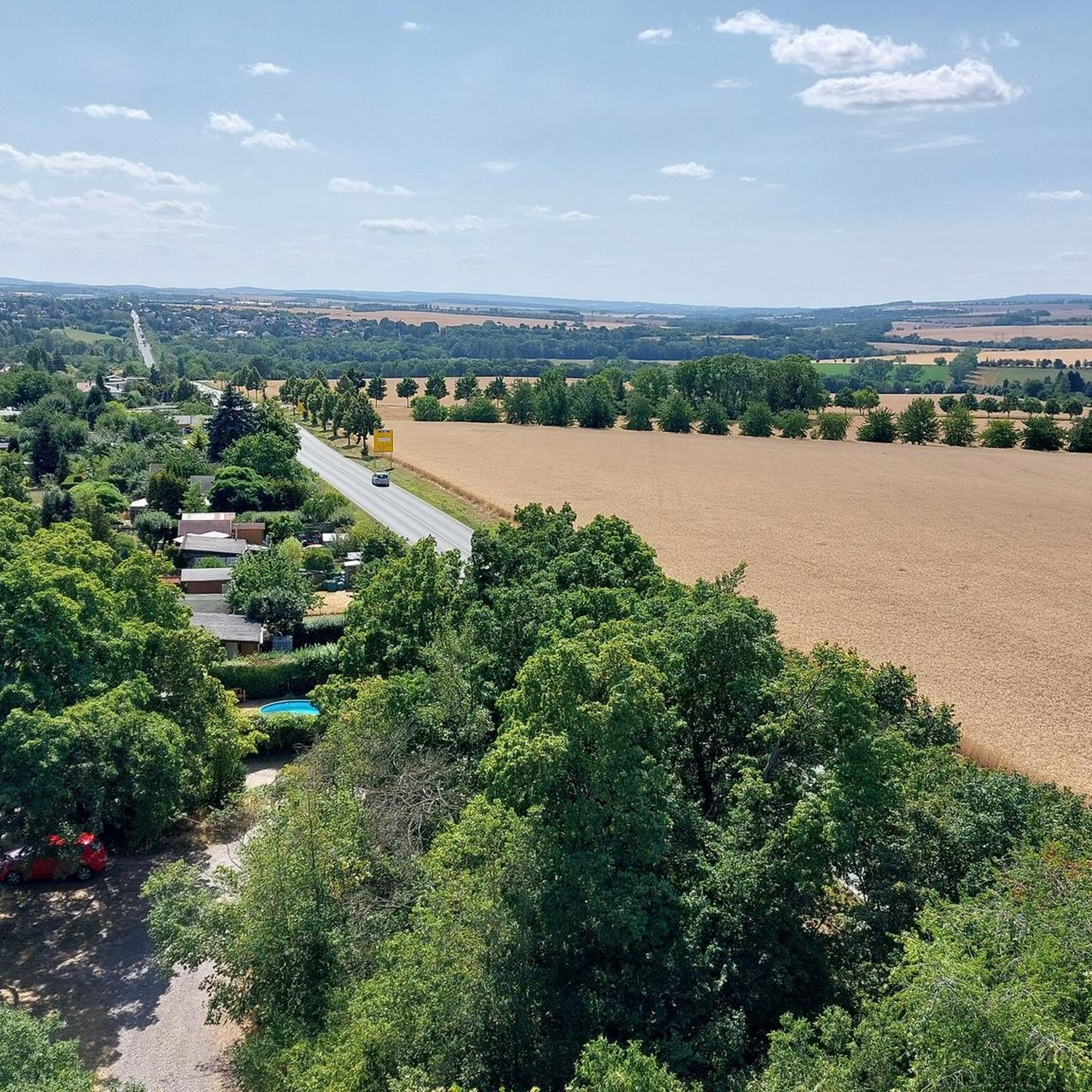
In the autumn of 1806, world history was made here on these heights northwest of Jena. Directly behind the Landgrave's house lay the Jena-Auerstedt battlefield, the site of the fighting between Prussian troops and Napoleon in October 1806. The Napoleon Stone, which, like the museum in nearby Cospeda, commemorates this event over two hundred years ago, is located here.
13
0
Another stop on the Napoleon Trail with a bench at the Napoleon Stone. Here you have a wonderful panoramic view 😎
13
0

Ignoring the Prussian ultimatum, Napoleon marched with approximately 160,000 men from Bavaria to Thuringia toward Berlin between October 7 and 13, 1806. On the afternoon of October 13, Napoleon, standing on the Windknollen, spotted the enemy firing positions on the Dornberg and ordered all available troops to take up positions overnight on the Landgrafenberg. The Prussian commanders never expected the French artillery with its heavy cannons to climb the steep mountain.
15
0

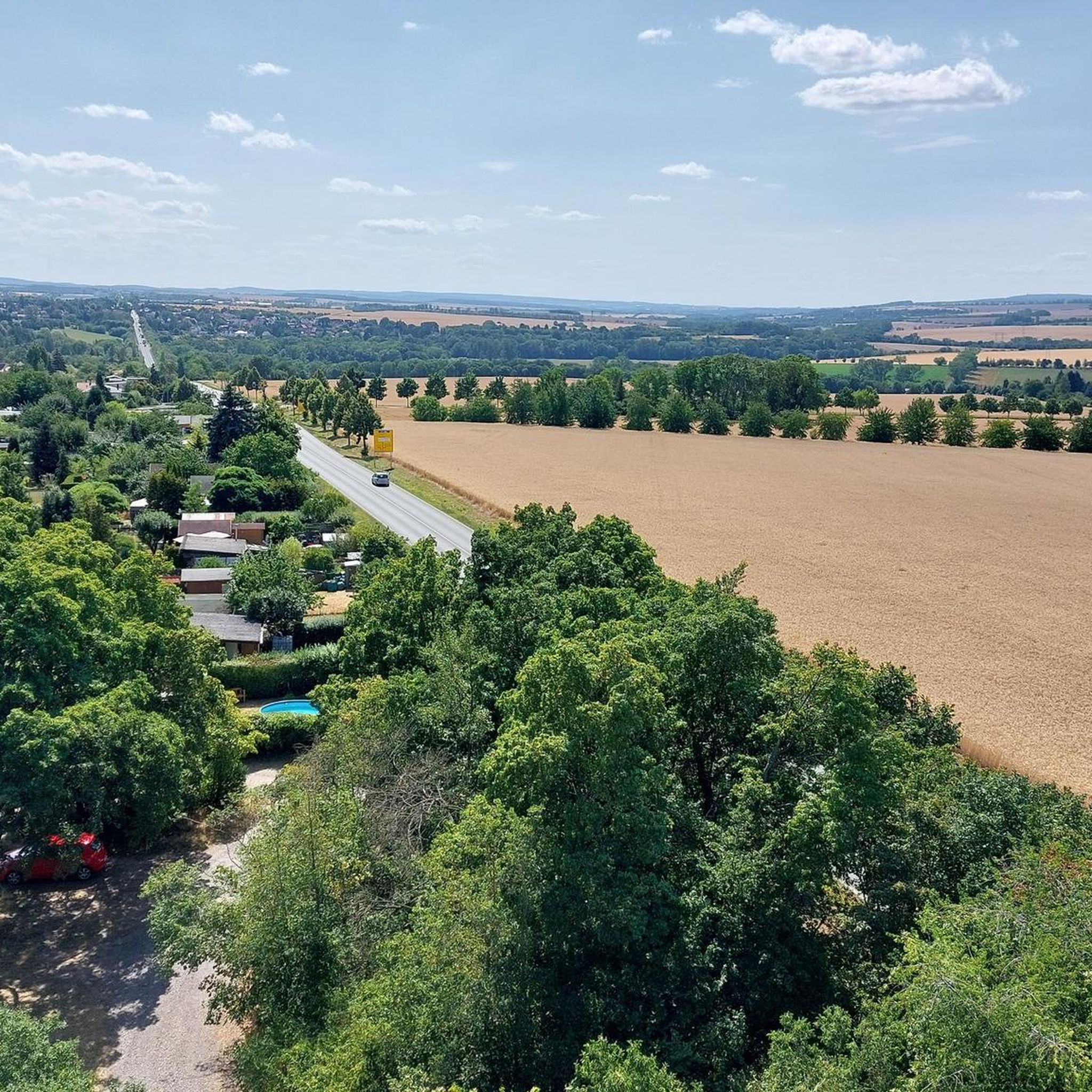
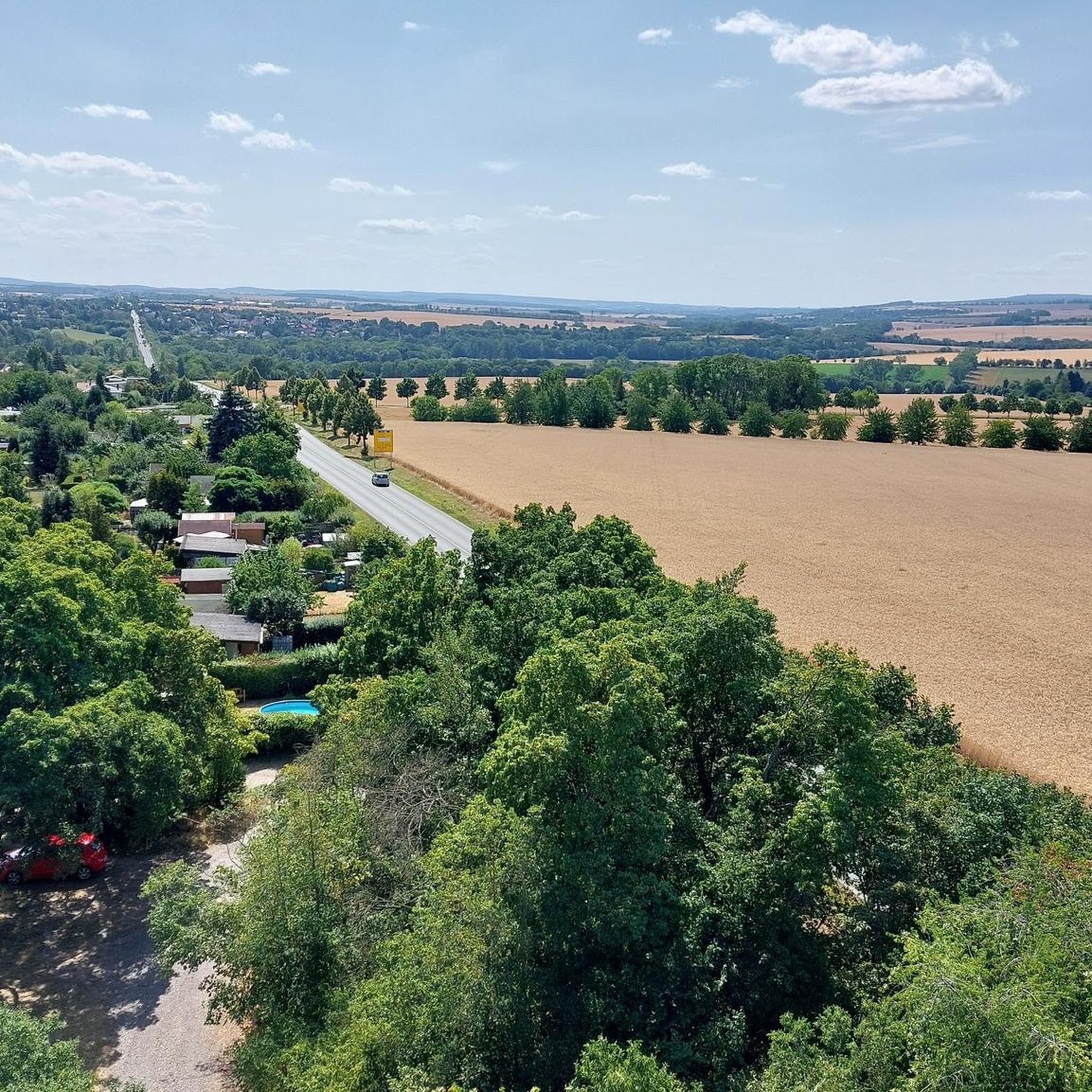
From here you have a great view of the Dornburg castles and the panoramic path directly in front of them.
5
0

I was very impressed by this perspective!
5
0

The town hall on the west side of the market square was completed in 1841, after the previous Renaissance building from the 16th century burned down. The building's line was set back 20 meters to the west to enlarge the market square. Two Renaissance portals are still preserved inside the new building. The facades are characterized by Gothic forms with pointed arch windows, pilasters, and cornices. The central tower crowns the market square façade and was given a carillon made of Meissen porcelain in 1987. The town hall entrance is particularly emphasized by a balcony porch. The building houses the mayor's offices, conference rooms, the city archives, and the wedding room of the registry office. https://www.weimar-lese.de/sehenswuerdigkeiten/gebaeude/rathaus/
13
0

From the bridge there is a very nice view of the Dornburg castles and the Saale.
5
0

Beautiful town hall with balcony and carillon on the large market square. Renovation recently completed - it still shines in the new bright color. Tip: if the weather is nice, go to the market square in the evening and enjoy the sunset over the town hall with a nice beer in one of the restaurants on the market square.
10
0
Frequently Asked Questions
What are some notable historical landmarks in Apolda?
Apolda boasts several significant historical landmarks. You can explore the Weimar Town Hall with carillon, a neo-Gothic building housing city administration. Other key sites include the Apolda Town Hall and Market Square, Apolda Castle (dating back to the 10th/11th century), the impressive Luther Church, and the oldest church, Martinskirche. The unique Eiermannbau, an architectural monument, also serves as an interim home for the GlockenStadtMuseum.
Where can I learn about Apolda's famous bell-founding tradition?
To delve into Apolda's rich bell-founding tradition, visit the GlockenStadtMuseum. This museum, located in a classicist factory owner's villa, chronicles the city's history in bell casting, which dates back to 1722. It showcases bells from three centuries and provides information on the famous St. Peter's Bell of Cologne Cathedral, which was cast in Apolda. You can also see a 1:1 replica of the "Decker Pitter" (St. Peter's Bell) at the museum or at the entrance to Apolda from Weimar.
Are there any good viewpoints or scenic spots near Apolda?
Yes, there are several scenic viewpoints. The Napoleon Stone on the Windknollen offers fantastic views of Jena and the Saale Valley. Another excellent spot is the View of the Dornburg Palaces, providing a picturesque panorama of the historic castles. The Bismarck Tower, a 24-meter-high structure, also offers elevated perspectives of the surrounding area.
What cultural institutions are available in Apolda?
Apolda offers a vibrant cultural scene. Beyond the GlockenStadtMuseum, you can visit the Kunsthaus Apolda Avantgarde, housed in a Gründerzeit villa, which hosts significant art exhibitions, lectures, and auctions. The Eiermannbau also features the "Museum auf Zeit" and serves as a venue for theater productions. The city's bell-founding heritage is also reflected in its various Glockenspiele (carillons).
Are there family-friendly attractions around Apolda?
Many attractions around Apolda are suitable for families. The Kunitz House Bridge is a beautifully restored wooden bridge with an information panel about its history, and the square in front is a nice place for a break. The Napoleon Stone on the Windknollen is a great spot for views, and in autumn, it's popular for flying kites. The GlockenStadtMuseum is also engaging for all ages, showcasing the city's unique bell-founding past.
What outdoor activities can I do near Apolda?
Apolda and its surroundings offer various outdoor activities. You can enjoy cycling along the picturesque Ilmtal Cycle Path or explore the multi-day Saale-Unstrut-Ilm Route. For hiking, the Thuringian Town Chain Hiking Trail connects historic towns. Komoot also features several easy hikes around Apolda, such as the loop from Apolda to Wasserburg Niederroßla, or the Friedensteich to Apolda Market Square loop. For cyclists, there are numerous cycling routes, including a moderate route from Apolda Market Square to Apolda Swan Pond.
Are there any unique architectural or engineering sights to see?
Apolda features several unique architectural and engineering sights. The Eiermannbau, designed by Egon Eiermann, is a significant architectural monument. The Railway Viaduct, built in 1845/1846 from limestone, is an impressive 95-meter-long and 23-meter-high structure. Additionally, the Carl Alexander Bridge, renovated in 2020, is an impressive bridge near Dorndorf-Steudnitz, offering views of the Dornburg castles.
What natural features can I explore in the Apolda area?
Apolda is situated at the edge of the Thuringian Basin, where the Schötener Bach and Herressener Bach streams converge, providing a scenic agricultural setting. The surrounding Weimarer Land offers opportunities for cycling and hiking through natural paths, orchards, and villages. The Ilmtal Cycle Path follows the Ilm River through picturesque landscapes, allowing you to experience the region's natural beauty.
What do visitors enjoy most about the attractions around Apolda?
Visitors particularly appreciate the historical significance and the well-preserved nature of the attractions. For instance, the Kunitz House Bridge is praised for being beautifully restored, with its information panel adding to the experience. The Napoleon Stone on the Windknollen is loved for its fantastic views of Jena and the Saale Valley. The Weimar Town Hall with carillon is noted for its neo-Gothic architecture and historical importance.
Are there specific cycling routes recommended around Apolda?
Yes, Apolda is a great starting point for cycling. You can find various cycling routes around Apolda on komoot. Popular options include a moderate route from Apolda Market Square to Apolda Swan Pond, or a longer, more difficult route through the Saale-Unstrut vineyards. For road cyclists, there are also several road cycling routes, such as the Kapellendorf Moated Castle loop from Apolda.
What monuments commemorate important figures or events in Apolda?
Apolda has several monuments dedicated to its heritage. The Napoleon Stone on the Windknollen commemorates Napoleon's presence in the region. There's also the Christian-Zimmermann-Denkmal, a monument dedicated to the founder of Apolda's first knitwear business, and the Dobermann-Denkmal, which commemorates the Dobermann dog breed that originated in Apolda.
Most popular routes around Apolda
Most popular attractions around Apolda

Get inspired with the komoot mobile app


Explore more
Still not found the Highlight you’re looking for? See guides of the top attractions in other regions:
