Top 20 Castles around Brugge
Best castles around Brugge are found both within the city and its picturesque surrounding "Hinterland." This region, often referred to as the "Castle Forests," features a collection of historical estates nestled within natural green areas. These castles showcase diverse architectural styles, from Neo-Gothic to English Gothic Tudor, reflecting centuries of history and architectural evolution. Many offer opportunities to explore lush gardens, historical interiors, or serve as unique accommodations.
Best castles around Brugge
- The most popular castles is Tudor Castle, a castle built in the early 20th century in the English Gothic Tudor style. Its extensive 40-hectare grounds, including a castle forest and ornamental garden, are accessible for walks.
- Another must-see spot is Tillegem Castle, a castle that is a remnant of a medieval, four-sided moated castle, renovated in the 19th century. The surrounding Castle Forests offer opportunities for walks and bike rides, allowing visitors to admire the Neo-Gothic structure.
- Visitors also love Beisbroek Castle Nature Center, a 19th-century castle housing a nature center and public observatory. It offers interactive exhibits on nature and astronomy, making it suitable for families.
- Brugge is known for Neo-Gothic, English Gothic Tudor, and Neo-Renaissance castles. The region offers a variety of castles to see, from preserved historical interiors to those converted into hotels or museums.
- The castles around Brugge are appreciated by the komoot community, with more than 580 upvotes and over 260 photos shared across the highlights.
Last updated: October 7, 2026
Tudor Castle
Highlight • Castle
(Salino.be)
Translated by Google •
Tip by

Tillegem Castle
Highlight • Castle
Until 1978, however, various noble families actually lived here. On the ground floor there is a reception room, the Louis XV style oak staircase. as well as the meeting rooms in the 18th-century drawing rooms. The cellars from the 14th century with their thick walls and brick cross rib vaults have also been preserved in their original condition.
Translated by Google •
Tip by

Sign up now to discover places like this
Get recommendations on the best single tracks, peaks, & plenty of other exciting outdoor places.
Cozmix Observatory and Beisbroek Nature Center
Highlight • Monument
Cozmix is the visitor center of the Volkssterenwarte Beisbroek vzw. You can admire the starry sky day and night, discover the moon, planets, nebulae and galaxies up close with telescopes. The dome projection in the planetarium not only shows you the stars: the fulldome system also projects the most spectacular video images that, together with the music, immerse you in a unique audiovisual experience. Learn more about the planets outside our solar system and the possible life on them.
cozmix.be
Translated by Google •
Tip by
Bulskampveld
Highlight • Forest
(Province of West Flanders)
Translated by Google •
Tip by
De la Faille Castle at Minnewater
Highlight • Castle
This merchant had a flour mill along the Kolenkaai, and was also alderman of Bruges.
In 1980 the city council bought the castle and realized the full connection to the Minnewater by expanding the park. The castle was protected as a monument in 1996.
Translated by Google •
Tip by

Sign up for free to discover even more castles around Brugge.
Already have an account?
Start today with a free account
Your next adventure awaits.
Popular around Brugge
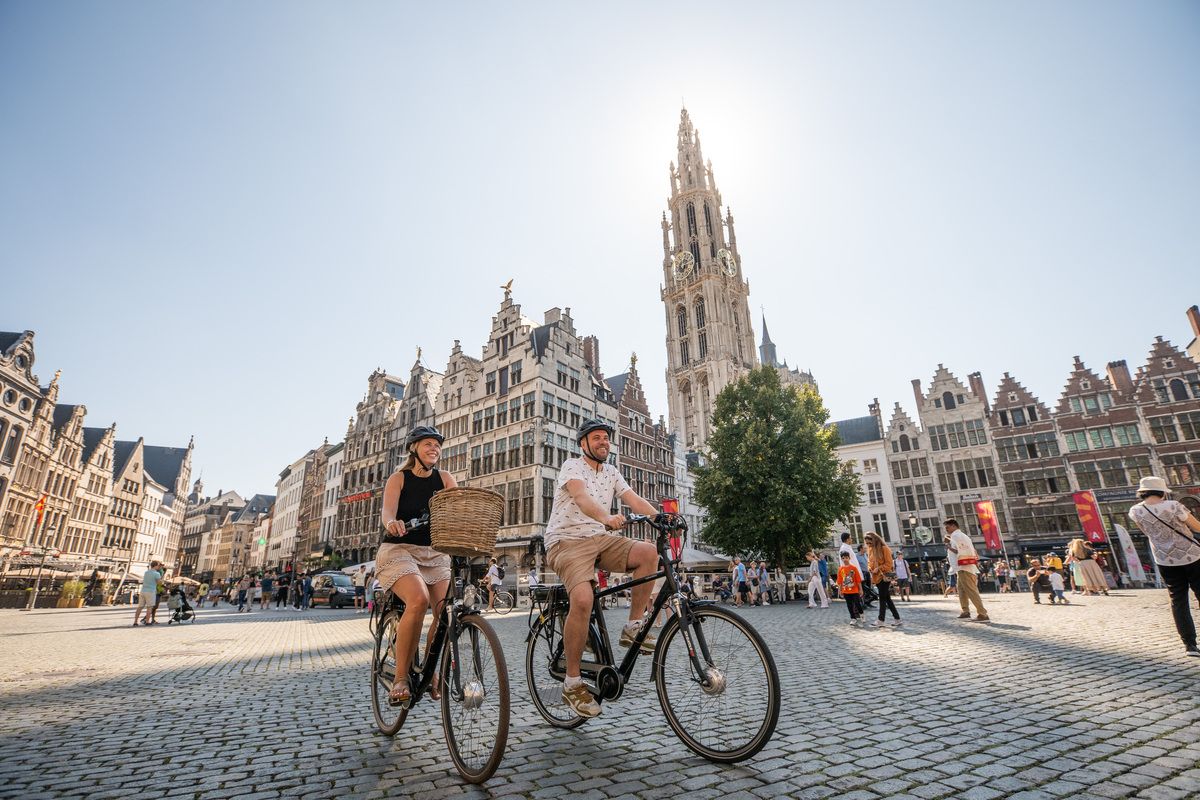
Flanders' Finest Cycle Routes: routes around the Flemish art cities
Belgium's best – the most beautiful hiking routes in Flanders
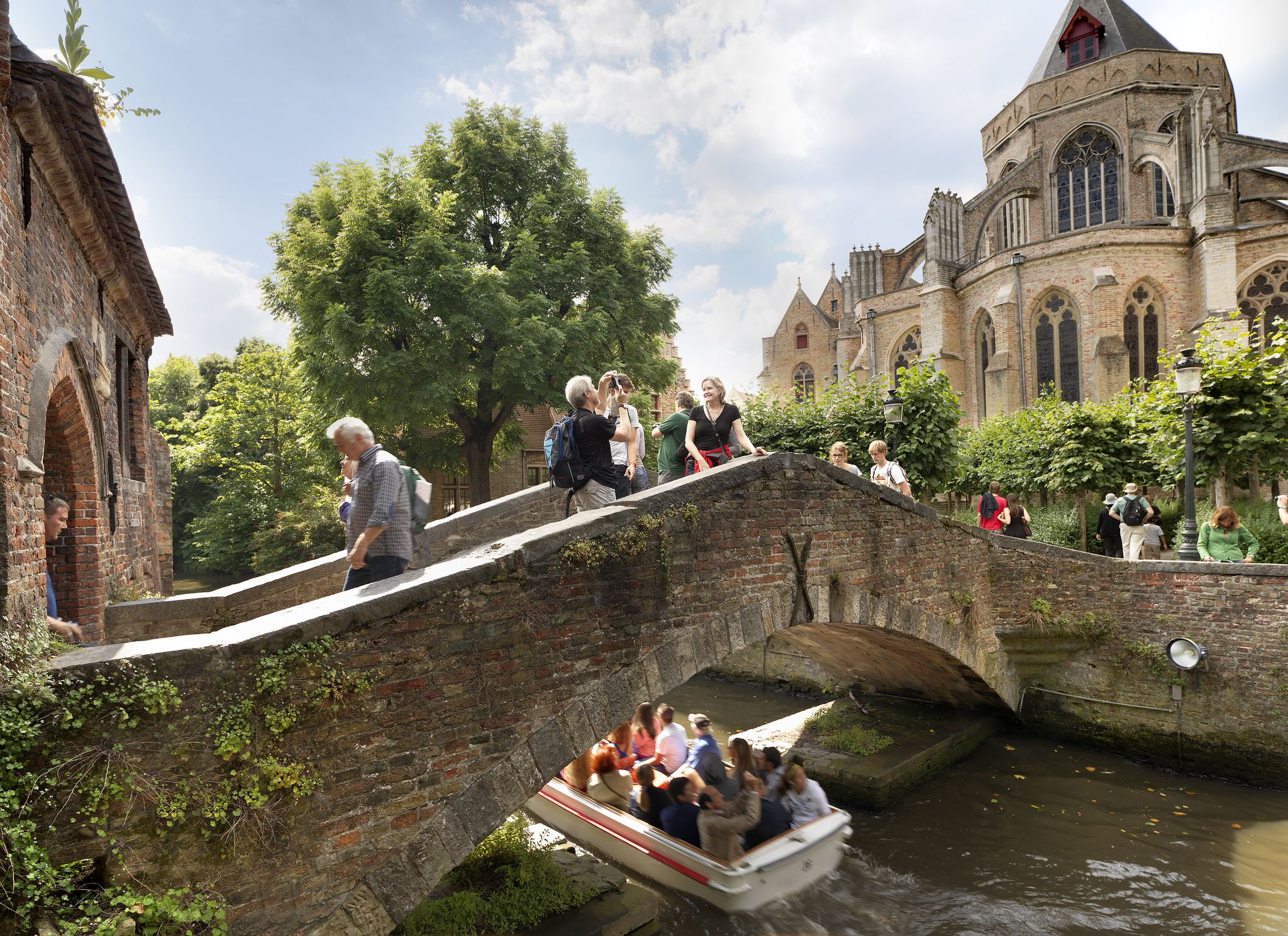
10,000 steps through Flanders' Art Cities
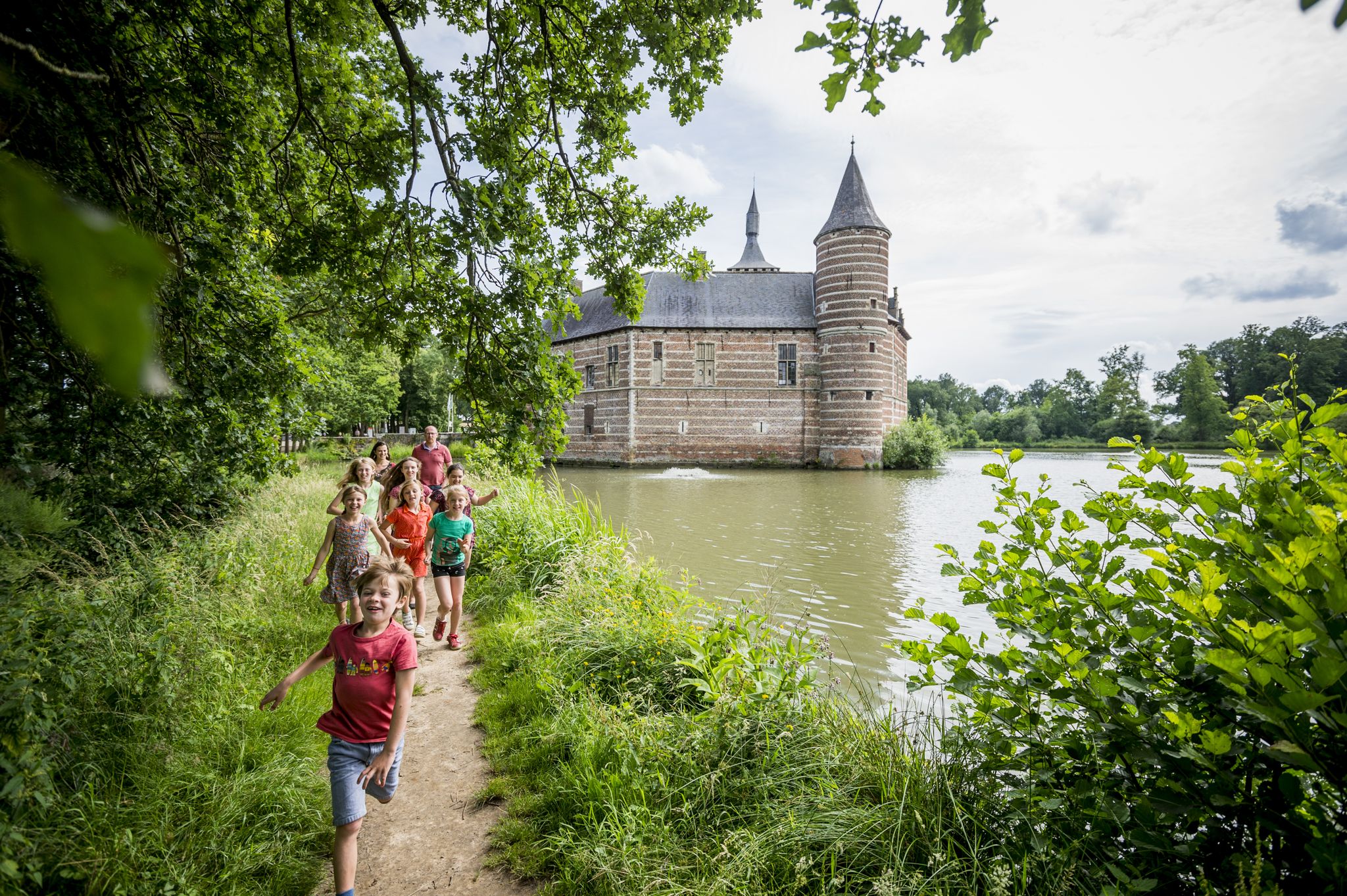
Time travel on foot — historical walks in Flanders
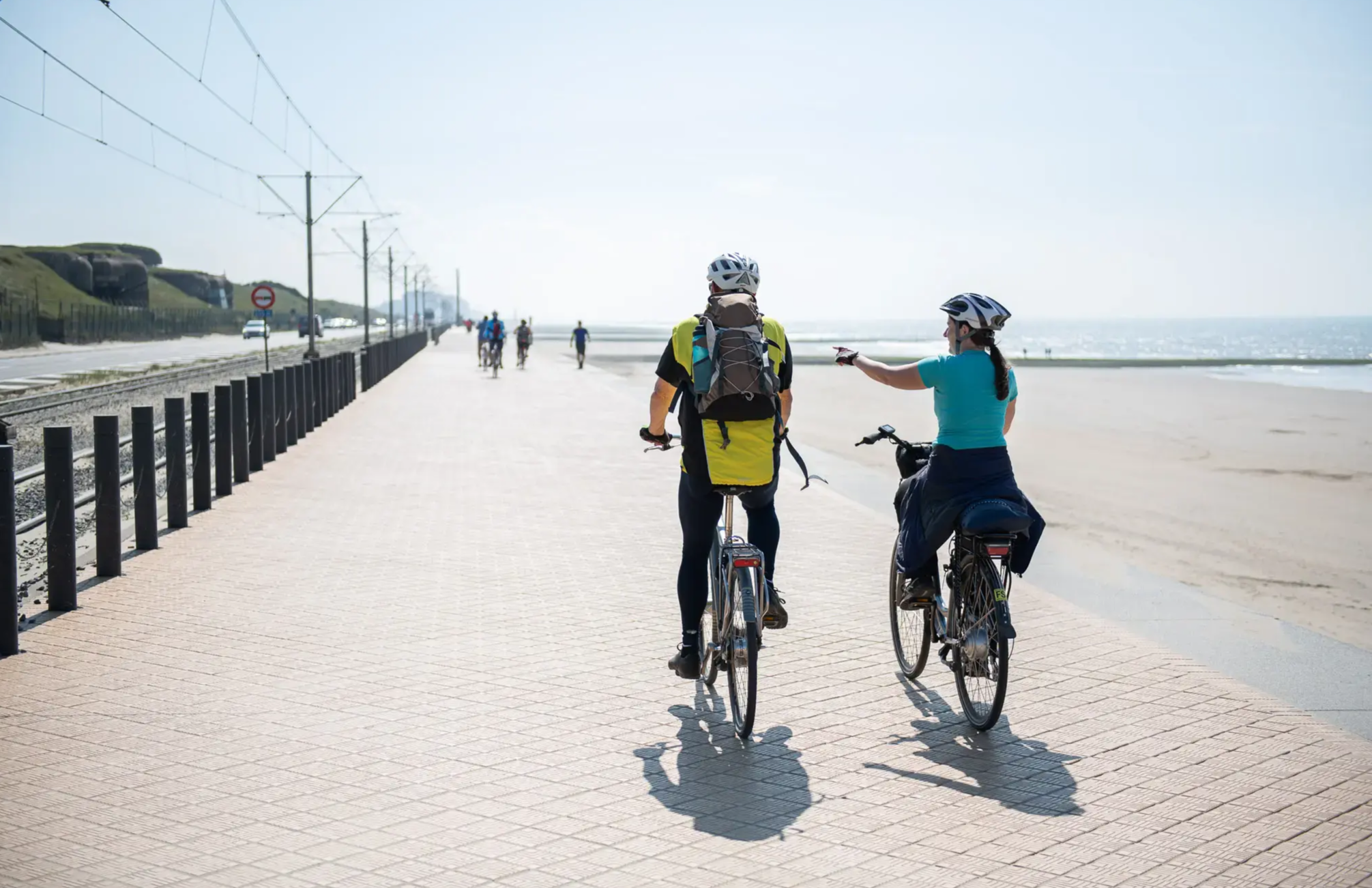
Coast, Culture and Cuisine — a Pioneer Trip to Flanders
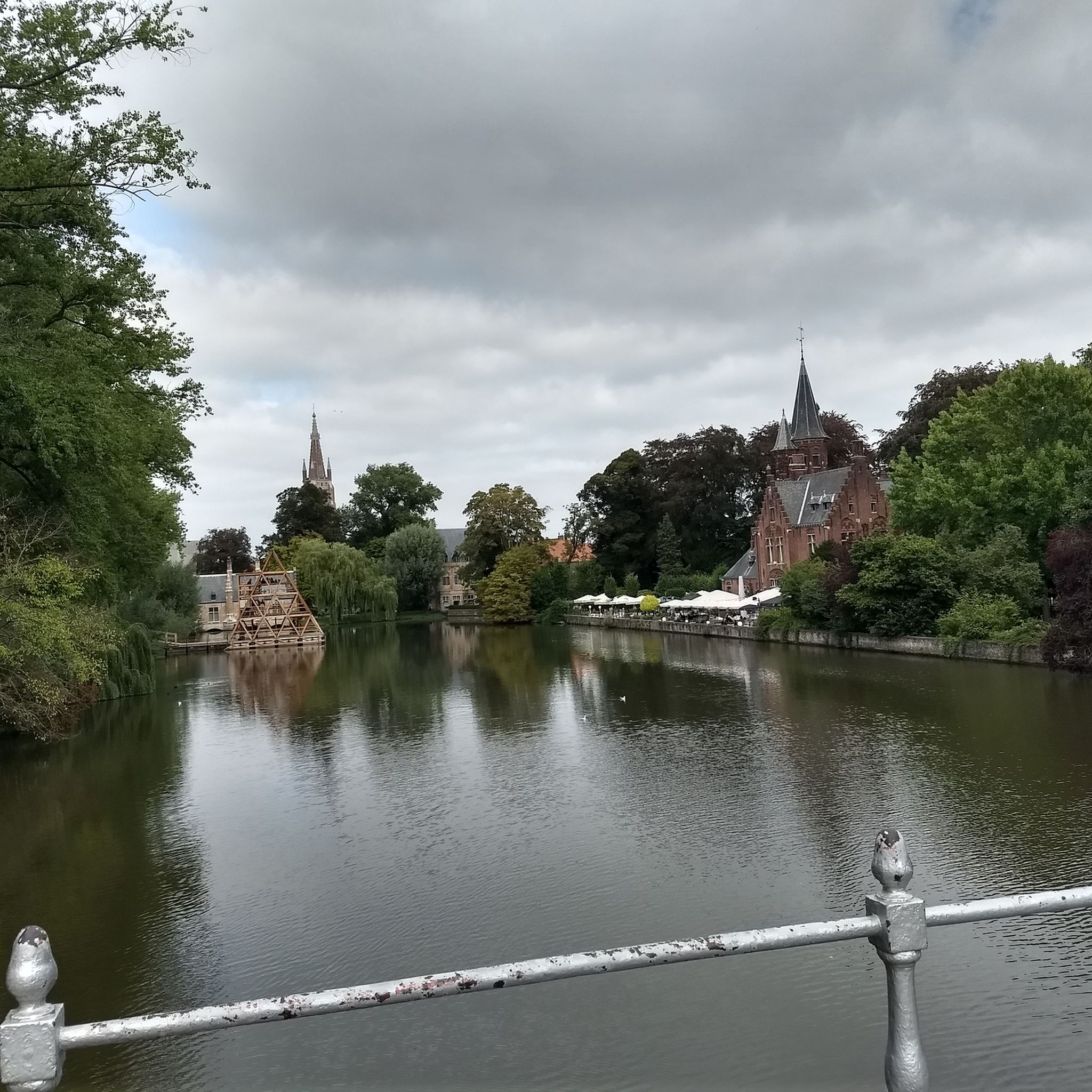
Hiking around Brugge
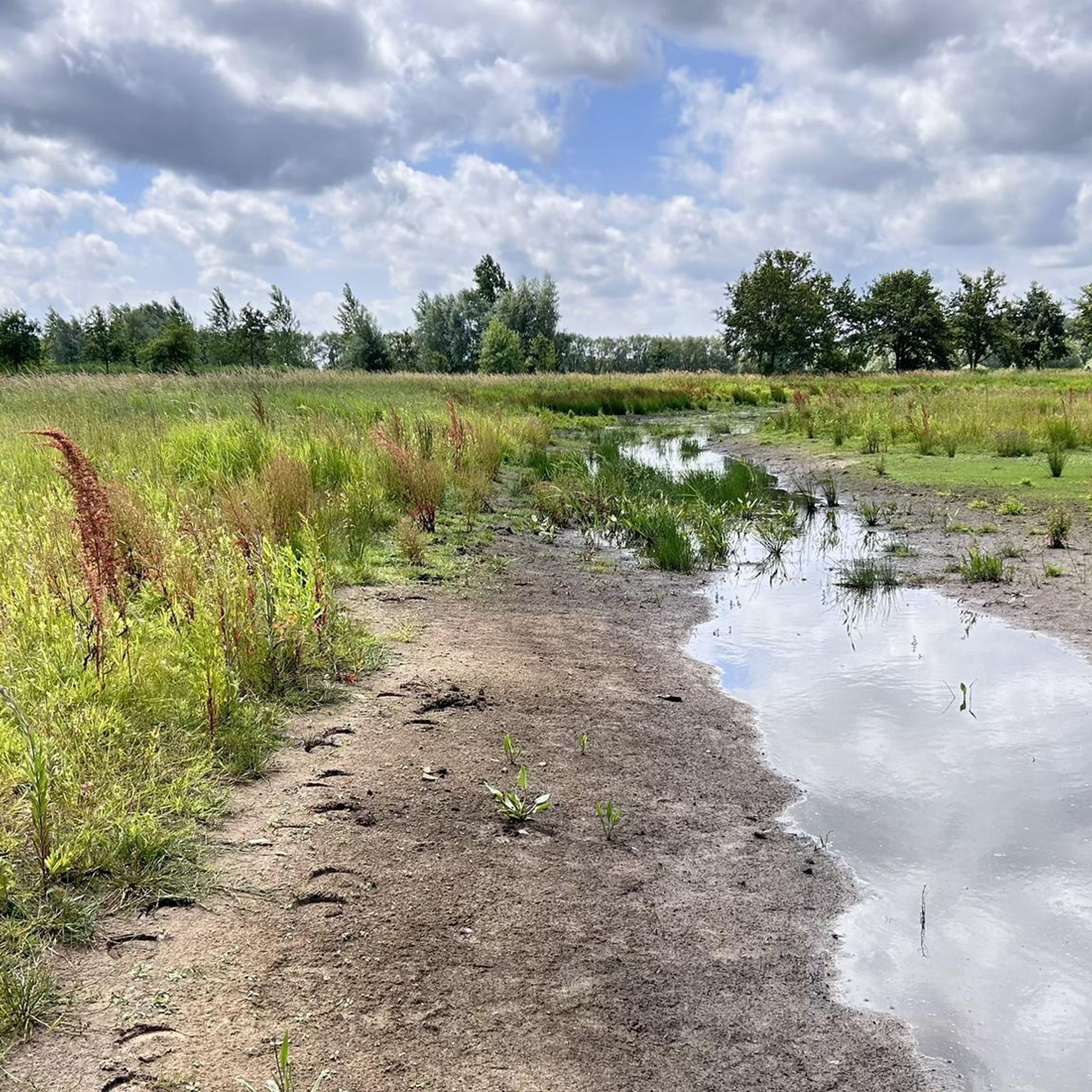
Cycling around Brugge
Road Cycling Routes around Brugge
Running Trails around Brugge
MTB Trails around Brugge
Other adventures around Brugge

Tips from the Community

Step back in time at Kasteel Tillegem, one of the best-preserved castles in the Bruges region. This impressive castle, surrounded by a wide moat and ancient trees, exudes pure medieval charm. During your tour through the Tillegembos forest, you will walk or cycle past this iconic heritage site, where history and nature blend seamlessly. The stately towers, the surrounding water, and the tranquil environment make it a particularly atmospheric place. Kasteel Tillegem is a real eye-catcher and a beloved stop for photographers, hikers, and heritage enthusiasts. It is certainly worth stopping here. A timeless highlight that you should not miss.
1
1

A beautiful old castle surrounded by a lake/moat. You can walk all the way around the castle and admire it from every angle.
2
0

A very large forest with various amenities, including a tea room and restaurant. There's also a herb garden and a farm where you can buy ice cream.
3
0

After the Tillegembos (Bruges) and the Palingbeek (Ypres), the Lippensgoed-Bulskampveld became the third provincial domain of West Flanders. In 1970, 201 ha of forest, agricultural land, park, castle and associated farms were purchased and opened to the public after construction and development. The Lippensgoed-Bulskampveld was the largest public domain in West Flanders for a long time. In the 1980s, the castle garden was transformed into a didactic herb garden and the exhibition of agricultural materials in galleries around the herb garden was established. In 1990, one of the leased farms within the provincial domain became available. In order to increase the recreational opportunities, various afforestations were carried out there and new avenues were created. With an additional acquisition of 17 ha in 1992, the surface area was increased to 218 ha. About 10 years later, in 2003, 6 ha of St-Amandus were rented and integrated into the existing domain via an educational nature trail. Finally, in 2005, about 8 ha of forest were purchased and added to the public domain, bringing the total to 232 ha. (Province of West Flanders)
13
0

From 1654, the castle park on Kasteelstraat in Lozer was owned by the della Faille d'Huysse family. In the 17th century, the beautiful castle was called "t Goed Uplosere". The block-shaped castle received its current classicist appearance during renovations in the 18th century. From Kasteelstraat you can see the symmetrical rear facade. From Appelhoekstraat you have a view of the facade. The 19th century park in English landscape style consists of ponds, winding paths, bridges and accessories such as a walled vegetable garden, a caretaker's house, a dog kennel, a coach house, a tower-shaped garden pavilion, a courtyard and a gatehouse. From the castle grounds, a double avenue leads to the Church of Our Lady of Assistance. Source: https://www.kruisem.be/kasteel-della-faille-dhuyse-lozer-0
7
1
The Minnewater lake is located in a very beautiful park landscape within the old fortifications of Brüggen. On the east bank is the striking neo-Gothic castle of the noble de la Faille family, which was built in 1893 according to a design by the architect Karel De Wulf. On the west side, on Professor Doctor Joseph Sebrechtsstraat, is the former building of the Minnewater clinic. After the neo-Gothic 175-meter-long building initially served as a Catholic hospital and was occupied by the German occupying forces from 1917 during the First World War, the nuns returned and used it until 1933. From 1947 to 1977, Joseph Sebrechts used it as an operating room for the adjacent St. John's Hospital. It is currently a residential and care center with a palliative care department. By the bridge is the Poertoren Tower, which served as an ammunition depot under the regime of the time. Poer is a dialect word for gunpowder. For many centuries, the site of today's Minnewater Park was used as a bleaching meadow. The oldest mention of this term dates back to 1580. Until the beginning of the 20th century, the site was still used as a bleaching plant. Then it was divided up and passed into the possession of various owners. On part of it, Ludovic Fraeys de Veubeke had a neo-Gothic castle, Het Fraeyhuis, built and a garden laid out. The castle was demolished in 1969. The gatehouse and some of the linden trees in the garden were preserved. At the beginning of the 1970s, the city council and in particular Mayor Michel Van Maele asked themselves whether the construction of a villa suburb was still justified and whether, on the contrary, the creation of a public park should not be preferred. By deed of August 9, 1974, the city became the owner of the 1.55 hectare site. The design of the park had two objectives: firstly, to complete the tourist pedestrian route near the Minnewater and secondly, to create a green area with various passive recreation functions. The basic structure of the new park was outlined using the valuable remains of the Fraeyhuis gardens. Construction began in 1977 and it was opened in 1979. Shortly afterwards, the park was expanded by another half a hectare through the purchase of two adjacent plots of land.
8
0

For most visitors, Minnewater is just a beautiful water park. But it is the beginning of a system of canals that runs through the entire city.
11
0
Beisbroek Castle was built in 1830 in the 98 hectare green domain Beisbroek. Inside the castle you will find the Nature Center and the Public Observatory. You will learn all about nature on land and the stars in the sky! (Brugse Ommeland)
14
0
Frequently Asked Questions
Which castles around Bruges offer a unique historical experience with preserved interiors?
For a deep dive into history, Loppem Castle is highly recommended. It's a Neo-Gothic gem with original architecture, interiors, and an art collection that have been remarkably preserved. Similarly, Wijnendale Castle, with origins dating back to the 11th century, offers a museum within its walls, providing insights into its long and storied past.
Are there family-friendly castles near Bruges with activities for children?
Yes, several castles cater to families. The Beisbroek Castle Nature Center houses a nature center and public observatory, offering interactive exhibits on nature and astronomy. Loppem Castle also features a famous and challenging maze, which is a delightful experience for families.
Which castles are known for their beautiful gardens or natural surroundings?
Many castles around Bruges are set within extensive green spaces. Tudor Castle, while private, has sprawling 40-hectare grounds with a castle forest, ornamental garden, and herb garden open for exploration. Tillegem Castle is surrounded by the picturesque Castle Forests, perfect for walks and bike rides. Ryckevelde Castle also boasts a large estate with freely accessible parkland.
Can I stay overnight in a castle near Bruges?
Yes, for a unique experience, you can stay in some castles. The Dukes' Palace in Bruges operates as a castle hotel, offering a luxurious stay with a medieval ambiance. Kasteel ten Berghe functions as a bed and breakfast, and d'Aertrycke Castle has been transformed into a hotel, restaurant, and conference center.
Are there opportunities for outdoor activities like hiking or cycling near the castles?
Absolutely. The region around Bruges, often called the 'Castle Forests,' is ideal for outdoor pursuits. For running, you can explore routes like 'Nature trail Ryckevelde' or the 'Tillegem Castle – Tudor Castle loop.' If you prefer gravel biking, consider the 'Beisbroek Forest – Gravel path Vloethemveld loop.' Mountain biking enthusiasts can try the 'Tillegem Castle – MTB and BMX Hill Zedelgem loop.' You can find more details and routes in the Running Trails around Brugge, Gravel biking around Brugge, and MTB Trails around Brugge guides.
Which castles are easily accessible from Bruges for a short visit or stroll?
The De la Faille Castle at Minnewater is located directly on the tranquil Minnewater (Lake of Love) in Bruges, making it a picturesque spot for strolls and admiring its Neo-Gothic exterior. Its proximity to the city center makes it very accessible for a short visit.
What architectural styles can I expect to see among the castles in the Bruges region?
The castles in and around Bruges showcase a diverse range of architectural styles. You'll find elegant Neo-Gothic designs, such as De la Faille Castle at Minnewater and Loppem Castle. The Tudor Castle is a prime example of the English Gothic Tudor style. Additionally, you can see Neo-Renaissance architecture at d'Aertrycke Castle and historicist styles like Ryckevelde Castle, which appears medieval despite its more recent construction.
Are there any castles that are part of a larger provincial domain or park?
Yes, Bulskampveld is a significant provincial domain that includes a Neo-Gothic castle. This vast area offers extensive grounds for walking, a didactic herb garden, and a regional visitor center, making it a great destination for nature and history lovers alike.
What is the best time of year to visit the castles around Bruges?
While castles can be visited year-round, the spring and summer months (April to September) are generally ideal. During this time, the extensive gardens and parks surrounding many castles, such as Tudor Castle and Loppem Castle, are in full bloom, enhancing the scenic beauty. The weather is also more favorable for exploring the outdoor grounds and enjoying activities like hiking and cycling.
Can I visit castles that are not fully open to the public?
Many castles, even if their interiors are private or have limited access, often have grounds or parks that are freely accessible. For instance, while Tudor Castle itself is private, its extensive grounds are open for exploration. Similarly, the beautiful grounds of Tillegem Castle are accessible for walks and bike rides, allowing you to admire the Neo-Gothic structure from afar.
What kind of historical significance do the castles in the Bruges region hold?
The castles in the Bruges region reflect centuries of history. Many, like Wijnendale Castle, have origins dating back to the medieval period, witnessing significant historical events. Others, particularly in the 'Hinterland,' were built in the 19th century by wealthy citizens, showcasing the region's prosperity and architectural trends after the French Revolution. They offer a glimpse into the lives of nobility and the evolution of architectural styles over time.
Most popular attractions around Brugge

Get inspired with the komoot mobile app


Explore more
Looking for the best castles somewhere else? Discover other guides around Brugge:
