Top 20 Castles around Affligem
Castles around Affligem offer a glimpse into the rich history of Belgium's Flemish Brabant and East Flanders provinces. This region is characterized by its varied landscapes, from agricultural plains to wooded areas, providing diverse settings for historical sites. The area features a concentration of historical architecture, including medieval fortresses and stately Renaissance homes. Many of these historical structures are open to the public, allowing for exploration of their grounds and interiors.
Best castles around Affligem
- The most popular castles is…
Last updated: October 7, 2026
Groenenberg Castle
Highlight • Castle
Translated by Google •
Tip by

De Viron Castle
Highlight • Castle
Translated by Google •
Tip by

Sign up now to discover places like this
Get recommendations on the best single tracks, peaks, & plenty of other exciting outdoor places.
Belfry and District House
Highlight • Historical Site
Translated by Google •
Tip by
Kruikenburg Castle
Highlight • Castle
Translated by Google •
Tip by
Groot-Bijgaarden Castle
Highlight • Castle
Translated by Google •
Tip by

Sign up for free to discover even more castles around Affligem.
Already have an account?
Start today with a free account
Your next adventure awaits.
Tips from the Community

Magnificent castle in the green surroundings...
5
0


Viron Castle, designed by architect Jean-Pierre Cluysenaar in 1862, is now used as the town hall. The castle is situated at the highest point of Dilbeek's municipal park, north of the Sint-Alenatoren tower. The ice cellar is located west of the castle along Heetveldelaan. The castle, its outbuildings, and the park were designated as a protected monument and village view in 1990. (Inventory of Immovable Heritage)
9
0

The eye-catcher of the Grote Markt is undoubtedly the belfry, which includes the old town hall and the district house. Together, they form a unique historical ensemble. The old town hall, dating from 1225, is the oldest preserved town hall in the Netherlands, recognizable by its high gable roof and round corner towers. The belfry was added in 1407 and is notable for its elegant octagonal tower with an open gallery. Inside, one of the oldest working carillons in the Netherlands hangs, which still resounds through the city every fifteen minutes. The tower has been a UNESCO World Heritage Site since 1999. On the facade, you can see the motto "Nec spe nec metu" ("without hope, nor fear"), and the statues of the Counts of Flanders and Aalst. The clock face, dating from 1964, earned the tower the nickname "den Tettentoeren" (the Tette Towers) because of its striking shape. The district house, a late Gothic extension, was for centuries the place where the bailiff promulgated laws to the people. Five statues adorn the facade, including Justitia, Emperor Charles V, and Pieter Coecke, court painter and Aalst resident. Today, the city council still meets there monthly.
1
0

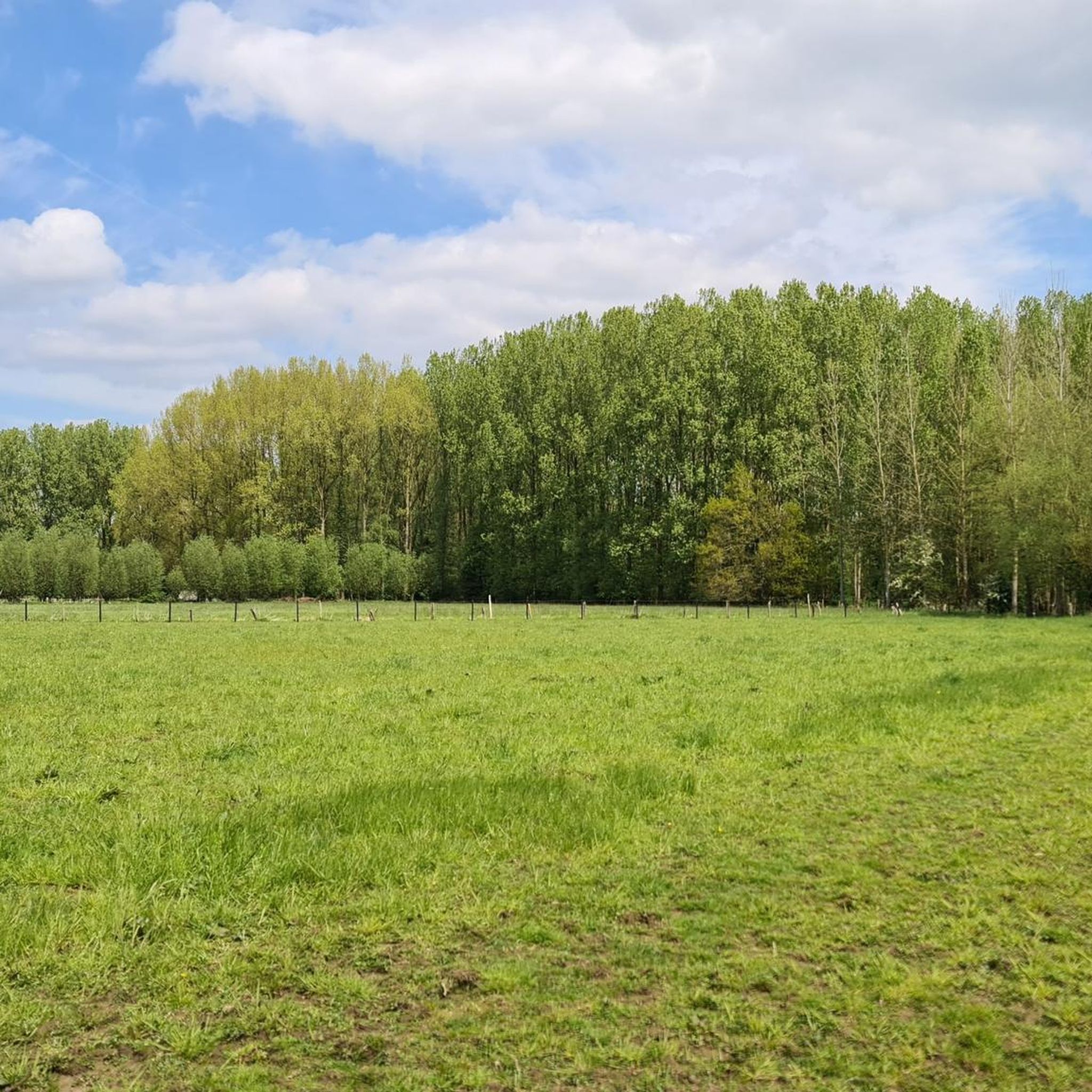
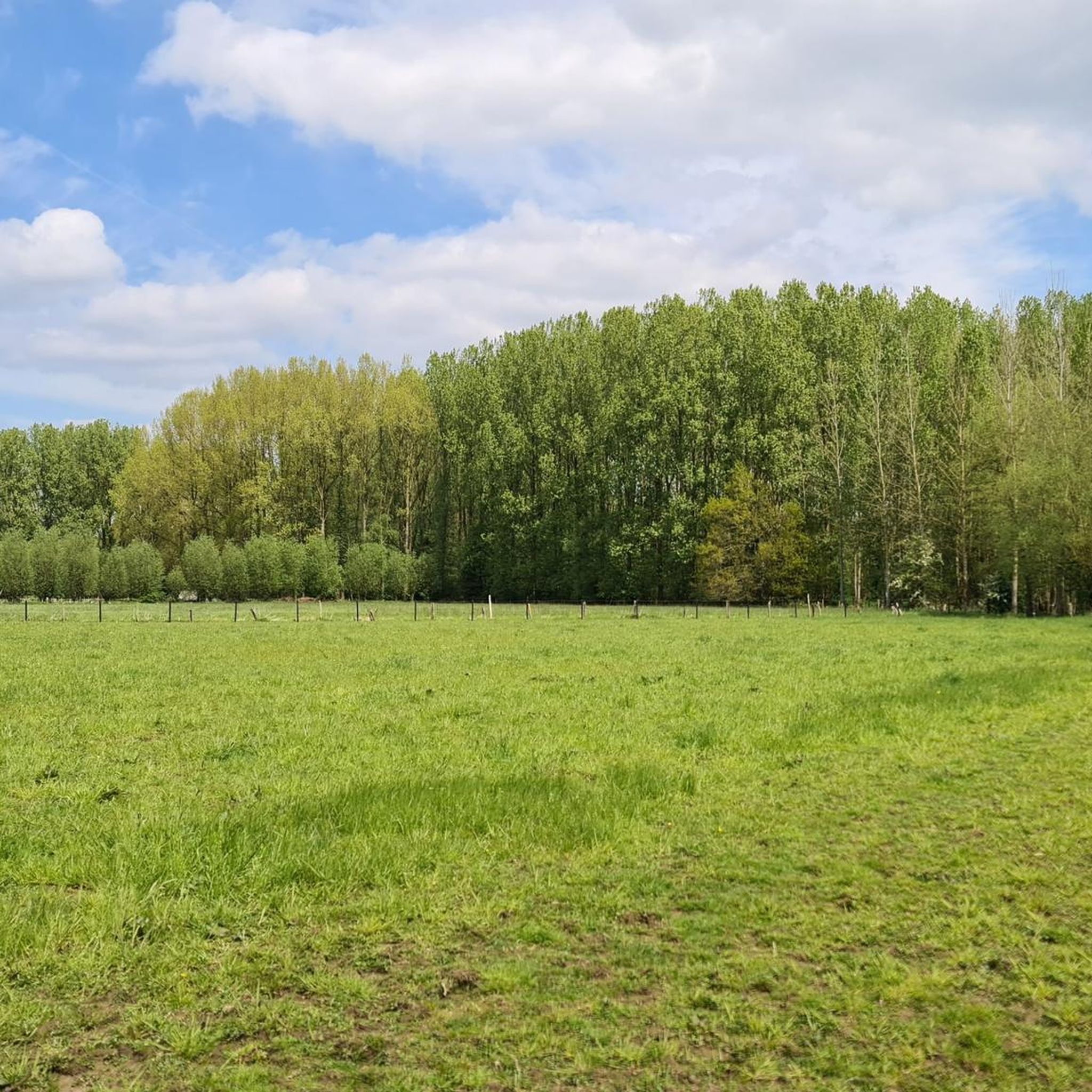
superb, well-maintained and very varied park
2
0

In 2015, the castle served as a setting for the filming of the movie Les Profs 2
1
0
Almaric de Bigard, who was the first lord of Bigard, lived there around 1110. In 1422, Guillaume Rongman, lord of Bigard, was made captain of the city of Brussels by Philip the Good. Guillaume Estor was appointed baker of Brabant by letters patent of Charles the Bold, then became alderman of Brussels in 1475. Jean Estor and his mother were judged heretics (for Protestantism) and executed on January 6, 1548, their property confiscated and the Lordship of Bigard sold to Gaspard Schetz, Lord of Grobbendonck, on February 14, 1549, for 17,800 pounds. The lordship was erected into a marquisate under the name of Boisschot, when Helen of Boisschot, married Charles Ferdinand, Count of Königsegg-Rothenfels, interim regent of the Netherlands. Count Ferdinand of Boisschot in the middle of the 17th century had many works done, and had new buildings built. In 1902, the whole was very dilapidated and Raymond Pelgrims de Bigard took thirty years to rehabilitate it.
1
0
Groenenberg Castle and its park domain, located in Gaasbeek and Vlezenbeek, has been owned by the Flemish Community since 1981, which had it thoroughly restored in 1992. The domain was opened to the public on 17 July 1990. The castle was built around 1890, in an eclectic style. The 45 ha English landscape park was designed by Edmond Galoppin, one of the most famous landscape architects of that time. The park is characterised by winding roads, curved forest edges and extensive lawns, low flower beds, solitary trees and shrubs. Didactic identification plates have been placed on the most remarkable trees. The park is connected to the historic domain and castle of Gaasbeek.
6
0
Frequently Asked Questions
What types of castles can I explore around Affligem?
The region around Affligem, spanning Flemish Brabant and East Flanders, offers a diverse range of castles. You can find everything from medieval fortresses like Gravensteen in Ghent to stately Renaissance homes such as Ooidonk Castle. Many are set within extensive parks, like Groenenberg Castle, or feature unique architectural styles like the Neo-Tudor De Viron Castle.
Are there any romantic water castles in the area?
Yes, the region is home to several picturesque water castles. Horst Castle in Flemish Brabant is an idyllic moated castle dating back to the 13th century, often considered one of Belgium's most beautiful. In East Flanders, Poeke Castle is a neoclassical gem completely surrounded by water, set within a beautiful wooded park.
Which castles are particularly family-friendly?
Several castles offer great experiences for families. Huizingen Castle is set within a vast provincial domain that includes recreational activities, boating, and a small animal park. Groenenberg Castle is situated in a 45-hectare English landscape park perfect for exploration. Additionally, Groot-Bijgaarden Castle is known for its beautiful gardens and often hosts events like Floralia Brussels.
What historical insights can I gain from visiting these castles?
You can delve deep into history. Gaasbeek Castle, for instance, showcases dramatic interiors, opulent furniture, and a vast collection of Renaissance art. Gravensteen (Castle of the Counts) in Ghent provides a comprehensive insight into 12th-century heraldic culture and even displays a unique collection of torture equipment. The Belfry and District House in Aalst, while not a castle, is a historical site with a belfry tower dating from 1407 and one of the country's oldest carillons.
Are there hiking or walking trails near the castles?
Absolutely! Many castles are nestled within beautiful parks and domains perfect for walking. The domain around Gaasbeek Castle offers ample opportunities for exploration. Poeke Castle is situated within a 56-hectare wooded park, open daily for walks. For more extensive hiking, you can find numerous trails in the wider region, including routes like the 'Roofridders Trail' or 'Boardwalk through Pelinckbos'. You can find detailed routes in the Hiking around Affligem guide.
What is the best time of year to visit the castles around Affligem?
Spring and summer are generally ideal for visiting, as the castle gardens and parks are in full bloom, and the weather is pleasant for outdoor exploration. Many castles, like Gaasbeek Castle, often reopen for the season in early spring (e.g., March). Autumn also offers beautiful scenery with changing foliage, especially in the extensive park domains.
Can I visit castles that are still in use or have modern functions?
Yes, some castles have found new life while preserving their historical essence. Arenberg Castle, for example, is now owned by KU Leuven and serves as the Faculty of Engineering, allowing visitors to appreciate its historical architecture within an academic setting. De Viron Castle functions as the town hall of Dilbeek.
Are there any castles with unique architectural features?
Indeed. Wissekerke Castle stands out with its neo-Gothic and neo-Tudor style gatehouse, and its interiors, including an Egyptian room, are largely preserved. Arenberg Castle showcases Flemish Renaissance style with large corner towers and elements of Gothic, Renaissance, and neo-Gothic architecture. Kruikenburg Castle is an imposing classicist castle with origins in the 12th century, featuring a U-shape with round corner towers.
What outdoor activities, besides walking, can I do near these castles?
The region offers various outdoor activities. Many castle parks are suitable for cycling, such as the 600-meter-long castle avenue at Wissekerke Castle. For more adventurous activities, you can explore mountain biking trails or running routes in the vicinity. Check out the MTB Trails around Affligem or Running Trails around Affligem guides for specific routes.
Are there castles that are accessible by public transport?
While specific public transport routes to every individual castle can vary, major towns like Ghent (home to Gravensteen) are well-connected by train and bus. For castles in more rural settings, a combination of public transport and a short walk or taxi ride might be necessary. It's always recommended to check local transport schedules for your chosen destination.
What should I wear when visiting castles in the Affligem area?
Comfortable walking shoes are highly recommended, especially if you plan to explore extensive castle grounds or nearby hiking trails. Layers are also advisable, as indoor castle temperatures can be cooler, and outdoor weather can change. If visiting in spring or autumn, a light rain jacket might be useful.
Are there any castles where I can find refreshments or dining options?
Yes, some castles offer amenities. Horst Castle often has a brasserie on-site, making it a pleasant stop for visitors. Huizingen Castle itself houses a restaurant and event venue within its domain. For other castles, you'll often find cafes and pubs in nearby towns and villages.
How long should I allocate for a castle visit?
The duration of a visit can vary significantly depending on the castle and its offerings. For a smaller castle with limited interior access, 1-2 hours might suffice. For larger estates like Gaasbeek Castle or those with extensive parks like Groenenberg Castle, you could easily spend half a day exploring the grounds, interiors, and any exhibitions. If combining with a hike, plan for a full day.
Most popular routes around Affligem
Most popular attractions around Affligem

Get inspired with the komoot mobile app


Explore more
Looking for the best castles somewhere else? Discover other guides around Affligem:
