Top 12 Castles around Schönberg im Stubaital
Best castles around Schönberg im Stubaital are found within the scenic Stubai Valley and nearby Innsbruck, a region known for its Alpine landscape and historical routes. While Schönberg im Stubaital itself features notable historical structures like the Stephansbrücke and Wittingwarte, traditional castles are primarily located in the broader area. These sites offer insights into the region's rich past, from Roman roads to imperial residences.
Best castles around Schönberg im Stubaital
- The most popular castles is Ambras Castle, Innsbruck, a…
Last updated: July 2, 2026
Hofburg, Innsbruck (Imperial Palace)
Highlight • Castle
In 1500 the Hofburg Innsbruck was completed under Emperor Maximilian I (1459-1519). It already had the same dimensions as today and was captured by Albrecht Dürer as a …
Translated by Google •
Tip by

Ottoburg, Innsbruck
Highlight • Castle
Translated by Google •
Tip by

Sign up now to discover places like this
Get recommendations on the best single tracks, peaks, & plenty of other exciting outdoor places.
Sign up for free
Ambras Castle, Innsbruck
Highlight • Castle
Ambras Castle, Innsbruck, is one of Austria's most important sights and the top day trip destination in Tyrol.
Visit the world's first museum preserved in its original …
Translated by Google •
Tip by
Büchsenhausen Castle
Highlight • Castle
Translated by Google •
Tip by
Schloss Ambras Castle Park, Innsbruck
Highlight • Historical Site
During the lifetime of Archduke Ferdinand II, Ambras Castle included a large forest area.
The grounds, which slope steeply to the east and today, …
Translated by Google •
Tip by
Sign up for free to discover even more castles around Schönberg im Stubaital.
Sign up for free
Already have an account?
Start today with a free account
Your next adventure awaits.
Login or Signup
Popular around Schönberg im Stubaital
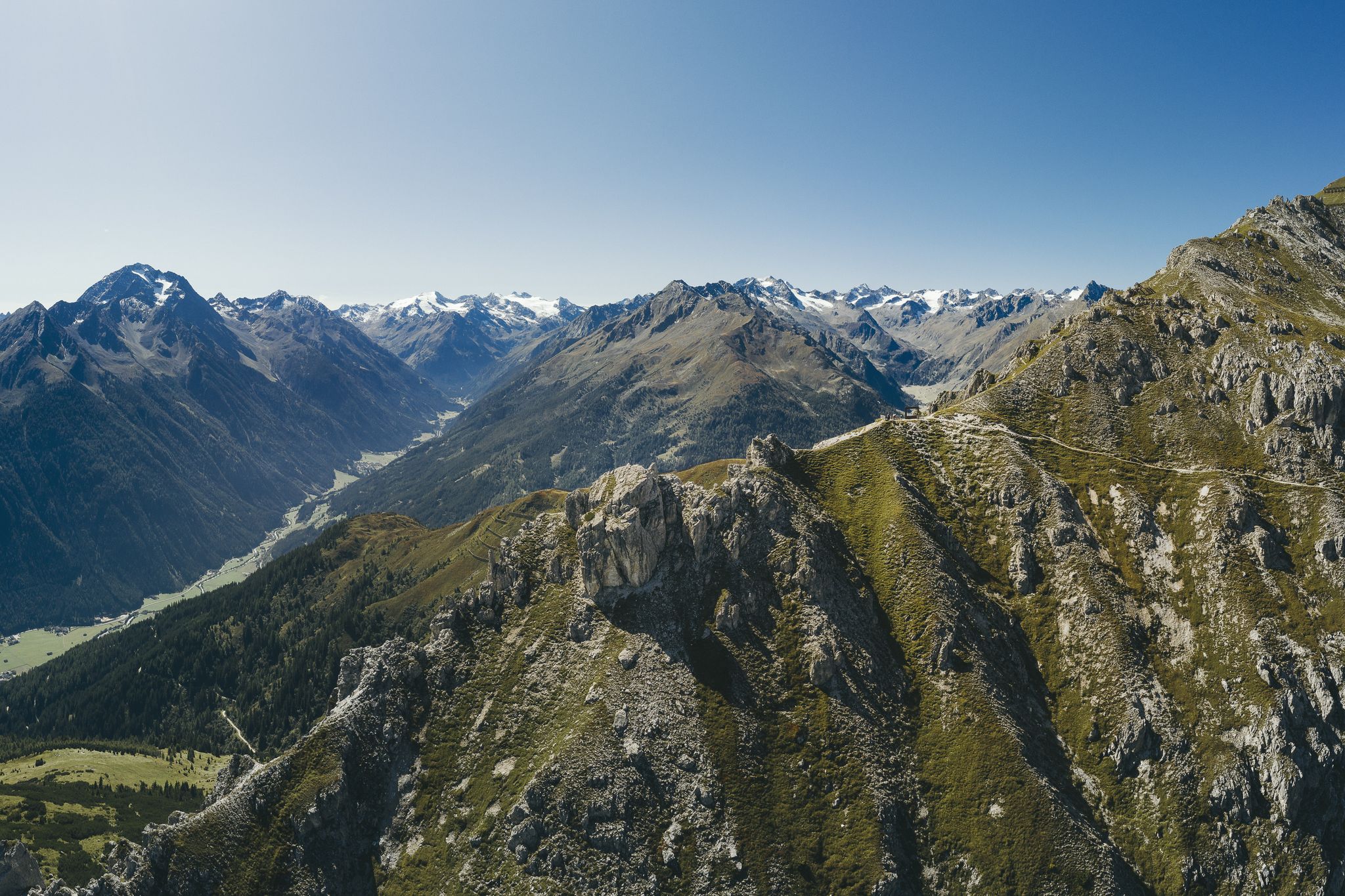
Hiking up high with the Stubai cable cars
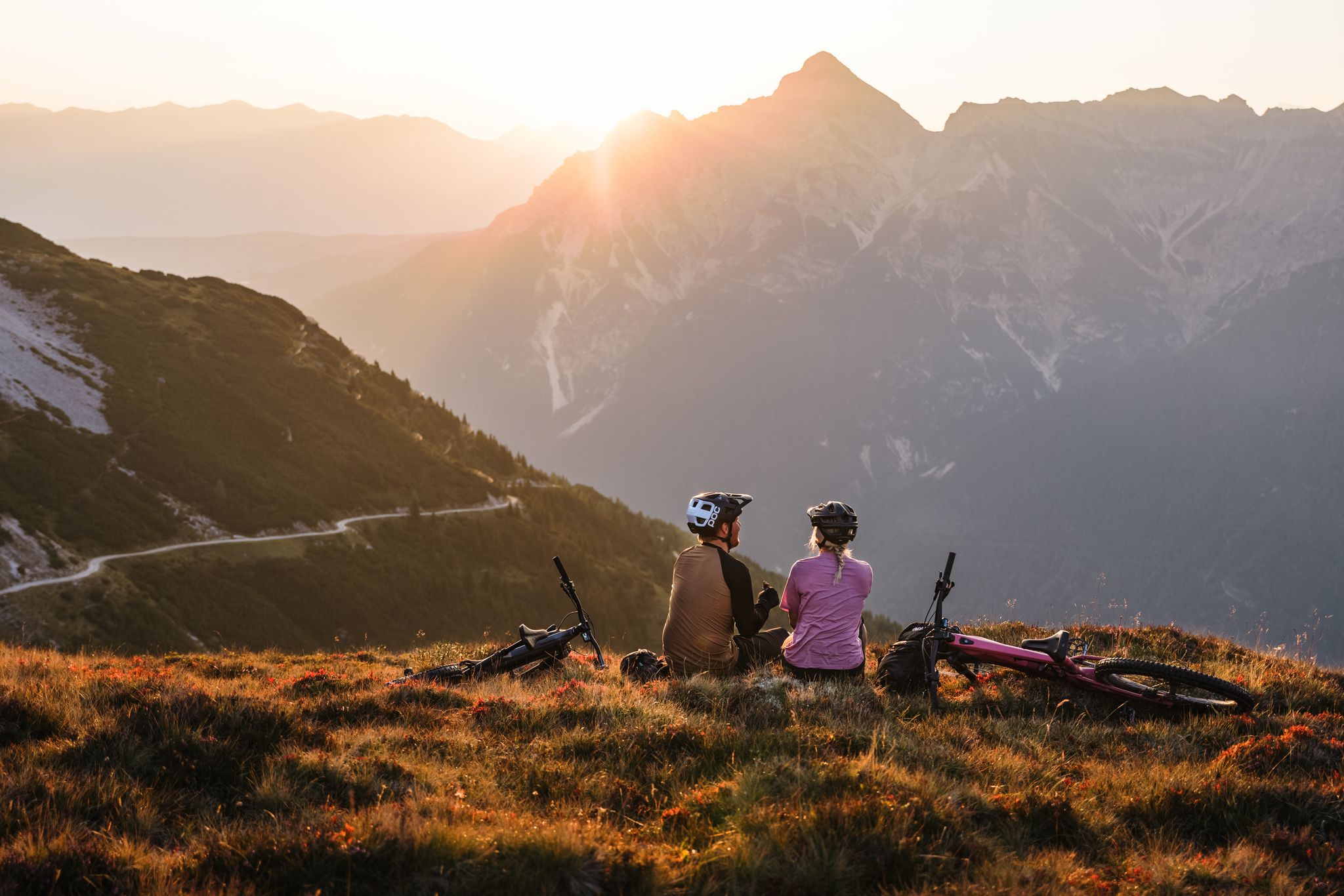
Bike paradise in Stubaital — the 10 most beautiful mountain bike rides
5 hiking highlights in the Stubai - between nature fascination and summit experiences
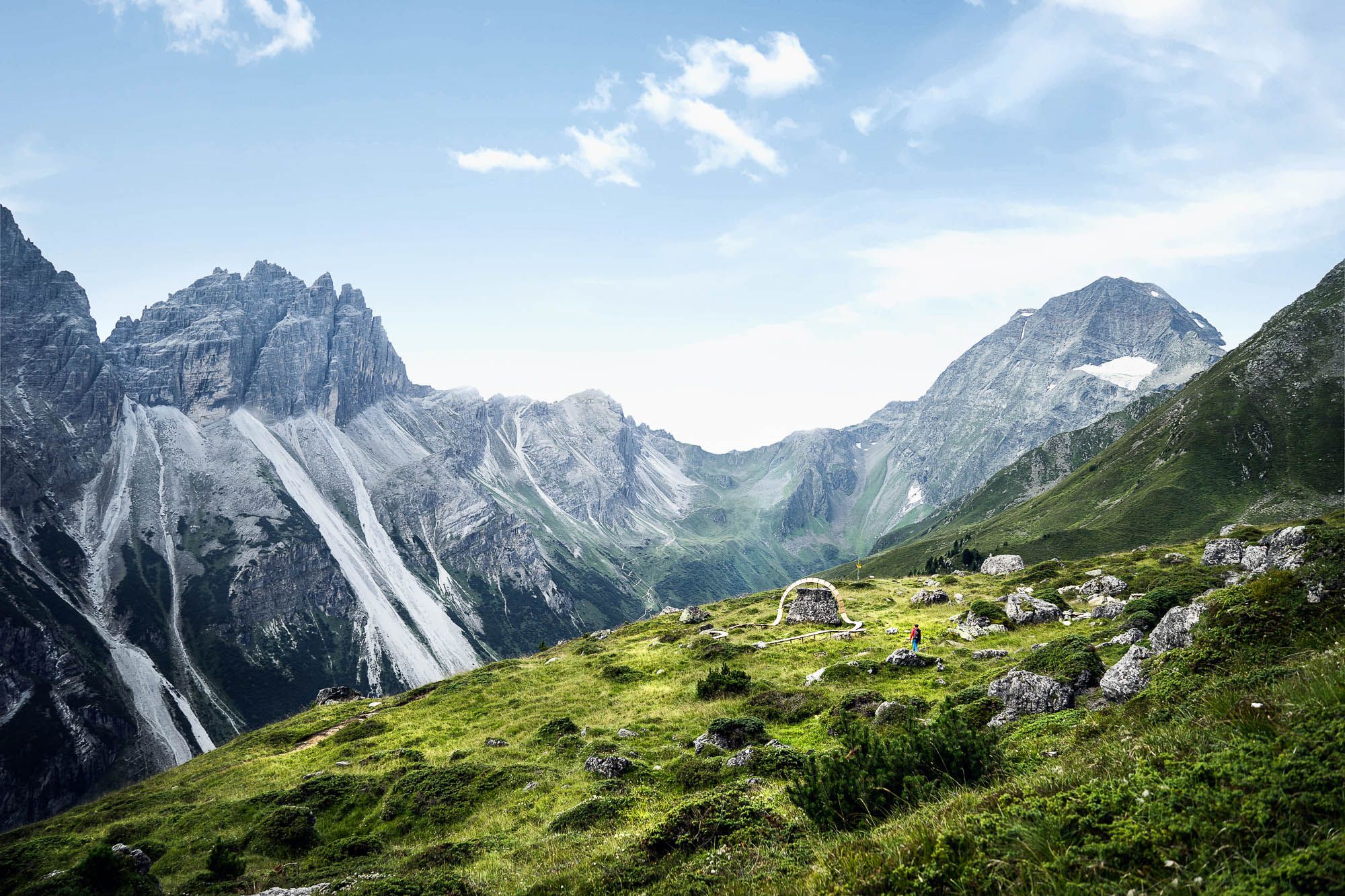
Stubai — Get close to nature in a hiking paradise
Road Cycling Routes around Schönberg im Stubaital
Hiking around Schönberg im Stubaital
MTB Trails around Schönberg im Stubaital
Cycling around Schönberg im Stubaital
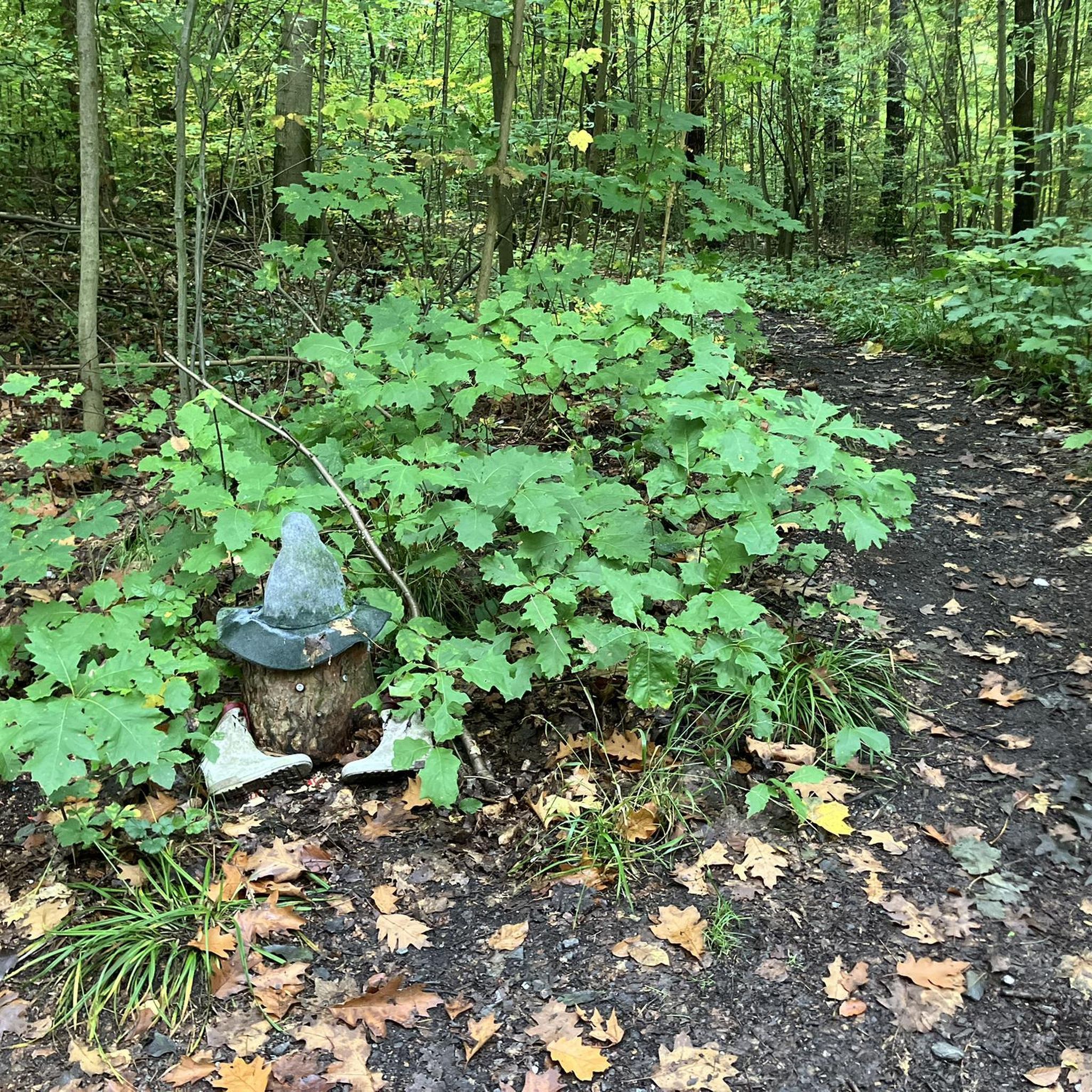
Gravel biking around Schönberg im Stubaital
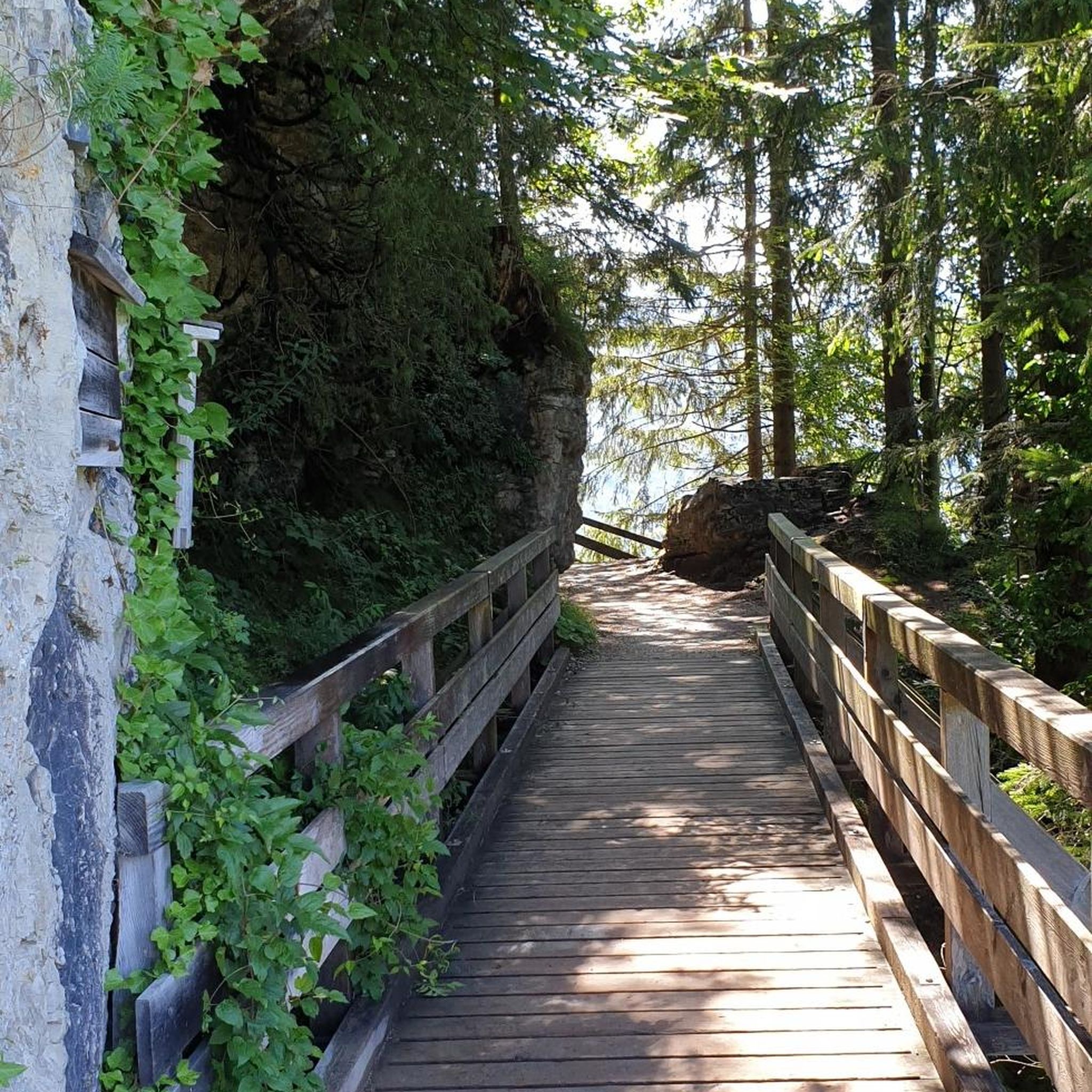
Mountain Hikes around Schönberg im Stubaital
Other adventures around Schönberg im Stubaital

Tips from the Community

Closed to visitors from November
2
0
A very well-maintained park; today I was lucky and was able to observe two free-roaming peacocks there.
2
0

The World's First Museum / The History of Ambras Castle Ambras Castle is located on the southern outskirts of Innsbruck, the Tyrolean capital. Records of Ambras date back to the 10th century, spelled "Amras" or "Omras." In the High Middle Ages, it was the seat of the Upper Bavarian Counts of Andechs. The property then passed into the possession of the Tyrolean sovereigns through inheritance. The medieval character of the castle is still clearly evident in the structure of the upper castle. In 1564, Ambras Castle became the residence of the Tyrolean sovereign, Archduke Ferdinand II, who moved there with his young family, his wife Philippine, and their two sons, Andreas and Karl. The so-called upper castle was converted and expanded into a residential building in the Renaissance style. The impressive Spanish Hall and extensive gardens were created below the residential building as new buildings. Text / Source: Ambras Castle Innsbruck, Schlossstraße 20, 6020 Innsbruck https://www.schlossambras-innsbruck.at/das-schloss-entdecken/das-schloss#:~:text=Schloss%20Ambras%20liegt%20am%20s%C3%BCdlichen%20Stadtrand%20der%20Tiroler
16
0
Palace Park - Ambras Castle, Innsbruck During the lifetime of Archduke Ferdinand II, Ambras Castle included a large forest area. The grounds, which slope steeply to the east and today, with their cliffs, ravines, bridges, and an artificial waterfall, are reminiscent of their original state, served as a game park. The palace also boasted a richly landscaped park, completed in 1574, with fish ponds, bird aviaries, and private garden houses in the pleasure gardens. Remaining features from this period include the spacious Bacchus Grotto, carved into the rock, where the Archduke's guests were once welcomed with the famous Ambras drinking games, as well as a stair tower in the Keuchengarten, the former structure of which has been partially reconstructed. The hydroelectric "circulating table" and the ball game house south of the Spanish Hall are no longer preserved. Under Archduke Karl Ludwig, who used Ambras Castle as a summer residence, the western part of the park was transformed into a landscaped garden starting in 1855, and the Keuchengarten received a swimming pool. Text / Source: Ambras Castle Innsbruck, Schlossstraße 20, 6020 Innsbruck https://www.schlossambras-innsbruck.at/das-schloss-entdecken/orte-im-schloss/schlosspark
16
0

Innsbruck's Hofburg, often referred to as the Tyrolean sister of Vienna's magnificent House of Habsburg, is a fascinating piece of history. The era of Maria Theresa, in particular, left its mark here and should not be ignored by anyone interested. Those familiar with the history of the dynasty can better understand the significance of this place. Admittedly, there are palaces in Austria that exude more glamour. But the Hofburg has its own special charm. The magnificent halls, large-format paintings, and breathtaking frescoes tell stories from times long past and invite you to immerse yourself deeply in history. The private chambers of Empress Elisabeth and Emperor Franz Joseph are particularly fascinating. Although the Empress rarely stayed here, her name still attracts many visitors. And the Hofburg's location is simply impressive – located in the heart of Innsbruck, it blends harmoniously into the cityscape. The exhibition can be explored at a leisurely pace without a guided tour, offering the opportunity to linger in the historic setting and absorb the atmosphere. A visit that brings history to life!
5
1
The World's First Museum / The History of Ambras Castle Ambras Castle is located on the southern outskirts of Innsbruck, the Tyrolean capital. Records of Ambras date back to the 10th century, spelled "Amras" or "Omras." In the High Middle Ages, it was the seat of the Upper Bavarian Counts of Andechs. The property then passed into the possession of the Tyrolean sovereigns through inheritance. The medieval character of the castle is still clearly evident today in the fabric of the upper castle. In 1564, Ambras Castle became the residence of the Tyrolean sovereign, Archduke Ferdinand II, who moved in with his young family, his wife Philippine, and their two sons, Andreas and Karl. The so-called upper castle was converted and expanded in the Renaissance style to create a residential area. The impressive Spanish Hall and extensive gardens were created below the residential building as new buildings. Text / Source: Ambras Castle Innsbruck, Schlossstraße 20, 6020 Innsbruck https://www.schlossambras-innsbruck.at/das-schloss-entdecken/das-schloss#:~:text=Ambras Castle is located on the southern outskirts of the Tyrolean town, and is the seat of the Upper Bavarian Counts of Andechs.
17
0
Ambras Castle, Innsbruck Ambras Castle, Innsbruck, is one of Austria's most important sights and the top day trip destination in Tyrol. Visit the world's first museum preserved in its original location and embark on a journey back 450 years. Text / Source: Ambras Castle, Innsbruck, Schlossstraße 20, 6020 Innsbruck https://www.schlossambras-innsbruck.at/
17
0

The café offers seating in the beautiful courtyard of the Upper Castle. After visiting the Lower Castle, you can take a comfortable break here before continuing on to the Upper Castle.
3
0
Frequently Asked Questions
What types of historical sites can I visit directly in Schönberg im Stubaital?
While Schönberg im Stubaital doesn't have traditional castles, it offers significant historical structures and landmarks. You can explore the impressive Stephansbrücke, Austria's largest stone arch bridge, or the historic Wittingwarte lookout tower, built in 1890. The Widum (Rectory) from 1753/1754 showcases beautiful 18th-century architecture, and a section of the ancient Roman Road (Via Raetia) can be found near the Europaparkplatz.
Which castles are easily accessible from Schönberg im Stubaital?
The most prominent castles are located in nearby Innsbruck. These include the magnificent Hofburg, Innsbruck (Imperial Palace), and the culturally rich Ambras Castle, Innsbruck. Both are significant historical sites offering deep dives into the region's imperial past.
Are there family-friendly castles or historical sites to visit?
Yes, Ambras Castle, Innsbruck, is considered family-friendly, known for its art and armor collections and extensive gardens. The adjacent Schloss Ambras Castle Park is also a great spot for families. Additionally, the Wolfsthurn Castle in nearby South Tyrol houses the South Tyrol Museum of Hunting and Fishing and features a family-friendly 'forest and water' theme path.
What historical periods do the castles and sites around Schönberg im Stubaital represent?
The sites cover a broad range of history. You can find remnants of ancient Roman times with the Roman Road Section. The Hofburg, Innsbruck, dates back to 1500 with later Baroque renovations, while Ambras Castle is a prime example of Renaissance architecture. The Widum showcases 18th-century ecclesiastical architecture, and the Wittingwarte reflects late 19th-century tourism development.
Can I combine a castle visit with outdoor activities like hiking or biking?
Absolutely! The region around Schönberg im Stubaital is perfect for combining cultural visits with outdoor adventures. While the castles themselves might not have direct hiking trails, you can find numerous routes nearby. For example, you can explore easy hikes or more challenging mountain hikes in the Stubai Valley. There are also great options for gravel biking.
What is unique about Ambras Castle in Innsbruck?
Ambras Castle, Innsbruck, is renowned as one of Austria's most important sights and is considered the world's first museum preserved in its original location. It's famous for its Renaissance architecture, extensive art and armor collections, and beautiful gardens, offering a journey back 450 years into history.
What can I expect to see at the Hofburg Imperial Palace in Innsbruck?
At Hofburg, Innsbruck (Imperial Palace), you can explore its rich history, which began with its completion in 1500 under Emperor Maximilian I. Later renovated in the Viennese late Baroque style by Maria Theresa, visitors can discover its Gothic inner courtyard, the women's chambers ('Frauenzimmer'), and the historic 'Gothic Cellar'.
Is there a castle with a unique industrial history nearby?
Yes, Büchsenhausen Castle has a fascinating origin as a casting hut from 1503, where cannons and statues were cast. Over centuries, it underwent various ownership changes and architectural expansions, including the addition of a large library and art collections, and was later renovated in the Neo-Gothic style.
Are there any castles or historical sites that are less well-known but worth visiting?
While the major castles are in Innsbruck, Mentlberg Castle and Mentlberg Chapel, though partially on private property, are noted for their very well-maintained exterior, charming small park, and pretty pilgrimage chapel. It offers a glimpse into a more secluded historical residence.
What do visitors particularly enjoy about the castles and historical sites in this region?
Visitors frequently appreciate the rich historical context and the stunning architecture of the castles, especially the imperial grandeur of the Hofburg and the unique museum experience at Ambras Castle. The beautiful gardens, like those at Schloss Ambras Castle Park, are also highly praised for their well-maintained beauty and peaceful atmosphere.
What is the Europabrücke and is it worth visiting near Schönberg im Stubaital?
The Europabrücke (Europe Bridge) is a prominent modern landmark adjacent to Schönberg. While not a castle, it's the highest continuous girder bridge on the continent (192 meters high) and offers breathtaking panoramic views of the Alpine landscape. It's also a popular spot for bungee jumping since 2002, making it a unique attraction worth visiting for its engineering marvel and views.
Are there any ancient Roman historical connections in Schönberg im Stubaital?
Yes, near the Europaparkplatz, you can find an old section of a Roman Road, specifically the 'Via Raetia.' This was one of the most important roads of its time, providing a tangible connection to the ancient history of the region and offering a unique historical perspective.
Most popular routes around Schönberg im Stubaital
Most popular attractions around Schönberg im Stubaital

Get inspired with the komoot mobile app


Explore more
Looking for the best castles somewhere else? Discover other guides around Schönberg im Stubaital:
