The best mountain hikes around Quié
5.0
(2)
7
hikers
3
hikes
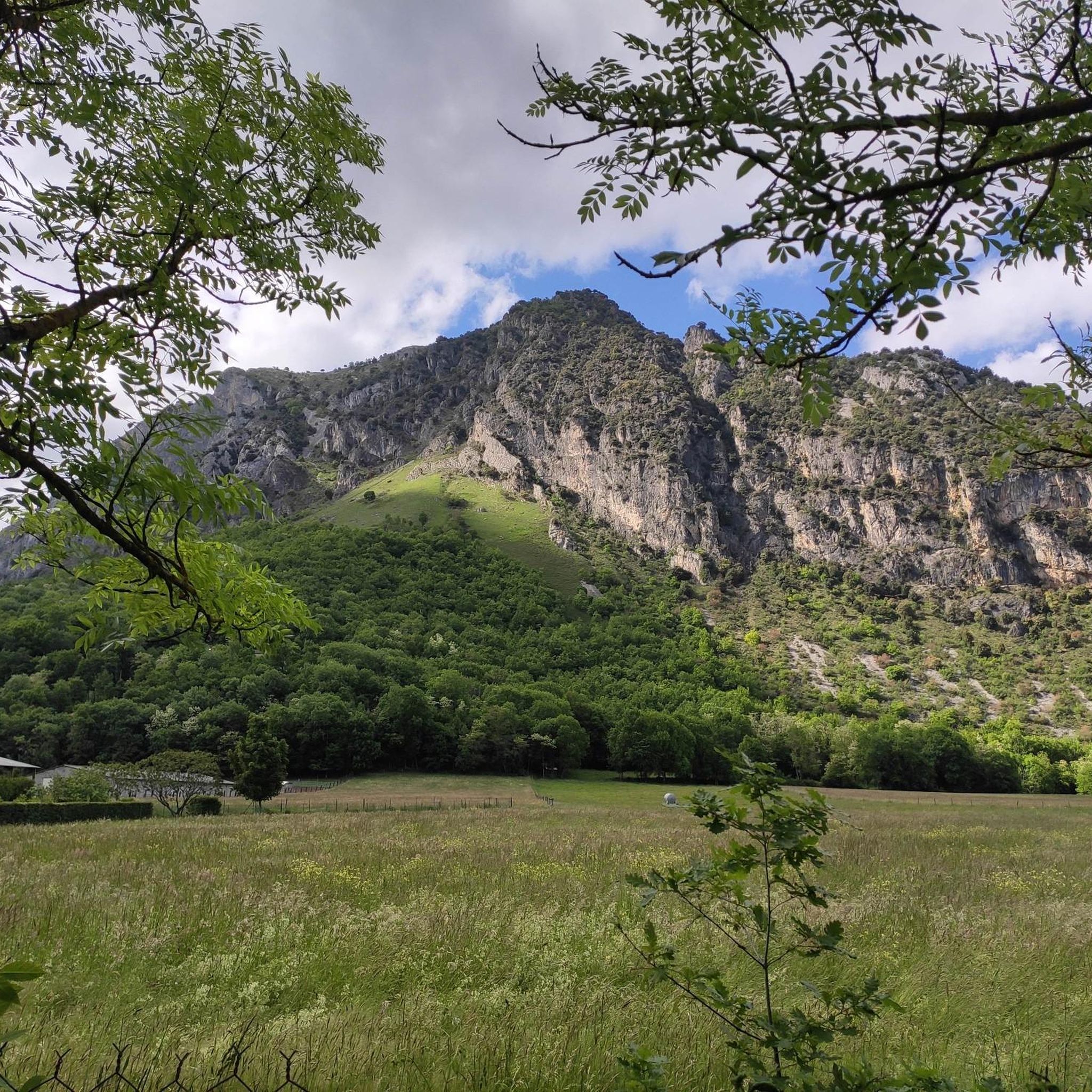
Mountaineering routes around Quié are set within the French Pyrenees, a region characterized by its mountainous terrain and significant elevation changes. The landscape features prominent rock formations, including the Cliffs of Quié de Lujat, and is shaped by a diverse hydrographic network with rivers like the Aston. This geological history provides varied opportunities for high-altitude hiking and climbing.
Best mountaineering routes around Quié
- The most popular mountaineering route is Étang d'Artax – Roc de Querquéou loop from Gourbit, a…
Last updated: October 16, 2026
5.0
(1)
4
hikers
14.6km
07:13
1,160m
1,160m
Hard mountaineering route. Very good fitness required. Sure-footedness, sturdy shoes and alpine experience required.
2
hikers
14.1km
04:31
560m
560m
Moderate mountaineering route. Good fitness required. Easily-accessible paths. Suitable for all skill levels.

5.0
(1)
1
hikers
Moderate mountaineering route. Good fitness required. Mostly accessible paths. Sure-footedness required.
Our route recommendations are based on thousands of hikes, rides, and runs completed by other people on komoot.
Start today with a free account
Your next adventure awaits.

Tips from the Community


A magnificent peak, accessible to any experienced hiker. However, you must be careful to wait until the snow has completely melted before making the ascent.
2
0

Climb made by the Col de la Pourtanelle quite physical up to the Pic des Trois Seigneurs
1
1

Beautiful town with idyllic river views.
0
0

A peak that rises to 2,199 meters above sea level and offers a magnificent view of the Pyrenees.
2
0

The view of the mountains is awesome :)
1
0

Requires good physical condition and good shoes, some steep sections but not exposed.
1
1

(not too blue in this season ;-)) 40 minutes from the Blue Pond, towards the Pic des Trois Seigneurs (almost the same, the same view, no need to go that far).
2
0
Frequently Asked Questions
How many mountaineering routes are available around Quié?
There are approximately 6 mountaineering routes detailed in this guide for the Quié region, offering a range of challenging ascents and scenic paths through the Pyrenees.
Are there any moderate mountaineering routes for those looking for a less strenuous challenge?
Yes, while many routes are difficult, you can find moderate options. For instance, the Notre-Dame de Sabart Chapel – Tarascon-sur-Ariège loop from Tarascon-sur-Ariège is a moderate route, covering about 14.5 km with an elevation gain of around 566 meters, and typically takes about 4 hours 37 minutes.
What is the average duration for mountaineering routes in Quié?
The average duration for mountaineering routes around Quié varies depending on the specific trail and your pace. For example, difficult routes like the Étang d'Artax – Roc de Querquéou loop from Gourbit can take over 6 hours to complete, while others might be shorter or longer.
Are there circular mountaineering routes available in the Quié area?
Yes, many of the mountaineering routes in Quié are circular, allowing you to start and end at the same point. Examples include the challenging Embans Circus loop from Parking du Ressec, which offers a true Pyrenean experience, and the Mont Fourcat loop from Arnave, leading through high mountain passes.
What kind of natural features or landmarks can I expect to see along the mountaineering routes?
The Quié region, nestled in the Pyrenees, offers dramatic landscapes. You'll encounter significant elevation changes, prominent rock formations like the Cliffs of Quié de Lujat, and a diverse network of rivers and streams. Some routes might take you past notable points such as Mount Fourcat or offer views of areas like Prat d'Albis.
Are there any historical or cultural points of interest near the mountaineering trails?
Yes, the region has some interesting historical and cultural sites. For example, the Notre-Dame de Sabart Chapel – Tarascon-sur-Ariège loop from Tarascon-sur-Ariège passes by the historic Notre-Dame de Sabart Chapel. The nearby town of Tarascon-sur-Ariège also offers cultural exploration opportunities.
What is the best season for mountaineering in Quié?
The Pyrenees, including the Quié area, are suitable for mountain sports across different seasons. While ski resorts operate in winter, the warmer months are generally ideal for mountaineering, offering more accessible trails and favorable weather conditions for high-altitude hiking and climbing.
Are there any routes that offer views of significant peaks?
Yes, routes like the Pic des Trois Seigneurs loop from Parking du Ressec provide opportunities to ascend and enjoy panoramic views from significant peaks in the Pyrenees. This particular route is difficult, covering nearly 14.7 km with over 1150 meters of elevation gain.
What do other mountaineers enjoy most about the routes in Quié?
The mountaineering routes around Quié are highly rated by the komoot community, with an average score of 4.9 stars. Reviewers often praise the challenging ascents, the rugged Pyrenean terrain, and the panoramic mountain views that define the experience in this region.
Are there any caves or unique geological formations to explore in the Quié region?
Beyond the prominent cliffs, the Quié region is known for significant cave systems such as Lombrives Cave and Niaux Cave. While not directly on the mountaineering trails, these offer unique opportunities for speleology and exploration, adding another dimension to outdoor activities in the area.
Is public transport an option for reaching the trailheads in Quié?
While specific public transport details for individual trailheads are not provided, the region's focus on outdoor activities suggests that access might be primarily by car. It's advisable to research local bus services or shuttle options from larger towns like Tarascon-sur-Ariège if you plan to rely on public transport.
Where can I find parking for mountaineering routes in Quié?
Many routes, especially loops, often start from designated parking areas. For instance, the Embans Circus loop and the Pic des Trois Seigneurs loop both originate from Parking du Ressec, indicating available parking facilities at these popular starting points.
Most popular attractions around Quié

Get inspired with the komoot mobile app


Explore more
Browse the best Mountain Hikes & Routes in other regions.
