The best cycling routes around Tórtoles
5.0
(2)
30
riders
8
rides
Touring cycling around Tórtoles offers routes through the scenic Corneja Valley, characterized by abundant holm oaks, oaks, and pines. The region features varied terrain, from river valleys to open countryside with rural roads. Located in the Sierra de Ávila, Tórtoles provides access to diverse landscapes, including the rugged peaks and high-altitude valleys of the nearby Sierra de Gredos Regional Park. These routes often traverse historical pathways and offer engaging experiences for cyclists.
Best touring cycling routes around Tórtoles
- The most…
Last updated: June 29, 2026
5
riders
41.3km
03:55
600m
590m
Hard bike ride. Very good fitness required. Mostly paved surfaces. Suitable for all skill levels.
5.0
(1)
3
riders
40.9km
03:04
600m
600m
Hard bike ride. Very good fitness required. Mostly paved surfaces. Suitable for all skill levels.

Sign up for free
5.0
(1)
3
riders
39.3km
02:56
630m
640m
Hard bike ride. Very good fitness required. Mostly paved surfaces. Suitable for all skill levels.
5
riders
82.3km
05:42
1,420m
1,420m
Hard bike ride. Very good fitness required. Mostly paved surfaces. Suitable for all skill levels.
2
riders
55.7km
04:54
1,110m
1,110m
Hard bike ride. Very good fitness required. Mostly paved surfaces. Suitable for all skill levels.
Get access to more routes and recommendations from other explorers.
Sign up for free
Already have an account?
Our route recommendations are based on thousands of hikes, rides, and runs completed by other people on komoot.
Start today with a free account
Your next adventure awaits.
Login or Signup
Popular around Tórtoles
Tips from the Community

Also known as the Dávila Castle, it is one of the most important constructions found along the route of the Cañada Real Soriana Occidental. The Castle cannot be understood without the medieval bridge over the river Tormes. Together, they functioned as a control point for the passage of people and goods. According to documentation, Queen Isabella I and Emperor Charles V stayed overnight in the fortress.
0
0

The Church of Our Lady of the Assumption was built in the 14th century on the site of the old fortress and rebuilt in the 16th century. Of considerable size, its polygonal sanctuary and transept stand out, towering above the rest of the church and displaying magnificent ashlar masonry and stepped prismatic buttresses. The apse and the central section of the transept are covered with star-shaped ribbed vaults. They are the work of Lucas Giraldo and Juan Gutiérrez, two of the finest architects of the 16th century. The body of the church, with three naves formed by wide semicircular arches rising from octagonal pillars, resembles a large hall. It is entered through two doorways with pointed and splayed arches on pilasters, sheltered by simple alfices. The very simple, rectangular tower features ashlar masonry in the lower section, granite ashlar in the upper section, and balls in the cornice. Inside, the main altarpiece, dating from the early 18th century, is Churrigueresque in the main section and Rococo in the shell to match the shape of the apse vault, the sacristy altarpiece, and other altarpieces distributed throughout the naves of the church.
1
0

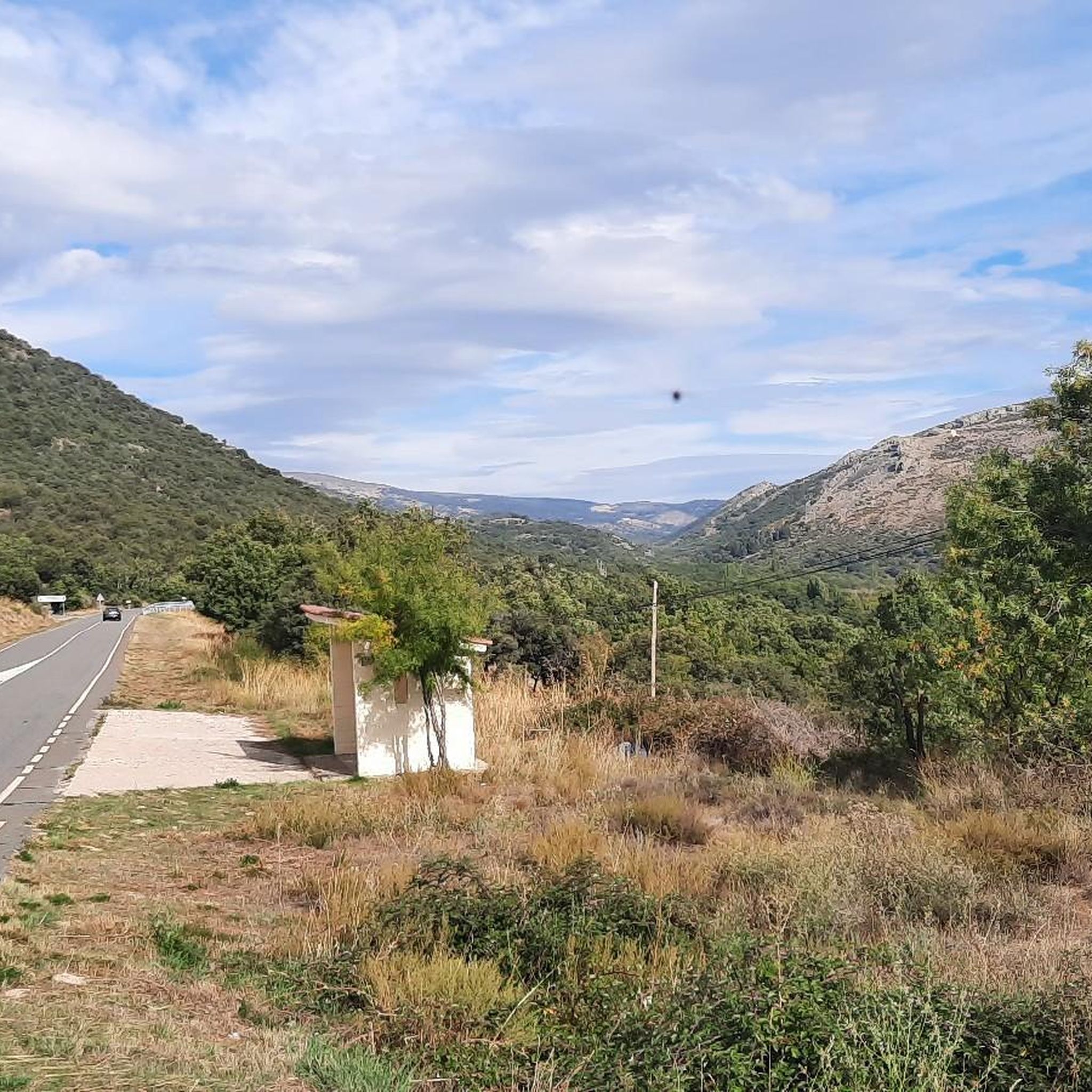
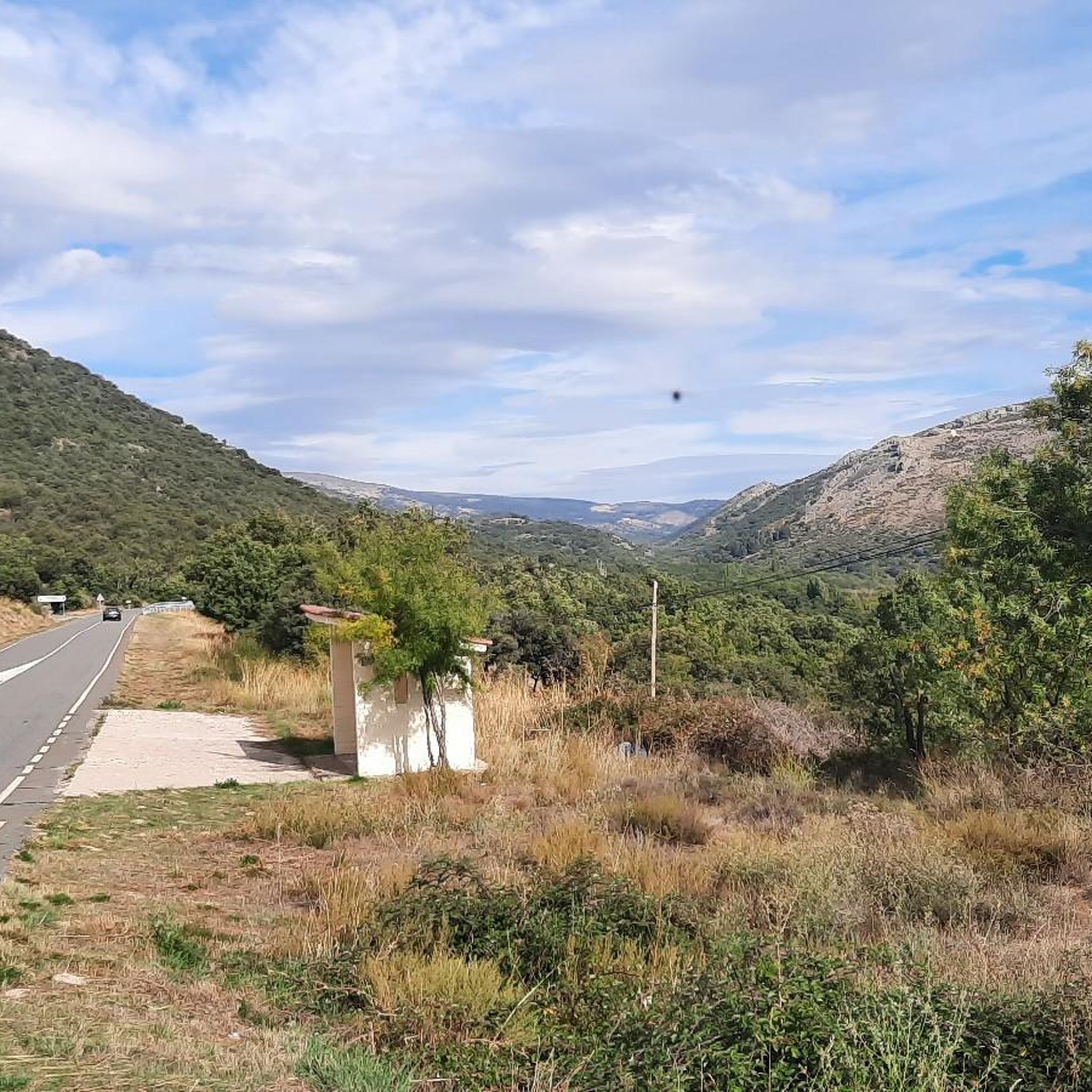
Beautiful views, on a good day you can see people taking off on paragliders.
0
0

From Puerto de Villatoro itself, a road appears in a northerly direction that goes towards the center of Villanueva del Campillo, with impressive views of the area.
0
0
La Horcajada is located in the southwest triangle of the province of Ávila. It is practically the space between the foothills of Gredos and the mountain ranges of Malpartida and Collado del Mirón, on the one hand, and the port of Villatoro and the confluence of the Corneja and Tormes rivers, on the other. This surface has been called "Valdecorneja" for centuries. The Cancionero de Baeza, from 1445, for example, records this. The four most important towns in the Valley are, possibly since Vetton times or before, El Mirón, Piedrahíta, La Horcajada and El Barco de Ávila. La Horcajada is located about 75 kilometers southwest of the provincial capital, Ávila, about 82 kilometers from Salamanca and 185 kilometers from Madrid. The town is located at 1033 m above sea level. n. m. between the towns of Piedrahíta and Barco de Ávila on the slopes of the Sierra de la Horcajada.
1
0
A large port, 15 km long if we start from Piedrahita, and with a constant slope of 6% except for a couple of short sections that are less and some sections that reach 9%, but very punctual. The condition of the asphalt is good, it is one of the few ports in the area with a surface in good condition. Upstairs it has very good views and there are usually people doing paragliding (if the weather conditions allow it)
0
0
Well-preserved castle and medieval bridge
0
0
Old bridge, currently misnamed La Fonseca, its real historical name is La Ponseca. It belongs to the municipality of La Horcajada, which has also recently been rehabilitated because its rock was detaching and its stability was beginning to be endangered. It crosses the river Corneja and as a curiosity, Emperor Carlos V passed over this bridge on his retirement journey to the Yuste monastery.
2
0
Frequently Asked Questions
How many touring cycling routes are available around Tórtoles?
There are 8 touring cycling routes around Tórtoles. These routes offer a variety of experiences, with 3 considered moderate and 5 classified as difficult, catering to cyclists looking for a challenge in the Sierra de Ávila.
What kind of terrain can I expect on touring cycling routes in Tórtoles?
The terrain around Tórtoles is diverse, ranging from the scenic Corneja Valley with its abundant holm oaks, oaks, and pines, to open countryside and rural roads. You can also expect varied hills and river valleys, with many routes featuring challenging climbs as they traverse parts of the Sierra de Ávila and approach the Sierra de Gredos Regional Park.
Are there any family-friendly touring cycling routes in Tórtoles?
While many routes around Tórtoles are classified as moderate to difficult, the region's open countryside and rural roads can offer less strenuous sections. For a truly family-friendly experience, it's best to carefully review route profiles for flatter, shorter sections, as the listed routes tend to involve significant elevation changes.
What historical landmarks can I see along the touring cycling routes?
Several routes pass by significant historical sites. For instance, the Castle of Bonilla de la Sierra loop from Tórtoles takes you past the impressive Castle of Bonilla de la Sierra. Another route, the Puente del Congosto – Ponseca Bridge loop from El Mirón, is near the historic El Mirón Castle. These routes offer a blend of natural beauty and cultural exploration.
Are there any circular touring cycling routes in the area?
Yes, many of the touring cycling routes around Tórtoles are circular, allowing you to start and end in the same location. Examples include the Castle of Bonilla de la Sierra loop from Tórtoles and the Puente del Congosto – Ponseca Bridge loop from El Mirón, providing convenient options for your ride.
What is the best time of year to go touring cycling in Tórtoles?
The region's diverse arboreal landscape and proximity to mountain ranges suggest that spring and autumn would be ideal. During these seasons, temperatures are generally milder, and the natural scenery, with its holm oaks, oaks, and pines, is particularly vibrant or offers beautiful autumnal colors, making for a pleasant cycling experience.
What do other touring cyclists say about the routes in Tórtoles?
The touring cycling routes in Tórtoles are highly rated by the komoot community, with an average score of 5.0 stars from over 2 reviews. More than 30 touring cyclists have used komoot to explore the varied terrain, often praising the engaging experiences and the blend of natural beauty with historical pathways.
Are there any long-distance touring cycling routes for experienced cyclists?
Yes, for experienced cyclists seeking longer distances and significant elevation, routes like the Palace of the Dukes of Alba – Peña Negra Pass loop from Diego del Carpio offer a substantial challenge. This difficult route spans over 82 km with considerable elevation gain, providing an engaging experience through the rugged landscapes of the Sierra de Ávila.
What amenities are available near the touring cycling routes, such as cafes or pubs?
Tórtoles and nearby villages like Bonilla de la Sierra and El Mirón, which are often starting points or pass-through locations for routes, typically offer basic amenities. These may include small cafes, bars, or local shops where you can refuel and rest. It's advisable to carry sufficient water and snacks, especially on longer routes, as services might be sparse between villages.
Is public transport available to access the touring cycling routes in Tórtoles?
While Tórtoles is a small village, public transport options in rural areas of Spain can be limited. It's generally recommended to travel by car to reach the starting points of the touring cycling routes. If relying on public transport, check local bus schedules to nearby larger towns in the Ávila province, and then plan for a connection or a ride to Tórtoles, keeping in mind bike transport policies.
Where can I park my car when starting a touring cycling route in Tórtoles?
In Tórtoles and other small villages that serve as route starting points, you can typically find parking in designated village squares or along quieter streets. When planning your route, identify the start point and look for available public parking areas. Always ensure you park responsibly and do not obstruct local access.
Are there any less crowded touring cycling routes or hidden gems in the area?
The region around Tórtoles, being part of the Sierra de Ávila and Valle del Corneja, offers many rural roads and historical pathways that are generally less frequented than more popular tourist destinations. Routes like the Peña del Cuervo – Puerto de Villatoro loop from Piedrahíta, while challenging, can lead you through serene landscapes away from larger crowds, offering a sense of discovery.
Most popular routes around Tórtoles
Most popular attractions around Tórtoles

Get inspired with the komoot mobile app


Explore more
Browse the best Cycling routes in other regions.
