The best mountain hikes around Zúñiga
5.0
(1)
18
hikers
4
hikes
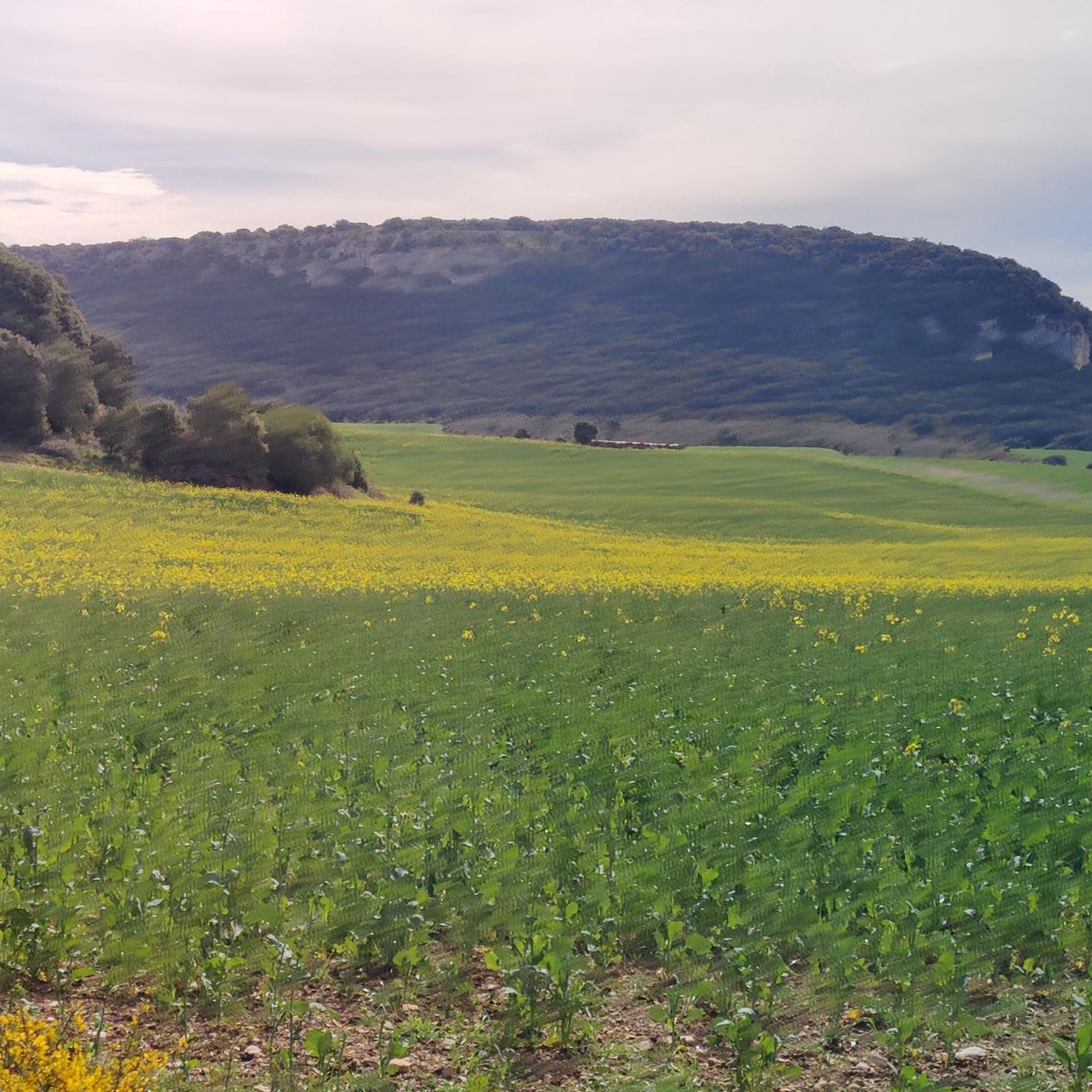
Mountaineering around Zúñiga offers diverse landscapes within the Navarre region of Spain. The area features mountainous terrain, including the Urbasa-Andia Natural Park with its dense beech forests and dramatic limestone formations, and the Sierra de Codés mountain range. Karst topography has created spectacular features, providing a challenging environment for vertical sports. Peaks like Ioar (1,418 meters) in the Sierra de Codés are often snow-covered in winter, presenting opportunities for winter ascents.
Best mountaineering routes around Zúñiga
- The most popular mountaineering…
Last updated: June 29, 2026
10
hikers
6.58km
03:33
600m
600m
Moderate mountaineering route. Good fitness required. Mostly accessible paths. Sure-footedness required.
4
hikers
12.8km
04:18
610m
610m
Moderate mountaineering route. Good fitness required. Easily-accessible paths. Suitable for all skill levels.

Sign up for free
3
hikers
8.07km
04:11
710m
710m
Hard mountaineering route. Good fitness required. Sure-footedness, sturdy shoes and alpine experience required.
5.0
(1)
1
hikers
8.75km
02:42
290m
290m
Moderate mountaineering route. Good fitness required. Easily-accessible paths. Suitable for all skill levels.
Our route recommendations are based on thousands of hikes, rides, and runs completed by other people on komoot.
Start today with a free account
Your next adventure awaits.
Login or Signup
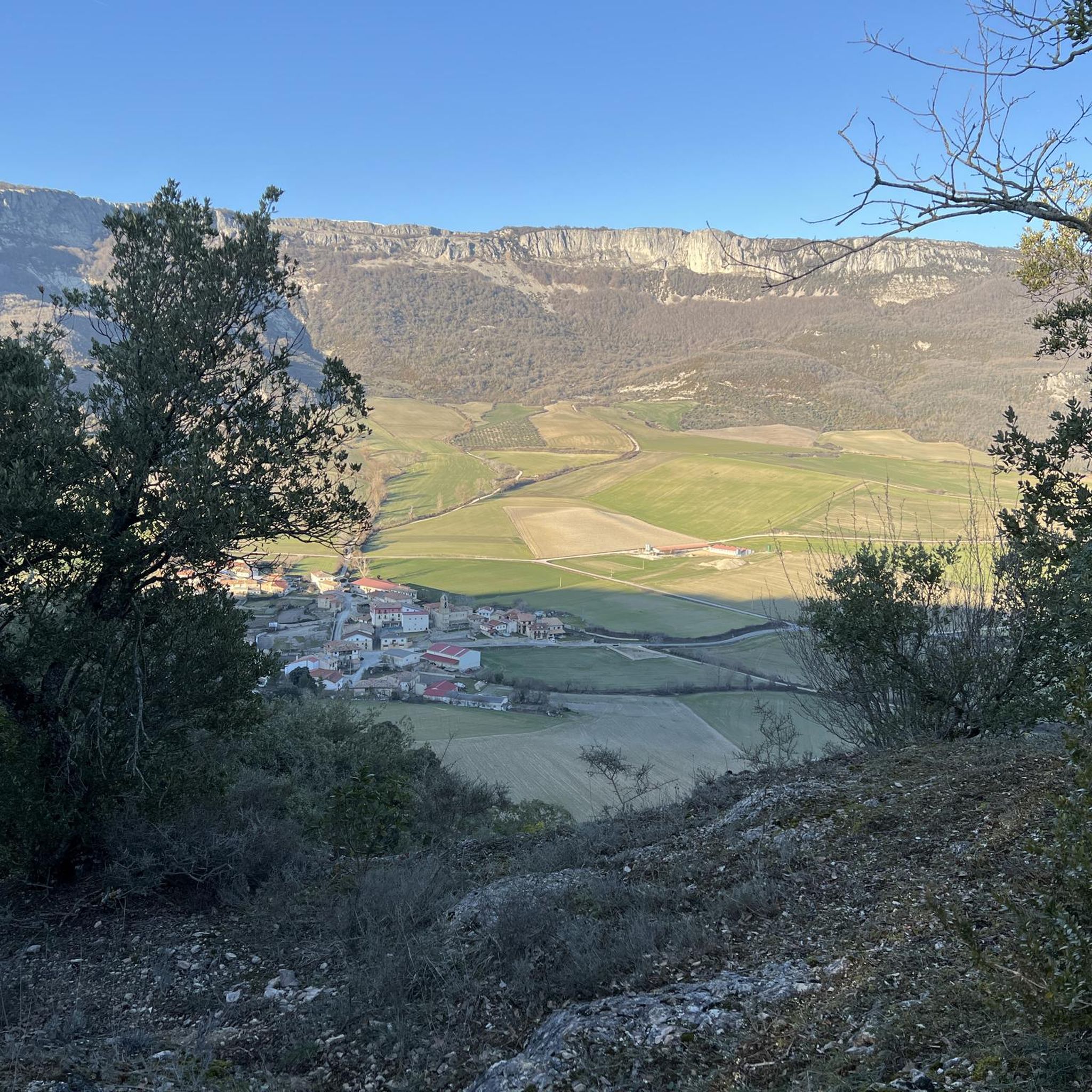
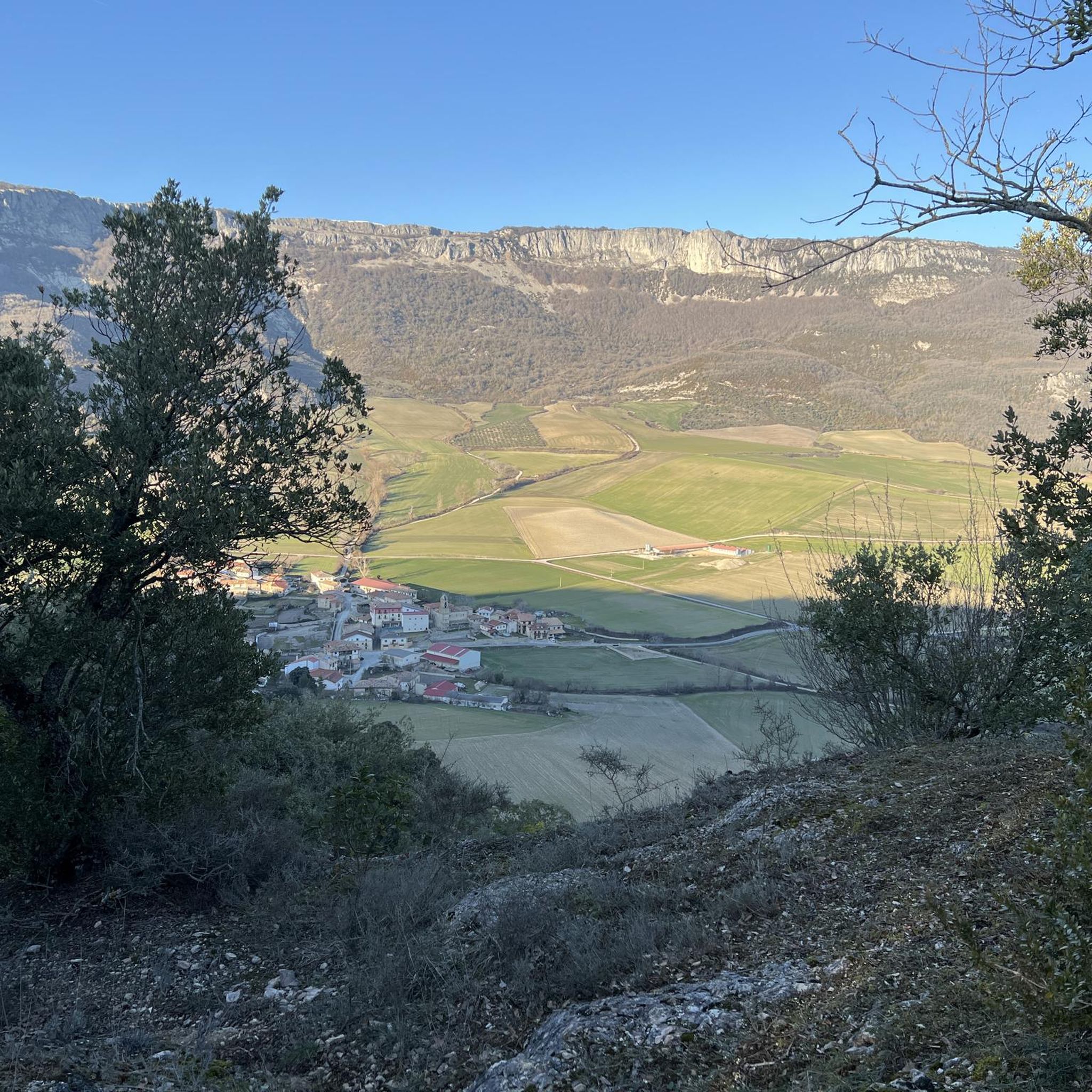
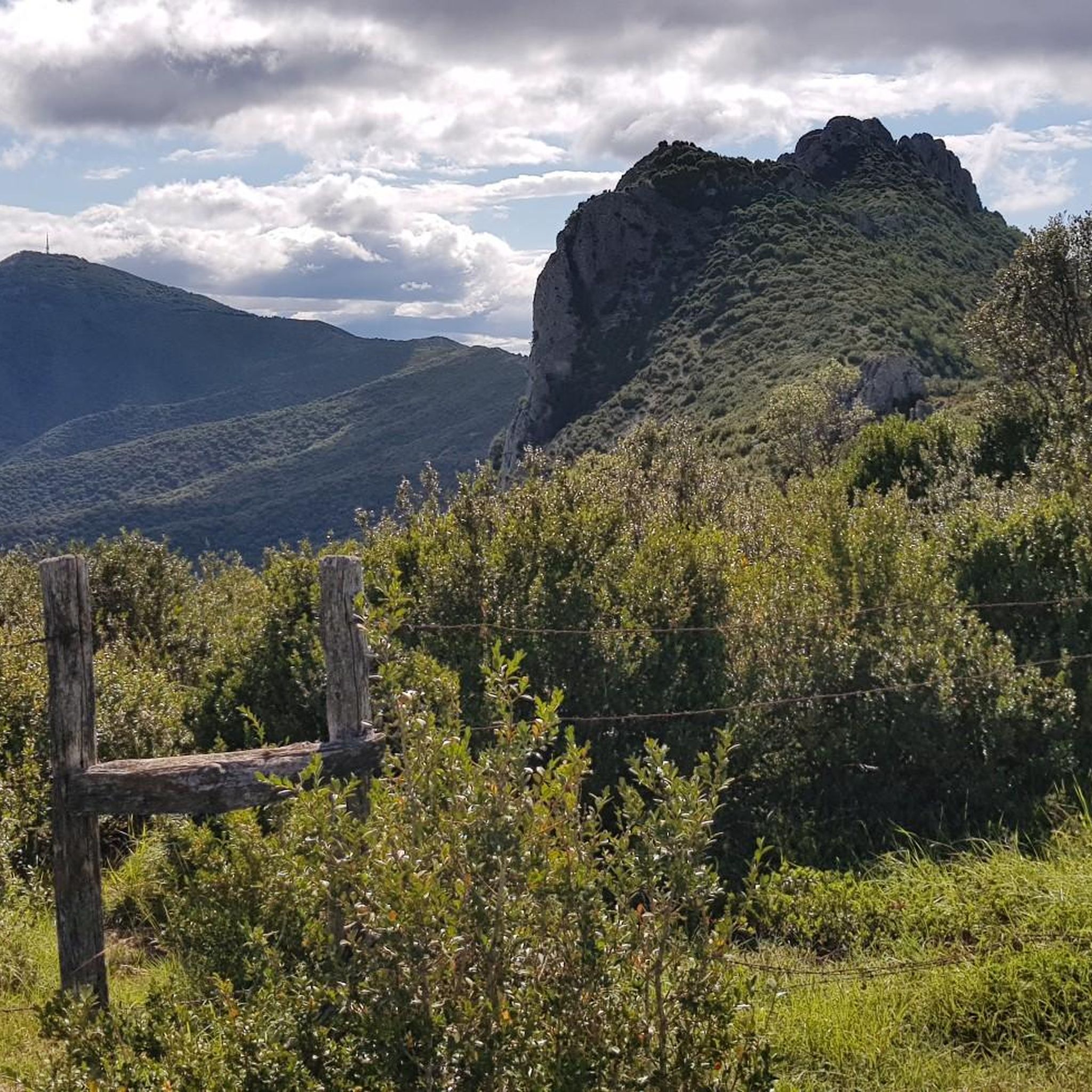
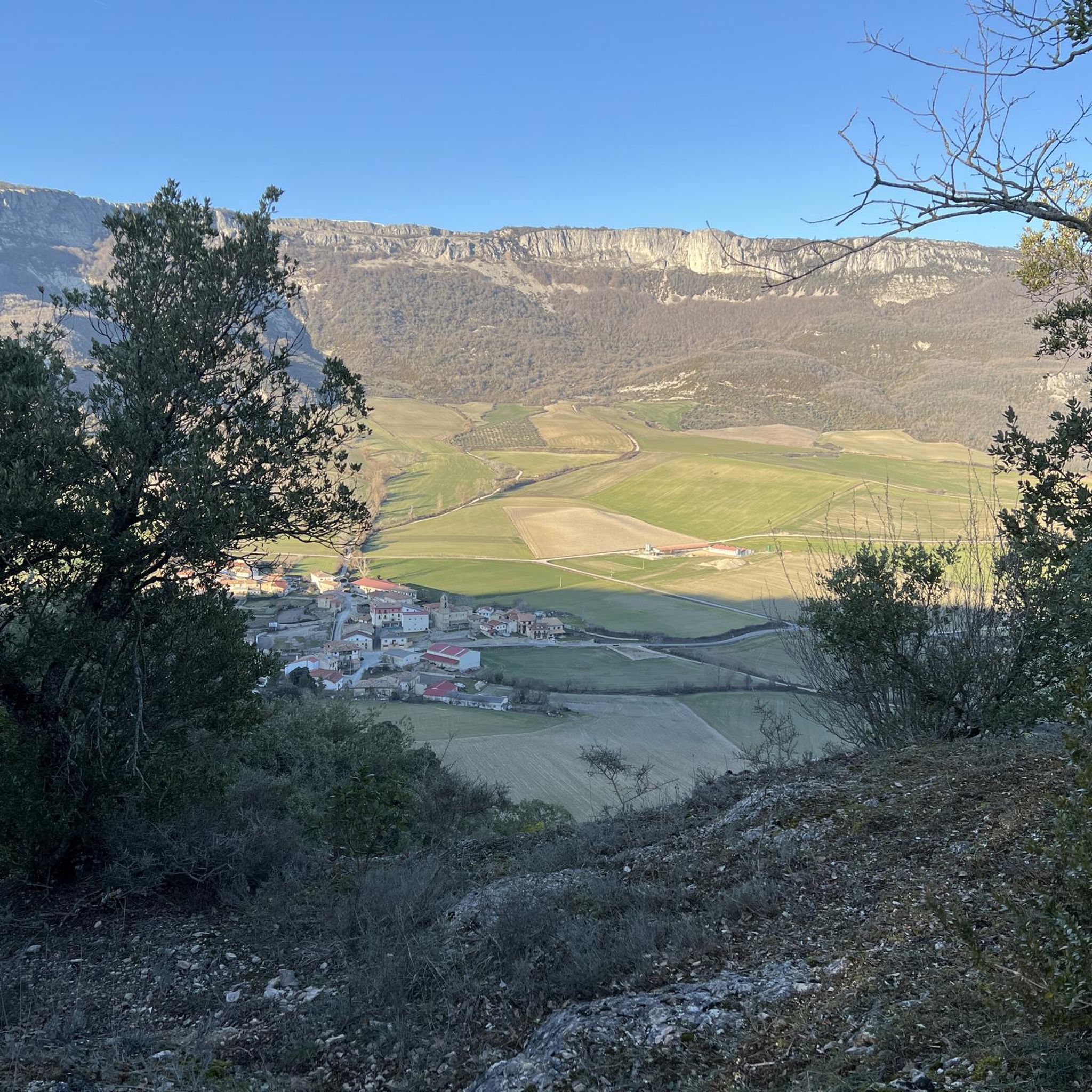

Tips from the Community

beautiful hermitage with a 2.5k climb at an average of 11%
0
0

The Sanctuary of the Virgin of Codés is located at the foot of the mountain range. It is a splendid 16th-century building built on the remains of a hermitage. The Baroque tower dates from the 18th century. The holy water fountain is next to the arcades, and there is also a guesthouse and gardens for relaxing and passing the time. The route climbs to the left of the building to a parking lot where signs and signs display the hiking trails. The path continues along the GR-1 long-distance trail, the Historical Trail, to Santa Cruz de Campezo, on the Álava side of the mountain range. The path is quite steep through a tunnel of oak trees, some of which are centuries old and stand out in a disturbing way against the dense forest.
1
0

Shelter in a magnificent location. It's not in bad condition, but it needs some improvements to make it an excellent shelter.
0
0

Shelter with firewood and several other services.
0
0

One of the emblematic peaks of the area, a joy of views.
0
0

Simply amazing postcards from the top of Joar at more than 1400 meters above sea level. To get here you can take alternative paths of greater or lesser degree of difficulty depending on your preference, in any case the route is very picturesque.
3
0

The 16th century sanctuary and guesthouse complex are located on top of a hillside facing the Ebro valley in the border area between Navarra (to which it belongs), Álava and La Rioja. From the outside, the view of the ridges towards the Ebro valley recalls the privileged sites for spiritual life where sanctuaries and monasteries were built.
1
0

This fresh water point is a treasure on days when the heat is stifling.
0
0
Frequently Asked Questions
What kind of mountaineering routes can I find around Zúñiga?
Zúñiga offers a variety of mountaineering routes, from moderate ascents to more challenging trails. The terrain is characterized by mountainous landscapes, dramatic limestone formations, and dense beech forests, particularly within the Urbasa-Andia Natural Park and the Sierra de Codés mountain range. You'll find options suitable for different ability levels.
Are there any challenging mountaineering routes in the Zúñiga area?
Yes, for those seeking a challenge, the region offers routes like the La Plana – Ioar loop from Torralba del Río. This difficult 5.2-mile (8.3 km) trail leads through mountainous terrain towards Ioar, often taking over 4 hours to complete. The Sierra de Codés, with peaks like Ioar, is known for its demanding routes and rugged terrain.
Can I find circular mountaineering routes around Zúñiga?
Absolutely. Many routes in the area are designed as loops, allowing you to start and finish in the same location. A popular moderate option is the Peña de los Cencerros – Ioar loop from Torralba del Río, which offers views towards the Ioar peak over 4.1 miles (6.6 km).
What are some natural attractions or landmarks to see while mountaineering in Zúñiga?
The region is rich in natural beauty. Within the Urbasa-Andia Natural Park, you can explore the spectacular Cueva de Los Cristinos. The Joar Summit (1,414 m) offers panoramic views, and you might encounter the picturesque Igoroin Waterfalls. The Balcón de Pilatos (Ubaba Viewpoint) also provides breathtaking vistas of the Améscoa Valley.
Are there any routes that feature waterfalls or scenic water features?
Yes, the region is home to beautiful water features. The Nacedero del Urederra, the source of the Urederra River, is famous for its striking turquoise waters and picturesque waterfalls, with well-marked trails for hiking. You can also find the Igoroin Waterfalls, which are a notable highlight in the area.
What is the best time of year for mountaineering in Zúñiga?
The best time largely depends on your preference. Spring and autumn offer pleasant temperatures and vibrant scenery, ideal for most mountaineering activities. During winter, the higher summits of the Sierra de Codés, including Ioar, are often snow-covered, providing opportunities for winter ascents and snow-based activities for experienced mountaineers.
Are there any less crowded mountaineering options in Zúñiga?
While specific crowd levels can vary, exploring routes slightly off the main paths or visiting during off-peak seasons can offer a more tranquil experience. The region's extensive network of trails, particularly within the vast Urbasa-Andia Natural Park, provides ample opportunities to find quieter spots. Consider exploring areas beyond the most well-known viewpoints.
What do other mountaineers say about the routes in Zúñiga?
The mountaineering routes around Zúñiga are highly regarded by the komoot community, with an average score of 5.0 stars. Users often praise the diverse landscapes, from dense beech forests to dramatic limestone formations, and the variety of options available for different skill levels.
Are there any moderate mountaineering routes suitable for a good day out?
Certainly. A great moderate option is the Balsa de Okomendia – Otzamendi loop from 39. fazeria. This 8.0-mile (12.8 km) path explores the area around Balsa de Okomendia and Otzamendi, offering a rewarding experience without extreme difficulty.
Can I find routes that are suitable for winter mountaineering?
Yes, the Sierra de Codés mountain range, with its higher peaks like Ioar, often sees snow cover in winter. This creates conditions suitable for winter ascents and other snow-based activities. The magical surroundings of the Urbasa-Andia Natural Park also offer opportunities for winter walks, though specific routes may require appropriate gear and experience.
Are there any routes that pass by unique geological features?
The region's karst topography, especially in the Urbasa-Andia Natural Park, has created spectacular geological features. You'll encounter dramatic limestone formations, ravines, and cliffs. The Sierra de Codés also features rugged terrain with sharp rock formations, such as those found on the 'Senda de los Penitentes' route up to Ioar.
What kind of facilities or access can I expect for mountaineering in Zúñiga?
The natural parks in the region, such as Urbasa-Andia, typically offer designated parking areas at trailheads. While public transport directly to remote mountain peaks might be limited, access points to the parks are generally well-connected by road. It's advisable to check specific access details for your chosen route.
Most popular attractions around Zúñiga

Get inspired with the komoot mobile app


Explore more
Browse the best Mountain Hikes & Routes in other regions.
