The best gravel rides in Kohlbachtal
4.9
(9)
35
riders
4
rides
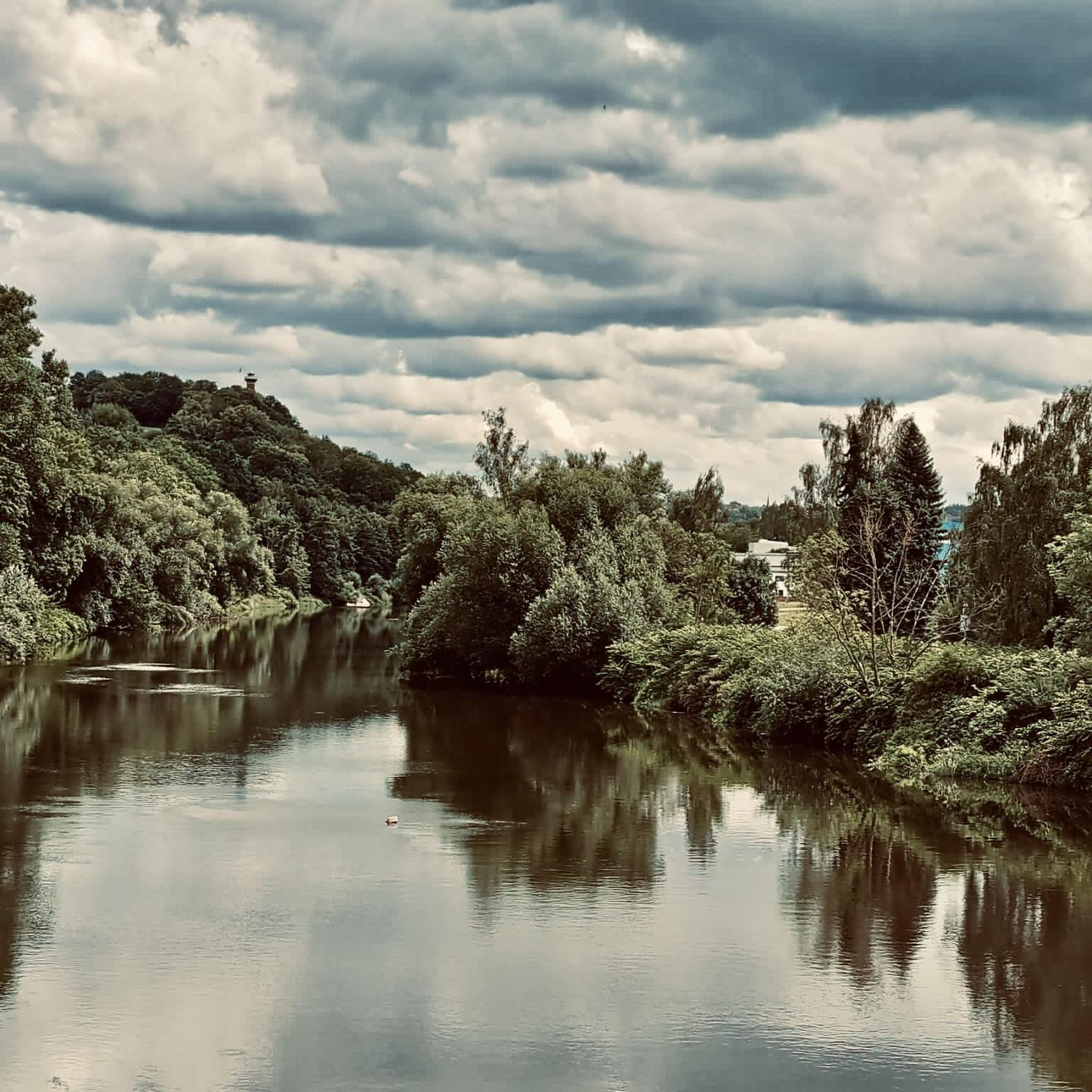
Gravel biking in Kohlbachtal features routes that traverse river valleys, agricultural lands, and forested sections. The region is characterized by its gently rolling terrain, with elevations typically ranging from 150 to over 400 meters. Riders can expect a mix of surfaces, including gravel paths, forest roads, and some paved sections connecting historical sites and natural landmarks. The landscape is shaped by the Mulde River and its tributaries, offering varied scenery for gravel bike trails.
Best gravel bike trails in Kohlbachtal
…Last updated: August 13, 2026
5.0
(2)
3
riders
48.0km
02:47
410m
410m
Hard gravel ride. Good fitness required. You may need to push your bike for some segments of this route.
2
riders
Moderate gravel ride. Good fitness required. Mostly paved surfaces. Suitable for all skill levels.

Sign up for free
5.0
(1)
2
riders
Moderate gravel ride. Good fitness required. Mostly paved surfaces. Suitable for all skill levels.
4.6
(5)
20
riders
25.3km
01:27
160m
160m
Moderate gravel ride. Good fitness required. Mostly paved surfaces. Suitable for all skill levels.
3
riders
25.9km
01:40
160m
160m
Moderate gravel ride. Good fitness required. Mostly paved surfaces. Suitable for all skill levels.
Our route recommendations are based on thousands of hikes, rides, and runs completed by other people on komoot.
Start today with a free account
Your next adventure awaits.
Login or Signup
Tips from the Community

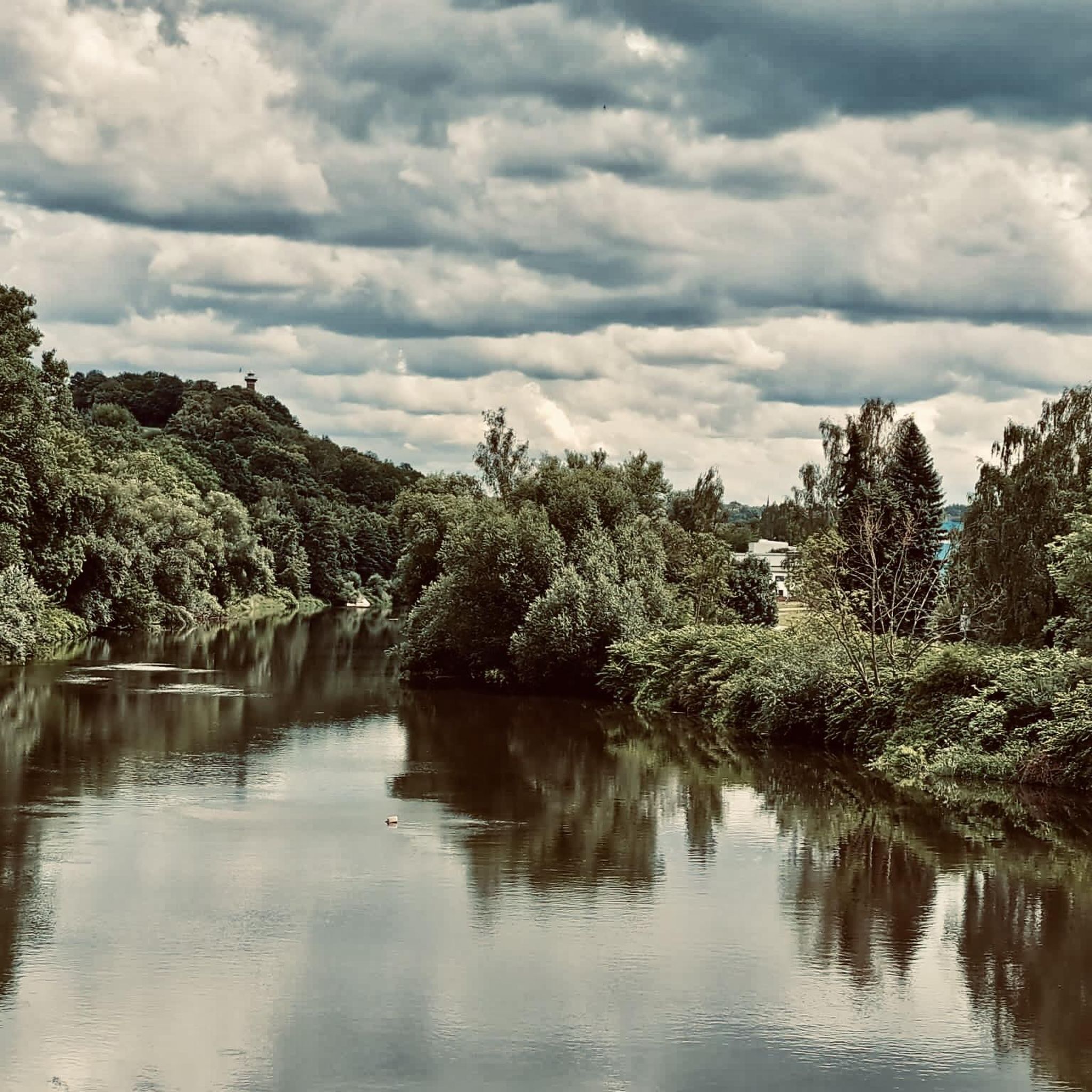
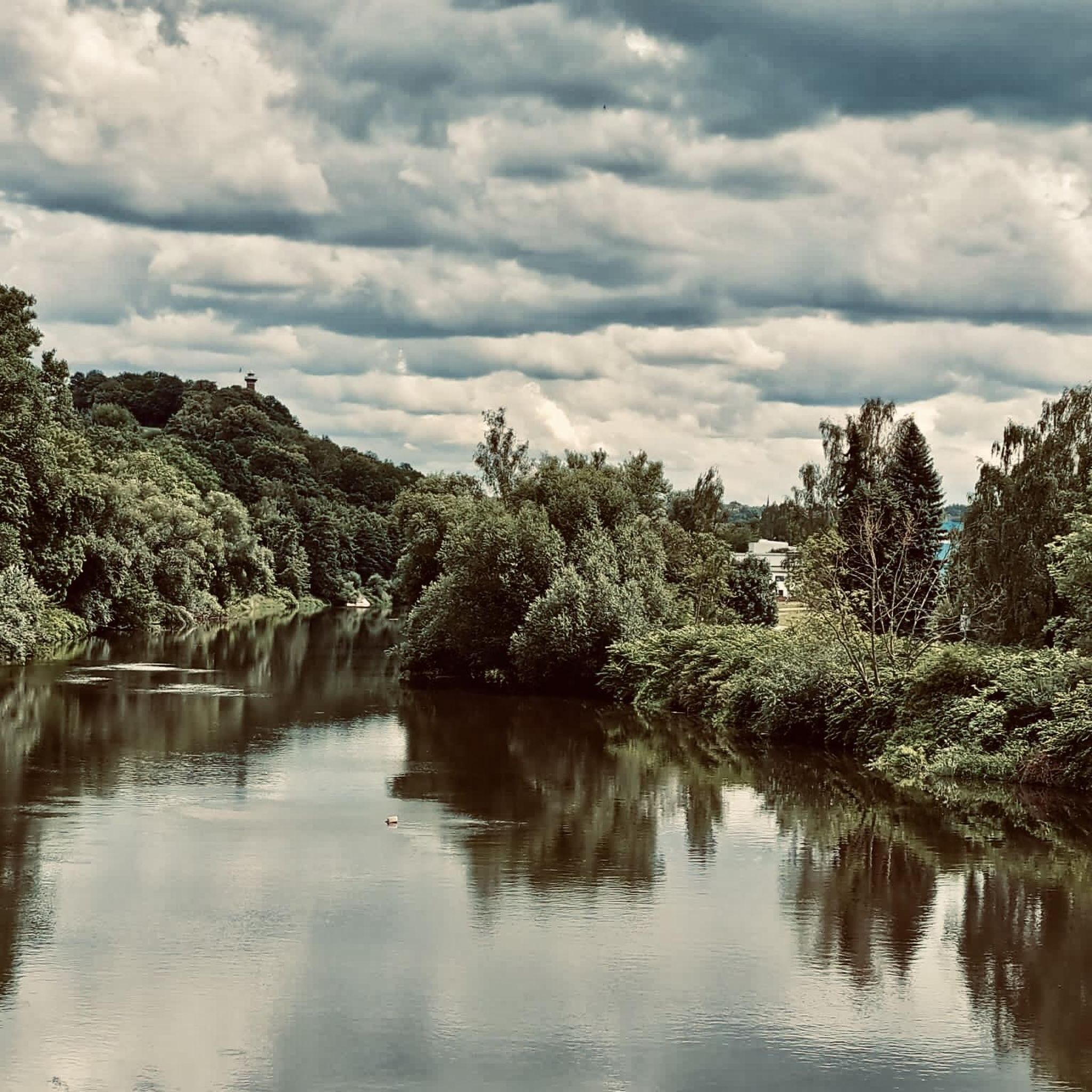
The Nimbschen Monastery (Marienthron) is a former Cistercian nunnery, located immediately south of Grimma in the Saxon district of Leipzig on the Mulde river. It existed between 1243 and 1536/42 and, after its dissolution, was part of the property of the Fürstenschule in Grimma or the St. Augustin Gymnasium in Grimma as a state school estate between 1550 and 1948. From the material of the monastery, which fell into disrepair after its dissolution, the new monastery estate was built in 1810, which is now used as a hotel. Next to the monastery, the settlement of Nimbschen was established on the neighboring Klosterholz.
0
0


The monastery tavern was formerly the monastery's blacksmith shop
1
0

Unfortunately, the castle is somewhat neglected, with trash and broken benches in the castle grounds. Besides, everything is insured. There's still plenty of room for improvement regarding the catering, especially the opening hours.
0
0

With a sign showing where to find the Pathe spring.
0
0
Beautiful place with many places to rest.
0
0

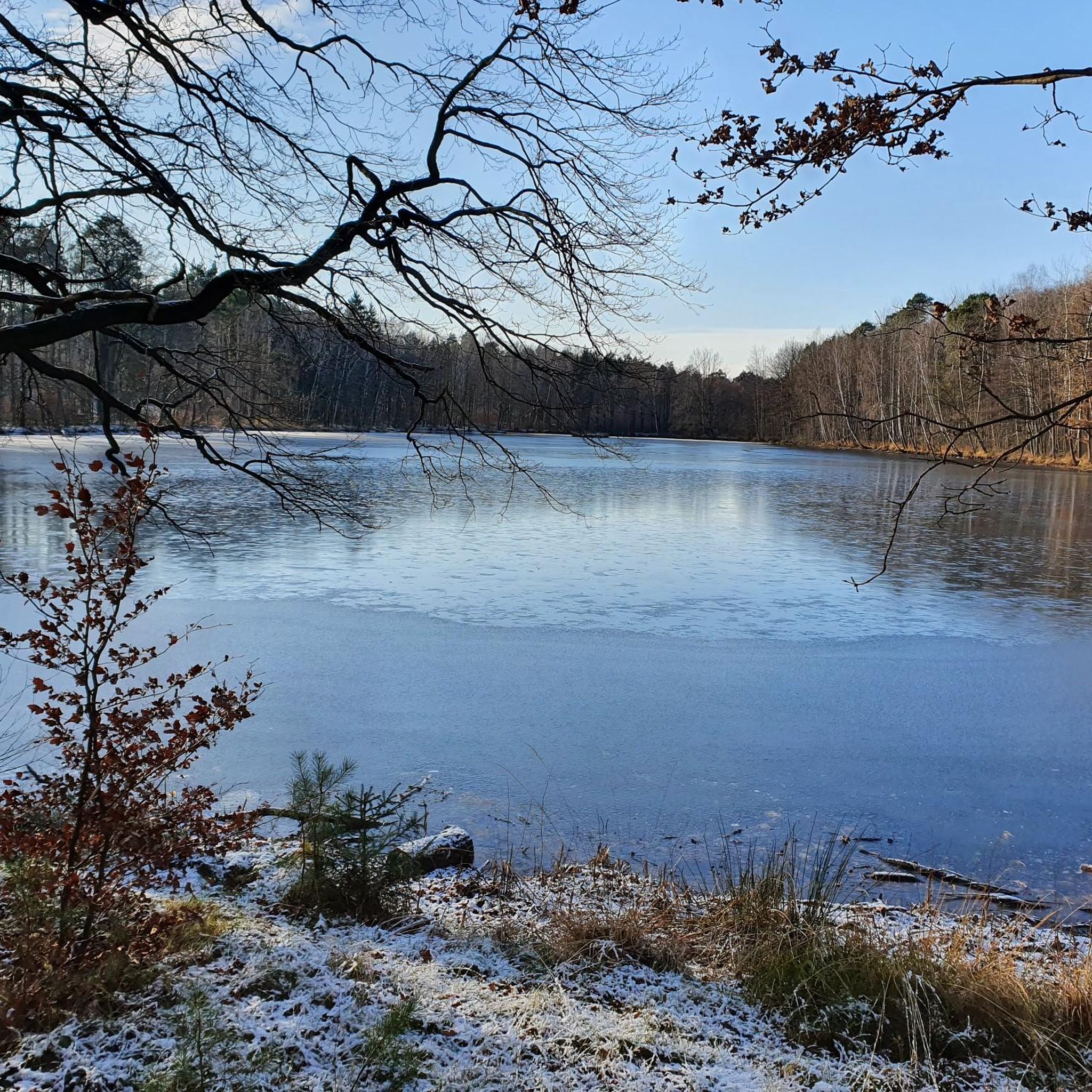
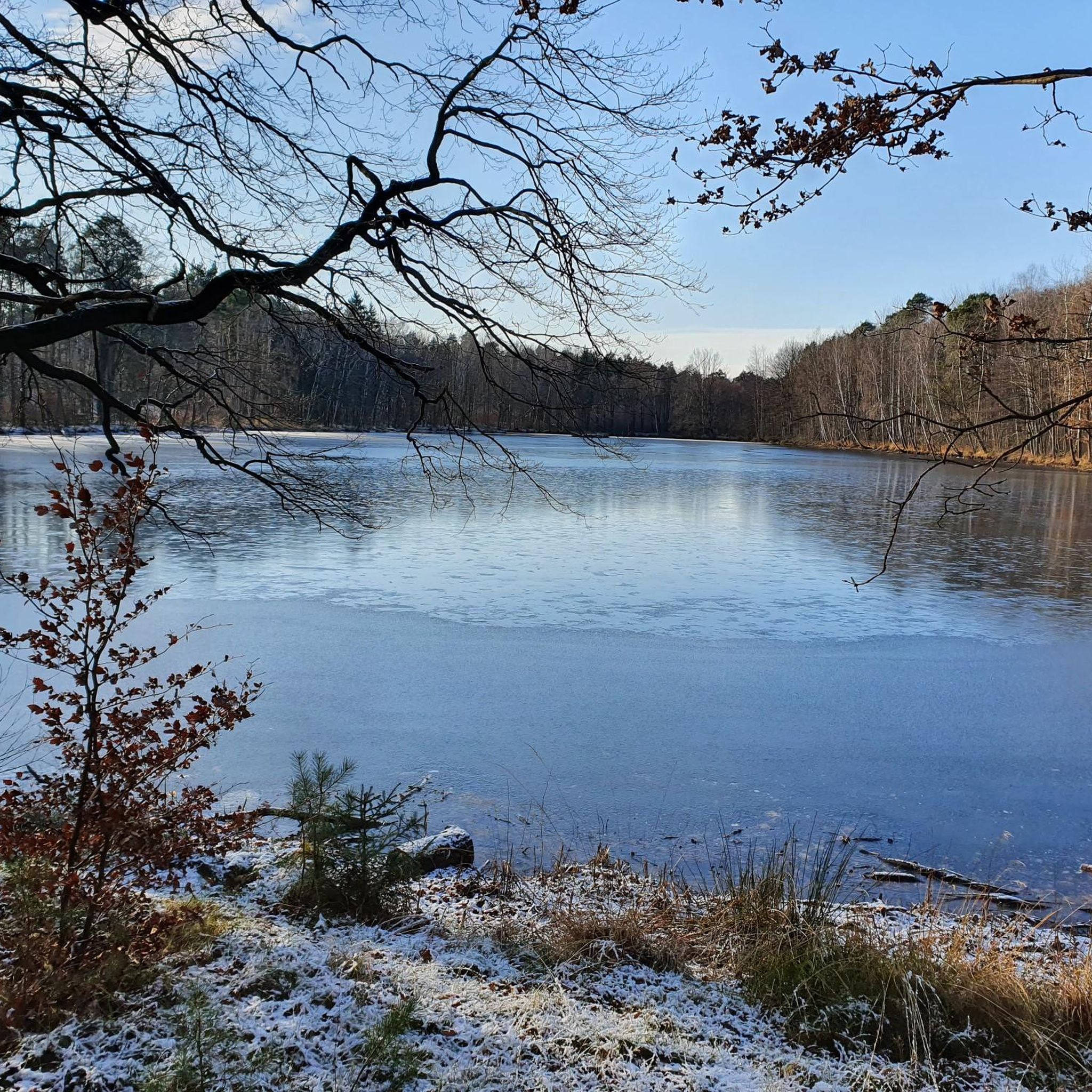
Fantastic cycle path in winter but very muddy.
0
0
Frequently Asked Questions
What are the typical distances and durations for gravel bike routes in Kohlbachtal?
Gravel bike routes in Kohlbachtal generally range from around 25 km to over 50 km. For example, the Mulde Cycle Path – Mulde River near Kössern loop from Großbardau is about 25 km, while the Potter's Fountain, Kohren-Sahlis – View of Bockwitzer Lake loop from Geithain extends to 52.5 km. Most tours can be completed within 3 to 5 hours, depending on your pace and the route's difficulty.
How challenging are the gravel bike trails in Kohlbachtal?
Kohlbachtal offers a mix of difficulties. You'll find moderate routes suitable for most riders, as well as more challenging options. For instance, the Mulde River near Kössern – View of Colditz Castle loop from Großbothen is considered difficult, featuring varied terrain and elevation changes. Overall, there are 4 moderate and 1 difficult route listed in the guide.
Are there beginner-friendly gravel bike routes in Kohlbachtal?
Yes, there are options for beginners. While many routes are moderate, the region's gently rolling terrain means that even longer routes can be manageable for those new to gravel biking, especially if they are generally fit. The guide includes 1 easy route, and several moderate routes can be approached at a leisurely pace.
What kind of terrain can I expect on Kohlbachtal's gravel bike trails?
The trails in Kohlbachtal feature a diverse mix of surfaces. You'll encounter classic gravel paths, forest roads, and some paved sections that connect various points of interest. The landscape includes river valleys, agricultural lands, and forested areas, providing varied scenery throughout your ride.
Are there any scenic viewpoints or notable landmarks along the gravel bike routes?
Absolutely. Many routes offer picturesque views and pass by interesting landmarks. For example, the Mulde River near Kössern – View of Colditz Castle loop from Großbothen provides views of the Mulde River and Colditz Castle. You can also explore natural highlights like the Old Pond (Kohlbach Valley) or the Altteich Spring, which are accessible from various points in the region.
When is the best time of year to go gravel biking in Kohlbachtal?
Spring and autumn are generally ideal for gravel biking in Kohlbachtal, offering pleasant temperatures and beautiful scenery as the landscape changes. Summer can also be enjoyable, especially on shaded forest paths, but be prepared for warmer weather. Winter riding is possible, but trails might be muddy or icy, requiring appropriate gear.
Are there any circular gravel bike routes in Kohlbachtal?
Yes, many of the gravel bike routes in Kohlbachtal are designed as loops, allowing you to start and end at the same point. Examples include the Nimbschen monastery ruins – Grimma Suspension Bridge loop from Colditz and the Rest Area by the Small Pond – Potter's Fountain, Kohren-Sahlis loop from Tautenhain.
What do other gravel bikers enjoy most about gravel biking in Kohlbachtal?
The komoot community highly rates the gravel biking experience in Kohlbachtal, with an average score of 4.8 stars. Riders often praise the varied terrain, which combines river valleys, historical landmarks, and mixed forest and field paths, offering a diverse and engaging ride for all skill levels.
Are there any historical sites or cultural points of interest along the routes?
Yes, Kohlbachtal's gravel routes often connect historical sites. The Nimbschen monastery ruins – Grimma Suspension Bridge loop from Colditz, for example, links historical sites with scenic river sections. You'll find opportunities to explore the region's rich history while enjoying your ride.
What kind of elevation changes can I expect on the gravel bike trails?
Kohlbachtal is characterized by gently rolling terrain. While not mountainous, routes typically feature elevation gains and losses ranging from 150 meters to over 400 meters. This provides a good workout without overly strenuous climbs, making for an enjoyable gravel biking experience.
Are there any places to stop for refreshments or rest along the gravel bike routes?
While specific cafes are not detailed for every route, the trails often pass through or near villages and towns where you can find opportunities for refreshments. Additionally, you might encounter huts or shelters, such as the Friederike Hut at the firefighting pond, which can serve as convenient rest stops.
Most popular routes in Kohlbachtal
Most popular attractions in Kohlbachtal

Get inspired with the komoot mobile app


Explore more
Browse the best Gravel rides in other regions.
