The best gravel rides in Vilsta
5.0
(8)
19
riders
9
rides
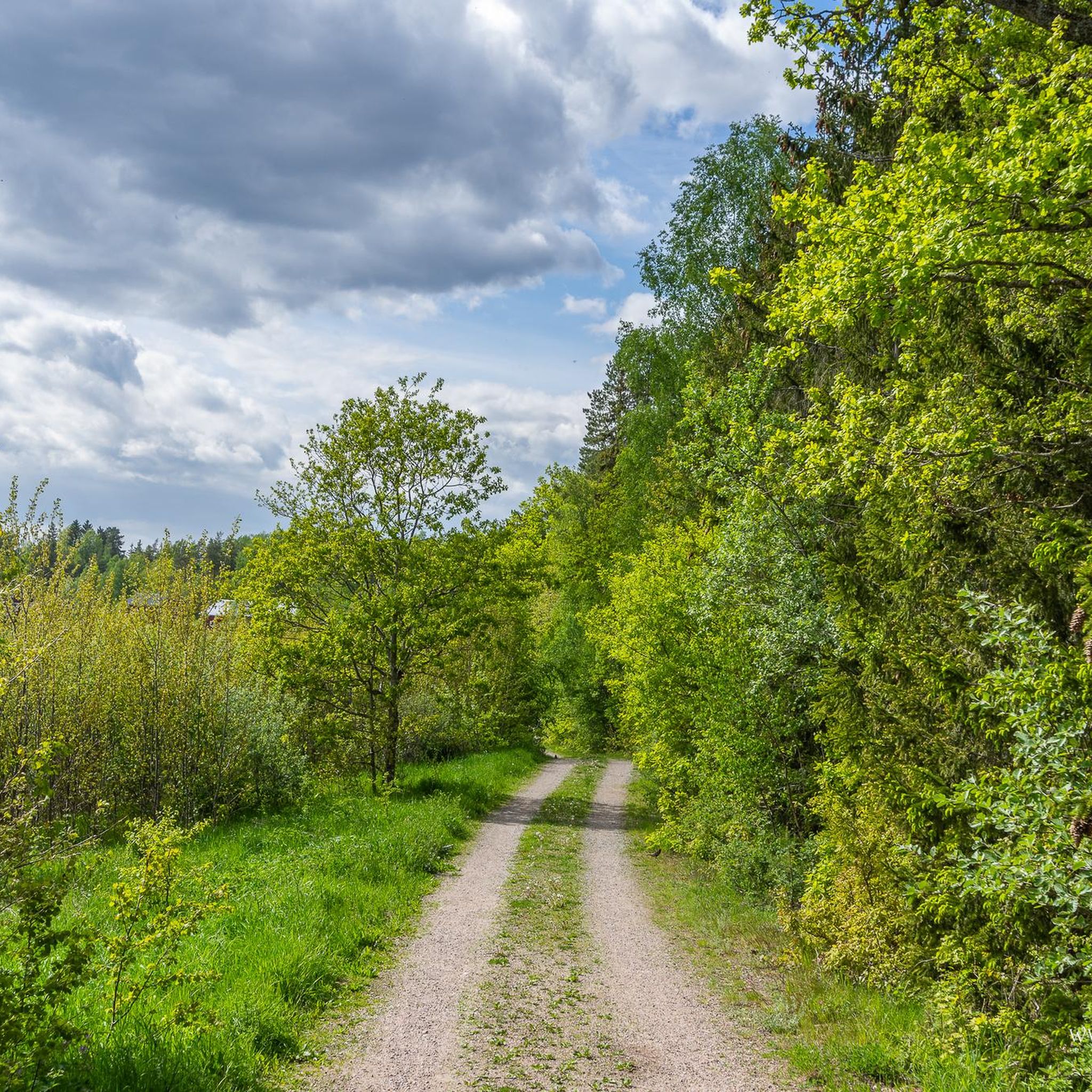
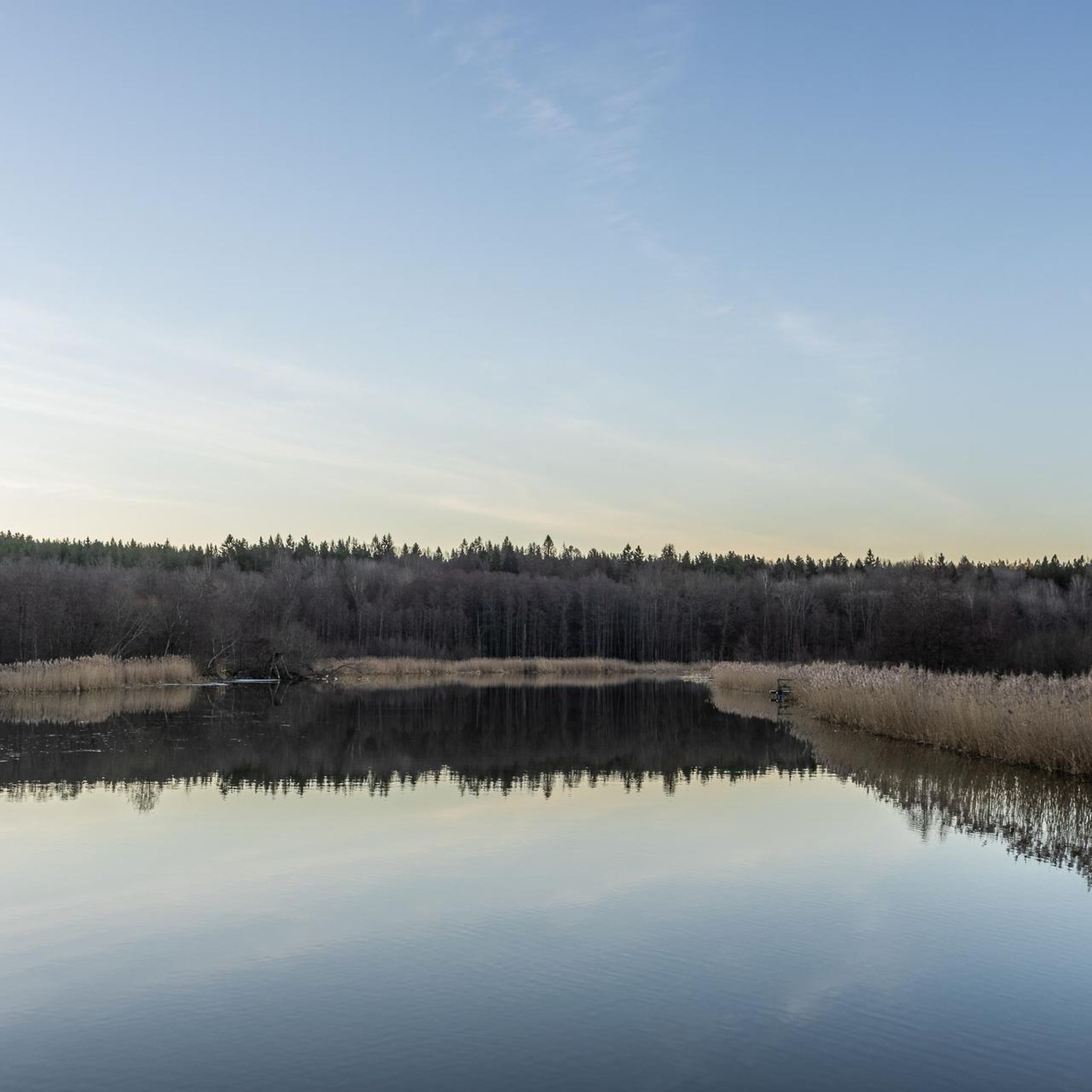
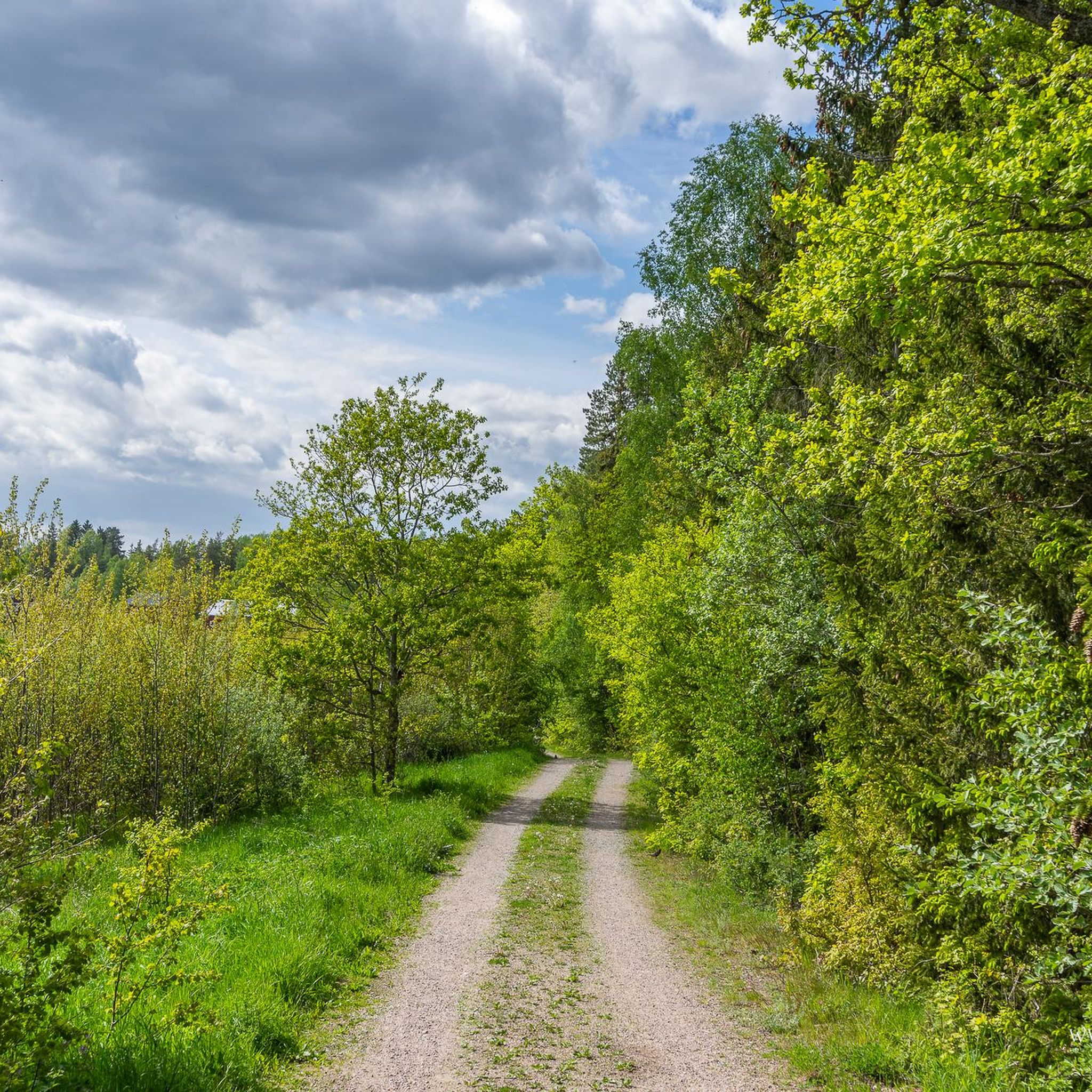
Gravel biking in Vilsta offers a network of trails primarily characterized by forest doubletracks and former railway lines. The region features diverse and undulating landscapes, including riverbanks, oak pastures, pine forests on rocky ground, and mixed conifer forests. The terrain is varied and hilly, with woodlands, open fields, and the winding Eskilstuna River. These elements combine to provide both challenging climbs and scenic cruising opportunities for gravel cyclists.
Best gravel bike trails in Vilsta
- The most popular gravel bike trail…
Last updated: July 3, 2026
3
riders
42.7km
02:26
190m
190m
Moderate gravel ride. Good fitness required. Mostly paved surfaces. Suitable for all skill levels.
5.0
(3)
3
riders
30.0km
01:50
160m
160m
Moderate gravel ride. Good fitness required. Mostly paved surfaces. Suitable for all skill levels.

Sign up for free
2
riders
55.8km
03:07
250m
250m
Moderate gravel ride. Good fitness required. Mostly paved surfaces. Suitable for all skill levels.
1
riders
41.8km
02:38
220m
220m
Moderate gravel ride. Good fitness required. Mostly paved surfaces. Suitable for all skill levels.
5.0
(1)
2
riders
43.2km
02:48
210m
210m
Moderate gravel ride. Good fitness required. Mostly paved surfaces. Suitable for all skill levels.
Get access to more routes and recommendations from other explorers.
Sign up for free
Already have an account?
Our route recommendations are based on thousands of hikes, rides, and runs completed by other people on komoot.
Start today with a free account
Your next adventure awaits.
Login or Signup
Tips from the Community

Avoid the traffic and take the scenic route, the water might not be safe being an old quarry.
0
0

The Rademachersmedjorna is one of Sweden's best-preserved 17th-century environments and here are Eskilstuna's oldest preserved buildings. The area is unique in many ways. Partly because it is a preserved environment from the working class, and partly because the houses have been allowed to remain in the same place where they were once built. For 360 years, the forges have been used for various types of crafts. The first forges were completed in 1659 and formed part of Carl Gustaf's Stad's ironworks, built and named after King Karl X Gustav. The factory in Eskilstuna was Sweden's first blacksmith factory. The business was state-owned and had exclusive rights to the manufacture of a wide range of forged products. Scissors, awls, knives, locks, veining irons, gun barrels, fittings and much more were manufactured here. In every blacksmith household, in addition to the master blacksmith and his family, there were also journeymen and apprentices. Two households lived in each forge. This meant that it could get quite crowded in the homes. Working in the forge was dirty and sometimes hot, sometimes very cold. Of the blacksmith families who came to Eskilstuna together with Rademacher, about half were immigrants, mainly from Germany. Since the manufactory was state owned, the blacksmiths did not own their tools or the products they made. All goods were handed in to the superintendent. It was determined how much each blacksmith would make each week to receive his wages. However, many sold their goods on the side, secretly. At the beginning of the 18th century, the manufactory passed into private ownership. In 1771, the area became part of Eskilstuna Fristad, where blacksmiths were allowed to run businesses without guild compulsion and customs fees. The name alludes to the idea of a sanctuary for blacksmiths and arose as a reaction to the lack of business freedom that prevailed in Sweden and to the fact that the manufactories were unprofitable. During the latter part of the 19th century, the remaining forges were used as premises for some of Eskilstuna's many rapidly growing industries. The small, individual companies were merged into larger workshops. Of the original 20 forges, six remain today. In addition to the forges from the 17th century, there are some houses in the area that were built or moved to the site later. In 1906, Eskilstuna's first museum opened in one of the forges. In 1959, as part of the city's 300th anniversary, the remaining forges were turned into a cultural reserve where history and tradition are kept alive. Traditional crafts are still performed here today by self-employed people and associations.
0
0
There is a natural source of drinking water here. It has a lid and is encased in concrete. There are good opportunities to pitch a tent for the night nearby.
0
0
Here they have set up a dry dock, which can be used if necessary They have installed a public privy here, which can be useful
0
0
Large pizzas with plenty of filling
0
0

Great place to take a moment to watch the boats passing on the water while looking at the buildings at sunset. If hungry, this town also had plenty of spots to grab a bite, refill bisons, or enjoy a much-needed coffee.
0
0
You can see it from road 230. But the distance is a few hundred meters. Therefore, better to see it from the dirt road that passes over it.
0
0
Very beautiful farm. The main building is a red-painted wooden building with two floors under a hipped roof. The house was probably built in 1606, perhaps even earlier, and has, among other things, a well-preserved Renaissance stove bearing the year 1606. It then formed the southern wing of a main building that disappeared at the end of the 17th century. At the exit from the estate, which is bordered by an avenue, there are two red wings with gable roofs. They are of a later date and were used as workers' housing. To the east and west of these there are further older residential buildings and outbuildings added during different periods. Behind the main building are two loft sheds that were moved here from Järshammar and Västra Fyrby in Öja parish. The smithy and the carpenter's cottage were built in 1858 and bricked in slag. Wikipedia tells us: Biby was previously a manor and a manor in Gillberga parish, Västerrekarne district and Eskilstuna municipality. The farm is located twelve kilometers southwest of Eskilstuna. The main building in Biby dates from the 17th century and is one of the oldest preserved wooden residential buildings in Södermanland. Biby has been known since the 15th century, and belonged from the end of the 16th century until 1676 to the Stiernsköld family, and then to the Sparre family. In 1782, Biby was purchased by Baron Gustaf Celsing, and in 1788 became fideicommiss within his family. Since the last fideicommissary, equestrian master Fredrik von Celsing, died in 2008, the liquidation began. His heirs wanted to finance the inheritance by selling parts of the property. In 2013, Johan Klingspor at Stora Sundby bought the farm with associated land of around 1,200 hectares. In 2018, the Fideicommissnämden gave permission for probate. The fideikommisset is thus discontinued. There is a unique collection of Turkish paintings and documents from the time of the Celsing family that Turkish diplomats, the so-called Turkish collection, would sell on the international market after the fideicommission was dissolved. The government has, following referrals from, among others, the National Museum, the National Antiquities Office and the National Archives, decided partly that the state would not redeem the Turkish collection, and partly that the state would redeem the mission archive that was included in the fideicommissis. The Turkish collection is now in Qatar.
0
0
Frequently Asked Questions
What is the typical difficulty and length of gravel bike trails in Vilsta?
All 12 gravel bike routes in Vilsta are rated as moderate. Their lengths vary, with routes like Gamla Staden, Eskilstuna – Hugelsta Avenue loop from Eskilstuna C being around 29.5 km (18.3 miles), while others, such as Rademachersmedjorna – Eskilstuna–Eklången Rail Trail loop from Eskilstuna C, extend to about 55.7 km (34.6 miles).
Are there easy gravel bike trails suitable for beginners in Vilsta?
The gravel bike trails in Vilsta are generally considered moderate. While there are no routes specifically classified as 'easy,' the moderate trails often feature forest doubletracks and former railway lines, which can be manageable for those with some cycling experience. For example, the Forest Doubletrack Trail – Svartverkstan Bakery loop from Eskilstuna C offers a good introduction to the region's terrain.
What kind of terrain can I expect on Vilsta's gravel bike trails?
Vilsta's gravel bike trails are primarily characterized by forest doubletracks and former railway lines, offering varied surfaces suitable for gravel bikes. You'll encounter a mix of wooded areas and open paths with moderate elevation changes, connecting various points of interest around Eskilstuna.
What do other gravel bikers enjoy most about gravel biking in Vilsta?
The komoot community highly rates the gravel biking experience in Vilsta, with an average score of 5.0 stars from 8 reviews. Many of the 20+ visitors praise the varied terrain, which includes forest doubletracks and former rail trails, and the well-maintained paths that make for an enjoyable ride.
Are there any circular gravel bike routes in Vilsta?
Yes, many of the gravel bike routes in Vilsta are designed as loops. For instance, the Rademachersmedjorna – Forest Doubletrack Trail loop from Eskilstuna C and the Rademachersmedjorna – Old Stone Quarry Lake loop from Eskilstuna C are excellent examples of circular routes that allow you to start and finish at the same point.
Where can I find parking for gravel bike trails in Vilsta?
Many of the gravel bike routes in Vilsta, such as the Forest Doubletrack Trail – Svartverkstan Bakery loop, start from Eskilstuna C (Eskilstuna Central Station). This is a convenient starting point where parking facilities are typically available in the vicinity, making it easy to access the trails.
Can I reach the gravel bike trails in Vilsta using public transport?
Yes, the starting point for many Vilsta gravel bike routes is Eskilstuna C (Eskilstuna Central Station), which is well-served by public transport. This makes it convenient to access the trails without a car, allowing you to easily connect to routes like the Rademachersmedjorna – Eskilstuna–Eklången Rail Trail loop.
What is the best season for gravel biking in Vilsta?
Vilsta's gravel bike trails, with their forest doubletracks and open paths, are enjoyable across multiple seasons. Spring and autumn offer pleasant temperatures and beautiful scenery, while summer provides longer daylight hours. Even in winter, with appropriate gear, some trails can be ridden, especially those on former railway lines which tend to be less technical.
Are there any viewpoints or scenic spots along the gravel bike trails in Vilsta?
While specific named viewpoints are not highlighted, the routes in Vilsta traverse natural landscapes, offering scenic stretches through wooded areas and along former railway lines. The varied terrain and connection to points of interest around Eskilstuna ensure a picturesque ride, particularly on routes like the Gamla Staden, Eskilstuna – Hugelsta Avenue loop.
What should I wear for gravel biking in Vilsta in autumn?
For autumn gravel biking in Vilsta, it's advisable to dress in layers. The weather can be changeable, so waterproof and windproof outer layers are recommended. Consider long-sleeved jerseys, cycling tights, gloves, and a hat or headband to protect against cooler temperatures, especially on longer rides through forested areas.
How many gravel bike trails are available in Vilsta?
There are 12 dedicated gravel bike trails available in Vilsta, all of which are rated as moderate difficulty. These routes offer a diverse experience across forest doubletracks and former railway lines, providing ample options for exploration.
Most popular routes in Vilsta

Get inspired with the komoot mobile app


Explore more
Browse the best Gravel rides in other regions.
