The best gravel rides around Hexhamshire
4.2
(13)
49
riders
13
rides
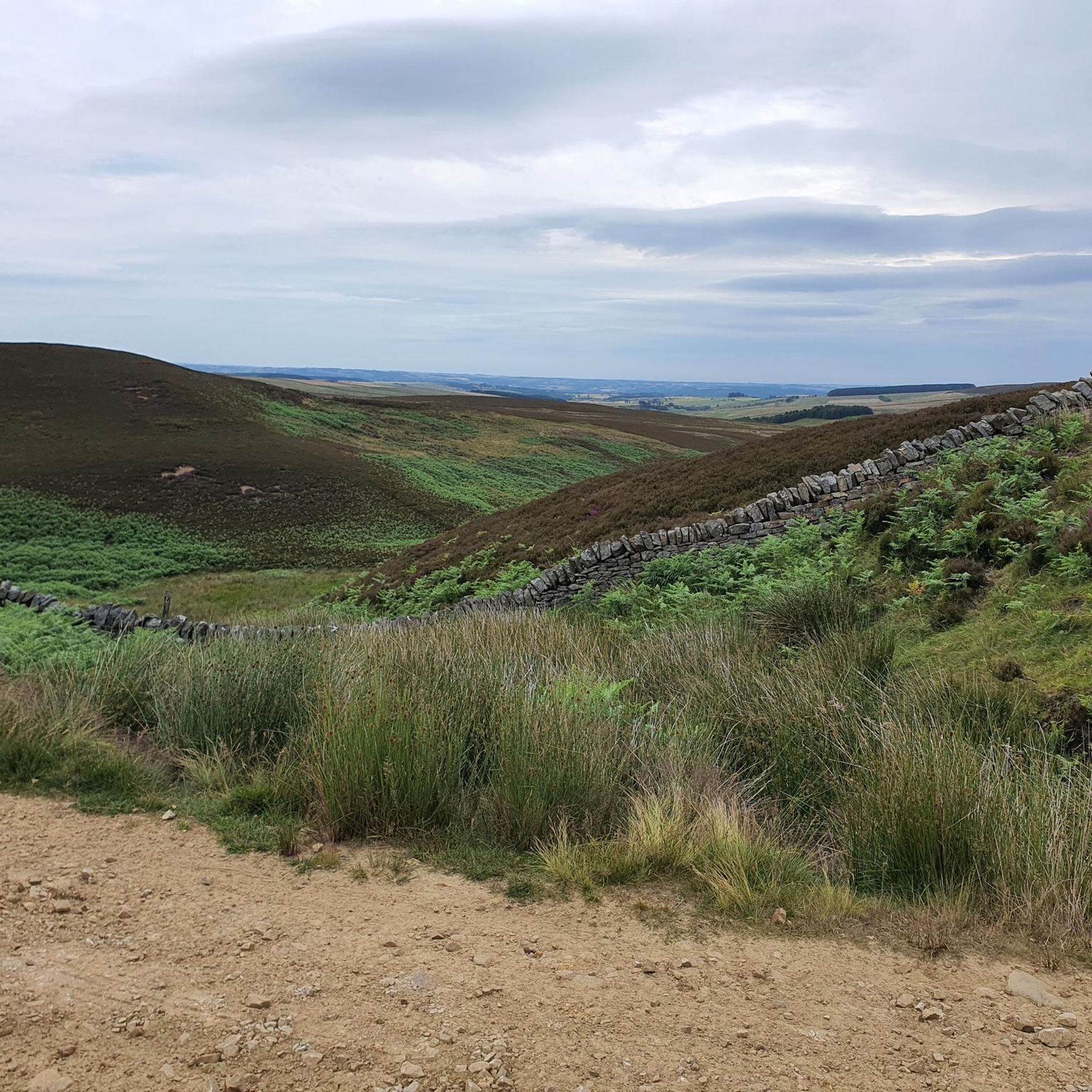
Gravel biking around Hexhamshire offers diverse terrain across Northumberland County, characterized by extensive forests, rolling hills, and open moorland. The region features a network of trails that often include forest roads, quiet country lanes, and sections alongside rivers like the Derwent and Tyne. Riders can experience varied landscapes, from challenging climbs to scenic descents, within proximity to the Northumberland National Park.
Best gravel bike trails around Hexhamshire
- The most popular gravel bike trail is Blanchland Village – Derwent Reservoir loop…
Last updated: July 3, 2026
5.0
(1)
4
riders
40.6km
02:53
660m
660m
Hard gravel ride. Very good fitness required. Mostly paved surfaces. Suitable for all skill levels.
2.7
(3)
11
riders
48.6km
03:09
800m
800m
Hard gravel ride. Very good fitness required. Mostly paved surfaces. Suitable for all skill levels.

Sign up for free
5
riders
Hard gravel ride. Very good fitness required. Mostly paved surfaces. Suitable for all skill levels.
2.0
(2)
6
riders
41.9km
02:49
770m
770m
Hard gravel ride. Very good fitness required. Mostly paved surfaces. Suitable for all skill levels.
4.8
(4)
7
riders
31.6km
02:27
610m
610m
Hard gravel ride. Very good fitness required. Mostly paved surfaces. Suitable for all skill levels.
Get access to more routes and recommendations from other explorers.
Sign up for free
Already have an account?
Our route recommendations are based on thousands of hikes, rides, and runs completed by other people on komoot.
Start today with a free account
Your next adventure awaits.
Login or Signup
Tips from the Community

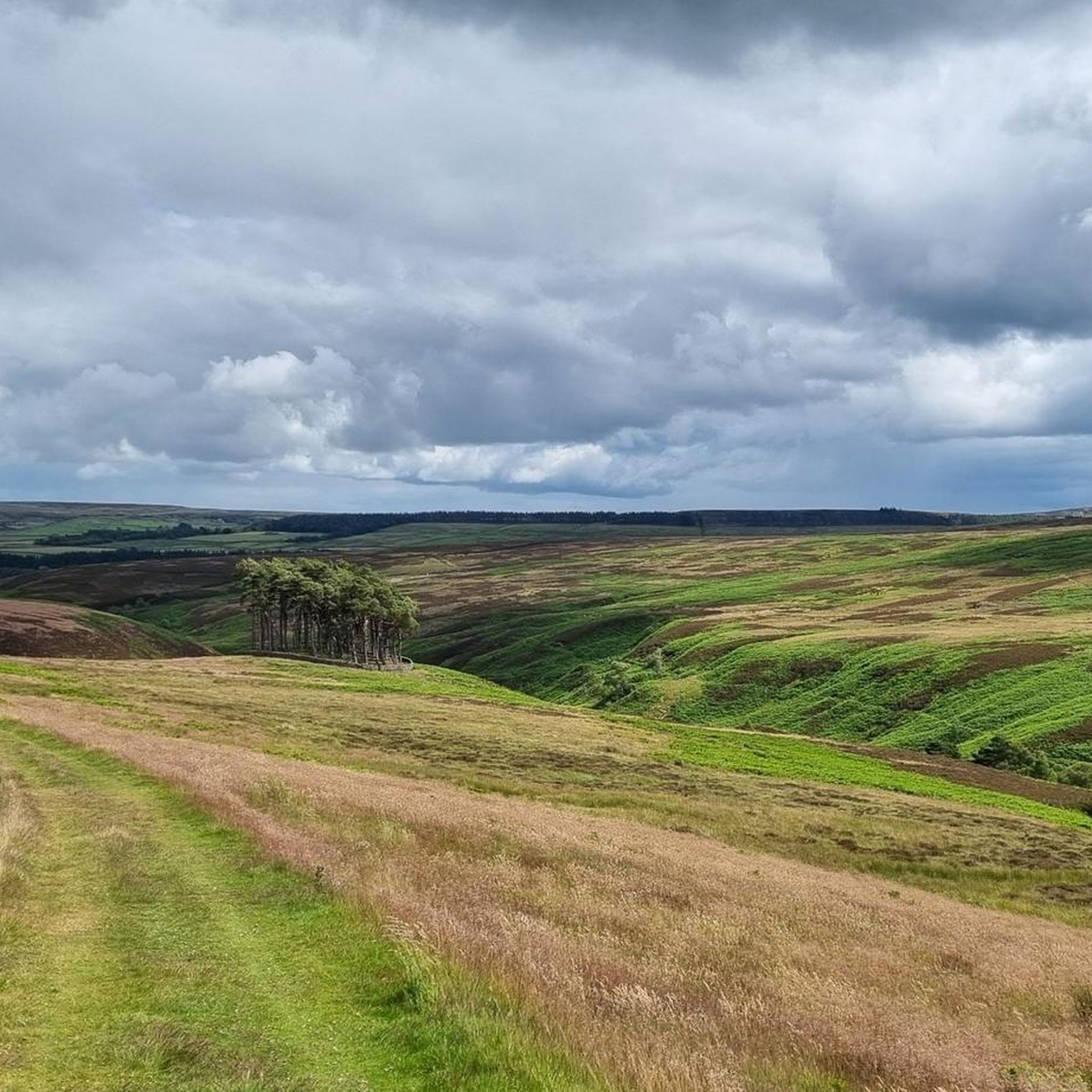
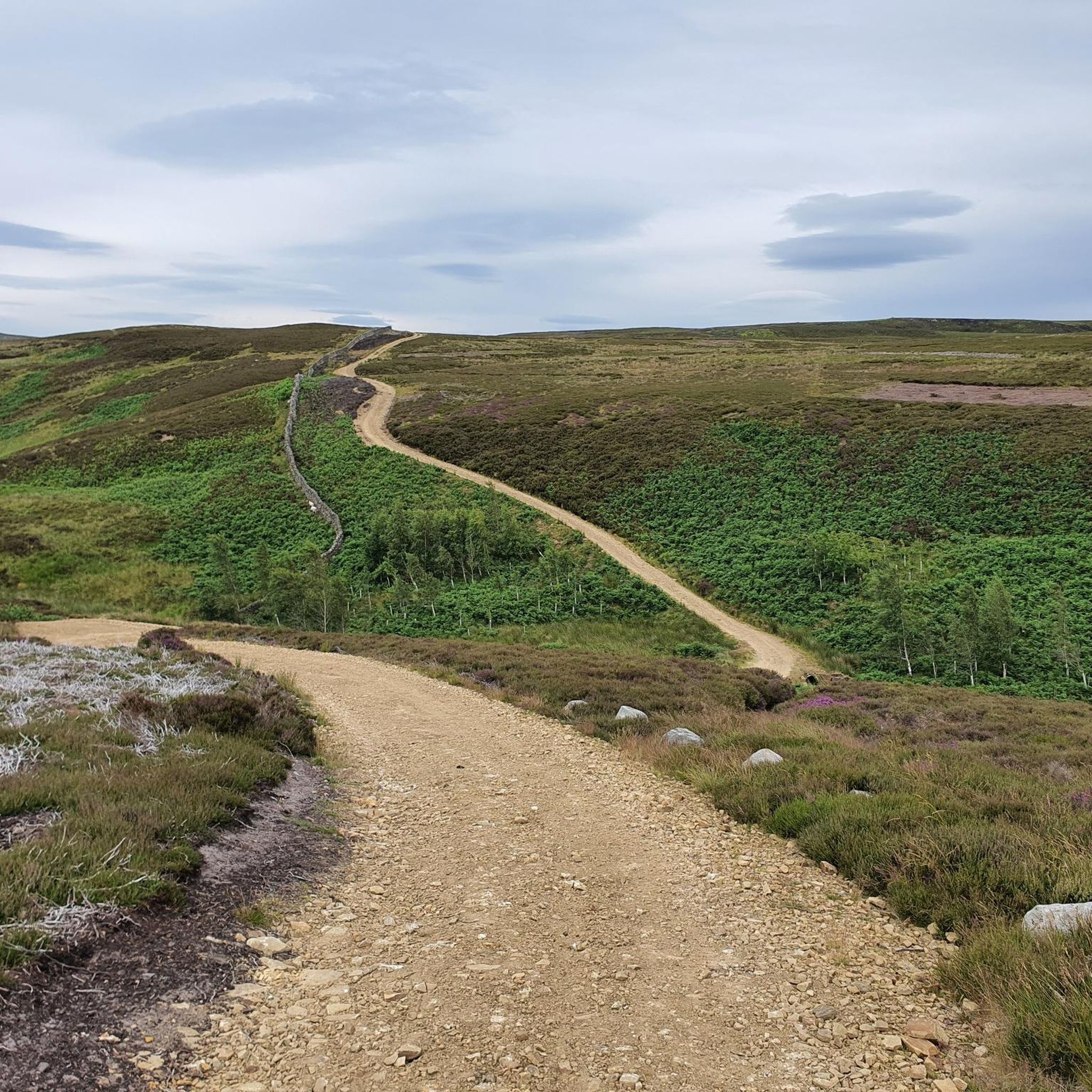
Some great tracks and a mix of single and double. Some can be abused by motocrossers or 4WD so some of them are badly rutted
0
0
Can be pretty rutted after rain and motocrossers churning up the surface
0
0
North west and South west directions are decent stony tracks, leading to roads down to the Allen valley. SouthEast gets you to the ridable bit of Long Drag and down to Riddlehamhope.
0
0

Hexham Abbey is one of England's oldest and most impressive churches. The abbey was originally founded in 674 AD by St. Wilfrid, using stones from nearby Roman ruins. The oldest part—the Saxon crypt—is still intact and represents a rare remnant of early Christian architecture. Inside, you'll find stained glass, the Roman tombstone of Flavinus, a 1st-century standard-bearer, an impressive Phelps organ from 1974, and a frith stool (Saxon bishop's chair). Admission to the abbey is free, with a small charge for the crypt.
9
0

About the patron saint of this church: Saint Andrew is one of the twelve apostles whom Jesus Christ called to follow him. However, in the biblical accounts, he is often somewhat overshadowed by his far more famous brother, Saint Peter. In the Gospels, we find the calling of the two siblings portrayed in different ways. According to the Gospel of John (John 1:40-42), Andrew is called first (together with another unnamed disciple). Later, he tells his brother that he has found the Messiah. The feast of Saint Andrew in the calendar of saints is November 30th in all major Christian denominations. The X-shaped white "St. Andrew's Cross," on which he was executed, forms the national flag of Scotland against a blue background and has also found its way onto the national flag of the United Kingdom of Great Britain.
4
0

Hexham is a historic market town known for Hexham Abbey, its medieval architecture, historic buildings and scenic cobbled streets. It's a gateway to the North Pennines and Hadrian’s Wall, making a great starting points for hikes.
1
0

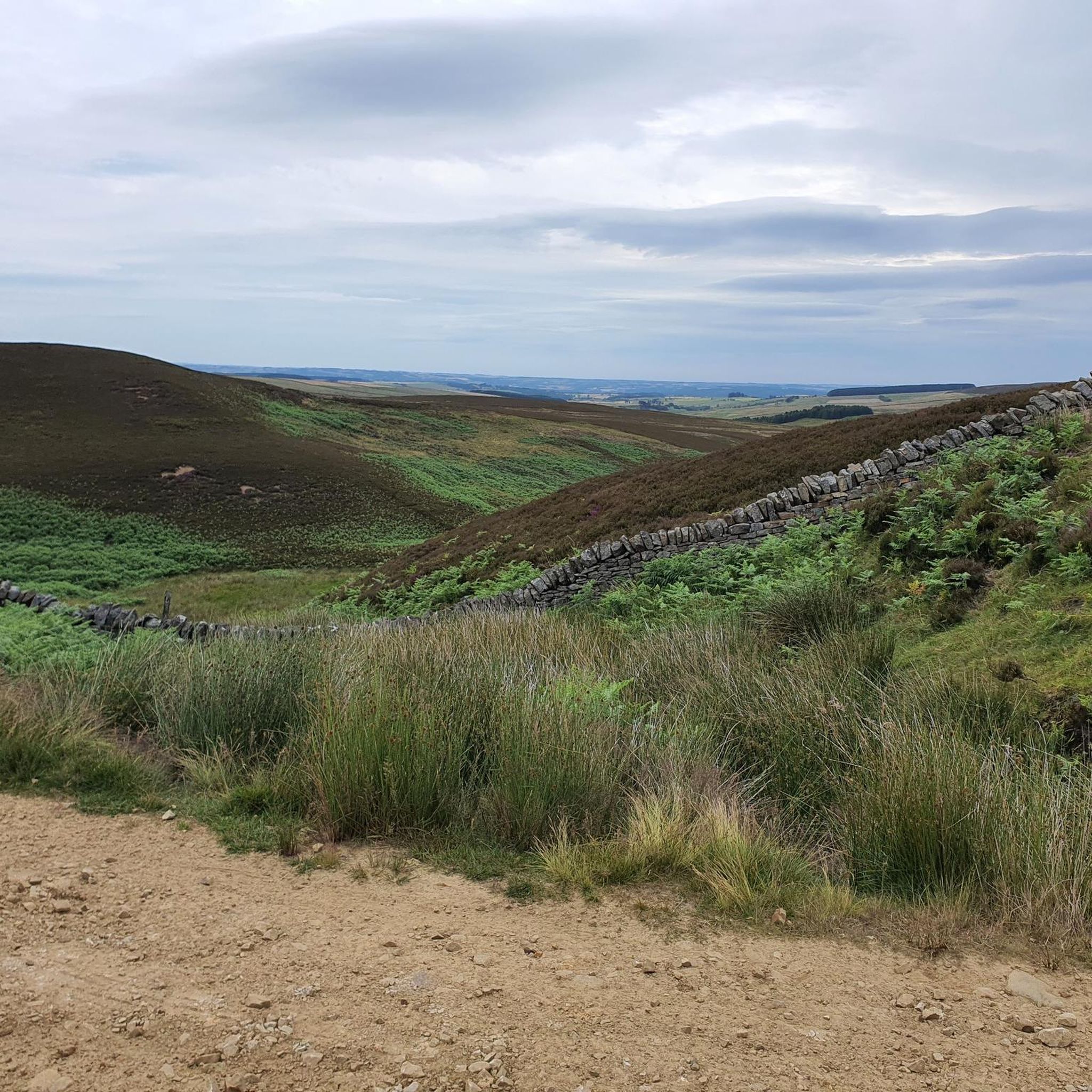
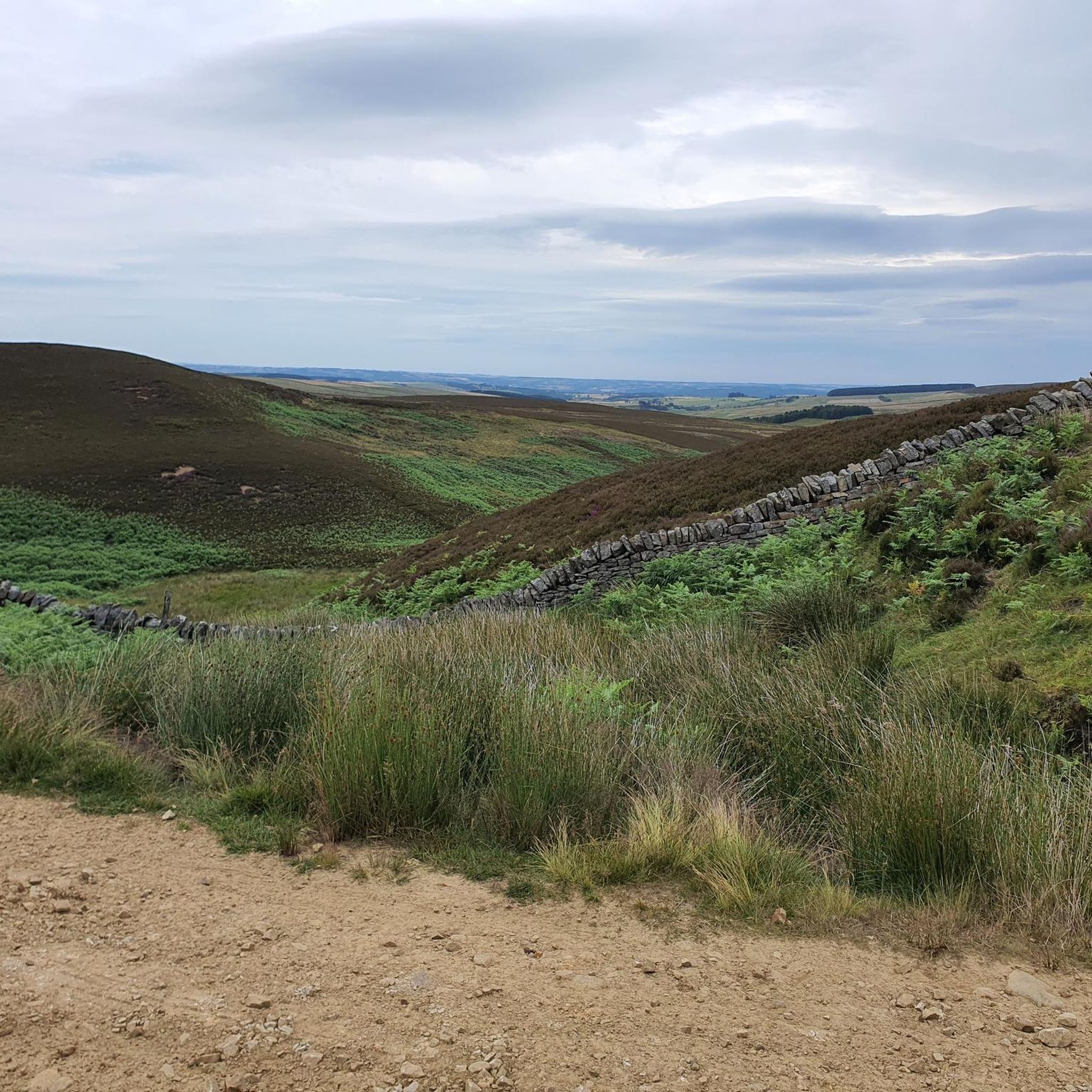
Flat section on long climb. Quiet Road with views across valley to Derwent Reservoir.
0
0

Frequently Asked Questions
How many gravel bike trails are available in Hexhamshire?
Hexhamshire offers a diverse network of over 10 gravel bike trails for you to explore. These routes traverse varied terrain, from dense forests to rolling hills, providing a range of experiences for different skill levels.
Are there any easy or beginner-friendly gravel bike routes in Hexhamshire?
While many routes in Hexhamshire are rated as difficult due to significant climbs and varied terrain, there are some moderate options available. For instance, the Consett to Waskerley Cycleway – Edmundbyers loop from Rookhope is a challenging route but offers a good introduction to the region's gravel biking, with a mix of forest roads and country lanes.
What is the typical length and duration of gravel bike routes in Hexhamshire?
Gravel bike routes in Hexhamshire typically range from around 30 to 50 kilometers (19 to 31 miles) in length. Most routes take between 3 to 4 hours to complete, depending on your pace and the specific elevation gains, which can be substantial in this hilly region.
Can I find circular gravel bike routes in Hexhamshire?
Yes, the majority of gravel bike routes in Hexhamshire are designed as circular loops, allowing you to start and finish at the same point. This makes planning your ride and parking more convenient. An example is the Hexham Abbey – Slaley Forest loop from Pow Hill Bog, which offers a scenic circular journey.
Are there any good viewpoints along the gravel routes in Hexhamshire?
Absolutely. Hexhamshire's rolling hills and moorland provide numerous opportunities for panoramic views. Routes like the Uphill Road to Carrshield – View from Garret's Hill Bank loop from Whitley Chapel are specifically known for their rewarding vistas. You can also find stunning views from highlights such as the View of Kielder Mires SSSI.
What kind of natural features can I expect to see while gravel biking in Hexhamshire?
Hexhamshire's landscape is incredibly diverse. You'll encounter extensive forests like Slaley Forest, rolling hills, and open moorland. The region also features picturesque water bodies such as the Derwent Reservoir and sections alongside the River Tyne. For a unique natural spectacle, consider visiting the Slitt Wood Waterfalls.
Are there historical sites or landmarks accessible from the gravel bike trails?
Yes, Hexhamshire is rich in history. Many routes pass near or through historically significant areas. You can cycle past the magnificent The Moot Hall, Hexham, or explore sections close to Hadrian's Wall, a UNESCO World Heritage Site. The Sycamore Gap and Milecastle 39 on Hadrian's Wall is a particularly iconic spot.
What is the best time of year for gravel biking in Hexhamshire?
The spring and autumn months generally offer the most pleasant conditions for gravel biking in Hexhamshire, with milder temperatures and beautiful scenery. Summer can also be excellent, though trails may be busier. Winter riding is possible but requires appropriate gear due to potentially challenging conditions like mud, ice, and shorter daylight hours.
Are there options for pub stops or refreshments along the gravel routes?
Many routes in Hexhamshire pass through or near charming towns and villages like Hexham and Blanchland, where you can find pubs, cafes, and shops for refreshments. While specific pub stops aren't detailed for every route, planning your ride to include these villages will provide opportunities for a break and a bite to eat.
What do other gravel bikers enjoy most about gravel biking in Hexhamshire?
The komoot community highly rates gravel biking in Hexhamshire, with an average score of 4.3 stars from over 12 reviews. Riders often praise the diverse terrain, from challenging climbs with rewarding views to scenic descents through dense forests. The blend of natural beauty and historical landmarks is also a frequently mentioned highlight.
Is Hexhamshire suitable for dog-friendly gravel biking?
Many of Hexhamshire's trails, particularly those on forest roads and quiet country lanes, are suitable for gravel biking with dogs, provided they are well-behaved and kept under control. Always be mindful of livestock in open moorland areas and adhere to local signage regarding dogs on trails. Ensure your dog is fit enough for the distance and terrain.
Where can I find parking for gravel biking in Hexhamshire?
Parking is generally available in the main towns and villages that serve as starting points for many routes, such as Hexham and Whitley Chapel. Some trailheads, especially those in larger forest areas like Slaley Forest, may also have designated parking facilities. Always check local parking regulations and availability before you set out.
Most popular routes around Hexhamshire
Most popular attractions around Hexhamshire

Get inspired with the komoot mobile app


Explore more
Browse the best Gravel rides in other regions.
