The best gravel rides around Edmondbyers
4.1
(13)
128
riders
10
rides
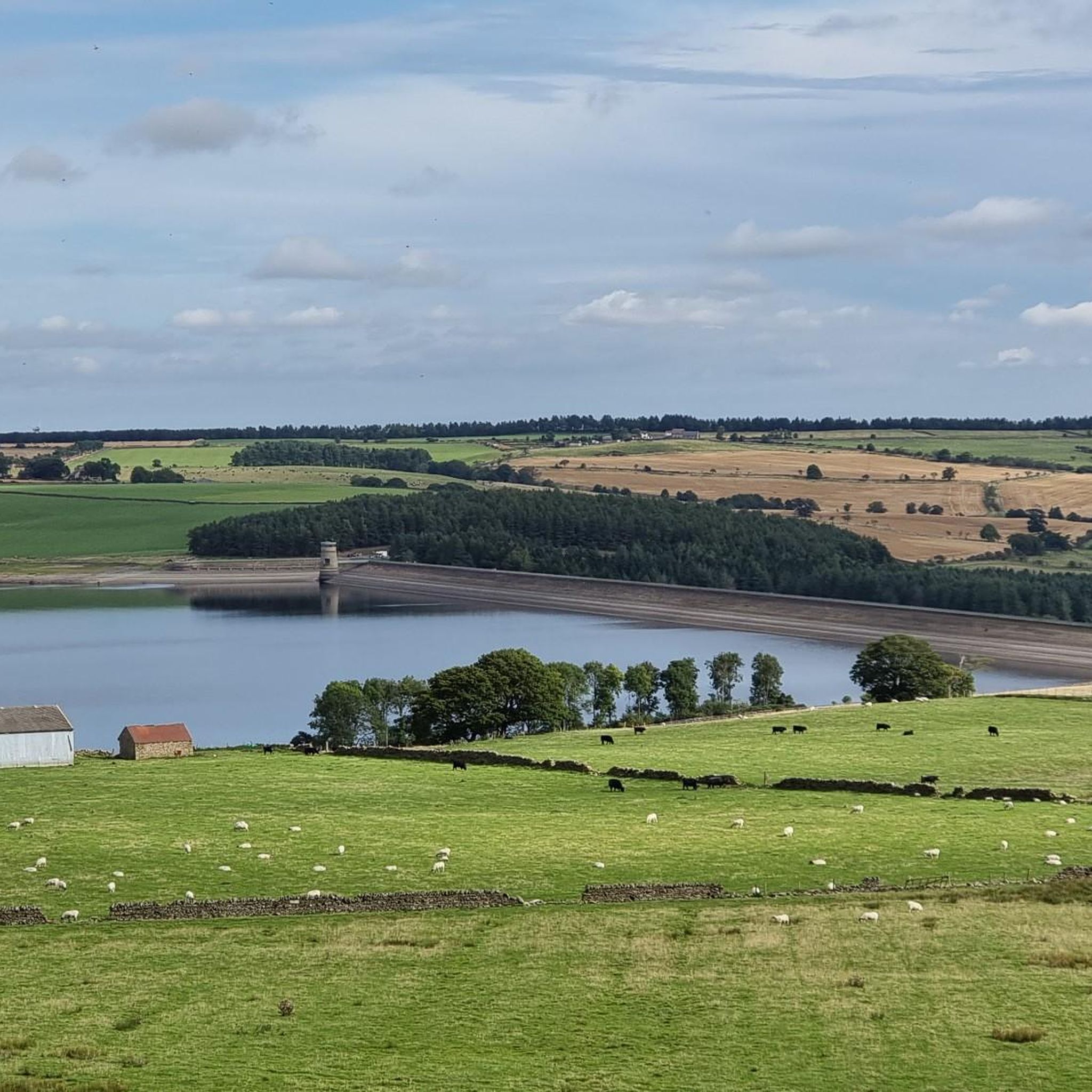
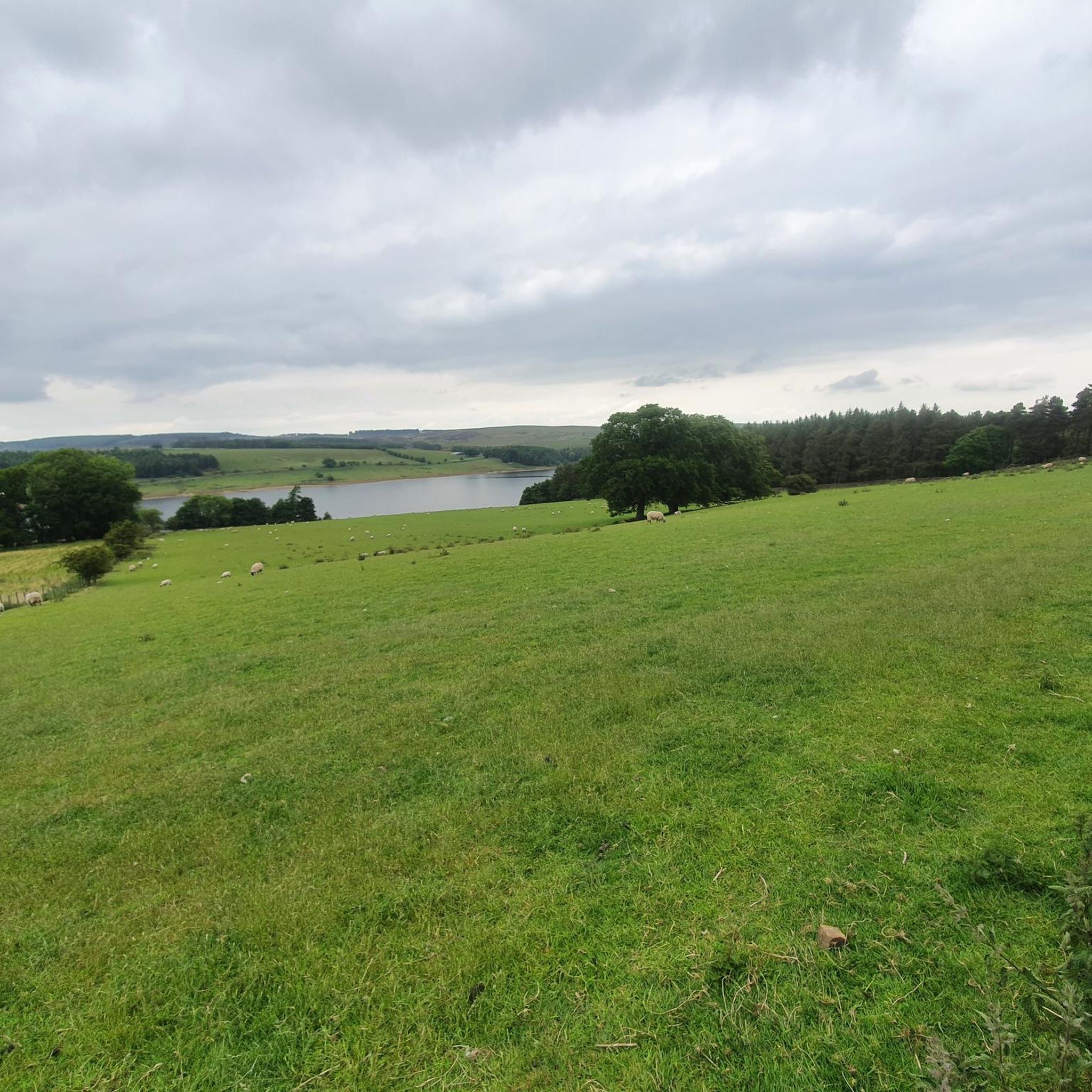
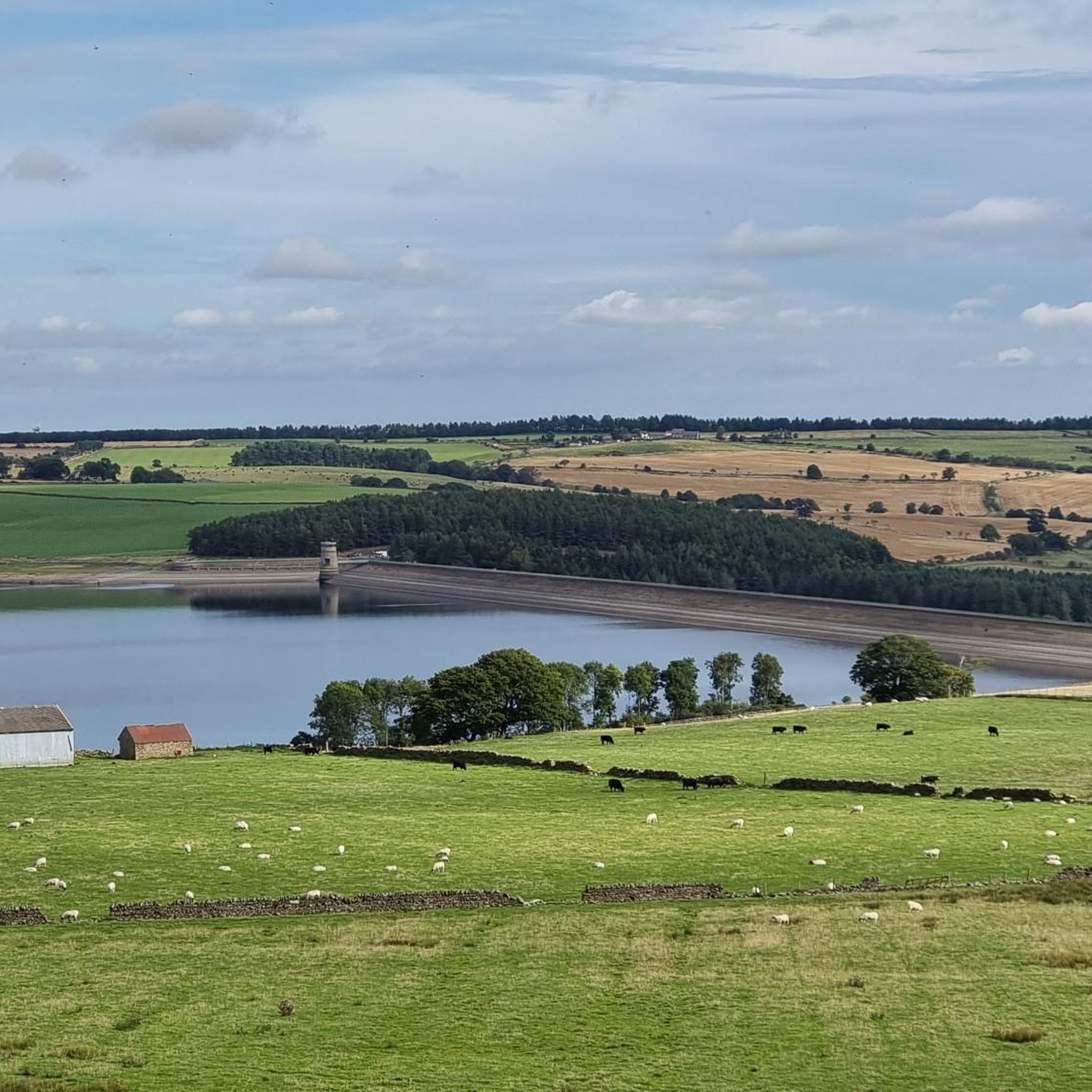
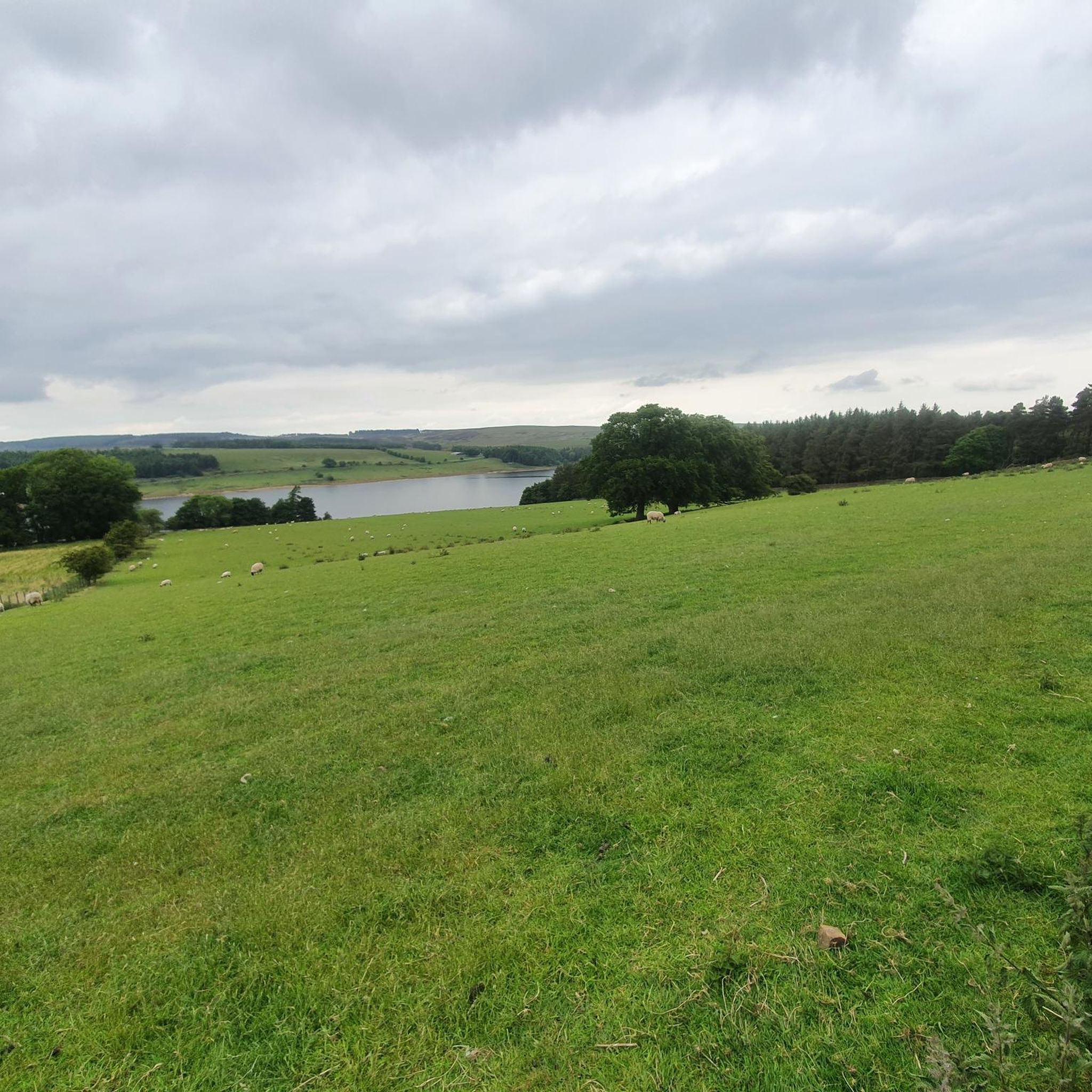
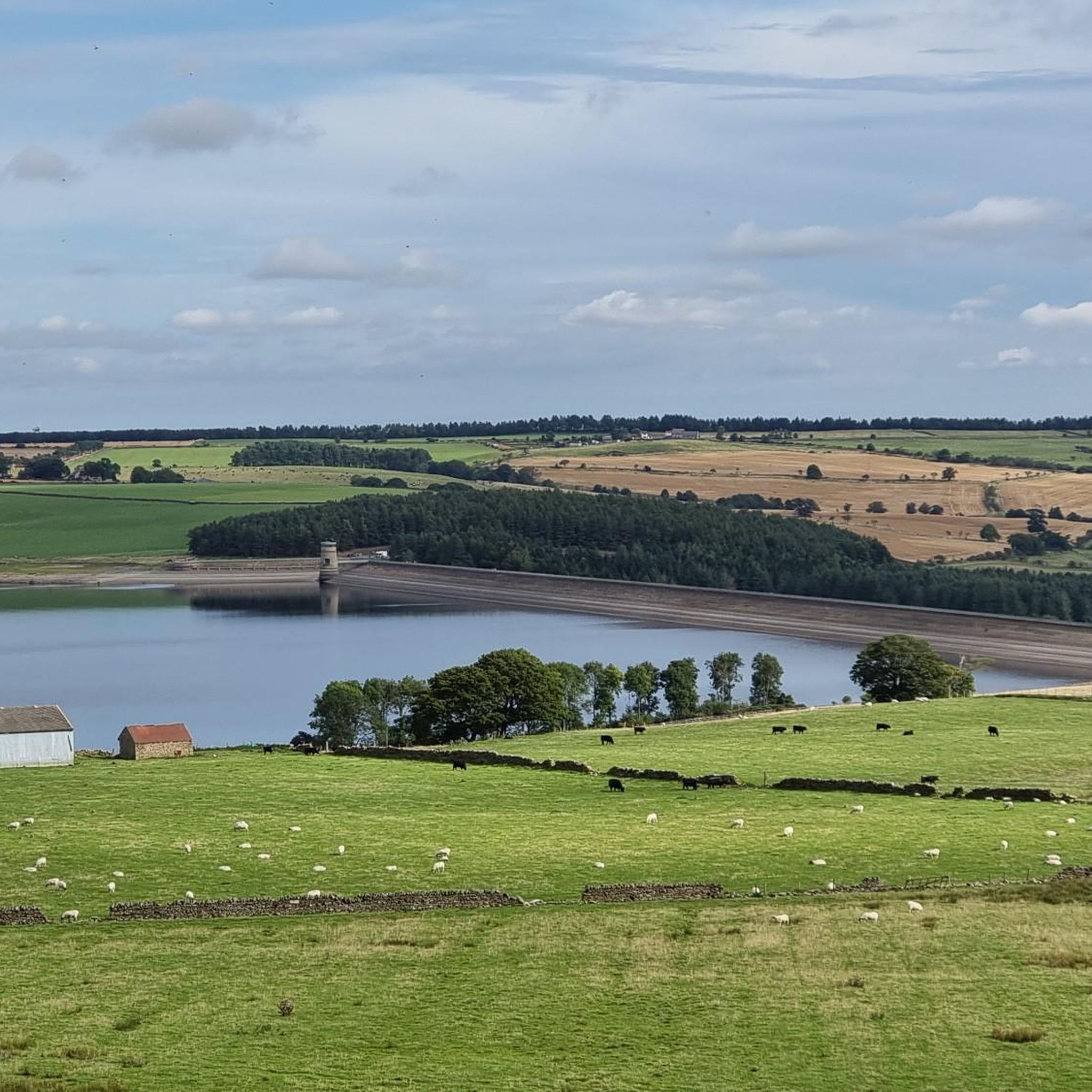
Gravel biking around Edmondbyers offers access to varied terrain within the North Pennines Area of Outstanding Natural Beauty. The landscape features heather-covered moors, valleys, and modest hills, providing expansive views. The region is characterized by open moorland, patchwork farmland, and woodlands, with distinctive dry stone walls. Derwent Reservoir, a three-mile body of water, is a central feature, offering trails around its perimeter.
Best gravel bike trails around Edmondbybers
- The most popular gravel bike trail is View of Lanchester Valley –…
Last updated: July 3, 2026
3.0
(4)
51
riders
43.4km
02:22
370m
370m
Moderate gravel ride. Good fitness required. Mostly paved surfaces. Suitable for all skill levels.
4.7
(3)
46
riders
58km
03:03
350m
350m
Moderate gravel ride. Good fitness required. Mostly paved surfaces. Suitable for all skill levels.

Sign up for free
5.0
(1)
4
riders
40.6km
02:53
660m
660m
Hard gravel ride. Very good fitness required. Mostly paved surfaces. Suitable for all skill levels.
2.0
(2)
6
riders
41.9km
02:49
770m
770m
Hard gravel ride. Very good fitness required. Mostly paved surfaces. Suitable for all skill levels.
4.0
(1)
6
riders
38.1km
02:26
510m
510m
Hard gravel ride. Very good fitness required. Mostly paved surfaces. Suitable for all skill levels.
Get access to more routes and recommendations from other explorers.
Sign up for free
Already have an account?
Our route recommendations are based on thousands of hikes, rides, and runs completed by other people on komoot.
Start today with a free account
Your next adventure awaits.
Login or Signup
Tips from the Community

The viaduct, an impressive engineering landmark, spans a broad valley, providing scenic views across the tree canopy and down to the River Derwent below.
0
0


Some great tracks and a mix of single and double. Some can be abused by motocrossers or 4WD so some of them are badly rutted
0
0
Can be pretty rutted after rain and motocrossers churning up the surface
0
0

The Hagg Bank Bridge, also known as the Points Bridge or Half-Moon Bridge, is a Grade II* listed pedestrian bridge spanning the River Tyne at Wylam. It was originally built in 1876 as a railway bridge for the Scotswood, Newburn & Wylam Railway. W.G. Laws's design incorporated a 73-metre single rib arch with no piers in the river, an innovation at the time and likely inspiration for later bridges such as the Tyne Bridge and Sydney Harbour Bridge. Following the closure of the railway line in 1968, the bridge was reopened in 1975 as a walkway and cycle path linking Wylam with the Tyne Riverside Country Park.
8
0
Hexham Abbey is one of England's oldest and most impressive churches. The abbey was originally founded in 674 AD by St. Wilfrid, using stones from nearby Roman ruins. The oldest part—the Saxon crypt—is still intact and represents a rare remnant of early Christian architecture. Inside, you'll find stained glass, the Roman tombstone of Flavinus, a 1st-century standard-bearer, an impressive Phelps organ from 1974, and a frith stool (Saxon bishop's chair). Admission to the abbey is free, with a small charge for the crypt.
9
0

About the patron saint of this church: Saint Andrew is one of the twelve apostles whom Jesus Christ called to follow him. However, in the biblical accounts, he is often somewhat overshadowed by his far more famous brother, Saint Peter. In the Gospels, we find the calling of the two siblings portrayed in different ways. According to the Gospel of John (John 1:40-42), Andrew is called first (together with another unnamed disciple). Later, he tells his brother that he has found the Messiah. The feast of Saint Andrew in the calendar of saints is November 30th in all major Christian denominations. The X-shaped white "St. Andrew's Cross," on which he was executed, forms the national flag of Scotland against a blue background and has also found its way onto the national flag of the United Kingdom of Great Britain.
4
0

Frequently Asked Questions
Are there easy gravel bike trails suitable for beginners in Edmondbyers?
While many routes in Edmondbyers offer a moderate to difficult challenge, the area around Derwent Reservoir provides some easier sections. For a relatively gentle introduction, consider exploring parts of the Blanchland Village – Derwent Reservoir loop from Pow Hill Bog, which offers scenic views without extreme elevation changes.
What are some challenging gravel biking options for experienced riders?
Experienced riders looking for a challenge will find several demanding routes. The Consett to Waskerley Cycleway – Edmundbyers loop from Rookhope, for instance, is a difficult 25.4-mile (40.9 km) trail with significant elevation gain. Another option is the Hexham Abbey – Slaley Forest loop from Pow Hill Bog, which covers 41.9 km and also features substantial climbing.
What is the typical length of gravel bike trails around Edmondbyers?
The gravel bike trails around Edmondbyers vary in length, generally ranging from around 25 miles (40 km) to over 35 miles (55 km). For example, the View of Lanchester Valley – Deerness path loop from Consett is 27.0 miles (43.4 km), while the Derwent Walk – Wylam Bridge loop from Shotley Bridge extends to 36.0 miles (57.8 km).
When is the best time of year to go gravel biking in Edmondbyers?
The best time for gravel biking in Edmondbyers is typically from spring through autumn. During late summer, the heather-covered moors of the North Pennines are particularly stunning. While winter riding is possible, be prepared for colder temperatures and potentially challenging conditions on the exposed moorland sections.
Are there family-friendly gravel biking routes in the Edmondbyers area?
For families, the traffic-free sections of paths like the Waskerley Way offer a safer and more enjoyable experience. While specific family-designated gravel routes are less common, the flatter sections around Derwent Reservoir, such as the 'Derwent Reservoir – Ruffside loop' mentioned in regional research, can be suitable for a family outing.
Can I bring my dog on gravel bike trails around Edmondbyers?
Many trails in the Edmondbyers area, particularly those on public rights of way, are dog-friendly. However, as the region is within the North Pennines AONB and a UNESCO Global Geopark, it's important to keep dogs under close control, especially during lambing season or when passing through areas with livestock or ground-nesting birds. Always follow the Countryside Code.
What natural features or landmarks can I see while gravel biking?
Edmondbyers is rich in natural beauty and historical landmarks. You can cycle past the expansive Derwent Reservoir, explore the heather-covered moors of the North Pennines, and admire the distinctive dry stone walls. Notable attractions include the impressive Hownsgill Viaduct, a former railway bridge, and sections of the historic Carrier's Way Trail. You might also encounter the Waskerley Way, a popular traffic-free cycle path.
Where can I find parking or access trails by public transport in Edmondbyers?
Parking is available at various points along the popular routes, including designated car parks near Derwent Reservoir and trailheads for paths like the Waskerley Way. For public transport, options might be limited directly in Edmondbyers itself due to its rural location. It's advisable to check local bus services for connections to larger towns like Consett or Shotley Bridge, from where some routes originate.
Are there places to eat or stay near the gravel biking routes?
Yes, the Edmondbyers area offers options for refreshments and accommodation. You'll find pubs and cafes in nearby villages. For example, the historic village of Blanchland, which originated from an abbey founded in 1165, has local amenities. Along routes like the Waskerley Way or around Derwent Reservoir, there are often cafes or visitor centers. For more detailed local information, you might consult resources from Durham County Council, such as their page on Edmondbyers Conservation Area.
What do other gravel bikers enjoy the most about gravel biking in Edmondbyers?
The komoot community highly rates the gravel biking in Edmondbyers, with an average score of 4.1 stars. Riders frequently praise the varied terrain, from open moorland to river valleys, and the stunning views across the North Pennines. The network of trails offers diverse options, ensuring there's something for different ability levels.
Are there any specific regulations or permits required for gravel biking in the Edmondbyers area?
Generally, no specific permits are required for gravel biking on public bridleways and designated cycle paths in the Edmondbyers area. However, always respect private land and adhere to signage. As the region is within the North Pennines AONB, it's important to follow the Countryside Code, which includes keeping to marked paths and leaving no trace.
What kind of wildlife might I encounter on the trails?
The North Pennines AONB is a haven for wildlife. While gravel biking, you might spot various bird species like curlews and lapwings, especially on the open moorland. The Waskerley Way is known for opportunities to see slow worms and butterflies. In late summer, the wild heather provides a vibrant display, attracting numerous insects. Always observe wildlife from a distance and avoid disturbing their habitats.
Most popular routes around Edmondbyers
Most popular attractions around Edmondbyers

Get inspired with the komoot mobile app


Explore more
Browse the best Gravel rides in other regions.
