The best gravel rides in Hvalskov
4.8
(5)
155
riders
20
rides
Gravel biking in Hvalskov benefits from its location within the Region Sjælland, offering access to diverse natural environments. The area is characterized by the expansive Bidstrup Forests, which are part of the Nationalpark Skjoldungernes Land, providing varied and hilly terrain. This landscape includes old-growth forests, lakes like Avnsø Lake, and undulating glacial surfaces, creating a network of paths and gravel tracks suitable for cycling. The region features a mix of tranquil forest routes and lakeside loops, with varied elevation changes.
…Last updated: July 3, 2026
1
riders
10.4km
00:57
100m
100m
Enjoy an easy 6.4-mile gravel biking loop through Mols Bjerge National Park, featuring Ice Age landscapes and views of Kalø Castle Ruins.
5.0
(1)
10
riders
34.2km
01:53
210m
210m
Moderate gravel ride. Good fitness required. Mostly paved surfaces. Suitable for all skill levels.

Sign up for free
4.0
(1)
13
riders
Moderate gravel ride. Good fitness required. Mostly paved surfaces. Suitable for all skill levels.
5.0
(1)
8
riders
31.1km
01:36
140m
140m
Easy gravel ride. Great for any fitness level. Mostly paved surfaces. Suitable for all skill levels.
7
riders
Easy gravel ride. Great for any fitness level. Mostly paved surfaces. Suitable for all skill levels.
Get access to more routes and recommendations from other explorers.
Sign up for free
Already have an account?
Our route recommendations are based on thousands of hikes, rides, and runs completed by other people on komoot.
Start today with a free account
Your next adventure awaits.
Login or Signup
Tips from the Community

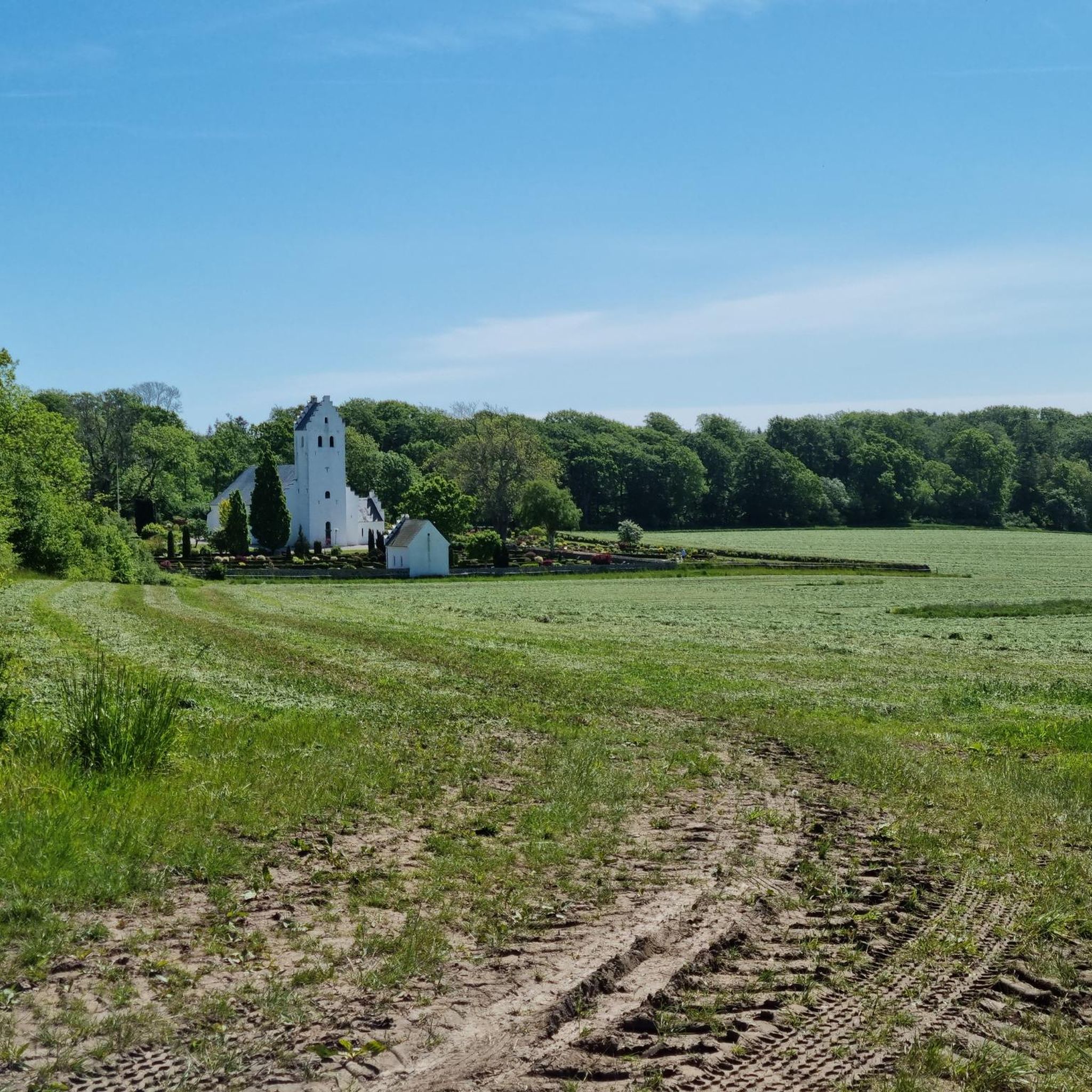
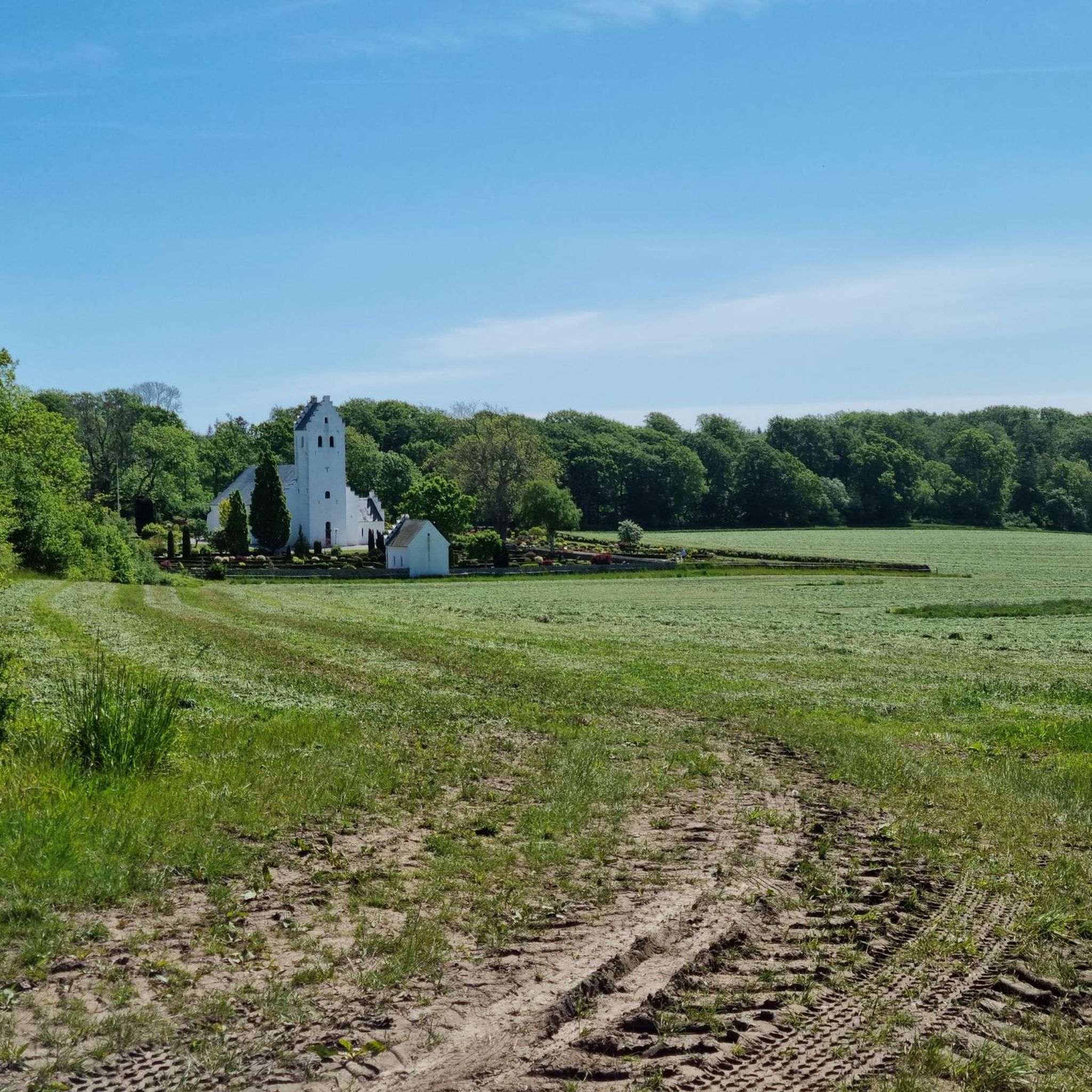
Bregnet Kirke is beautifully located overlooking Egens Vig. Some carved stones on the pedestal are likely the remains of a former Romanesque church. The inventory dates from a restoration in 1872, during which everything original was discarded except for the Romanesque baptismal font with a lion motif. Often, Romanesque stone churches replaced an older wooden church. This was of course also the case in Bregnet. Perhaps the first church was built as a pilgrimage church in connection with the holy "Tobias spring" in Ringelmoseskoven, east of the church. https://www.visitaarhus.de/region-aarhus/reiseplanung/bregnet-kirche-gdk606023
2
0
The Ørnbjerg Mølle is the only fully functioning watermill still in Denmark. It is located nestled in a forest area southeast of Feldballe on the Ulstrup Å river in the idyllic Mols Bjerge National Park on the Djursland peninsula. The roots of the mill date back to the mid-16th century. The current thatched building dates from 1833 and is a protected monument. The site now functions as a museum mill. A freely accessible plank exhibition in the old pigsty (Svinehuset) documents the historical life and work at the mill. A dedicated association of volunteers (Ørnbjerg Møllelaug) maintains the mill. On special occasions (such as the annual Mill Day), the large water wheel is put into operation to grind grain. The surroundings offer picnic areas, two shelter sites for free overnight stays, and two camping sites. Hiking trails start from here, including a beautiful path to the nearby Stubbe Sø. https://www.visitaarhus.dk/aarhusregionen/planlaeg-ferien/oernbjerg-moelle-gdk605940
2
0
The Feldballe Church and its surroundings have a long and fascinating history, reflecting the unique character of the place. A few years ago, a 13th-century brick kiln was excavated near Langesø in the parish of Feldballe. The brick remains were compared with the monks' stones in Feldballe Church, and clay samples from an area known as "Red Graves" proved that the stones of Feldballe Church were fired and shaped both in the parish and from the parish's raw materials. The clay pits and the brick kiln also supplied monks' stones for Møllerup, which was built by Margrave Stig Andersen. As the builder of the church, he must have built the nave and the choir before he was outlawed in 1286 after the murder of King Erik Klipping in Finderup Lade. https://www.visitaarhus.de/region-aarhus/reiseplanung/feldballe-kirche-gdk606148
2
0
"Mols Cathedral" The first Dråby Church was built of monk stone and stood between 1200 and 1400. Masonry and old foundations were found during the restoration of the church between 1967 and 1971. From the beginning of the 14th century and over the following 150 years, the owners of the nearby estate, as well as the noble families Rosenkrantz and Gøye, created more or less the church we see today with major renovations and extensions. In 1720, the church interior was furnished with new furniture in the Baroque style. The crenellated stilt tower was built around the year 1730. On the west side of the tower are the year 1739 and the initials S A B and A R for Sophia Amalia Benzon and her husband Andreas Rosenpalm. https://www.visitaarhus.de/region-aarhus/reiseplanung/draby-kirche-gdk1078953
2
0
Ebeltoft Church is first mentioned in 1458 and referred to as a chapel. However, during an archaeological investigation carried out in connection with the restoration in 1983, coins from the 13th century and foundation remains were found under the eastern part of the church, which show that it was built even before the town received its market town rights in 1301, there was a smaller church. Around the year 1500, the church was extended to the current nave with the addition of five vaults and the tower with crenellated gables. In the 16th century, the church had a women's door on the north and a men's door on the south. There was once a porch on the south side connected to the entrance. However, the porch was demolished at the end of the 18th century. In 2015, the church interior was restored, giving the church a different color scheme that makes the present-day church appear brighter, more harmonious and more striking. https://www.visitaarhus.de/region-aarhus/reiseplanung/ebeltoft-kirche-gdk1078955
2
0


As usual, a rather simple but warm interior .. nice to look at
3
0

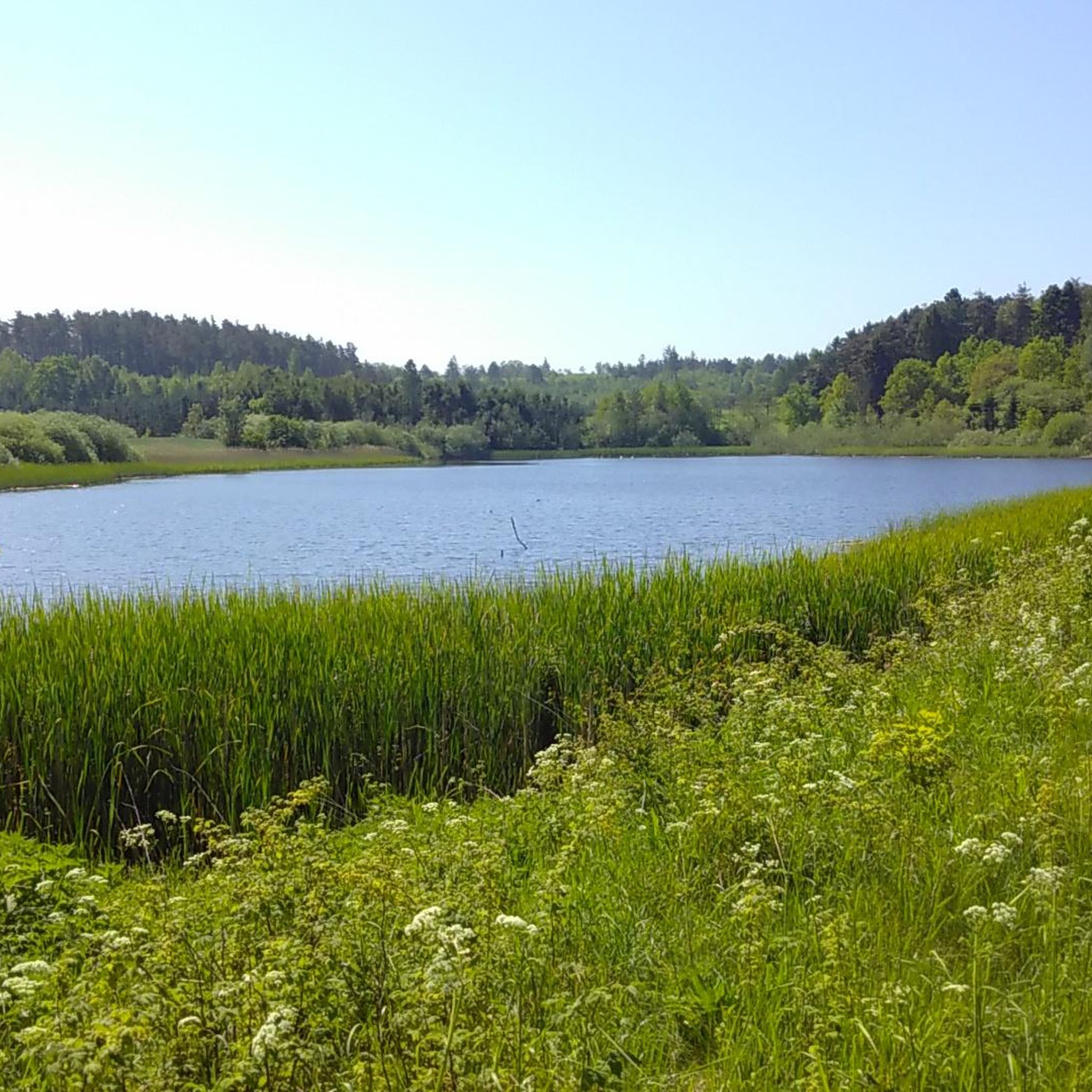
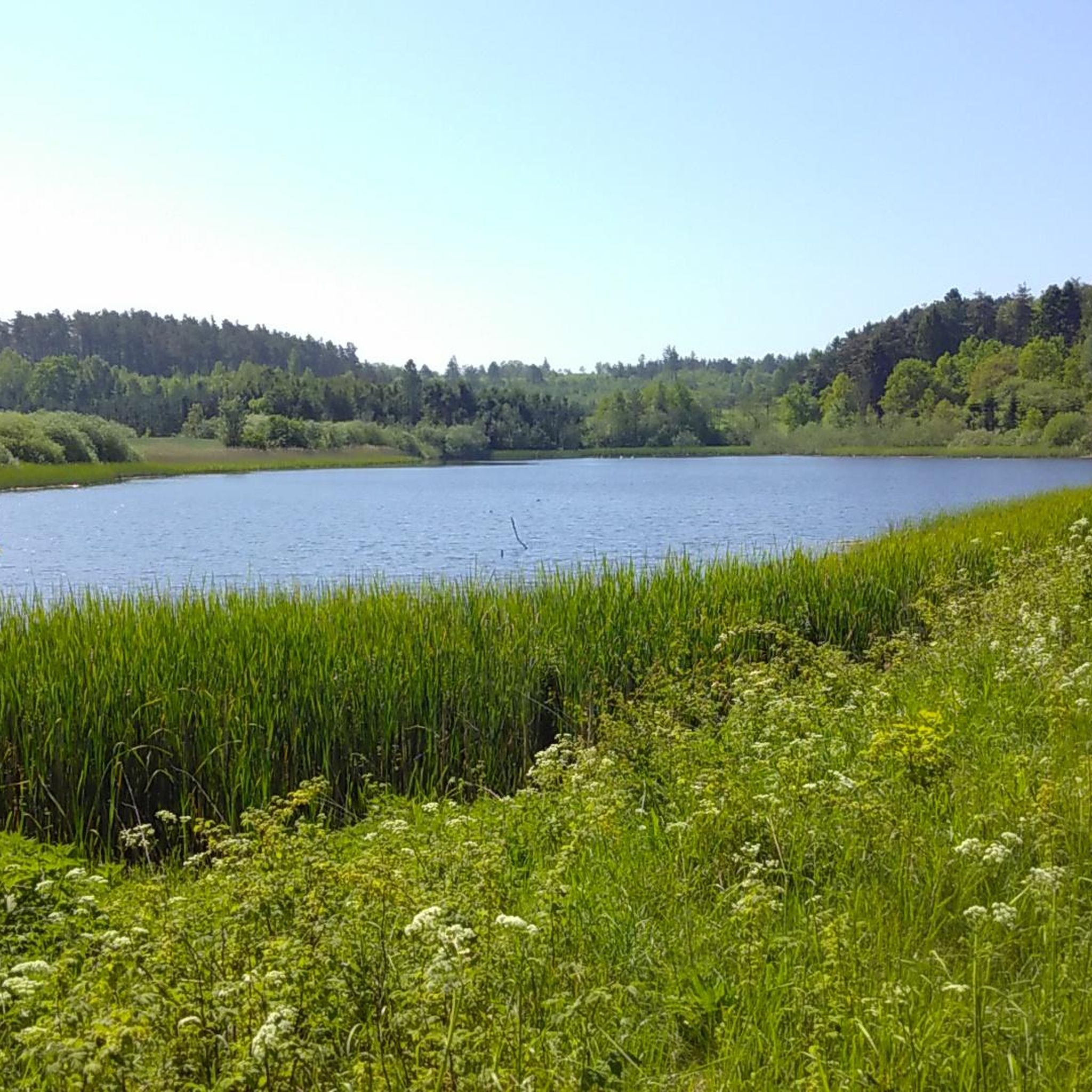
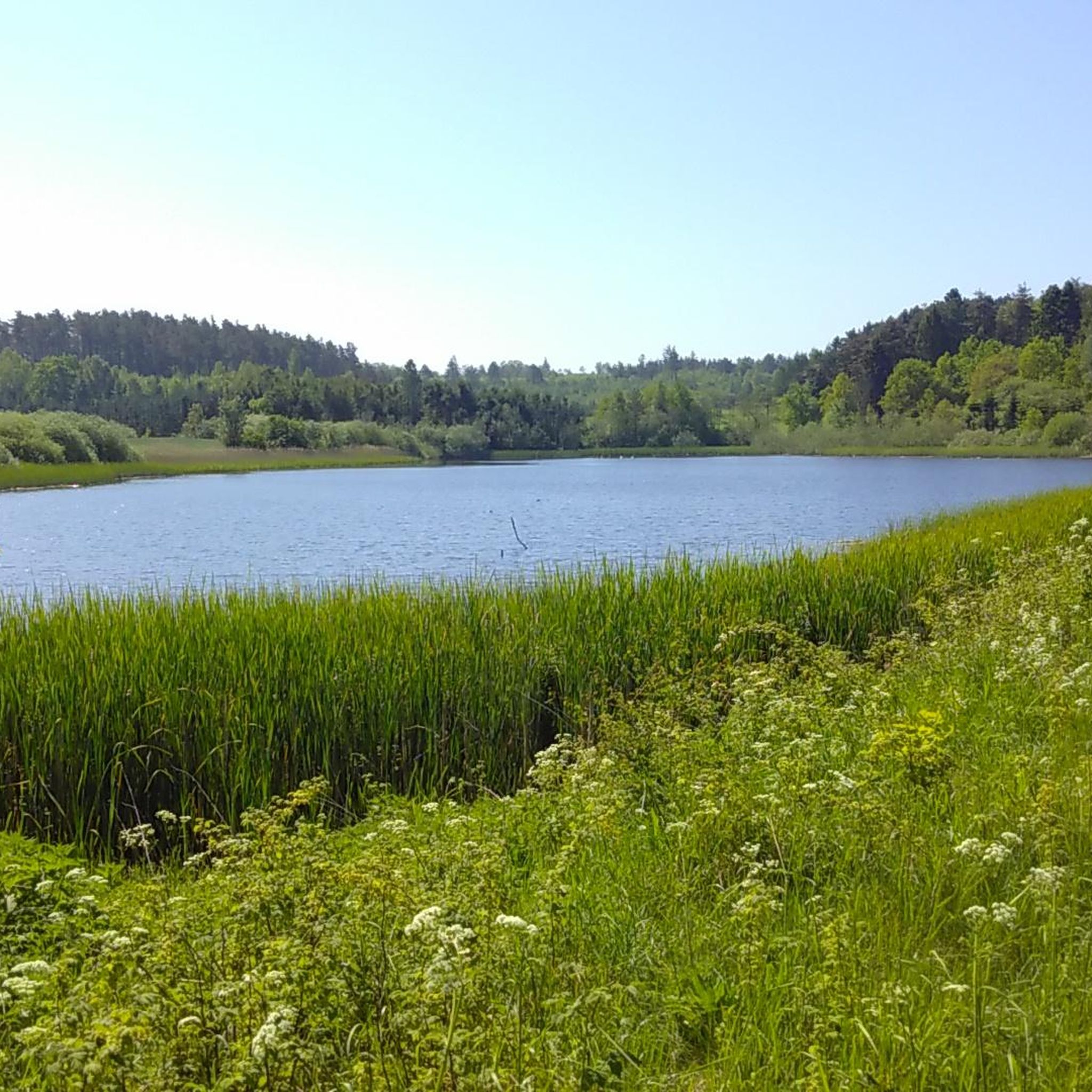
Thatched watermill with outbuildings and pond. A lovely spot for a picnic!
0
0
Frequently Asked Questions
How many gravel bike trails are available in the Hvalskov area?
The Hvalskov area offers a good selection of gravel biking routes, with over 25 trails available. These routes cater to various skill levels, from easy forest paths to more challenging, longer rides.
What kind of terrain can I expect on gravel bike trails near Hvalskov?
Gravel biking in the Hvalskov area features diverse terrain. You'll find tranquil forest paths, grit-paths, and some routes with rolling hills. The region is influenced by the Gudenå River Valley, offering picturesque scenery, and dense woodlands like those near Aarhus, such as Marselisborg Forests, provide varied landscapes. Some routes also include coastal stretches.
Are there any easy gravel bike trails suitable for beginners in Hvalskov?
Yes, there are several easy gravel bike trails. For instance, the Mols Bjerge Trail - Kalø Stage is an easy 6.4-mile (10.4 km) route that takes about an hour to complete, offering a pleasant ride through varied landscapes.
Are there any challenging or long gravel bike routes in the Hvalskov region?
For experienced riders seeking a challenge, the Hvalskov area has options. The View of Begtrup Bay – Sletterhage Lighthouse loop from Femmøller is a difficult 41.1-mile (66.1 km) path featuring coastal stretches and diverse terrain, typically completed in about 5 hours.
What do other gravel bikers say about the trails in Hvalskov?
The gravel biking routes in Hvalskov are highly regarded by the komoot community, holding an average rating of 4.9 stars from more than 10 reviews. Over 200 gravel bikers have explored the varied terrain, often praising the scenic beauty and diverse landscapes.
Are there any loop routes for gravel biking in Hvalskov?
Yes, many routes in the Hvalskov area are designed as loops. For example, the View of Lake Langsø – View of Øjesø loop from FDO Lager J-1 is a 13.7-mile (22.1 km) trail that leads through woodlands and past lakes, offering a scenic circular ride.
What are some scenic viewpoints or natural landmarks to look out for on the trails?
The region offers several scenic spots. The Gudenå River Valley provides picturesque views, and you can find routes that pass by lakes, such as the View of Lake Langsø – View of Øjesø loop from FDO Lager J-1. Additionally, the View from Trehøje – View from Trehøje loop from Nordmandsvej/Hovedgaden suggests a route with elevated views. The coastline near routes like Bønnerup Beach – View of the Baltic Sea loop from Ryomgård also offers beautiful vistas.
Can I access gravel bike trails in Hvalskov using public transport?
While specific public transport connections directly to every trailhead in Hvalskov are not detailed, the broader Favrskov municipality and Aarhus region have public transport options. It's advisable to check local bus or train schedules to nearby towns and plan your route from there. The low population density in the countryside means some trailheads might require a short ride from the nearest public transport stop.
Are there any historical sites or attractions near the gravel biking routes?
Yes, the region around Hvalskov offers historical sites. Along the Gudenå River, you can find historic towpaths that are well-suited for cycling and connect to the region's cultural heritage. Further afield, you might explore sites like Clausholm Castle or the Iron Age burial monument Høj Stene, which can be combined with outdoor trips in the area. For more information on attractions in the Favrskov area, you can visit visitaarhus.com.
What is the best season for gravel biking in Hvalskov?
The diverse landscapes of Hvalskov, including woodlands and river valleys, are generally enjoyable throughout the warmer months, from spring to autumn. During these seasons, the trails are typically in good condition, and the weather is more favorable for outdoor activities. Winter conditions can vary, with potential for snow or ice, which might make some trails more challenging.
Are there family-friendly gravel biking options in Hvalskov?
The Hvalskov area offers routes suitable for various skill levels, including easier paths that can be enjoyed by families. The tranquil forest paths and less challenging sections of trails, particularly those away from the more difficult coastal or hilly areas, are good options for family outings. Always check the route's difficulty and length to ensure it matches your family's capabilities.
Are there places to eat or stay near the gravel bike trails in Hvalskov?
While Hvalskov itself is a locality, the surrounding Favrskov municipality and the broader Aarhus region offer various amenities. You'll find cafes, pubs, and accommodation options in nearby towns and villages. Planning your route to pass through or end near these populated areas will ensure access to refreshments and lodging.
Most popular routes in Hvalskov

Get inspired with the komoot mobile app


Explore more
Browse the best Gravel rides in other regions.
