The best gravel rides around Pataias
2.5
(2)
11
riders
4
rides
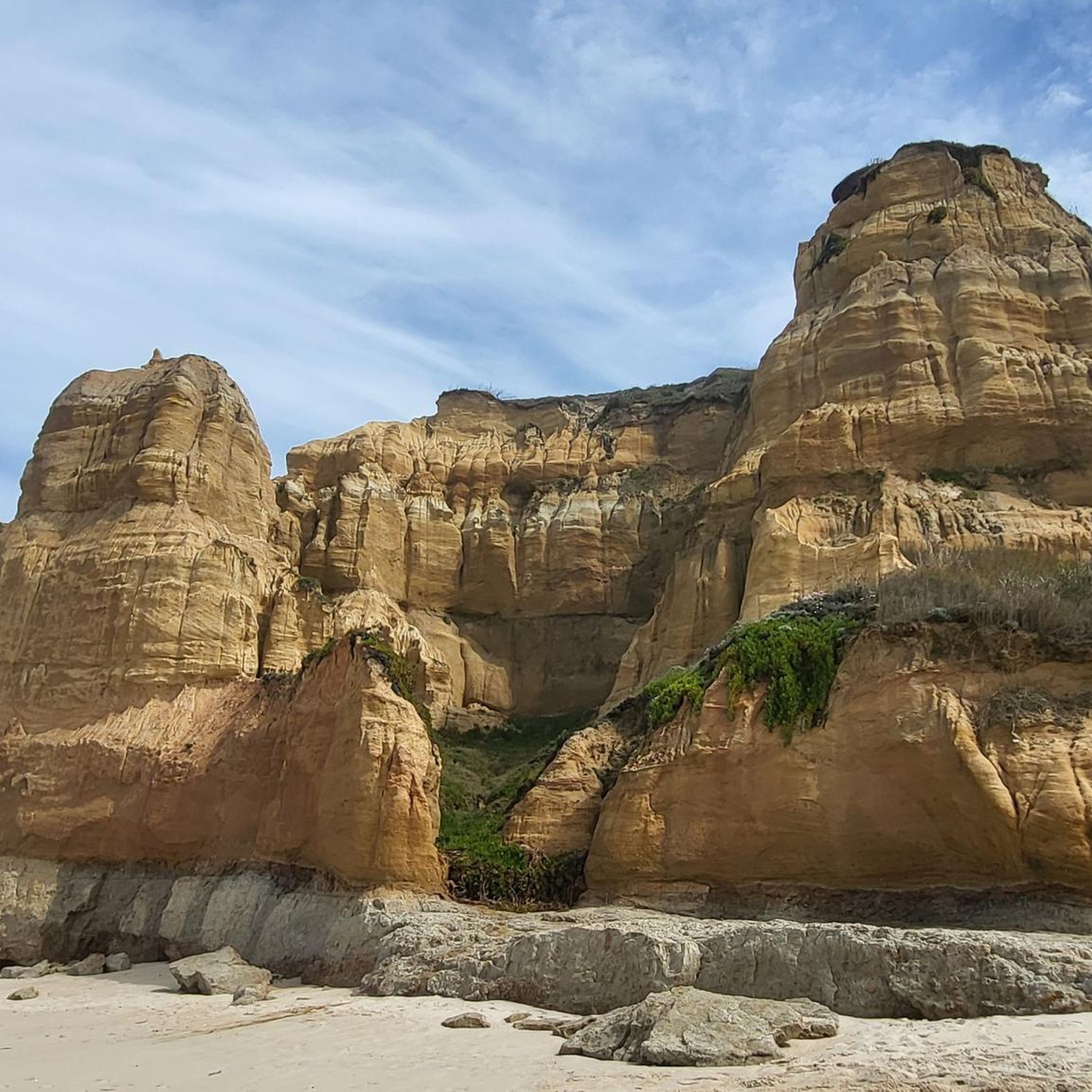
Gravel biking around Pataias offers a diverse landscape for riders. The region features a mix of coastal paths, rural trails, and routes connecting historical sites like monasteries and castles. Terrain varies from relatively flat sections along the Atlantic coast to rolling hills with moderate elevation gains further inland. These characteristics provide varied experiences for gravel cyclists exploring the Pataias area.
Best gravel bike trails around Pataias
- The most popular gravel bike trail is Batalha Monastery – Porto de Mós Castle…
Last updated: October 20, 2026
4.0
(1)
5
riders
46.7km
03:03
450m
450m
Moderate gravel ride. Good fitness required. Mostly paved surfaces. Suitable for all skill levels.
2
riders
28.2km
01:58
250m
250m
Moderate gravel ride. Good fitness required. Mostly paved surfaces. Suitable for all skill levels.

1.0
(1)
3
riders
54.7km
03:29
590m
590m
Hard gravel ride. Very good fitness required. Mostly paved surfaces. Suitable for all skill levels.
1
riders
27.5km
01:53
410m
410m
Moderate gravel ride. Good fitness required. Mostly paved surfaces. Suitable for all skill levels.
Our route recommendations are based on thousands of hikes, rides, and runs completed by other people on komoot.
Start today with a free account
Your next adventure awaits.
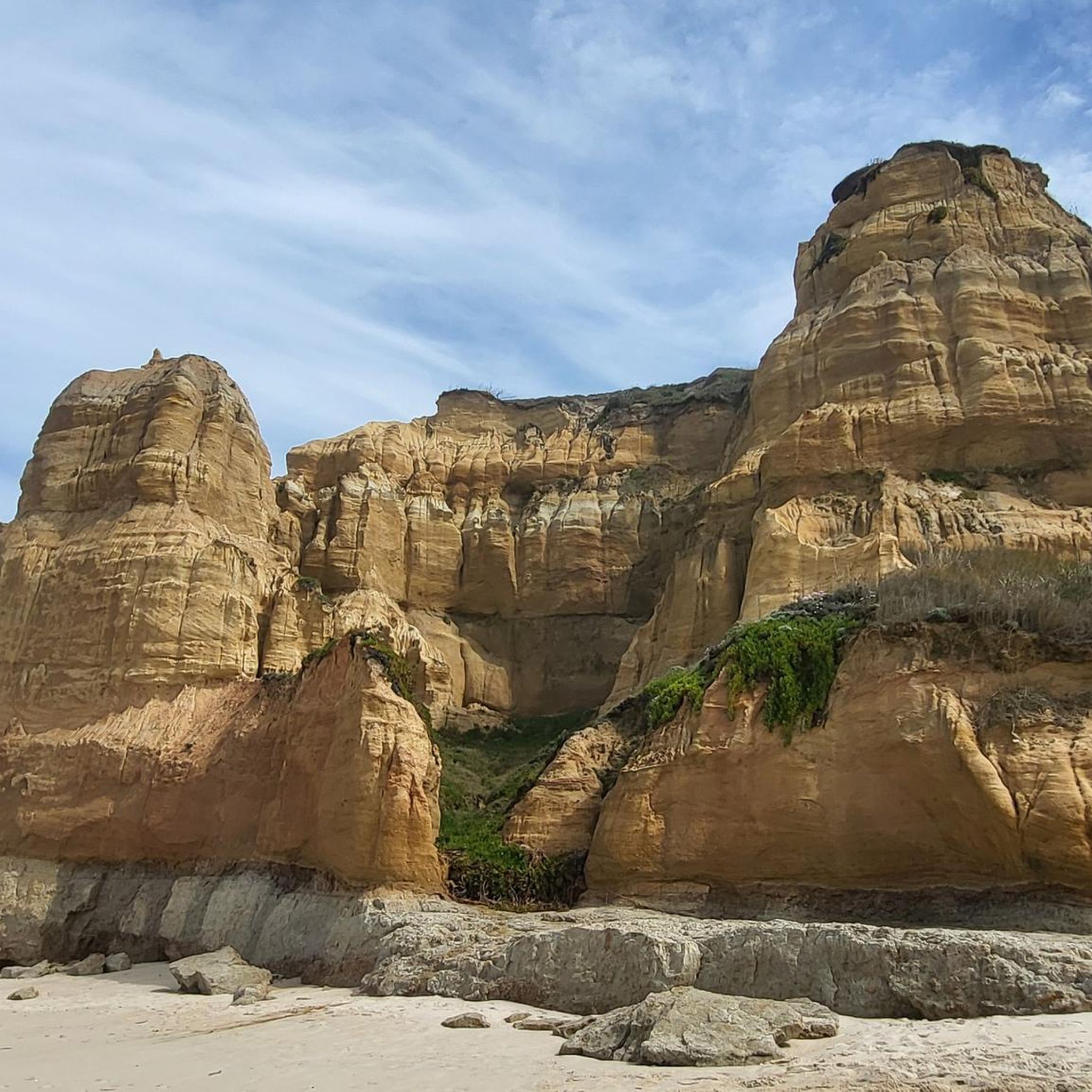
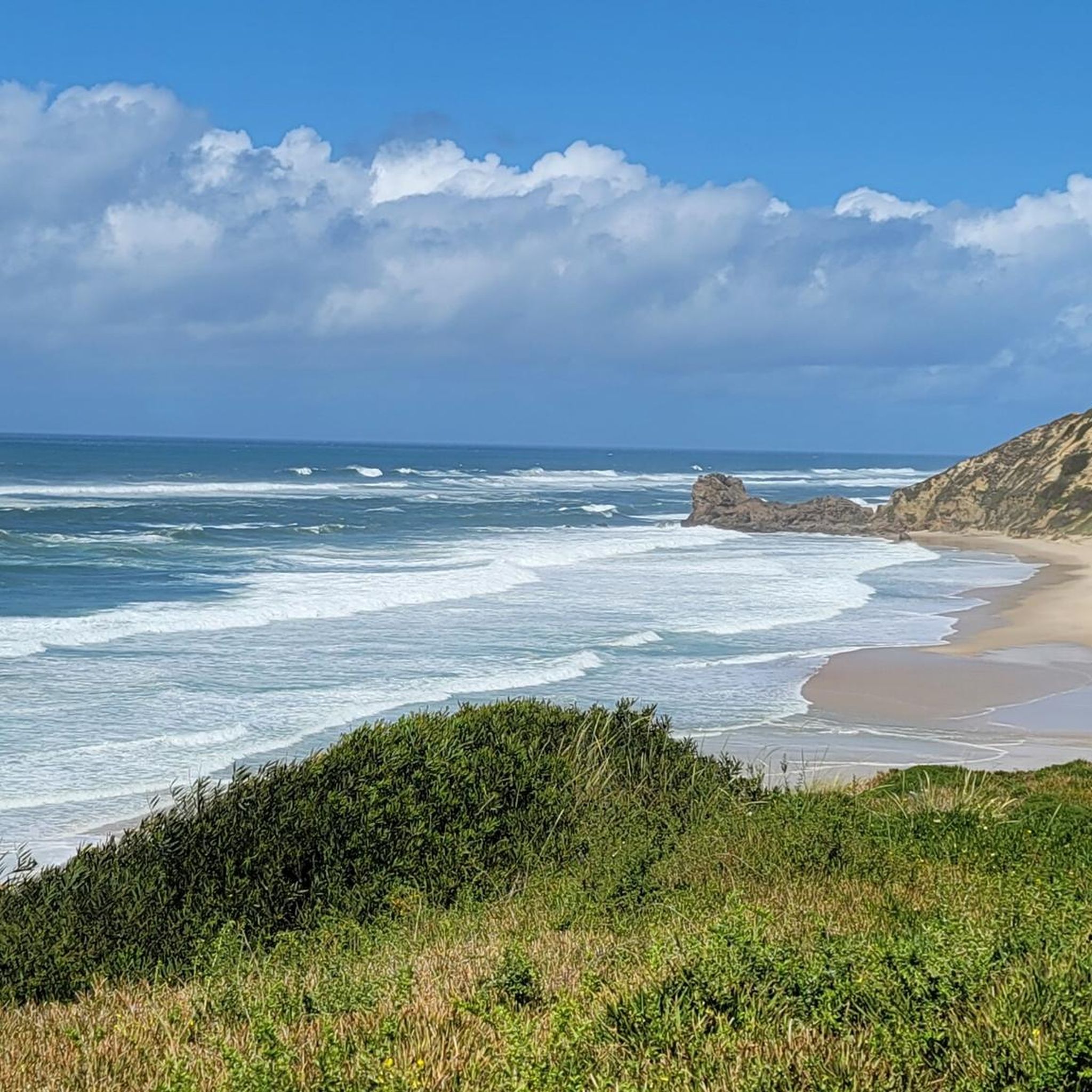
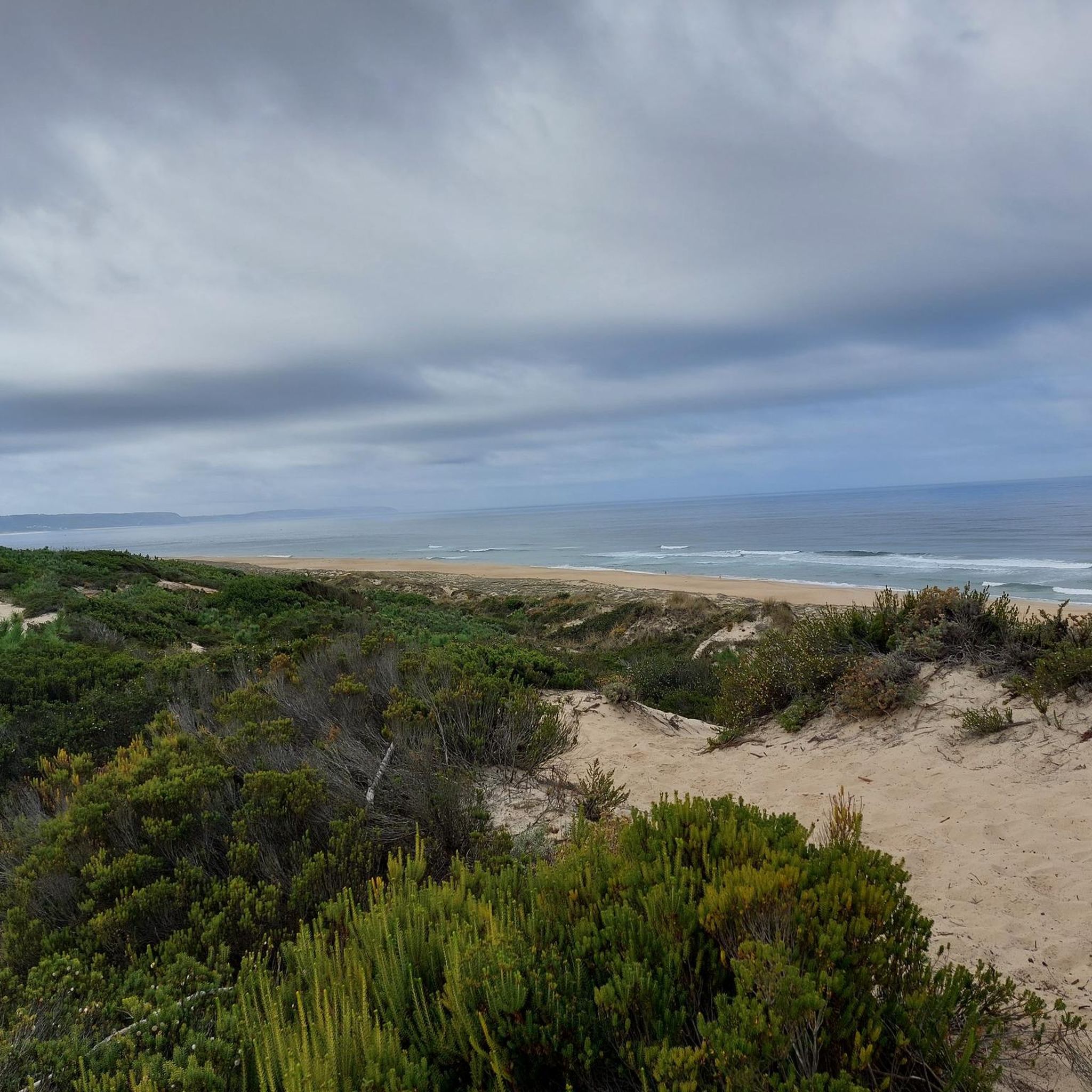
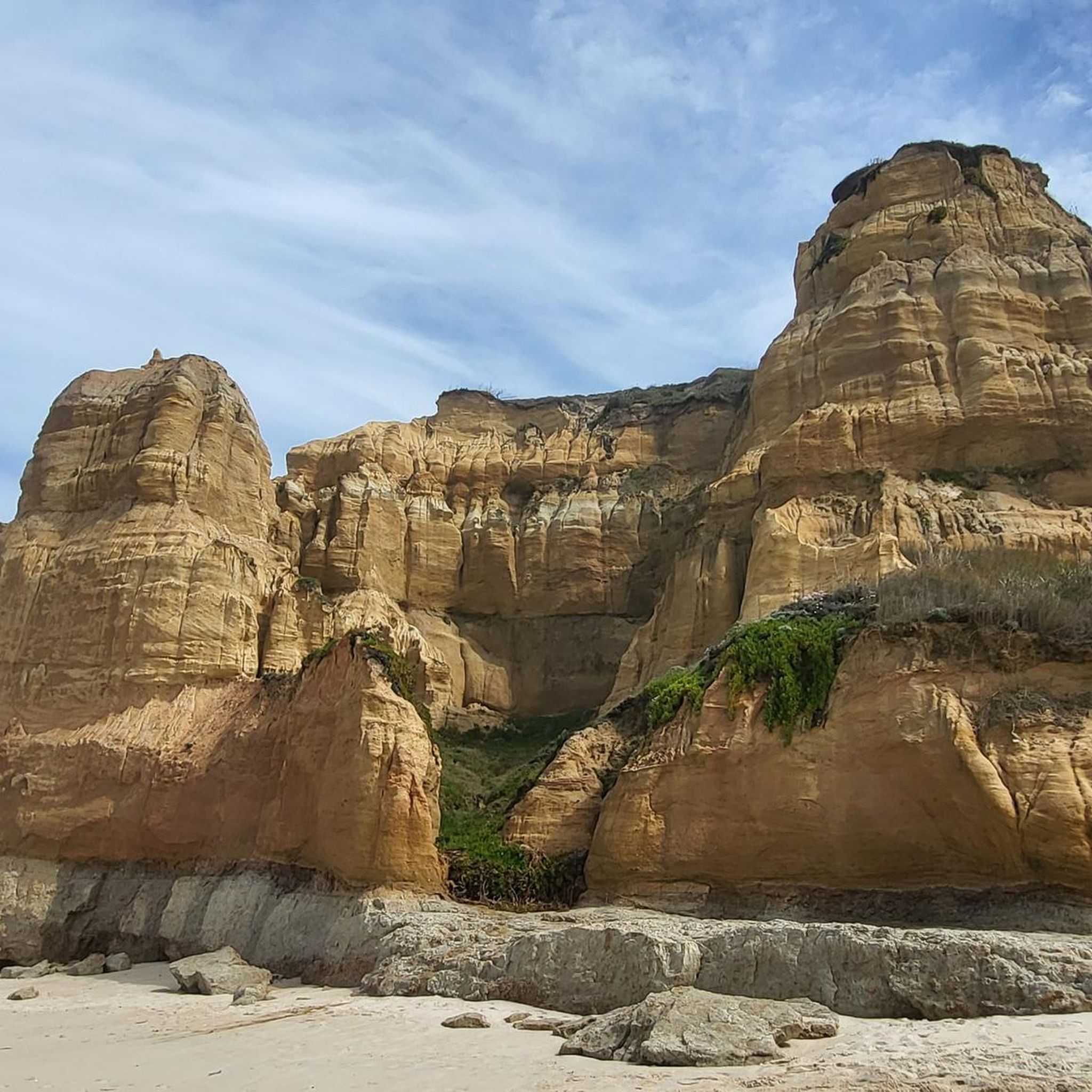
Tips from the Community


Opening Hours: The sanctuary is open every day, generally from 9 am to 6 pm. It is a place of worship, therefore masses are also held regularly. Price: Entry to the sanctuary is free. Accessibility: It has wheelchair accessible parking. How to Get There: Access to the site can be made by car or by the Nazaré Elevator (funicular), which connects the beach to the upper part of the city and provides a scenic route.
2
0
The Legend: The story of the image is told through the paintings in the church and sacristy, which allude to the miracle that occurred near the cliff. Location: The sanctuary is next to the famous Miradouro do Sítio da Nazaré (or Suberco), which offers a fantastic view of the beach and the village of Nazaré.
2
0
Architecture and History: The church was built on the site where, according to legend, the Virgin Mary saved the knight D. Fuas Roupinho from falling off the cliff. The facade has inscriptions in Latin, including "Deiparae Virgini a Nazareth" ("Virgin of Nazareth, Mother of God"). The interior houses the Sacred Image of the Black Virgin, carved in wood and which, according to tradition, was brought to the site in the year 711.
2
0
The Sanctuary of Our Lady of Nazaré is located in Sítio da Nazaré, the upper part of the town of Nazaré, in Portugal. It is a place of great religious and historical importance, intimately linked to the legend that gave rise to the devotion to Our Lady of Nazaré.
2
0

Gorgeous views! The climb to Alqueidão da Serra is tough for beginners.
1
0

The magnificent entrance portico of the Igreja de Santa Maria da Vitória is unique in the history of Portuguese art, a work by the Master Huguet (1402–1438). It features an elaborate iconographic ensemble comparable only to the great porticoes of European cathedrals: six apostles on each side, virgins, martyrs, popes, monks, angel figures, God, and the four evangelists...
1
0
After the revolution of 1383, Portugal found itself in a difficult conflict with the neighboring Kingdom of Castile. The battle was decided in 1385 when the Castilian and Portuguese armies clashed at the Battle of Aljubarrota. The Castilians outnumbered and were better armed. As a military leader, Nuno Álvares Pereira loyally stood by his patron, John of Avis. The Portuguese achieved a resounding victory, which is attributed in particular to the strategic genius of Nuno Álvares Pereira. With this victory, the Castilian claims to Portugal were permanently repelled. John of Avis was proclaimed king by the Cortes, as John I of Portugal, thus establishing the second Portuguese dynasty, the House of Avis. Nuno Álvares Pereira became a national hero, and the grateful king showered him with honors and material possessions.
2
0
Frequently Asked Questions
What types of gravel bike trails can I expect around Pataias?
Pataias offers a diverse landscape for gravel bikers, featuring a mix of coastal paths, rural trails, and routes that connect historical sites like monasteries and castles. The terrain varies from relatively flat sections along the Atlantic coast to rolling hills with moderate elevation gains further inland, providing varied experiences for all riders.
Are there easy gravel bike trails suitable for beginners in Pataias?
Yes, Pataias offers several moderate gravel bike routes perfect for beginners or those looking for a less strenuous ride. For example, the Nazaré road to the top – Atlantic Coast Cycle Path loop from Centro offers scenic coastal views, and the Fonte de Fanhais loop from Pataias takes you through pleasant rural landscapes.
Where can I find more challenging gravel bike routes around Pataias?
For those seeking a more challenging ride, the Batalha Monastery – Porto de Mós Castle loop from Pataias is an excellent option. This route is rated as difficult and connects significant historical landmarks with varied and demanding terrain, covering over 55 km.
Are there any circular gravel bike routes in the Pataias area?
Yes, many of the gravel bike routes around Pataias are designed as loops, allowing you to start and finish in the same location. Examples include the Fonte de Fanhais loop from Pataias and the Batalha Monastery – Porto de Mós Castle loop from Pataias.
What are some scenic viewpoints or attractions I can see while gravel biking near Pataias?
The region boasts several scenic spots and historical attractions. You can encounter the famous Nazaré — Giant Waves, the Penedo da Saudade Lighthouse, or enjoy panoramic views from Mount Saint Bartholomew. Many routes also pass by historical monasteries and castles.
What do other gravel bikers enjoy most about gravel biking in Pataias?
The komoot community highly rates the gravel biking experience in Pataias, with an average score of 4.0 stars. Riders often praise the diverse landscapes, from coastal paths to rural trails, and the opportunity to connect with historical sites. The variety of routes caters to different ability levels, making it enjoyable for many.
Are there any gravel bike routes that are particularly family-friendly in Pataias?
While specific 'family-friendly' designations aren't always explicit for gravel routes, the moderate trails like the Nazaré road to the top – Atlantic Coast Cycle Path loop from Centro, with its coastal views and relatively stable terrain, can be suitable for families with some biking experience. Always check the route details for elevation and surface type to ensure it matches your family's comfort level.
Is there parking available near the gravel bike trails in Pataias?
Yes, Pataias is a well-established area, and you'll generally find parking options in and around the main towns and trailheads. Many routes, being loops, often start from central points in Pataias or nearby villages where public parking is available. It's advisable to check specific starting points for detailed parking information.
What is the best time of year for gravel biking in Pataias?
The mild climate of the Portuguese coast makes Pataias suitable for gravel biking for much of the year. Spring (April-May) and Autumn (September-October) offer pleasant temperatures and less crowded trails. Even winter can be enjoyable, though some coastal sections might be windier. Summers can be hot, so early morning or late afternoon rides are recommended.
Are there gravel bike routes that include cafes or places to stop for refreshments?
Many routes in the Pataias region pass through or near villages and towns where you can find local cafes and restaurants. For instance, routes that connect to Nazaré or other coastal towns will offer plenty of opportunities for refreshments. The rural routes might have fewer options, so planning ahead or carrying snacks is recommended.
Can I access gravel bike trails in Pataias using public transport?
Pataias and surrounding towns are served by regional bus lines, which can provide access to various starting points for gravel bike routes. While direct public transport to every trailhead might not be available, you can often reach a nearby town and cycle to the start. Check local bus schedules for specific routes and bike carriage policies.
Are there any hidden gem gravel trails in Pataias that are less known?
Beyond the popular routes, the extensive network of rural trails connecting the inland villages and agricultural areas offers many quieter, less-traveled paths. Exploring routes like the Monastery of Santa Maria de Coz – Prévia Trail loop from Pisões can lead you to serene landscapes and a more secluded gravel biking experience away from the main tourist hubs.
Most popular attractions around Pataias

Get inspired with the komoot mobile app


Explore more
Browse the best Gravel rides in other regions.
