The best gravel rides around Barciany
4.0
(1)
24
riders
16
rides
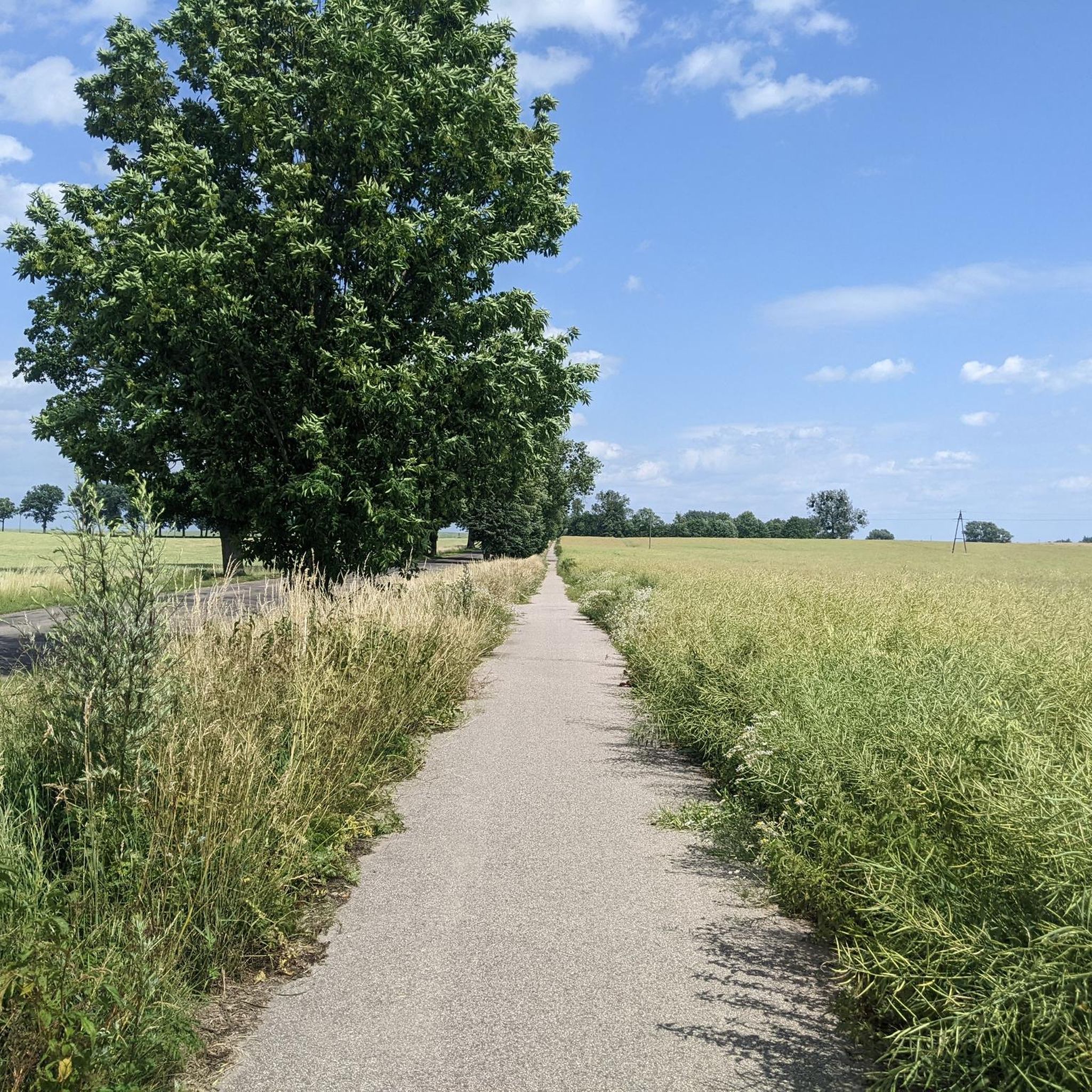
Gravel biking around Barciany features a landscape characterized by extensive forest districts and rural paths within Poland's Warmian-Masurian Voivodeship. The region is part of the Masurian Lake District, offering varied terrain with a mix of compacted gravel paths, forest tracks, and quiet roads. Elevation changes are generally moderate, providing both flat sections and gentle climbs suitable for gravel cycling. This network of unpaved roads and trails connects natural areas with historical sites, including the 14th-century Gothic Teutonic Castle in Barciany.
…Last updated: May 22, 2026
2
riders
32.2km
02:39
140m
140m
Moderate gravel ride. Good fitness required. Mostly paved surfaces. Suitable for all skill levels.
5
riders
Moderate gravel ride. Good fitness required. Mostly paved surfaces. Suitable for all skill levels.

Sign up for free
3
riders
33.6km
02:06
200m
200m
Moderate gravel ride. Good fitness required. Mostly paved surfaces. Suitable for all skill levels.
5
riders
37.1km
02:12
200m
200m
Hard gravel ride. Good fitness required. You may need to push your bike for some segments of this route.
4.0
(1)
2
riders
Moderate gravel ride. Good fitness required. Mostly paved surfaces. Suitable for all skill levels.
Get access to more routes and recommendations from other explorers.
Sign up for free
Already have an account?
Our route recommendations are based on thousands of hikes, rides, and runs completed by other people on komoot.
Start today with a free account
Your next adventure awaits.
Login or Signup
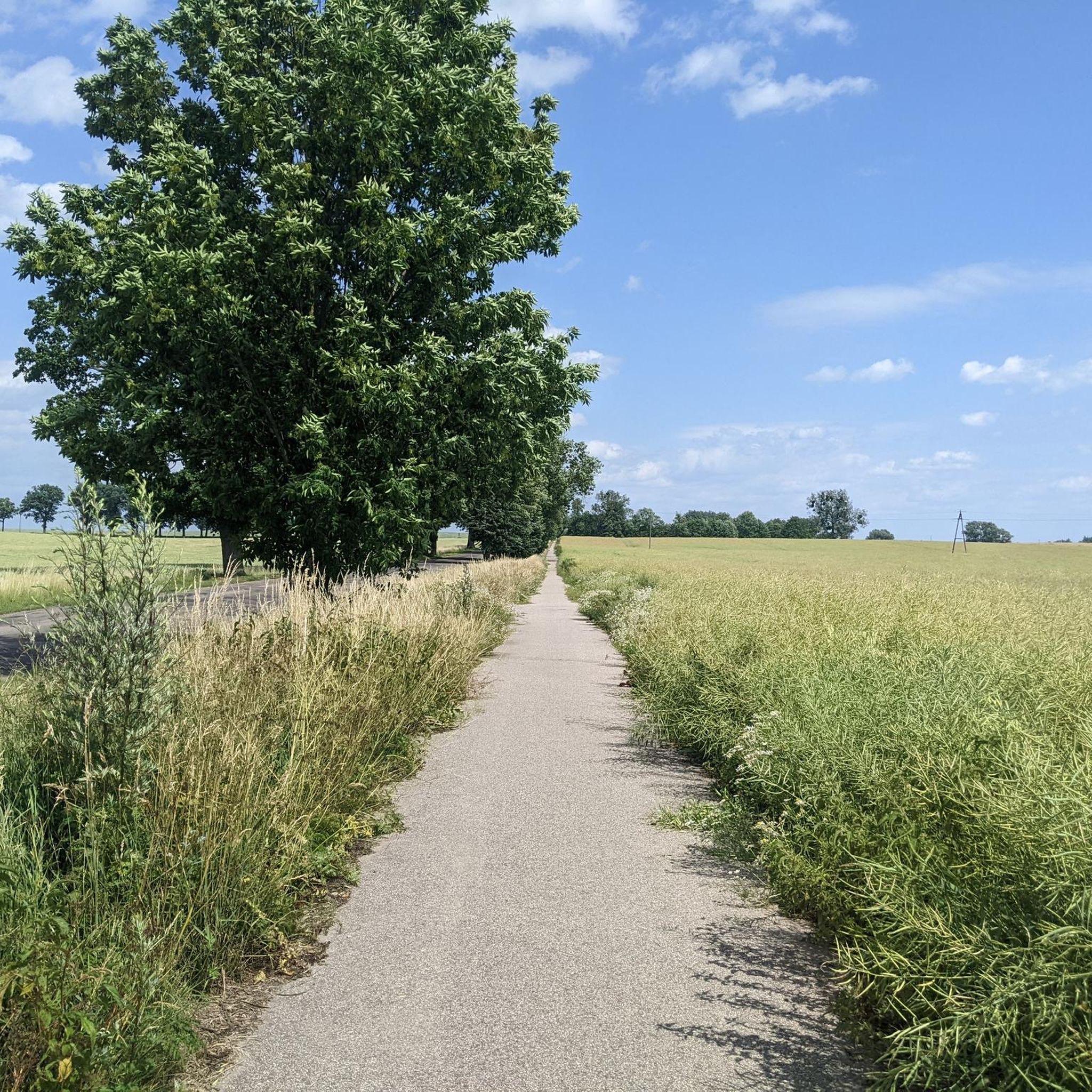
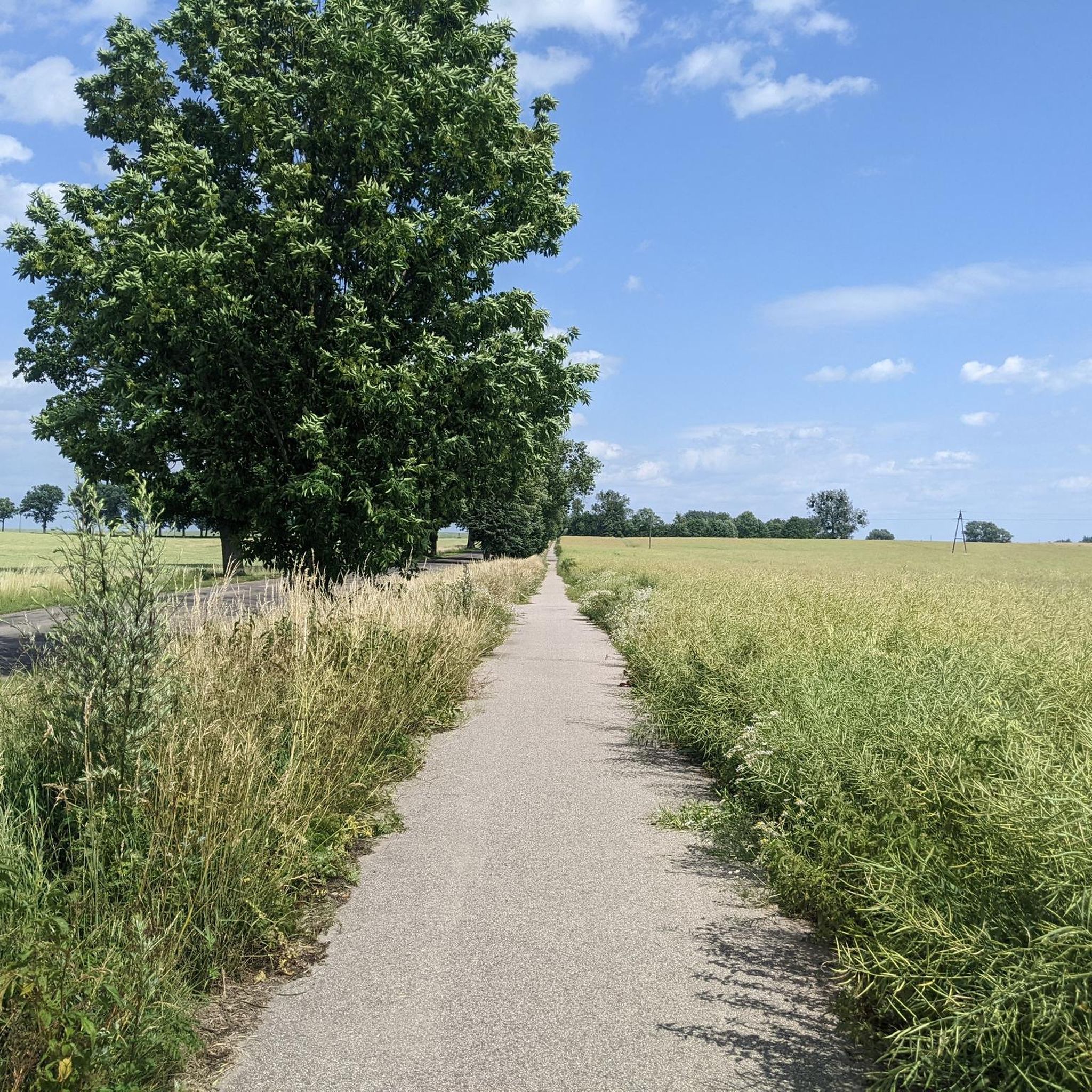
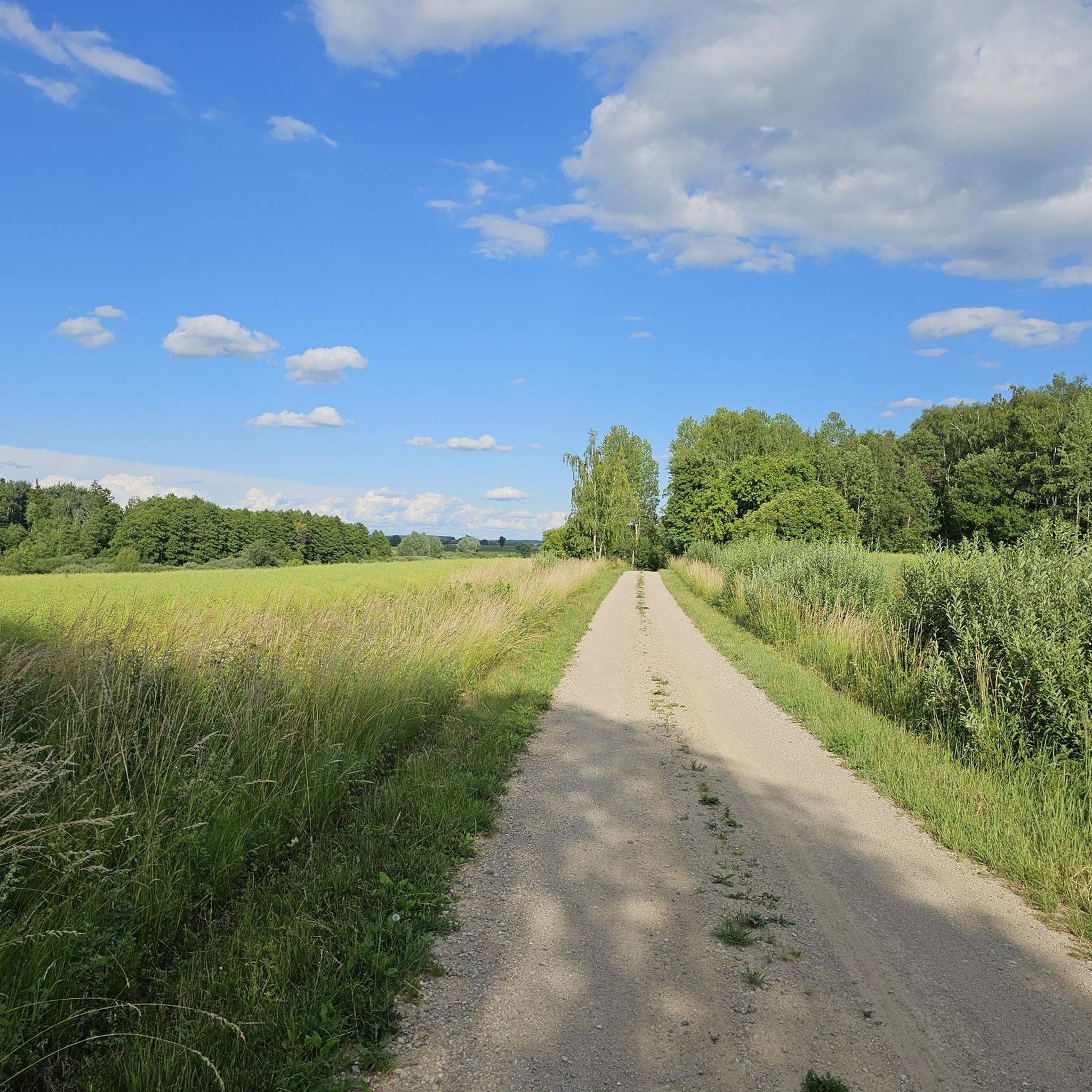
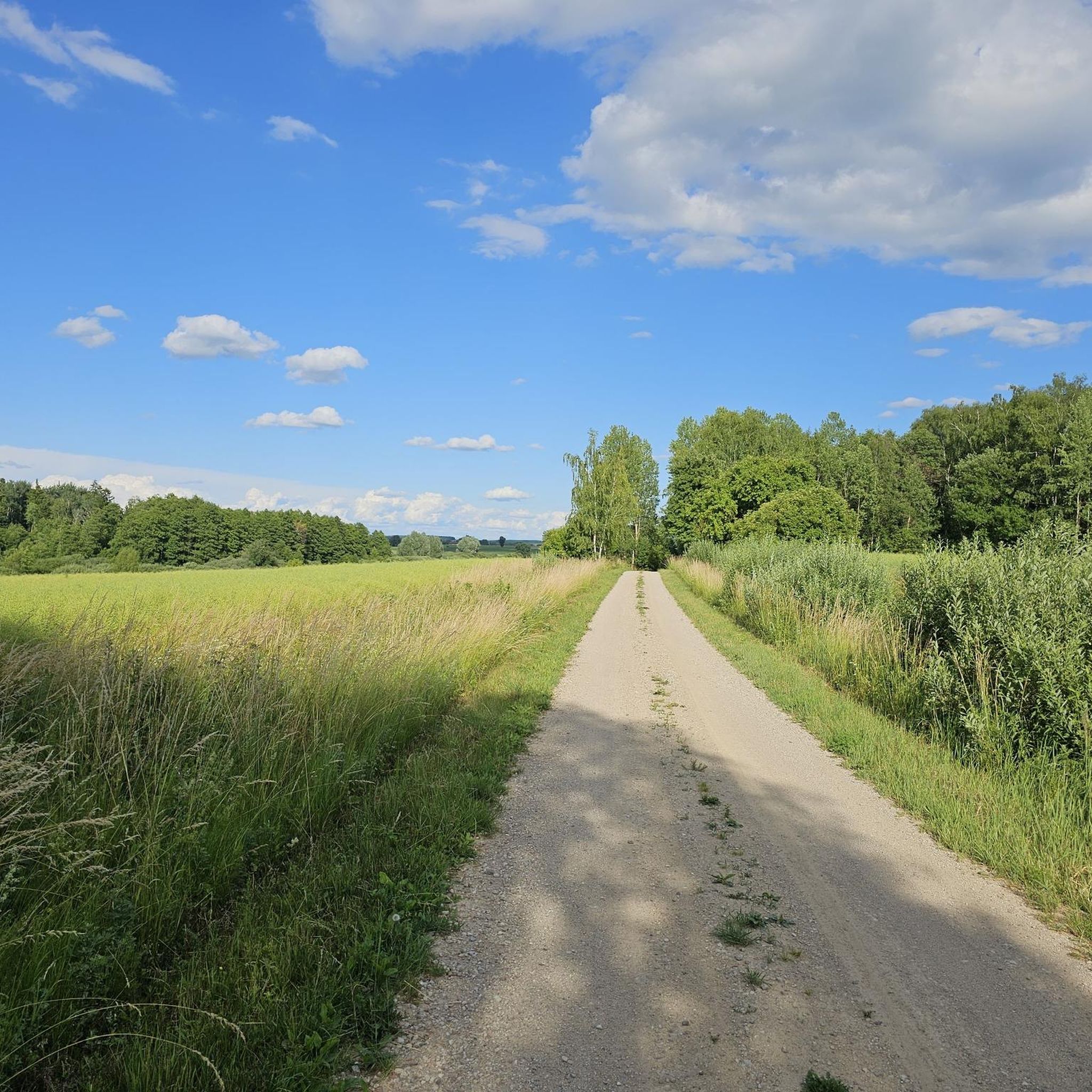
Tips from the Community

In Wolf's Lair I recommend a tour with an audio guide. Getting there by bike is not easy - especially when it's windy, rainy and thundering.
1
0


An interesting section of the route with a dirt road.
0
0
Better not to have the need to look here:)
1
0
One of the few elements of the former railway.
0
0
It is a bit away from the entire Wolf's Lair complex.
0
0
Since the State Forests took over the facility in 2017, this place has become more and more attractive.
0
0

The basilica, built on the site of a former watchtower from 1359, expanded until the early 16th century, is the best-preserved defensive church in Masuria. Initially, it was a hall-type, single-nave building located in the southwestern corner of the city. Defensive porches and a tower topped with battlements were built in the crown of the walls. At the beginning of the 15th century, a second tower (bell tower) was built, and at the end of the century, the building was rebuilt into a three-nave pseudo-basilica (the northern side nave was added, the central and southern naves are located within the outline of the hall church). After a fire in 1500, during the reconstruction, the existing and characteristic deviation of the church's axis was created. In the church, the following are worthy of attention: the crystal vaults from 1515 by Master Matz from Gdańsk, the 16th-century pulpit, the organs from 1721 (Josue Mosengel, the creator of the organs in Święta Lipka) were rebuilt - the current one from 1975 has 43 voices, the tombstone of Krzysztof Schenk von Tautenburg from 1597 and the prison (entrance from the church) located under the high tower. After the Germans were expelled in 1945, the church was used by the Kętrzyn Evangelical parish. A year later, in 1946, the building was requisitioned by the communist authorities and immediately transferred to the Roman Catholic Church. Since then, the small "Polish church" of St. George, built next door in the mid-16th century, has been the only Evangelical church in the city. As a Roman Catholic temple, the church of St. George has held the title of minor basilica since 22 July 1999, and since 7 June 1992 it has also served as a collegiate church. In the church, the former chapel of St. James served as a baptistery after the Reformation, which after 1946 was architecturally shaped on the model of the Gate of Dawn in Vilnius. Within the preserved defensive walls, adjacent to the church of St. George, there is a former rectory (14th/15th–16th centuries), built in the Middle Ages, and later a pastor's house (16th century – 1817), converted into a gymnasium in the 19th century (1817–1907), until 1945 it functioned as the so-called Widow's House – a place of residence for the wives of deceased priests. The gate at the western façade leads to the area between the walls, where a lapidarium has been arranged, containing a collection of historic tombstones, monuments, epitaphs and cast iron crosses. http://bazylika.ketrzyn.pl https://pl.wikipedia.org/wiki/Bazylika_kolegiacka_%C5%9Bw._Jerzego_w_K%C4%99trzynie
0
0
Frequently Asked Questions
How many gravel bike trails are available around Barciany?
There are over 10 gravel bike routes in the Barciany area, offering a variety of experiences for different skill levels. You'll find a mix of easy, moderate, and challenging options to explore.
What kind of terrain can I expect on gravel bike trails near Barciany?
The gravel bike trails around Barciany are characterized by extensive forest districts and rural paths. You can expect varied terrain with moderate elevation changes, providing a good mix of flat sections and gentle climbs. The network of unpaved roads and trails connects natural areas with points of interest.
Are there any challenging gravel bike routes in the Barciany region?
Yes, for those seeking a challenge, there are several routes with more demanding sections. One notable challenging route is the Wolf's Lair (Wolfsschanze) – Wolf's Lair (Wolfsschanze) loop from Kętrzyn, which is 21.9 miles (35.2 km) long and leads through historical sites and local landscapes.
Are there any family-friendly gravel cycling options around Barciany?
While specific 'family-friendly' designations aren't always explicit, routes with moderate difficulty and shorter distances are generally suitable. The region's rural paths and forest districts offer a safe and enjoyable environment for families, especially on the easier sections. Always check the route details for elevation and surface conditions to ensure it matches your family's abilities.
What historical sites or attractions can I see along the gravel bike trails?
Many gravel routes in the Barciany area pass by significant historical sites. You can cycle past landmarks such as the Wolf's Lair (Wolfsschanze), Kętrzyn Castle, and St. George's Church in Kętrzyn. The St. George's Church in Kętrzyn – Kętrzyn Castle loop from Kętrzyn is a great option for combining cycling with historical exploration.
Are there circular gravel bike routes available near Barciany?
Yes, many of the gravel bike routes in the Barciany area are designed as loops, allowing you to start and end at the same point. For example, the Red bicycle trail in Srokowo Forest District (loop from Osikowo) is a popular circular route that navigates through the forest district.
What is the best time of year for gravel biking in Barciany?
The region is generally pleasant for gravel biking from spring through autumn. Summer offers warm weather, but can also bring more tourists. Spring and early autumn provide cooler temperatures and beautiful scenery, making them ideal for exploring the forest districts and rural paths. Always check local weather conditions before heading out.
Are there any longer gravel bike routes for extended rides?
Yes, if you're looking for a longer ride, the Kętrzyn Castle – Eichmedien Manor and Park loop from Kętrzyn covers approximately 29.7 miles (47.9 km) and offers a moderate challenge, connecting historical sites with scenic rural areas.
Can I find routes that are suitable for dog-friendly gravel cycling?
Many of the rural paths and forest trails around Barciany are generally suitable for cycling with dogs, provided they are well-behaved and kept on a leash where necessary. Always be mindful of local regulations, wildlife, and other trail users. It's advisable to choose less crowded routes and ensure your dog is comfortable with the distance and terrain.
Are there any specific routes that offer scenic viewpoints or particularly picturesque sections?
The gravel routes often traverse through scenic forest districts and open rural landscapes, providing many picturesque sections. While specific 'viewpoints' might not be explicitly marked, the natural beauty of the Srokowo Forest District and the historical context along routes like the Wolf's Lair (Wolfsschanze) – Wolf's Lair (Wolfsschanze) loop from Kruszewiec offer a visually engaging experience.
What do other gravel bikers enjoy most about gravel biking in Barciany?
The komoot community frequently praises the varied terrain, which includes a good mix of forest paths and rural roads, and the opportunity to combine cycling with exploring historical sites. The region's moderate elevation changes are also appreciated, offering an accessible yet engaging experience for many riders.
Most popular attractions around Barciany

Get inspired with the komoot mobile app


Explore more
Browse the best Gravel rides in other regions.
