The best gravel rides around Vancouver
4.9
(36)
358
riders
9
rides
Gravel biking around Vancouver offers a diverse landscape where coastal mountains meet the Pacific Ocean, providing varied terrain for cycling. The region features extensive trail networks that traverse dense forests, unpaved roads, and scenic waterfronts. Riders can experience everything from challenging climbs with technical elements to smoother sections along rivers and dykes. This geographical setting provides a blend of urban proximity and natural wilderness for gravel cycling.
Best gravel bike trails around Vancouver
- The most popular gravel bike trail is…
Last updated: August 21, 2026
4.8
(11)
66
riders
35.5km
02:36
860m
860m
Hard gravel ride. Very good fitness required. Mostly paved surfaces. Suitable for all skill levels.
4.8
(12)
87
riders
38.2km
02:25
630m
630m
Hard gravel ride. Very good fitness required. Mostly paved surfaces. Suitable for all skill levels.

Sign up for free
5.0
(1)
45
riders
56.9km
03:19
710m
710m
Hard gravel ride. Very good fitness required. Mostly paved surfaces. Suitable for all skill levels.
21
riders
Hard gravel ride. Very good fitness required. Mostly paved surfaces. Suitable for all skill levels.
4.9
(11)
36
riders
29.6km
01:51
470m
470m
Hard gravel ride. Very good fitness required. Mostly paved surfaces. Suitable for all skill levels.
Get access to more routes and recommendations from other explorers.
Sign up for free
Already have an account?
Our route recommendations are based on thousands of hikes, rides, and runs completed by other people on komoot.
Start today with a free account
Your next adventure awaits.
Login or Signup
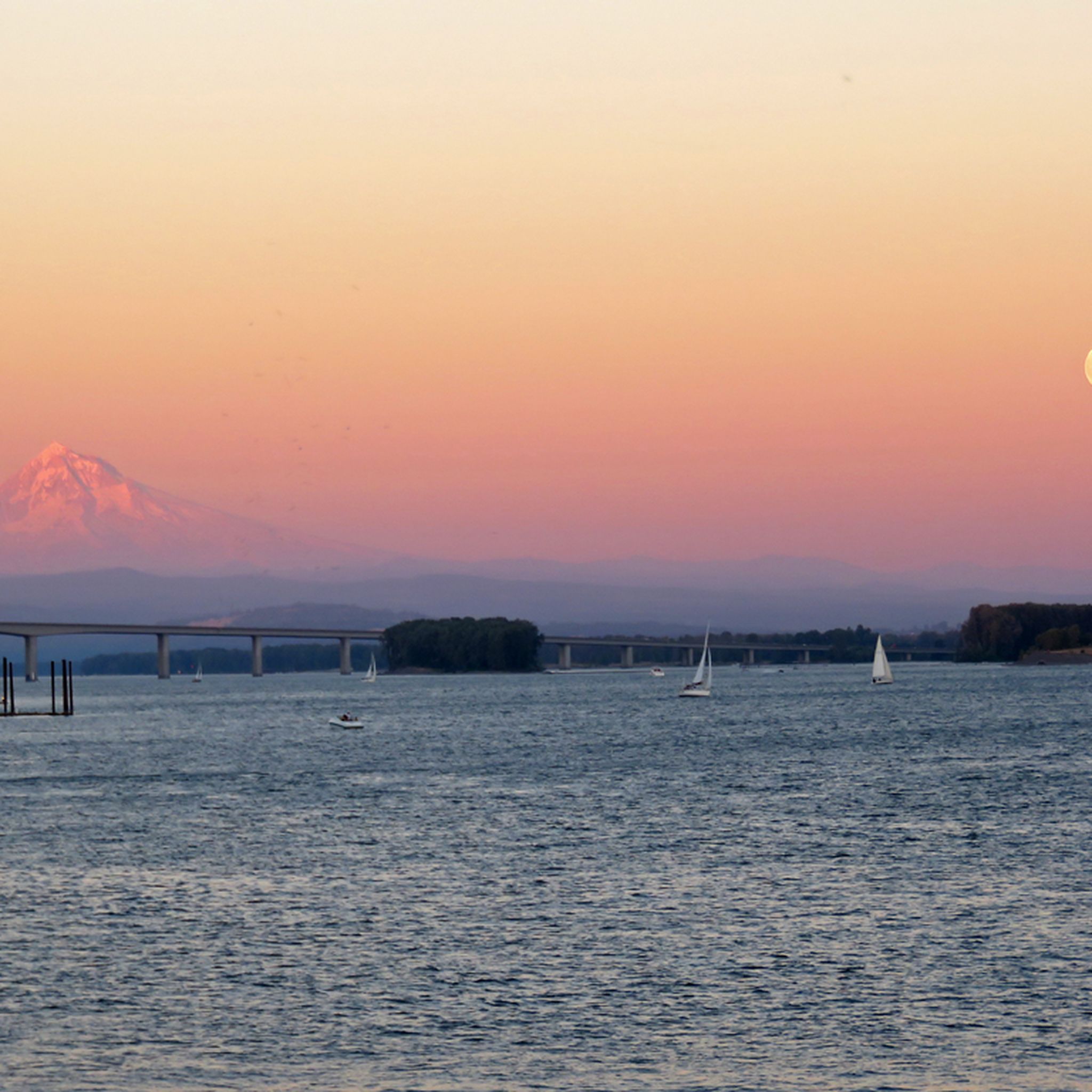
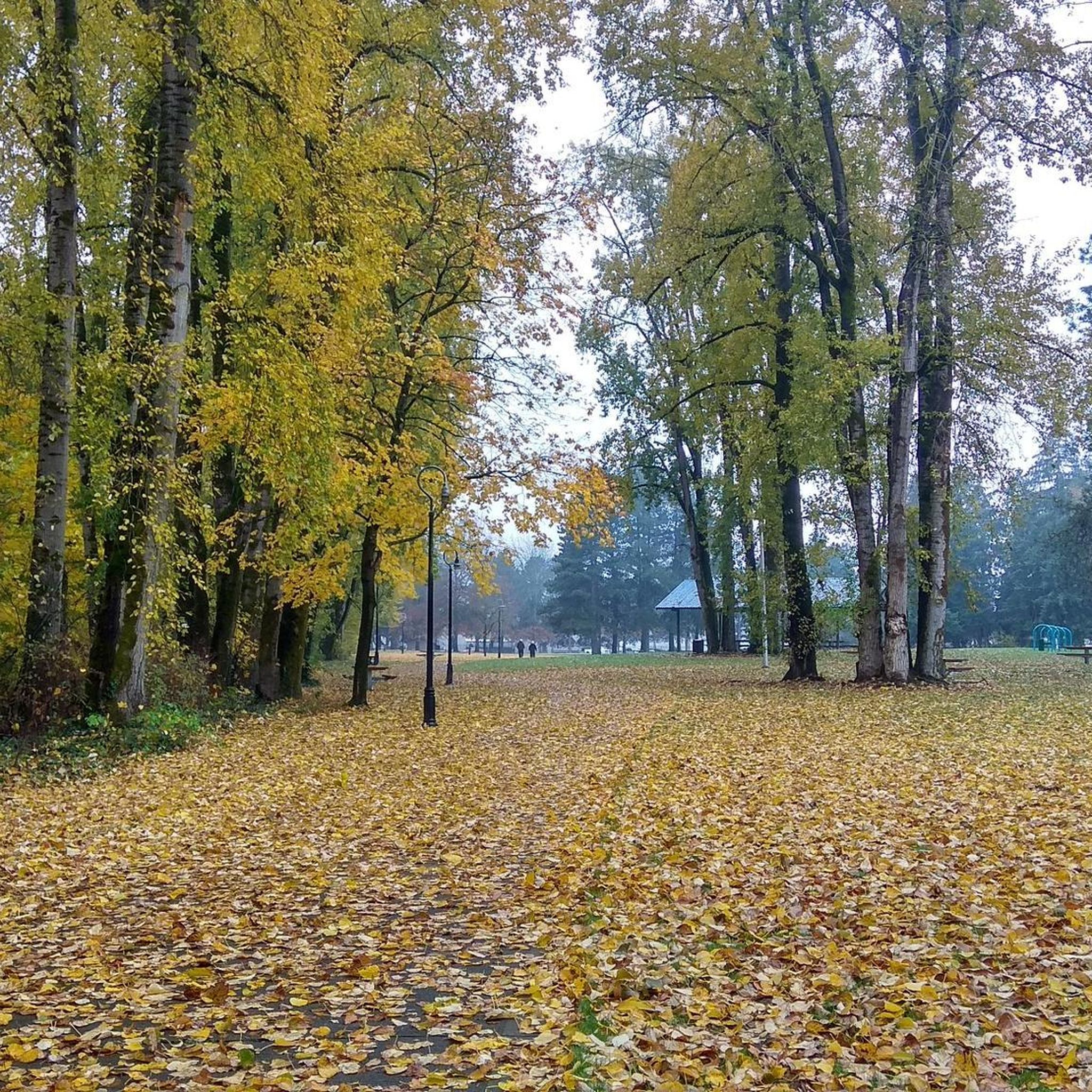
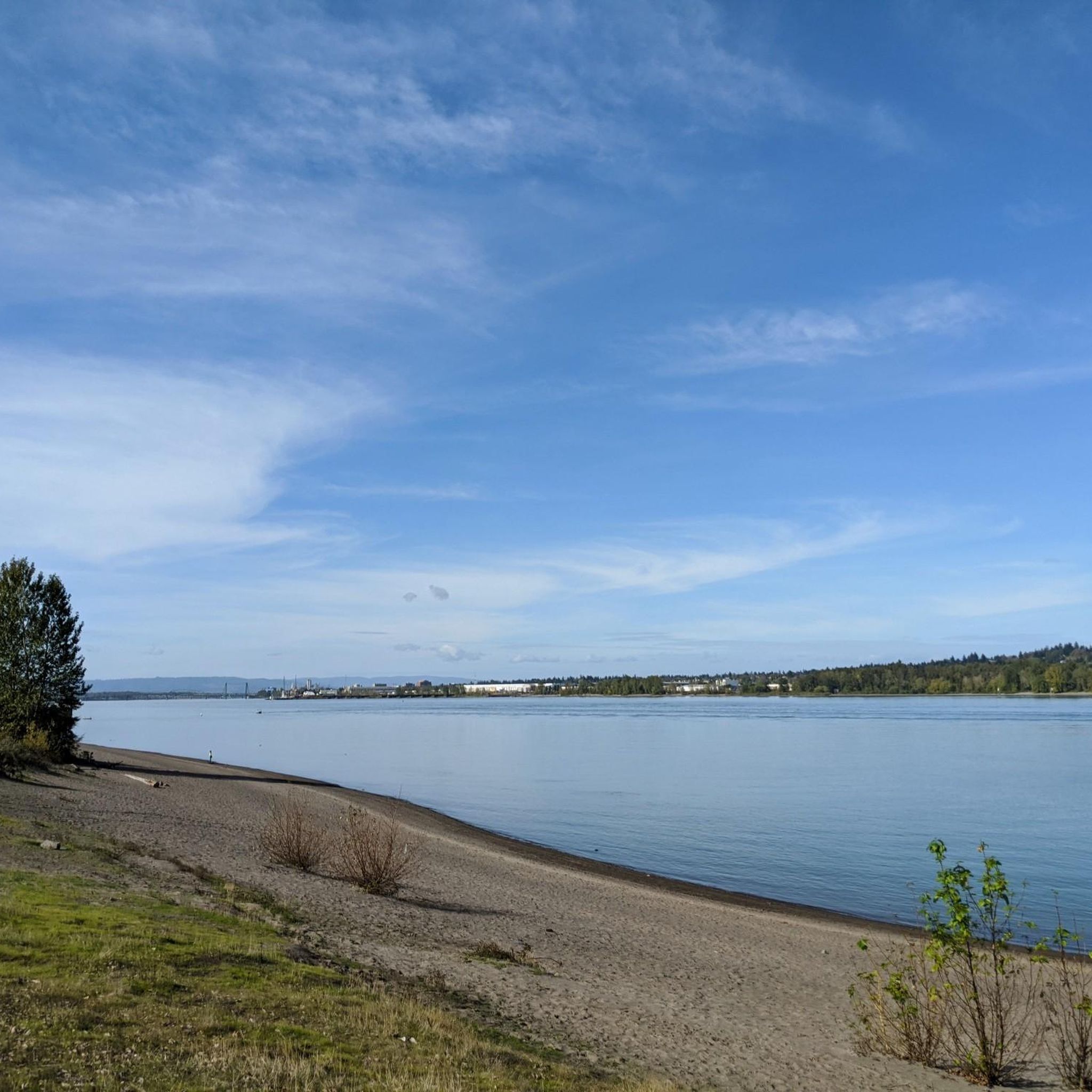
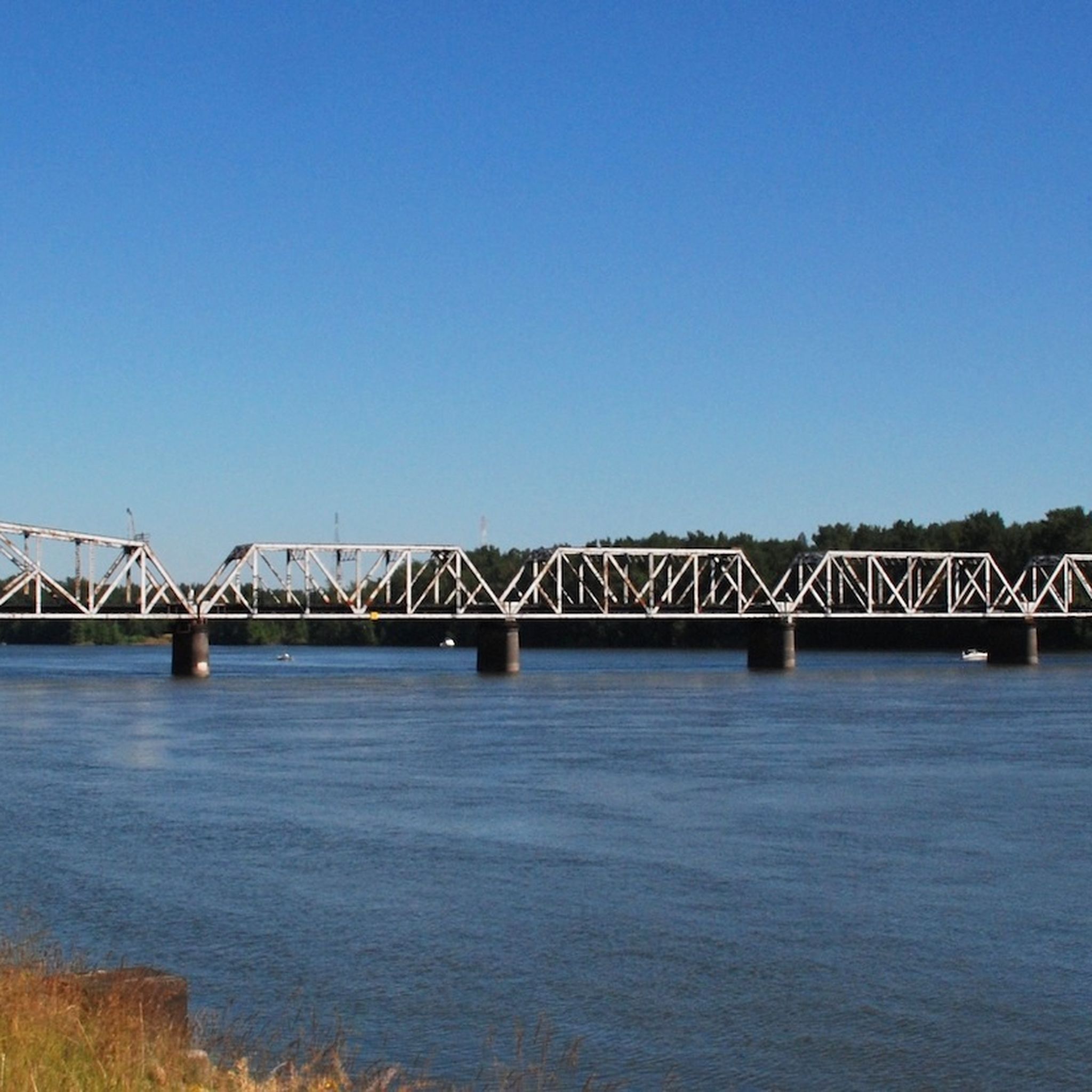
Tips from the Community

A scenic section of Willamette Blvd with views of Willamette River, Swan Island and with very light traffic.
0
0

The Broadway Bridge was built in 1913. It was originally black, but was repainted red in 1963.
1
0

This trailhead marks a popular route for hikers in the area. It is .3 miles from the Wild Cherry Trail, .9 miles to the Dogwood Trail and 1.4 miles to the Alder Trail. If you head west, all of these connector trails reach the Wildwood Trail, which offers ample opportunities to create loop variations. It is important to note that parking is limited, especially on the weekends.
0
0

One hell of a climb up here from US 30 on the South end - but worth it! Great views and a decent crossing (once you climb to the bridge itself).
0
0

The St. Johns Bridge is a steel suspension bridge that stretches across the Willamette River. It has a total length of 2,067 feet, and is the tallest bridge in Portland. Construction began just before the Stock Market Crash of 1929, providing crucial employment to many local residents during the Great Depression.
0
0
This is the LAST big hill and bridge before entering Portland on the STP ride. The hill up from US 30 is a slog - stop and get some water before crossing the bridge. There is no separate bike lane across, so be careful. Beautiful view of Mt. Hood and Mt. St. Helens from the bridge!
0
0

This trail is a classic in Forest Park. It is popular with runners as well as walkers and cyclists. The trail is well maintained and runs through the forest from start to end, which makes it a great option for hot days.
1
0

Located in the south east corner of Esther Short Park, this cool water feature consists of water that flows down and around a series of boulders. The water is only turned on during the summer months. This is a popular place on warmer days for families to come and cool off.
0
0
Frequently Asked Questions
What kind of terrain can I expect on gravel bike trails around Vancouver?
Vancouver's gravel biking terrain is incredibly diverse, ranging from coastal paths and dense forests to challenging mountain climbs. You'll find everything from smoother sections along rivers and dykes to routes with significant elevation gain, loose gravel, and technical elements. The region's unique geography, where mountains meet the Pacific Ocean, ensures a varied and engaging ride.
Are there any beginner-friendly gravel bike trails in Vancouver?
Yes, while many routes offer a challenge, there are options suitable for beginners. For instance, Pacific Spirit Regional Park features over 70 kilometers of multi-use, car-free gravel trails, many of which are ideal for those new to gravel biking, offering a rainforest canopy experience close to the city. Stanley Park also has groomed gravel trails like Bridle Path and Lovers Walk, providing a quieter ride within its forested areas.
Where can I find challenging gravel bike routes near Vancouver?
For experienced riders seeking a challenge, Vancouver offers several demanding routes. The Lower Seymour Conservation Reserve in North Vancouver provides a network of unpaved roads and trails, including Fisherman's Trail and Spur 4 Road, known for more technical sections. Additionally, routes like Leif Erikson Drive – Northwest Leif Erikson Drive loop from North Prescott Street and Eastbank Esplanade – Blumenauer Bridge loop from Hollywood/Northeast 42nd Avenue feature significant elevation gain and varied terrain.
Are there any scenic gravel routes with ocean or mountain views?
Absolutely. The region is renowned for its stunning vistas. The West Dyke Trail in Richmond offers incredible views of the ocean and the North Shore Mountains. Routes around Pitt River Regional Greenway & Pitt Lake provide scenic views of the Fraser and Pitt Rivers, farmlands, and the Golden Ears Mountains. Many trails also weave through dense forests, offering glimpses of the surrounding coastal mountains.
What are some notable landmarks or points of interest I might encounter on gravel bike trails?
While gravel biking, you can explore various natural and historical points of interest. You might pass by Vancouver Lake or the Lake to Lake Trail at Lacamas Regional Park. For historical context, Fort Vancouver is a significant landmark in the area. The trails themselves, like the Burnt Bridge Creek Trail, offer natural beauty and a chance to connect with the region's environment.
Are there any loop gravel bike trails around Vancouver?
Yes, many gravel routes in Vancouver are designed as loops, allowing you to start and end at the same point. Examples include Blumenauer Bridge – Eastbank Esplanade loop from Convention Center, which takes you through urban and natural landscapes, and the challenging Eastbank Esplanade – Blumenauer Bridge loop from Northeast 60th Avenue.
What do other gravel bikers say about the trails in Vancouver?
The gravel biking experience around Vancouver is highly regarded by the komoot community, with an average score of 5.0 stars. Riders often praise the diverse landscapes, from coastal paths to dense forests and mountain views, and the options available for various skill levels, particularly for those seeking challenging climbs and technical sections.
Can I find gravel trails that are suitable for families?
Yes, several areas offer family-friendly gravel paths. Pacific Spirit Regional Park, with its car-free multi-use trails, is an excellent choice for families. Similarly, the groomed gravel paths within Stanley Park provide a safe and enjoyable environment for family rides, allowing everyone to experience the natural beauty of Vancouver.
Are there any gravel routes that pass by waterfalls?
While not directly on the listed gravel routes, the broader Vancouver region is home to stunning natural attractions. The Squamish Route, which offers a mix of gravel and paved roads outside the immediate city, passes by landmarks like Shannon Falls, one of British Columbia's tallest waterfalls. This could be a scenic detour or a destination for a longer ride.
What is the best season for gravel biking in Vancouver?
Vancouver's mild climate generally allows for gravel biking year-round, but the best season is typically from spring through fall (April to October). During these months, you'll experience more consistent dry weather, making trails more accessible and enjoyable. Winter riding is possible, but some higher elevation or more technical trails may be wet, muddy, or even snowy.
How long are the typical gravel bike trails in Vancouver?
The length of gravel bike trails in Vancouver varies significantly, catering to different preferences and fitness levels. You can find shorter, more accessible loops within parks, while more challenging routes can extend considerably. For example, the Leif Erikson Drive – Northwest Leif Erikson Drive loop from North Prescott Street is about 40.6 km (25.3 miles), and the Eastbank Esplanade – Blumenauer Bridge loop from Northeast 60th Avenue stretches to approximately 85.0 km (52.8 miles).
Most popular routes around Vancouver
Most popular attractions around Vancouver

Get inspired with the komoot mobile app


