Top 14 Castles around Herbertingen
Best castles near Herbertingen are found in the historical region of Baden-Württemberg, Germany, particularly within the Landkreis Sigmaringen. This area is characterized by its rich history and diverse architectural heritage, with numerous castles and impressive ruins. The landscape, including the Danube Valley, provides a scenic backdrop for these historical sites.
Best castles around Herbertingen
- The most popular castles is Hornstein Castle Ruins, a castle that was repeatedly adapted to needs and changed from pure defensive buildings to representative buildings.…
Last updated: July 1, 2026
Hornstein Castle Ruins
Highlight • Castle
Translated by Google •
Tip by

Scheer Castle
Highlight • Castle
de.wikipedia.org/wiki/Schloss_Scheer
Translated by Google •
Tip by

Sign up now to discover places like this
Get recommendations on the best single tracks, peaks, & plenty of other exciting outdoor places.
Sign up for free
Bittelschieß Castle Ruins
Highlight • Castle
Translated by Google •
Tip by

Bachritterburg Kanzach Open-Air Museum
Highlight • Historical Site
The history of the Bach Knights can probably be described in close unity with the genealogy of the Lords of Pflummern but also with the ruling situation in …
Translated by Google •
Tip by

Wilflingen Castle
Highlight • Castle
Wilflingen Castle
Wilflingen Castle has been owned by the von Stauffenberg taverns since 1464 and is the oldest family seat of the former imperial knight family. Between …
Translated by Google •
Tip by
Sign up for free to discover even more castles around Herbertingen.
Sign up for free
Already have an account?
Start today with a free account
Your next adventure awaits.
Login or Signup
Popular around Herbertingen
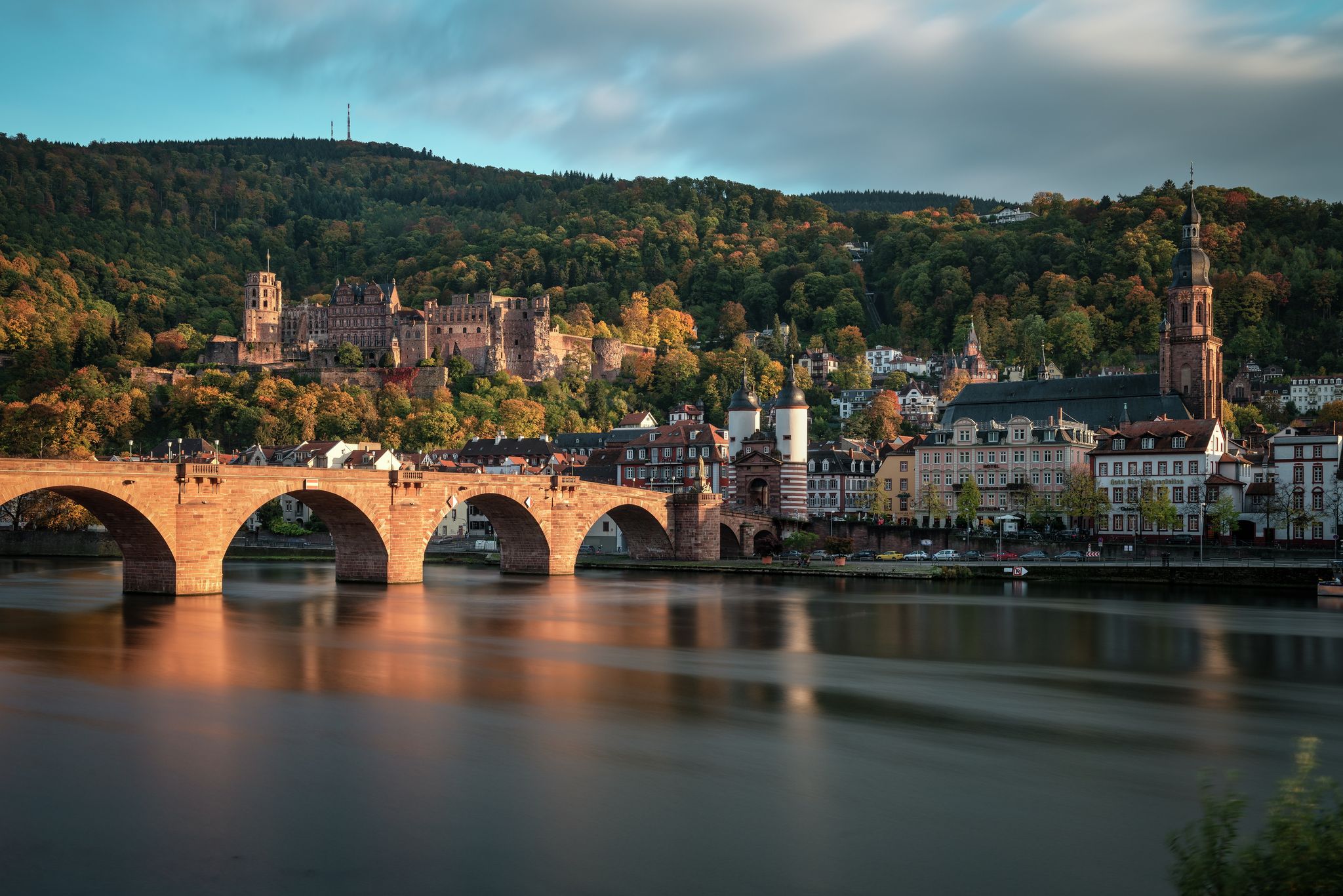
Castles, baroque architecture & gardens – discover Baden-Württemberg by bike
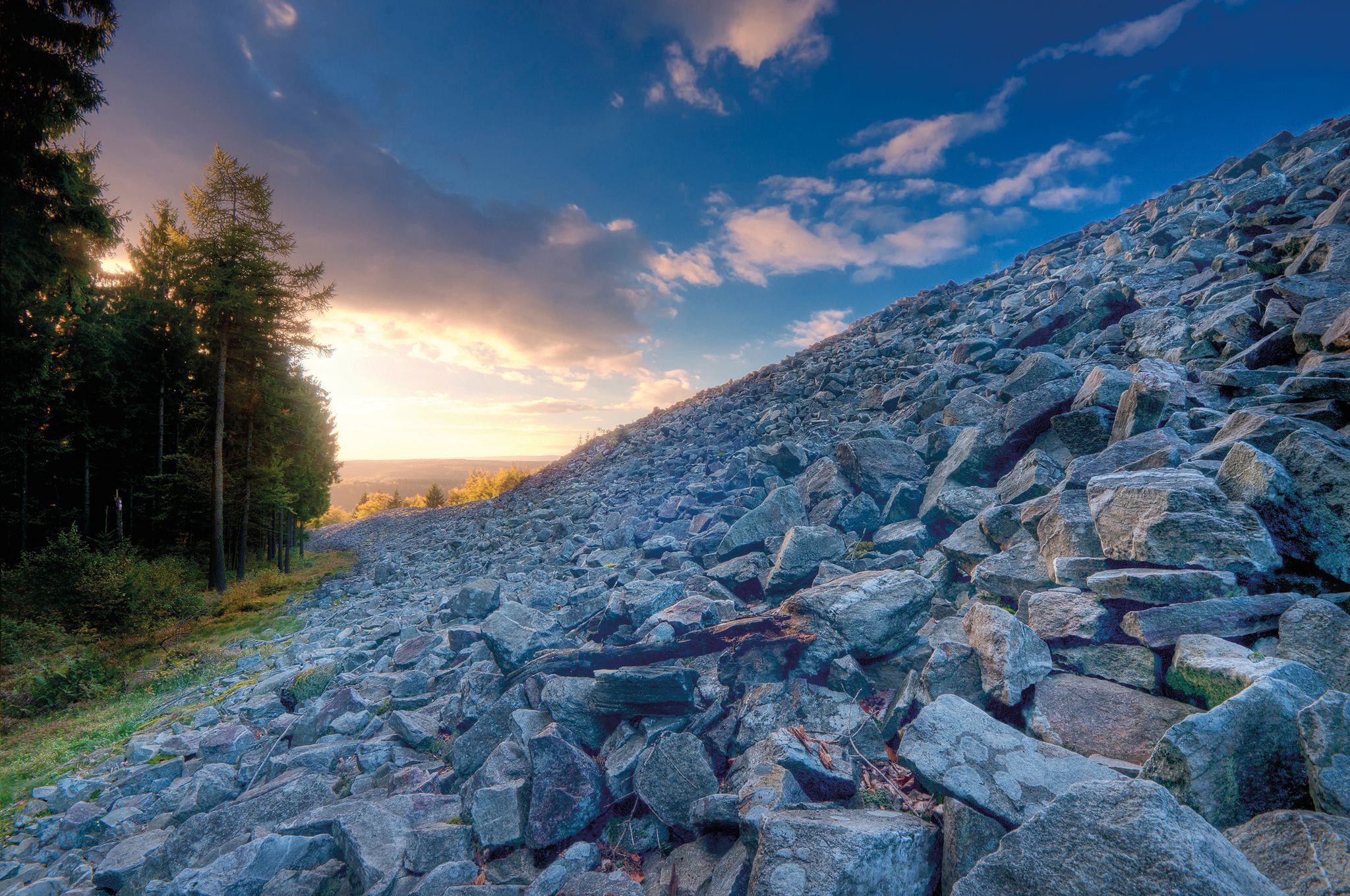
Celtic hikes — time travel into a past millennium
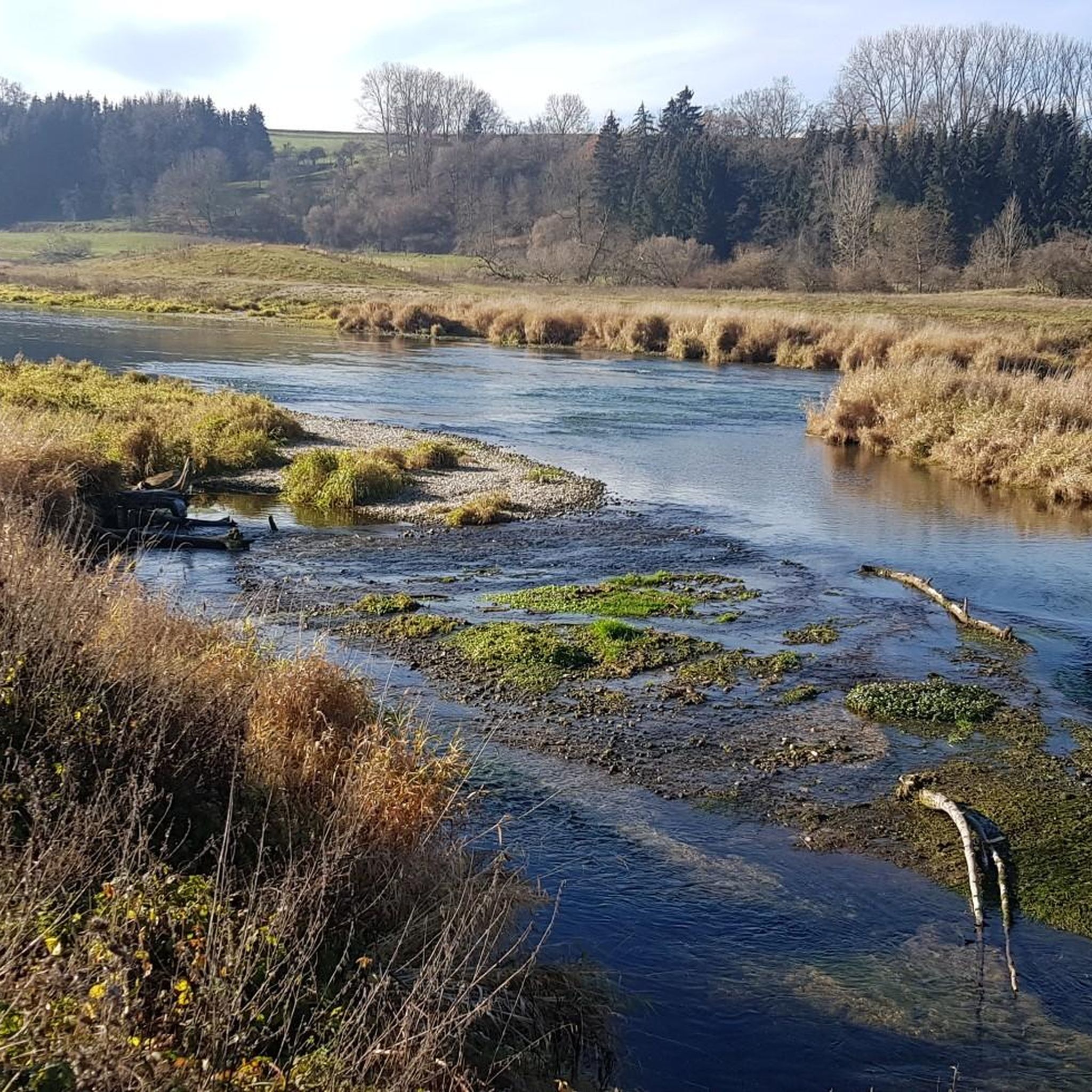
Cycling around Herbertingen
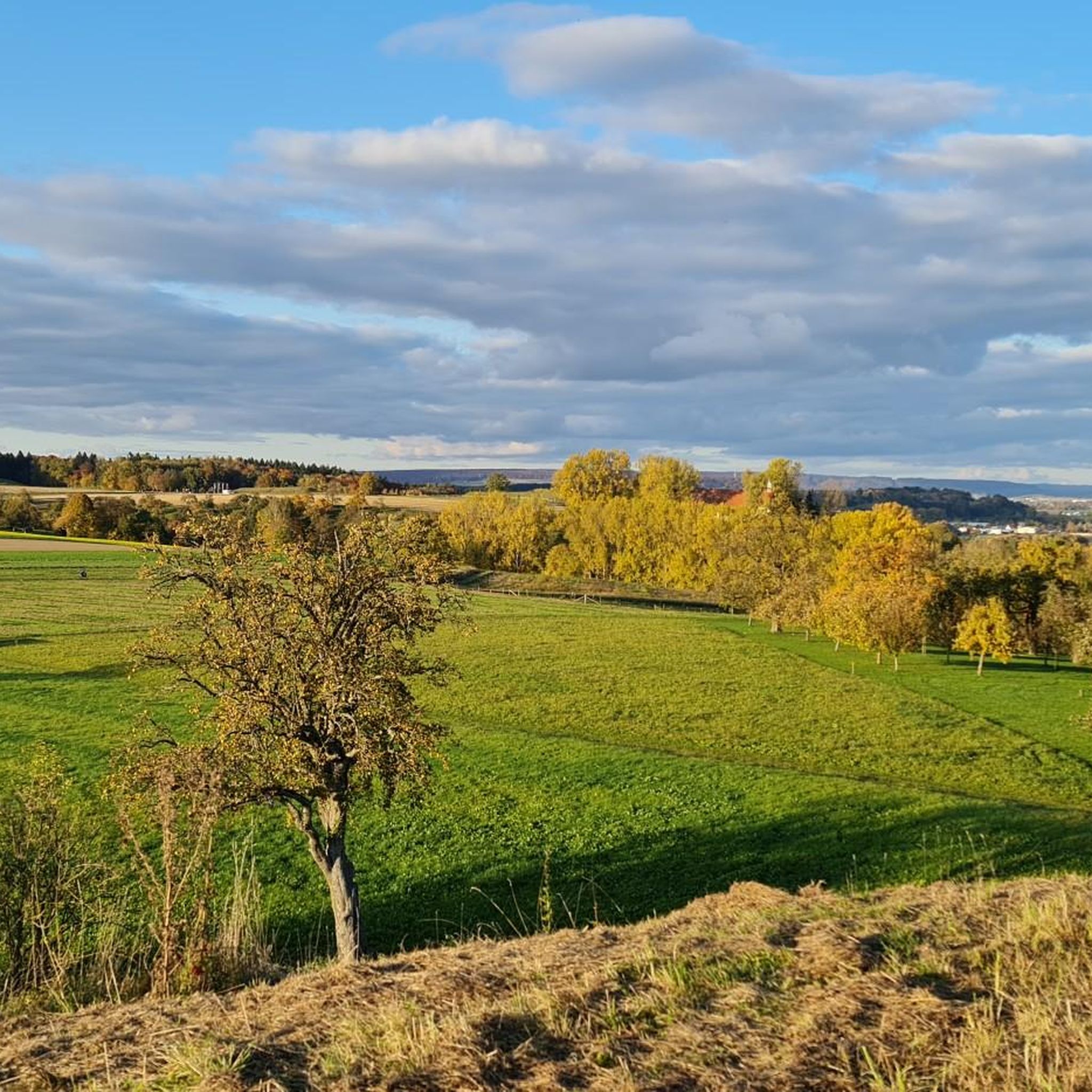
Hiking around Herbertingen
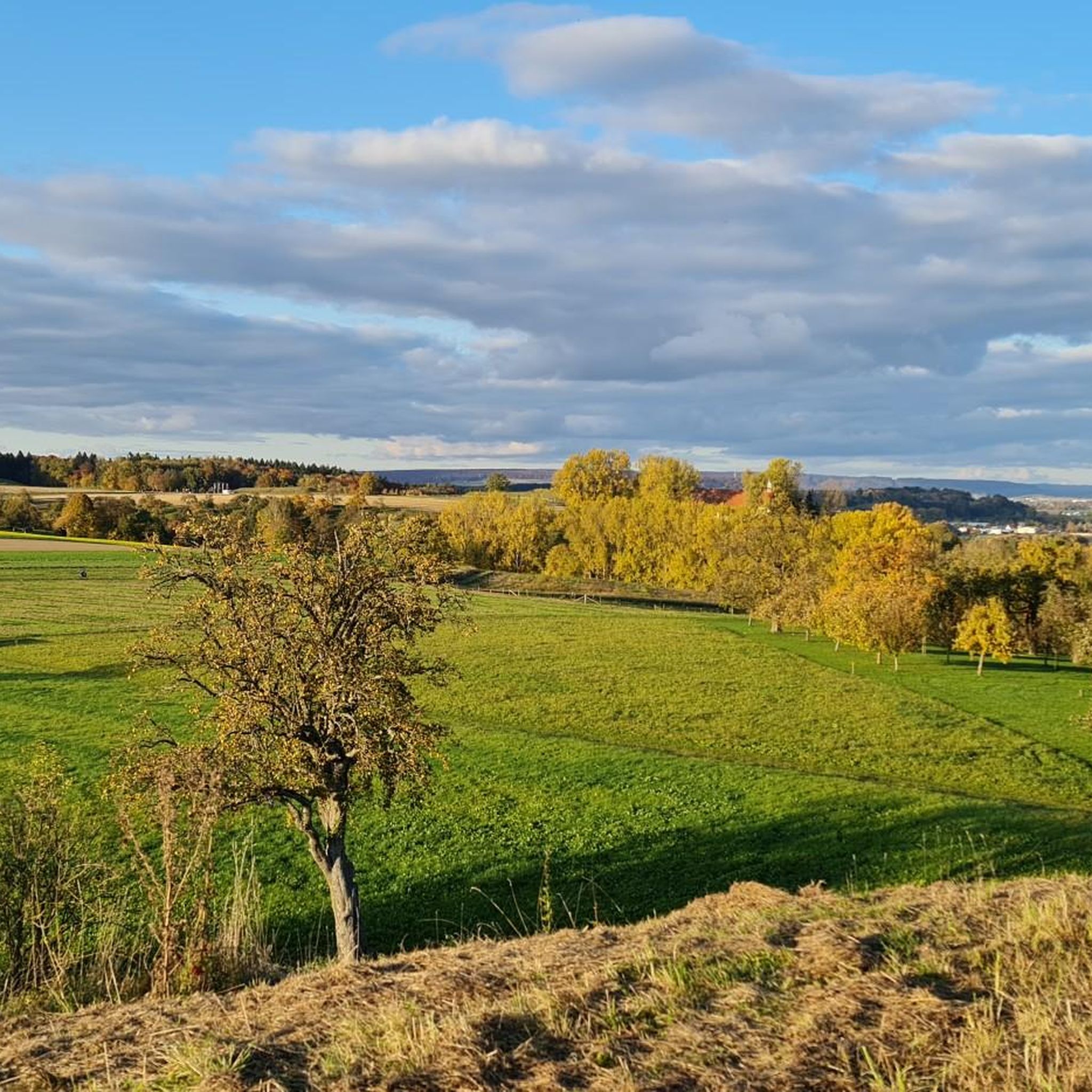
Road Cycling Routes around Herbertingen
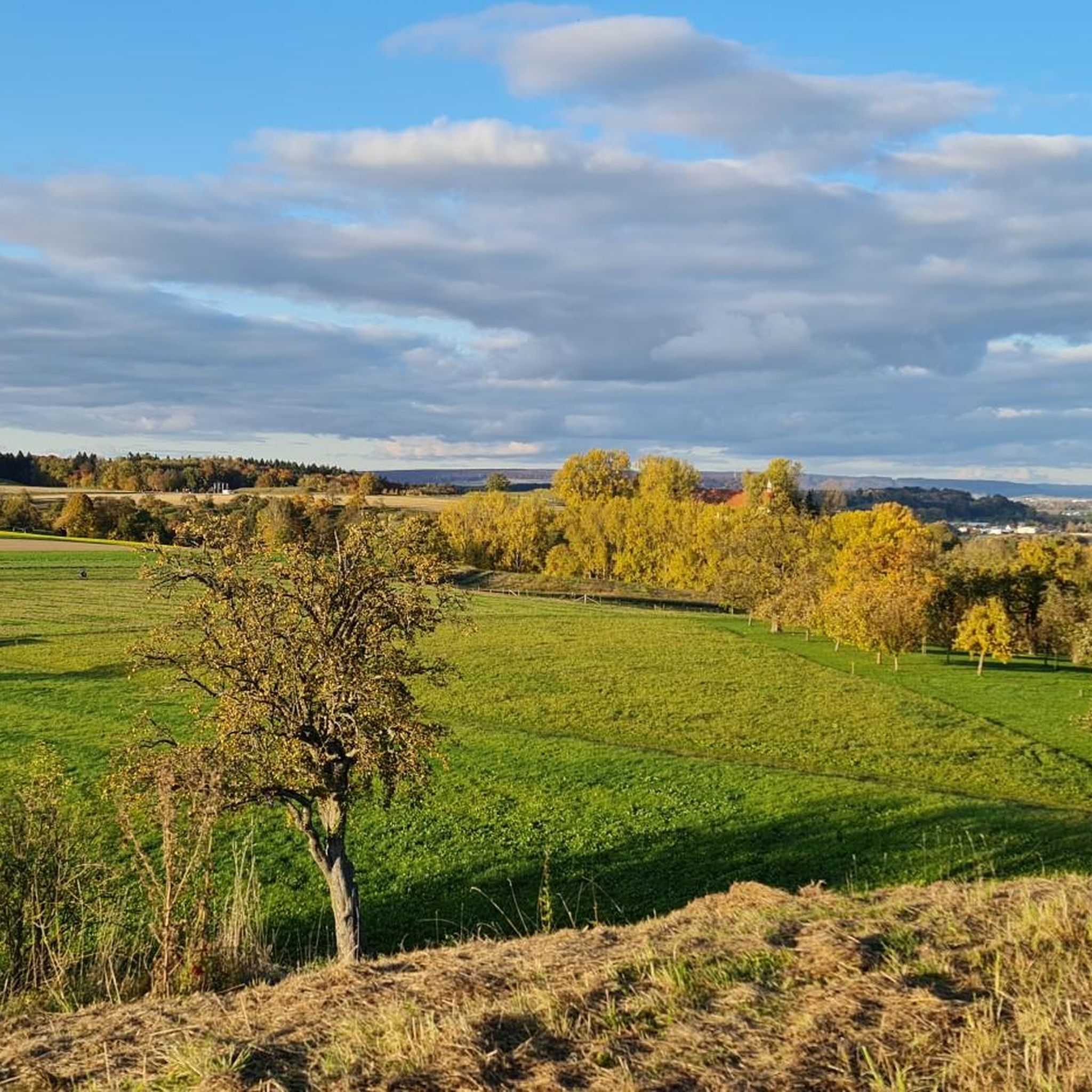
MTB Trails around Herbertingen
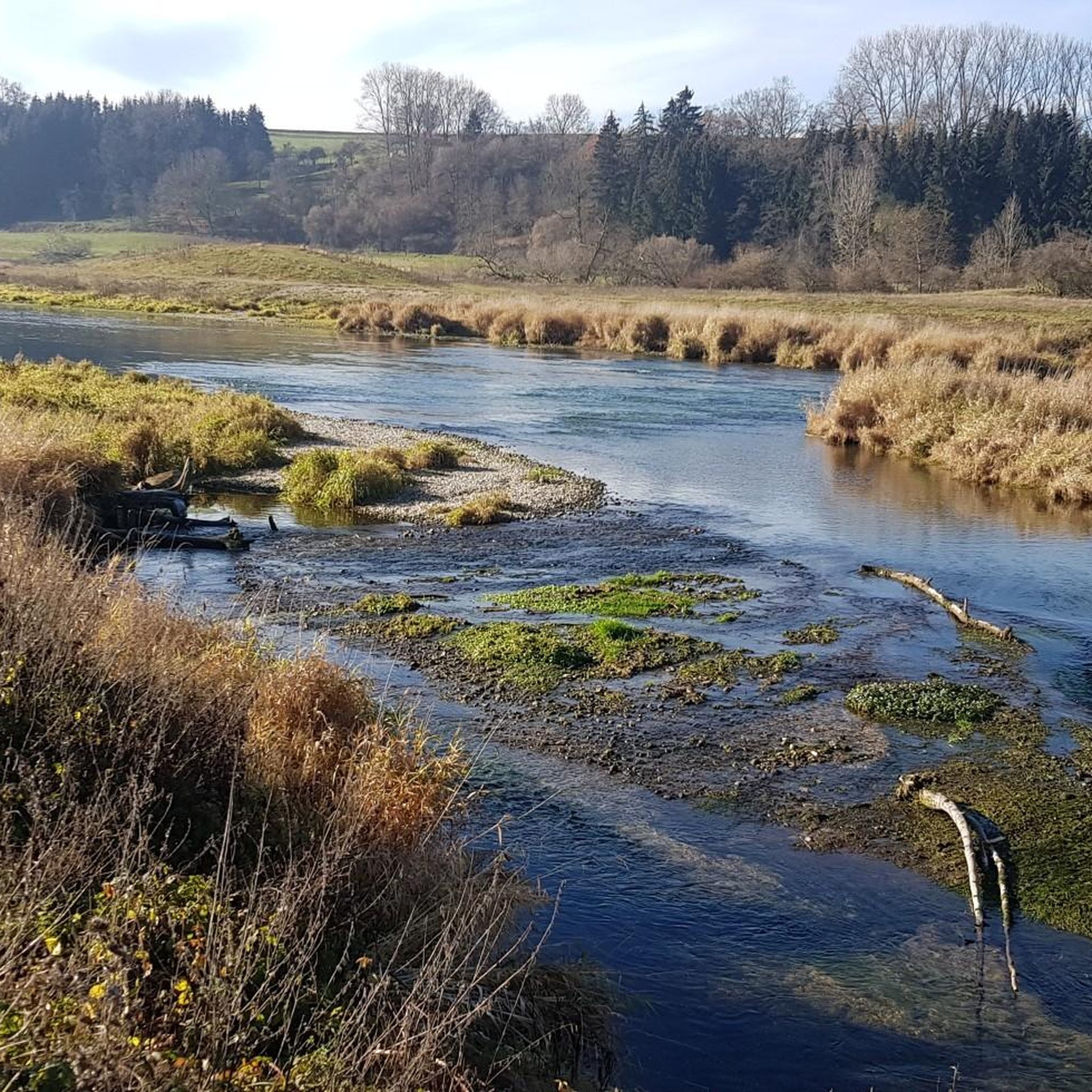
Running Trails around Herbertingen
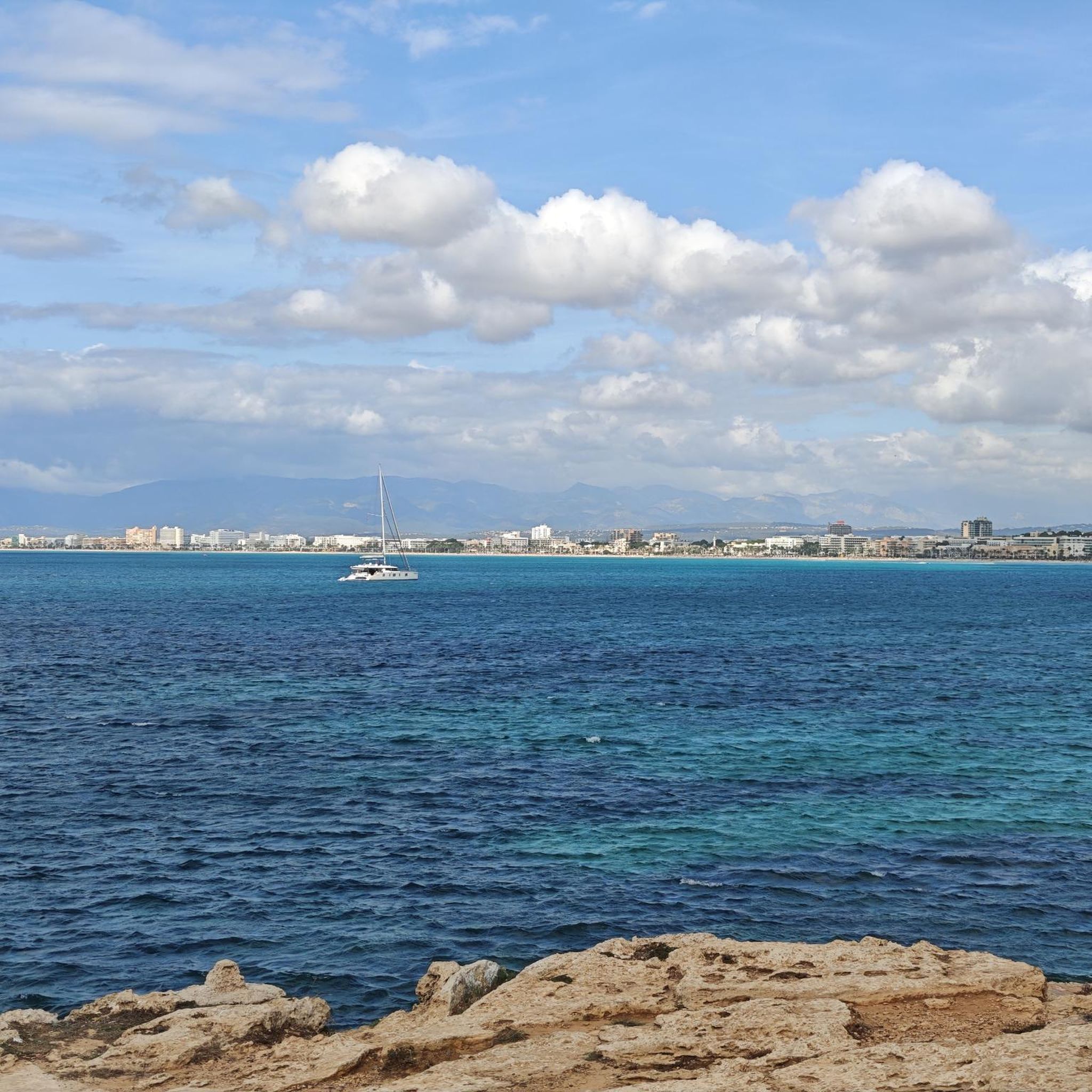
Gravel biking around Herbertingen


Tips from the Community

The Bittelschieß Castle is a High Middle Ages castle ruin southeast of Hornstein in the municipality of Bingen in the Sigmaringen district of Baden-Württemberg, Germany. The spur castle, located upstream and southwest of Bingen, sits on a steep rock above the Bittelschießer Täle, a 300-meter-long rocky gorge in the massive limestone of the Upper Jurassic, a section of the Lauchert valley, at around 620 m above sea level. The Lauchert riverbed itself is at around 603 meters above sea level. To the north lies the ruin of Hornstein Castle. Below the ruin are the Bittelschießer Höhle cave and the Lauchertbrücke (footbridge). The Bittelschieß Castle was built around 1150 by the Lords of Bittelschieß as their new ancestral seat. The first documented mention of the Lords of Bittelschieß dates back to 1083. The Lords of Bittelschieß were local nobles from the village of Bittelschieß, 12 kilometers away, now a district of Krauchenwies. The castle that gave it its name – “Burg Bittelschieß” – stood there and is now known as “Burgstall Bittelschieß”. The name was likely transferred to the castle near Hornstein in the 12th century with the change of residence. The name Bittelschieß is based on two interpretations. Bittel = Büttel was originally the designation for the youngest judge of the high court, which consisted of twelve judges. Bittel = Beutel was a male name, called Putilo in Old High German. Schieß, as a place name, means sharp corner, edge, or gable – a description that convincingly fits the landscape with the rocky outcrop around Bittelschieß. The castle near Hornstein was first documented in 1248. In 1265, an Albert von Bittellschieß was mentioned as the owner of property near Bingen. He is already documented in 1231. A Hugo von Bittelschieß appears in 1266 along with the donation of the hamlet of Weihwang to the Wald Monastery. In 1287, Hugo von Bittellschieß sold the “Burgstall” and the Bingen possessions to King Rudolf von Habsburg. .... Source: https://de.wikipedia.org/wiki/Ruine_Bittelschie%C3%9F
1
0

The ruins are now barely discernible. From here, one can look down into the cave.
6
0


Very beautiful ruin suitable for events
2
0

From here a beautiful climb to the Alb
1
0

Hornstein ruins - events often take place here in the inner courtyard.
3
0

Bachritterburg, Kanzach The history of the Bach Knights can probably be described in close unity with the genealogy of the Lords of Pflummern but also with the ruling situation in Kanzach. “Lords of Kanzach” are mentioned several times in documents from the 12th to 14th centuries. First it is Bernardus and his son Ortolfus who are named as witnesses in documents from Bishop Otto of Constance and Duke Henry of Bavaria and Saxony for the Salem monastery in 1169 and 1171. With the next mention in 1227, the Kanzach local nobility probably moved to Pflummern. Kanzach is subsequently a branch of the Pflummer family castle. In the document from 1227, Bilgerinum de Pphlumnar and his son Ortolfum de Cantza are named as witnesses. Bilgerinum (vulgo) Peregrinus, the knight from and to Pflummern (from the Chronicle of the Lords of Pflummern, Aloys von Pflummern 1795) is considered the progenitor of the Lords of Pflummern. This knight's seat was donated to the Reichenau Monastery by the then Swabian Duke Berchthold, who had his seat on the Bussen. He was later freed from this and given his own nobility. In 1180 Peregrinus was steward to Emperor Philip, the Duke of Swabia. Peregrinus is considered a co-founder of the monasteries of Salem, St. Gallen and Heiligkreuztal (written down by Father Bucelini, a well-known historian and Benedictine monk from Weingarten Abbey). After his father's death (1227), his son Ortolph also became steward (to Emperor Friedrich II). Text / Source: Municipality of Kanzach, Rathausweg 6, 88422 Kanzach https://www.bachritterburg.de/die-burg/die-bachritter/
13
4
Frequently Asked Questions
What are some notable castles and historical sites to visit near Herbertingen?
Beyond the popular choices, the region offers a rich selection. You can explore the impressive Scheer Castle, known for its picturesque conglomerate of three multi-storey buildings with stepped gables. Another significant site is Wilflingen Castle, an ancestral seat of the von Stauffenberg family, which was converted into a hunting lodge and is partially open to the public. For a unique historical experience, visit the Bachritterburg Kanzach Open-Air Museum, a reconstructed medieval knight's castle.
Are there family-friendly castles or historical sites in the Herbertingen area?
Yes, several sites are suitable for families. The Bachritterburg Kanzach Open-Air Museum is particularly family-friendly, offering a hands-on experience of medieval life, often with 'Living History' events where you might meet a knight in armor. The Katzentürmle in Bad Saulgau is also listed as family-friendly, providing a glimpse into old city fortifications.
What kind of historical significance do the castles around Herbertingen hold?
The castles in this region offer deep historical insights. Sigmaringen Castle, for instance, is the ancestral seat of the princely House of Hohenzollern, continuously inhabited since the 11th century, and houses one of Europe's largest private weapon collections. Other castles like Wildenstein and Gutenstein showcase medieval defensive architecture, while sites like Wilflingen Castle reflect later periods of noble residence and conversion into hunting lodges.
Can I find hiking trails near these castles?
Absolutely. Many castles, especially ruins like Falkenstein Castle Ruins and Hornstein Castle Ruins, are accessible via numerous hiking trails and offer rewarding views. The area around Gutenstein Castle is also appealing for those interested in hiking and cycling routes along the Danube. You can find various hiking options in the region, including routes like the 'Heuneburg Museum – Heuneburg Stone Gate loop' or 'Hohmichele Celtic Burial Mound – Heuneburg Museum loop'. Explore more hiking routes in the area on the Hiking around Herbertingen guide.
What are the best times to visit the castles near Herbertingen?
The spring and summer months (April to September) are generally ideal for visiting, offering pleasant weather for exploring castle grounds and nearby trails. The Bachritterburg Kanzach Open-Air Museum, for example, is open daily from April to September. Autumn can also be beautiful with changing foliage, especially for castles situated in scenic natural settings like the Danube Valley.
Are there any unique castle experiences, like staying overnight?
Yes, Wildenstein Castle offers a truly unique experience as it currently operates as a youth hostel. This provides a distinctive and immersive way to experience a medieval castle by staying within its historic walls. The castle also hosts various events, including medieval and craft markets.
What are the architectural styles of the castles in this region?
The castles around Herbertingen showcase a range of architectural styles reflecting different historical periods. Sigmaringen Castle, for instance, features a fairy-tale silhouette with foundations from the 12th century and later additions. Scheer Castle is a mighty late Gothic complex with stepped gables, while Gutenstein Castle displays a distinctive T-shaped layout with three gables and a rectangular castle wall. Many castles, like Wildenstein, are fortified spur castles, utilizing natural elevated positions for defense.
Are there any smaller, lesser-known historical sites worth visiting?
Beyond the grand castles, you can discover smaller historical gems. The Katzentürmle (City Fortifications) in Bad Saulgau is the smallest and only preserved city tower, which historically served as a detention cell and had defensive functions. It's a small but interesting historical point within the town's old fortifications.
What facilities or amenities are available near the castles?
Amenities vary by location. Larger castles like Sigmaringen Castle often have museums, gift shops, and guided tours. For sites like Bachritterburg Kanzach Open-Air Museum, there's a castle tavern serving food. Many areas around castles, especially those popular for hiking, may have cafes or pubs in nearby villages. Some ruins, like Hornstein Castle Ruins, occasionally offer drinks and food during events.
Are the castles around Herbertingen accessible by public transport?
While specific public transport details for each castle are not always readily available, many castles in the region are located near towns or villages that can be reached by local bus services or regional trains. However, for some more remote ruins or castles, driving or cycling might be the most convenient option. It's advisable to check local transport schedules for your specific destination.
Can I bring my dog to the castle grounds or nearby trails?
Many outdoor areas and hiking trails around castles are dog-friendly, especially in the scenic Danube Valley. However, access policies for dogs inside castle buildings or specific historical sites can vary. It's always best to check the specific rules for each castle before your visit to ensure a smooth experience for you and your pet.
What are some good viewpoints to see castles or the surrounding landscape?
The region is rich with scenic viewpoints. Sigmaringen Castle itself offers picturesque views perched dramatically above the Danube River. Wildenstein Castle provides commanding views above a breakthrough of the Danube. The Falkenstein Castle Ruins also offer a great view of the Danube Valley, and Hornstein Castle Ruins is also noted as a viewpoint.
What kind of events are hosted at these historical sites?
Historical sites in the region often host various events. Hornstein Castle Ruins frequently holds events in its inner courtyard. Wildenstein Castle is known for hosting medieval and craft markets. The Bachritterburg Kanzach Open-Air Museum regularly features 'Living History' events, bringing the medieval period to life.
How far are these castles from Herbertingen?
The castles are generally located within a reasonable driving distance from Herbertingen, typically within the Landkreis Sigmaringen. Sigmaringen Castle, for example, is a prominent landmark in the nearby town of Sigmaringen. Other castles like Wildenstein, Gutenstein, and the various ruins are scattered throughout the surrounding area, making them accessible for day trips by car or bicycle.
Is there parking available at the castles?
Parking availability varies by castle. Larger, more popular castles like Sigmaringen typically have designated parking areas for visitors. For ruins or smaller sites, you might find parking in nearby villages or at trailheads, such as the Fäulesloch hiking car park for Hornstein Castle Ruins. It's always a good idea to check specific parking information for your chosen destination in advance.
Most popular routes around Herbertingen
Most popular attractions around Herbertingen

Get inspired with the komoot mobile app


Explore more
Looking for the best castles somewhere else? Discover other guides around Herbertingen:
