The best gravel rides around Saint-Ythaire
5.0
(4)
10
riders
4
rides
Gravel biking around Saint-Ythaire offers routes through a rural and agricultural landscape in the Saône-et-Loire department of Burgundy-Franche-Comté. The area is characterized by quiet country roads, farm tracks, and greenways, providing varied terrain suitable for gravel cycling. This region, composed of several hamlets, features a gently rolling topography with numerous opportunities to explore the countryside. The blend of natural beauty and historical sites makes for diverse gravel biking experiences.
Best gravel bike trails around Saint-Ythaire
- The most popular gravel bike…
Last updated: August 26, 2026
5.0
(3)
5
riders
37.5km
02:29
330m
330m
Moderate gravel ride. Good fitness required. Mostly paved surfaces. Suitable for all skill levels.
5.0
(3)
6
riders
31.5km
02:06
290m
290m
Moderate gravel ride. Good fitness required. Mostly paved surfaces. Suitable for all skill levels.

Sign up for free
1
riders
Hard gravel ride. Very good fitness required. Mostly paved surfaces. Suitable for all skill levels.
5.0
(1)
2
riders
46.8km
03:06
710m
710m
Hard gravel ride. Very good fitness required. Mostly paved surfaces. Suitable for all skill levels.
1
riders
32.9km
02:17
500m
500m
Hard gravel ride. Very good fitness required. Mostly paved surfaces. Suitable for all skill levels.
Our route recommendations are based on thousands of hikes, rides, and runs completed by other people on komoot.
Start today with a free account
Your next adventure awaits.
Login or Signup
Tips from the Community


The picturesque place of worship, built in a simple Romanesque style, is located in the small hamlet of Lys. The church was built in the early 12th century (approximately between 1100 and 1150) by Benedictine monks from the Abbey of Saint-Philibert in Tournus. Later, it came under the influence of the famous Cluny Abbey. Typical of rural Romanesque art in Burgundy, the building made of unplastered natural stones has a very simple structure. It has a single, narrow nave, a distinctive square bell tower with a saddle roof (bâtière), and a semicircular apse.
1
0
Once the social center of the small artists' village.
1
0
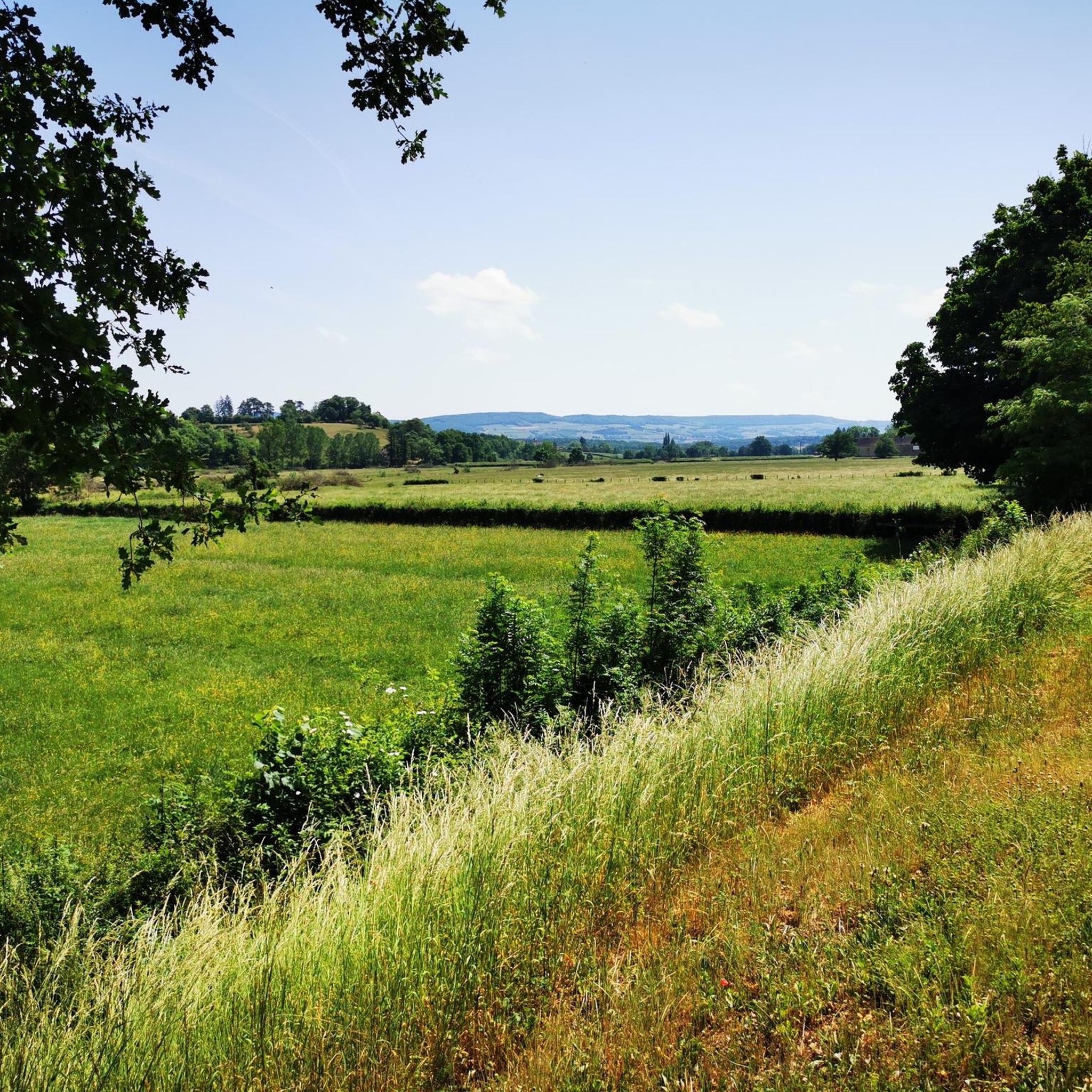
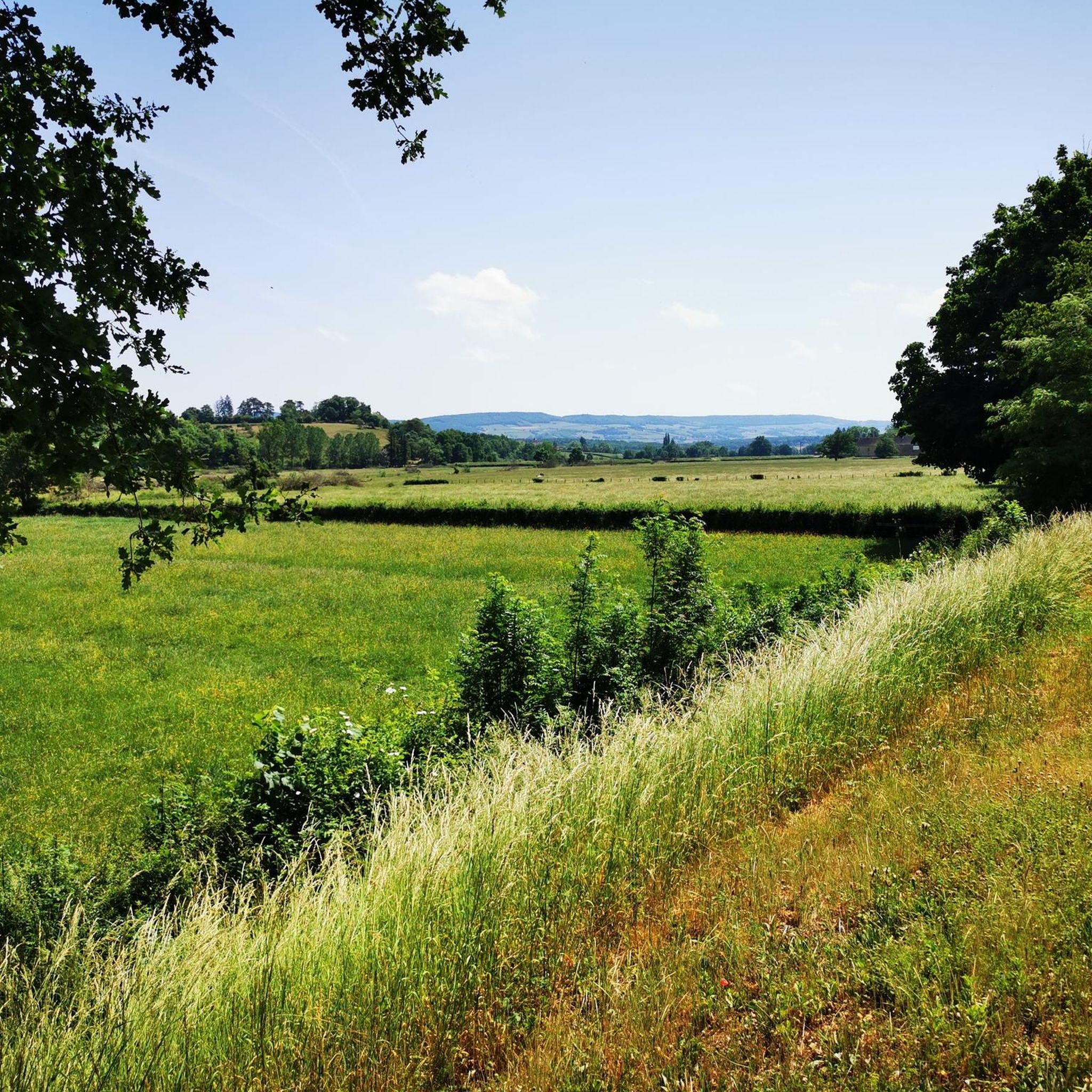
A route through a green corridor, that brings joy.
1
0
The Saint-Martin church in Chapaize is a beautiful, old church. Its huge, 35-meter-high tower can be seen from afar. The church was built almost 1000 years ago in the Romanesque style, it has thick stone walls and round arches.
4
0
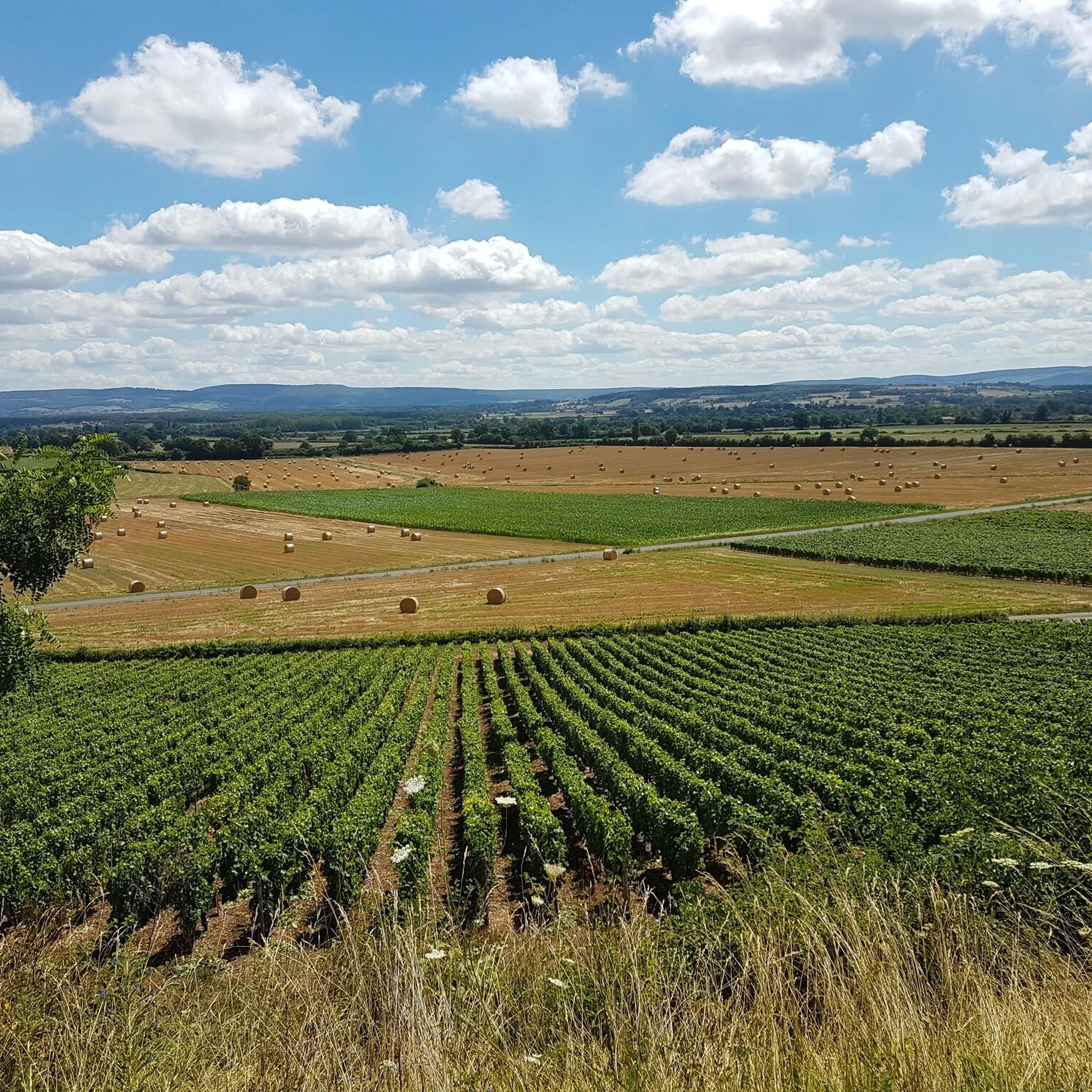
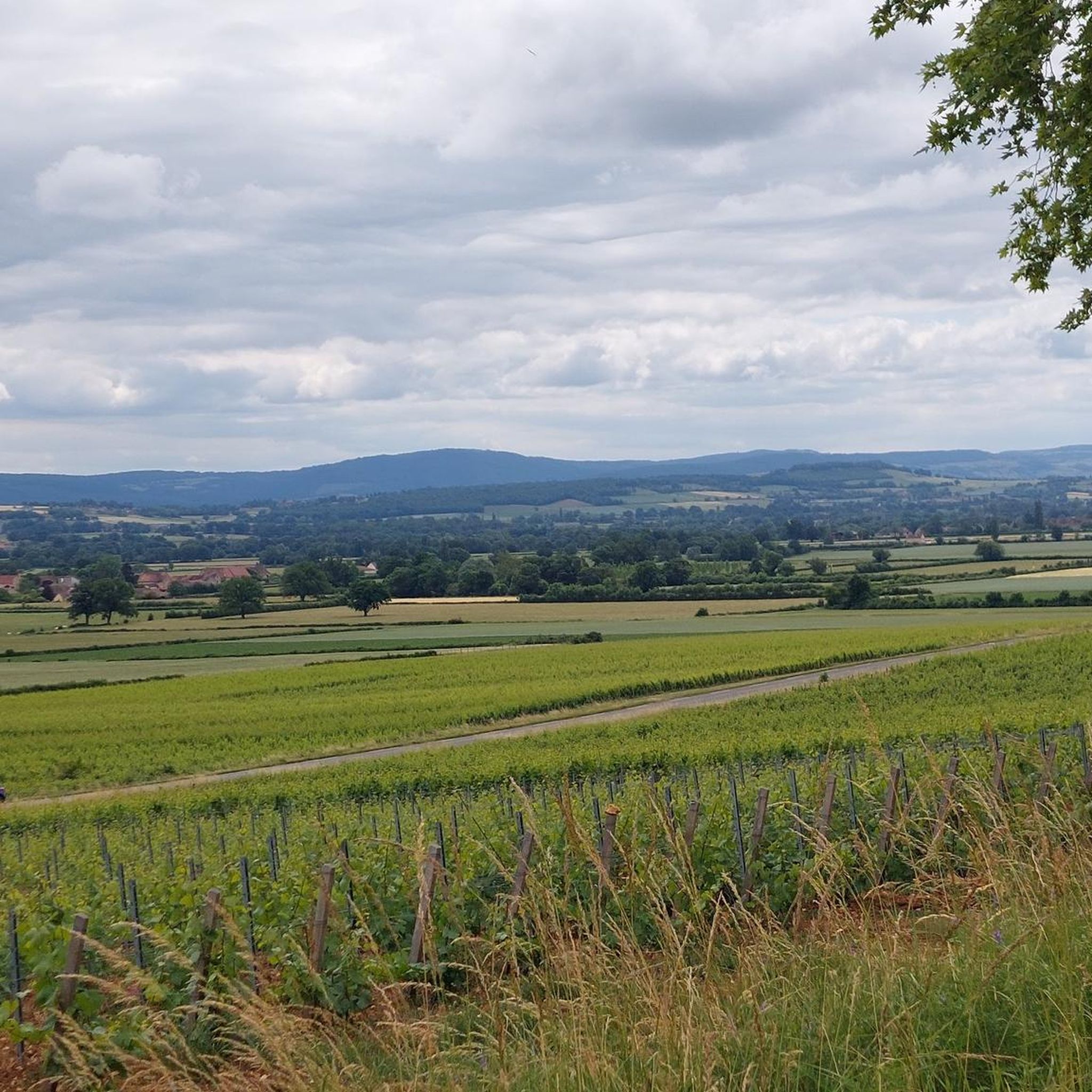
Great route through picturesque hilly cultural landscape.
1
0
The tour leads through a picturesque, typically Burgundian landscape of rolling fields, dense forests, and vineyards. It connects the small, historic communities of Bray, Cortambert, and Blanot. In the listed historic village of Blanot, you will find, among other things, the famous Grottes de Blanot (a cave that reaches over 80 meters deep into the earth) as well as a historic Romanesque church. www.burgund-touri... +1
1
0
The imposing church was originally built in the 12th century by the monks of the Abbey of Cluny. It officially belongs to the Cluniac sites and is on the candidate list for UNESCO World Heritage. The building combines different architectural eras. While the striking transept and the octagonal bell tower date from the Romanesque era, the three-aisled choir visible in the background shows Gothic features. A central eye-catcher in the sanctuary is the large, colorful neo-Gothic church window, which casts a soft light into the elongated interior. Along the mighty pillars of the nave, detailed sculptures and reliefs on the capitals can be seen in the foreground.
0
0
Frequently Asked Questions
What kind of terrain and difficulty can I expect on gravel bike trails around Saint-Ythaire?
The Saint-Ythaire area offers a mix of rural landscapes, including quiet country roads, farm tracks, and paths suitable for gravel biking. While all routes are categorized as 'easy mountain biking' in terms of sport, their difficulty grades vary. You'll find one moderate route and three more challenging options, often featuring significant elevation changes. For example, the Chapaize Church – Château de Cormatin loop from Bonnay is a moderate 31 km ride with over 300 meters of elevation gain.
Are there any family-friendly gravel biking routes in the Saint-Ythaire area?
Given the rural nature of Saint-Ythaire and the presence of a 'greenway' extending towards Cluny, there are likely quieter sections suitable for families. However, the specific gravel routes listed in this guide tend to be longer and include moderate to difficult elevation gains. The Chapaize Church – Château de Cormatin loop from Bonnay is the least challenging of the listed routes, but still covers 31 km. For younger families, exploring sections of the greenway might be a more suitable option.
What are some scenic highlights or landmarks I can see while gravel biking near Saint-Ythaire?
The region is rich in historical and natural beauty. You can pass by significant sites like the Cormatin Castle, a beautifully decorated 17th-century chateau. The Mount Saint-Romain – View of Cluny loop from Cortevaix offers panoramic views, including towards the historic Cluny Abbey. Other routes might take you past charming churches like the Chapaize Church or the Saint Paul Church, Cray.
Are there any circular gravel biking routes available?
Yes, all the gravel routes featured in this guide are designed as loops, allowing you to start and finish at the same point. For example, the challenging Historic wash-house – Saint-Gengoux-le-National loop from Culles-les-Roches is a 43 km circular tour with over 800 meters of elevation gain.
What is the best time of year to go gravel biking in Saint-Ythaire?
The rural character of the Burgundy region, with its agricultural focus, makes spring and autumn particularly pleasant for gravel biking. The weather is generally milder, and the landscapes are vibrant with new growth or autumnal colors. Summer can also be enjoyable, but be prepared for warmer temperatures, especially during midday. Winter riding is possible, but trail conditions might be more challenging due to potential mud or colder weather.
Where can I find parking for gravel biking routes in the Saint-Ythaire area?
Many of the routes start from small villages or hamlets in the vicinity of Saint-Ythaire, such as Bonnay, Cortevaix, Culles-les-Roches, or Saint-Marcelin-de-Cray. These locations typically offer public parking areas, often near churches or village centers, which are suitable for starting your ride. Always check local signage for any parking restrictions.
Is public transport an option for accessing gravel bike trails around Saint-Ythaire?
Saint-Ythaire and its immediate surroundings are primarily rural, and direct public transport links specifically designed for cyclists to trailheads might be limited. While regional bus services may connect some larger towns, accessing the more remote starting points of gravel routes often requires personal vehicle transport. It's advisable to check local transport schedules if you plan to rely on public transport.
Are dogs allowed on the gravel bike trails in Saint-Ythaire?
Generally, dogs are welcome on public paths and rural tracks in France, especially if kept on a leash. However, specific rules can vary, particularly if routes pass through private land, nature reserves, or agricultural areas where livestock might be present. Always ensure your dog is well-behaved, under control, and that you clean up after them. It's best to check for any local signage along your chosen route.
What do other gravel bikers enjoy the most about gravel biking in Saint-Ythaire?
The area is highly rated by the komoot community, with an average score of 5.0 stars. Reviewers often praise the tranquil rural environment, the blend of challenging climbs with rewarding descents, and the opportunity to discover charming villages and historical sites like chateaus and churches along the way. The varied terrain, from quiet country roads to more rugged tracks, also contributes to a fulfilling gravel biking experience.
Are there any places to stop for refreshments or accommodation along the gravel routes?
The routes often pass through or near small villages where you might find local bakeries, cafes, or small restaurants, especially in larger villages like Saint-Gengoux-le-National. For accommodation, you'll find guesthouses or small hotels in the surrounding towns. It's a good idea to plan your stops in advance, especially on longer routes, as services can be sparse in this rural region.
Are there any permits required for gravel biking in the Saint-Ythaire region?
For general gravel biking on public roads, tracks, and designated trails in the Saint-Ythaire area, no specific permits are typically required. However, if a route passes through private property or a protected natural area, always respect any posted signs regarding access or restrictions. The rural nature of the region generally allows for free exploration on established paths.
Most popular routes around Saint-Ythaire
Most popular attractions around Saint-Ythaire

Get inspired with the komoot mobile app


Explore more
Browse the best Gravel rides in other regions.
