The best gravel rides around L'Hôme-Chamondot
4.8
(4)
18
riders
10
rides
Gravel biking around L'Hôme-Chamondot offers routes through the rolling countryside of the Perche Regional Natural Park. The terrain is characterized by a mix of agricultural fields, dense woodlands, and river valleys, providing varied surfaces for gravel cyclists. Elevation gains on some routes indicate a landscape of gentle hills rather than flat plains. The region's rural character ensures a network of quiet country roads and gravel paths suitable for exploration.
Best gravel bike trails around L'Hôme-Chamondot
- The most popular gravel bike…
Last updated: October 19, 2026
4.5
(2)
4
riders
Hard gravel ride. Very good fitness required. Mostly paved surfaces. Suitable for all skill levels.
2
riders
21.7km
01:41
150m
150m
Moderate gravel ride. Good fitness required. Mostly paved surfaces. Suitable for all skill levels.

1
riders
26.2km
01:57
290m
280m
Moderate gravel ride. Good fitness required. Mostly paved surfaces. Suitable for all skill levels.
5.0
(1)
3
riders
42.9km
02:35
420m
420m
Moderate gravel ride. Good fitness required. Mostly paved surfaces. Suitable for all skill levels.
2
riders
28.1km
01:46
160m
160m
Moderate gravel ride. Good fitness required. Mostly paved surfaces. Suitable for all skill levels.
Get access to more routes and recommendations from other explorers.
Already have an account?
Our route recommendations are based on thousands of hikes, rides, and runs completed by other people on komoot.
Start today with a free account
Your next adventure awaits.
Tips from the Community

In the center of Randonnai, the 16th-century Saint-Malo church, enlarged in 1836, houses several works classified as Historic Monuments, including a classical altarpiece with paintings of Saint Andrew and Saint Sebastian. Funeral slabs serve as threshold steps. Inside, a plaque commemorates the departure of Pierre Tremblay (whose birthplace is in La Filonnière) in 1647 for New France. He is the ancestor of the Tremblays of Quebec and North America.
0
0

I am delighted to see and see again the basilica of "La chapelle Montligeon" and I am proud to have been the doctor of this charming village. In the year 2000 and following after 40 years of general medicine in Paris. R.G. Dean of the "couch of doctors".
0
0

From very humble beginnings, a significant sanctuary with a very unusual patronage has emerged in La Chapelle-Montligeon, one I've never encountered anywhere else: The church here, with the papal distinction of "Basilica Minor," is not one of the usual churches dedicated to Our Lady, but rather specifically to "Our Lady, the Liberator of Souls in Purgatory." The present pilgrimage church was built at the turn of the 19th and 20th centuries, as the previous building had become far too small for the pilgrims who came here.
0
0

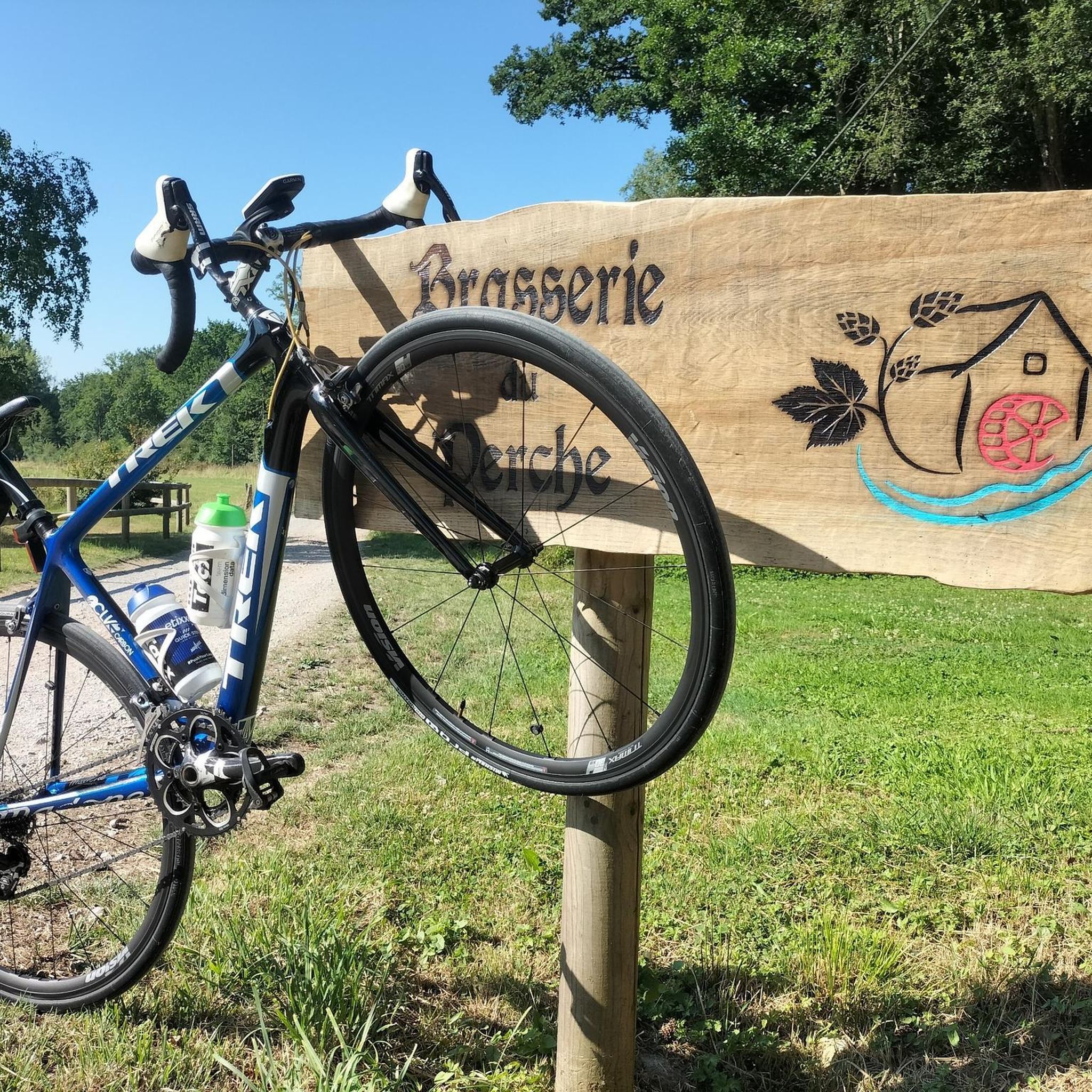
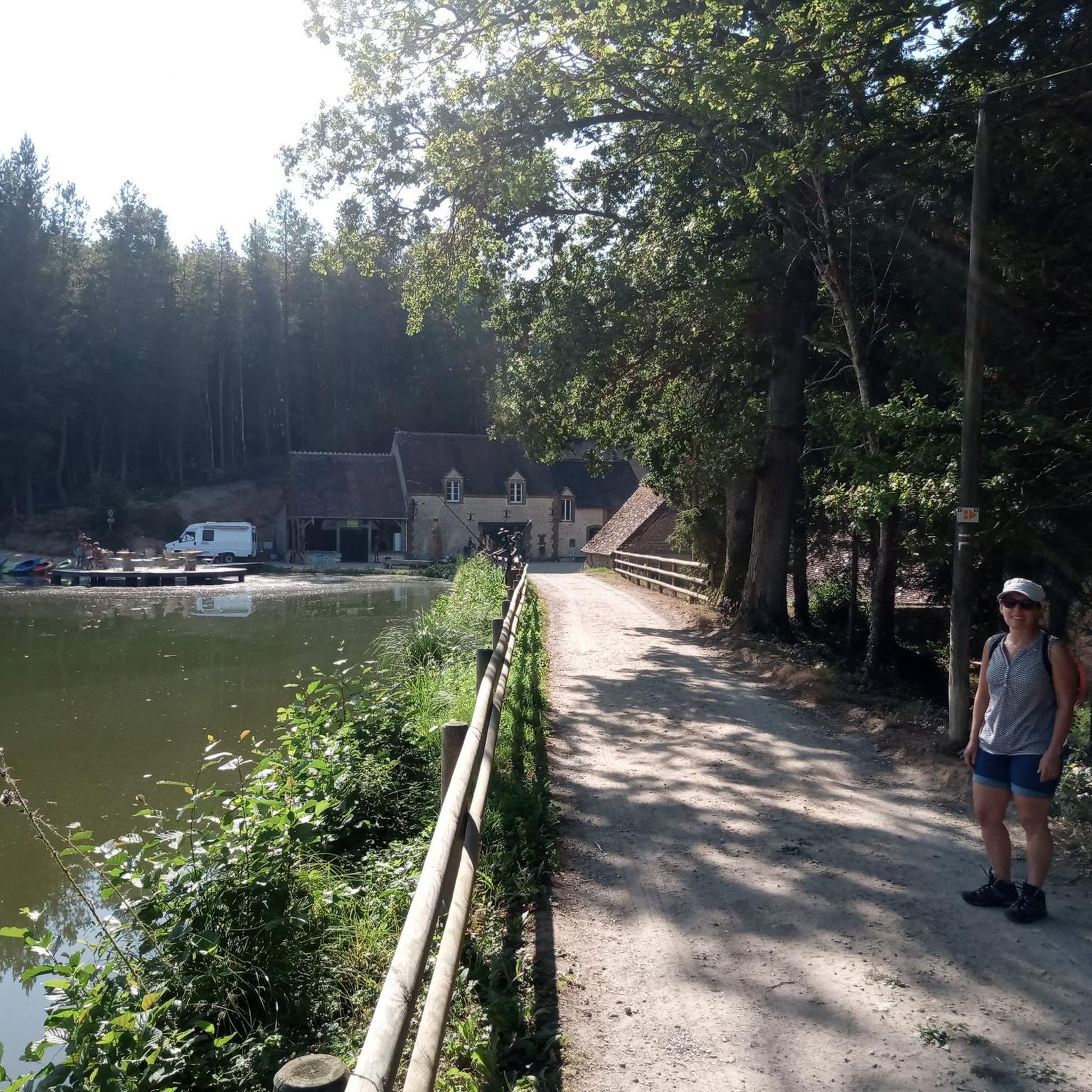
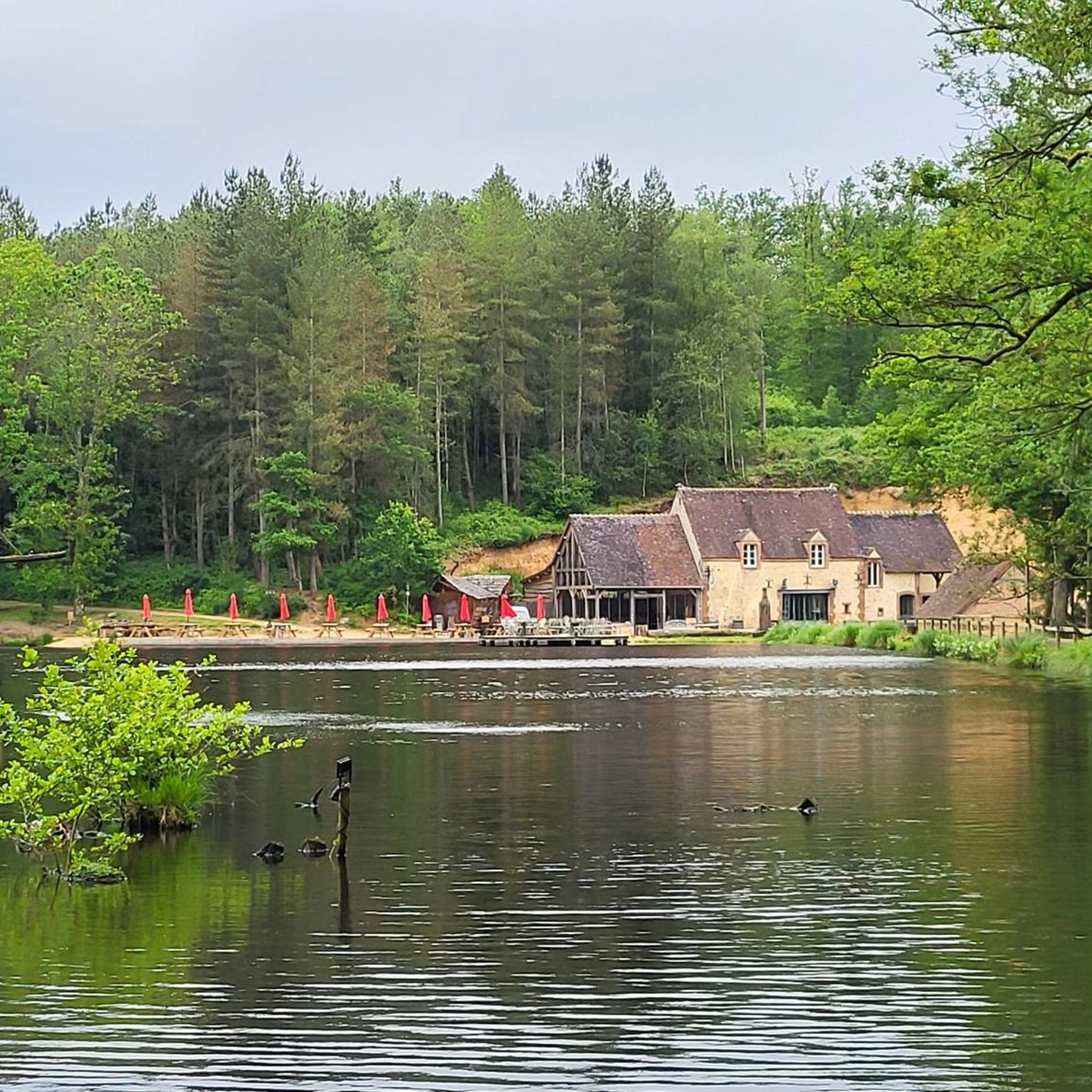
A beautiful place for a hoppy break! Beautiful trails lead to the brewery.
0
0


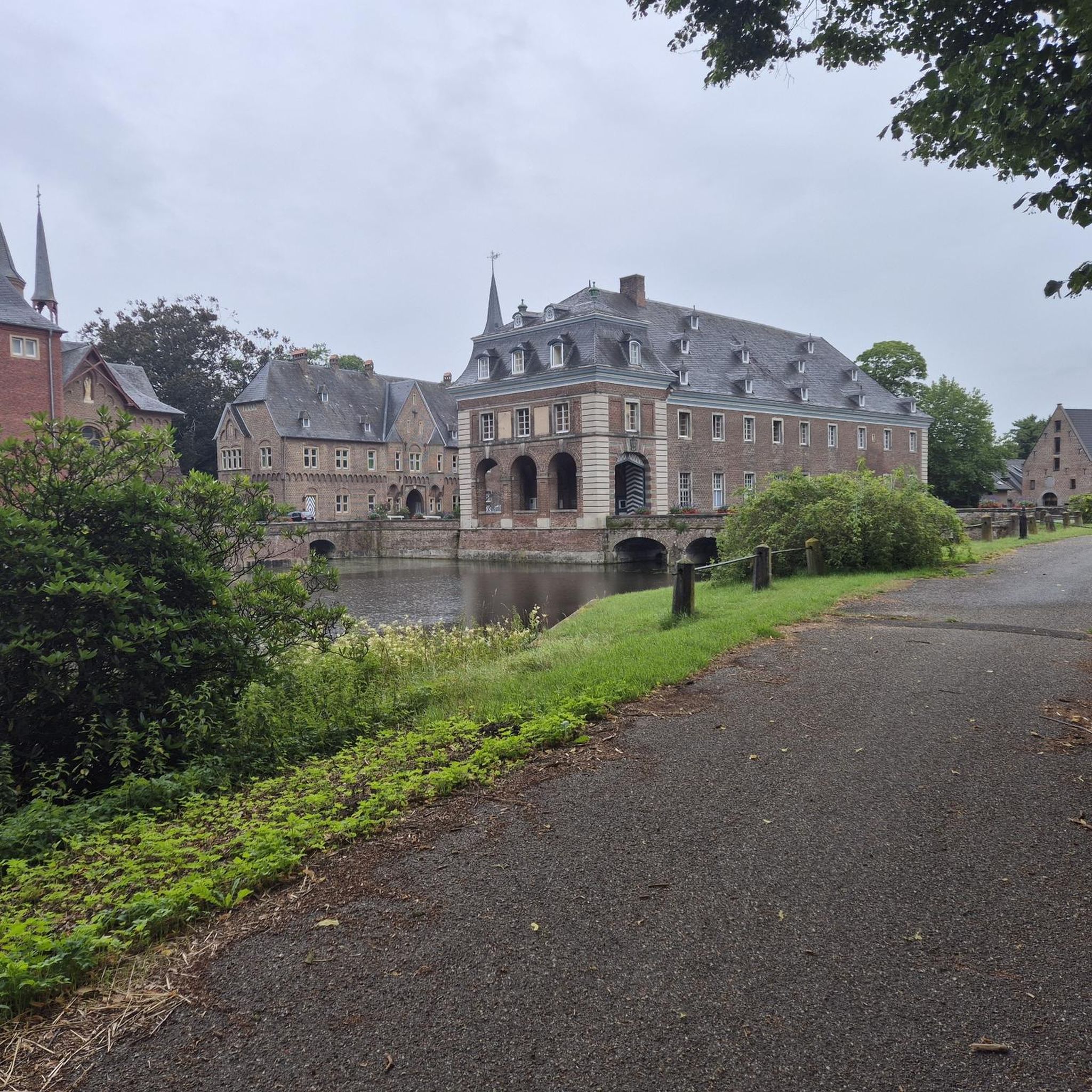
Located on the former Norman border, it was one of the most important strongholds in the region. From its medieval past, it has preserved its round towers and traces of an old drawbridge. Visible from the path behind the church. Private property.
0
0

Praying for your deceased is more than necessary. If you don't pray for yours, pray for mine. 🙏🏻😇
0
0
Frequently Asked Questions
How many gravel bike trails are there in L'Hôme-Chamondot?
There are currently 8 gravel bike routes available around L'Hôme-Chamondot on komoot, offering a range of experiences through the Perche Regional Nature Park. These routes vary in length and difficulty, catering to different skill levels.
Are there easy gravel bike trails for beginners in L'Hôme-Chamondot?
While there are no routes explicitly rated as 'easy', L'Hôme-Chamondot offers 5 moderate gravel bike trails that are suitable for those with some cycling experience. A good option to start with is the Brasserie du Perche – La Brasserie du Perche loop from Marchainville, which is 16.4 miles (26.5 km) long with 160 m of elevation gain.
What is the longest gravel bike route in L'Hôme-Chamondot?
The longest gravel bike route in the area is the Brasserie du Perche – Mairie la Lande sur Eure loop from La Ventrouze. This challenging route spans 46.4 miles (74.7 km) and features significant elevation changes, making it ideal for experienced riders looking for a longer adventure.
Are there any circular gravel bike routes in L'Hôme-Chamondot?
Yes, all the gravel bike routes listed for L'Hôme-Chamondot are circular, meaning they start and end at the same point. This makes planning your ride and return journey straightforward. For example, the Conturbie Pond – Étoile du Perche Signpost loop from Mortagne-au-Perche is a popular circular option.
What kind of elevation gain can I expect on gravel bike trails in L'Hôme-Chamondot?
The terrain around L'Hôme-Chamondot is characterized by rolling hills, so you can expect varied elevation gains. Moderate routes typically have around 150-300 meters of ascent, while more difficult trails, like the Villeray Mill – mill loop from Le Mage, can feature nearly 500 meters of climbing over their course.
What are some interesting landmarks or attractions I can see along the gravel bike trails?
The region around L'Hôme-Chamondot is rich in historical sites and natural beauty. While riding, you might encounter various points of interest. For example, the Villeray Mill – mill loop from Le Mage passes by historic mill sites. You can also explore nearby castles such as the Ruins of the Château de La Ferté-Vidame or the Château de Miserai, which are close to some routes.
What is the best time of year for gravel biking in L'Hôme-Chamondot?
The Perche Regional Nature Park is beautiful throughout the year, but spring and autumn generally offer the most pleasant conditions for gravel biking. The weather is milder, and the landscapes are vibrant with seasonal colors. Summer can also be enjoyable, though it's wise to start earlier in the day to avoid the midday heat.
Are there any family-friendly gravel bike routes in L'Hôme-Chamondot?
While there are no routes specifically designated as 'easy' for very young children, some of the moderate routes with lower elevation gains could be suitable for families with older, more experienced children. The Chapelle de Réveillon – Dovecote by the pond loop from Moussonvilliers is a moderate 17.2-mile (27.7 km) route that might be a good option for a family outing.
What do other gravel bikers enjoy most about gravel biking in L'Hôme-Chamondot?
The area is highly rated by the komoot community, with an average score of 4.3 stars from over 3 reviews. Gravel bikers often praise the region's quiet country roads, varied terrain through woodlands and agricultural fields, and the opportunity to explore the rural character of the Perche Regional Nature Park.
Where can I find parking for gravel bike trails in L'Hôme-Chamondot?
Most gravel bike routes in L'Hôme-Chamondot start from villages or small towns, where public parking is usually available. For instance, routes starting from La Ventrouze, Mortagne-au-Perche, or Le Mage will have parking options within those localities, often near the starting point of the loop.
Are there any viewpoints along the gravel bike trails in L'Hôme-Chamondot?
Given the rolling hills and varied landscape of the Perche Regional Nature Park, many routes offer scenic vistas over agricultural fields, dense woodlands, and river valleys. While specific named viewpoints are not highlighted for every route, the natural elevation changes provide numerous opportunities for panoramic views of the countryside.
Most popular routes around L'Hôme-Chamondot
Most popular attractions around L'Hôme-Chamondot

Get inspired with the komoot mobile app


Explore more
Browse the best Gravel rides in other regions.
