The best gravel rides around Hüntingen
4.8
(11)
76
riders
11
rides
Gravel biking around Hüntingen offers a diverse landscape for cyclists. The region, situated near Xanten in North Rhine-Westphalia, Germany, features a mix of less frequented roads, narrow trails, and gravel tracks. Cyclists can expect to encounter rolling hills, extensive forested areas, and paths along the Rhine River. This varied terrain provides options ranging from flat routes to trails with significant elevation gains.
Best gravel bike trails around Hüntingen
- The most popular gravel bike trail is Château de Malbrouck – Malbrouck…
Last updated: July 3, 2026
5.0
(1)
16
riders
71.3km
05:13
940m
940m
Hard gravel ride. Very good fitness required. Mostly paved surfaces. Suitable for all skill levels.
5.0
(1)
16
riders
Moderate gravel ride. Good fitness required. Mostly paved surfaces. Suitable for all skill levels.

Sign up for free
14
riders
45.3km
03:11
630m
630m
Hard gravel ride. Very good fitness required. Mostly paved surfaces. Suitable for all skill levels.
4.0
(4)
6
riders
43.2km
02:45
360m
360m
Moderate gravel ride. Good fitness required. Mostly paved surfaces. Suitable for all skill levels.
4.8
(4)
17
riders
38.0km
02:22
280m
280m
Moderate gravel ride. Good fitness required. Mostly paved surfaces. Suitable for all skill levels.
Get access to more routes and recommendations from other explorers.
Sign up for free
Already have an account?
Our route recommendations are based on thousands of hikes, rides, and runs completed by other people on komoot.
Start today with a free account
Your next adventure awaits.
Login or Signup
Tips from the Community

If you have time, you should visit it.
0
0

🛡️ **Ouvrage de Kobenbusch – Mighty Fortification of the Maginot Line** The **Ouvrage de Kobenbusch**, located south of Cattenom near the Luxembourg border, is one of the large underground fortifications of the **Maginot Line**. It was built between 1930 and 1935 and consisted of several combat blocks, underground connecting tunnels, a barracks, ammunition depots, and machine rooms – on several levels, anchored deep in the limestone. ⚙️ Particularly noteworthy: The technical systems were designed to be self-sufficient for months – including power generation, ventilation, a kitchen, and a hospital. The fort was occupied without a fight during World War II, continued to be used in part after the war, and is now privately owned. 🚷 It's **not open to the public**, but some ventilation towers and blockhouses are still visible in the forest near the D64 road (between Cattenom and Berg-sur-Moselle). **Tip:** For Maginot fans, a walk through the forest is worthwhile – with a little research, you'll find several bunker remains. Respect barriers, as some entrances are unstable or secured.
1
0
🛡️ **Ouvrage du Galgenberg – A Deep Look into the Maginot Line** The **Ouvrage de Galgenberg** is a large underground fortification of the **Maginot Line**, located south of Cattenom. It was built between 1930 and 1935 and served to defend the French border against Germany. The complex consists of several **combat bunkers**, **barracks**, **tunnels**, and **supply facilities** located deep underground. During the Cold War, the fort was modernized and remained in active use until the 1980s. 🔦 Today, it is accessible for guided tours (registration only), including a view of the original equipment: rails, power supply, ventilation systems, and gun emplacements. **Tip:** Ideal for military and history buffs – bring warm clothing, as it's chilly inside! Guided tours with former soldiers or experts are particularly impressive.
1
0
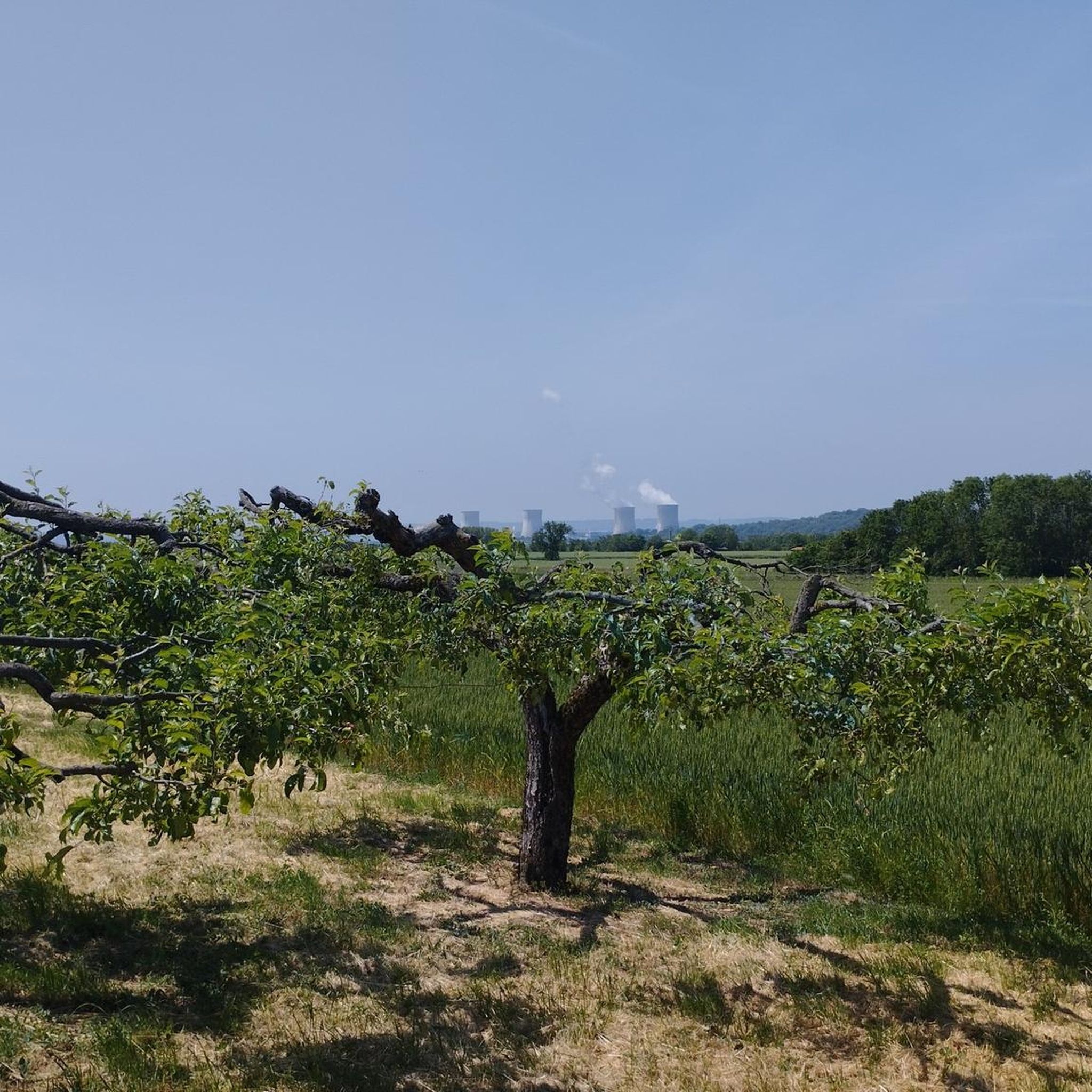
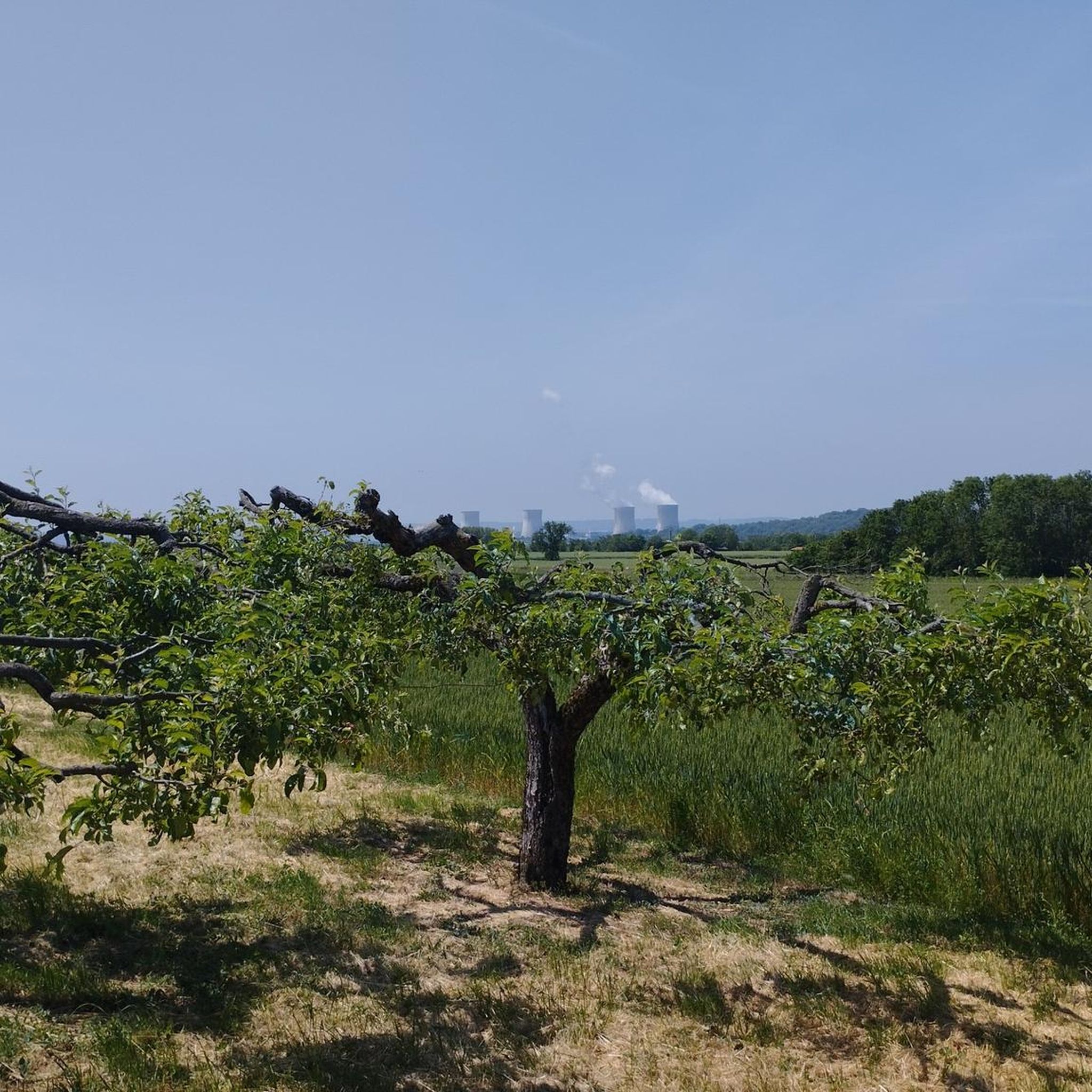
🚧 **Barrage du Lac du Mirgenbach – The Technical Heart of the Lake** At the southern end of **Lac du Mirgenbach** is the **dam (barrage)**, which serves to regulate the water and cool the nearby **Cattenom Nuclear Power Plant**. The facility is not open to the public, but is easily visible from the paths around the lake. 🌊 The dam marks the transition between technology and nature: Here, the water flows in controlled channels, creating an exciting interplay of industrial function and scenic tranquility. **Tip:** Those who walk the circular path around the lake have a good view of the dam from the eastern shore – particularly interesting for technology enthusiasts and landscape photographers.
3
0
🏰 Château de Malbrouck (Manderen-Ritzing) A magnificent 15th-century hilltop castle, once the first settlement of Marlborough ("Malbrouck") in 1705. Today, it has been lovingly restored (1991–1998) and is home to changing exhibitions, festivals, and medieval events. Tip: Combine your visit with a walk around the castle—take time to admire the towers, exhibitions, and seasonal events. Ideal for families, history buffs, and culture enthusiasts!
6
0

The castle was once one of the most popular residences of the Dukes of Lorraine. Today, visitors can visit the towers, the granary, the powder magazine, the arsenal, and the provisions store.
2
0

The Roman Villa Borg is a fascinating open-air archaeological museum. Built as a fully reconstructed villa rustica based on a Roman model, it provides visitors with an authentic picture of life in the Roman Empire. The complex features faithful replicas and archaeological finds that bring the past to life. A special highlight is the Roman tavern, where you can enjoy historical dishes. The workshops also offer unique insights into ancient craftsmanship, which you can experience up close.
0
0

Berg Castle, built on a hill above the town of Nennig, consists of two connected former moated castles. The lower castle is privately owned and is gradually falling into disrepair, while the upper castle, converted into a palace during the Renaissance, houses a hotel, a restaurant, and a casino. The upper castle, incidentally, was almost completely destroyed in World War II, rebuilt by the Saarland in the 1950s, and used as a school camp for about 30 years. It was only converted into a hotel in the late 1980s. Details about the history online: https://de.m.wikipedia.org/wiki/Schloss_Berg_(Saarland)
5
0
Frequently Asked Questions
How many gravel bike trails are available around Hüntingen?
There are over 20 gravel bike trails around Hüntingen, offering a diverse range of experiences. These include 2 easy routes, 8 moderate routes, and 10 difficult routes, catering to various skill levels.
What kind of terrain can I expect on gravel bike trails in Hüntingen?
The Hüntingen region, near Xanten in North Rhine-Westphalia, offers a varied landscape. You'll encounter a mix of less frequented roads, narrow trails, and gravel tracks. Expect rolling hills, extensive forested areas, and picturesque paths along the Rhine River. This diversity provides options from flat routes to those with significant elevation gains.
Are there any easy or family-friendly gravel bike trails in Hüntingen?
Yes, Hüntingen offers easy routes suitable for beginners or families. For instance, the Moselle River – Moselle Riverside Path loop from Malling is an easy 25.1 km (15.6 mi) route that takes about 1 hour 47 minutes to complete, featuring minimal elevation changes.
What are some challenging gravel bike routes near Hüntingen?
For experienced gravel bikers seeking a challenge, Hüntingen has several difficult routes. One notable option is the Château de Malbrouck – Malbrouck Castle loop from Sierck-les-Bains, a 71.8 km (44.6 mi) trail with significant elevation changes, typically completed in about 5 hours 15 minutes.
Can I find loop trails for gravel biking in Hüntingen?
Yes, many gravel bike routes in Hüntingen are designed as loops, allowing you to start and end at the same point. An example is the Forêt Domaniale de Garche – Ouvrage du Kobenbusch loop from Breistroff-la-Grande, a moderate 33.9 km (21.1 mi) path through forested areas.
What historical sites or landmarks can I see while gravel biking around Hüntingen?
The region around Hüntingen is rich in history. You can explore sites like the Schengen European Museum and Border Monuments or the Schengen Agreement Monument. For a glimpse into the past, consider routes that pass near Malbrouck Castle or the Rodemack Castle.
Are there any scenic viewpoints along the gravel bike trails?
Yes, Hüntingen's diverse landscape offers several scenic viewpoints. You might encounter breathtaking views like the Perl Three-Country View — Monument and Viewpoint or enjoy a View of Château des Ducs de Lorraine and Sierck-les-Bains, rewarding you after climbs.
What do other gravel bikers say about the trails in Hüntingen?
The gravel biking routes in Hüntingen are highly rated by the komoot community, with an average score of 4.6 stars from 8 reviews. Over 90 gravel bikers have used komoot to explore the varied terrain, often praising the diverse landscapes, from rolling hills and forests to paths along the Rhine River.
What is the best time of year for gravel biking in Hüntingen?
The region around Hüntingen offers an ideal environment for gravel biking throughout much of the year due to its diverse terrain. Spring and autumn generally provide pleasant temperatures and beautiful scenery. While winter conditions can vary, it's advisable to check local weather forecasts for snow or ice before planning a ride.
Are there any natural attractions or unique natural features to see?
Beyond historical sites, the region boasts natural beauty. You can discover the Stromberg Limestone Cliffs or explore the Orchideenpfad. The area's proximity to the Rhine River also means picturesque dike paths and views, and the Xantener Südsee offers opportunities for watersports.
How can I access the Hüntingen region for gravel biking?
Hüntingen is situated near Xanten in North Rhine-Westphalia, Germany. The broader region is well-connected, making it accessible by car. For more general information on cycling in North Rhine-Westphalia, you can visit NRW Tourism's gravel biking page.
Most popular attractions around Hüntingen

Get inspired with the komoot mobile app


Explore more
Browse the best Gravel rides in other regions.
