The best gravel rides around Vivès
4.8
(10)
95
riders
40
rides
Gravel biking around Vivès offers a diverse landscape characterized by rolling hills, historical sites, and river valleys. The region features a mix of open fields, forested sections, and routes that pass through charming villages and near ancient fortifications. Significant elevation gains are common, providing challenging climbs and rewarding views across the terrain.
Best gravel bike trails around Vivès
- The most popular gravel bike trail is View of Château d'Aubiry – Reynès Iron Bridge loop from Saint-Jean-Pla-de-Corts, a 26.6 miles…
Last updated: July 3, 2026
9
riders
Hard gravel ride. Very good fitness required. Mostly paved surfaces. Suitable for all skill levels.
5.0
(1)
11
riders
Hard gravel ride. Very good fitness required. Mostly paved surfaces. Suitable for all skill levels.

Sign up for free
5.0
(1)
8
riders
63.9km
05:22
1,510m
1,510m
Hard gravel ride. Very good fitness required. Mostly paved surfaces. Suitable for all skill levels.
4
riders
51.1km
03:49
720m
720m
Hard gravel ride. Very good fitness required. You may need to push your bike for some segments of this route.
5
riders
20.8km
02:02
700m
700m
Hard gravel ride. Very good fitness required. Mostly paved surfaces. Suitable for all skill levels.
Get access to more routes and recommendations from other explorers.
Sign up for free
Already have an account?
Our route recommendations are based on thousands of hikes, rides, and runs completed by other people on komoot.
Start today with a free account
Your next adventure awaits.
Login or Signup
Tips from the Community

trail nearby was also very nice,
0
0

This village lies at the foot of the Aspres and is surrounded by two limestone plateaus, the Causse de Thuir and the Roc de Majorque (altitude 443 m). Founded in the 10th century, it seems to have been forgotten by time after serving as the capital of the Viscounty of Vallespir for more than three centuries.
0
0
Castelnou is situated at the foot of the Aspres Mountains, with the legendary Catalan mountain Canigou in the background.
0
0
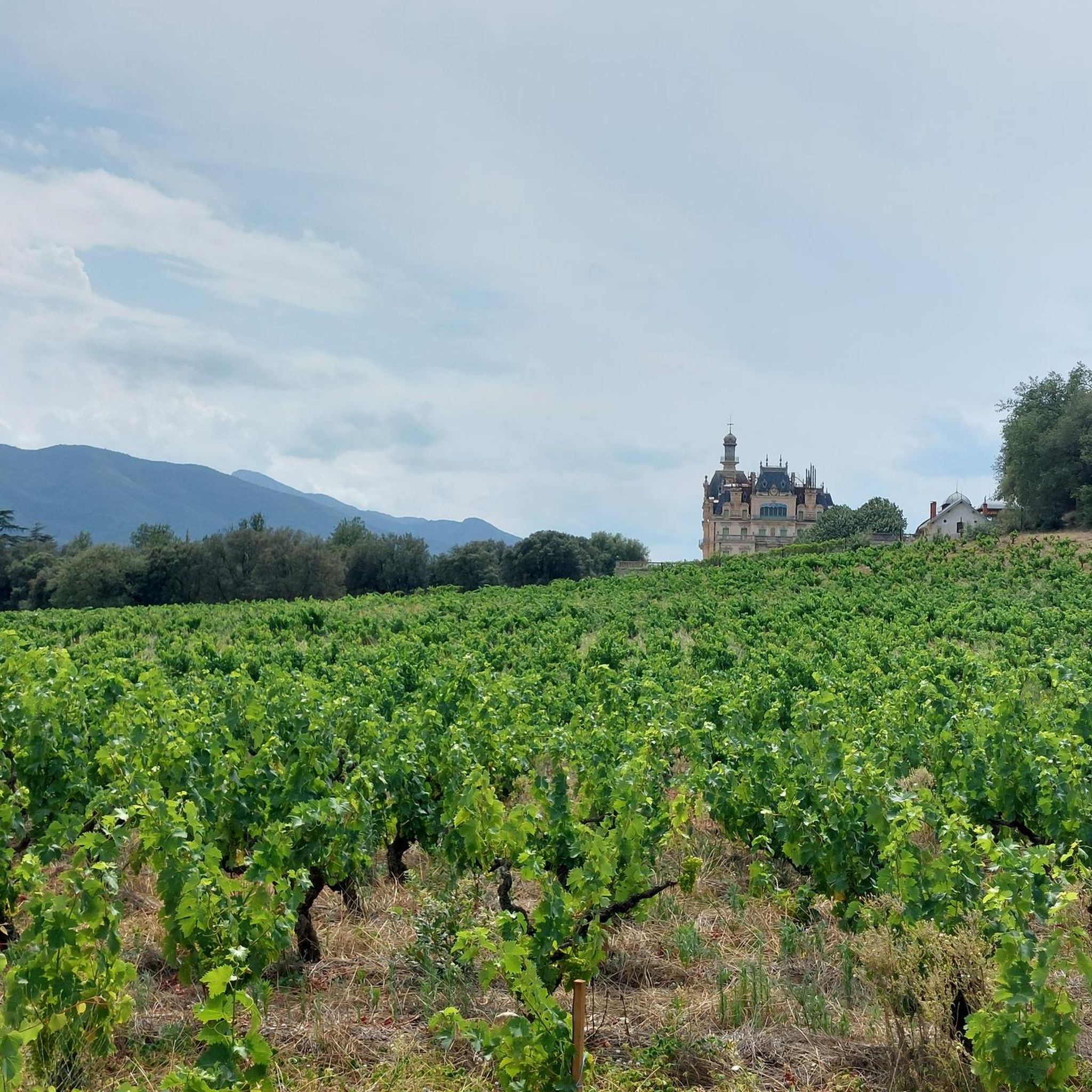
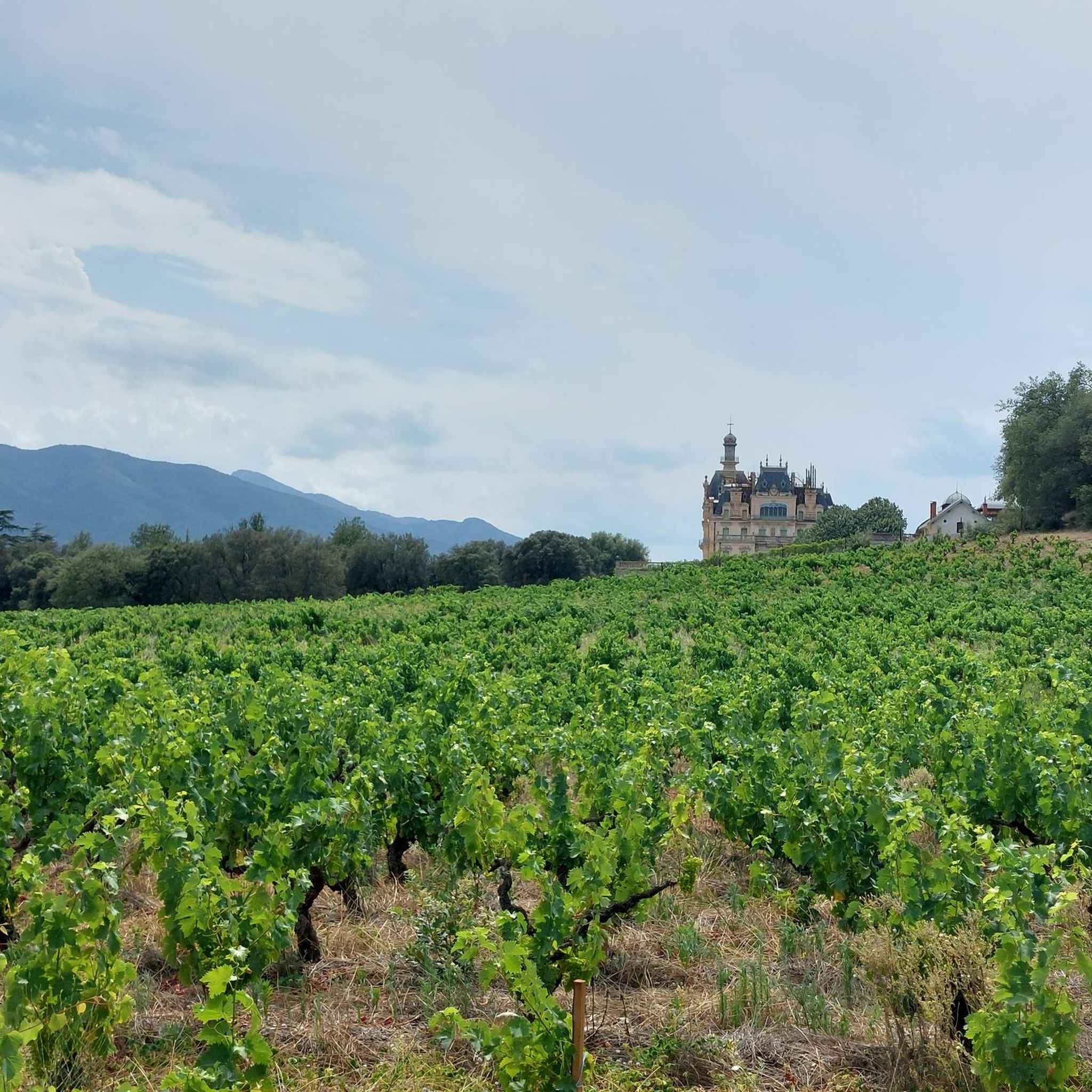
This castle likely dates back to the 12th century. Although medieval in design, it was remodeled in the 13th and then again in the 16th century. Its architecture is inspired by medieval Catalan architecture, and it is likely privately owned.
0
0
Listed as a Historic Monument on October 24, 1927, this pre-Romanesque chapel (10th century) first appeared in writing in the 13th century. Renovated in the 18th century, it housed a gilded and painted wooden altarpiece with marble columns made by the Navarre family. Plundered in the 20th century, the altarpiece was renovated and in 2005, a statue belonging to the ensemble was purchased by the commune of Ille-sur-Têt.
0
0

dynamic lighting in Catalan colors at night.
0
0

Great trail for mountain biking, but some sections are not easy. Good physical condition is necessary. Thanks to whoever put this trail together. Tiwok66
0
0
Frequently Asked Questions
How many gravel bike trails are available around Vivès?
There are over 50 gravel bike trails in the Vivès region, offering a wide range of options for different skill levels and preferences. You'll find everything from moderate rides to more challenging routes with significant elevation gains.
Are there any family-friendly gravel bike routes near Vivès?
While many routes in Vivès feature significant elevation, some sections might be suitable for families with older children or those comfortable with moderate climbs. For a more relaxed experience, consider exploring flatter sections of trails or shorter loops. Always check the route details for elevation and terrain before heading out.
What kind of terrain can I expect on gravel bike trails in Vivès?
The Vivès region offers diverse terrain, including rolling hills, open fields, forested sections, and routes that pass through charming villages and along river valleys. You'll encounter a mix of gravel paths, dirt roads, and some paved sections, often with notable elevation changes.
Are there any circular gravel bike routes in the Vivès area?
Yes, many of the gravel bike trails around Vivès are designed as loops. For example, the View of Château d'Aubiry – Reynès Iron Bridge loop from Saint-Jean-Pla-de-Corts is a popular circular route that offers historical views. Another option is the Fort de Bellegarde – Cycle Path Through the Fields loop from Saint-Jean-Pla-de-Corts, which takes you through open fields and past fortifications.
What are some notable landmarks or viewpoints along the gravel bike trails?
The region is rich in historical sites and natural beauty. You might pass by the picturesque La Balma de Na Cristina Dolmen, or enjoy views from summits like Roc de Mallorca. Some routes also feature charming villages and historical fortifications.
Are there any challenging gravel bike routes for advanced riders?
Absolutely. Vivès is known for its challenging routes with significant elevation gains. The Castelnou – Very pretty pedestrian village loop from Terrats, for instance, is a difficult 39.8-mile (64.1 km) path with substantial climbing, popular among experienced riders.
What is the best time of year for gravel biking in Vivès?
Spring and autumn generally offer the most pleasant conditions for gravel biking in Vivès, with milder temperatures and beautiful scenery. Summers can be hot, so early morning rides are recommended. Winters are usually mild, but some higher elevation trails might be affected by weather, so always check local forecasts.
Are dogs allowed on the gravel bike trails in Vivès?
Many trails in the Vivès region are dog-friendly, especially those on public land or designated paths. However, it's always best to keep your dog on a leash, especially when passing through agricultural areas or near livestock. Check specific route details or local regulations for any restrictions.
Where can I find parking near the gravel bike trails in Vivès?
Many of the popular starting points for gravel bike routes, such as Saint-Jean-Pla-de-Corts or Céret, offer public parking facilities. Look for designated parking areas in or near these villages, which often serve as convenient access points for the trails.
What do other gravel bikers enjoy most about the Vivès region?
The Vivès region is highly rated by the komoot community, with an average score of 4.9 stars. Reviewers often praise the diverse landscape, the mix of historical sites and natural beauty, and the challenging yet rewarding climbs that offer spectacular views.
Are there any routes that feature water crossings or waterfalls?
Yes, the region's river valleys mean you might encounter water crossings. For a specific natural highlight, the Salt de Baoussous Waterfall is a notable natural monument in the area that can be incorporated into or viewed from some routes.
Can I find cafes or places to refuel along the gravel bike routes?
Many routes pass through or near charming villages like Vivès itself, Céret, or Saint-Jean-Pla-de-Corts, where you can find cafes, bakeries, and small shops to refuel and rest. Planning your route to include these stops is recommended for longer rides.
How long do gravel bike rides typically take in Vivès?
Ride durations vary significantly based on the route's distance, elevation, and your pace. For example, the Reynès Iron Bridge – Le Tech loop from Céret, a 23.2-mile (37.3 km) route, typically takes around 3 hours. More challenging or longer routes can take 4 hours or more.
Most popular attractions around Vivès

Get inspired with the komoot mobile app


Explore more
Browse the best Gravel rides in other regions.
