The best gravel rides around Saint-Piat
4.7
(4)
46
riders
10
rides
Gravel biking around Saint-Piat offers a network of trails through varied landscapes, characterized by rolling countryside, historic aqueducts, and riverside paths along the Eure. The region's gravel bike trails feature diverse terrain, from open fields to more sheltered sections, with a blend of paved and unpaved surfaces. Topography generally presents gentle gradients, with occasional longer climbs, making Saint-Piat gravel bike trails suitable for different skill levels.
Best gravel bike trails around Saint-Piat
- The most popular gravel bike trail is Château…
Last updated: May 22, 2026
11
riders
98.4km
06:19
590m
590m
Hard gravel ride. Very good fitness required. Mostly paved surfaces. Suitable for all skill levels.
4.3
(3)
8
riders
37.7km
02:18
260m
260m
Moderate gravel ride. Good fitness required. Mostly paved surfaces. Suitable for all skill levels.

Sign up for free
7
riders
8.61km
00:33
60m
60m
Easy gravel ride. Great for any fitness level. Mostly paved surfaces. Suitable for all skill levels.
4
riders
76.8km
04:35
350m
350m
Moderate gravel ride. Good fitness required. Mostly paved surfaces. Suitable for all skill levels.
5
riders
67.1km
04:06
410m
410m
Moderate gravel ride. Good fitness required. Mostly paved surfaces. Suitable for all skill levels.
Get access to more routes and recommendations from other explorers.
Sign up for free
Already have an account?
Our route recommendations are based on thousands of hikes, rides, and runs completed by other people on komoot.
Start today with a free account
Your next adventure awaits.
Login or Signup

Tips from the Community

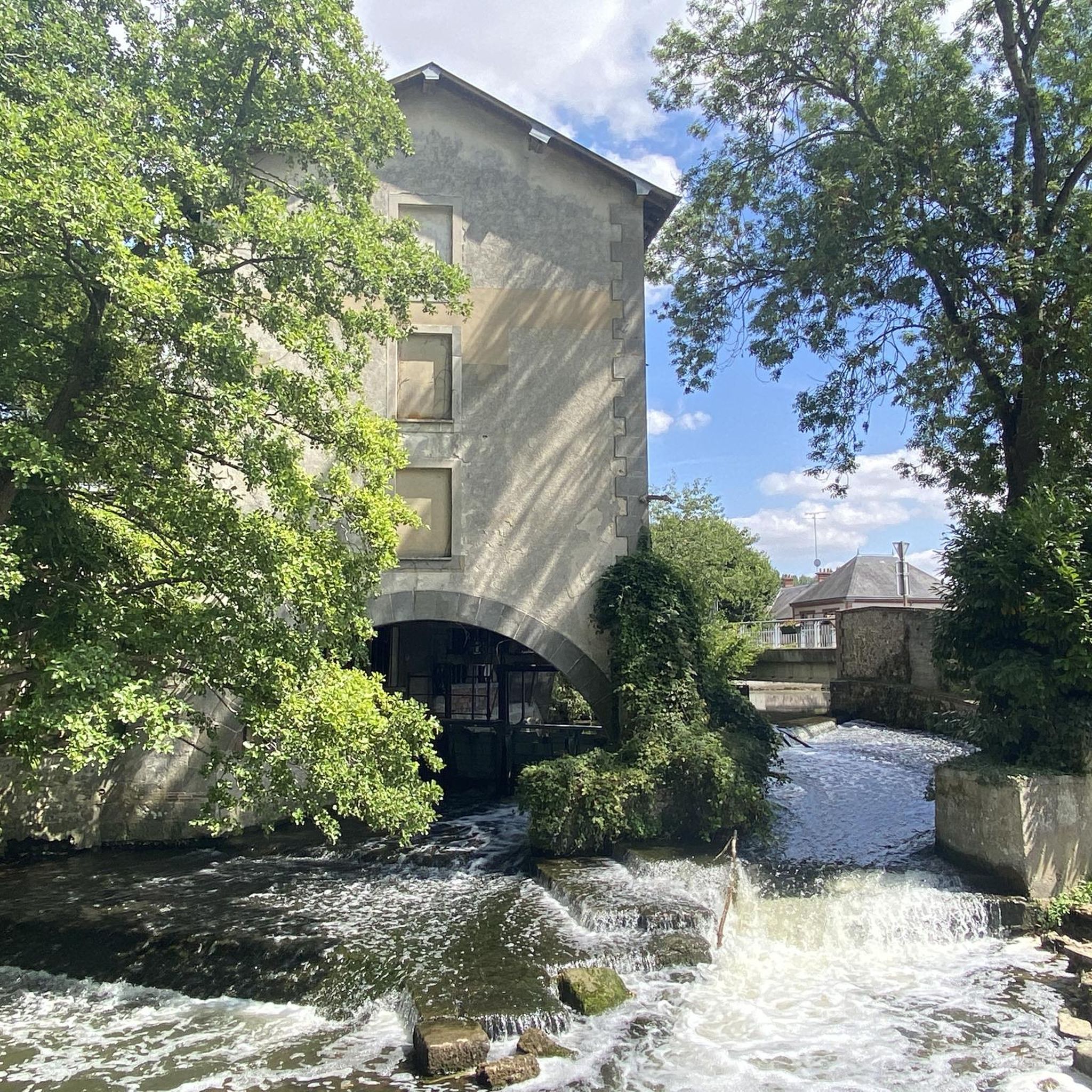
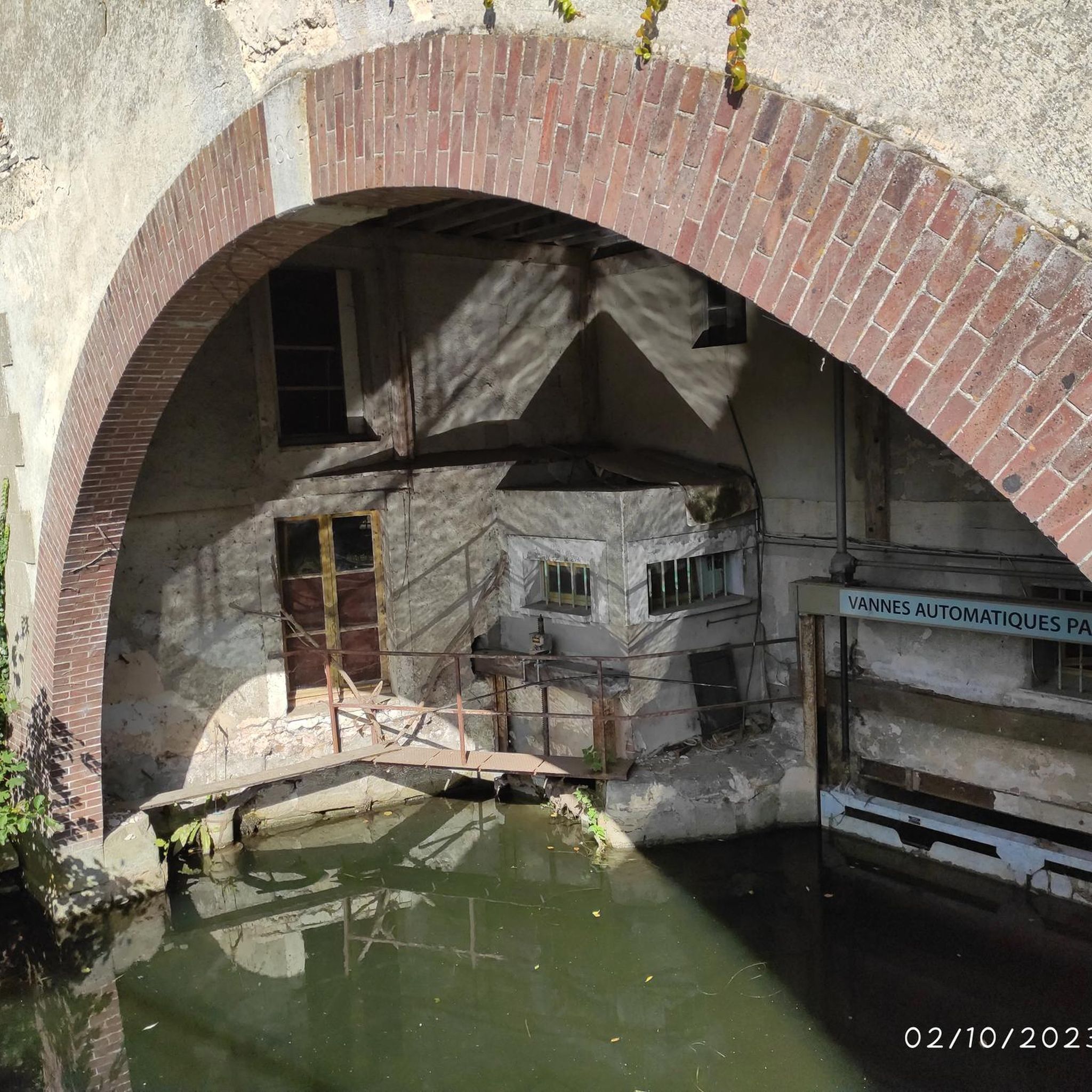
The Moulin de Mormoulins is a watermill located on the Eure River in the hamlet of Mormoulins. This mill dates back to the 18th and 19th centuries and is a listed historical monument. You can admire the old stone building, the wooden wheel, and the canal that diverts water from the river as you pass in front of the mill. The mill is surrounded by green fields and trees, creating a peaceful and relaxing atmosphere.
0
0

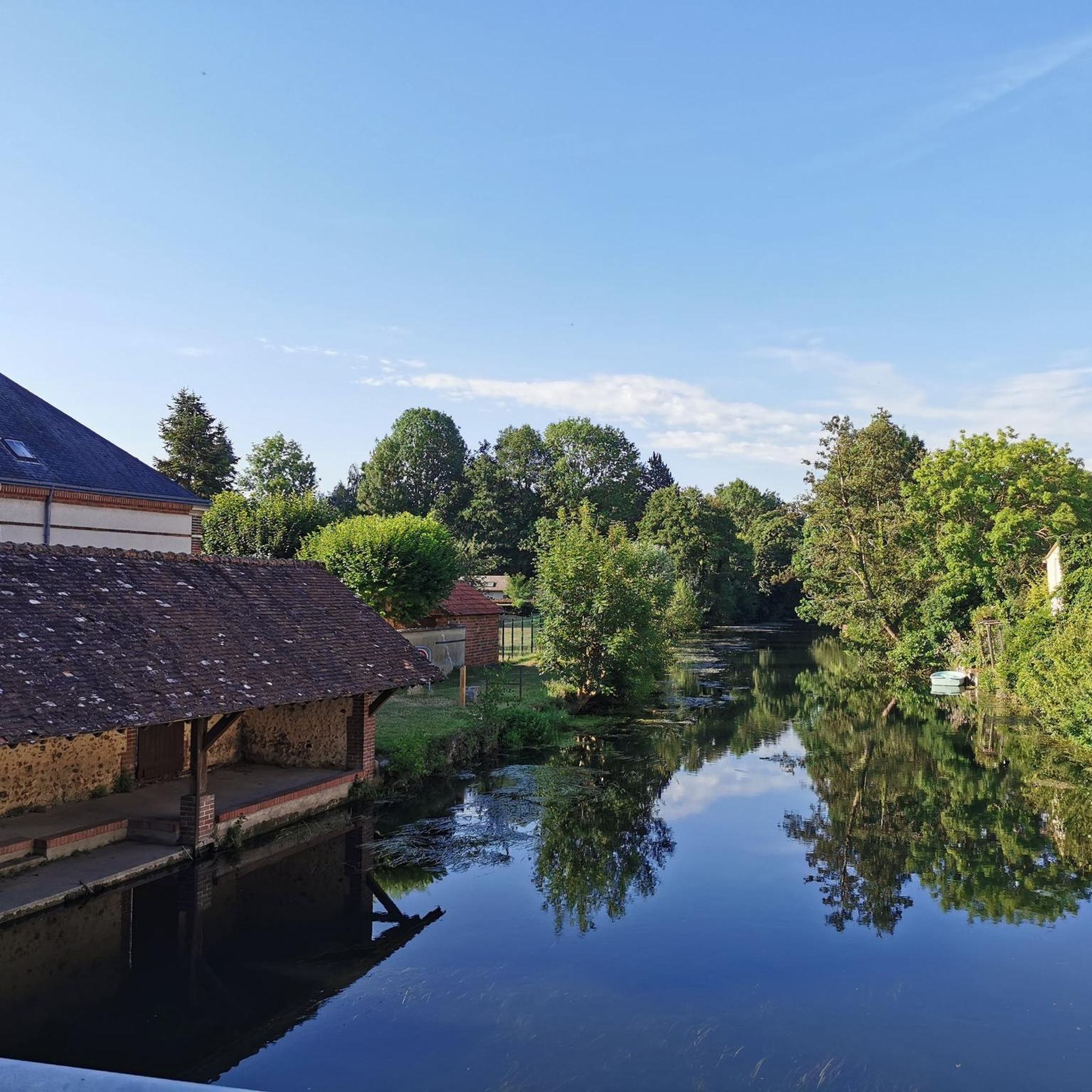
Walking along the canal, surrounded by dense vegetation, is a unique pleasure.
0
0

According to tradition, the church choir covers the remains of an older building, possibly dating back to the 6th century, which was built to house the saint's body. According to current knowledge, the commune of Saint-Piat (Sanctus Piatus in Latin) officially appeared in 1087, mentioned in a charter of the Nottonville Priory (Eure-et-Loir), on which it depended. The current building was rebuilt during the time of Francis I, as suggested by the date 1535 engraved on two buttresses of the apse and the date 1542 engraved on a piece of wood from the vault. This is according to a study by the SAEL (Eure-et-Loir Archaeological Society). The three-sided apses, the dripstone towers (horizontal members projecting from a wall), and the sculpted roof structures are a testament to the importance of the reconstructions carried out in the department during the 16th century. The church of Saint-Piat is one of them. While the church has not been officially recognized, it nevertheless contains objects that have attracted attention both for their antiquity and quality, but not always for good reason. Their artistic value, far from attracting only religious or aesthetic interest, has also aroused a covetousness that, unfortunately, remains for some of them. Fortunately, those still in place are carefully cared for and offer the curious a story to discover, a beauty to slowly ponder as they progress toward the choir.
0
0

Many centuries ago, our ancestors discovered the possibility of harnessing the power of the elements—which, while helpful and useful on the one hand, could also be a threat as untamed forces of nature—for various purposes, thus eliminating the need for human or animal muscle power. Mills like these are a good example of the human engineering skills of earlier generations: The heavy millstones used to grind grain or press oil, for example, could be powered by wind or—as in this case—water.
0
0

Don't be surprised if you spot flamingos 🦩 on the banks of the pond. They're still there, despite the park being closed for many years.
0
0


Situated on the banks of the Eure River, the village of Maintenon boasts a peaceful atmosphere and rich heritage. Dominated by its Renaissance castle and famous for its unfinished aqueduct designed by Vauban, the town invites you to stroll. The ancient streets, the banks of the Eure River, and the Louis XIV Canal provide an ideal setting for a break in the footsteps of history.
0
0

Rambouillet Castle A former medieval fortress, Rambouillet Castle was gradually transformed into a pleasure residence by its illustrious owners and adorned with elegant decorations.
0
0
Frequently Asked Questions
How many gravel bike trails are available around Saint-Piat?
There are over 20 gravel bike trails in the Saint-Piat area, offering a variety of experiences for different skill levels. The komoot community has explored these routes extensively, providing valuable insights.
Are there any beginner-friendly gravel bike routes in Saint-Piat?
Yes, Saint-Piat offers several easier gravel bike routes. For instance, the Château de Maintenon – Old aqueduct loop from Hanches is an easy 14.3-mile (23.1 km) path that combines historical sights with accessible gravel sections, perfect for those new to gravel biking or looking for a relaxed ride.
What are some challenging gravel bike routes near Saint-Piat?
For experienced gravel bikers seeking a challenge, Saint-Piat has several difficult routes. The Old aqueduct – Château de Mormoulins loop from Maintenon is a demanding 61.3-mile (98.5 km) trail with significant elevation gain, offering a robust workout through varied terrain.
What is the best season for gravel biking in Saint-Piat?
The rolling countryside and riverside paths of Saint-Piat are generally enjoyable from spring through autumn, when the weather is mild and the trails are dry. While winter riding is possible, some paths might be muddy or slippery, especially along the Eure river. Always check local conditions before heading out.
Are there any scenic gravel bike routes with viewpoints in Saint-Piat?
Many routes in Saint-Piat offer scenic views, particularly those following the historic aqueducts and the Eure river. The Old aqueduct – Eure Riverside Walk loop from Yermenonville provides extensive views along the river and across the open fields, showcasing the region's natural beauty.
Are there family-friendly gravel biking options in the Saint-Piat area?
Yes, the region offers several easier routes suitable for families. The gentle gradients and accessible gravel sections, such as those found around the Château de Maintenon, make for pleasant family outings. Consider shorter, less challenging loops to ensure an enjoyable experience for everyone.
What historical landmarks or attractions can I see along the gravel bike trails?
The Saint-Piat area is rich in history. Many routes pass by or near notable landmarks. You can explore the area around the The finish line in Chartres, the historic Saint-Piat Mill, or the impressive Pont Rouge on the Louis XIV Canal. These highlights add a cultural dimension to your ride.
Are there any loop gravel bike trails in Saint-Piat?
Yes, most of the gravel bike trails in Saint-Piat are designed as loops, allowing you to start and finish at the same point. Examples include the Chartres – the Guillaume Gate loop from Champhol, which is an easy 13.4-mile (21.5 km) ride, and the longer The finish line in Chartres – Saint-Piat Mill loop from Épernon.
What do other gravel bikers enjoy most about gravel biking in Saint-Piat?
The komoot community highly rates the gravel biking experience in Saint-Piat, with an average score of 4.6 stars from over 20 reviews. Riders often praise the varied terrain, which includes historic aqueducts, peaceful riverside paths along the Eure, and charming rolling countryside. The mix of historical sights and natural beauty is frequently highlighted.
Are there specific parking areas for gravel bike trails in Saint-Piat?
While specific designated parking for every trail isn't always available, many routes start from villages or towns like Yermenonville, Hanches, or Épernon, where public parking is typically accessible. It's advisable to check the starting point of your chosen route on komoot for more precise parking information.
Are there any permits required for gravel biking in the Saint-Piat area?
Generally, no special permits are required for gravel biking on public paths and trails in the Saint-Piat region. However, always respect private property signs and local regulations, especially when passing through agricultural land or near historical sites.
Most popular routes around Saint-Piat
Most popular attractions around Saint-Piat

Get inspired with the komoot mobile app


Explore more
Browse the best Gravel rides in other regions.
