The best gravel rides around Monchy-Humières
4.1
(11)
56
riders
12
rides
Gravel biking around Monchy-Humières is characterized by routes traversing the extensive Compiègne Forest, featuring a mix of compacted dirt roads and forest tracks. The terrain includes gentle rolling hills with moderate elevation changes, suitable for various skill levels. The region's landscape is defined by its dense woodlands and historical points of interest, offering varied surfaces for gravel cyclists.
Best gravel bike trails around Monchy-Humières
- The most popular gravel bike trail is Vieux-Moulin – Allée des Beaux-Monts loop from Compiègne,…
Last updated: July 3, 2026
5.0
(3)
8
riders
36.6km
02:23
180m
180m
Moderate gravel ride. Good fitness required. Mostly paved surfaces. Suitable for all skill levels.
3.3
(4)
14
riders
42.1km
02:53
320m
320m
Moderate gravel ride. Good fitness required. Mostly paved surfaces. Suitable for all skill levels.

Sign up for free
4.0
(1)
8
riders
20.6km
01:28
170m
170m
Moderate gravel ride. Good fitness required. Mostly paved surfaces. Suitable for all skill levels.
8
riders
41.8km
02:26
390m
390m
Hard gravel ride. Good fitness required. You may need to push your bike for some segments of this route.
4.3
(3)
9
riders
25.2km
01:23
90m
90m
Easy gravel ride. Great for any fitness level. Mostly paved surfaces. Suitable for all skill levels.
Get access to more routes and recommendations from other explorers.
Sign up for free
Already have an account?
Our route recommendations are based on thousands of hikes, rides, and runs completed by other people on komoot.
Start today with a free account
Your next adventure awaits.
Login or Signup


Tips from the Community

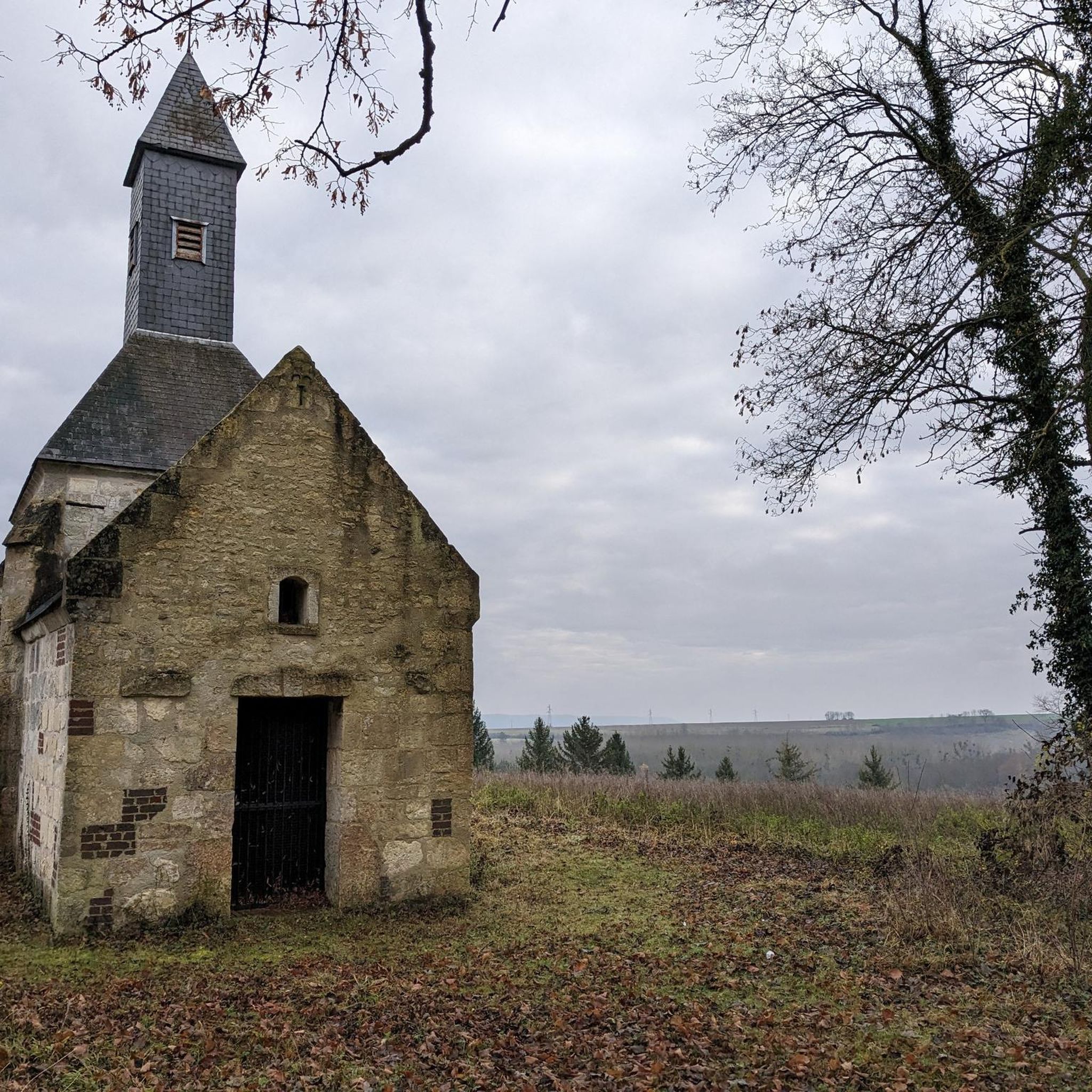
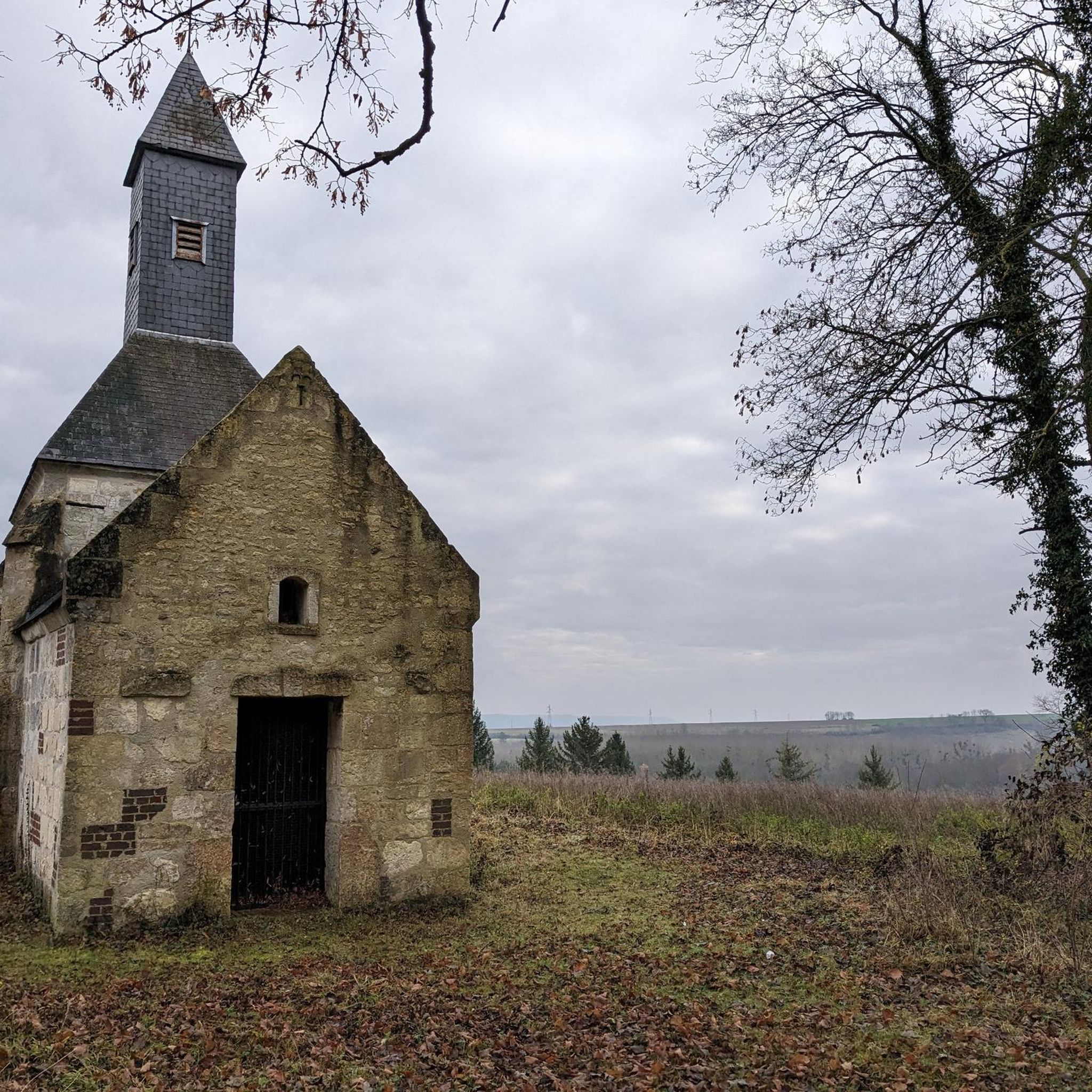
charming village with a beautiful church and a very reputable old inn!
0
0

In the heart of the Compiègne forest, the Armistice Glade marks the place where the armistice was signed on November 11, 1918, and then that of June 22, 1940. The site today includes the memorial with the “Armistice Wagon” (recreated car), the statue of Marshal Foch and the Alsace-Lorraine monument.
0
0


One of the largest bridges in the city of Compiègne owes its construction to Louis XV. An obelisk was erected in the center of the bridge during its reconstruction in 1949.
2
0
The square itself houses a statue of Joan of Arc, a tribute to the city's historical connection to this iconic figure. The Town Hall, with its rich history and stunning architecture, continues to captivate visitors, offering a glimpse into the past while remaining a vibrant part of Compiègne's present.
2
0
The architecture of the town hall is a true feast for the eyes. The central structure is dominated by a tall bell tower, flanked by two turrets connected by a decorative railing. This imposing façade, 47 meters high and 24 meters wide, is decorated with striking Gothic elements such as pinnacles and basket arches. The large niche now houses a high relief depicting the equestrian statue of Louis XII. It is an original creation from 1869 by the sculptor Henri-Alfred Jacquemart in the realistic style so prevalent at the time. However, contrary to the usual appearance of equestrian statues during the reign of Louis XII, Henri-Alfred Jacquemart chose not to build a horse walking "à l'amble," that is, with both straight legs raised simultaneously. On October 12, 1530, a clock was placed on the summit of the bell tower. From that time on, every quarter of an hour, she animated three wooden jaquemarts with bell hammers. The Compiègneis quickly gave them three nicknames corresponding to the enemies of the time: Langlois for the English, Flandrin for the Flemish, and Lansquenet for the Germans. Even today, they chant the life of the city by "punching the time," that is, by striking their hammer to strike the hours.
2
0
Frequently Asked Questions
How many gravel bike trails are available around Monchy-Humières?
There are 17 gravel bike trails documented on komoot for the Monchy-Humières area. These routes offer a variety of experiences, from easy loops to more challenging rides through the Compiègne Forest.
Are there easy gravel bike trails suitable for beginners in Monchy-Humières?
Yes, the region offers several routes suitable for beginners. For example, the Town Hall – Compiègne Town Hall loop from Compiègne is an easy 15.5 miles (24.9 km) trail with minimal elevation gain, perfect for those new to gravel biking.
What options are available for experienced gravel bikers seeking a challenge?
For more experienced riders, there are 5 difficult gravel bike trails around Monchy-Humières. One challenging option is the Beaux Monts Viewpoint – Vieux-Moulin loop from Compiègne, which covers 41.4 km with significant elevation changes.
Are there family-friendly gravel bike routes in the Monchy-Humières area?
Many of the moderate and easy routes are suitable for families, especially those with some biking experience. The terrain often features compacted dirt roads and forest tracks, making for a pleasant ride. The Town Hall – Compiègne Town Hall loop from Compiègne is a good starting point for families.
What can I see along the gravel bike trails around Monchy-Humières?
The trails often pass through the extensive Compiègne Forest and near historical sites. You might encounter landmarks such as the Château de Compiègne or the Compiègne Town Hall. Many routes offer views of the surrounding woodlands and historical points of interest.
Are there any circular gravel bike trails in Monchy-Humières?
Yes, most of the gravel bike routes in the Monchy-Humières area are designed as circular loops. Examples include the popular Vieux-Moulin – Allée des Beaux-Monts loop from Compiègne and the Compiègne Imperial Palace – Allée des Beaux-Monts loop from Compiègne.
When is the best time of year to go gravel biking in Monchy-Humières?
The region's dense woodlands and forest tracks are enjoyable throughout much of the year. Spring and autumn offer pleasant temperatures and beautiful scenery, while summer can be great for shaded rides. Winter riding is possible, but conditions may vary, with some trails potentially becoming muddy.
What do other gravel bikers enjoy the most about gravel biking in Monchy-Humières?
The area is highly rated by the komoot community, with an average score of 4.4 stars. Reviewers often praise the diverse terrain, the extensive network of forest tracks, and the opportunity to explore historical landmarks and natural beauty within the Compiègne Forest.
Where can I park when gravel biking around Monchy-Humières?
Many routes in the area start from Compiègne, a larger town with various parking options. While specific parking for each trailhead isn't detailed, you can typically find parking near the starting points in Compiègne or other nearby villages, often close to town centers or designated forest parking areas.
Is it possible to access gravel bike trails in Monchy-Humières using public transport?
Given that many routes originate from Compiègne, a well-connected town, it is generally possible to reach the starting points via public transport. You would need to check local bus or train schedules to Compiègne and then plan your ride from there.
Are there any less crowded gravel bike trails in the Monchy-Humières region?
While popular routes can see more traffic, the extensive network of forest tracks within the Compiègne Forest means it's often possible to find quieter paths. Exploring some of the longer or slightly more challenging routes, such as the Pierrefonds Castle – Pierrefonds Pond loop from Compiègne, might lead to a more secluded experience.
Most popular routes around Monchy-Humières
Most popular attractions around Monchy-Humières

Get inspired with the komoot mobile app


Explore more
Browse the best Gravel rides in other regions.
