The best gravel rides around Plessis-Saint-Benoist
4.0
(19)
34
riders
5
rides
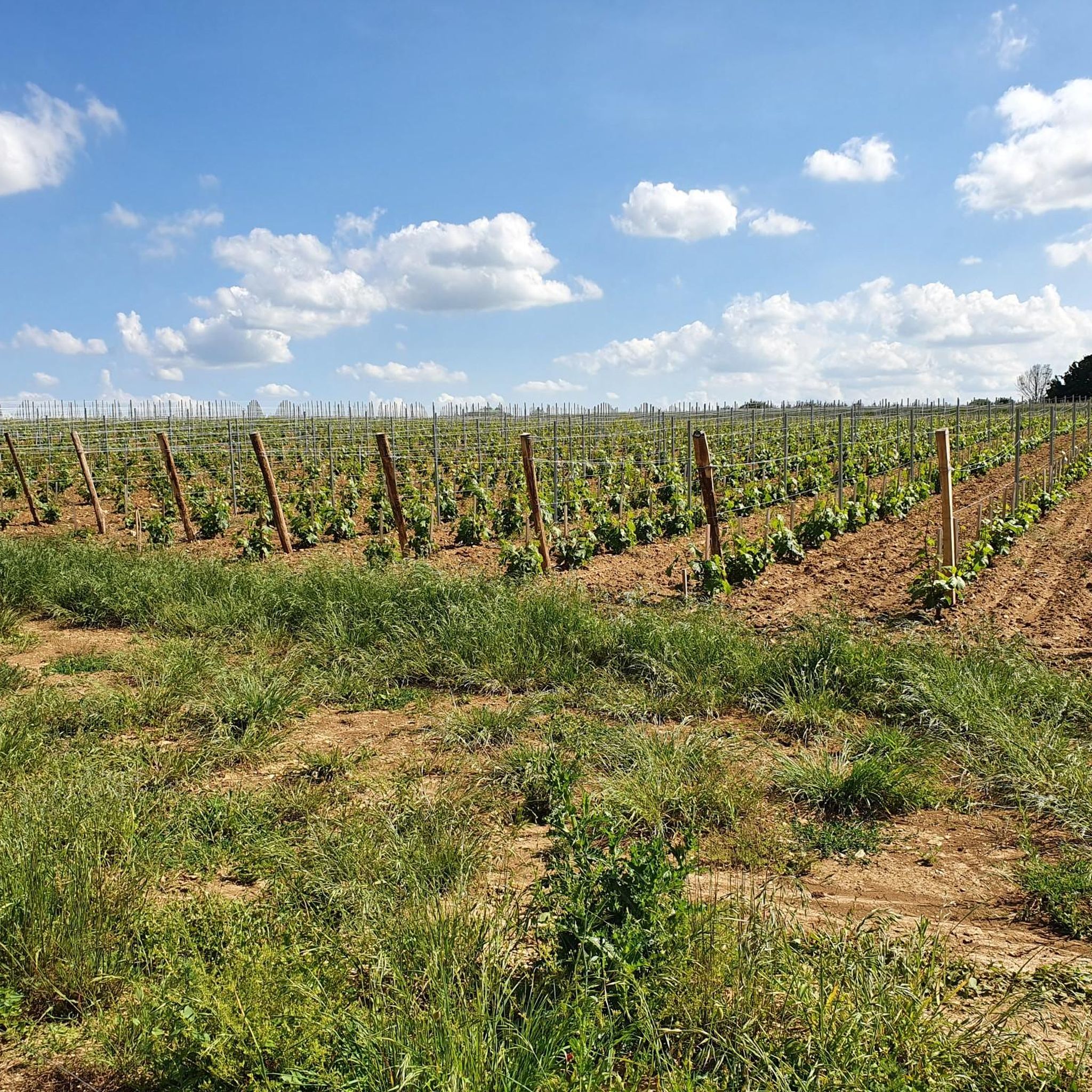
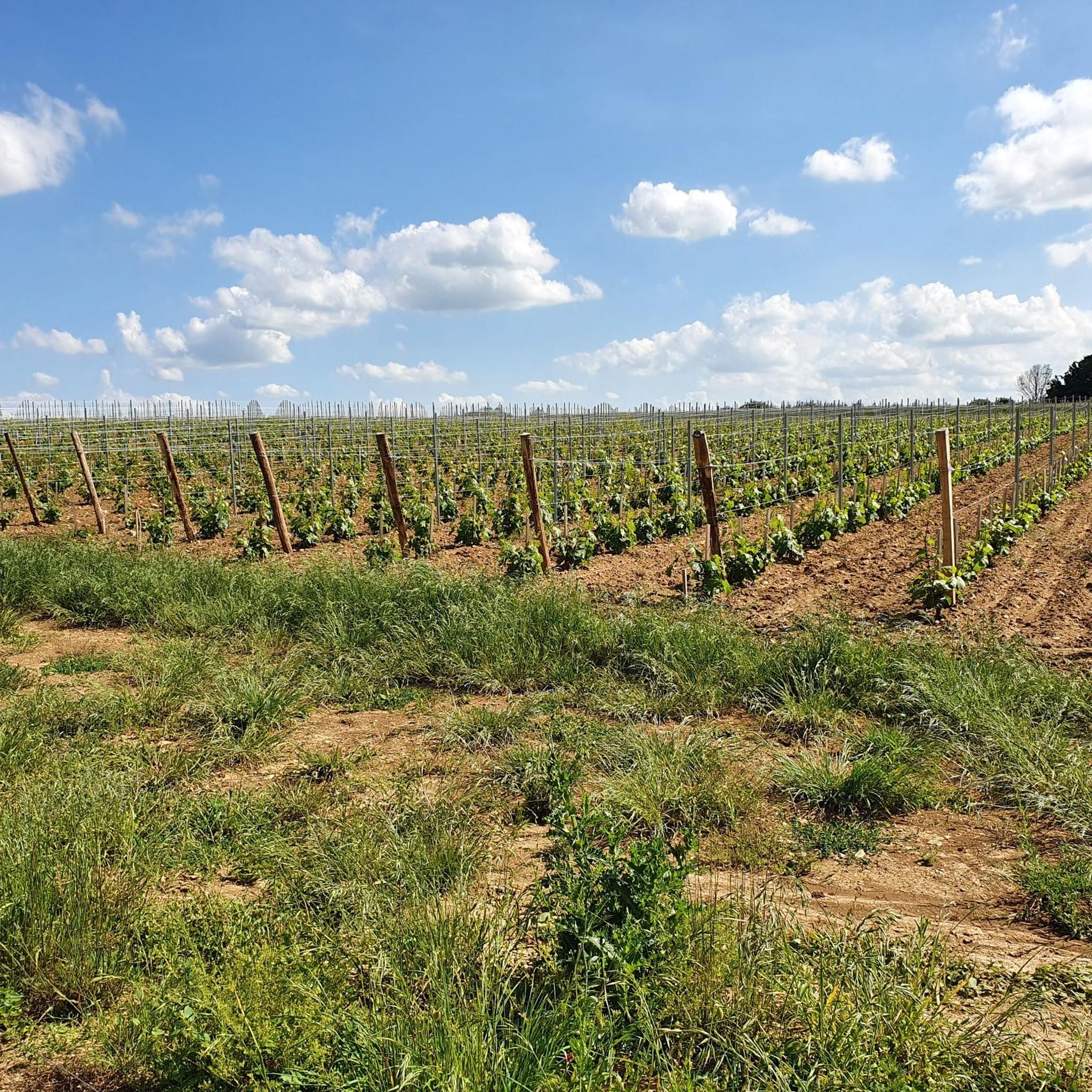
Gravel biking around Plessis-Saint-Benoist offers routes through the gently rolling terrain of the region. The landscape features a mix of agricultural areas, woodlands, and small hills, providing varied surfaces for gravel cyclists. Elevation gains on routes typically range from under 100 meters to over 250 meters. The area includes former railway lines and local roads, suitable for gravel exploration.
Best gravel bike trails around Plessis-Saint-Benoist
- The most popular gravel bike trail is The famous Nemours crossroads – Aérotrain Bertin Bridge…
Last updated: July 2, 2026
4.1
(7)
7
riders
Moderate gravel ride. Good fitness required. Mostly paved surfaces. Suitable for all skill levels.
5.0
(3)
2
riders
Moderate gravel ride. Good fitness required. Mostly paved surfaces. Suitable for all skill levels.

Sign up for free
3
riders
33.9km
01:56
200m
200m
Moderate gravel ride. Good fitness required. Mostly paved surfaces. Suitable for all skill levels.
3.0
(4)
3
riders
27.7km
01:48
270m
270m
Moderate gravel ride. Good fitness required. Mostly paved surfaces. Suitable for all skill levels.
3.0
(1)
3
riders
36.4km
02:27
250m
250m
Hard gravel ride. Good fitness required. You may need to push your bike for some segments of this route.
Our route recommendations are based on thousands of hikes, rides, and runs completed by other people on komoot.
Start today with a free account
Your next adventure awaits.
Login or Signup

Tips from the Community

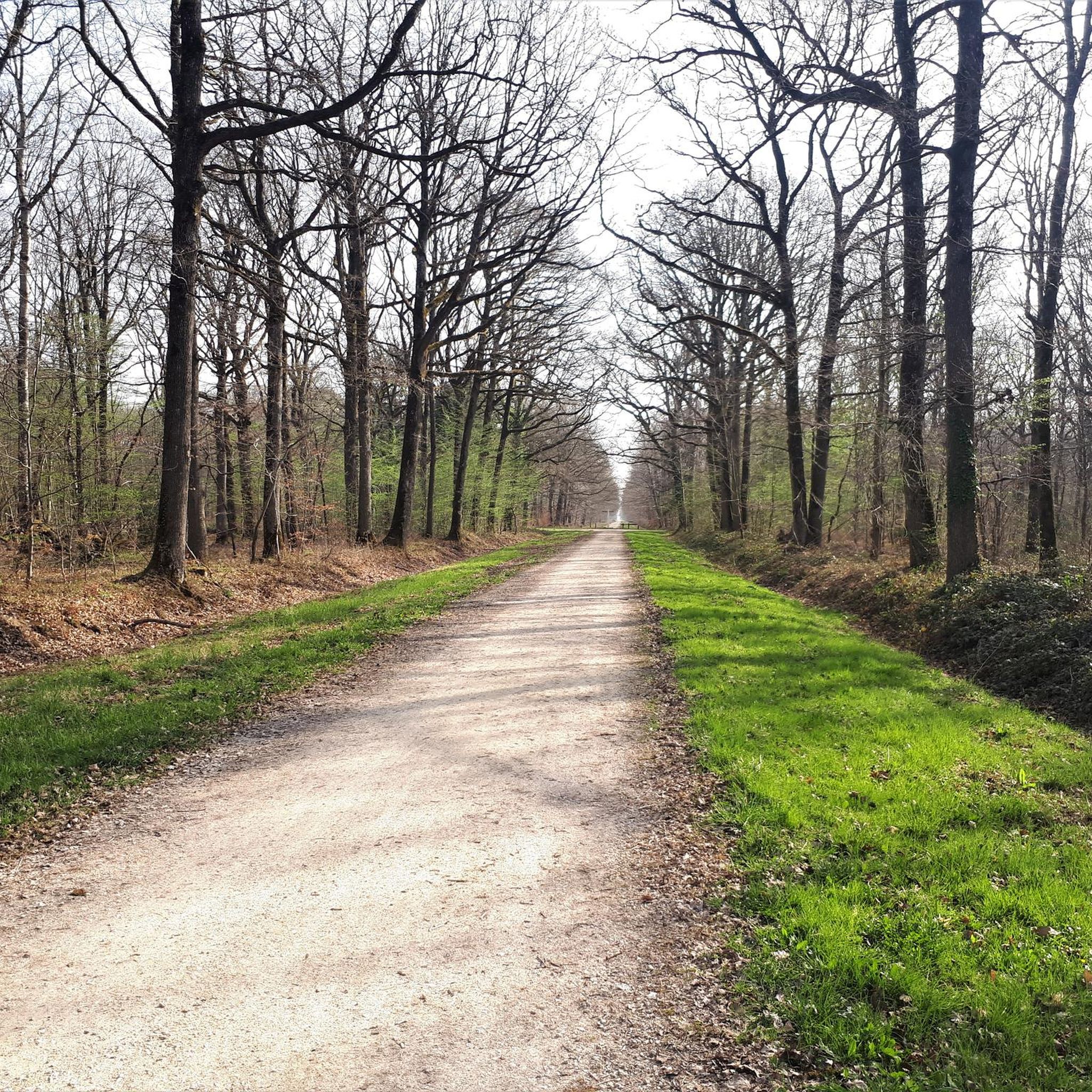
Superb section of a former railway line
0
0

nice but watch out for the cobblestones
0
0


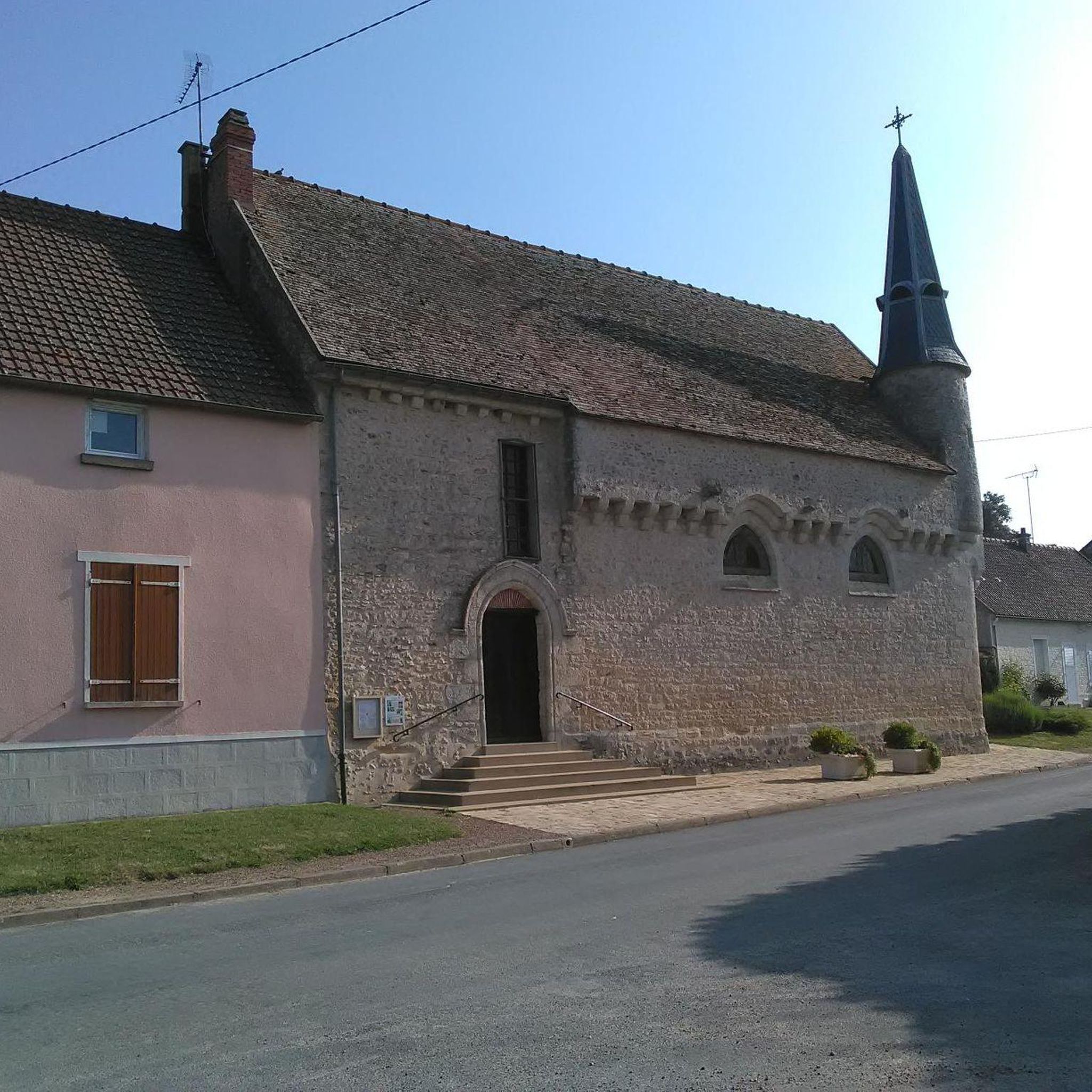
During the French Revolution, the church was converted into a "Temple of Victorious Reason" and later served as a prison until 1795.
2
0
A Catholic parish church dedicated to Saint Germain of Auxerre, positioned in the town center facing the castle on Place du Général-de-Gaulle. Construction began in 1150 under the canons of Saint-Chéron and was completed in the 12th century, though the building endured significant damage during the Hundred Years' War and Wars of Religion before being restored. The church has been classified as a historical monument since 1967 and measures fifty meters in length with its north spire reaching fifty meters in height.
2
0
The fortress once held up to 300 prisoners simultaneously, as recorded in revolutionary period prison registers when it served as a royal prison.
3
0
Dourdan Castle is a 13th-century fortress built by King Philip Augustus between 1220-1222, representing the pinnacle of "Philippian" military architecture with its square plan, defensive towers, and isolated donjon. The castle holds significant historical importance as the birthplace of Hugh Capet, the first Capetian king of France, whose father built an earlier wooden fortress on the site. Throughout its history, the castle served various roles including royal residence, hunting lodge, prison, and military barracks before being restored as a historical monument in 1964.
3
0

Frequently Asked Questions
What is the general difficulty level of gravel bike trails around Plessis-Saint-Benoist?
The gravel bike trails in the Plessis-Saint-Benoist area offer a range of difficulties. You'll find routes suitable for various skill levels, including 1 easy route, 3 moderate routes, and 1 difficult route, ensuring there's something for everyone from beginners to more experienced riders.
Are there any family-friendly gravel biking routes in Plessis-Saint-Benoist?
Yes, for families or those seeking a more relaxed ride, the area offers easier options. A good choice is the Gravel loop from Richarville, which is rated as easy and covers 22.7 km with moderate elevation gain, making it suitable for a pleasant outing.
What kind of distances can I expect on gravel bike trails near Plessis-Saint-Benoist?
Gravel bike trails in this region typically range from approximately 22 km to 37 km. For instance, the The famous Nemours crossroads – Aérotrain Bertin Bridge loop from Dourdan - La Forêt is about 27 km, while the Medieval town of Dourdan – Dourdan Church loop from Richarville extends to nearly 37 km.
Are there circular gravel bike routes available?
Many of the gravel routes around Plessis-Saint-Benoist are designed as loops, allowing you to start and finish at the same point. Examples include the Côte de Châlo – Étang de Chalou-Moulineux loop from Saint-Martin d'Étampes and the Côte de Châlo – Old railroad loop from Saint-Escobille, both offering varied scenery on a circular path.
What are the best times of year for gravel biking in Plessis-Saint-Benoist?
The best times for gravel biking in Plessis-Saint-Benoist are generally spring and autumn, when the weather is mild and the natural scenery is at its most vibrant. Summer can also be pleasant, though it's advisable to ride earlier in the morning or later in the afternoon to avoid the midday heat. Winter rides are possible, but trails might be wet or muddy.
What kind of terrain will I encounter on these gravel bike trails?
You can expect a diverse landscape featuring gently rolling terrain, agricultural areas, woodlands, and small hills. Many routes also incorporate former railway lines, providing unique and relatively flat sections, alongside local roads and paths.
Are there any interesting landmarks or attractions to see along the gravel bike routes?
Yes, several routes pass near historical and natural points of interest. For example, when riding near Dourdan, you might encounter the impressive Château de Dourdan or the historic Saint-Germain-d'Auxerre Church of Dourdan. The Côte de Châlo – Étang de Chalou-Moulineux loop from Saint-Martin d'Étampes also takes you past the scenic Étang de Chalou-Moulineux.
Where can I find parking for gravel biking in the Plessis-Saint-Benoist area?
Many routes start from towns or villages like Dourdan - La Forêt, Saint-Martin d'Étampes, Saint-Escobille, or Richarville. These locations typically offer public parking options, often near the starting points of the trails. It's always a good idea to check local parking availability in these areas before your ride.
What do other gravel bikers enjoy most about the trails in Plessis-Saint-Benoist?
The gravel biking experience in Plessis-Saint-Benoist is highly rated by the komoot community, with an average score of 4.0 stars. Riders often praise the varied terrain, which includes a mix of agricultural landscapes, quiet woodlands, and paths along old railway lines, providing an engaging and scenic ride.
Are there any routes that feature old railway lines?
Yes, the region is known for incorporating former railway lines into its gravel routes. A notable example is the Côte de Châlo – Old railroad loop from Saint-Escobille, which specifically leads you along an old railroad, offering a unique and often smoother riding surface.
Are there any routes that pass through or near the town of Dourdan?
Yes, the town of Dourdan is a significant point of interest in the region. The Medieval town of Dourdan – Dourdan Church loop from Richarville is a longer route that specifically explores the area around Dourdan, allowing you to experience its historical charm.
Most popular routes around Plessis-Saint-Benoist
Most popular attractions around Plessis-Saint-Benoist

Get inspired with the komoot mobile app


Explore more
Browse the best Gravel rides in other regions.
