The best gravel rides around Saint-Séglin
4.9
(31)
184
riders
11
rides
Gravel biking around Saint-Séglin, located in the Ille-et-Vilaine department of Brittany, offers diverse natural landscapes and an extensive network of routes. The region features natural and unspoilt spaces, including the Vallée du Canut, the Forêt de Paimpont, and the Marais de Vilaine. A section of the Canal de Nantes à Brest provides gravelly surfaces suitable for cycling. While the average elevation is 39 meters, routes can include demanding ascents and panoramic trails.
Best gravel bike trails around Saint-Séglin
- The most…
Last updated: July 3, 2026
4.5
(14)
92
riders
160km
08:37
810m
810m
Hard gravel ride. Very good fitness required. Mostly paved surfaces. Suitable for all skill levels.
4.5
(11)
47
riders
73.8km
04:09
410m
410m
Moderate gravel ride. Good fitness required. Mostly paved surfaces. Suitable for all skill levels.

Sign up for free
5.0
(1)
9
riders
50.8km
02:30
270m
270m
Moderate gravel ride. Good fitness required. Mostly paved surfaces. Suitable for all skill levels.
5.0
(1)
4
riders
27.5km
02:05
310m
310m
Moderate gravel ride. Good fitness required. Mostly paved surfaces. Suitable for all skill levels.
4
riders
21.5km
01:24
190m
190m
Moderate gravel ride. Good fitness required. Mostly paved surfaces. Suitable for all skill levels.
Get access to more routes and recommendations from other explorers.
Sign up for free
Already have an account?
Our route recommendations are based on thousands of hikes, rides, and runs completed by other people on komoot.
Start today with a free account
Your next adventure awaits.
Login or Signup
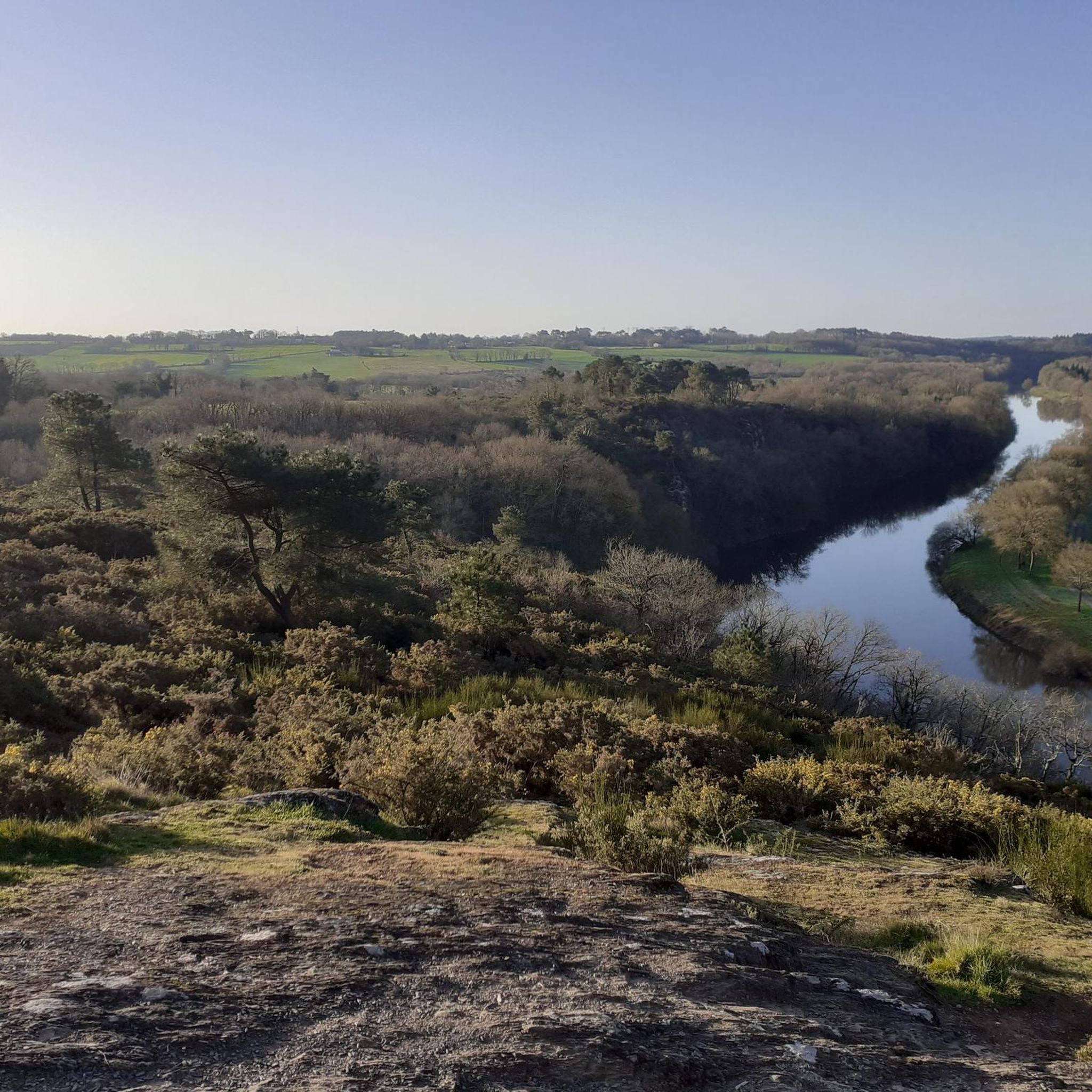
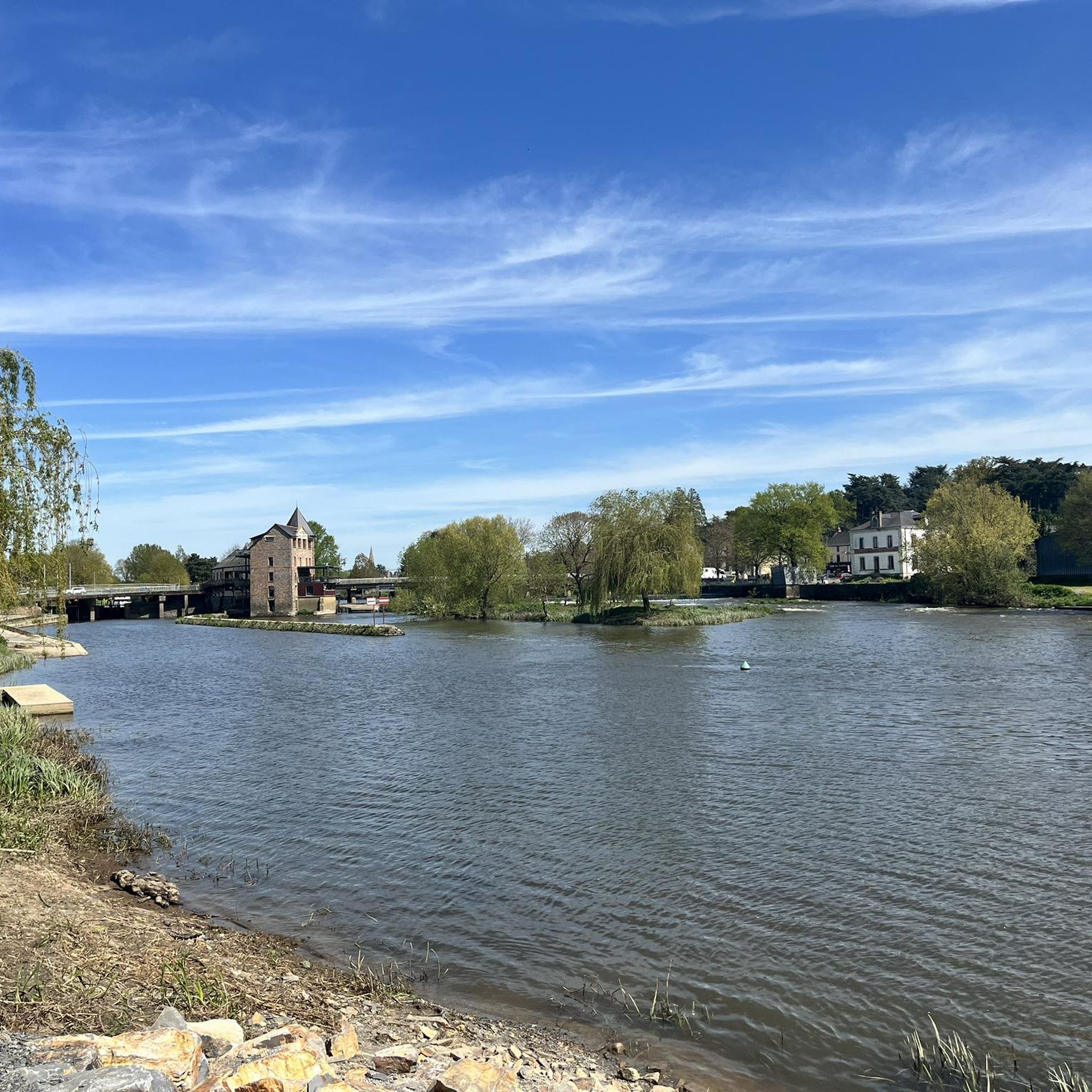

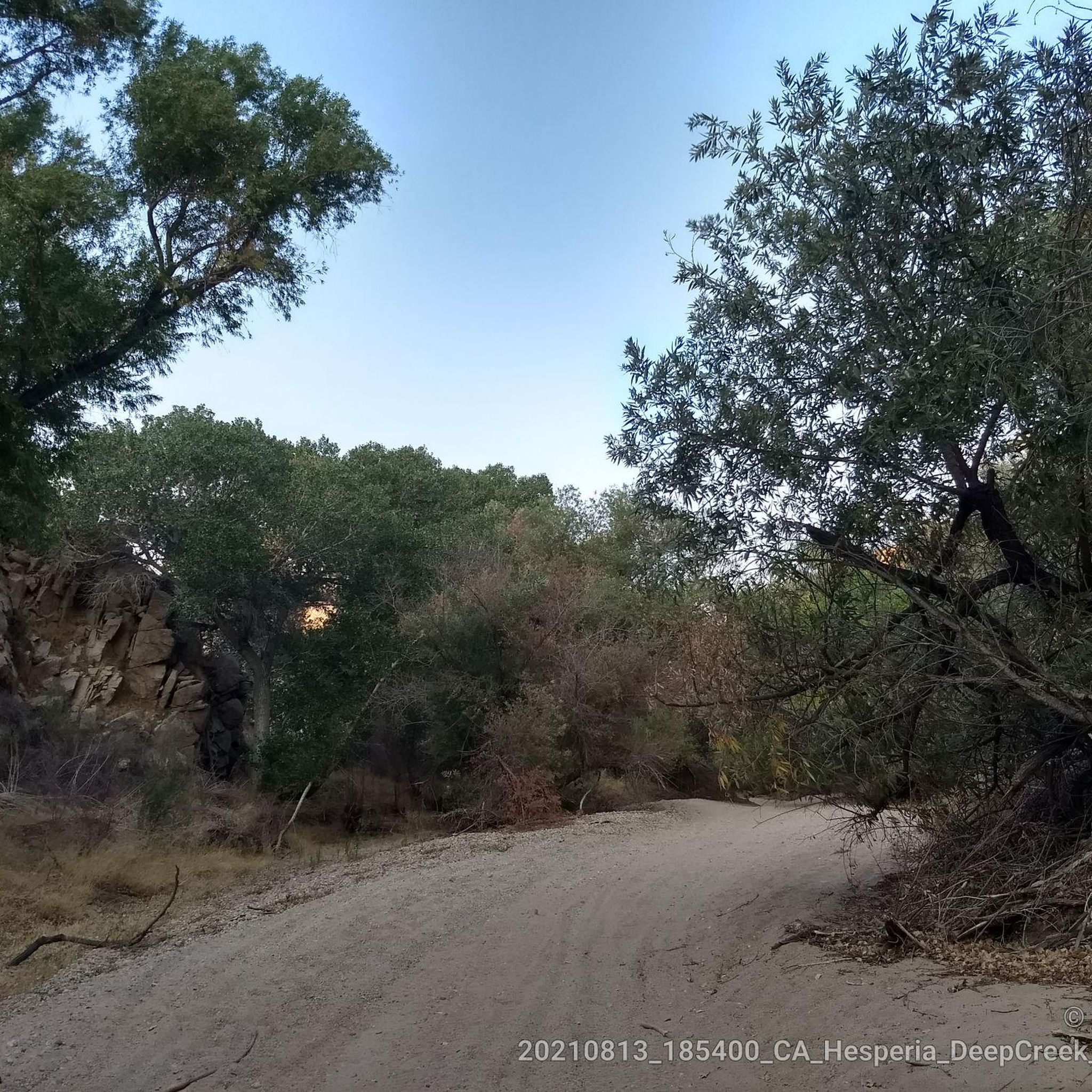

Tips from the Community

Sacred space, Saint-Just was frequented by Neolithic people for several millennia. Our distant ancestors settled on these dry moors to form a major complex of megalithic monuments, the second most important in Brittany, after Carnac. On a route of about 6km you can discover various alignments bearing strange names often linked to a local legend. The path can be walked, run or even cycled across a moor that offers no shade or shelter. A magical and fascinating place in every respect
0
0

This former watermill, documented as early as 1089, was initially used as a fulling mill before being converted into a flour mill in the 19th century. Its operation ceased on December 31, 1974. Since then, the building has stood as a significant heritage landmark, marking the industrial and riverine history of the Vilaine Valley.
0
0

In 832, Conuvoion, a Breton monk, founded the Abbey of Saint-Sauveur in Redon with the support of the Carolingian Emperor Louis the Pious. A small rural community slowly grew up around the abbey. During the Middle Ages, the town benefited from its location on the Vilaine River, as trade goods could be transported upstream to Redon on ocean-going vessels. There, the goods were transshipped and transported further on inland waterway barges towards Rennes, the capital of Brittany. In the 19th century, Redon experienced another period of prosperity with the construction of the Nantes-Brest Canal. Even today, the old shipowners' houses and the large harbor basin bear witness to its history as a trading port.
1
0

The cycle path along the Vilaine is truly a MUST! It runs directly along the river and has many locks. At each of the locks, there are beautifully maintained guardhouses, some of which are even kitsch. The cycle path doesn't stray more than 10 meters from the river and has a very well-maintained surface. I had the pleasure of following it for over 40 kilometers.
0
0

Very beautiful circuit starting from Missillac in the direction of Vilaine, passing successively through Thehillac, Etang Aumée, Avessac and Redon on secondary roads where there is very little traffic.
0
0

Redon has managed to retain its quiet, small-town character, despite its intense activity (and traffic). Following the floods of 2024, the campsite is closed. The pedestrian street is pleasant and not overcrowded with shops. Just what you need. A visit to the port is also a pleasant experience.
0
0


A "treidelpfad" (towpath) that runs alongside the river or canal's bed was an essential part of the transport infrastructure in earlier times. Before ships could be powered by motors, horses walked along the bank, pulling the boat against the current. This was called "treideln" (towing), and this is how the towpaths got their name, which has been passed down to this day. Where these paths, located directly along the bank, have been preserved, they are popular with hikers and cyclists.
0
0
Frequently Asked Questions
What kind of terrain can I expect on gravel bike trails around Saint-Séglin?
The gravel bike trails around Saint-Séglin offer a diverse mix of terrain. You'll find sections with natural and unspoilt spaces, forest paths, and dedicated cycle routes. Notably, parts of the Canal de Nantes à Brest feature a gravelly surface ideal for cycling. While the region generally has a gentle topography, some routes do include demanding ascents, providing variety for different fitness levels.
Are there any family-friendly gravel biking options near Saint-Séglin?
Yes, Saint-Séglin offers gravel biking routes suitable for families. While specific 'easy' routes are available, many of the moderate trails can be enjoyed by families with some cycling experience. The extensive network of cycle routes in Ille-et-Vilaine, totaling nearly 3,300 km, provides ample opportunities for safe and enjoyable rides away from heavy traffic.
What are some notable natural features or landmarks to see along the gravel routes?
The region is rich in natural beauty and historical sites. You can explore the picturesque Vallée du Canut, the legendary Forêt de Paimpont (part of Brocéliande forest), and the diverse Marais de Vilaine wetlands. Along some routes, you might encounter historical sites like the Alignments du Moulin or the intriguing Fairy Cave of Tréal. The Étang du Val also offers a scenic spot for a break.
Are there any circular gravel bike routes available?
Yes, many of the gravel biking routes around Saint-Séglin are designed as loops, allowing you to start and finish in the same location. For example, the Guipry-Messac Mill – Hidden Chapel loop from Pipriac is a popular moderate circular path that guides riders through scenic areas.
What is the best time of year for gravel biking in Saint-Séglin?
Saint-Séglin is suitable for outdoor activities throughout the year. However, for the most comfortable gravel biking experience, spring and autumn generally offer pleasant temperatures and beautiful scenery. Summer can also be enjoyable, but it's always wise to check local weather conditions before heading out.
How many gravel bike trails are there in Saint-Séglin?
There are 17 gravel bike trails available around Saint-Séglin, catering to various skill levels. This includes 1 easy route, 12 moderate routes, and 4 more challenging options, ensuring there's something for every gravel biker.
What do other gravel bikers enjoy most about the trails in Saint-Séglin?
The gravel biking routes in Saint-Séglin are highly rated by the komoot community, with an average score of 5.0 stars from 6 reviews. Riders often praise the diverse natural landscapes, the extensive network of routes, and the opportunity to immerse themselves in wild nature. The mix of forest paths and sections along the Canal de Nantes à Brest are frequently highlighted.
Are there any longer gravel biking routes for experienced riders?
Yes, for experienced riders looking for a longer challenge, the Vilaine River – Canal de Nantes à Brest loop from Carentoir is a demanding 81.9-mile (131.8 km) trail. This route leads through the Vilaine River valley and along the Canal de Nantes à Brest, offering an extensive exploration of the region's waterways and takes approximately 8 hours 50 minutes to complete.
Is it possible to access the gravel trails using public transport?
While specific public transport connections directly to all trailheads might be limited, the broader Ille-et-Vilaine department is well-connected. It's advisable to check local bus or train services to nearby towns like Guer or Pipriac, and then plan your route from there. Some routes, like the Oyon Valley Greenway – Augan old railway station loop from Guer, start from accessible locations.
Where can I find parking for gravel biking trails in Saint-Séglin?
Parking is generally available in the towns and villages where many of the gravel routes begin. For example, routes starting from Guer or Carentoir typically have designated parking areas. It's recommended to check the starting point of your chosen route for specific parking information.
Are there any routes that explore historical sites or old railway lines?
Yes, some routes offer a glimpse into the region's history. The Oyon Valley Greenway – Augan old railway station loop from Guer is a moderate trail that incorporates an old railway line, providing a unique cycling experience through historical infrastructure.
Most popular routes around Saint-Séglin
Most popular attractions around Saint-Séglin

Get inspired with the komoot mobile app


Explore more
Browse the best Gravel rides in other regions.
