The best gravel rides around Winkel
4.9
(9)
73
riders
20
rides
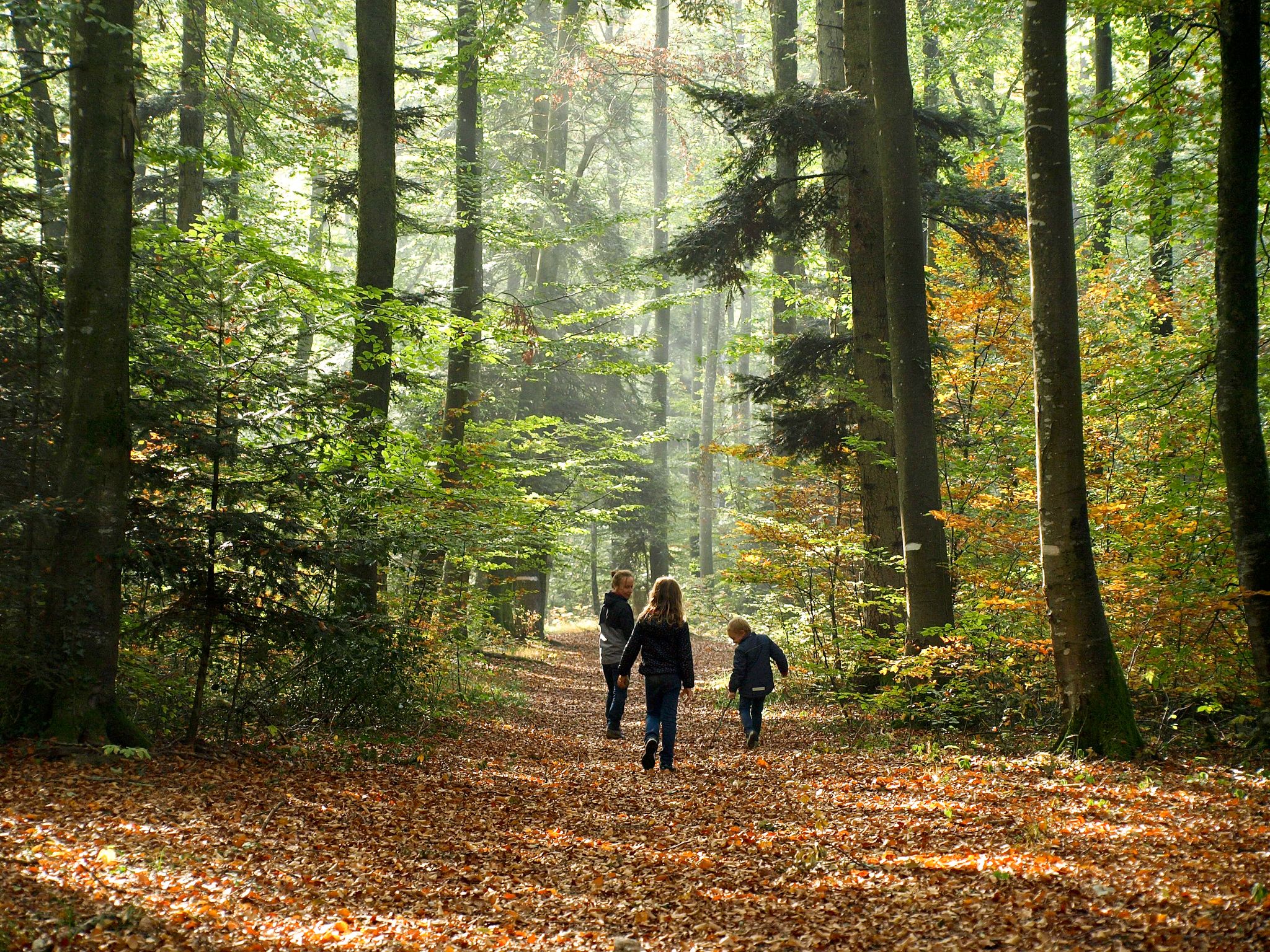
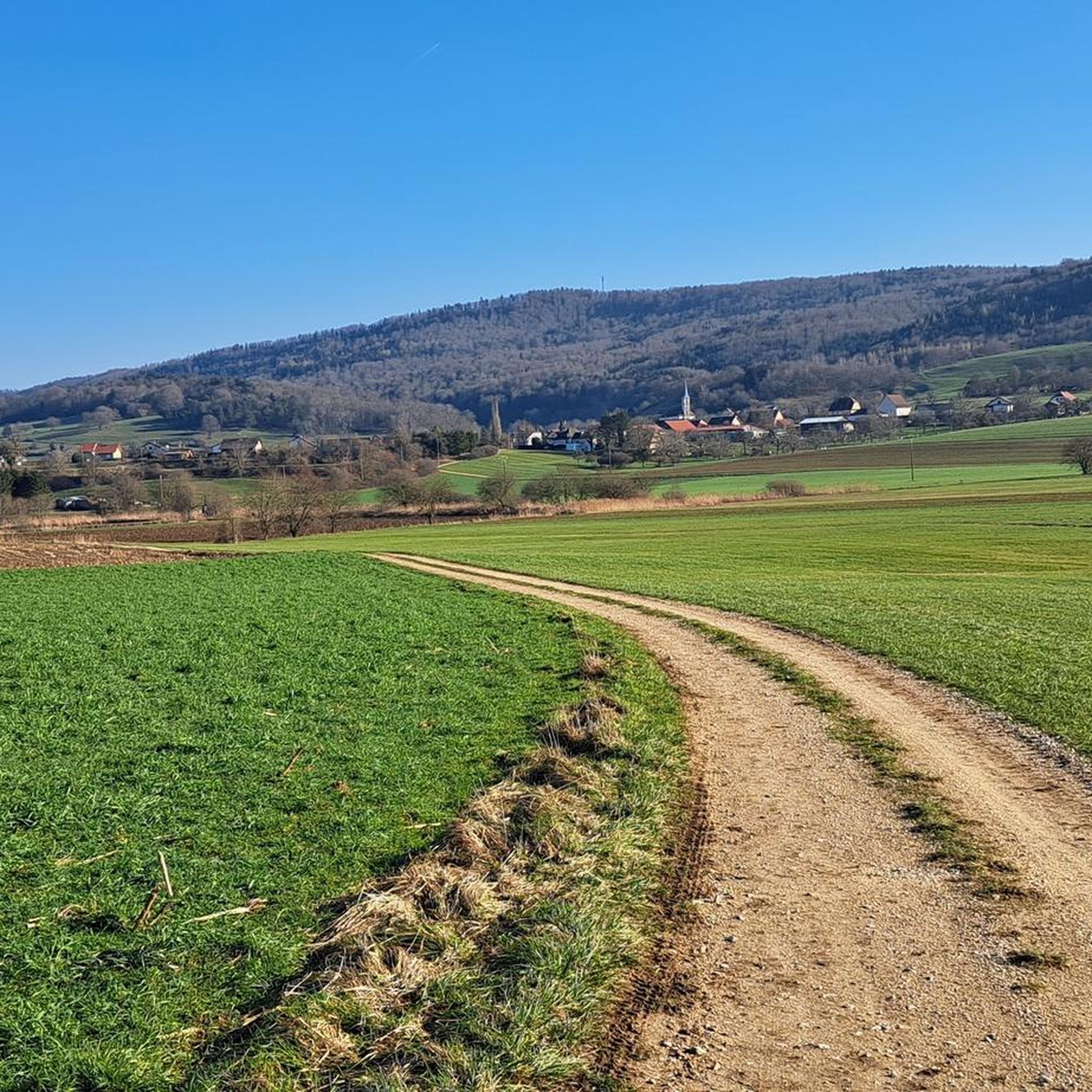
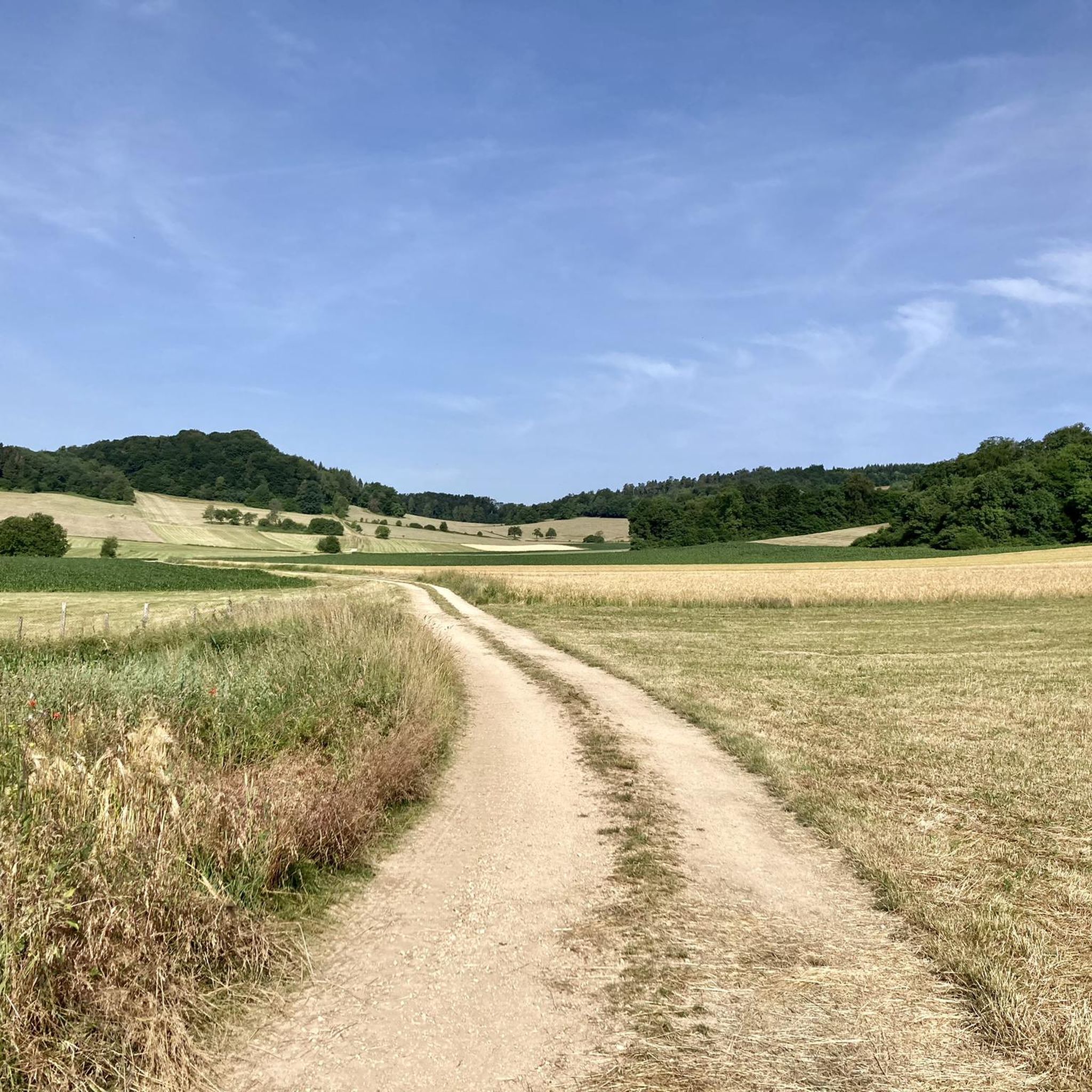
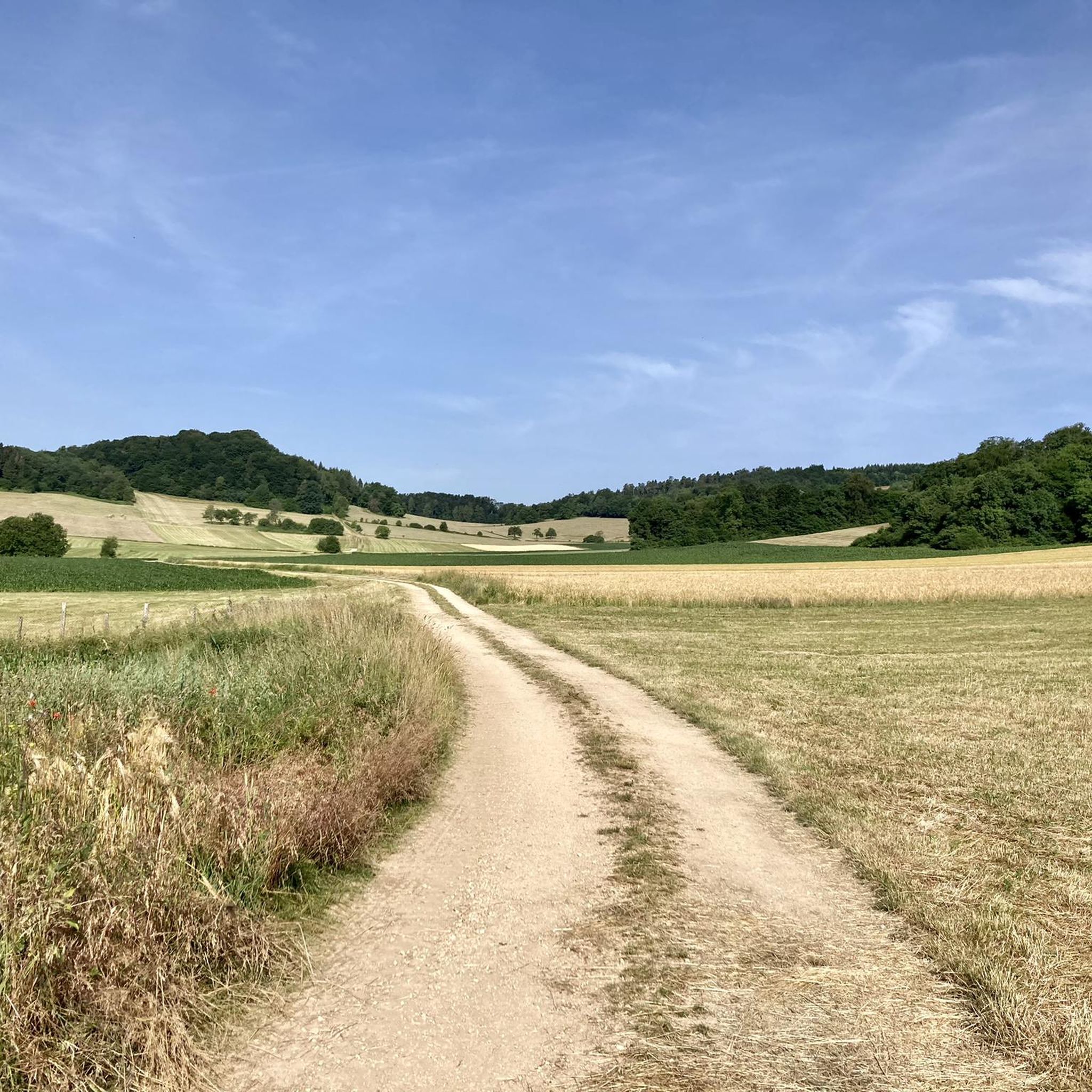
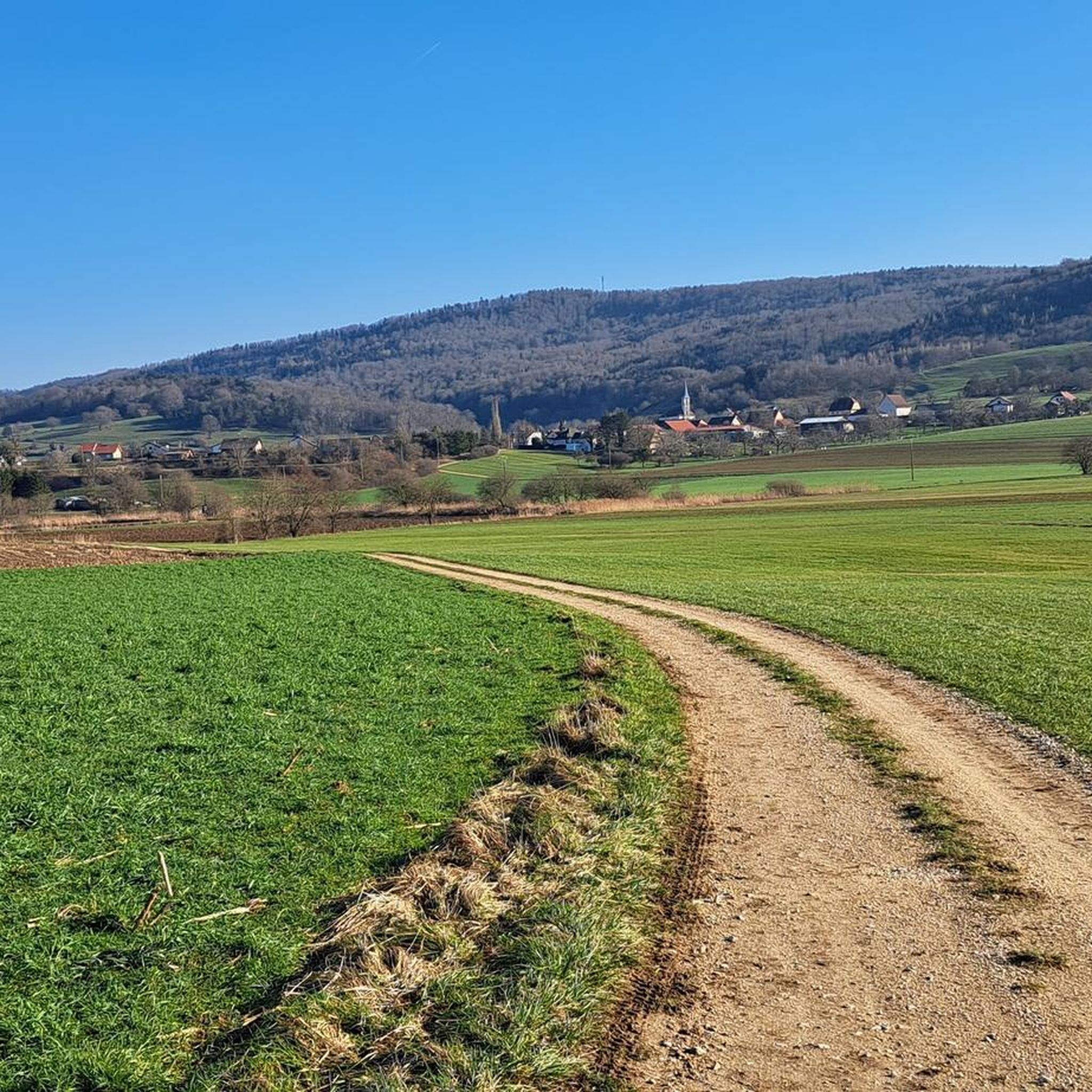
Gravel biking around Winkel offers routes primarily within the Alsatian Jura, characterized by rolling hills, forested sections, and open valleys. The terrain features significant elevation changes, providing challenging climbs and descents suitable for gravel bikes. Riders can expect a mix of unpaved paths and quieter roads, traversing a landscape that extends towards the Franco-Swiss border. This region provides a diverse environment for gravel cyclists seeking varied conditions.
Best gravel bike trails around Winkel
- The most popular gravel bike trail is…
Last updated: July 3, 2026
5.0
(1)
11
riders
67.5km
05:36
1,170m
1,180m
Hard gravel ride. Very good fitness required. Mostly paved surfaces. Suitable for all skill levels.
5.0
(1)
16
riders
42.4km
03:21
530m
530m
Hard gravel ride. Very good fitness required. Mostly paved surfaces. Suitable for all skill levels.

Sign up for free
4.6
(5)
17
riders
60.2km
04:57
840m
840m
Hard gravel ride. Very good fitness required. Mostly paved surfaces. Suitable for all skill levels.
5.0
(2)
16
riders
55.3km
04:26
660m
670m
Hard gravel ride. Very good fitness required. Mostly paved surfaces. Suitable for all skill levels.
4
riders
21.4km
01:53
160m
150m
Moderate gravel ride. Good fitness required. Some segments of this route may be unpaved and difficult to ride.
Get access to more routes and recommendations from other explorers.
Sign up for free
Already have an account?
Our route recommendations are based on thousands of hikes, rides, and runs completed by other people on komoot.
Start today with a free account
Your next adventure awaits.
Login or Signup
Other adventures around Winkel

Tips from the Community

Next to the restaurant you also have a camping. The camping is quite rudimentary, but its most important asset is the restaurant. Unfortunately it is only open during restaurant hours. You eat well here, but beware, the restaurant appears to be very popular locally. The restaurant runs on its local guests and not on the camping guests. Both are owned by the same owner.
11
0
Oltingue is a quiet village in the Sundgau with a late-classical village ensemble around the church of Saint-Martin (1827–1831), the rectory and the former school. The Callinet organ (1843), the double staircase of the rectory and the facade details are striking. There are several historic houses in the village, including half-timbered houses from 1695 and a farm from the 16th century. To the east lies the chapel of Saint-Brice, a former place of pilgrimage with a baroque altar and an outdoor pulpit.
10
0
This former mother church of Oltingue and three disappeared villages dates from the 13th and 14th centuries. The location is idyllic: surrounded by fields, an old cemetery and often with storks on the roof in the spring. Inside you will discover surprisingly well (?) preserved wall paintings, including a rare representation of the sacrifice of Melchisedech and a Last Supper from 1741. In the choir you will also find a wall tabernacle and a niche for liturgical objects, silent witnesses of medieval rituals. The Gothic arched windows and the neo-Gothic vault are reminders of later restorations, while archaeological excavations in 1989 revealed traces of older sanctuaries and tombs from the early Middle Ages. simple but full of character.
11
0
The white stork (Ciconia ciconia) is one of the most recognisable and beloved symbols of Alsace.
9
0
Raedersdorf is located in the southernmost part of Alsace, in the hilly landscape of the Sundgau, close to the Swiss border. The village is surrounded by forests, springs and hiking trails leading to heritage sites such as the Église Saint-Étienne with its baroque interior and Callinet organ, and the Mariabrunn chapel in the forest. Its location between French-speaking and German-speaking Switzerland makes Raedersdorf a place where cultures come together.
8
0
The church of Raedersdorf was built in its present form between 1807 and 1811, on the foundations of an older church, the tower of which has been partly preserved. The interior was richly decorated in 1811 by sculptor Joseph Antoine Feuerstein, with a harmonious baroque ensemble. The organ was also built in the same year by Jean Frantz. The church was finally consecrated in 1851. It is located in the centre of the village, close to the town hall, and is a silent witness to religious art and village history in the south of Alsace.
10
0

Frequently Asked Questions
What kind of terrain can I expect on gravel bike trails near Winkel?
Gravel biking around Winkel primarily takes you through the Alsatian Jura. You can expect a diverse landscape characterized by rolling hills, dense forested sections, and open valleys. The routes feature a mix of unpaved paths and quieter roads, often with significant elevation changes, providing both challenging climbs and descents.
How many gravel bike trails are available around Winkel?
There are 28 gravel bike trails available around Winkel. These routes offer a variety of experiences, from moderate rides to more challenging adventures, all within the beautiful Alsatian Jura region.
Are there gravel routes suitable for beginners or less experienced riders in Winkel?
Yes, while many routes are challenging, there are 10 moderate gravel routes available around Winkel. These trails are a great way to experience the region's beauty without tackling the most demanding climbs. For example, La boucle du Grumbach is a moderate 13.3-mile route that offers varied landscapes.
What do other gravel bikers say about the trails in Winkel?
The gravel biking routes in Winkel are highly regarded by the komoot community, holding an impressive average rating of 4.9 out of 5 stars from 10 reviews. Over 90 gravel bikers have explored these varied terrains, often praising the unique blend of Franco-Swiss landscapes and the challenging yet rewarding nature of the trails.
What natural landmarks or viewpoints can I discover along the gravel trails?
The region around Winkel offers several notable natural landmarks and viewpoints. You can encounter various mountain passes like the Blochmont Pass, Rangiers Pass, and Pleigne Pass. For stunning vistas, consider the View from the Pass Between Lucelle and Delémont. Additionally, you might pass by the serene Lucelle Lake or the intriguing Dwarves' Grotto.
Are there any historical sites or points of interest near the gravel routes?
Yes, the area around Winkel is rich in history. A prominent historical site you might encounter is Ferrette Castle, a medieval fortress offering a glimpse into the region's past. Many routes traverse areas with historical significance, particularly those extending towards the Franco-Swiss border.
Are there any circular gravel bike routes around Winkel?
Yes, there are circular gravel bike routes available. For instance, La boucle du Grumbach is a popular circular route that allows you to start and end in the same location, making logistics easier.
What is the best time of year for gravel biking in Winkel?
The Alsatian Jura, where Winkel is located, offers enjoyable gravel biking conditions through much of the year. Spring and autumn typically provide pleasant temperatures and beautiful scenery with changing foliage. Summer can also be great, though it's wise to start earlier in the day to avoid the midday heat on longer routes. Winter riding is possible, but be prepared for colder temperatures and potentially muddy or icy conditions, especially in shaded forest sections or at higher elevations.
Are there challenging gravel routes for experienced riders?
Absolutely. Winkel is an excellent destination for experienced gravel bikers, with 18 difficult routes available. These trails often feature substantial elevation gains and varied terrain, extending towards the Franco-Swiss border. Routes like Franco-Swiss gravel outing in the Alsatian Jura (41.9 miles with over 1100m elevation gain) or Tour of the Alsatian Jura (via Col de Neuneich) (37.4 miles with over 800m elevation gain) offer significant challenges.
Can I combine gravel biking with exploring other regions from Winkel?
Yes, Winkel's location in the Alsatian Jura, close to the Franco-Swiss border, makes it an ideal starting point for cross-border adventures. Many routes, such as the Franco-Swiss gravel outing in the Alsatian Jura, allow you to explore diverse landscapes and cultures in both France and Switzerland on a single ride.
Are there any routes that offer a good mix of forest and open valley views?
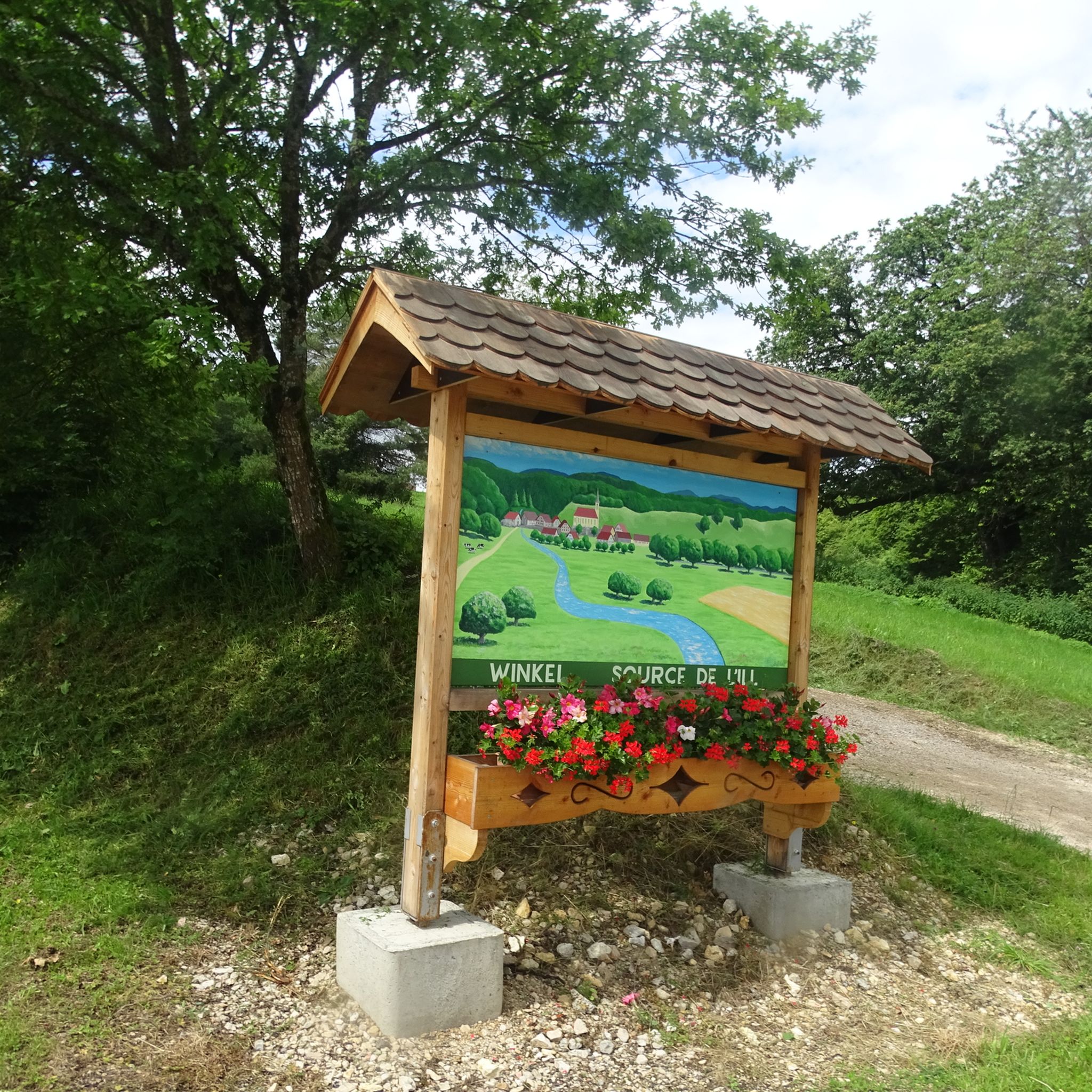
Many routes around Winkel traverse a varied landscape that includes both dense woodlands and expansive open valleys. The region's characteristic rolling hills ensure that you'll often transition between these different environments, providing a dynamic and scenic gravel biking experience. For example, The upper Ill valley offers a great mix of terrain and views.
Most popular attractions around Winkel

Get inspired with the komoot mobile app


Explore more
Browse the best Gravel rides in other regions.
