The best gravel rides around Bannay
4.0
(7)
47
riders
10
rides
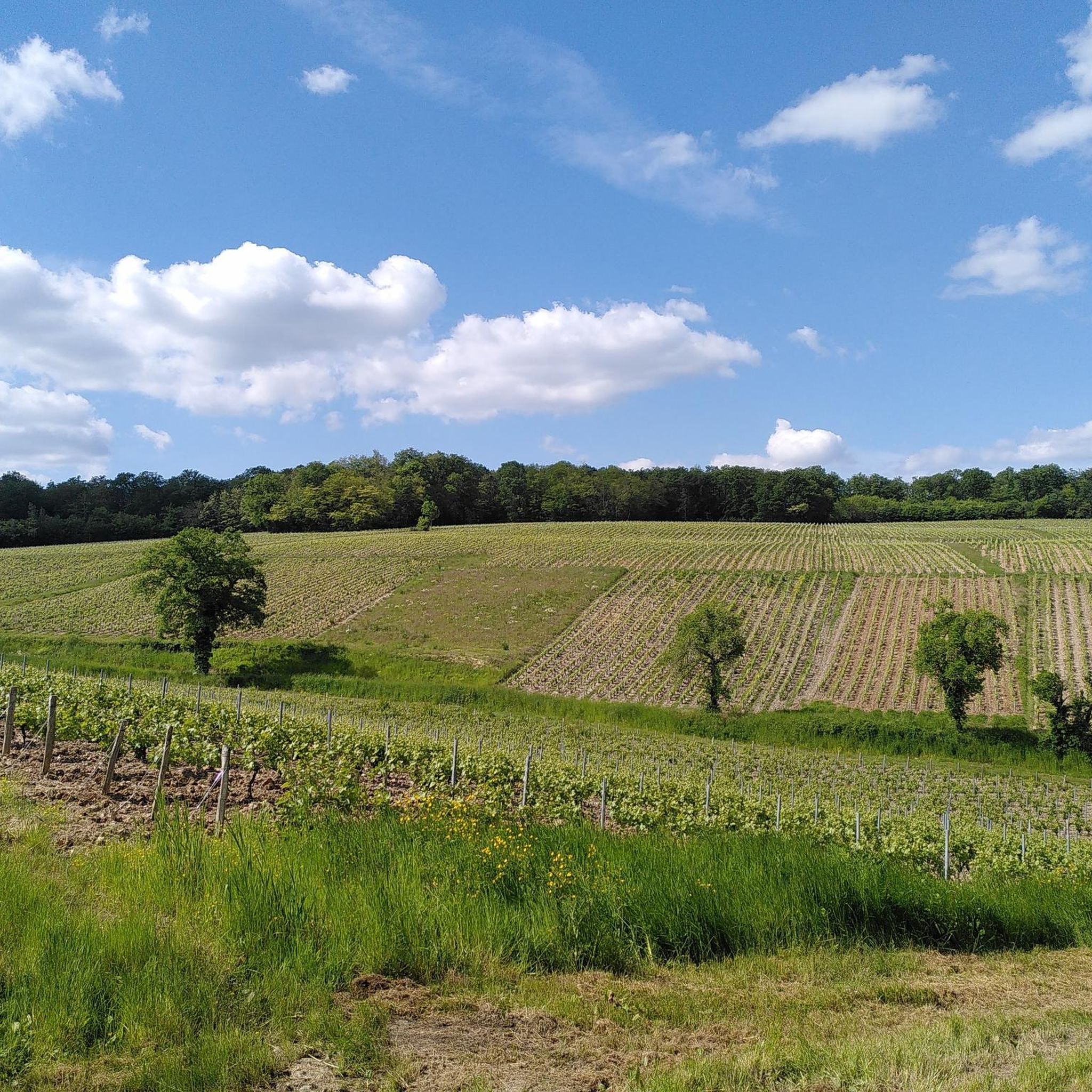
Gravel biking around Bannay, located in France's Cher department, offers routes through the serene landscapes of the Centre-Val de Loire region. The area is characterized by the banks of the Loire River, extensive vineyards, and rural roads that provide varied terrain for cyclists. Gravel bike trails near Bannay often integrate with established cycling paths, allowing exploration of historic villages and châteaux. The region features gentle hills, particularly around Sancerre, contributing to diverse elevation profiles.
Best gravel bike trails around Bannay
…Last updated: July 2, 2026
4.7
(3)
12
riders
43.4km
02:59
630m
630m
Hard gravel ride. Very good fitness required. Mostly paved surfaces. Suitable for all skill levels.
11
riders
73.9km
04:42
770m
770m
Hard gravel ride. Very good fitness required. You may need to push your bike for some segments of this route.

Sign up for free
4.0
(1)
5
riders
34.4km
02:38
580m
580m
Hard gravel ride. Very good fitness required. Mostly paved surfaces. Suitable for all skill levels.
3
riders
50.5km
03:35
760m
760m
Hard gravel ride. Very good fitness required. Mostly paved surfaces. Suitable for all skill levels.
4
riders
70.4km
04:31
730m
730m
Hard gravel ride. Very good fitness required. Mostly paved surfaces. Suitable for all skill levels.
Get access to more routes and recommendations from other explorers.
Sign up for free
Already have an account?
Our route recommendations are based on thousands of hikes, rides, and runs completed by other people on komoot.
Start today with a free account
Your next adventure awaits.
Login or Signup
Tips from the Community

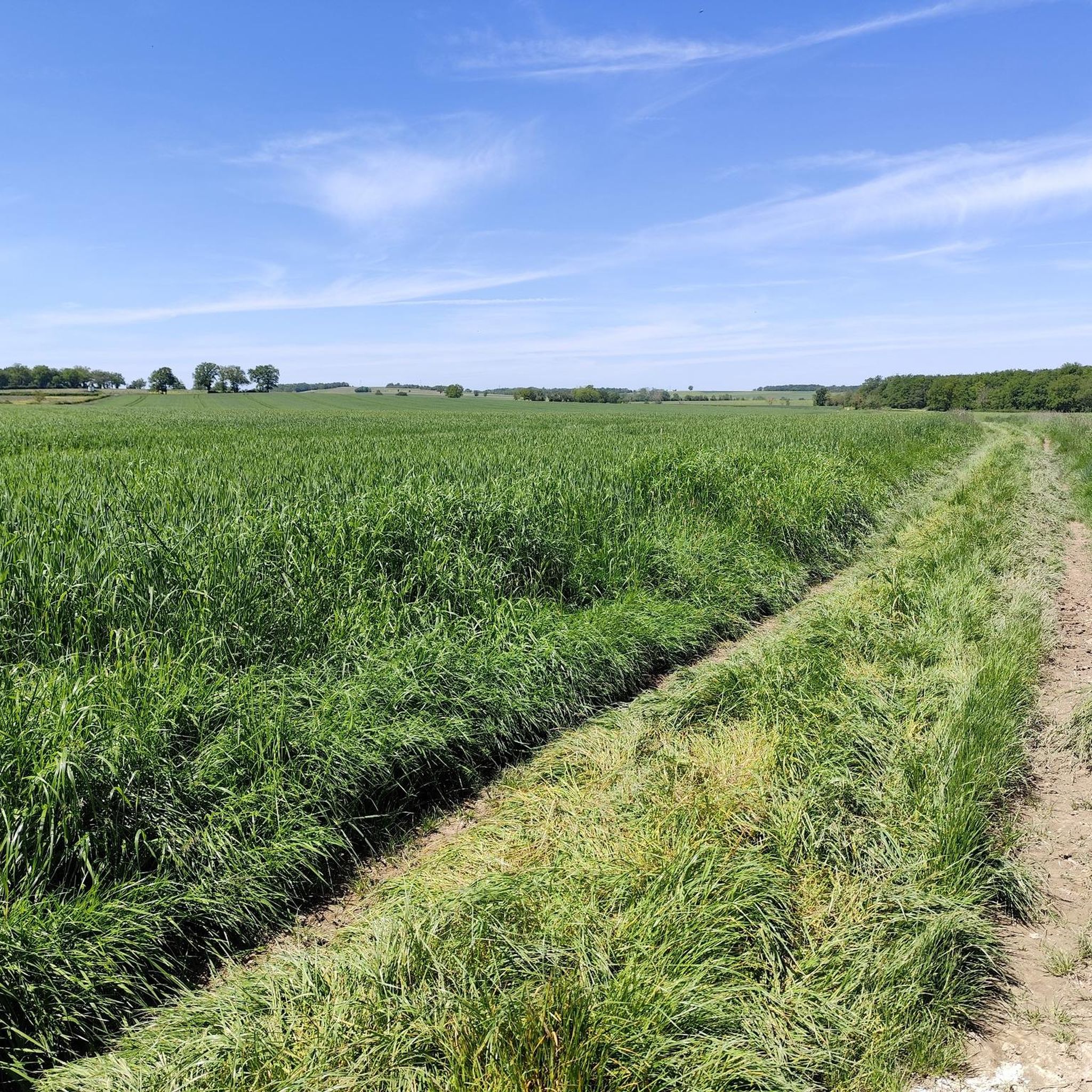
In the proverbial "good old days," this (former) windmill, prominently positioned on the hill and clearly visible from afar, must have made a profound impression on the viewer. However, this changed long ago: Only the ruined remains of the once proudly towering tower with its once sweeping wings remain as a sad testament to that bygone era. Today's visitors probably enjoy less the sight of the ruins than—at least in good weather—the beautiful view of the wide plains that unfold before them.
1
0

Only the two wooden beams form a cross in its simplest form. And yet, this small, sacred monument—like all crosses encountered by bikers along the way—is an essential Christian symbol. It stands for the memory of his crucifixion, but at the same time also for the resurrection of Jesus Christ. The important founder of the order, Bernard of Clairvaux, said: + "With us on earth, there is His memory, but in the kingdom of heaven is His presence: This presence is the joy of those who have already attained salvation. The memory is our consolation, as we are still wanderers, traveling toward the Fatherland."
0
0
Rivers and canals crisscross the country, the latter in particular being a crucial part of the transport infrastructure in earlier times. Later, first rail, and later again trucks, took over the task of transporting goods. In the competition between different modes of transport, they were faster and cheaper than barges – and thus more efficient. When building the artificial waterways, however, it had to be taken into account that differences in elevation always had to be overcome, and so locks are often lined up along the canals – at varying intervals, depending on the local situation. Only with their help was shipping possible.
0
0
It is presumably a former "chemin de halage" (in German "treidelpfad" or "leinpfad"), which runs alongside the canal's bed. In earlier times, such a path was an essential part of the transport infrastructure. Before ships could be powered by motors, horses walked along the bank, pulling the boat against the current. This was called "treideln" (pulling), and this is how the towpaths got their name, which has been passed down to this day. Where these paths, which run close to the bank, have been preserved, they are popular with hikers, walkers, joggers, and cyclists.
1
0

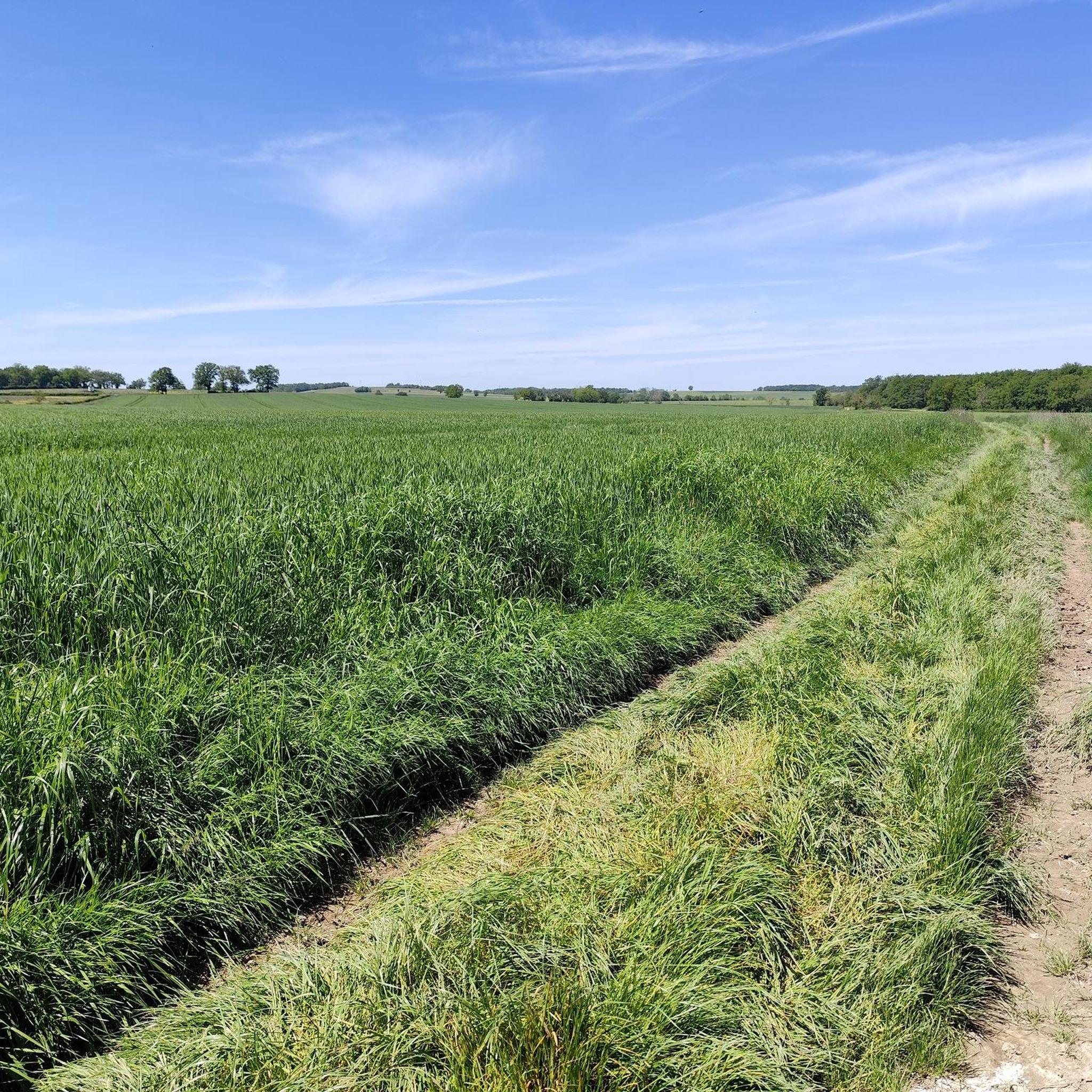
It's a very beautiful place with a magnificent 360° view...
0
0

The trip along the canal is a meditation - at least as relaxing as one.
1
0
Frequently Asked Questions
How many gravel bike trails are available around Bannay?
There are over 19 gravel bike trails around Bannay, offering a variety of experiences for cyclists. These routes are highly rated by the komoot community, with an average score of 4.5 stars.
What kind of terrain can I expect on gravel bike routes near Bannay?
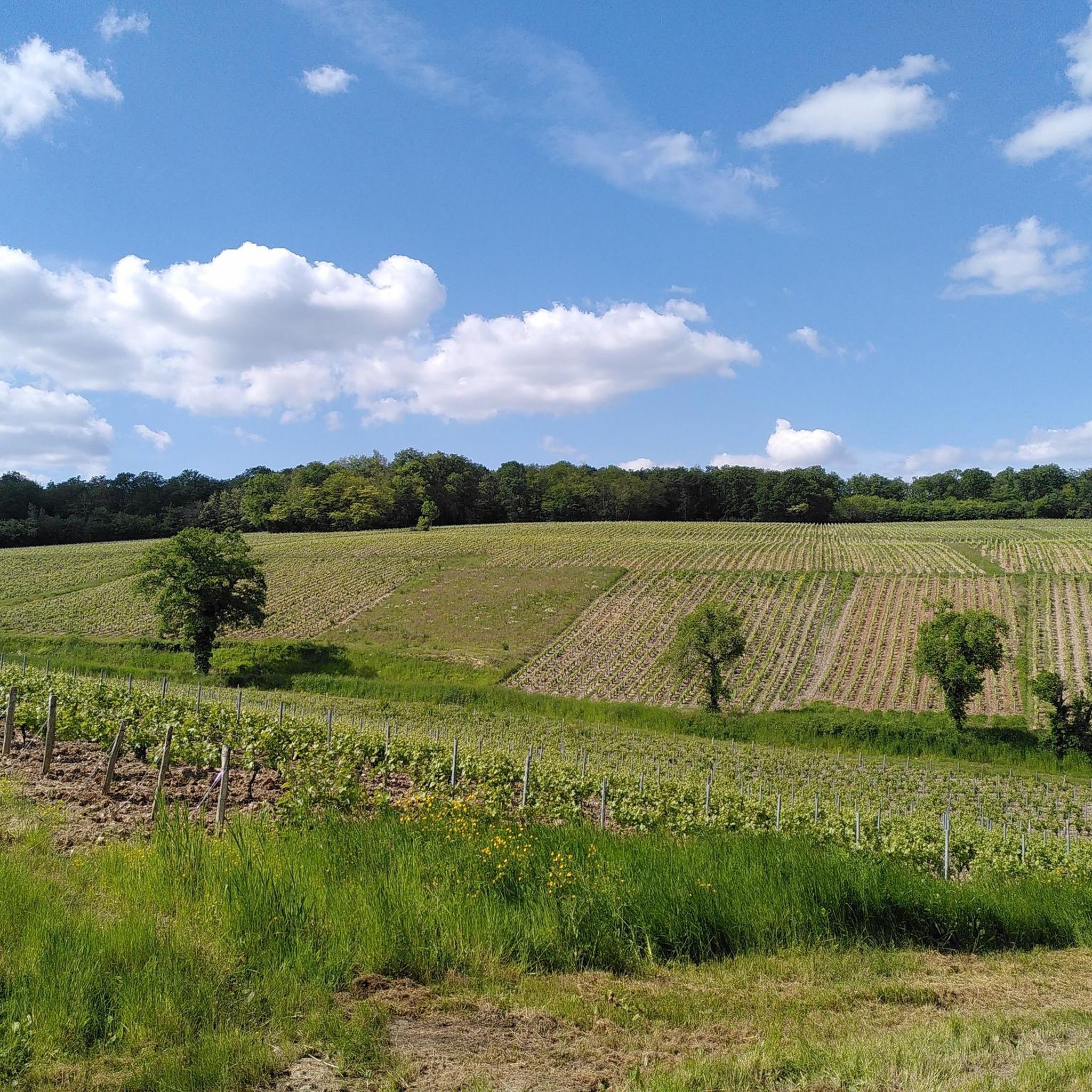
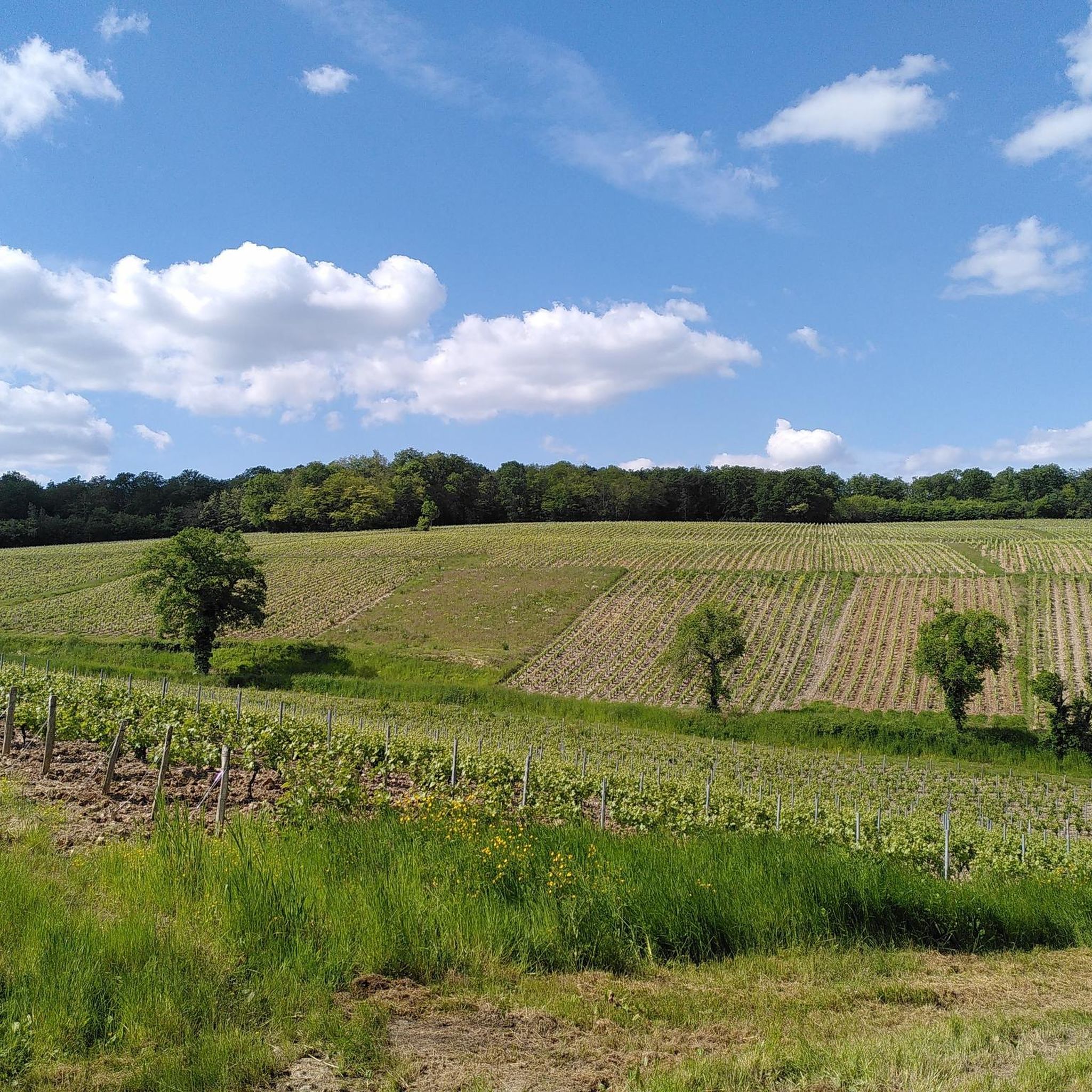
Gravel biking around Bannay primarily features routes along the banks of the Loire River, through the extensive Sancerre vineyards, and on rural roads. You'll encounter a mix of surfaces, from flat canal paths to rolling hills within the vineyards, providing varied terrain for both moderate and difficult ability levels.
Are there any circular gravel bike routes around Bannay?
Yes, many routes around Bannay are designed as loops. For example, the challenging Mantelot lock – Canal latéral à la Loire loop from Savigny-en-Sancerre takes you along the canal and through agricultural landscapes. Another popular option is the Port of Saint-Satur – Sancerre loop from Tracy - Sancerre, which leads through the scenic Sancerre vineyards.
What are some notable landmarks or attractions I can see while gravel biking near Bannay?
The region is rich in sights. You can cycle past the historic Boisrond Lock or along the impressive Canal latéral à la Loire. The charming hilltop village of Sancerre, famous for its wines and panoramic views, is also a highlight. Don't miss the Saint-Satur Viaduct or the stunning Viewpoint over the Sancerre valley.
What is the best season for gravel biking in the Bannay region?
The Centre-Val de Loire region, where Bannay is located, is generally pleasant for cycling from spring through autumn. Spring offers blooming landscapes, while autumn provides beautiful colors in the vineyards. Summer can be warm, but riverside routes offer cooler options. Winter conditions might be less ideal due to colder temperatures and potentially wet paths.
Are there any family-friendly gravel biking options around Bannay?
While many routes in the immediate Bannay area are rated moderate to difficult, the broader region offers sections of the "Loire à Vélo" route that are suitable for families. These paths often feature flatter, well-maintained sections along the river, perfect for a more relaxed ride. It's advisable to check individual route descriptions for specific difficulty and terrain details.
Can I access gravel bike routes near Bannay using public transport?
Public transport options to Bannay itself might be limited. However, nearby larger towns like Cosne-sur-Loire or Bourges, which are accessible by train, can serve as starting points for rides into the Bannay area. From these towns, you might need to cycle or arrange local transport to reach specific trailheads. Always check local transport schedules and bike carriage policies in advance.
Where can I find parking for gravel biking near Bannay or Sancerre?
Parking is generally available in the villages and towns surrounding Bannay, such as Sancerre, Saint-Satur, or Savigny-en-Sancerre. Look for public car parks, especially near popular attractions or trailheads. It's always a good idea to arrive early, especially during peak season, to secure a spot.
Are there cafes, pubs, or accommodation options along the gravel routes in the Bannay and Sancerre area?
Yes, the region is well-equipped with amenities. You'll find cafes and restaurants in towns like Sancerre, Saint-Satur, and Cosne-sur-Loire, perfect for a break. Accommodation, including hotels, guesthouses, and gîtes, is also available in these areas, with many offering secure bike storage. It's recommended to book accommodation in advance, especially during busy periods.
What is the longest gravel bike route available near Bannay?
One of the longest and most challenging routes is the Canal Latéral à la Loire – Entrance to the Briare canal bridge loop from Tracy - Sancerre. This extensive trail covers 88.3 miles (142.2 km) and offers flat sections along the canal and scenic views, typically taking over 9 hours to complete.
Are there any routes that explore the Sancerre vineyards specifically?
Absolutely. The Port of Saint-Satur – Sancerre loop from Tracy - Sancerre is a great option that takes you directly through the renowned Sancerre vineyards, offering picturesque views and a true taste of the region's viticultural landscape.
What is the difficulty level of gravel biking around Bannay?
The gravel biking routes around Bannay cater to experienced riders, with options primarily ranging from moderate to difficult. The terrain includes varied surfaces along riverbanks, through vineyards, and on rural roads, often involving significant elevation changes, as seen in routes like the Château de Ratilly loop from Cosne-sur-Loire.
Most popular attractions around Bannay

Get inspired with the komoot mobile app


Explore more
Browse the best Gravel rides in other regions.
