The best gravel rides around Croisilles
5.0
(1)
20
riders
6
rides
Gravel biking around Croisilles offers routes through a landscape characterized by dense woodlands, historical châteaux, and rolling countryside. The region features a mix of natural and historical elements, including old aqueducts and half-timbered houses. Elevation gains are generally moderate, providing varied terrain suitable for gravel cycling. The area's network of trails connects these features, offering diverse riding experiences.
Best gravel bike trails around Croisilles
- The most popular gravel bike trail is Château de Mormoulins – Old aqueduct loop from Marchezais…
Last updated: July 2, 2026
10
riders
105km
06:44
530m
530m
Hard gravel ride. Very good fitness required. Mostly paved surfaces. Suitable for all skill levels.
5
riders
42.7km
03:19
280m
280m
Hard gravel ride. Good fitness required. You may need to push your bike for some segments of this route.

Sign up for free
5.0
(1)
3
riders
50.6km
03:20
330m
330m
Moderate gravel ride. Good fitness required. Mostly paved surfaces. Suitable for all skill levels.
1
riders
38.6km
02:19
160m
160m
Moderate gravel ride. Good fitness required. Mostly paved surfaces. Suitable for all skill levels.
101km
06:34
590m
590m
Hard gravel ride. Very good fitness required. Mostly paved surfaces. Suitable for all skill levels.
Our route recommendations are based on thousands of hikes, rides, and runs completed by other people on komoot.
Start today with a free account
Your next adventure awaits.
Login or Signup

Tips from the Community


The Moulin de Mormoulins is a watermill located on the Eure River in the hamlet of Mormoulins. This mill dates back to the 18th and 19th centuries and is a listed historical monument. You can admire the old stone building, the wooden wheel, and the canal that diverts water from the river as you pass in front of the mill. The mill is surrounded by green fields and trees, creating a peaceful and relaxing atmosphere.
0
0

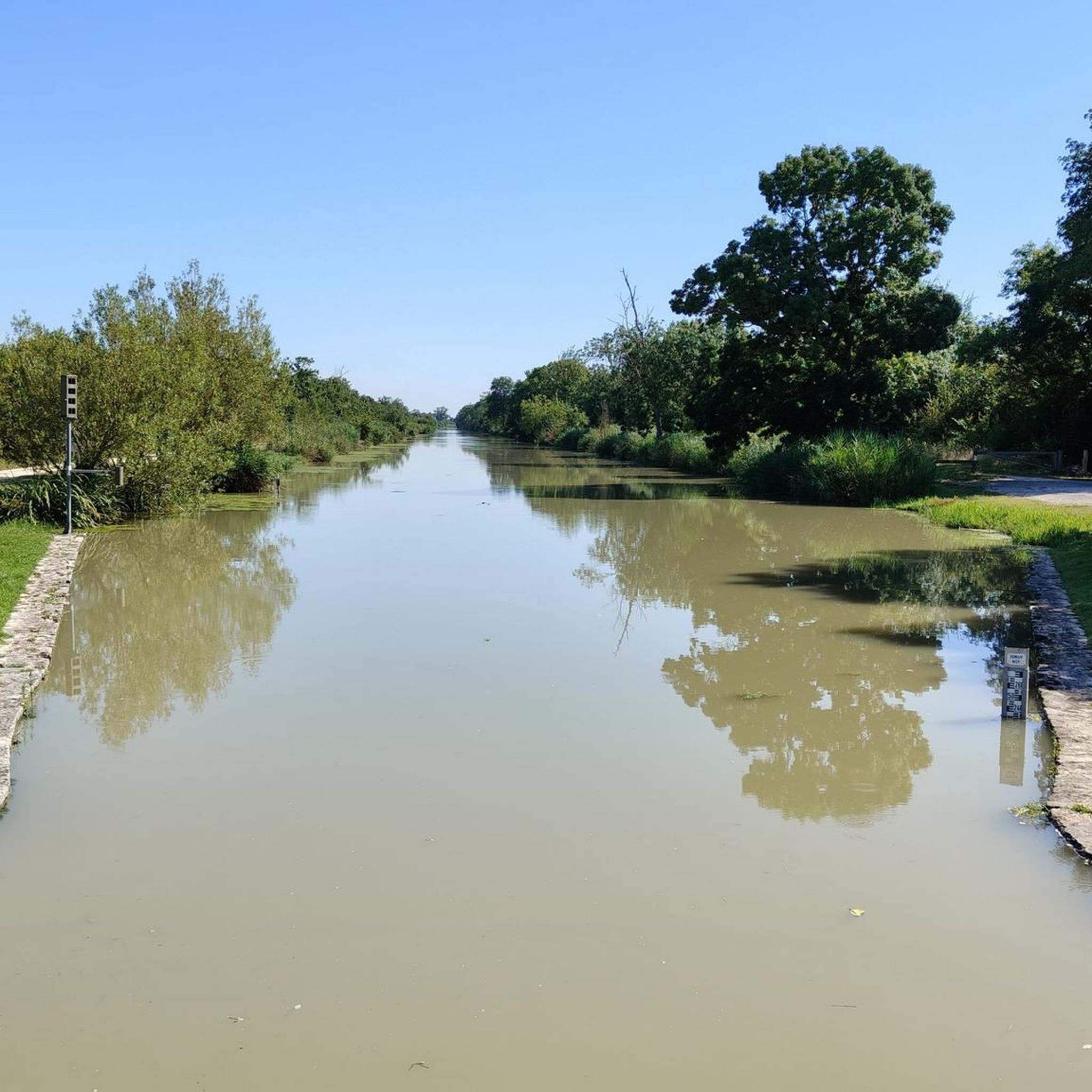
Walking along the canal, surrounded by dense vegetation, is a unique pleasure.
0
0

Very beautiful pond
0
0

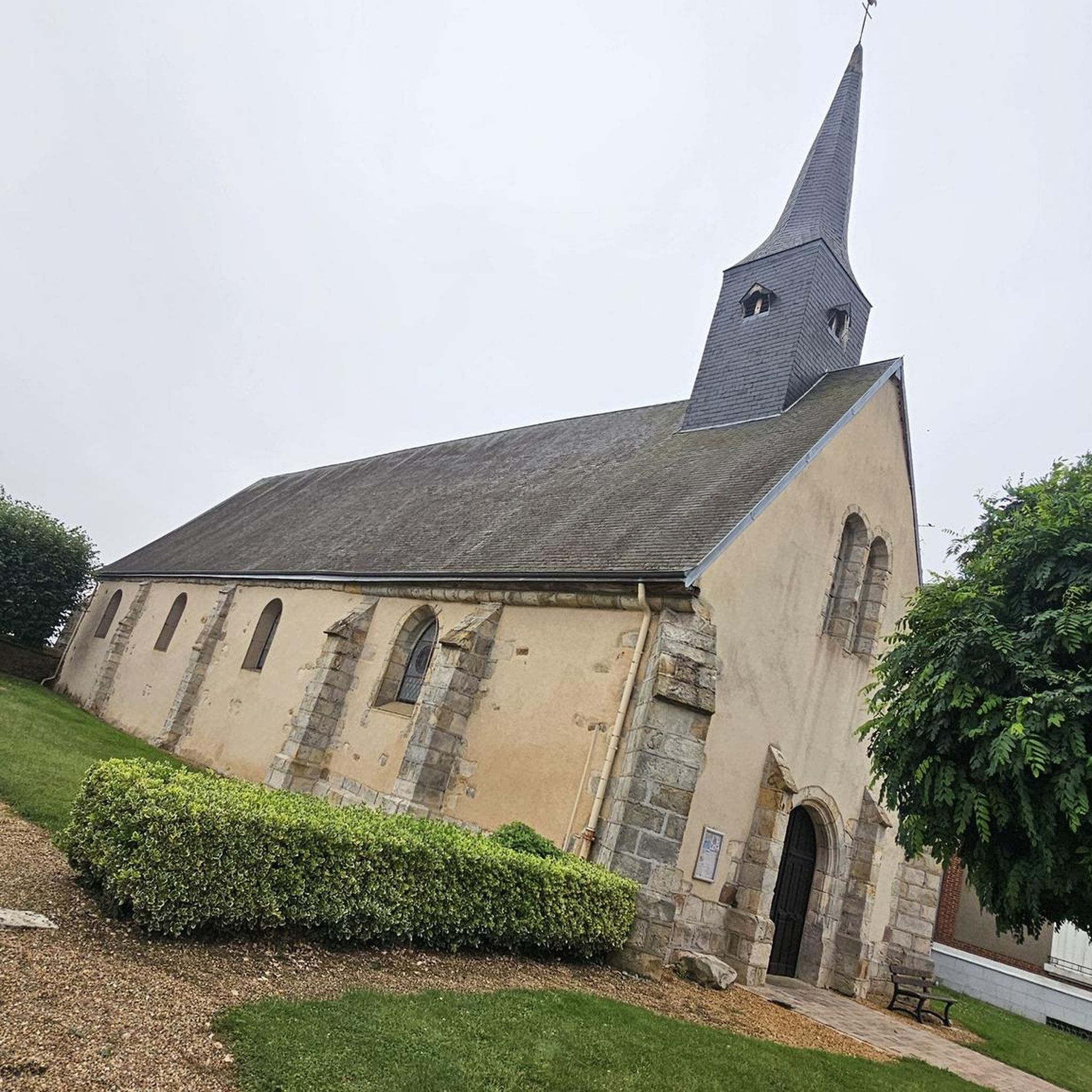
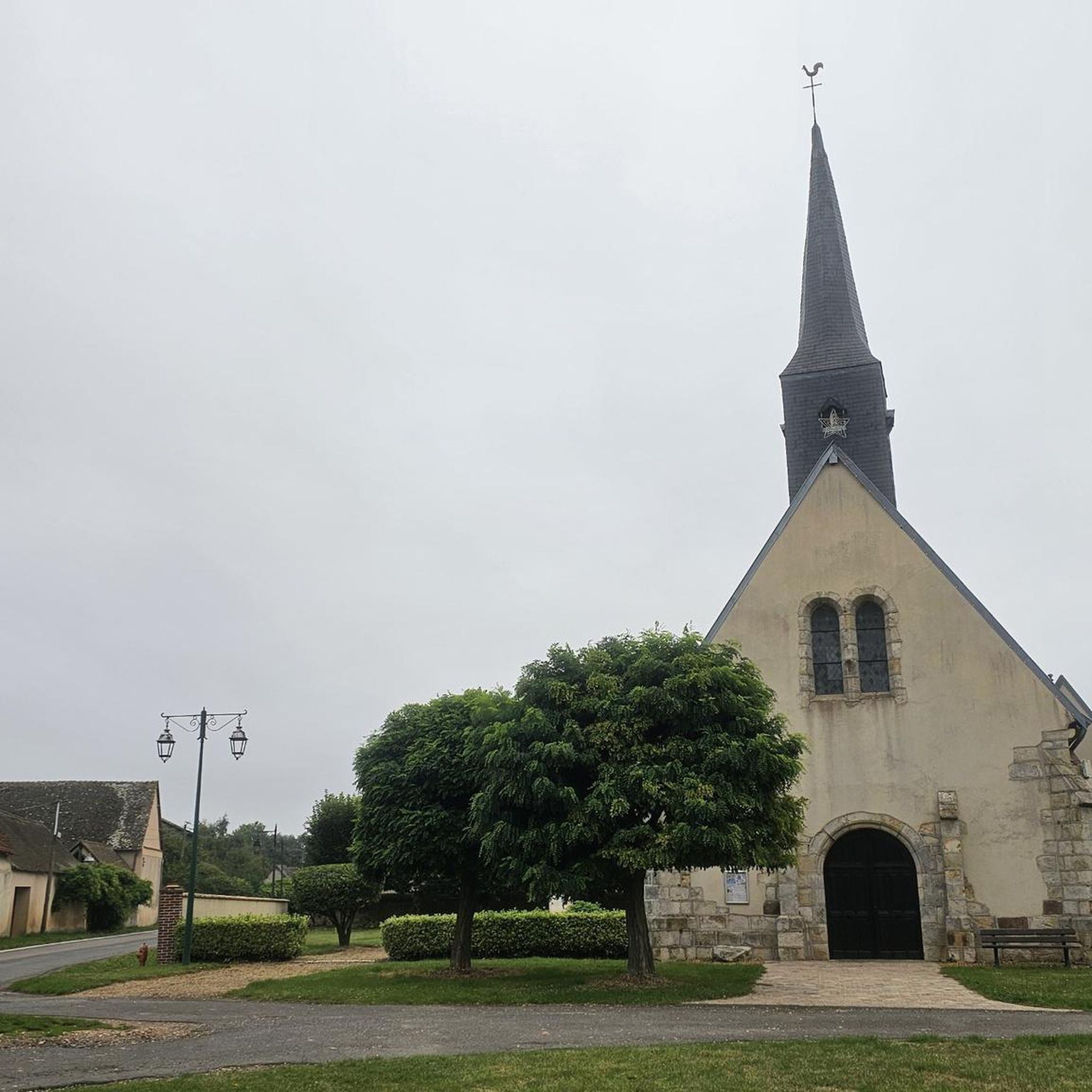
Abondant is located in the Eure Valley, in the immediate vicinity of the Dreux national forest and the important Château de Sourches, which was extensively transformed in the 19th century, and whose grounds were designed by the Duchênes. It appears that the extensive work carried out on the church in the 16th and 18th centuries was due to the generosity of this family. The current Saint-Pierre church succeeds a 12th-century building that was under the control of the canons of Saint-Étienne de Dreux and later the monks of Notre-Dame du Bec. Thanks to parish registers, the dates of its construction are precisely known: in 1508, the roof frame was raised; in 1516, construction continued thanks to donations from Pierre de Guerry, then lord of Abondant; in 1548, the erection of a 60-meter bell tower, which was topped with a cross in 1549. The dedication ceremony by the Bishop of Meaux did not take place until 1604. In the same year, a brotherhood of Charity was created under the patronage of Saint Sebastian and Saint Barbara, which remained
0
0
The Church of Saint-Pierre stands in the middle of the village, surrounded by the former cemetery area, which has been transformed into a grassy mound. On the north side, it is dominated by a large three-story stone bell tower. The western façade is preceded by a very rustic enclosed porch. The church consists of a single nave extended by a choir and a five-sided apse. The chapel, which occupies the base of the bell tower to the north, and the south chapel form a false transept. The church is built of flint rubble; the quoins, bands, cornices, and buttresses are made of sandstone. The interior of the building is covered with beautiful wainscoting, with battens, entirely redone based on the original layout above the nave. The radiating wainscoting of the apse is highlighted with a black geometric decoration painted on either side of the battens. The sculpted beams of the roof structure were preserved and placed on the new beams. The 18th-century waxed wooden high altar is decorated with a Crucifixion embroidered on fabric, possibly replacing a painting. The statues of Saint Peter and Saint Paul were placed in the niches to the left and right of the central altarpiece. The church has enclosed wooden pews that have been restored. When the pews were removed, gravestones were unearthed in the floor; they were photographed and drawn. A stone statue with a separated body and head was discovered in the thickness of a wall: it is Saint Peter wearing the papal tiara. During World War II, the bombing of a train stopped at the station destroyed the stained-glass windows, which were of varying value; however, one of them, dating from the 16th century, was listed. In 1948, the Bernard Campin workshop in Chartres was hired to renovate all the windows, in the style of the 1930s. Drainage work, masonry, timber framing, and roofing were carried out throughout the building, the most significant of which was the restoration of the paneled vault. The Sauvegarde de l'Art Français (French National Art Protection Agency) awarded €10,000 in grants in 2005.
0
0

large bird reserve and nautical activities
0
0

it's a route with very few vehicles so you can relax more to have fun
0
0
Frequently Asked Questions
How many gravel bike trails are available around Croisilles?
The Croisilles region offers a diverse network of over 10 gravel bike trails, catering to various skill levels. These routes explore the area's dense woodlands, historical châteaux, and rolling countryside.
Are there any beginner-friendly gravel bike trails in Croisilles?
While many routes in Croisilles are rated moderate to difficult, some sections of the moderate trails can be suitable for beginners looking for a gentle introduction to gravel biking. For example, the Moulin de la Bellassière – Fontaine les Ribouts loop from Vernouillet is a moderate 30 km route with manageable elevation changes, offering a good starting point.
What are some challenging gravel cycling routes for experienced riders?
Experienced gravel bikers will find several challenging routes. The Château de Mormoulins – Old aqueduct loop from Marchezais - Broué is a demanding 104.4 km trail with significant elevation gain, exploring historical sites and varied terrain. Another option is the Château de Mormoulins – Half-timbered house loop from Nogent-le-Roi, a difficult 42.6 km route.
What is the best time of year for gravel biking in Croisilles?
Spring and autumn generally offer the most pleasant conditions for gravel biking in Croisilles, with mild temperatures and beautiful scenery as the foliage changes. Summer can also be enjoyable, but it's advisable to start early to avoid the midday heat. Winter riding is possible, but trails may be muddy or slippery, especially in wooded areas, so appropriate gear is essential.
Are there any family-friendly gravel trails or routes suitable for children?
While the guide primarily features moderate to difficult routes, families with older children or those comfortable with longer distances might enjoy sections of the moderate trails. For a full family outing, consider shorter, less technical segments of routes like the Château de Mormoulins – Half-timbered house loop from Faverolles, focusing on the flatter, well-maintained paths.
Where can I find parking near the gravel bike trails in Croisilles?
Parking is typically available in or near the villages that serve as starting points for many routes, such as Marchezais, Faverolles, La Pinède, Vernouillet, or Nogent-le-Roi. Look for public parking areas within these towns, often near local amenities or trailheads. Specific parking details are usually provided on individual route pages on komoot.
What kind of scenery and landmarks can I expect to see along the gravel routes?
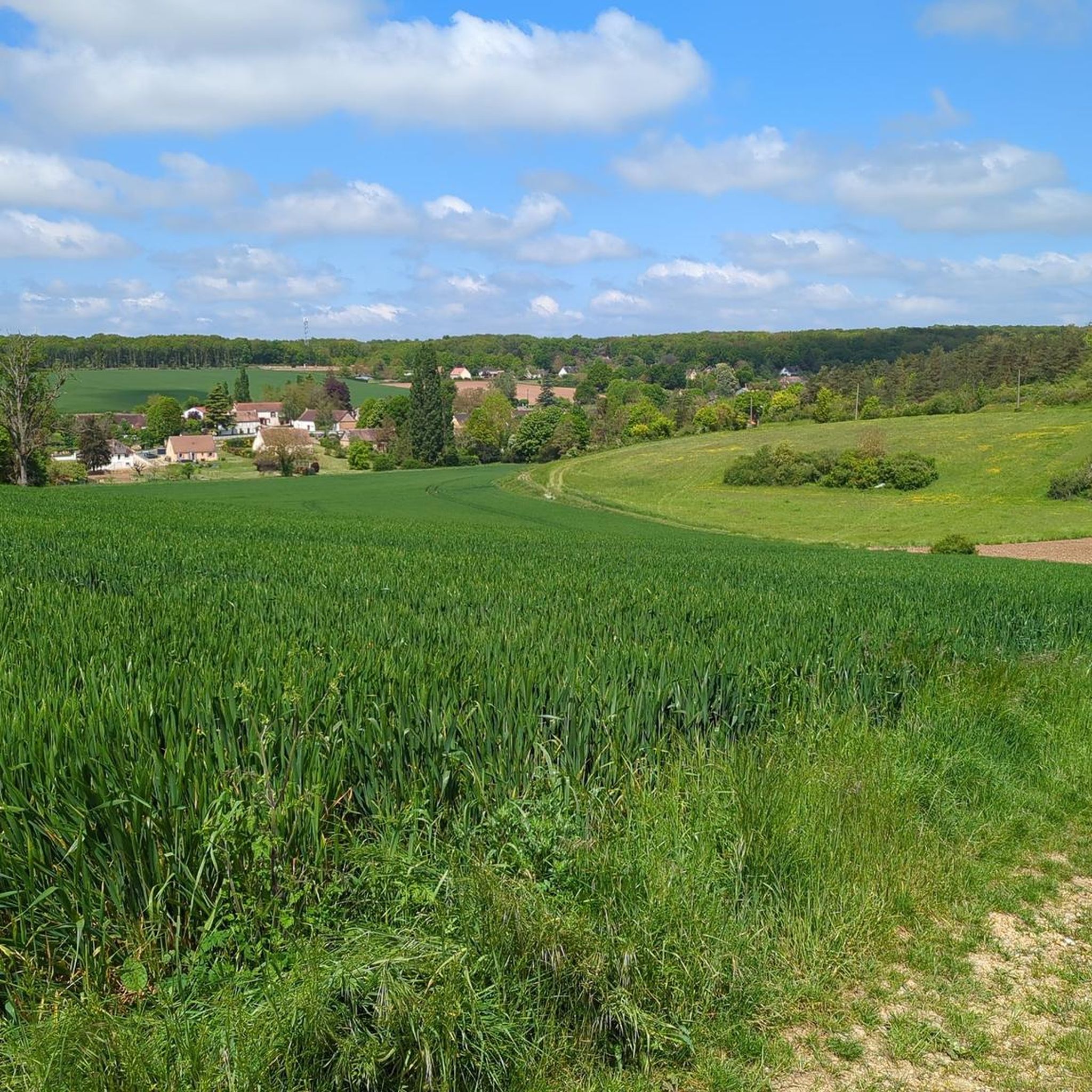
Gravel routes around Croisilles are rich in both natural beauty and historical interest. You'll encounter dense woodlands, open countryside, and charming villages. Notable landmarks include historical châteaux like Château de Mormoulins and Nogent-le-Roi Castle, old aqueducts, and traditional half-timbered houses. The Walk in the Dreux Forest – Sorel Castle loop from La Pinède, for instance, takes you through the scenic Dreux Forest and past Sorel Castle.
Are there any cafes or places to stop for refreshments along the trails?
Many routes pass through or near small towns and villages where you can find local cafes, bakeries, or small shops to refuel. It's always a good idea to check the route map in advance to identify potential stops, especially on longer rides. Packing some snacks and water is recommended, as services might be sparse on more remote sections.
Are there gravel bike trails in Croisilles that form a loop?
Yes, many of the gravel bike trails in Croisilles are designed as loops, allowing you to start and finish at the same point. Examples include the Château de Mormoulins – Old aqueduct loop from Marchezais - Broué, the Walk in the Dreux Forest – Sorel Castle loop from La Pinède, and the Moulin de la Bellassière – Fontaine les Ribouts loop from Vernouillet.
What do other gravel bikers enjoy most about riding in Croisilles?
The gravel biking experience in Croisilles is highly rated by the komoot community, with an average score of 4.7 stars from over 10 reviews. Riders often praise the region's varied terrain, the blend of natural landscapes with historical architecture, and the well-maintained network of trails that connect these features. The opportunity to explore dense woodlands and rolling countryside, often passing by charming châteaux and old aqueducts, is a common highlight.
What are the typical ground conditions on gravel bike trails in Croisilles?
The gravel bike trails in Croisilles feature a mix of surfaces. You can expect well-maintained gravel paths, forest tracks, and some paved sections connecting different areas. Conditions can vary with weather; after rain, some unpaved sections in woodlands might become muddy or soft, while dry periods generally offer firm, fast-rolling surfaces.
Most popular routes around Croisilles
Most popular attractions around Croisilles

Get inspired with the komoot mobile app


Explore more
Browse the best Gravel rides in other regions.
