The best gravel rides around Cizay-La-Madeleine
4.5
(19)
141
riders
13
rides
Gravel biking around Cizay-La-Madeleine offers routes through a blend of historical landscapes and natural features. The region is characterized by wooded expanses within the Forest of Brossay and several streams, providing varied terrain. Located within the broader Saumur Val de Loire area, the routes often traverse a mix of unpaved surfaces, including farm tracks, forest trails, and riverside paths. This network connects to the wider Loire Valley, known for its gravel paths winding through vineyards and alongside rivers.
Best gravel…
Last updated: July 16, 2026
4.8
(9)
60
riders
56.4km
03:17
420m
420m
Hard gravel ride. Good fitness required. You may need to push your bike for some segments of this route.
4.3
(3)
14
riders
47.7km
03:03
330m
330m
Moderate gravel ride. Good fitness required. Mostly paved surfaces. Suitable for all skill levels.

Sign up for free
5.0
(1)
8
riders
94.5km
05:26
250m
250m
Hard gravel ride. Very good fitness required. Mostly paved surfaces. Suitable for all skill levels.
3.0
(1)
4
riders
Moderate gravel ride. Good fitness required. Mostly paved surfaces. Suitable for all skill levels.
4
riders
Moderate gravel ride. Good fitness required. Mostly paved surfaces. Suitable for all skill levels.
Get access to more routes and recommendations from other explorers.
Sign up for free
Already have an account?
Our route recommendations are based on thousands of hikes, rides, and runs completed by other people on komoot.
Start today with a free account
Your next adventure awaits.
Login or Signup
Tips from the Community

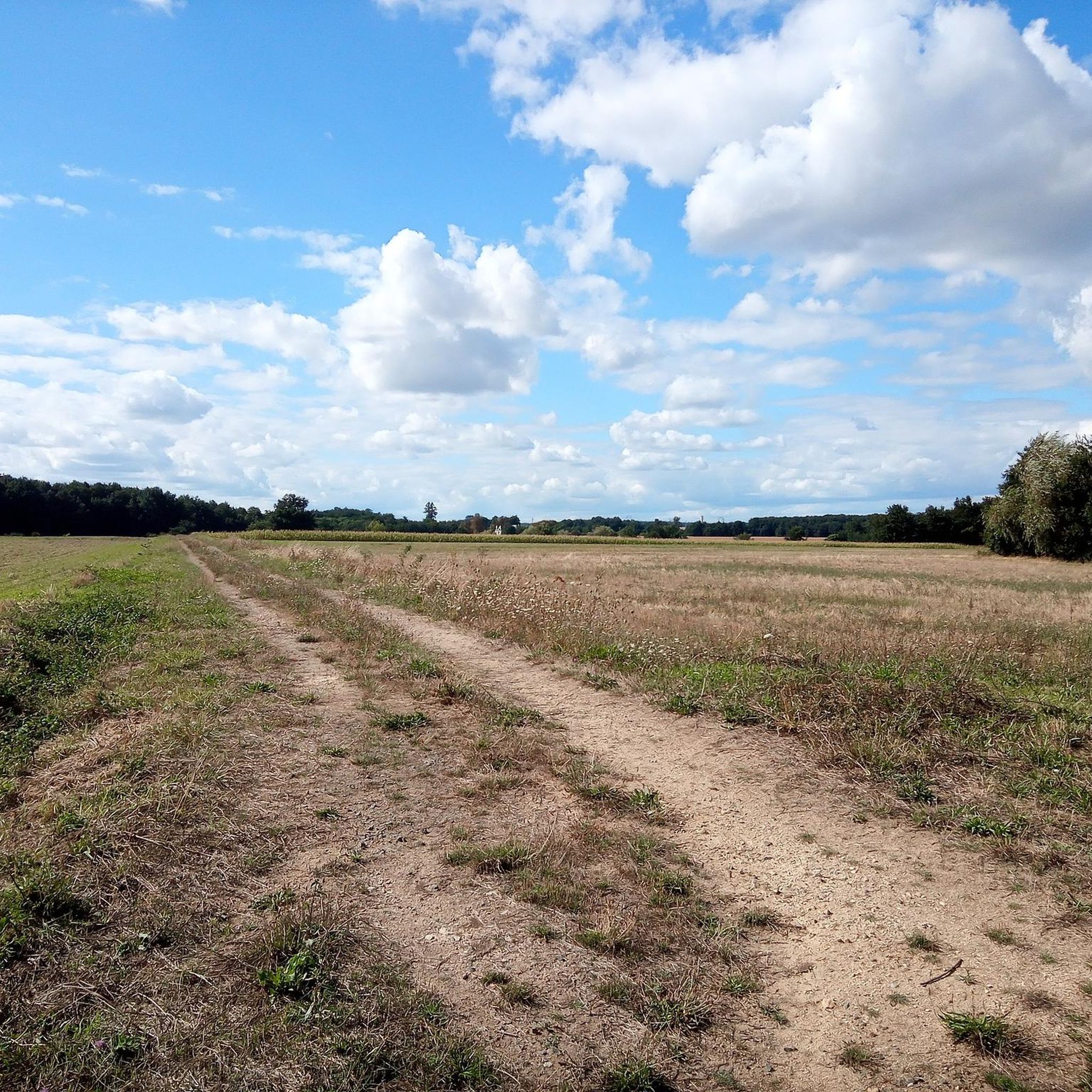
The sights are good but the terrain is not especially after high winds and heavy rain. Some people might find it tricky to navigate.
0
0

whatever the angle of view or the time of day, this ancient abbey calls out
0
0


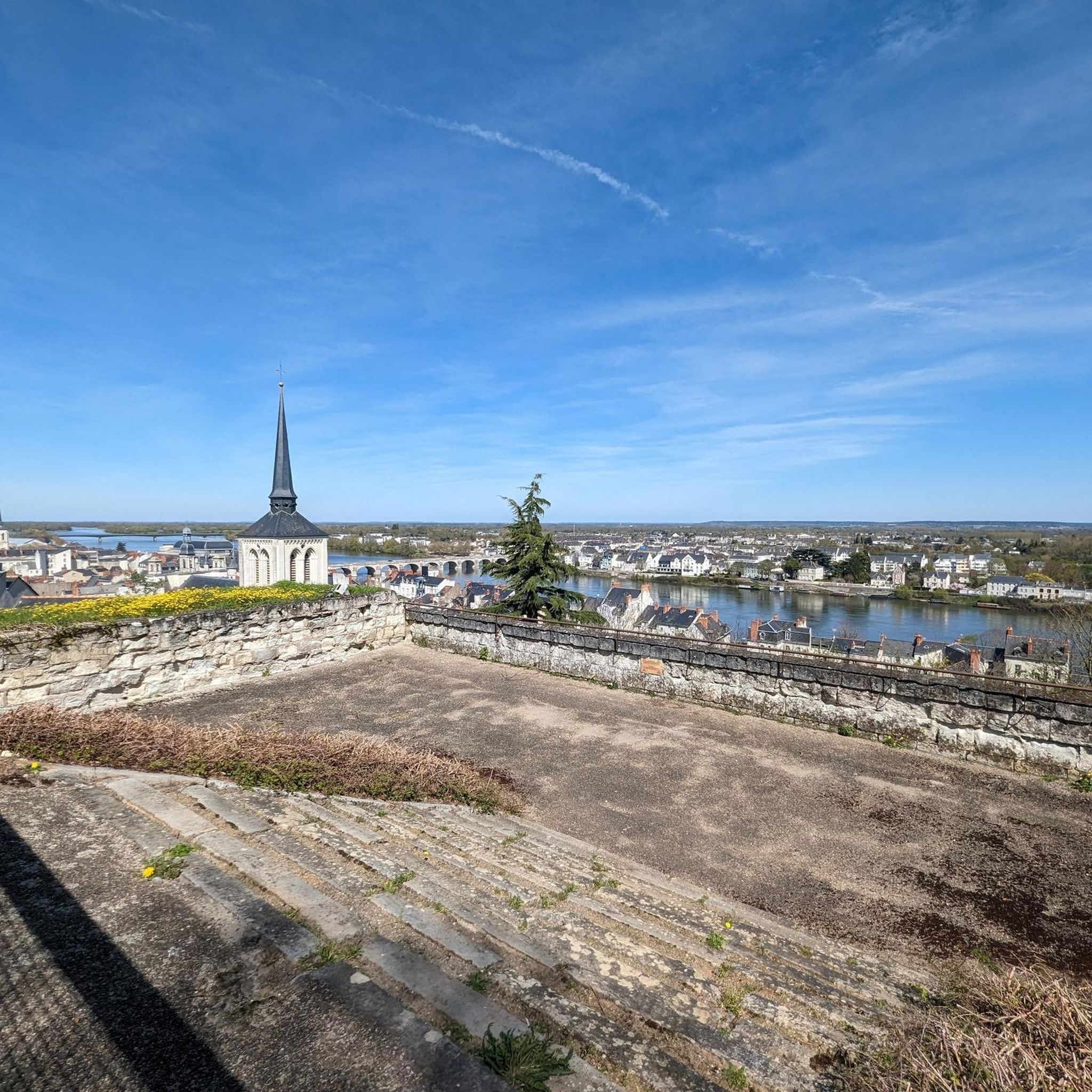
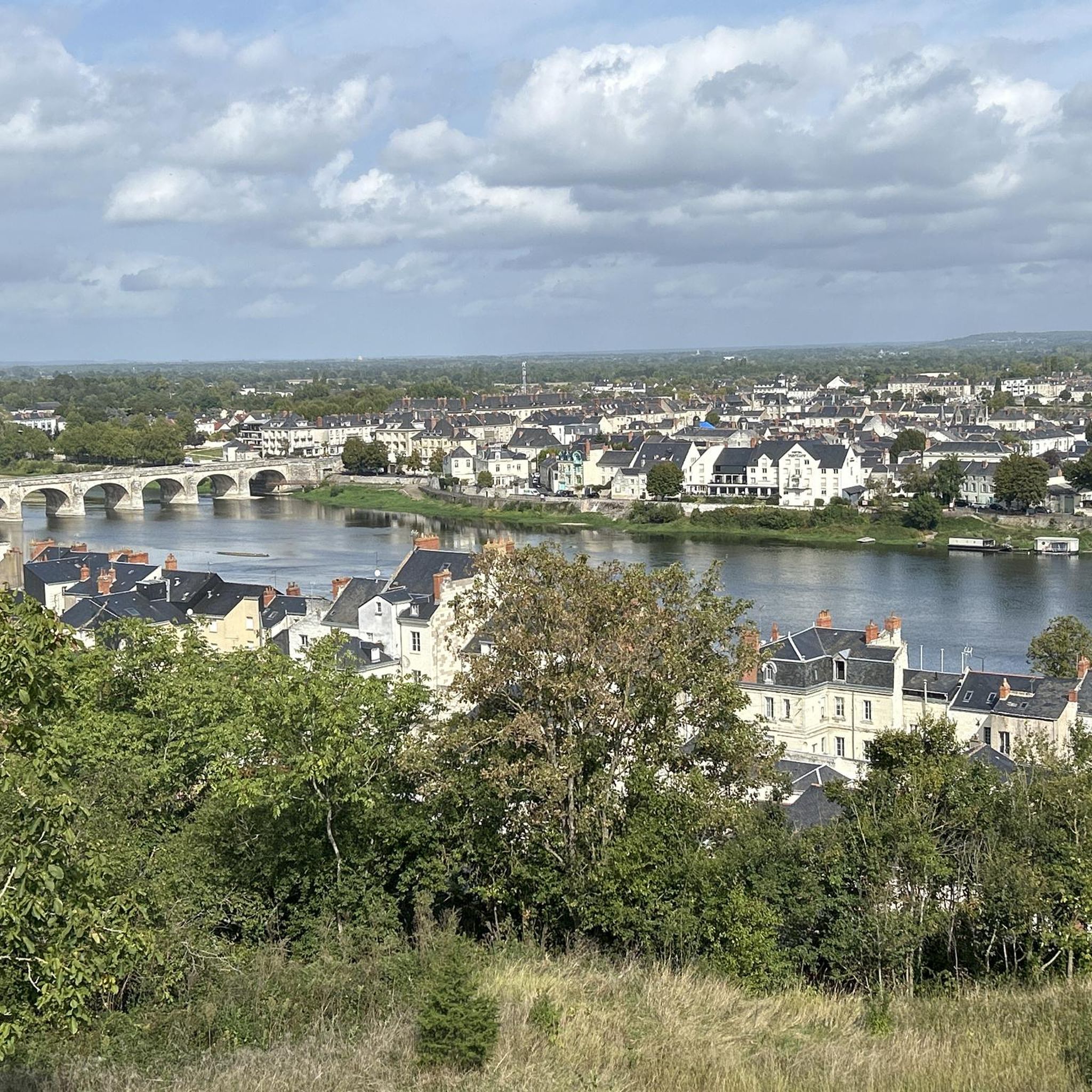
Simply enjoy the beautiful views over the city but especially over the mighty Loire River.
2
0
Simply enjoy the beautiful views over the city but especially over the mighty Loire River.
3
0
History: In 1454, while ploughing his field, a farmer discovered in the "ardille" (clay, a word that according to legend gave its name to Notre-Dame-des-Ardilliers) a stone statuette about thirty centimetres high representing a Pietà. The farmer took it home. Twice he discovered that the Pietà returned to its place of discovery, near a fountain that was already known for its healing properties. From that moment on, devotions developed around this statuette, which was placed in a niche under a stone arch. Jean Olivier, Bishop of Angers, laid the foundations of the Notre-Dame-des-Ardilliers chapel. Bishop Gabriel Bouvery, Bishop of Angers, opened the new church on 30 July 1553. It was a place of pilgrimage. The fountain was said to perform miracles. In 1614, thanks to the support of Marie de Medici, the management of the sanctuary was entrusted to the Order of Oratorians. In 1619, they settled in Ardilliers and founded a royal college in 1624. Louis XIII granted it the status of royal chapel and, from 1628 to 1643, the Oratorians built the buildings to the east of the chapel that would house their community, the classrooms and the students' dormitories. From 1634, Richelieu had a chapel built on the north wall of the chapel for votive and funeral purposes. The chapel was closed during the Revolution. The Oratorian house became a barracks and the rotunda was converted into an ammunition store. In 1796, the Sisters of Sainte-Anne-de-la-Providence opened a hospice there for the expelled. In 1798, the hospice became the property of the city of Saumur. The chapel was put back into use in 1799, but was damaged by damp. From 1849, architect Charles Joly-Leterme began restoring the building. The Sisters of Sainte-Anne-de-la-Providence became the owners of the former Oratorian House in 1866. During the Battle of the Cadets, in June 1940, the bombing destroyed the roof structures of the chapel and the Oratorian House. The vault of the nave collapsed. The buildings were restored between 1947 and 1957. The oak frame of the dome was replaced by a concrete shell to reduce the pressure on the walls. The Oratorian House was converted into a school in 1953. In February 2025, a fire broke out. Source Wikipedia
4
0
History: In 1454, while ploughing his field, a farmer discovered in the "ardille" (clay, a word that according to legend gave its name to Notre-Dame-des-Ardilliers) a stone statuette about thirty centimetres high representing a Pietà. The farmer took it home. Twice he discovered that the Pietà returned to its place of discovery, near a fountain that was already known for its healing properties. From that moment on, devotions developed around this statuette, which was placed in a niche under a stone arch. Jean Olivier, Bishop of Angers, laid the foundations of the Notre-Dame-des-Ardilliers chapel. Bishop Gabriel Bouvery, Bishop of Angers, opened the new church on 30 July 1553. It was a place of pilgrimage. The fountain was said to perform miracles. In 1614, thanks to the support of Marie de Medici, the management of the sanctuary was entrusted to the Order of Oratorians. In 1619, they settled in Ardilliers and founded a royal college in 1624. Louis XIII granted it the status of royal chapel and, from 1628 to 1643, the Oratorians built the buildings to the east of the chapel that would house their community, the classrooms and the students' dormitories. From 1634, Richelieu had a chapel built on the north wall of the chapel for votive and funeral purposes. The chapel was closed during the Revolution. The Oratorian house became a barracks and the rotunda was converted into an ammunition store. In 1796, the Sisters of Sainte-Anne-de-la-Providence opened a hospice for the expelled. In 1798, the hospice became the property of the city of Saumur. The chapel was put back into use in 1799, but was damaged by damp. From 1849, architect Charles Joly-Leterme began restoring the building. The Sisters of Sainte-Anne-de-la-Providence became the owners of the former Oratorian House in 1866. During the Battle of the Cadets, in June 1940, the bombing destroyed the roof structures of the chapel and the Oratorian House. The vault of the nave collapsed. The buildings were restored between 1947 and 1957. The oak frame of the dome was replaced by a concrete shell to reduce the pressure on the walls. The Oratorian House was converted into a school in 1953. A fire broke out in February 2025. Source Wikipedia
4
0
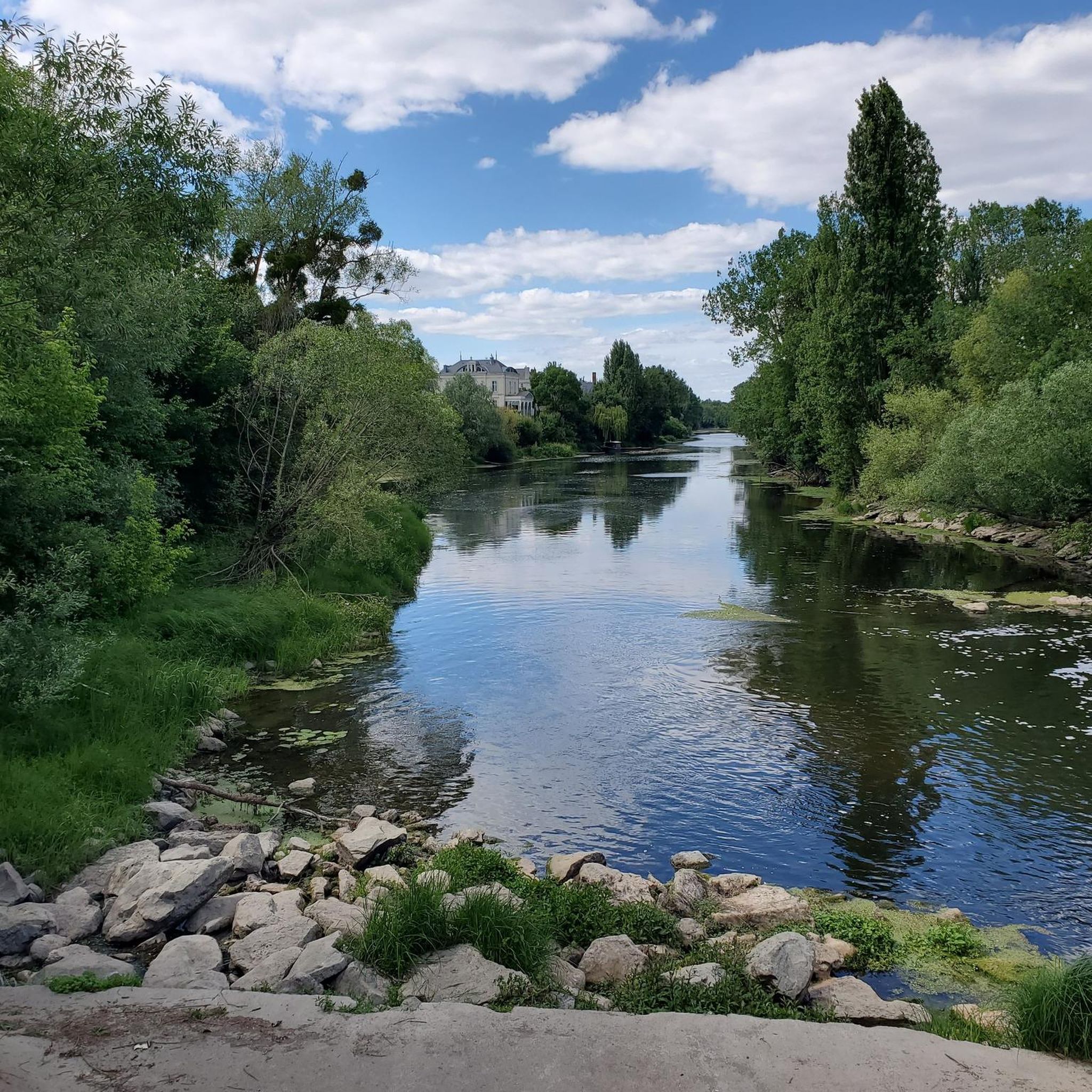
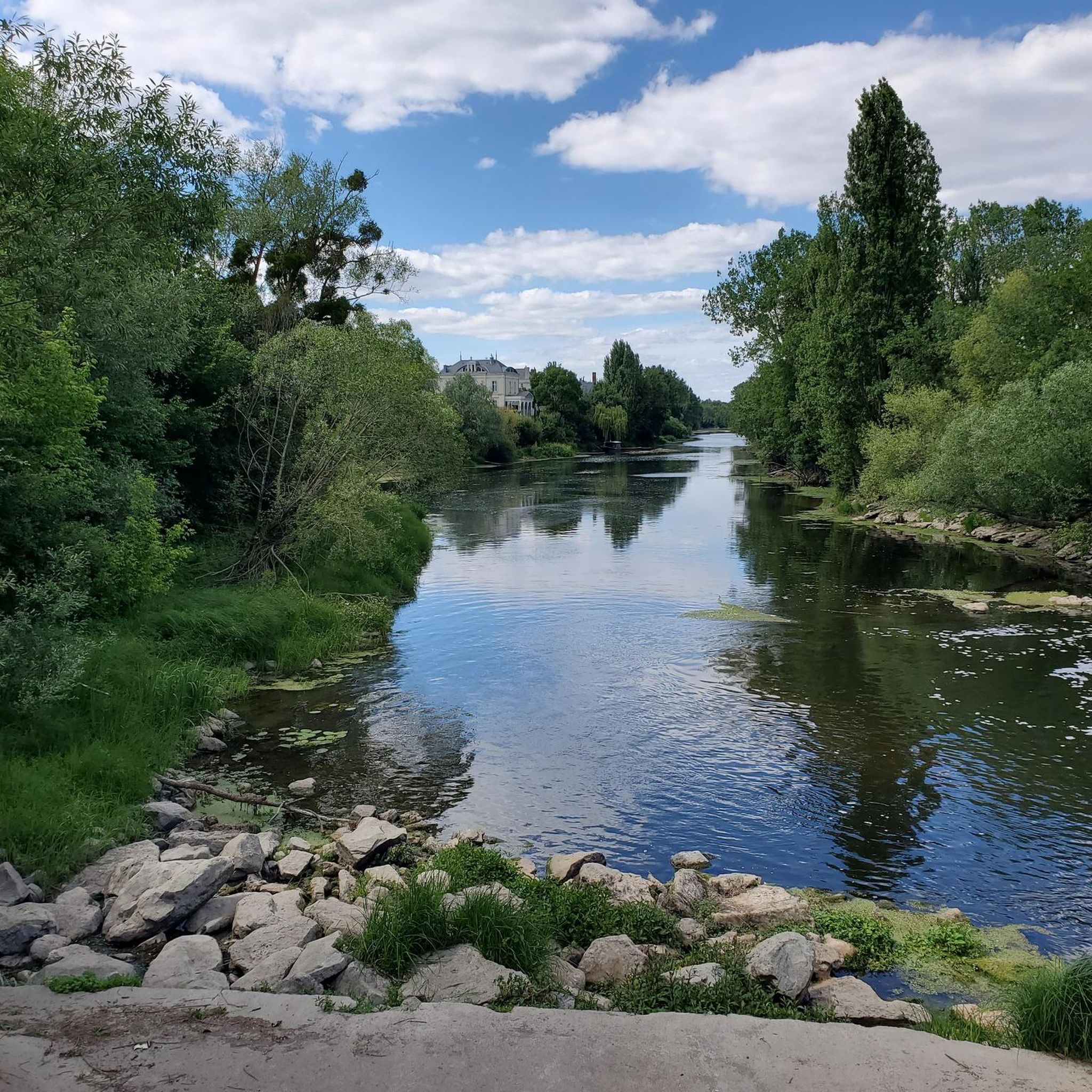
Very nice gravel along the banks of the Loire. Know that you are not alone here. Enjoy together, each at their own pace.
3
0
Frequently Asked Questions
How many gravel bike trails are available in Cizay-La-Madeleine?
There are over 20 gravel bike routes around Cizay-La-Madeleine, offering a diverse range of experiences for cyclists. These routes are highly rated by the komoot community, with an average score of 4.5 stars.
What kind of terrain can I expect on gravel bike trails around Cizay-La-Madeleine?
The terrain around Cizay-La-Madeleine is varied, featuring a mix of unpaved surfaces ideal for gravel biking. You'll encounter farm tracks, forest trails, and riverside paths, often connecting to the wider Loire Valley's network of gravel paths. About 75% of these routes are pure gravel roads and unpaved trails, providing a true gravel riding experience through vineyards, forests, and alongside rivers.
Are there any historical landmarks or castles I can see while gravel biking?
Yes, the region is rich in historical heritage. Many routes offer views of impressive landmarks. For instance, the Loire Riverside Gravel Trail – Saumur Castle loop from Varrains provides views of the magnificent Château de Saumur. Other notable castles in the vicinity include Montreuil-Bellay Castle and the View of Château de Chinon – Château de Chinon loop from Varrains leads towards the historic Château de Chinon. You might also pass by old priories and the vestiges of the Abbey of Asnières.
What natural features will I encounter on the trails?
Gravel biking in Cizay-La-Madeleine will take you through the wooded expanses of the Forest of Brossay, offering shaded paths and serene environments. You'll also find routes that follow several streams and the Loire River, providing picturesque views and varied landscapes. The broader Loire Valley is known for its paths winding through vineyards and forests.
Are there options for different skill levels, including beginners and experienced riders?
Yes, the routes around Cizay-La-Madeleine cater to various skill levels. While there are no routes classified as 'easy', you'll find 16 moderate routes and 4 difficult routes. Moderate trails, like the Loire Riverside at Turquant – Troglodyte houses loop from Distré, offer enjoyable challenges, while difficult routes, such as the Loire Riverside Gravel Trail – Saumur loop from Varrains, feature significant elevation gain for more experienced riders.
Are there any circular gravel bike routes available?
Yes, many of the gravel bike routes in the area are designed as loops, allowing you to start and end in the same location. Examples include the Loire Riverside Gravel Trail – Saumur loop from Varrains and the Abbaye d'Asnières – 4 little jumps and off you go... loop from Doué-la-Fontaine. These circular routes make planning your ride more convenient.
What is the best time of year for gravel biking in Cizay-La-Madeleine?
The region's terrain, with its succession of farm tracks, forest trails, and riverside paths, is enjoyable throughout much of the year. Spring and autumn generally offer pleasant temperatures and beautiful scenery, with vineyards and forests at their best. Summer can also be great, especially on shaded forest paths. Always check local weather forecasts before heading out.
Where can I find parking for gravel bike trails in Cizay-La-Madeleine?
Many routes start from villages or towns like Varrains or Doué-la-Fontaine, where public parking is typically available. It's advisable to check specific starting points of your chosen route on komoot for detailed parking information, as options can vary.
Are there cafes or places to eat along the routes?
While Cizay-La-Madeleine itself is a small commune, many gravel routes connect to or pass through larger towns and villages in the Saumur Val de Loire area, such as Saumur or Montreuil-Bellay. These locations offer various cafes, restaurants, and shops where you can refuel and enjoy local cuisine. Planning your route with komoot allows you to identify points of interest, including eateries, along your chosen path.
Is public transport accessible for reaching the trails?
Access to trails via public transport can vary. The broader Saumur Val de Loire area has some public transport options, but direct access to specific trailheads in more rural areas like Cizay-La-Madeleine might be limited. It's recommended to research local bus or train services to nearby towns like Saumur and then consider cycling from there or arranging local transport to your starting point.
Are there any permits or specific regulations for gravel biking in the area?
Generally, there are no specific permits required for gravel biking on public paths and trails in the Cizay-La-Madeleine area. However, always respect private property, follow local signage, and adhere to standard cycling etiquette. When riding through natural areas like the Forest of Brossay, be mindful of wildlife and environmental protection guidelines.
What do other gravel bikers enjoy the most about gravel biking in Cizay-La-Madeleine?
The area is highly rated by the komoot community, with an average score of 4.5 stars from over 10 reviews. Reviewers often praise the varied terrain, the blend of historical sites with natural beauty, and the extensive network of gravel paths that offer a true gravel riding experience. Many appreciate the meditative sound of endless gravel paths and the constant, enjoyable effort required by the rolling landscape.
Most popular routes around Cizay-La-Madeleine
Most popular attractions around Cizay-La-Madeleine

Get inspired with the komoot mobile app


Explore more
Browse the best Gravel rides in other regions.
