The best gravel rides around Fontevraud-L'Abbaye
4.2
(59)
505
riders
40
rides
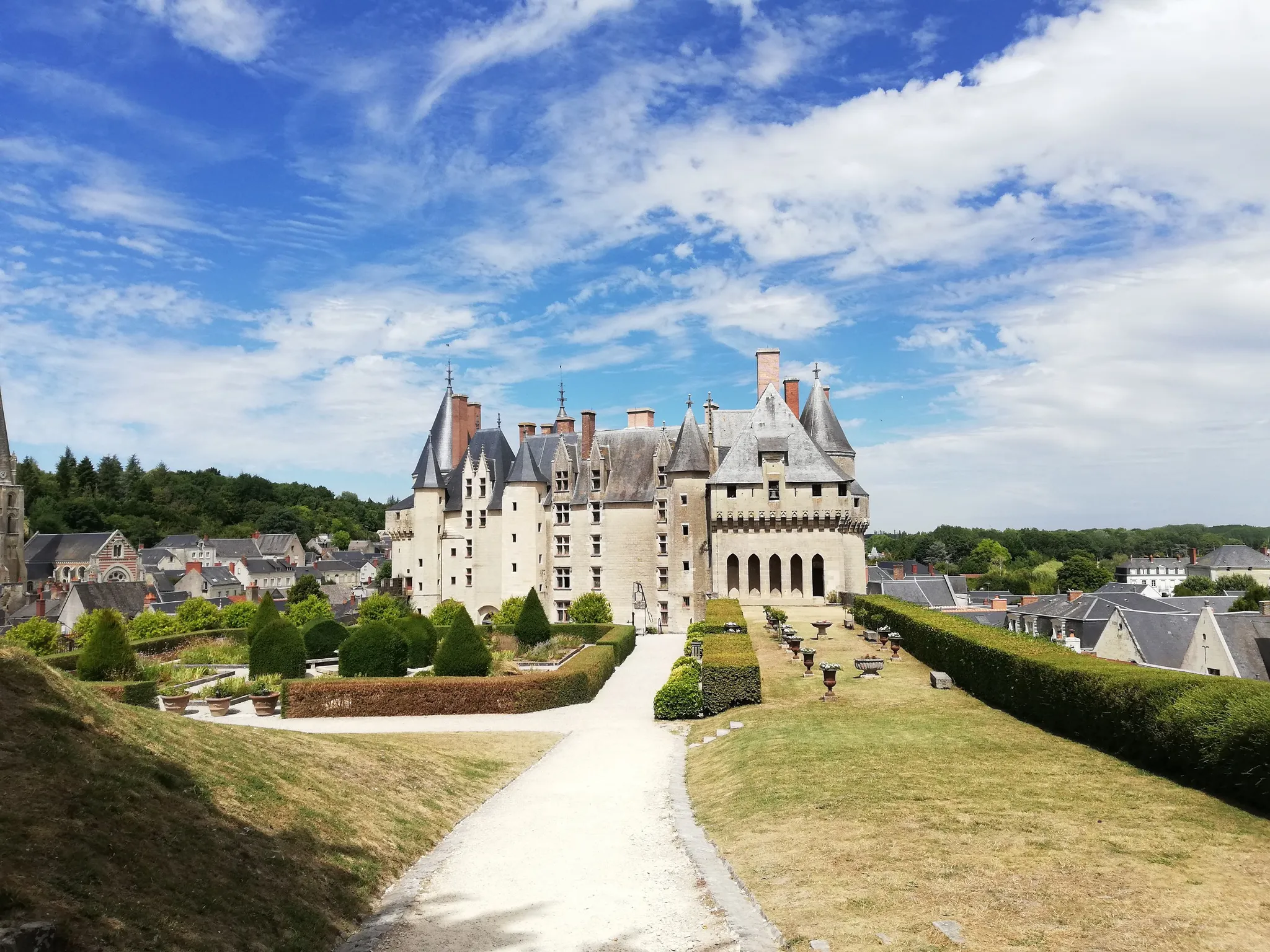
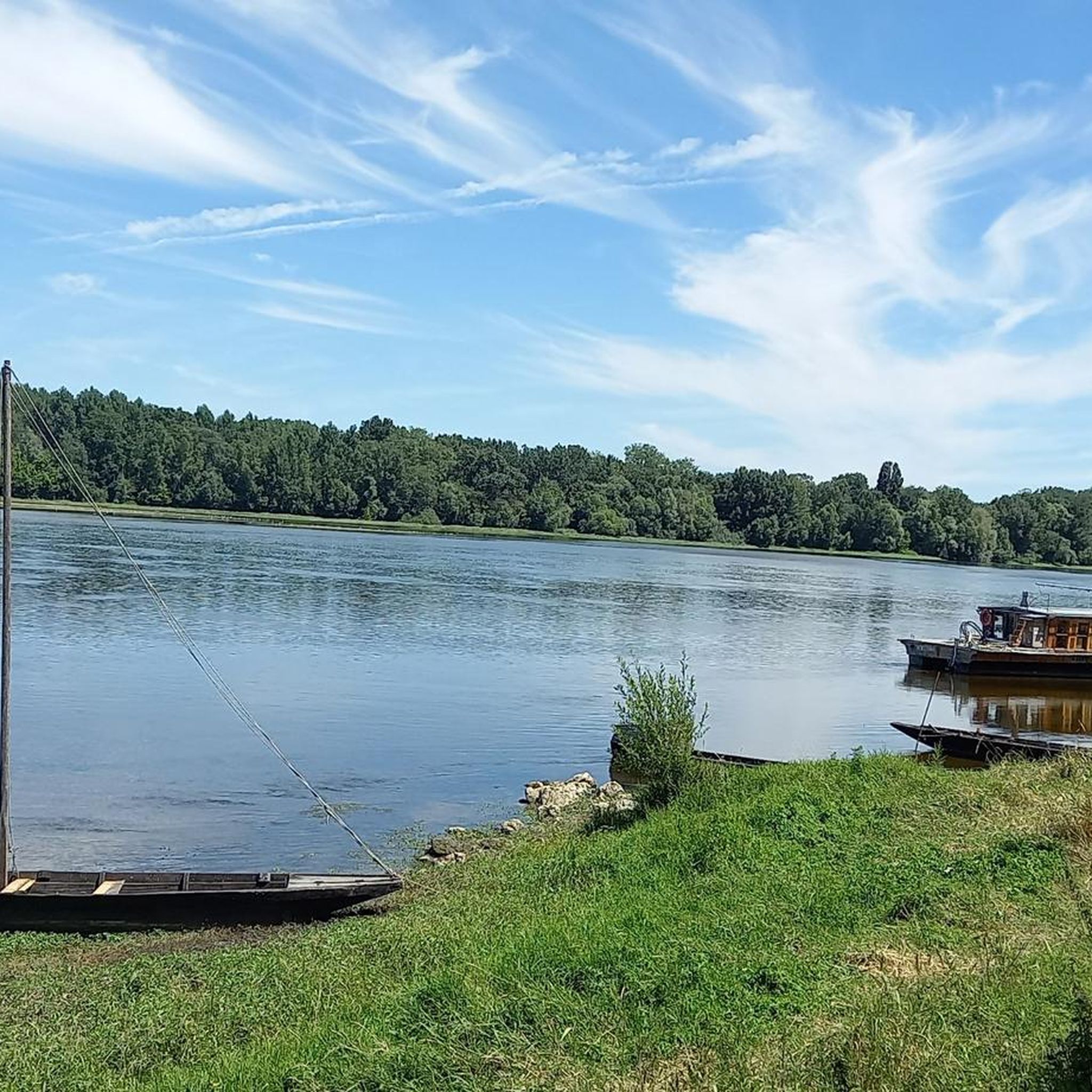
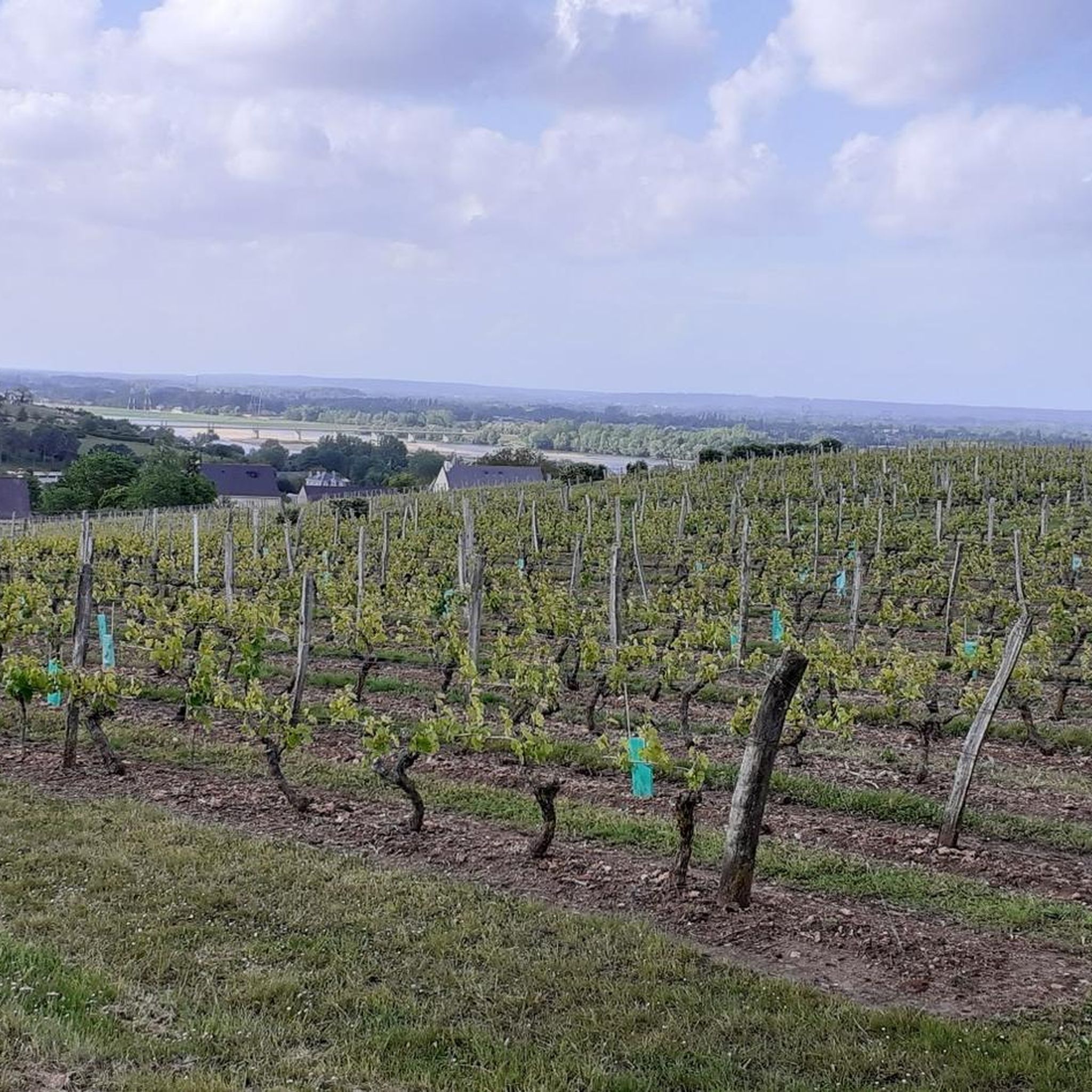
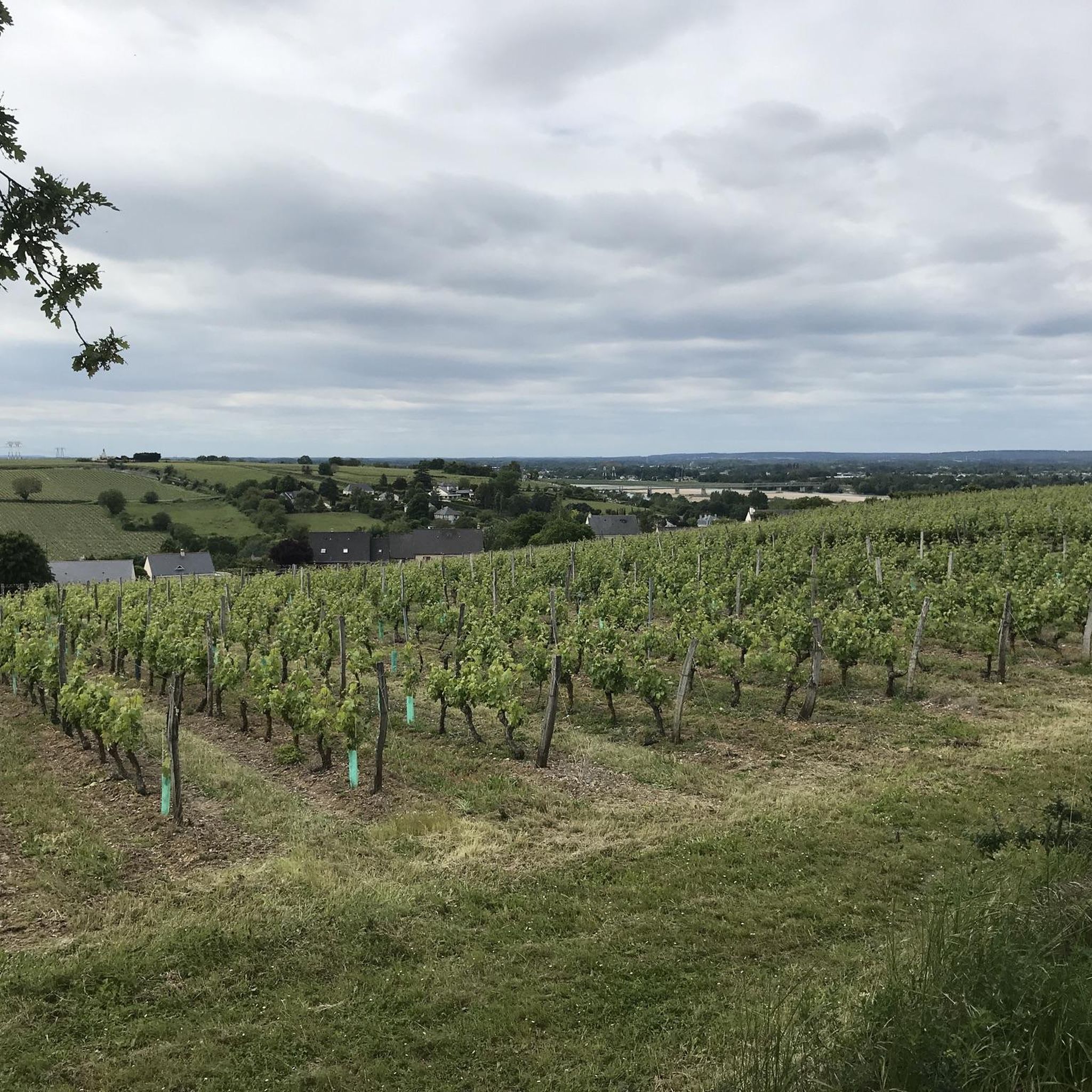
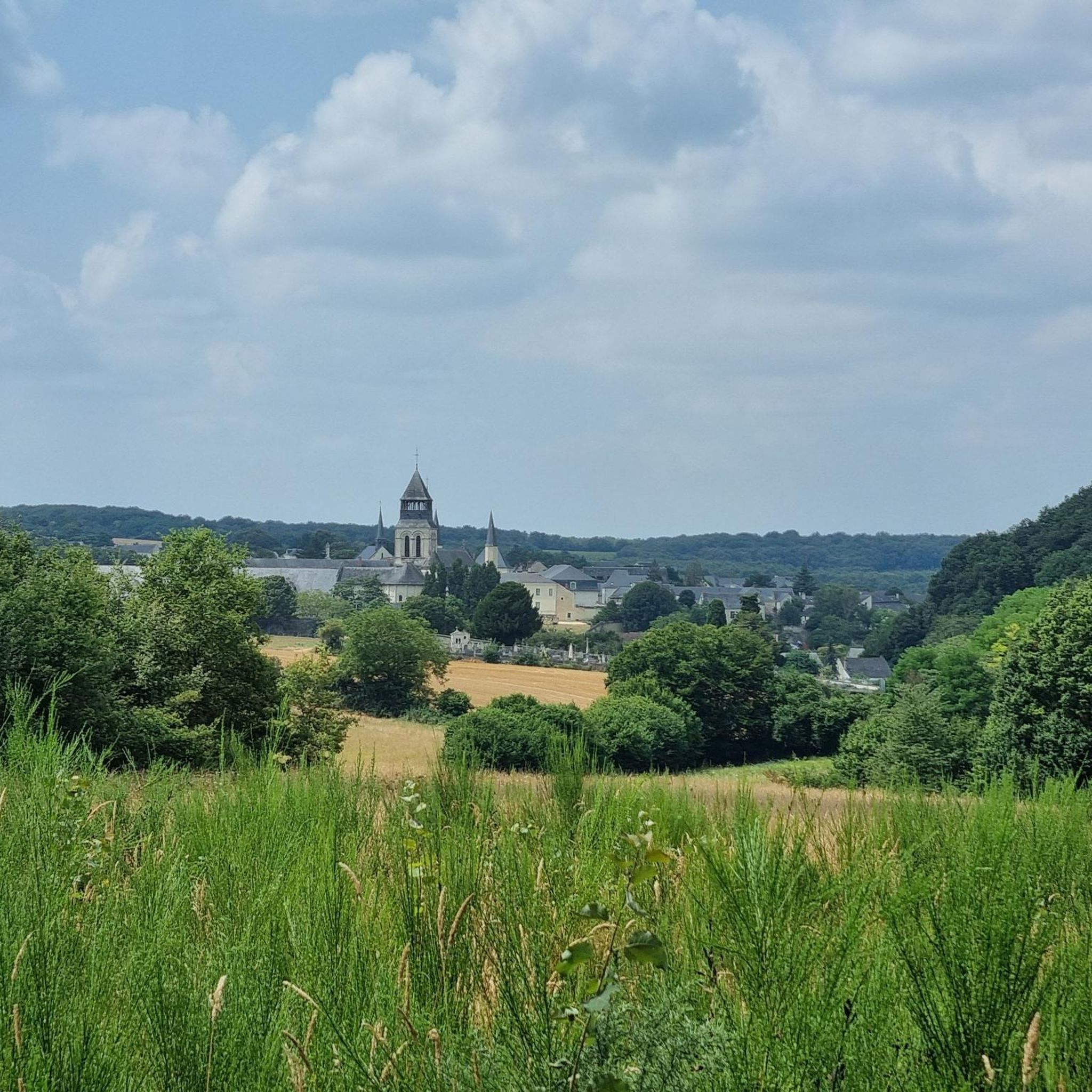
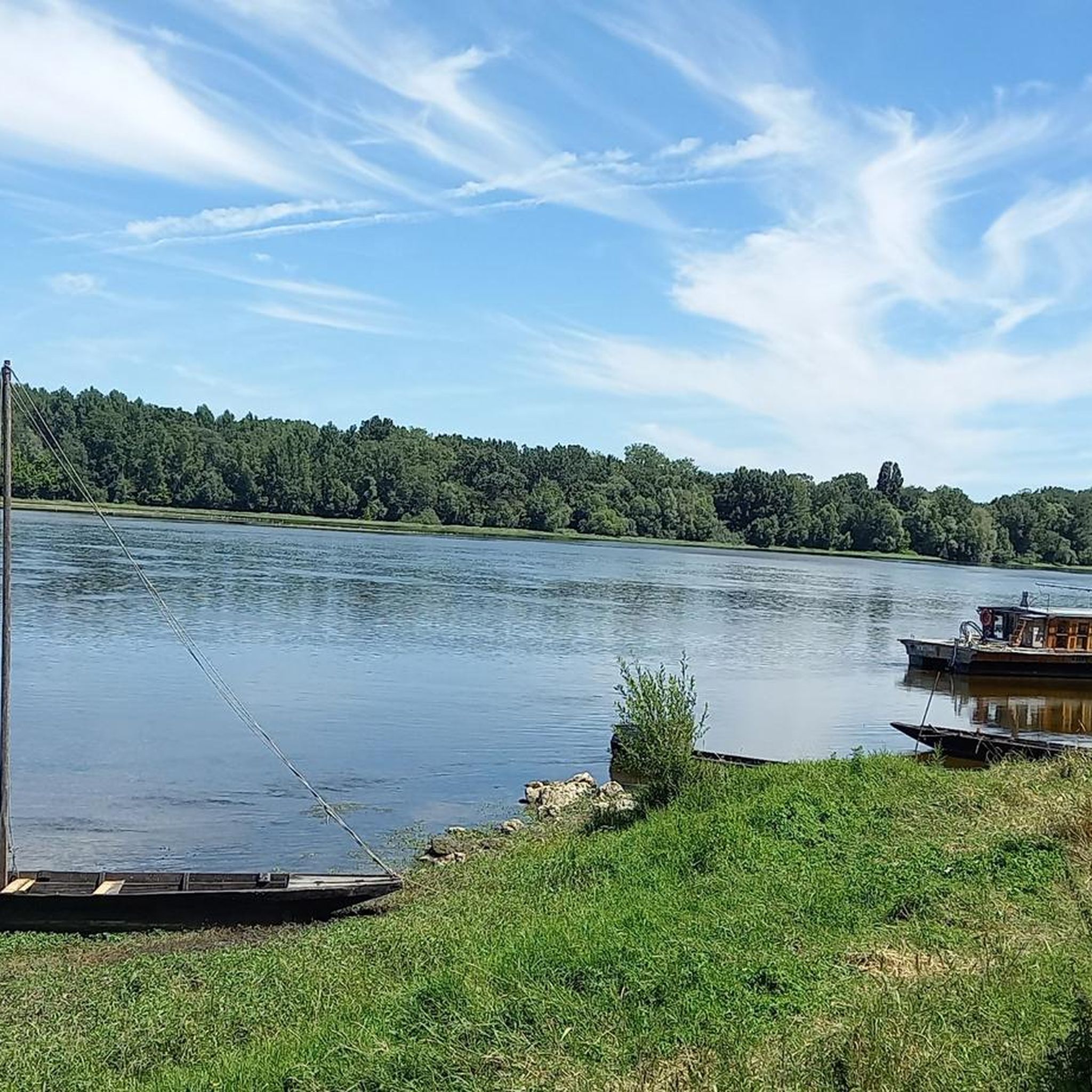
Gravel biking around Fontevraud-L'Abbaye offers routes through the scenic Loire Valley, characterized by its river plains, vineyards, and historical châteaux. The terrain primarily features a mix of compacted gravel paths, quiet country roads, and riverside trails, providing varied surfaces for gravel cyclists. The region is known for its relatively gentle elevation changes, making it accessible for different skill levels while still offering engaging rides. The landscape combines open agricultural areas with sections of woodland and views of the Loire River.
…Last updated: October 19, 2026
4.4
(7)
82
riders
52.5km
02:57
170m
170m
Hard gravel ride. Good fitness required. You may need to push your bike for some segments of this route.
4.4
(11)
76
riders
26.5km
01:22
140m
140m
Hard gravel ride. Great for any fitness level. You may need to push your bike for some segments of this route.

4.6
(11)
65
riders
56.8km
03:18
420m
420m
Hard gravel ride. Good fitness required. You may need to push your bike for some segments of this route.
4.7
(3)
32
riders
38.7km
02:22
340m
340m
Moderate gravel ride. Good fitness required. Mostly paved surfaces. Suitable for all skill levels.
4.6
(5)
58
riders
Easy gravel ride. Great for any fitness level. Mostly paved surfaces. Suitable for all skill levels.
Get access to more routes and recommendations from other explorers.
Already have an account?
Our route recommendations are based on thousands of hikes, rides, and runs completed by other people on komoot.
Start today with a free account
Your next adventure awaits.
Other adventures around Fontevraud-L'Abbaye

Tips from the Community

Impressive caves, which were probably inhabited in the past.
0
0
A lively city with a lot of gastronomy and also partly beautiful old houses
0
0

A must-see. As beautiful up close as from afar.
0
0

Route worth the detour
0
0

The sights are good but the terrain is not especially after high winds and heavy rain. Some people might find it tricky to navigate.
0
0

For those who want to discover some art objects.
0
0


The Royal Abbey of Fontevraud is one of the largest monastic communities in Europe dating back to the Middle Ages. It is a place with a rich history, located in the heart of the Loire Valley and listed as a UNESCO World Heritage Site. The abbey is a unique cultural site! An abbey with a royal destination, a formidable prison is today a place of creation (museum of modern art).
3
0
Frequently Asked Questions
How many gravel bike trails are available around Fontevraud-L'Abbaye?
You'll find over 40 gravel bike trails in the Fontevraud-L'Abbaye area. These routes cater to various skill levels, with options ranging from easy to difficult, allowing you to explore the scenic Loire Valley at your own pace.
Are there easy gravel bike trails suitable for beginners or families?
Yes, the region offers several easy gravel bike trails perfect for beginners or families. These routes typically feature gentle elevation changes and well-maintained paths, allowing for a relaxed ride through the picturesque landscape. There are 4 easy routes available, with many moderate options also being accessible.
What kind of terrain can I expect on gravel bike trails in Fontevraud-L'Abbaye?
The terrain primarily features a mix of compacted gravel paths, quiet country roads, and riverside trails. You'll ride through river plains, past vineyards, and alongside the Loire River, offering varied surfaces and beautiful views without overly challenging technical sections.
Are there any gravel bike routes that offer views of historical châteaux?
Absolutely. Many routes in the area provide stunning views of historical châteaux. For example, the Loire Riverside Gravel Trail – View of Château de Chinon loop from Montsoreau offers glimpses of the impressive Château de Chinon. You can also find routes near Château de Saumur and Montsoreau Castle.
What are some popular loop gravel bike trails in the area?
Loop trails are very common and popular for gravel biking here. A notable option is the Loire Riverside Gravel Trail – Saumur Castle loop from Varrains, which is a moderate 47.7 km route. Another is the View of Château de Chinon – Château de Chinon loop from Savigny-en-Véron, a 36.7 km moderate ride.
What is the best season for gravel biking around Fontevraud-L'Abbaye?
Spring and autumn are generally considered the best seasons for gravel biking in the Loire Valley. The weather is typically mild, and the landscapes are vibrant with blooming flowers or rich autumn colors. Summer can also be pleasant, especially in the mornings or late afternoons, though it can get warm.
Are there any cafes or places to stop for refreshments along the gravel bike routes?
Yes, the Loire Valley is dotted with charming villages and towns where you can find cafes, bakeries, and restaurants. Many routes pass through or near settlements like Montsoreau, Saumur, and Turquant, offering opportunities to refuel and enjoy local delicacies.
What do other gravel bikers enjoy most about gravel biking in Fontevraud-L'Abbaye?
The area is highly rated by the komoot community, with an average score of 4.5 stars from over 40 reviews. Reviewers often praise the beautiful riverside scenery, the historical châteaux views, and the generally gentle terrain that makes for enjoyable and accessible gravel rides.
Where can I find parking for gravel biking trails in Fontevraud-L'Abbaye?
Many of the gravel bike routes start from towns and villages like Montsoreau, Varrains, or Savigny-en-Véron, where public parking is generally available. It's advisable to check specific starting points for parking options when planning your tour.
Are there any longer, more challenging gravel bike routes for experienced riders?
Yes, for experienced riders looking for a longer challenge, routes like the Loire Riverside Gravel Trail – Saumur loop from Varrains offer a more extensive ride at 56.5 km. These routes explore more extensive riverside sections and rural areas, providing a good endurance test.
What kind of natural scenery can I expect to see on these trails?
You'll experience a diverse natural landscape, including expansive river plains, lush vineyards, and sections of tranquil woodland. The Loire River itself is a constant companion on many routes, offering picturesque views and a sense of calm as you ride.
Most popular routes around Fontevraud-L'Abbaye
Most popular attractions around Fontevraud-L'Abbaye

Get inspired with the komoot mobile app


Explore more
Browse the best Gravel rides in other regions.
