The best gravel rides around Marseillan
4.3
(147)
989
riders
18
rides
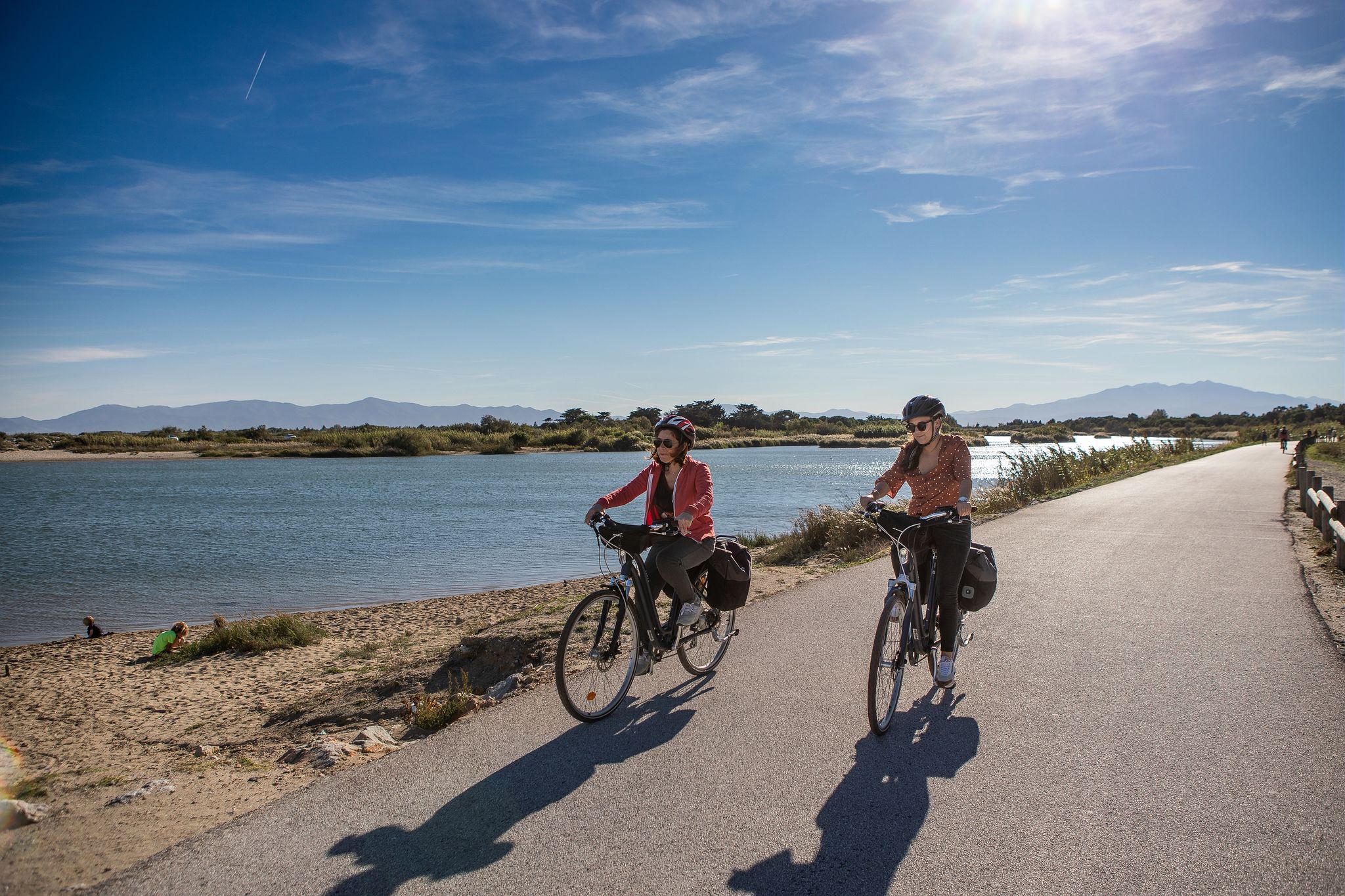
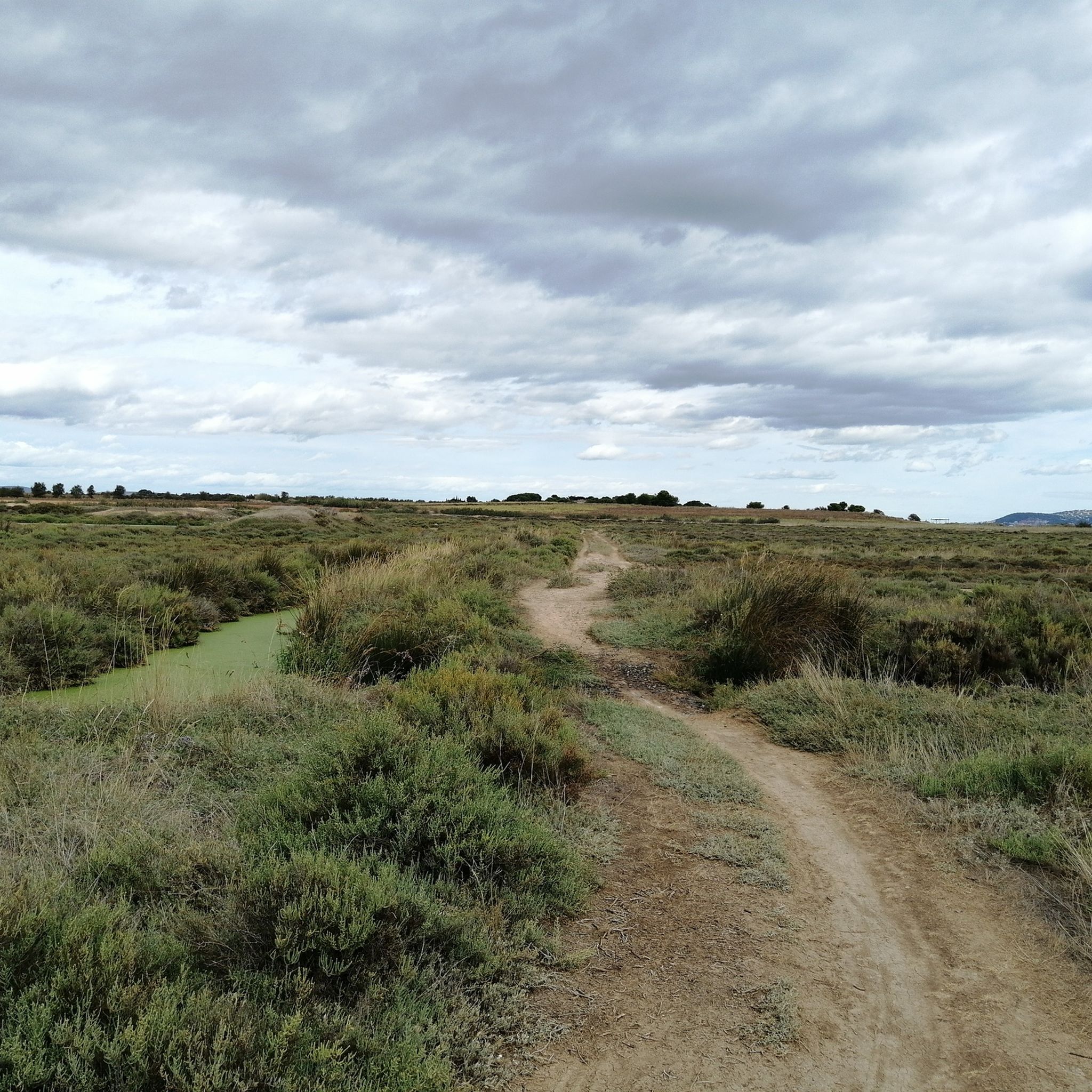
Gravel biking around Marseillan is characterized by flat to gently rolling terrain, offering routes along the Canal du Midi and around the Étang de Thau lagoon. The region features coastal paths, nature reserves like Bagnas, and vineyard landscapes. Elevation gains are generally low, making many routes accessible for various skill levels. The extensive cycling infrastructure, including dedicated cycle paths, supports diverse gravel biking experiences.
Best gravel bike trails around Marseillan
- The most popular gravel bike trail is Bagnas Nature Reserve…
Last updated: October 19, 2026
4.4
(19)
86
riders
Easy gravel ride. Great for any fitness level. Mostly paved surfaces. Suitable for all skill levels.
4.3
(4)
26
riders
Moderate gravel ride. Good fitness required. Mostly paved surfaces. Suitable for all skill levels.

4.7
(3)
9
riders
Moderate gravel ride. Good fitness required. Mostly paved surfaces. Suitable for all skill levels.
5.0
(2)
16
riders
Easy gravel ride. Great for any fitness level. Mostly paved surfaces. Suitable for all skill levels.
4.6
(5)
14
riders
Moderate gravel ride. Good fitness required. Mostly paved surfaces. Suitable for all skill levels.
Get access to more routes and recommendations from other explorers.
Already have an account?
Our route recommendations are based on thousands of hikes, rides, and runs completed by other people on komoot.
Start today with a free account
Your next adventure awaits.


Tips from the Community

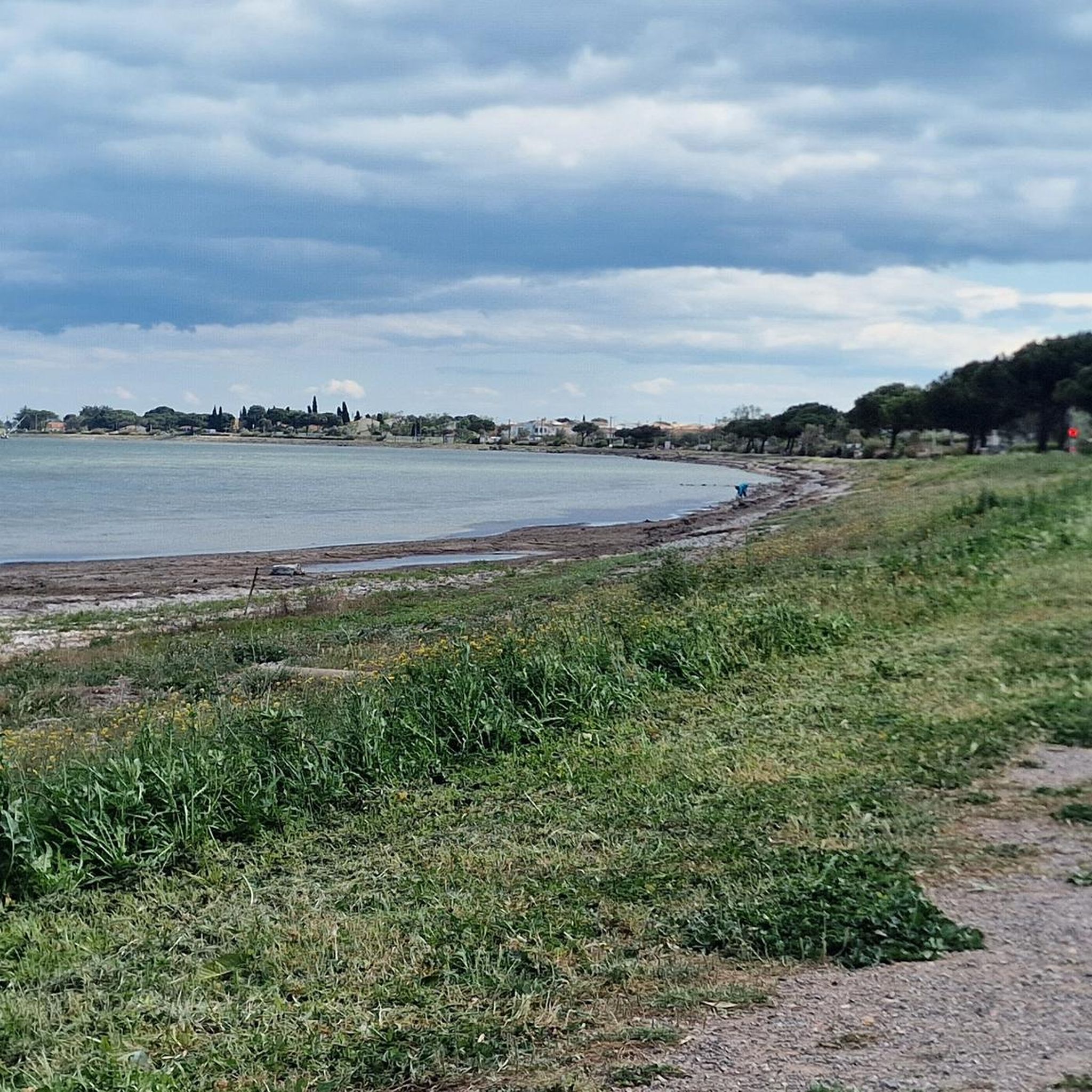
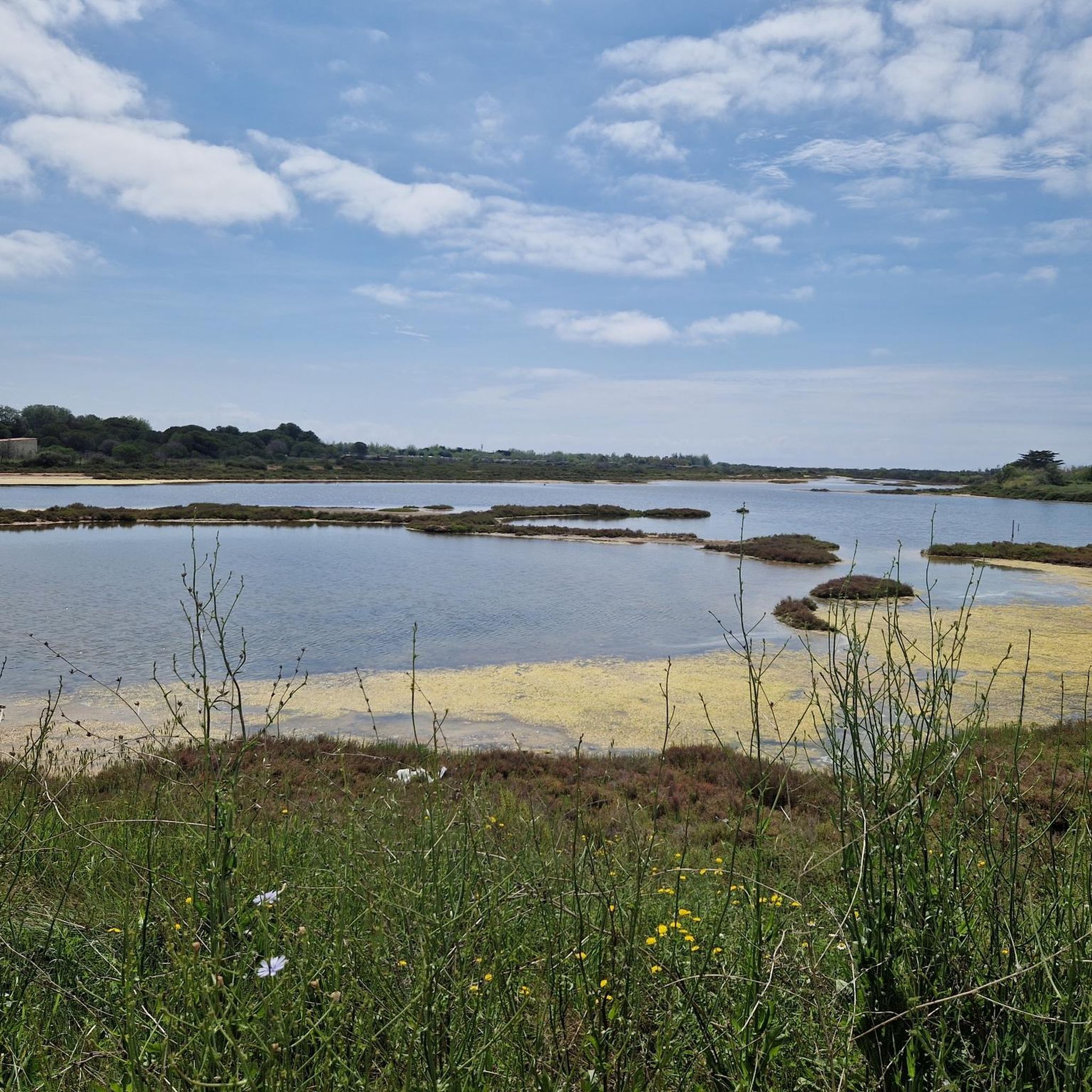
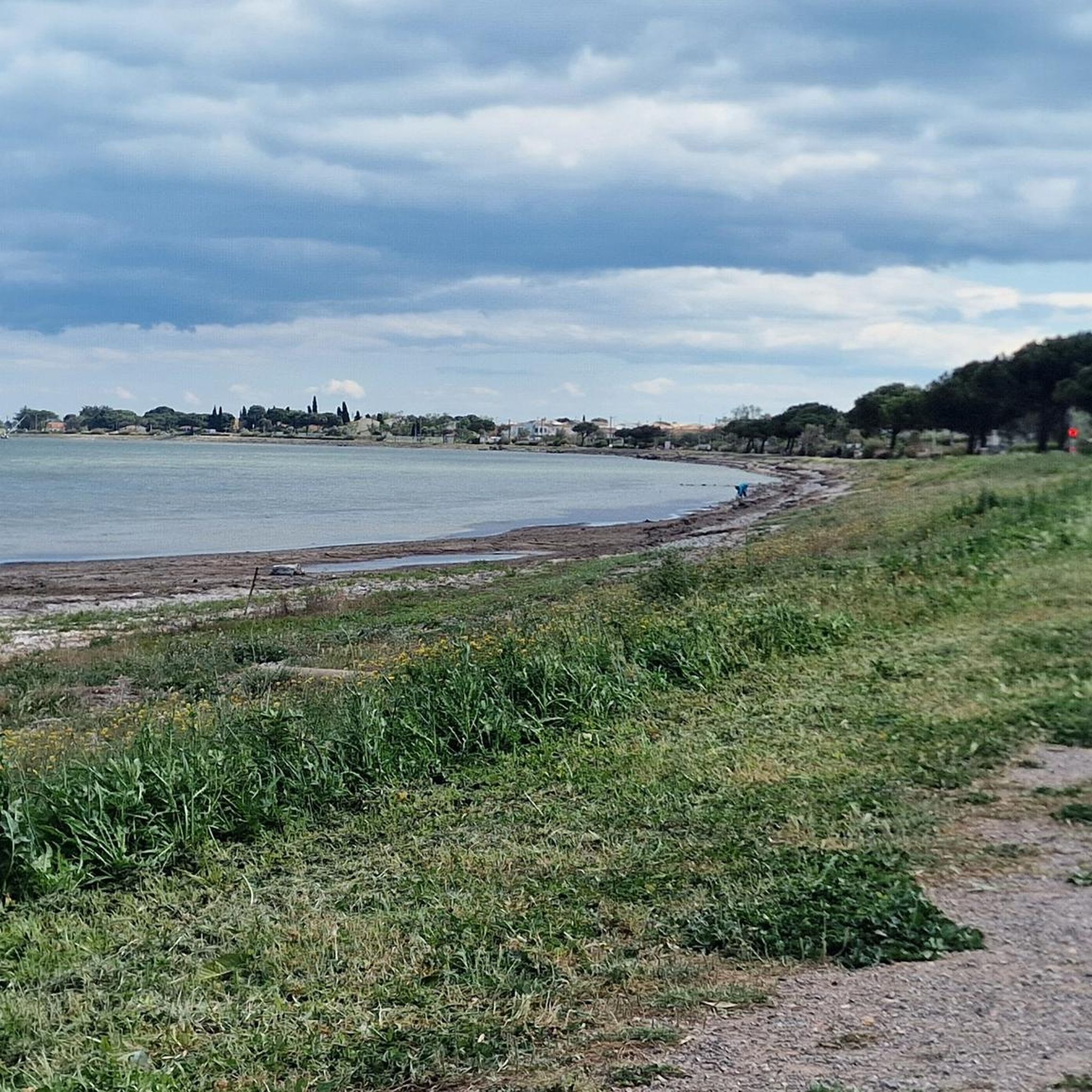
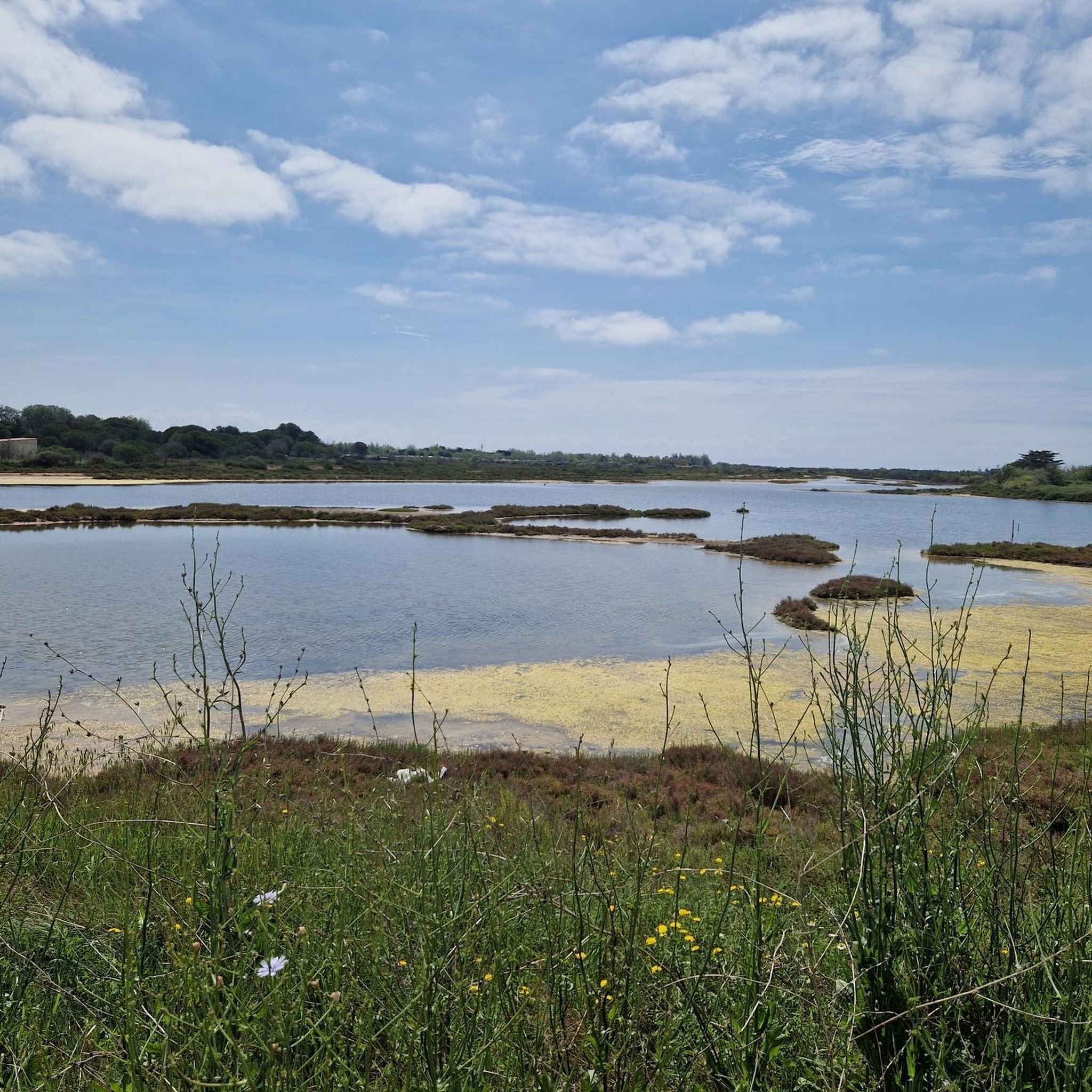
The Étang de Thau is the largest lagoon in Occitania and a species-rich inland sea, separated from the Mediterranean by a narrow sandbank. The waters are the center of South French oyster farming, whose hanging mussel beds shape the landscape. As a nautical hub, the lagoon also connects the famous Canal du Midi with the Canal du Rhône à Sète. Along the shore, charming towns line up, such as the fishing town of Sète, the vermouth town of Marseillan, and the oyster towns of Bouzigues and Mèze, which can be perfectly explored via the 53-kilometer-long cycling route around the basin.
0
0

This remarkable structure composed of mobile aqueducts allows boats navigating the Canal du Midi to cross the small river Libron. Created in 1855 by Urbain Maguès, an engineer also responsible for the bridge-canal of Béziers.
1
0

🌉 Pont des Trois Yeux – the bridge with the three eyes This unusual old stone bridge stands directly on the Canal du Midi. Its actual name is Pont Saint-Joseph, but it is best known as the “Pont des Trois Yeux” – Bridge of the Three Eyes. 🇫🇷 The name is immediately explained upon closer inspection: the bridge has three arches. The large central arch allowed boats to pass, while the two smaller openings served the water or the towing path at the time. The history of towing is particularly interesting: Before motorboats navigated the canal, the barges were primarily pulled by horses from the bank. 🐴 At many bridges, the tow rope had to be detached and reattached on the other side – such structures today still beautifully illustrate how shipping on the Canal du Midi worked in the past. Another special feature are the overflows on both sides of the bridge, through which excess water could be drained. Not a huge sight, but exactly one of those small historical structures that make a bike tour along the Canal du Midi so interesting. 🚲👌🏼 Greetings Marcus ✌🏼
0
0
⚓ Écluse du Bagnas – one of the last locks on the Canal du Midi The Écluse du Bagnas is located near Agde at the eastern end of the Canal du Midi. It was built around 1676 and is therefore one of the historic locks from the canal's early days. 📍 Canal kilometer: approx. 235.3 km from Toulouse ⚙️ Type: single lock with one chamber 🌊 Altitude: only about 2 meters above sea level 🚤 Distance to Les Onglous / Étang de Thau: only just under 5 km Historically, the lock chambers here were about 30 meters long and 6 meters wide at the gates. The eastern section of the Canal du Midi was later modernized for larger ships; today, the usable lock dimensions in this area are around 40.6 × 5.85 meters. Its location is particularly interesting: the Bagnas lock is situated in the middle of a wetland and separates different water areas here. Behind it, you are practically on the final straight of the Canal du Midi – via Les Onglous, the canal flows into the Étang de Thau, and from there, there is the connection towards Sète and the Mediterranean Sea. 🌊🇫🇷 After more than 235 kilometers of canal route, you have almost reached the Mediterranean Sea here – a small but historically interesting structure at the end of the Canal du Midi. 🚲👌🏼 Greetings Marcus ✌🏼
1
0
😂😂 Apparently, I was already thinking about the second cold blonde. 🫣🍺 🚲 On the Canal du Midi near Vias A really beautiful section on the Canal du Midi near Vias. Sometimes directly along the water, sometimes under shady trees, and in between on small, narrow paths through reeds and nature. 🌿🚲 The alternation between well-developed cycle paths, gravel, and small natural passages makes the route varied. In addition, there are always beautiful views of the canal, passing boats, and that typical relaxed atmosphere of Southern France. 🇫🇷☀️ Especially around Vias, the Canal du Midi can be wonderfully explored by bike – quiet, scenically beautiful, and definitely a section that is worth riding a little slower to enjoy the surroundings. 👌🏼 Greetings Marcus ✌🏼
1
0

Built around 1676, the Bagnas lock is a simple lock on the Canal du Midi, located between Agde and the Étang de Thau. It is one of the last structures on the canal before its outlet at Les Onglous, where the canal joins the lagoon. In the immediate vicinity of Bagnas, a vast coastal wetland, the lock is also associated with a spillway intended to drain excess water.
3
0
In Agde, the Canal du Midi, built in the 17th century under the direction of Pierre-Paul Riquet, ensures the link between the Garonne river network and the Mediterranean. It notably connects to the Hérault and extends towards the Étang de Thau via the Canal des Onglous. This waterway, classified as a UNESCO World Heritage site, bears witness to the ambitious project conceived in the 17th century to connect the Atlantic to the Mediterranean.
1
0
Built around 1676, the Bagnas lock is a simple lock on the Canal du Midi, located between Agde and the Étang de Thau. It is one of the last structures on the canal before its outlet at Les Onglous, where the canal joins the lagoon. In the immediate vicinity of the Bagnas, a vast coastal wetland area, the lock is also associated with a spillway intended to drain excess water.
1
0
Frequently Asked Questions
How many gravel bike trails are available around Marseillan?
Marseillan offers a wide selection of gravel bike trails, with nearly 100 routes available on komoot. This includes 22 easy, 51 moderate, and 23 difficult options, ensuring there's a path for every skill level.
Are there beginner-friendly gravel bike trails in Marseillan?
Yes, Marseillan is excellent for beginners. The region is characterized by flat to gently rolling terrain, particularly along the Canal du Midi and around the Étang de Thau lagoon. Many of the 22 easy routes are perfect for those new to gravel biking, offering smooth paths and minimal elevation.
What kind of challenge can I expect on advanced gravel bike routes in Marseillan?
While Marseillan is generally flat, some of the 23 difficult routes offer longer distances and slightly more varied terrain. For instance, the View of the Étang de Thau – The Fairy Stretcher loop from Marseillan-Plage covers over 66 km with around 400 meters of elevation gain, providing a more extended challenge.
Are there family-friendly gravel biking options near Marseillan?
Absolutely. The flat coastal paths, canal-side routes, and trails through nature reserves like Bagnas are ideal for families. These routes often avoid significant climbs and offer safe, scenic environments for all ages to enjoy. Look for routes marked as 'easy' for the best family experience.
What are the best times of year for gravel biking in Marseillan?
Spring (April-May) and Autumn (September-October) are generally the most pleasant times for gravel biking in Marseillan. The weather is mild, and the landscapes are vibrant. Summer can be hot, but early mornings or late afternoons offer cooler temperatures for riding. Winters are typically mild, making year-round biking possible, though some paths might be wetter.
Can I find circular gravel bike routes around Marseillan?
Yes, many of the gravel bike trails in Marseillan are designed as loops, allowing you to start and finish at the same point. A popular example is the View of the Étang de Thau – Bagnas Nature Reserve loop from Marseillan, which offers a scenic circular journey around the lagoon and through the nature reserve.
What can I see along the gravel bike trails in Marseillan?
The trails often lead through diverse landscapes. You'll encounter the historic Canal du Midi, the expansive Étang de Thau lagoon, and the protected Bagnas Nature Reserve. Coastal paths, vineyards, and views of Sète are also common. Highlights like the Lido Cycle Path from Sète to Marseillan offer stunning seaside vistas.
Are there any interesting landmarks or points of interest around Marseillan to explore by bike?
Beyond the natural beauty, you can cycle past the Royal Canal of Sète, explore charming coastal towns, and discover viewpoints offering panoramic views of the Étang de Thau, such as the View of the Étang de Thau. The region is also known for its oyster farms, which you might spot along the lagoon.
What do other gravel bikers enjoy the most about gravel biking in Marseillan?
The area is highly rated by the komoot community, with an average score of 4.4 stars from over 160 reviews. Reviewers often praise the region's flat and accessible terrain, the beautiful views of the Étang de Thau, and the peaceful rides along the Canal du Midi and through nature reserves like Bagnas.
Are there gravel bike routes that include cafes or places to stop for refreshments?
Many routes in Marseillan pass through or near towns and villages where you can find cafes, restaurants, and shops. The popular Voie Verte Canal du Midi – Bagnas Nature Reserve loop from Marseillan-Plage, for example, starts and ends in Marseillan-Plage, offering plenty of options for refreshments before or after your ride.
Where can I park my car for gravel biking in Marseillan?
Marseillan and its surrounding areas offer various parking options. You can often find public parking in the towns and villages that serve as starting points for many routes, such as Marseillan-Plage or Marseillan itself. Always check local signage for parking regulations and fees.
Is it possible to access gravel bike trails in Marseillan using public transport?
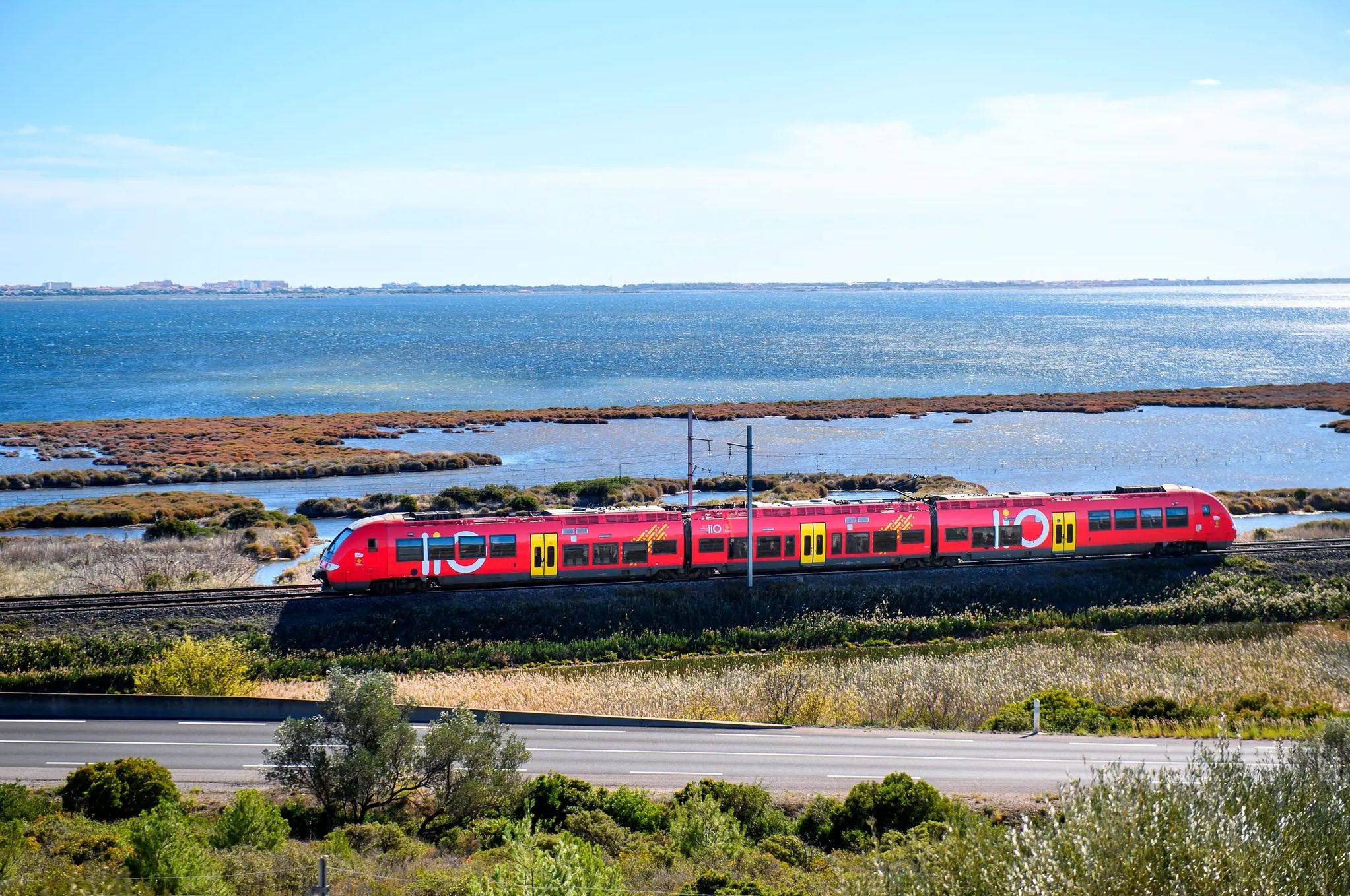
Marseillan is reasonably well-connected by public transport, particularly during peak seasons. Regional buses often serve Marseillan and nearby towns, which can help you reach trailheads. Some train stations in the wider region might also be accessible, though you'd need to check if bikes are permitted on board and if there are suitable connections to Marseillan.
Most popular routes around Marseillan
Most popular attractions around Marseillan

Get inspired with the komoot mobile app


Explore more
Browse the best Gravel rides in other regions.
