The best gravel rides around Saint-Père-Sur-Loire
4.0
(20)
71
riders
4
rides
Gravel biking around Saint-Père-Sur-Loire offers diverse routes along the Loire River and through the Forêt Domaniale d'Orléans. The region features a mix of fast white roads and technical sections with sand or loose gravel, often composed of "Falun" limestone. Terrain is generally flat, with minimal elevation changes, making it suitable for various skill levels. This area is characterized by its extensive woodlands, numerous ponds, and proximity to the UNESCO World Heritage site of the Loire River.
Best gravel bike trails around Saint-Père-Sur-Loire
- The most popular gravel bike trail is Sully-sur-Loire Railway Bridge – Châteauneuf-sur-Loire Bridge loop from Sully-sur-Loire, a 28.0 miles (45.1 km) trail that takes 2 hours 38 minutes to complete. This route provides views of the Loire and connects historic bridge crossings.
- Another top favourite among local gravel bikers is Maquis de Lorris Fountain – Étang du Ravoir loop from Ouzouer-sur-Loire, an easy 20.3 miles (32.8 km) path. This route explores woodlands and natural ponds.
- Local gravel bikers also love the Sully-sur-Loire Castle – Sully-sur-Loire Railway Bridge loop from Sully-sur-Loire, a 14.9 miles (24.0 km) trail leading through riverine landscapes and past the Château de Sully-sur-Loire, often completed in about 1 hour 24 minutes.
- Gravel biking around Saint-Père-Sur-Loire is defined by the Loire River banks, the vast Forêt Domaniale d'Orléans, and the Canal d'Orléans. The network offers options for different ability levels.
- The routes in Saint-Père-Sur-Loire are highly rated by the komoot community with an average score of 3.8 stars from over 12 reviews. More than 28 gravel bikers have used komoot to explore Saint-Père-Sur-Loire's varied terrain.
Last updated: July 16, 2026
3.8
(16)
25
riders
Moderate gravel ride. Good fitness required. Mostly paved surfaces. Suitable for all skill levels.
3
riders
Easy gravel ride. Great for any fitness level. Mostly paved surfaces. Suitable for all skill levels.

Sign up for free
4.0
(1)
2
riders
32.8km
01:54
100m
100m
Easy gravel ride. Great for any fitness level. Mostly paved surfaces. Suitable for all skill levels.
2
riders
Moderate gravel ride. Good fitness required. Mostly paved surfaces. Suitable for all skill levels.
Our route recommendations are based on thousands of hikes, rides, and runs completed by other people on komoot.
Start today with a free account
Your next adventure awaits.
Login or Signup
Tips from the Community

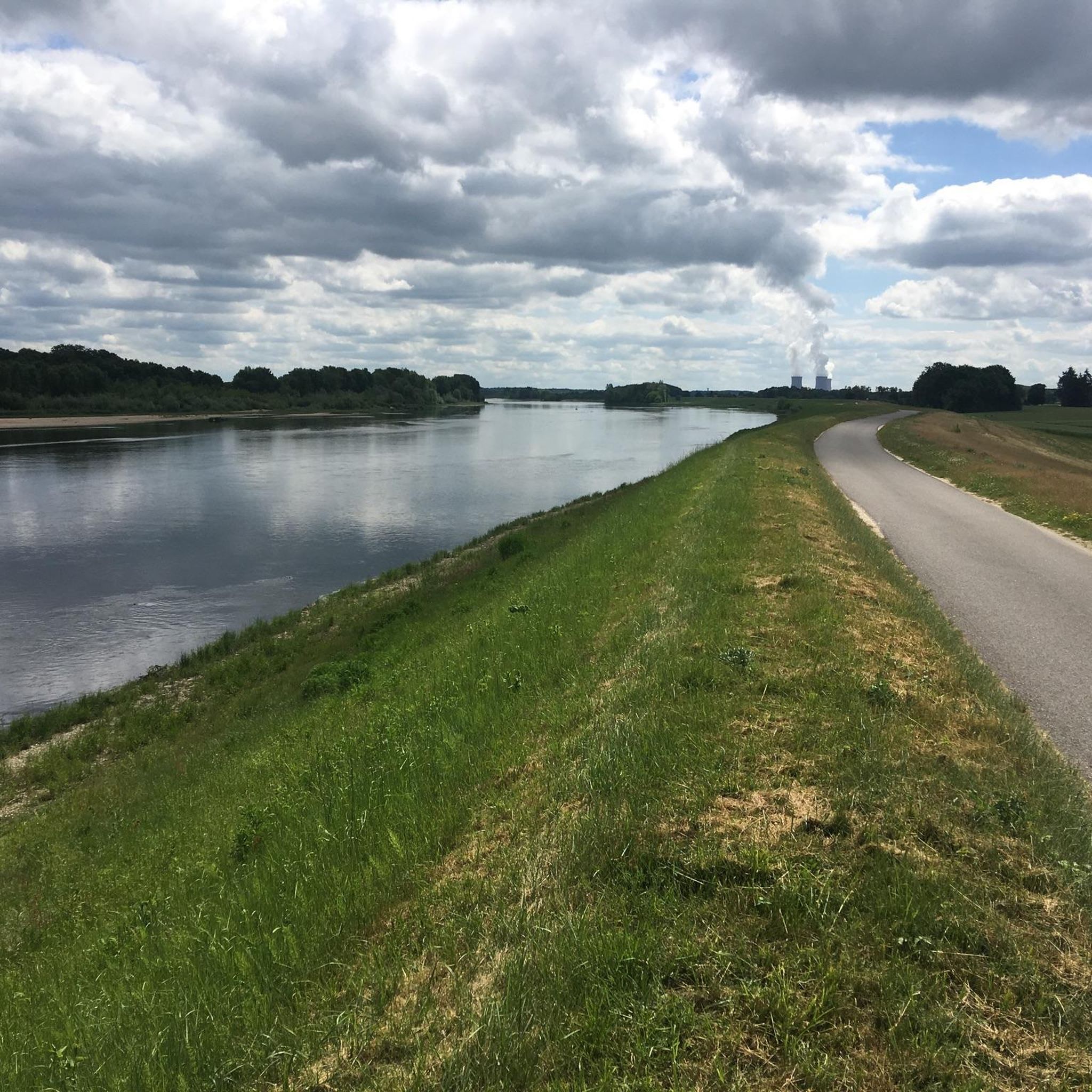
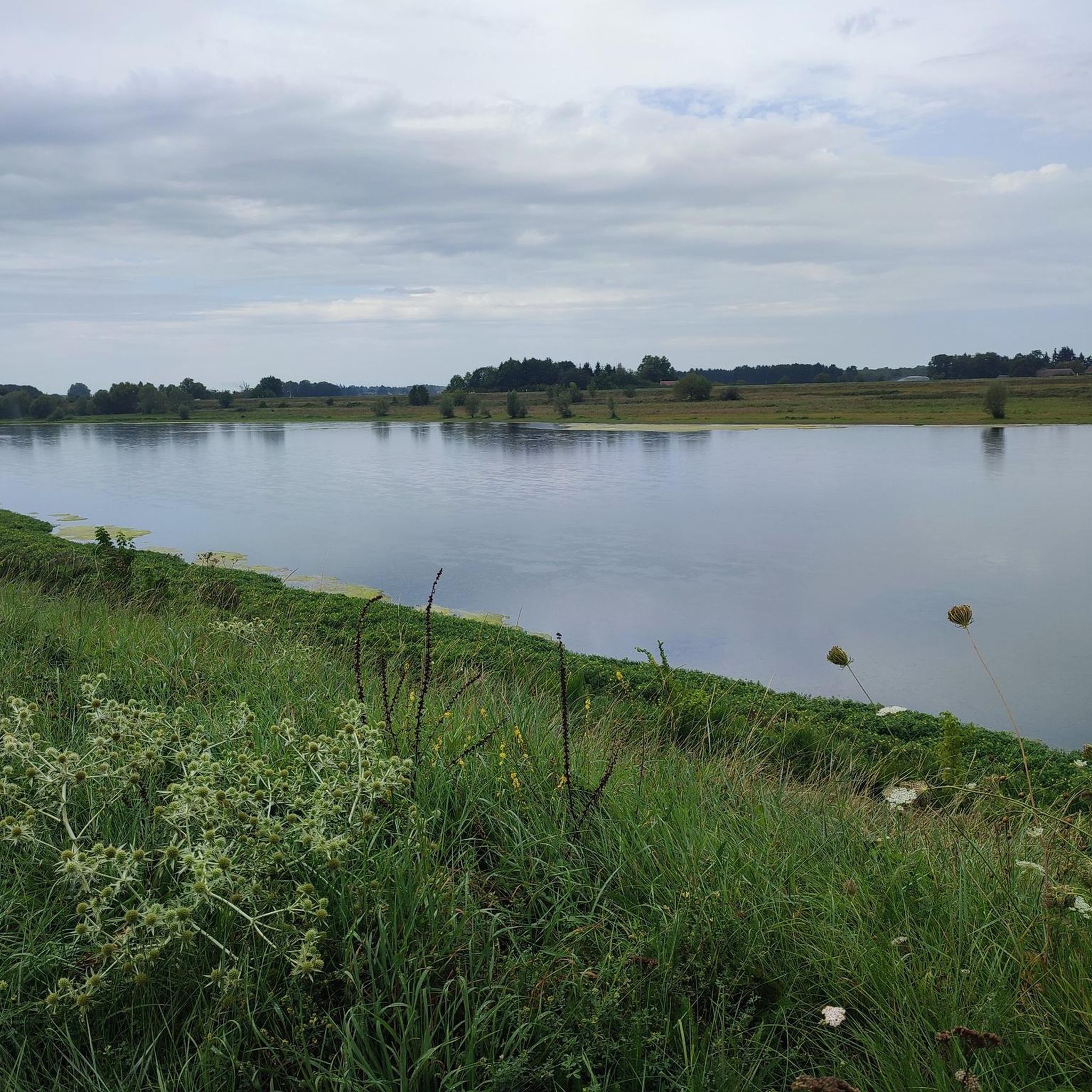
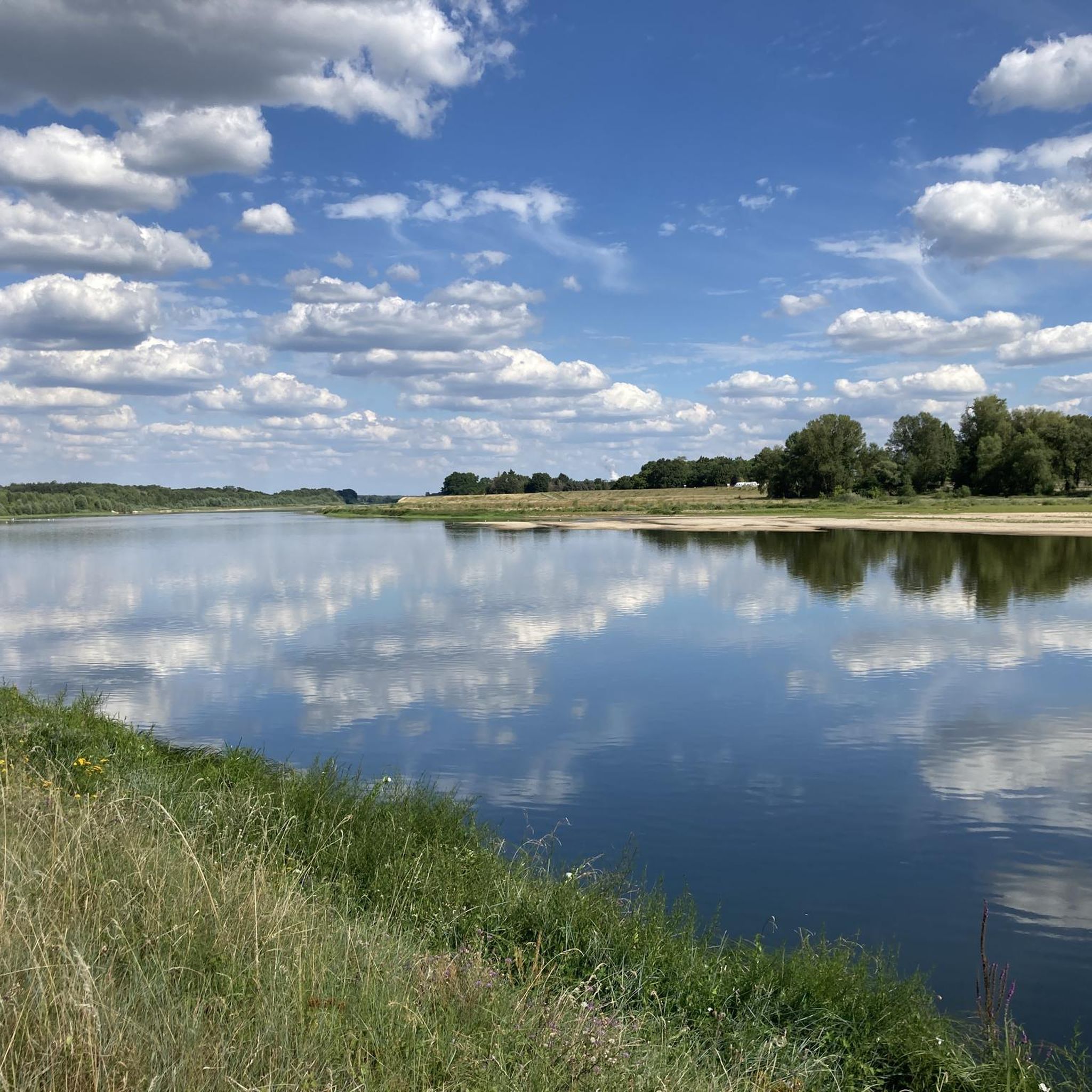
Beautiful trail on the Levée, which offers a superb view of the Loire.
0
0

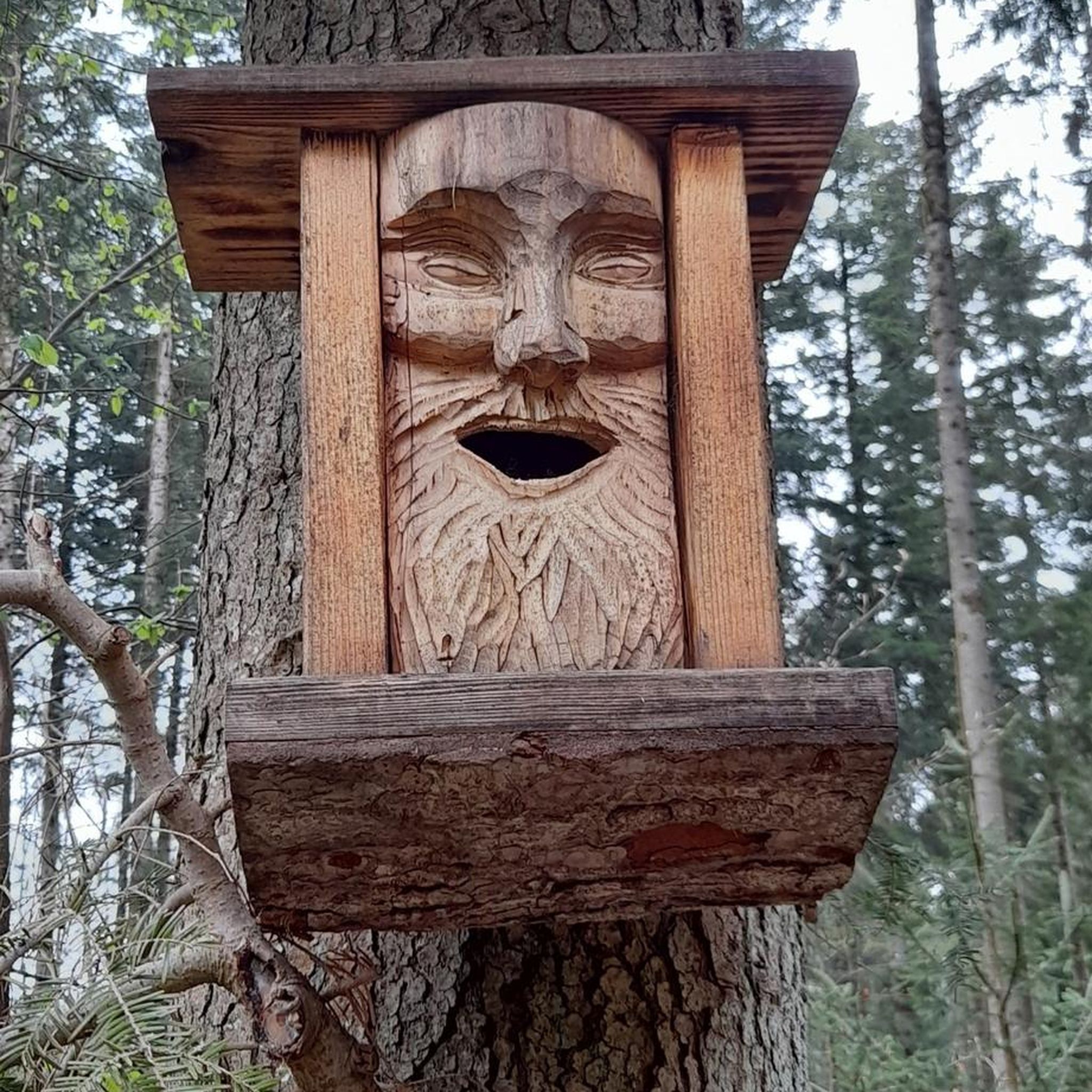
A beautiful place created by a local association. Breaks are possible with benches and shade.
1
0

Cycling / motorbiked themed cafe / small museum based on Helyett manufacturer. Sells local brewed beer in Helyett and ice cream as well
0
0

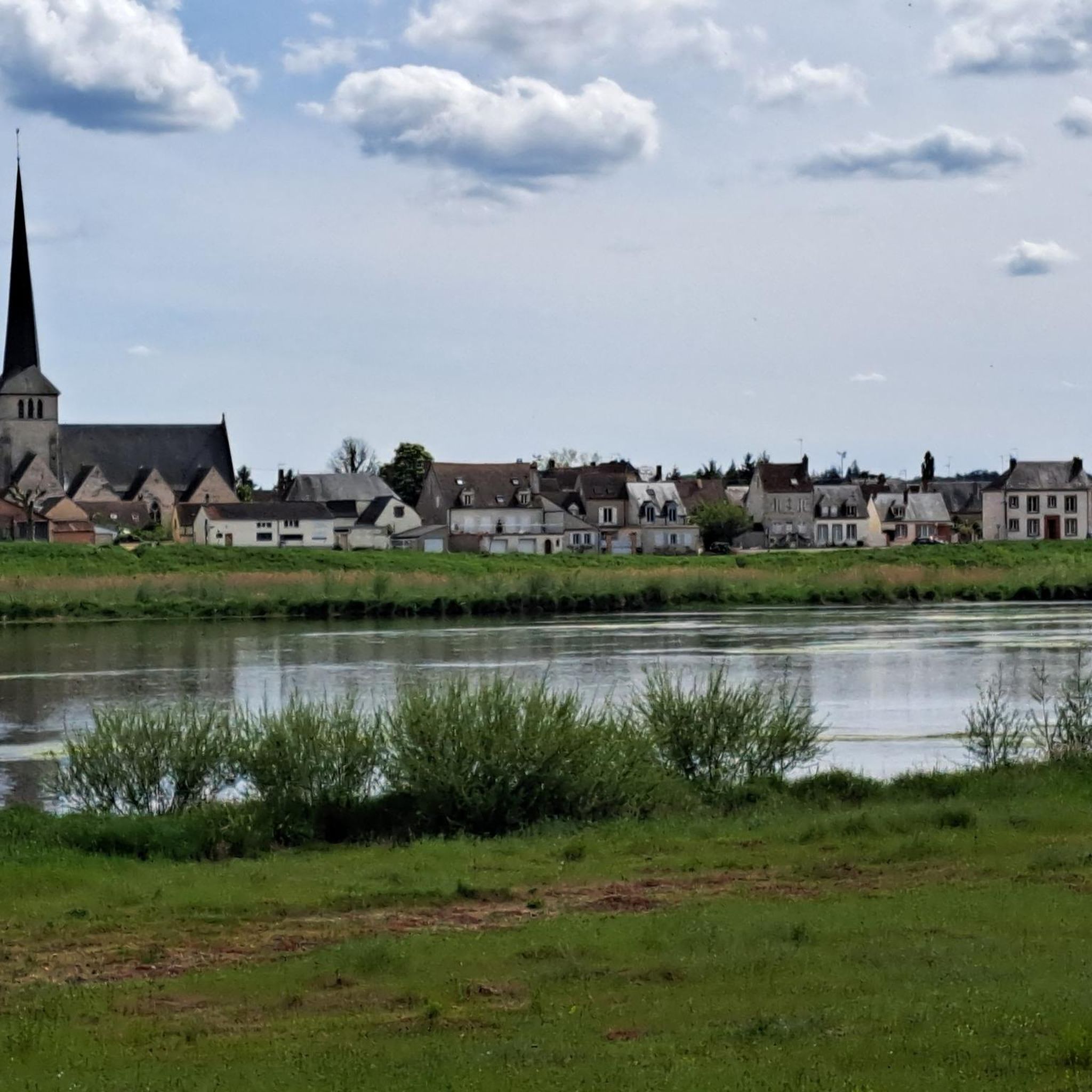
A small, very lovingly maintained church with the usual memorial plaques in honor of those who died in the numerous French wars. Away from any tourist routes.
0
0


Nestled in a meander of the Loire, the town of Saint-Benoît-sur-Loire is home to one of the most beautiful jewels of Romanesque architecture: an 11th and 12th century basilica including the porch tower, decorated with twelve historic capitals. , the monumental portal and the nave constitute the most remarkable elements. Founded around 650 on the grounds of an ancient Gallo-Roman villa, Fleury Abbey has housed the relics of Saint Benedict, founder of Western monasticism and patron saint of Europe, since 672. During the 8th century, the patronage of the Prince of the Apostles was abandoned for that of Saint Benedict. This event is at the origin of the rapid expansion, prosperity and influence of the abbey which became Saint-Benoît de Fleury, while the village later became that of Saint-Benoît-sur-Loire. In the 9th century, after the ordeal of the Norman invasions which pillaged and destroyed the monastery, Fleury Abbey flourished again. The 10th and 11th centuries were the great era of Fleury's spiritual, intellectual and artistic influence. The construction of Fleury was probably completed in 1218. A few centuries later, the Hundred Years' War and the Wars of Religion ruined the monastery and disrupted regular life, the community's numbers collapsed. The French Revolution will end up dispersing the community of Fleury Abbey. But in 1944, a community of around forty monks resettled in the area and undertook the reconstruction of the monastery. A community of thirty-three monks lives there today under the direction of Father Abbot Etienne Ricaud. In 1947, the fourteenth centenary of the death of Saint Benedict led the abbey to be elevated to the status of a basilica. The visitor is invited to admire the fabulous historic capitals present in the porch tower, the nave and the choir; the magnificent paving which extends around the altar as well as the crypt where the relics of the patron saint rest. Not to be missed is the north portal and its monumental lintel carved in high relief.
1
0

We already find traces of a monastery in Fleury in the year 620. In 660, relics of Saint-Benoît were brought there and the abbey became Saint-Benoît de Fleury. Around the year 1000, the abbey experienced a golden age and the construction of the current basilica was launched. It will be consecrated in 1218. From the 16th to the 18th century, wars and the Revolution damaged the monastery. However, a community of 24 monks still lives there today.
0
0

This railway viaduct was built between 1877 and 1880. Since 2011, no rail traffic has used the bridge. Transformation work began in 2019 and, since May 2020, the bridge has been dedicated to bicycles and pedestrians. Thanks to the work, everyone can cross the Loire between Saint-Père-sur-Loire and Sully-sur-Loire in complete safety. Take your time to appreciate the magnificent views of the Château de Sully and the Loire!
0
0
Frequently Asked Questions
How many gravel bike trails are available around Saint-Père-Sur-Loire?
There are over 8 gravel bike trails documented on komoot for the Saint-Père-Sur-Loire area, offering a variety of experiences from easy loops to more challenging long-distance routes. These trails are highly rated by the komoot community, with an average score of 4.5 stars.
What kind of terrain can I expect on gravel bike trails in Saint-Père-Sur-Loire?
The terrain around Saint-Père-Sur-Loire is generally flat, with minimal elevation changes, making it accessible for various skill levels. You'll encounter a mix of fast white roads and more technical sections with sand, roots, or loose gravel. Many paths are made from "Falun," a compact white limestone that can be hard and dusty in summer or technically challenging after rain.
Are there any long-distance gravel routes for experienced riders?
Yes, for experienced riders looking for a significant challenge, consider the Entrance to the Briare canal bridge – Briare Canal Bridge loop from Sully-sur-Loire. This difficult route spans 170.5 km and offers extensive riding along canal and river landscapes, typically taking over 10 hours to complete.
Which gravel trails are suitable for families or beginners?
For families or beginners, the region offers several easy routes. A great option is the Sully-sur-Loire Castle – Sully-sur-Loire Railway Bridge loop from Sully-sur-Loire. This 24.0 km trail leads through riverine landscapes and past the impressive Château de Sully-sur-Loire, making it a scenic and manageable ride.
Can I find circular gravel routes in the area?
Absolutely. Many of the gravel routes around Saint-Père-Sur-Loire are designed as loops, allowing you to start and finish at the same point. For example, the Sully-sur-Loire Railway Bridge – Châteauneuf-sur-Loire Bridge loop from Sully-sur-Loire is a moderate 45.1 km circular path that provides beautiful views of the Loire River and connects historic bridge crossings.
What natural features or attractions can I see along the gravel trails?
The trails often run alongside the UNESCO World Heritage site of the Loire River, offering views of its alluvial forests and sandbanks. You'll also ride through sections of the vast Forêt Domaniale d'Orléans with its extensive woodlands and numerous ponds. Notable landmarks include the majestic Sully-sur-Loire Castle, easily viewed from the town, and the historic Saint-Père-sur-Loire viaduct.
Is there parking available for cyclists in Saint-Père-Sur-Loire?
Yes, Saint-Père-Sur-Loire and nearby towns like Sully-sur-Loire offer various parking options. Given the region's popularity for cycling, you'll find designated parking areas, especially near popular starting points for trails and attractions. It's advisable to check local signage upon arrival for the most convenient spots.
What is the best time of year for gravel biking in this region?
The spring and autumn months generally offer the most pleasant conditions for gravel biking in Saint-Père-Sur-Loire, with mild temperatures and beautiful scenery. Summer can be warm and dry, leading to dusty "Falun" paths, while after rain, these paths can become more technical with reduced grip. Winter riding is possible but be prepared for cooler, potentially wetter conditions.
Are there any cafes or places to stop for refreshments along the routes?
Yes, the region is dotted with charming towns and villages, including Saint-Père-Sur-Loire itself, Sully-sur-Loire, and others along the Loire River and Canal d'Orléans. These places often have cafes, bakeries, and restaurants where you can stop for refreshments. Planning your route with komoot can help you identify these spots in advance.
Are there any gravel sections along the famous Loire à Vélo route near Saint-Père-Sur-Loire?
While the "Loire à Vélo" route is primarily paved, there are indeed gravel-friendly sections that run parallel or intersect with it, particularly as it traverses the natural landscapes along the riverbanks and through forests. The region's extensive network of gravel paths allows for combining sections of the Loire à Vélo with more dedicated gravel tracks for a varied experience.
What is the difficulty level of gravel trails in the area?
The gravel trails around Saint-Père-Sur-Loire cater to a range of abilities. You'll find easy routes, such as the Sully-sur-Loire Castle – Sully-sur-Loire Railway Bridge loop from Les Seigneurs (19.1 km), which are relatively flat and suitable for beginners. There are also moderate options and more difficult, longer routes like the Briare Aqueduct – Briare Canal Bridge loop from Sully-sur-Loire (131.0 km) for experienced riders seeking a challenge.
Most popular routes around Saint-Père-Sur-Loire
Most popular attractions around Saint-Père-Sur-Loire

Get inspired with the komoot mobile app


Explore more
Browse the best Gravel rides in other regions.
