The best gravel rides around Bessey-Lès-Cîteaux
3.0
(2)
11
riders
6
rides
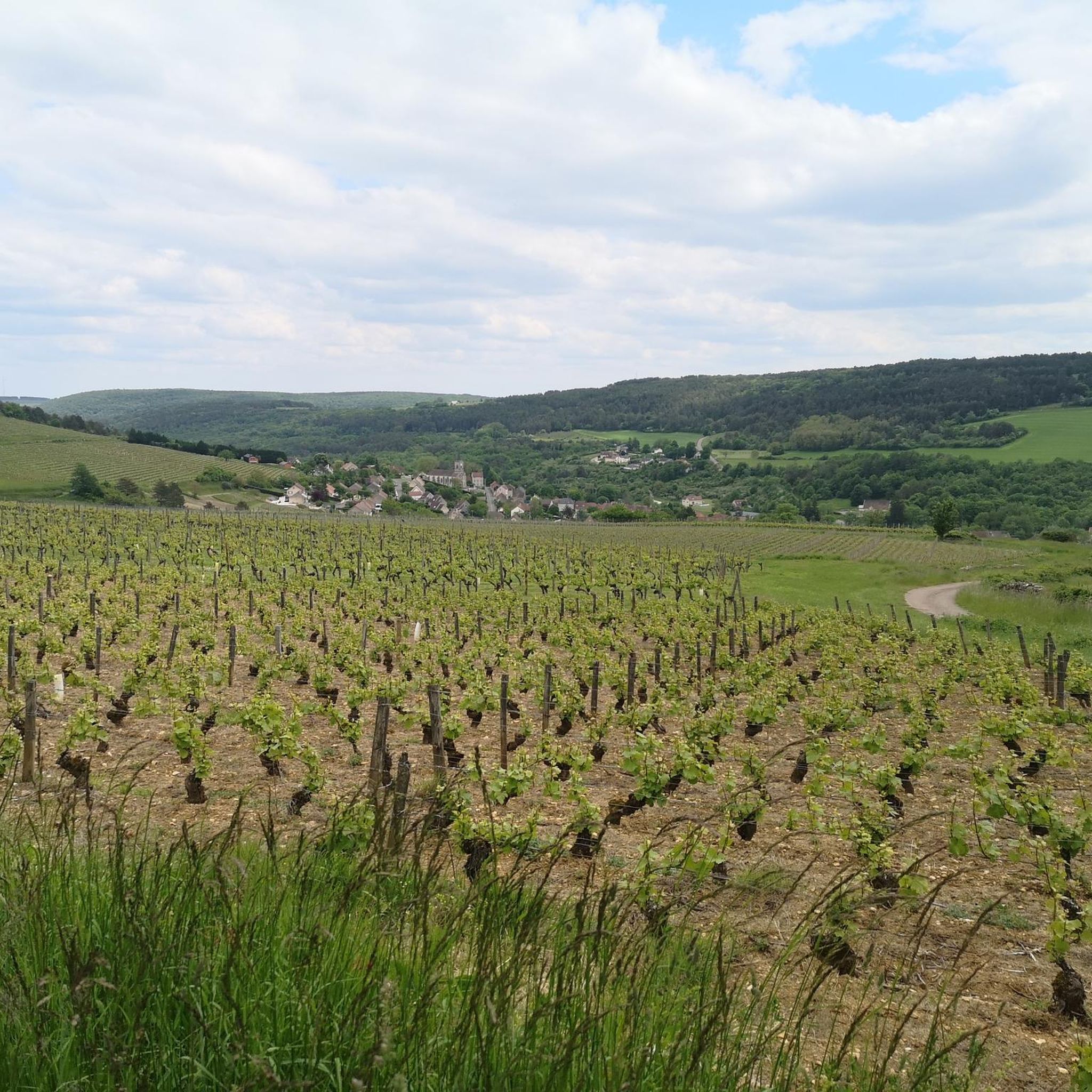
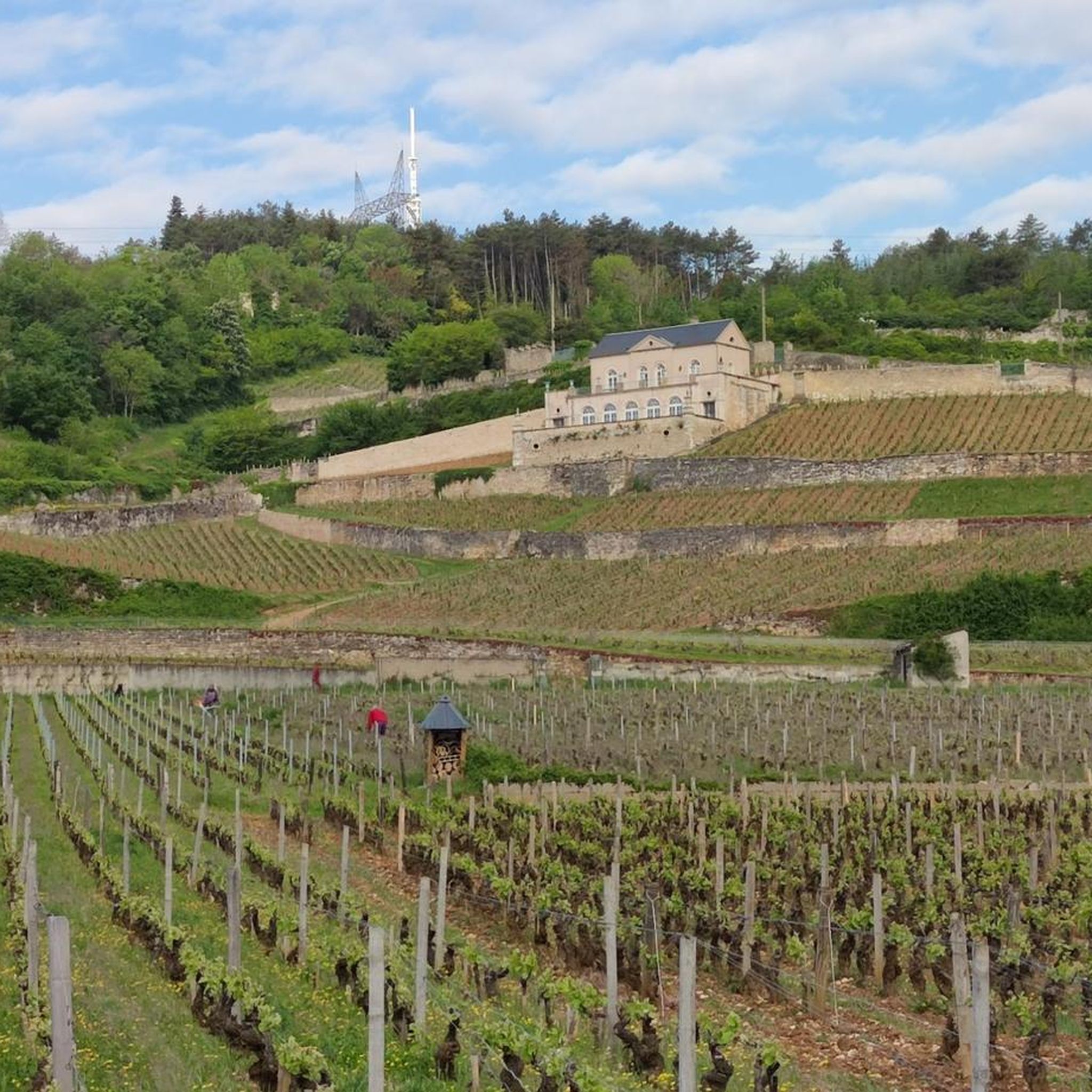
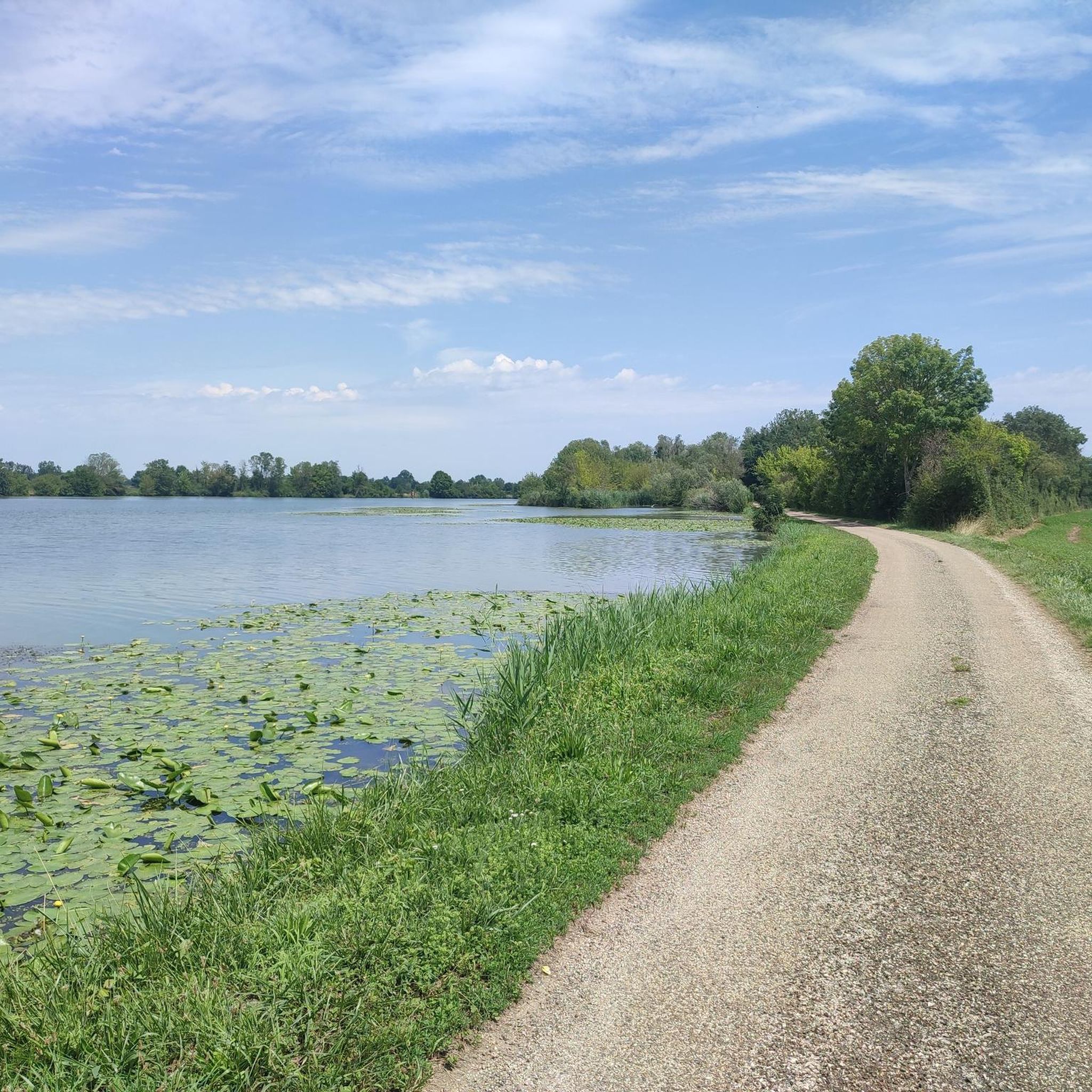
Gravel biking around Bessey-Lès-Cîteaux offers diverse terrain within the Côte-d'Or department of Burgundy, France. The region features the extensive Forêt Domaniale de Cîteaux with its network of forest roads and trails, alongside the historic Canal de la Cent Fonts, known for its flat towpaths. Riverine landscapes along the Vouge and Saône rivers provide additional routes, often traversing agricultural lands and vineyards. The area's relatively low altitude, generally between 186 and 206 meters, makes many routes accessible.
Best gravel bike trails…
Last updated: July 16, 2026
1
riders
37.1km
02:20
170m
170m
Hard gravel ride. Good fitness required. You may need to push your bike for some segments of this route.
3
riders
21.0km
01:16
40m
30m
Easy gravel ride. Great for any fitness level. Mostly paved surfaces. Suitable for all skill levels.

Sign up for free
1.0
(1)
1
riders
29.0km
01:40
80m
80m
Easy gravel ride. Great for any fitness level. Mostly paved surfaces. Suitable for all skill levels.
2
riders
28.5km
01:41
120m
120m
Easy gravel ride. Great for any fitness level. Mostly paved surfaces. Suitable for all skill levels.
5.0
(1)
1
riders
Easy gravel ride. Great for any fitness level. Mostly paved surfaces. Suitable for all skill levels.
Our route recommendations are based on thousands of hikes, rides, and runs completed by other people on komoot.
Start today with a free account
Your next adventure awaits.
Login or Signup

Tips from the Community

Side door open from 9:30 to 17:00. Simply turn and push
0
0

Interesting harbor, as there are many houseboats here.
0
0

For a hiker, all locks look the same, automated or not.
1
0


Small town on the banks of the Saône which has a certain charm. A few restaurants along the river. The location makes it easy to reach the towpath which connects Dijon.
1
0
The Saint-Jean-Baptiste church in Saint-Jean-de-Losne is a 15th century church in Gothic and Renaissance style covered with glazed tiles. An ex-voto boat dedicated to Saint Nicolas (patron saint of boatmen) suspended in the transept since 1826 recalls the river tradition of Saint-Jean-de Losne.
1
0

Saint-Jean-de-Losne is originally a town located in an area surrounded by water. The bridge is therefore an essential element to allow access to the city. Originally, this bridge was made of wood and was located opposite the old Seurre road, downstream of the current bridge. It remained in place until the beginning of the 19th century, but these wooden constructions were not strong enough to withstand the floods of the Saône and the ice. In 1838, a stone bridge was built on the site of the current bridge. It was destroyed during the wars of 1870, 1914-1918 and during an explosion in 1940. The current bridge dates from the 1950s and is made of reinforced concrete.
2
0
Near this charm, on September 7, 1944, 7 FFI resistance fighters from the Marius group were shot by the Germans
2
0
Frequently Asked Questions
What kind of terrain can I expect on gravel bike trails around Bessey-Lès-Cîteaux?
The region offers a diverse mix of surfaces, ideal for gravel biking. You'll find extensive forest roads and trails within the Forêt Domaniale de Cîteaux, historic canal towpaths along the Canal de la Cent Fonts, and quiet country roads traversing agricultural lands and vineyards. Routes combine asphalt, dirt roads, forest tracks, and unpaved paths, catering to the versatility of gravel bikes.
Are there any easy gravel bike routes suitable for beginners or families?
Yes, there are routes suitable for an easier pace. For example, the Gravel loop from Varanges is an easy 26.2 km path, offering a relaxed ride through mixed terrain with minimal elevation gain. The flat towpaths along the Canal de la Cent Fonts also provide smooth sections for comfortable riding.
Where can I find routes with more challenging terrain or elevation?
While much of the region is relatively flat, more challenging options with some elevation gain can be found, particularly within the Forêt Domaniale de Cîteaux. The Argilly loop from Auvillars-sur-Saône is classified as difficult, featuring varied landscapes and a notable elevation gain of around 170 meters over its 36.1 km.
What natural features or landscapes will I encounter on these routes?
You'll experience the magnificent oak trees and rich biodiversity of the Forêt Domaniale de Cîteaux, a Natura 2000 site. Many routes follow the historic Canal de la Cent Fonts and the meandering Vouge and Saône rivers, offering scenic riverine landscapes. You'll also pass through charming agricultural lands and picturesque vineyards characteristic of Burgundy.
Are there any circular gravel bike routes in the area?
Yes, several routes are designed as loops, allowing you to start and finish in the same location. Examples include the Gravel loop from Varanges, the Path along the Saône – La Saône loop from Pagny-la-Ville, and the Lock – Pont St-Jean-de-Losne loop from Bonnencontre.
What historical landmarks or points of interest can I see along the gravel trails?
Many routes offer glimpses into the region's history. You might pass through or near Saint-Jean-de-Losne, a town with historical significance, including its settlement and port. Other points of interest include the Monument to the Deliberation of 1636 and the Museum of Inland Waterways.
What is the best time of year for gravel biking in Bessey-Lès-Cîteaux?
The region is generally accessible for cycling throughout much of the year. Spring and autumn offer pleasant temperatures and beautiful scenery, with changing foliage in the forests and vineyards. Summer can also be enjoyable, especially along shaded forest paths or riverbanks. Always check local weather conditions before heading out.
Are the gravel bike routes in Bessey-Lès-Cîteaux well-regarded by other cyclists?
Yes, the routes in Bessey-Lès-Cîteaux are highly rated by the komoot community, with an average score of 2.75 stars from over 5 reviews. Cyclists often appreciate the varied terrain, the tranquility of the forest paths, and the scenic beauty of the riverine landscapes and vineyards.
Can I access these gravel trails using public transport?
While specific public transport links directly to trailheads might be limited, the broader Burgundy region actively promotes cycling tourism. For information on cycling routes accessible via public transport, particularly along the Saône river, you might find resources on regional tourism sites like Saône Tourisme or France Vélo Tourisme, which detail routes like the 'Voie Bleue'.
Where can I find information about cycling along the canals and rivers in Burgundy?
The region is well-known for its canal and river cycling paths. For more detailed information on cycling along the waterways, including the Saône and other canals, you can consult resources from Burgundy Tourism. These paths often provide excellent, relatively flat gravel biking opportunities.
Are there any particularly long gravel routes for extended rides?
While the routes listed in this guide range from 26 km to 36 km, the extensive network of forest roads in the Forêt Domaniale de Cîteaux and the long-distance cycle routes like the 'Voie Bleue' along the Saône river offer potential for combining sections to create much longer rides. The Argilly loop from Auvillars-sur-Saône is the longest single route highlighted here at 36.1 km.
Most popular routes around Bessey-Lès-Cîteaux
Most popular attractions around Bessey-Lès-Cîteaux

Get inspired with the komoot mobile app


Explore more
Browse the best Gravel rides in other regions.
