The best gravel rides around Is-Sur-Tille
4.8
(9)
51
riders
18
rides
Gravel biking around Is-Sur-Tille offers diverse landscapes, from forested limestone plateaus to river valleys. The region is characterized by varied terrain, including woodlands, riverside paths along the Ignon and Tille rivers, and elevated areas like Mont de Marcilly. These natural features provide a mix of ascents, descents, and scenic routes suitable for gravel cycling. The area's topography supports both challenging climbs and peaceful rides through natural settings.
Best gravel bike trails around Is-Sur-Tille
- The most popular gravel bike trail is…
Last updated: July 3, 2026
5.0
(1)
21
riders
95.0km
06:12
860m
860m
Hard gravel ride. Very good fitness required. You may need to push your bike for some segments of this route.
4.3
(3)
5
riders
41.2km
02:40
390m
390m
Moderate gravel ride. Good fitness required. Mostly paved surfaces. Suitable for all skill levels.

Sign up for free
4.5
(2)
7
riders
67.1km
04:44
890m
890m
Hard gravel ride. Very good fitness required. Mostly paved surfaces. Suitable for all skill levels.
6
riders
Hard gravel ride. Good fitness required. You may need to push your bike for some segments of this route.
5.0
(1)
5
riders
19.5km
01:12
160m
160m
Hard gravel ride. Good fitness required. You may need to push your bike for some segments of this route.
Get access to more routes and recommendations from other explorers.
Sign up for free
Already have an account?
Our route recommendations are based on thousands of hikes, rides, and runs completed by other people on komoot.
Start today with a free account
Your next adventure awaits.
Login or Signup

Tips from the Community

The Dijon Owl (La Chouette de Dijon) is a small medieval sculpture on the north buttress of the Église Notre-Dame in Dijon, and has been considered a lucky charm for centuries. According to tradition, you should touch the owl with your left hand while making a wish, without looking, to bring good luck. Its exact origin is unknown, but it is suspected that the owl symbolized wisdom or served as the signature of a medieval stonemason's guild. Due to frequent touching, the owl has been restored several times, including after vandalism in 2001. The owl also marks the starting point of the "Parcours de la Chouette," a walking route that takes in 22 Dijon landmarks, recognizable by small bronze owls set into the pavement. The owl has become an iconic and beloved symbol of the city.
1
0
The Palais des Ducs et des États de Bourgogne is one of Dijon's most striking buildings and reflects the rich history of the Burgundian Dukes. The complex originated in the Middle Ages and was expanded in later centuries with elements of classical style, including the stately façade with columns and wrought-iron balconies. Strategically located on the Place de la Libération, the palace forms the historical and administrative heart of the city. Inside, you'll find the Musée des Beaux-Arts, with one of the oldest and most important art collections in France. The combination of architecture, culture, and historical significance makes this palace an essential visit when exploring Dijon.
1
0

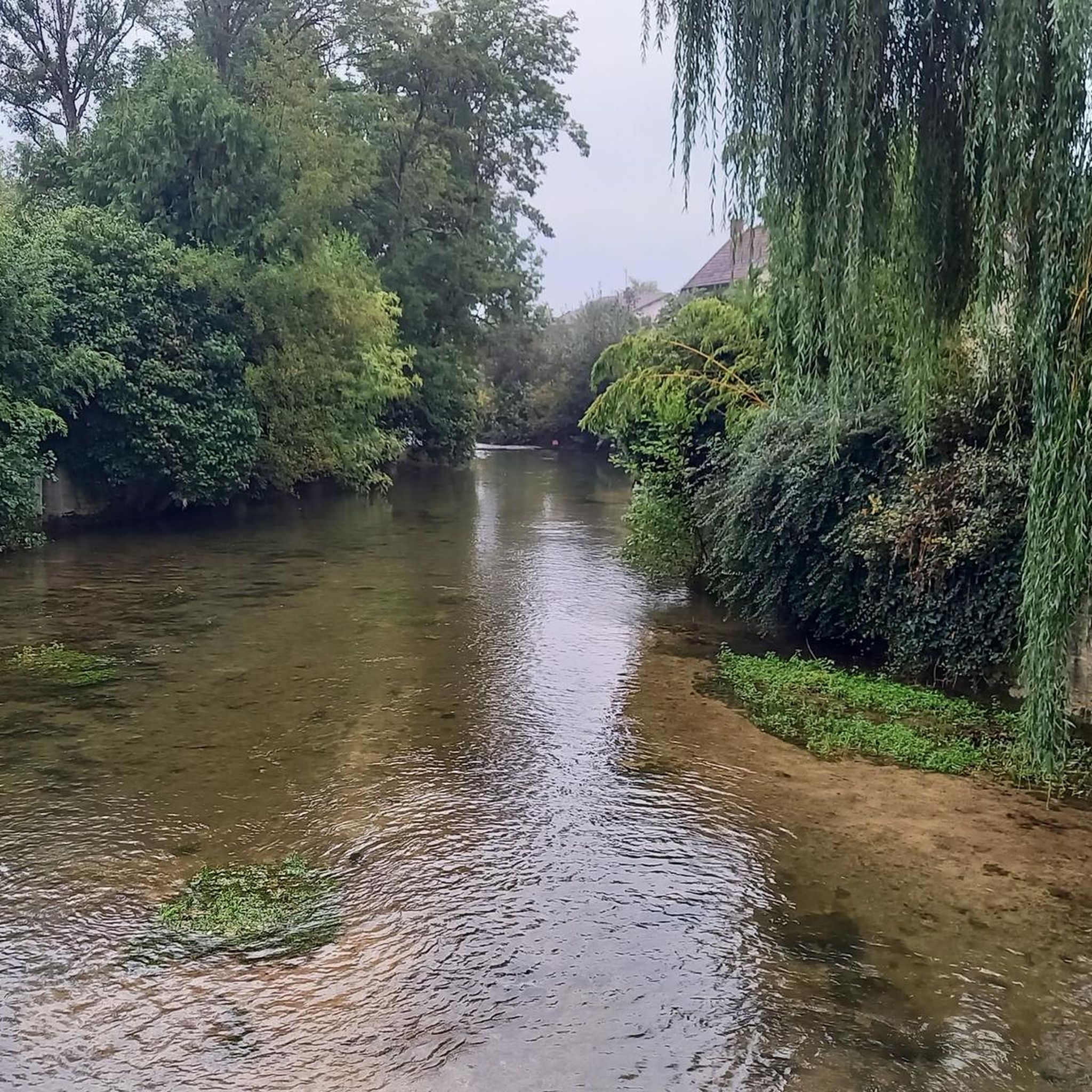
Very beautiful park, worth a stop
0
0

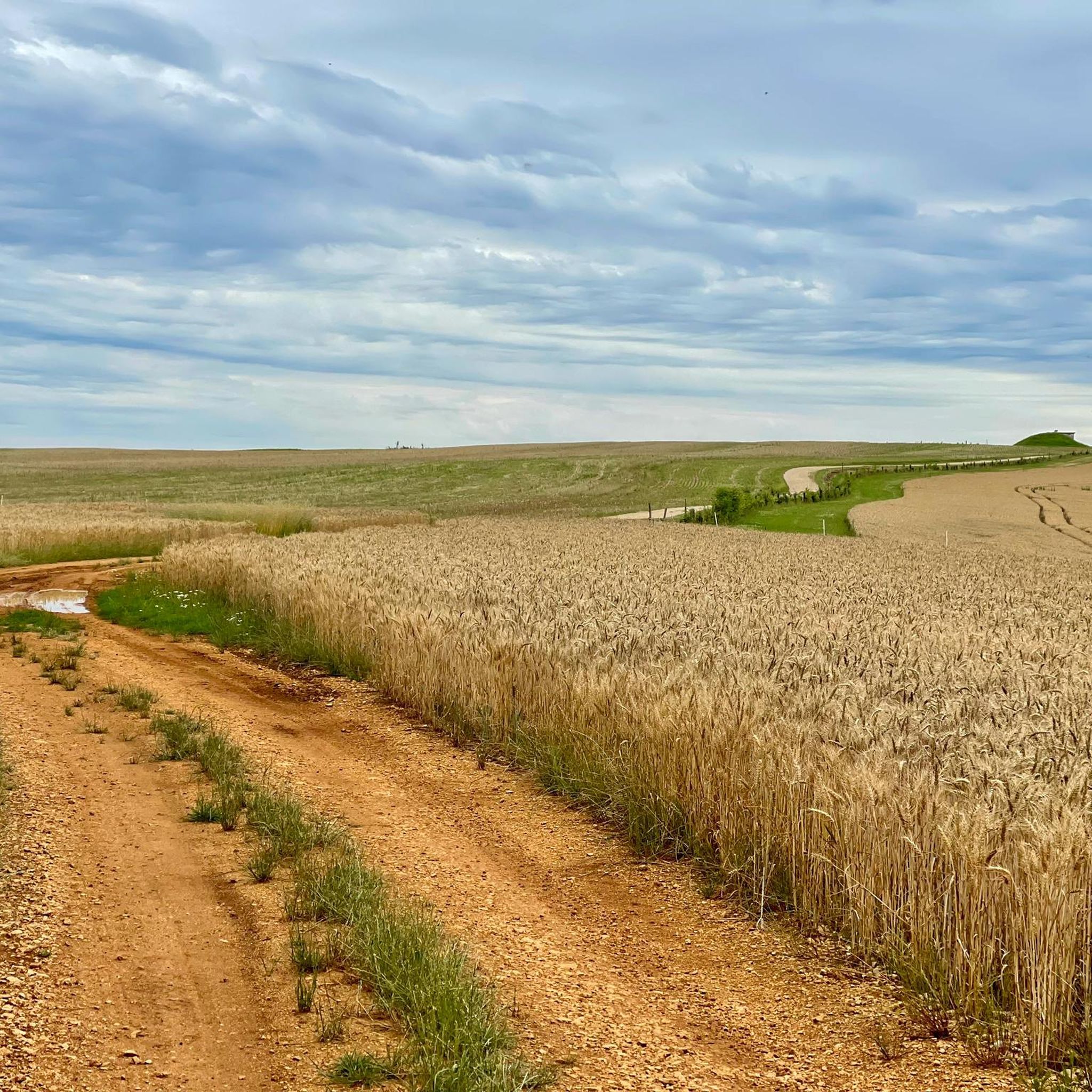
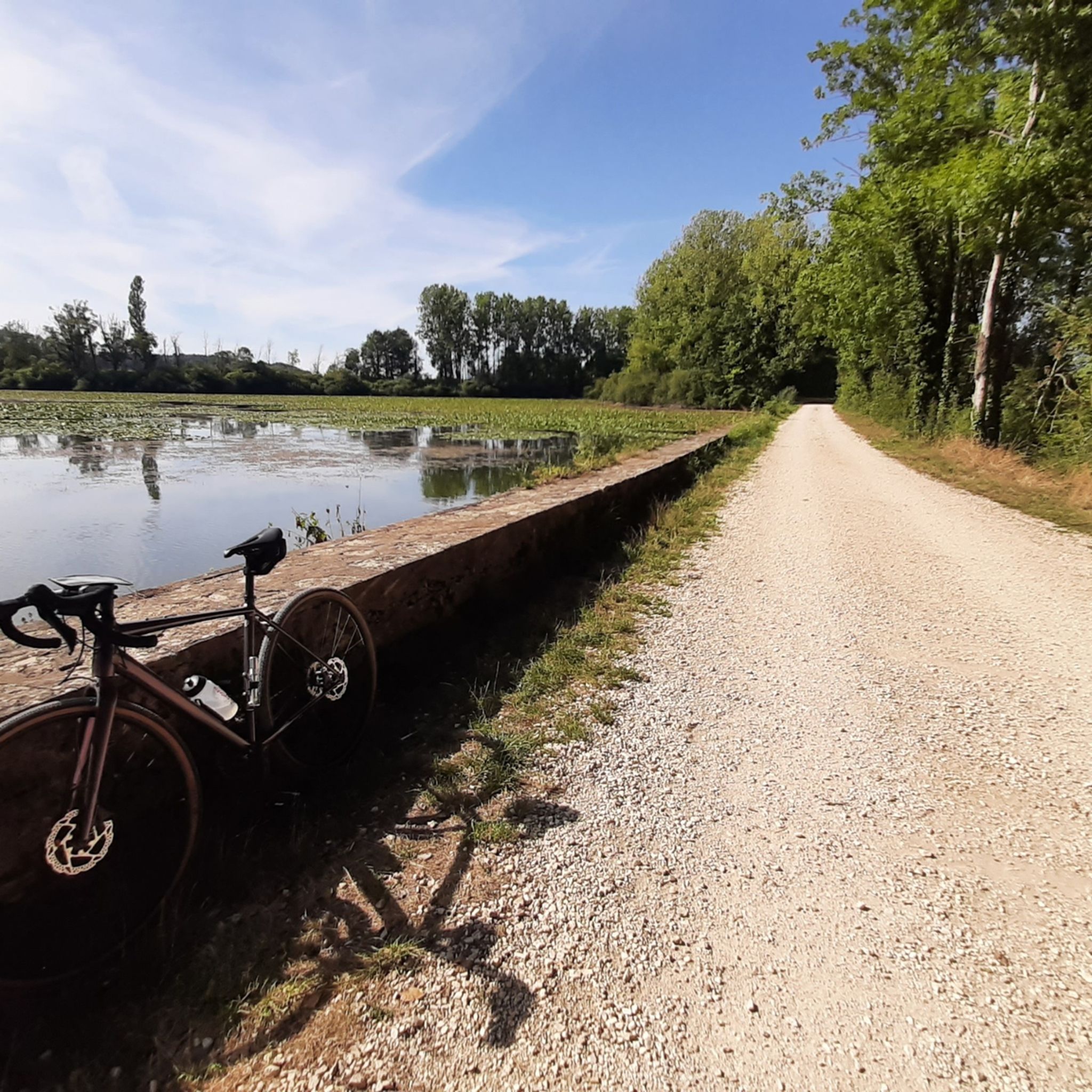
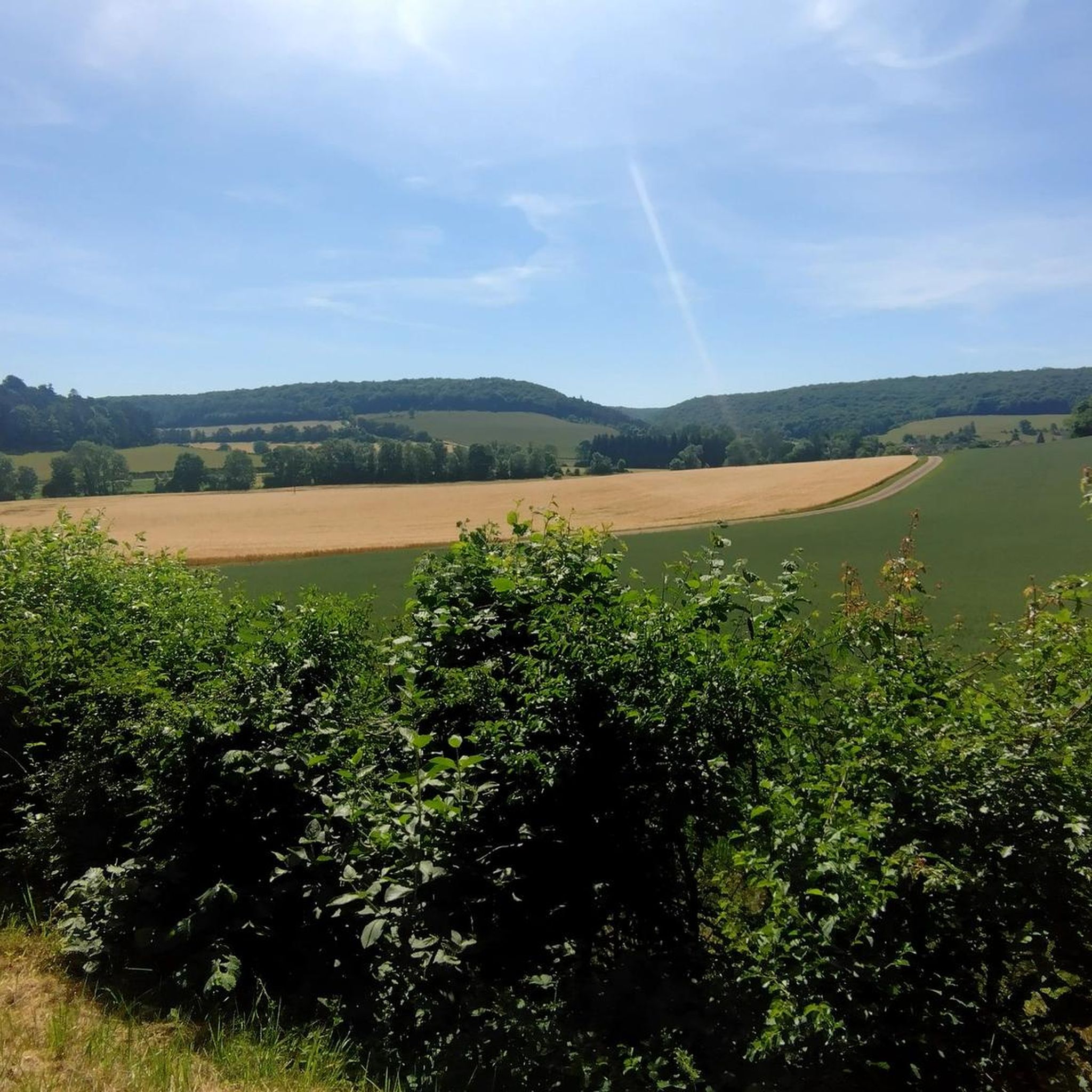
magnificent little path between Foncegrives and Selongey
0
0

In place of an old gate in the 12th-century city wall, the architect Jean-Philippe Maret had this monument built between 1786 and 1788 in homage to the Prince of Condé, governor of Burgundy. The building was then named Porte Condé. The monument was connected by walls to the ramparts that still existed, and its gate was closed by a gate, traces of which can still be seen. During the Revolution in 1791, the gate was named the Arc de la Liberté; in the 19th century, it became Porte Guillaume, in reference to Guillaume de Volpiano, abbot of the Abbey of Saint-Bénigne.
1
0
Darcy Garden or Darcy Square is a 19th-century neo-Renaissance public garden in Darcy Square, in the city center of Dijon in Côte-d'Or. It is dedicated to the hydraulic engineer Henry Darcy (1803-1858) and has been listed as a historic monument since 2015.
0
0

Very nicely laid out and definitely the highlight of the park.
4
0

Restaurants in central squares often cater to tourists. Here in Dijon, some of the establishments on Place de la Libération are highly recommended, such as Le Pré au Clercs.
4
0
Frequently Asked Questions
What kind of terrain can I expect on gravel bike trails around Is-sur-Tille?
The region offers a diverse mix of landscapes. You'll find forested limestone plateaus to the west, providing ascents and descents through woodlands, and a humid clay plain to the east. Many routes follow scenic paths along the Ignon and Tille rivers, offering varied surfaces from packed earth to loose gravel.
Are there any challenging gravel bike routes for experienced riders?
Yes, Is-sur-Tille features several challenging routes. For instance, the The line from Vivey to Musseau – Saint Gertrude Chapel loop from Selongey is a difficult 67.8 km path with significant elevation gain. The Venarde Pond – Gémeaux Market Hall loop from Is-sur-Tille and the Gémeaux Market Hall – Small waterfall on La Tille loop from Marsannay-le-Bois are also rated as difficult, offering varied landscapes and climbs.
What are some notable landmarks or viewpoints along the gravel trails?
You can explore several interesting points. The route forestière des Grolles (GR7) offers a viewpoint over the Quinquendolle combe. The Combe de Saussy (GR7) is known for its beautiful, long climb. You might also pass by the historic Gémeaux Market Hall.
Are there any family-friendly gravel biking options in the area?
While specific 'easy' routes are limited, the region's river valleys and less elevated sections can be suitable for families. The The Ignon at Is-sur-Tille – Mont de Marcilly loop from Is-sur-Tille, at 23.8 km, is a moderate option that explores the Ignon River valley and could be manageable for active families.
What is the best time of year for gravel biking around Is-sur-Tille?
The diverse landscapes, including forested areas and river paths, make spring, summer, and autumn generally ideal. Spring and autumn offer pleasant temperatures and vibrant scenery, while summer provides longer daylight hours. Be mindful of potential stony sections, especially after rain.
Are there any circular gravel bike routes available?
Yes, many of the routes around Is-sur-Tille are designed as loops. For example, the popular Ferme du Fossé – The Ignon at Is-sur-Tille loop from Selongey and the The Ignon at Is-sur-Tille – Mont de Marcilly loop from Is-sur-Tille are both circular routes that allow you to start and finish in the same location.
What do other gravel bikers enjoy most about gravel biking in Is-sur-Tille?
The area is highly rated by the komoot community, with an average score of 4.9 stars. Reviewers often praise the diverse landscapes, from quiet woodlands to scenic river paths, and the variety of routes suitable for different skill levels. The mix of challenging climbs and peaceful rides through natural settings is a common highlight.
Are there opportunities to see wildlife on the gravel trails?
Yes, the region is rich in natural beauty and wildlife. Protected sites like the Petit Clocher Plateau and Mount Marcilly are recognized for their diverse flora and fauna. Cycling through the Wood of Is-sur-Tille and along the river valleys increases your chances of observing local wildlife in their natural habitats.
How many gravel bike trails are there in the Is-sur-Tille area?
There are over a dozen gravel bike trails available around Is-sur-Tille, offering a range of difficulties. You'll find options from moderate to difficult, ensuring there's something for various experience levels.
Can I find routes that follow rivers or waterways?
Absolutely. Is-sur-Tille is situated on the Ignon River, close to its confluence with the Tille River. Many routes, such as the popular Ferme du Fossé – The Ignon at Is-sur-Tille loop from Selongey, follow these waterways, offering picturesque views and peaceful riverside paths ideal for gravel biking.
Are there any easy or beginner-friendly gravel bike trails?
While most routes are rated moderate to difficult, the region does offer some less strenuous options. The The Ignon at Is-sur-Tille – Mont de Marcilly loop from Is-sur-Tille is a moderate 23.8 km route that explores the river valley and includes some less demanding sections, making it a good starting point for those building their gravel biking experience.
Most popular routes around Is-Sur-Tille
Most popular attractions around Is-Sur-Tille

Get inspired with the komoot mobile app


Explore more
Browse the best Gravel rides in other regions.
