The best gravel rides around Saint-Marc-Le-Blanc
4.0
(7)
90
riders
10
rides
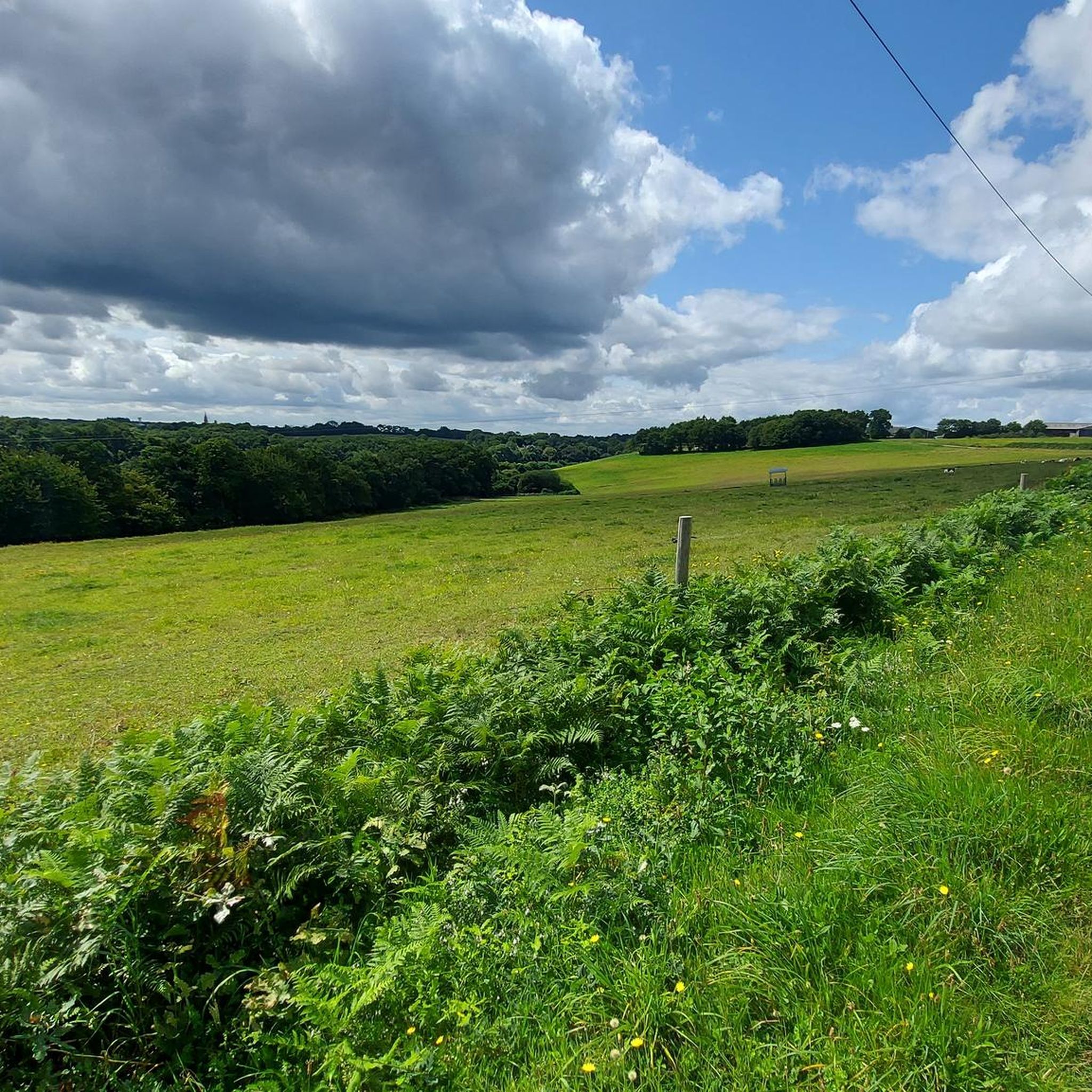
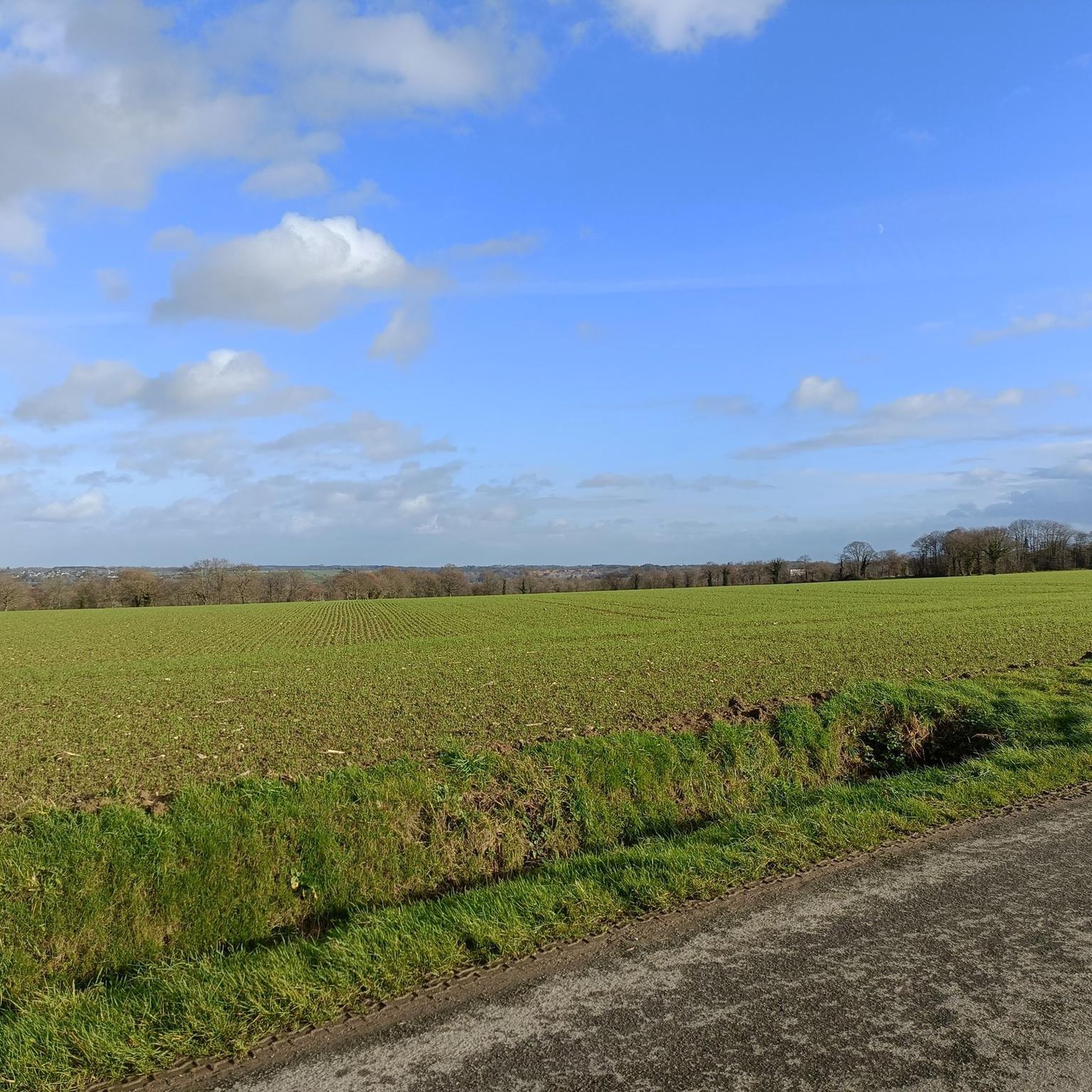
Gravel biking around Saint-Marc-Le-Blanc offers diverse landscapes across Brittany, France. The region features a mix of small country roads, rural trails, and forest paths, providing varied terrain for cyclists. Greenways often combine paved and unpaved sections suitable for gravel bikes, leading through green spaces and picturesque countryside. The area is characterized by its "country of granite," with unpaved tracks and holloways winding through fields and woodlands.
Best gravel bike trails around Saint-Marc-Le-Blanc
- The most popular gravel bike trail is Saint…
Last updated: July 3, 2026
4.3
(3)
30
riders
56.3km
03:29
390m
390m
Moderate gravel ride. Good fitness required. Mostly paved surfaces. Suitable for all skill levels.
2.5
(2)
22
riders
Hard gravel ride. Very good fitness required. Mostly paved surfaces. Suitable for all skill levels.

Sign up for free
15
riders
206km
10:58
1,110m
1,110m
Hard gravel ride. Very good fitness required. You may need to push your bike for some segments of this route.
3
riders
38.6km
02:42
360m
360m
Hard gravel ride. Good fitness required. You may need to push your bike for some segments of this route.
3
riders
21.0km
01:37
200m
200m
Hard gravel ride. Good fitness required. You may need to push your bike for some segments of this route.
Get access to more routes and recommendations from other explorers.
Sign up for free
Already have an account?
Our route recommendations are based on thousands of hikes, rides, and runs completed by other people on komoot.
Start today with a free account
Your next adventure awaits.
Login or Signup

Tips from the Community

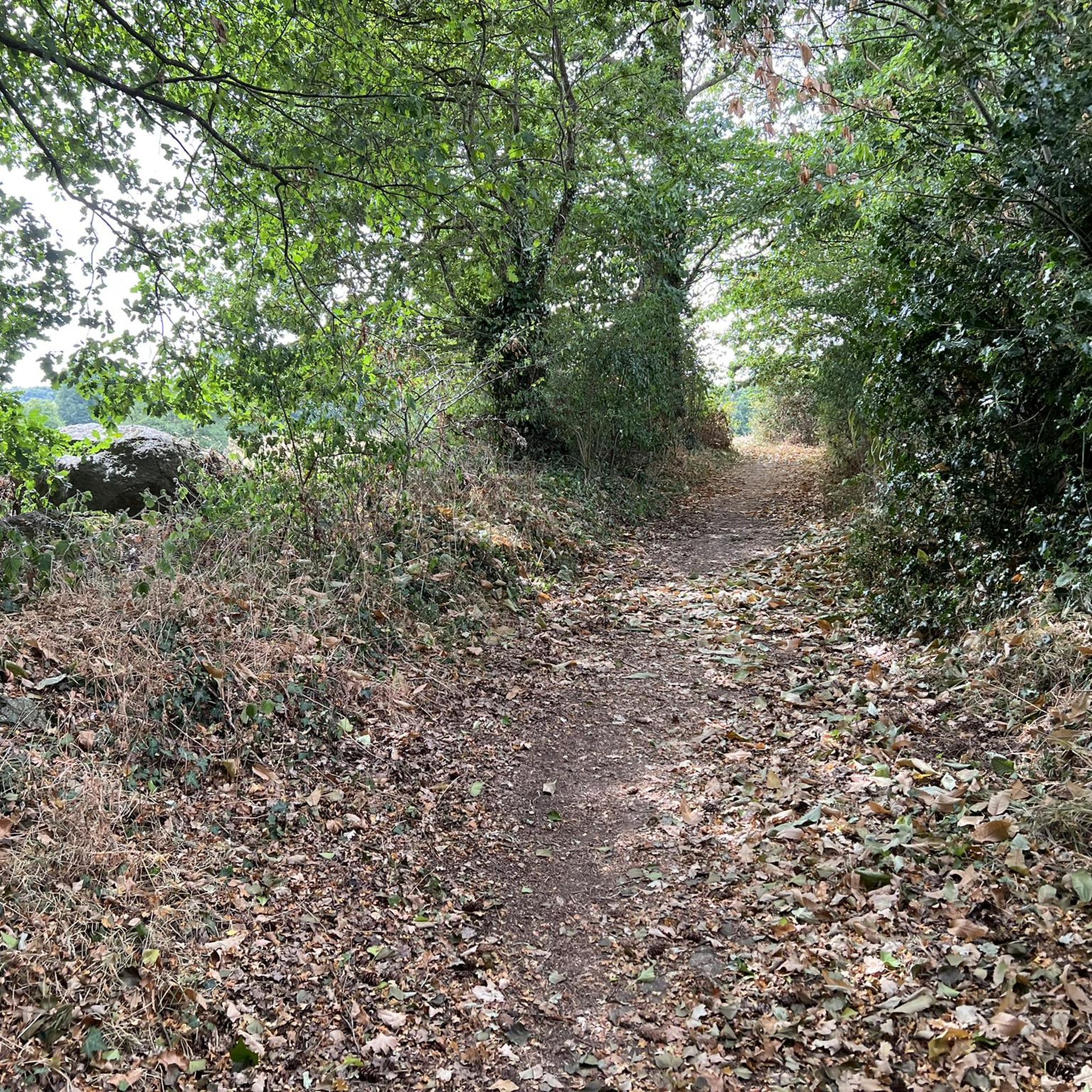
very nice cycle path in the shade
0
0

((Private property)) The current château was built in 1758 according to the plans of Antoine Forestier, known as the Younger; the Saint Peter's Chapel, located to the north, dates from 1608. It is mentioned in François-René de Chateaubriand's *Memoirs from Beyond the Grave* (Part One, Book V). It has been listed as a historical monument since July 22, 2004 [(Source: Wikipedia)] The Battle of Saint-Aubin-du-Cormier (July 28, 1488) took place on the heath now known as "the Heath of the Meeting." It pitted the Bretons against the French; the latter were victorious. Jean II de la Celle (1450-1507), Lord of La Sécardaie, participated in the battle, and two cannonballs from this battle are preserved at the Château de la Sécardaie: the Breton cannonball (the larger one) is made of granite; The French cannonball (the heaviest) is made of iron. (Source: https://fr.wikipedia.org/wiki/M%C3%A9zi%C3%A8res-sur-Couesnon) "History Section"
0
0

The Jardin Public is centrally located in the city and extends over several terraces offering sweeping views of the old town and the Château de Fougères. Created in 1865, the park combines features of an English landscape garden, French garden architecture, and botanical design.
1
0
The Église Saint-Léonard was built in the 12th century and acquired its present form in the flamboyant Gothic style in the 15th and 16th centuries. During the French Revolution, the church was deprived of its sacred function, but in the 19th century, under architects such as Aristide Tourneux, it underwent extensive renovations, including a new main façade with a large rose window. Inside, 19th-century stained-glass windows depicting episodes from the life of Saint Léonard can be seen.
1
0

This greenway between Mont Saint-Michel and Pontorson alternates between magnificent stretches with unobstructed views and shaded sections with bucolic charm. Away from road traffic, this section reveals the unique calm of nature.
0
0
Dominated by one of the largest medieval castles in Europe, Fougères boasts magnificent ramparts, towers, and a perfectly preserved historic center. From the heights, the view takes in the Nançon Valley and its half-timbered houses, offering beautiful perspectives. It's an ideal stop along the Régalante to immerse yourself in Breton history before hitting the road again.
0
0

A commemorative stele: "Here on July 30, 1944, the parachute drop of weapons took place for the liberation of France. Franc-Tireurs and Denis Aristide BUCKMASTER Network."
0
0

The renowned landscape painter and avant-garde colorist Emmanuel de la Villéon, who associated with the greatest independent painters of his time, experimented with different styles and brushstrokes. This collection of oil, pastel, gouache, charcoal, and ink paintings traces his career through selected works. The museum is usually open during school holidays in Zone B. The museum is currently closed due to leaks!
1
0
Frequently Asked Questions
How many gravel bike trails are available around Saint-Marc-Le-Blanc?
There are 19 gravel bike trails around Saint-Marc-Le-Blanc, offering a diverse range of options for cyclists. These include 1 easy, 11 moderate, and 7 difficult routes, ensuring there's something for every skill level.
What kind of terrain can I expect on gravel bike routes near Saint-Marc-Le-Blanc?
Gravel bike routes near Saint-Marc-Le-Blanc feature a varied terrain, typical of Brittany. You'll encounter a mix of small country roads, rural trails, and forest paths. Many routes also incorporate greenway sections, which can be a blend of paved and unpaved surfaces, offering a dynamic and engaging ride through picturesque countryside and charming villages.
Are there any easy gravel bike routes suitable for beginners or families?
Yes, there is one easy gravel bike route available. The Hôtel de la Belinaye – Saint Léonard Church loop from Saint-Germain-en-Coglès is a shorter, 18.8 km trail with less elevation, making it a good option for those looking for a more relaxed ride or for families with older children.
What are some notable landmarks or points of interest I can see along the gravel trails?
Several routes pass by interesting landmarks and natural features. You might encounter historical sites like the Fougères Castle, or natural viewpoints such as the Viewpoint over the Couesnon valley. Other points of interest include the Regalante greenway and the Notre-Dame Church of Chauvigné, adding a cultural dimension to your ride.
What do other gravel bikers say about the trails in Saint-Marc-Le-Blanc?
The gravel biking routes around Saint-Marc-Le-Blanc are highly regarded by the komoot community, holding an average rating of 4.7 out of 5 stars from over 6 reviews. Cyclists often praise the diverse landscapes, the mix of challenging and scenic paths, and the opportunity to explore both natural beauty and historical sites.
Can I find long-distance gravel biking challenges near Saint-Marc-Le-Blanc?
Absolutely. For experienced gravel bikers seeking a longer challenge, the Fougères–Vitré Greenway – Railroad line to Pontorson loop from Baillé is a difficult 145 km route. This extensive path incorporates greenway sections and varied terrain, providing a significant endurance test.
Are there any gravel routes that follow riverine landscapes?
Yes, you can explore riverine landscapes on routes like The Couesnon at Beauvoir – The dam on the Couesnon loop from Tremblay. This 52.3 km moderate trail leads you through scenic areas along the Couesnon river, offering beautiful views and a refreshing ride.
What is the best time of year for gravel biking in Saint-Marc-Le-Blanc?
Brittany generally offers good conditions for gravel biking from spring through autumn. The milder temperatures and lush green landscapes make these seasons ideal. While specific weather conditions can vary, avoiding the peak heat of summer or the colder, wetter days of winter will likely provide the most enjoyable experience.
Are there any circular gravel routes available?
Many of the gravel routes around Saint-Marc-Le-Blanc are designed as loops, allowing you to start and finish in the same location. For example, the popular Saint Léonard Church – Fougères Castle loop from Val-Couesnon is a moderate 63.1 km circular trail that connects historical sites with rural paths.
Is it possible to combine gravel biking with visits to historical sites?
Yes, the region allows for a great combination of gravel biking and cultural exploration. Routes often pass by or lead to historical landmarks. For instance, the Saint Léonard Church – Fougères Castle loop from Val-Couesnon directly integrates a visit to the Fougères Castle, allowing you to enjoy both the ride and the rich history of the area.
Are there any specific greenways suitable for gravel bikes in the area?
Yes, the region is known for its greenways, which are often ideal for gravel biking. The Regalante greenway, for example, is mentioned as a suitable path, likely offering a mix of paved and unpaved sections perfect for gravel bikes. These greenways provide accessible and scenic routes away from traffic.
What are the elevation gains like on the gravel routes around Saint-Marc-Le-Blanc?
The elevation gains vary significantly across the routes, catering to different fitness levels. Easy routes, like the Hôtel de la Belinaye – Saint Léonard Church loop, have around 130 meters of ascent. Moderate routes, such as Saint Léonard Church – Fougères Castle loop, feature around 400 meters. For a significant challenge, difficult routes like the Fougères–Vitré Greenway – Railroad line to Pontorson loop can have over 900 meters of climbing.
Most popular routes around Saint-Marc-Le-Blanc
Most popular attractions around Saint-Marc-Le-Blanc

Get inspired with the komoot mobile app


Explore more
Browse the best Gravel rides in other regions.
