The 20 Most Amazing Peaks around Königsbronn
Best mountain peaks around Königsbronn are found within the Swabian Alb region, characterized by its unique geology. The area features elevated natural formations, impressive rock structures, and scenic viewpoints. These locations offer distinct experiences for hikers and nature enthusiasts. Königsbronn serves as a starting point for exploring these varied and scenic elevations.
Best mountain peaks around Königsbronn
- The most popular mountain peaks is Volkmarsberg Observation Tower, a viewpoint that offers excellent views stretching as far as the Alps on clear…
Last updated: June 24, 2026
Volkmarsberg Observation Tower
Highlight • Viewpoint
Translated by Google •
Tip by

Wöllerstein Summit
Highlight • Summit
Translated by Google •
Tip by

Sign up now to discover places like this
Get recommendations on the best single tracks, peaks, & plenty of other exciting outdoor places.
Sign up for free
Knillberg
Highlight • Summit
Translated by Google •
Tip by

Wäldlesfels Rock Formation
Highlight • Natural Monument
Translated by Google •
Tip by

Schreiber Cave — Bat Habitat
Highlight • Cave
Translated by Google •
Tip by

Sign up for free to discover even more peaks around Königsbronn.
Sign up for free
Already have an account?
Start today with a free account
Your next adventure awaits.
Login or Signup
Popular around Königsbronn
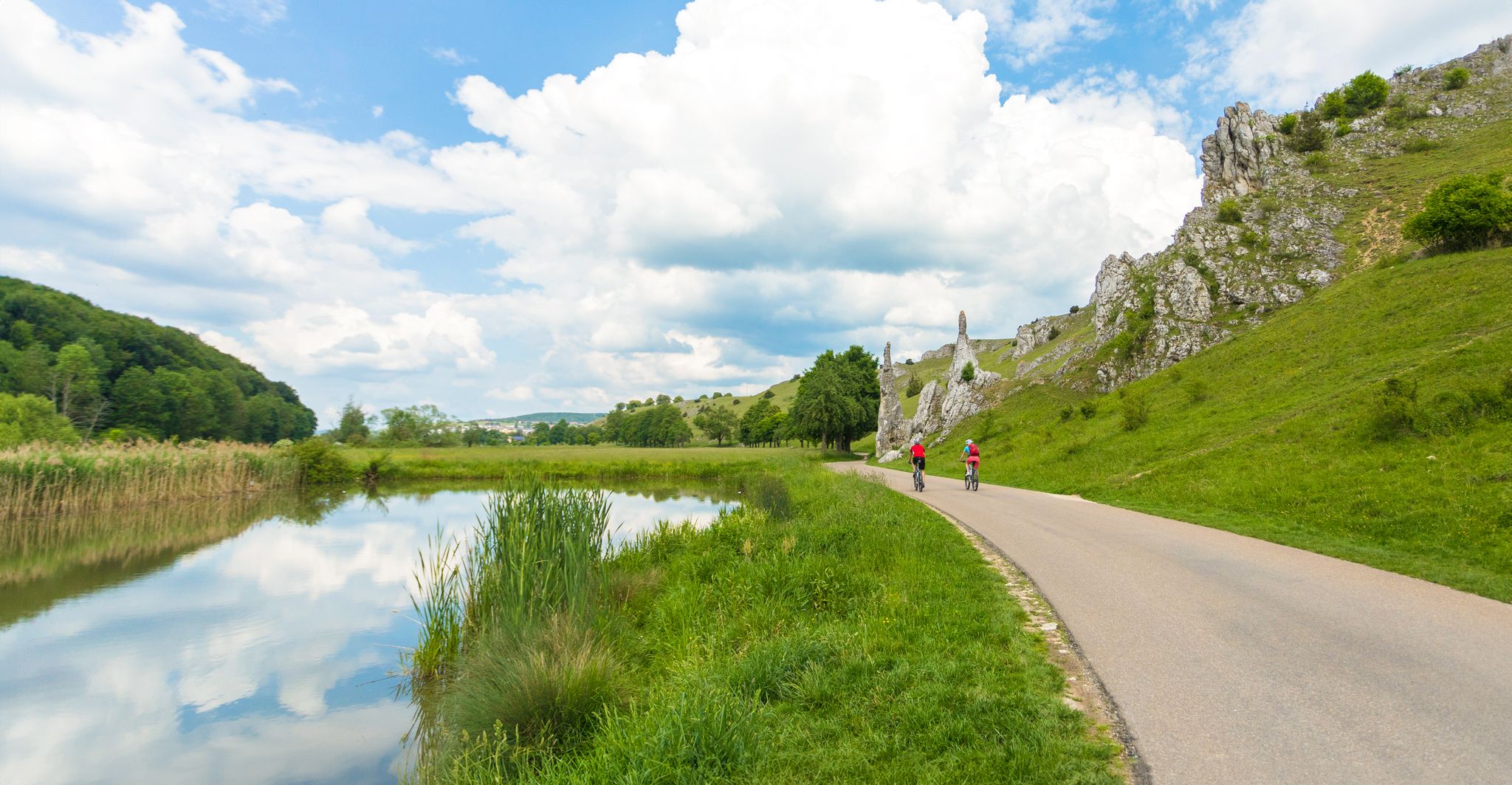
Feel the power of the water - cycling on the Swabian Alb
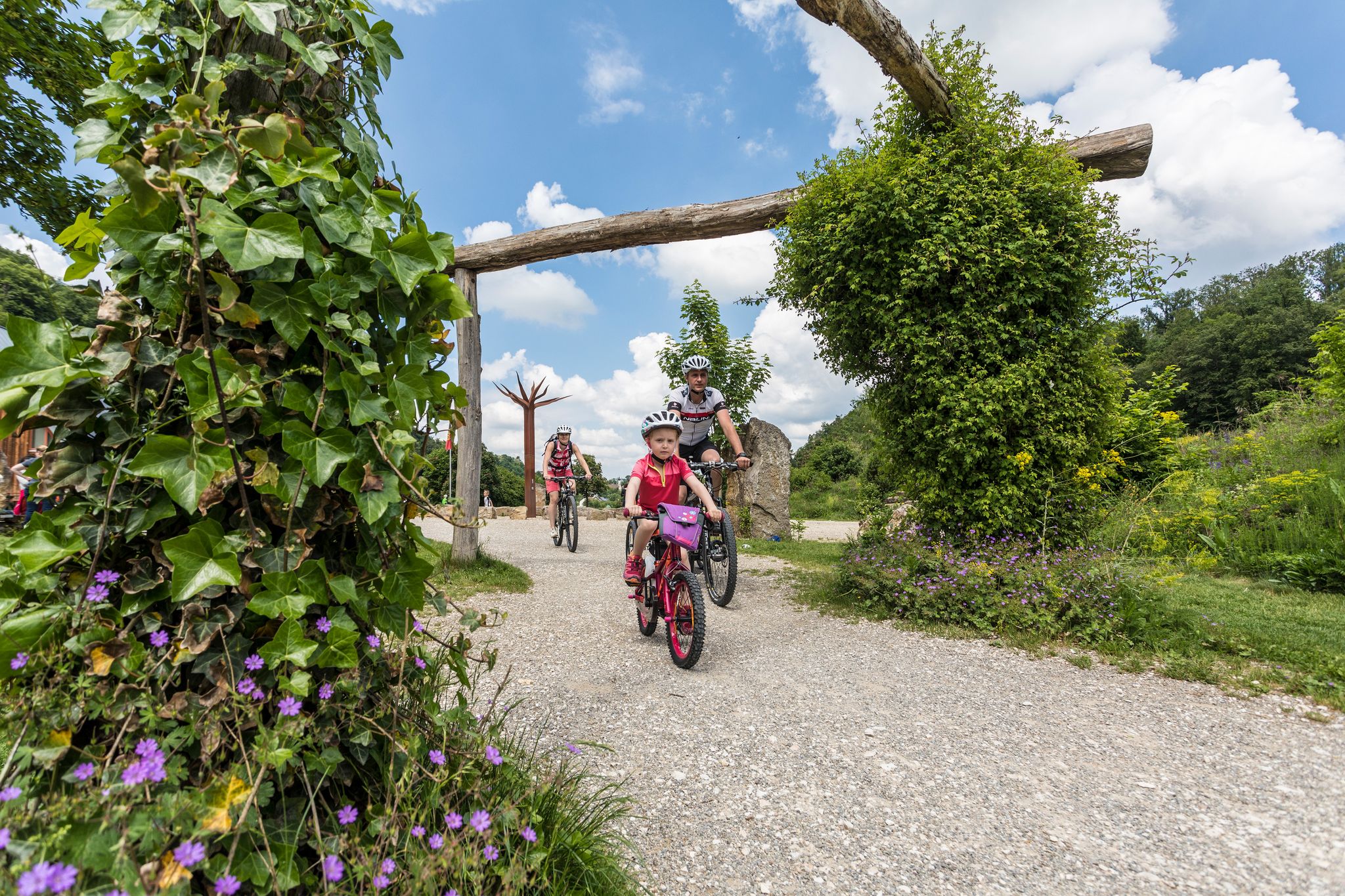
Family cycling – 9 day Tours in the Swabian Alb
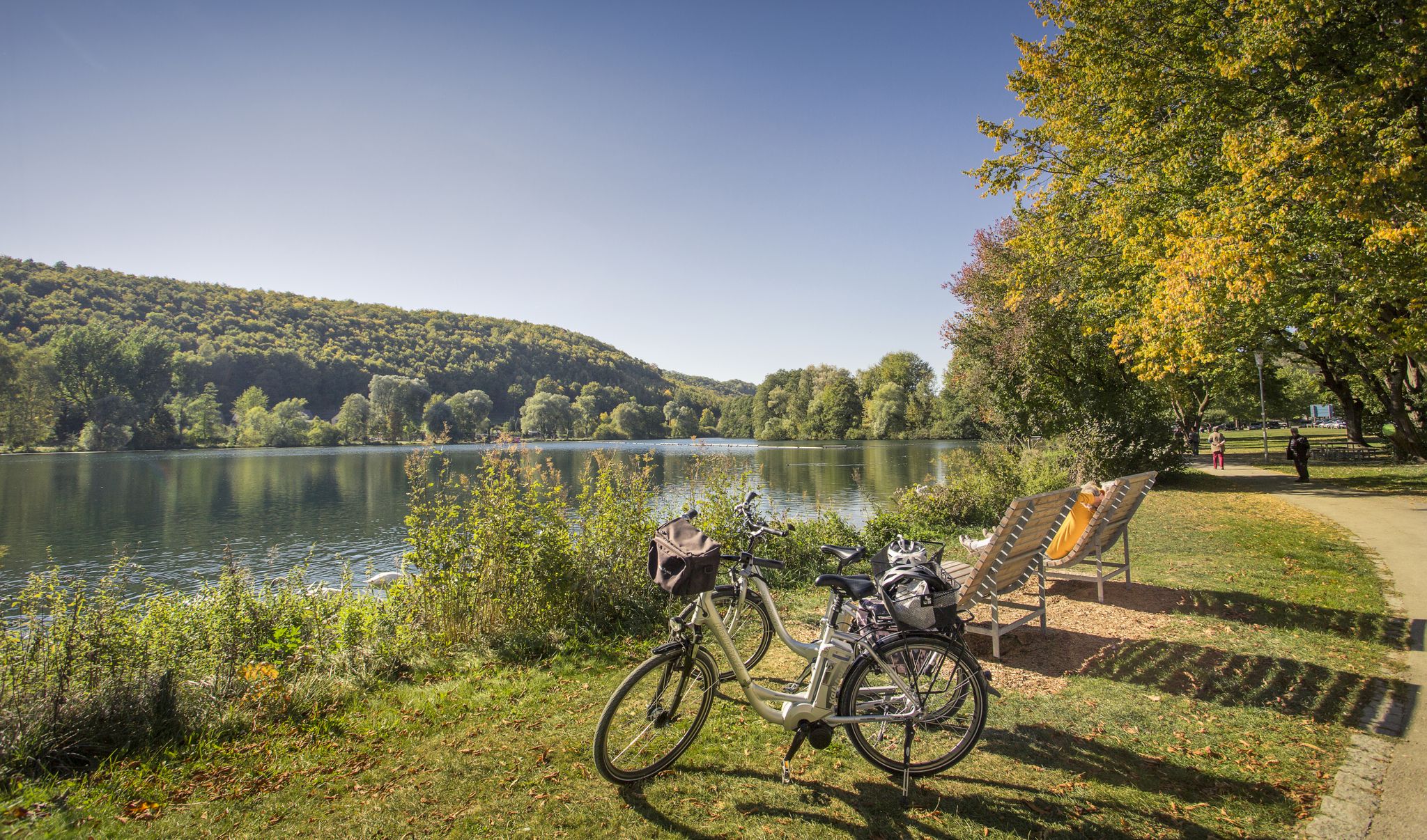
Prehistoric landscapes and the Ice Age – cycling in the Brenz region
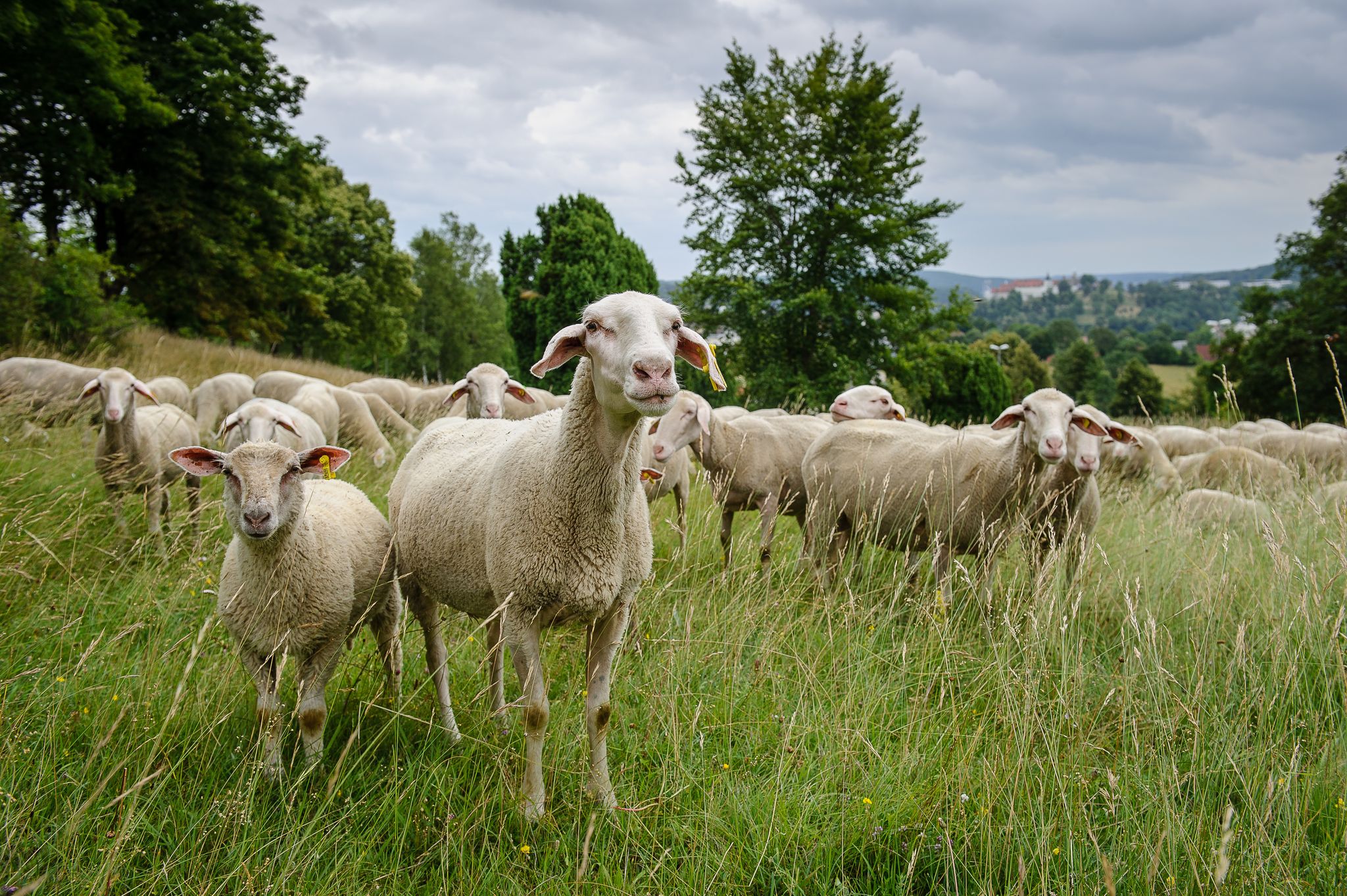
Counting sheep on the Albschäfer Trail
Counting sheep on the Albschäfer Trail
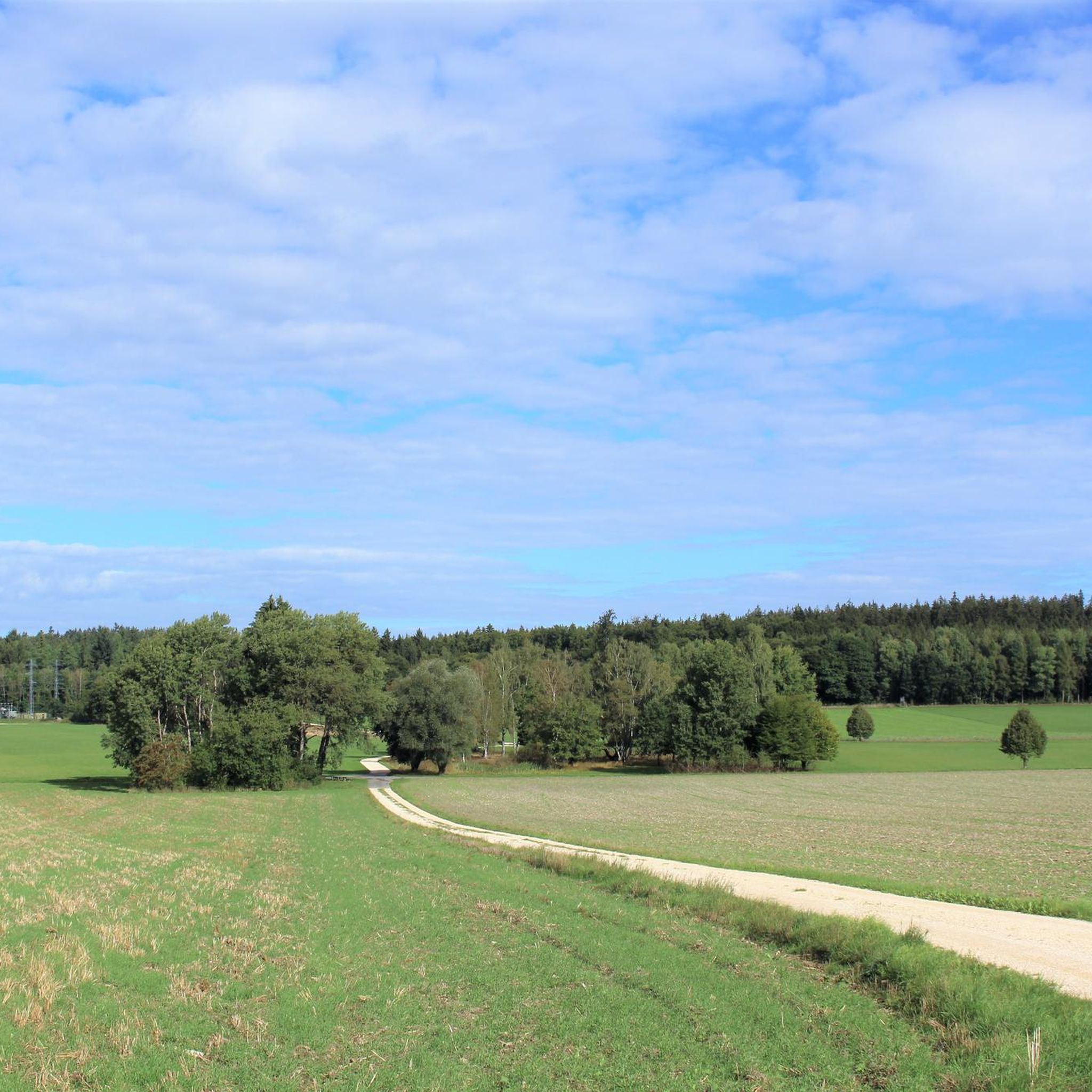
Cycling around Königsbronn
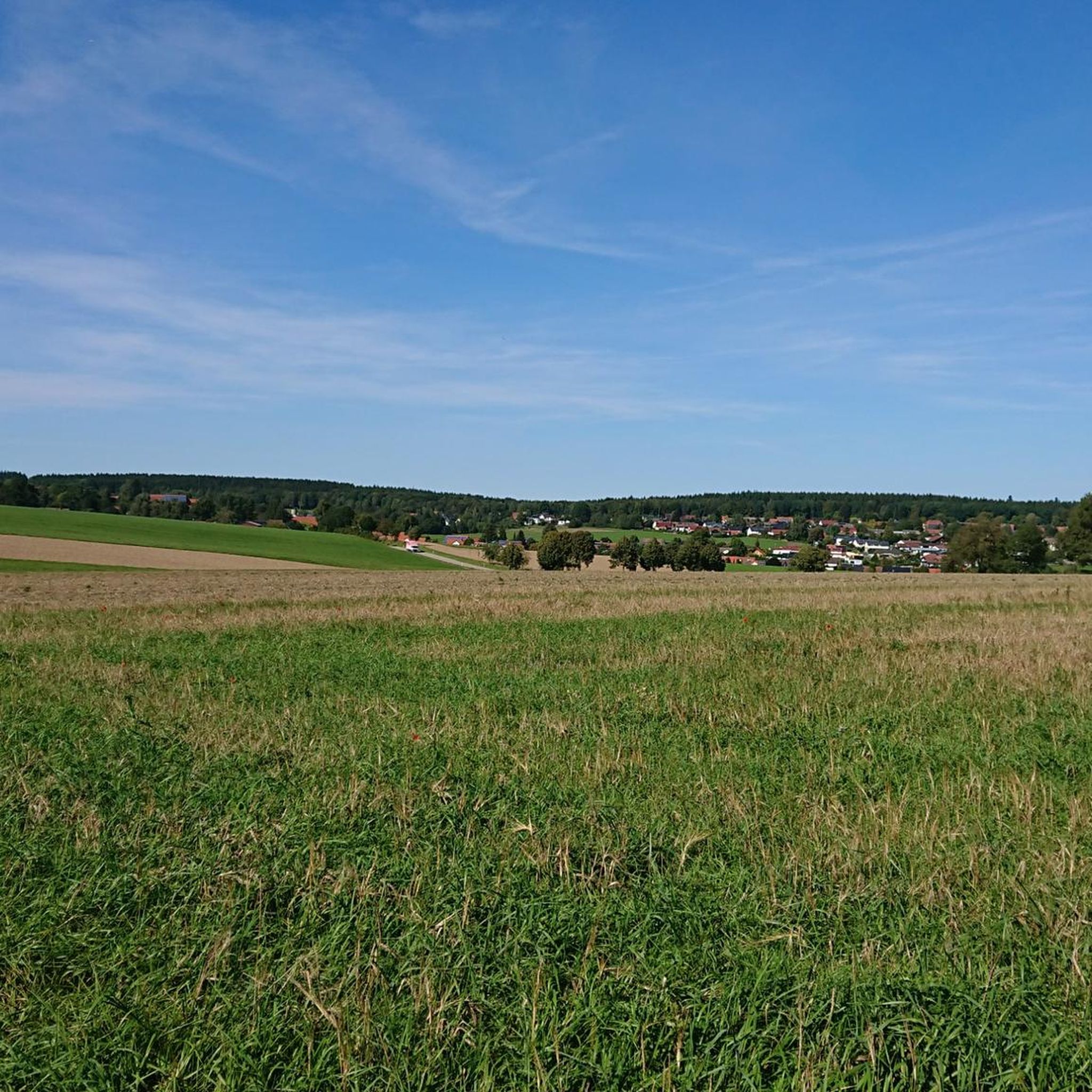
Hiking around Königsbronn
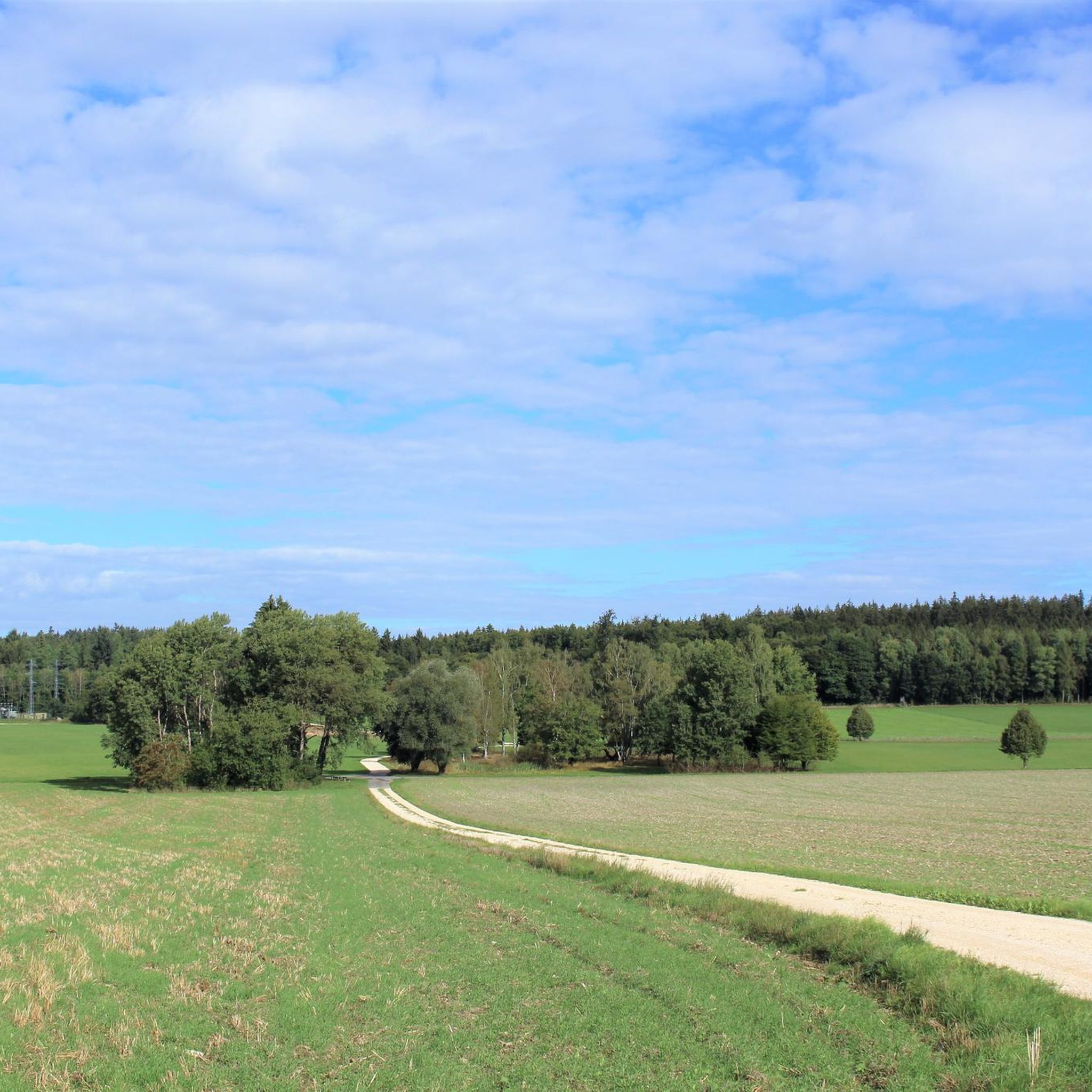
Road Cycling Routes around Königsbronn
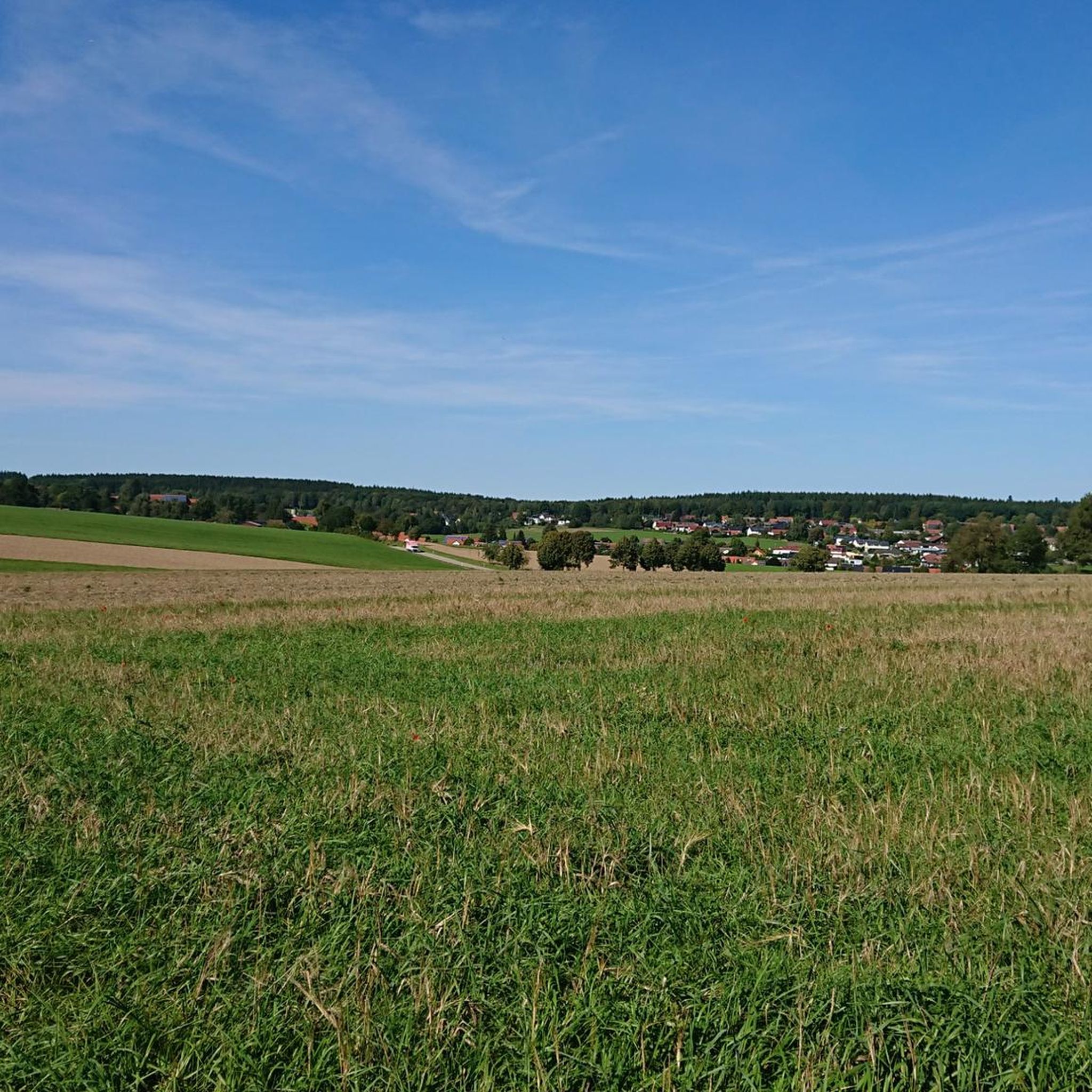
Running Trails around Königsbronn
MTB Trails around Königsbronn
Other adventures around Königsbronn

Tips from the Community

The Schreiber Cave is a cave formed approximately 15 million years ago, carved out of strata in the approximately 30 cm thick limestone of the White Jura Zeta. It was discovered after two shafts collapsed during blasting operations. In May 1960, it was named after the Heidenheim speleologist Walter Schreiber († 1960), who first surveyed the cave in collaboration with the Laichingen Cave and Local History Society. Further research, surveys, and mapping were carried out in 1971/72, 1980, and from 1997 onwards. The cave is given as 210 m long, with an elevation difference of 17 m. Descent into the Schreiber Cave leads behind the gate into a 2 m deep pit, which has a floor-to-ceiling access passage with a metal frame on the right side. Behind it, a 2m wide passage opens up, into which one must descend vertically for almost 4m. At the end of this short passage, one enters a room measuring 8m x 3m and 2m high, littered with fallen rock (slump). In the eastern ceiling area, there is a vertical shaft that is covered at the surface. The collapse shaft and the bat passage branch off to the left or half-left, and the main passage of the cave runs tangentially at the right end of the room. Following the 40m long main passage to the left in a north-northwest direction, one reaches the junction with the dead end and, after 19m, reaches the western end of the cave. In the opposite direction, the main passage leads to the Great Slump, in whose rubble the skull and several bones of an aurochs were recovered. It is therefore assumed that the cave was once more easily accessible than it is today. In front of the Great Collapse, another passage branches off, running parallel to the main passage and connected to it by two loops. Another excavated passage behind the Great Collapse leads to the 7m × 5m Bison Hall, whose ceiling is 2m high. Two parallel passages lead out of it, the left one ending in a sinter passage after about 14m, thus marking the easternmost point of the cave.
0
0

There is no view from the rock itself. Everything is overgrown.
1
0

When you drive past below, you can't see the rock. It's quite impressive considering the entire basin was once a lake.
2
0


Nice part of the Meteor Crater circular hiking trail
0
0

Please do not “take” the Wöllerstein from the south side! From the north side it's fine.
6
1

Of course you can cycle to the Wöllerstein. But ONLY if you push the bike! It is clear on the paths that cycling is not permitted. Unfortunately, there are so many illiterate cyclists...
2
0
From the tower of the Volkmarsberg you have an excellent view in good weather (good visibility) to the Alps!
9
1
Frequently Asked Questions
What kind of elevated natural features can I expect around Königsbronn?
Königsbronn, situated in the Swabian Alb, offers elevated natural features, impressive rock formations, and scenic viewpoints rather than traditional towering mountain peaks. You'll find unique geological formations like the Wental Rock Sea, various summits, and historical sites on elevated positions.
Are there any viewpoints with panoramic views near Königsbronn?
Yes, several spots offer excellent panoramic views. The Volkmarsberg Observation Tower is particularly noteworthy, offering views that can stretch as far as the Alps on clear days. Other recommended viewpoints include those around Ochsenberg, such as Steinbruch, Herrenstein, and Frauenstein, providing vistas of the surrounding landscape and the upper Brenz Valley.
Which elevated features are suitable for families?
Many of the elevated features and viewpoints around Königsbronn are family-friendly. The Volkmarsberg Observation Tower is a good option, often staffed with a hut providing refreshments. The Wöllerstein Summit also has a rest area with benches and tables, making it a comfortable stop for families after an ascent.
Can I find historical sites on or near these elevated features?
Yes, the region combines natural beauty with historical interest. The ruins of Burgruine Herwartstein, situated on an elevated position, offer beautiful views overlooking Königsbronn. The Knillberg, a hilltop on the southern edge of the Steinheim Basin, features information boards about its history and geological background.
What unique natural formations can I explore?
The Swabian Alb is known for its unique geology. The Wental Rock Sea (Wental Felsenmeer) is an extraordinary natural monument with surreal limestone pillars and bizarre rock formations like 'Wentalweible' and 'Sphinx'. The Wäldlesfels Rock Formation is another impressive 8-meter high reef, a remnant of the ancient Steinheim Basin.
Are there places to rest or get refreshments on the trails?
Yes, several spots offer amenities. The Volkmarsberg Observation Tower has the Volkmarsberghütte, open on weekends and public holidays, offering coffee, cake, and Vespers. The Wöllerstein Summit provides a rest area with benches, tables, and a hut. Near the Wäldlesfels Rock Formation, you'll find the 'Kraterblick' mountain hut for coffee, cake, or a meal.
What are some popular hiking trails near Königsbronn's elevated features?
Königsbronn is an ideal starting point for exploring diverse landscapes. You can find easy hikes like the Itzelberger Lake loop or the Wannendoline – Blümlesbronnen Pond loop. For more options, explore the Easy hikes around Königsbronn guide, which includes trails through meadows, forests, and past impressive rock formations.
Are there cycling opportunities around these elevated areas?
Yes, the region offers various cycling routes. You can enjoy touring bicycle routes like the Brenz Cycle Route or the Lake Itzelberg – Schnaitheim Hunting Lodge loop. For gravel biking enthusiasts, there are routes such as the Wental – Wental Rock Sea loop. Discover more in the Cycling around Königsbronn guide and the Gravel biking around Königsbronn guide.
What is the best time of year to visit the elevated features around Königsbronn?
The Swabian Alb is beautiful year-round. Spring and autumn offer pleasant temperatures for hiking and exploring the natural formations. In good weather, the views from spots like the Volkmarsberg Observation Tower are exceptional. Winter hiking can also be rewarding, though some facilities might have reduced opening hours.
Are there any challenging routes for experienced hikers?
While many trails are intermediate, some areas offer more challenging sections. The Knillberg is categorized as intermediate to challenging, and the Schreiber Cave — Bat Habitat area also involves challenging terrain with a steep entrance.
Where can I see wildlife, especially bats?
The Schreiber Cave — Bat Habitat is a designated bat sanctuary. It serves as a bat quarters in autumn/winter and is open to visitors from May 16th to July 31st, offering a chance to observe these fascinating creatures.
What makes the <a href="https://www.komoot.com/highlight/369652" target="_blank" rel="noopener">Knillberg</a> special?
The Knillberg is a unique hilltop on the southern edge of the Steinheim Basin, a geological peculiarity formed by a meteorite impact 15 million years ago. It offers information boards explaining its history and geological background, and you might even encounter Alb shepherds with their herds on its idyllic meadows.
What is the <a href="https://www.komoot.com/highlight/169507" target="_blank" rel="noopener">Wöllerstein Summit</a> known for?
The Wöllerstein Summit, at 723 meters high, is known for its welcoming rest area. After the ascent, hikers can relax at benches, tables, and a hut. It also features a summit cross and a summit book where visitors can leave their mark.
Most popular routes around Königsbronn
Most popular attractions around Königsbronn

Get inspired with the komoot mobile app


Explore more
See even more amazing summits around Königsbronn with these guides:
