Top 20 Natural Monuments around Steinheim am Albuch
Best natural monuments around Steinheim am Albuch are primarily shaped by its unique geological history, including a well-preserved meteorite crater and distinctive karst landscapes. This region in the Swabian Alb offers diverse natural features, from ancient rock formations to significant geological sites. Visitors can explore dry valleys, rock seas, and the sources of rivers, showcasing the area's rich natural heritage. The landscape provides opportunities to observe unique geological phenomena and diverse ecosystems.
Best natural monuments around Steinheim am Albuch
- The…
Last updated: October 13, 2026
Wental Rock Sea
Highlight • Natural Monument
Translated by Google •
Tip by

Lake Itzelberg
Highlight • Lake
Translated by Google •
Tip by

Sign up now to discover places like this
Get recommendations on the best single tracks, peaks, & plenty of other exciting outdoor places.
Stone Maidens rock formations
Highlight • Natural Monument
Translated by Google •
Tip by

Wental rock formations
Highlight (Segment) • Natural Monument
This unique natural landscape arose from the riverbed …
Translated by Google •
Tip by

Brenztopf (Source of the River Brenz)
Highlight • River
Translated by Google •
Tip by

Sign up for free to discover even more natural monuments around Steinheim am Albuch.
Already have an account?
Start today with a free account
Your next adventure awaits.
Popular around Steinheim am Albuch
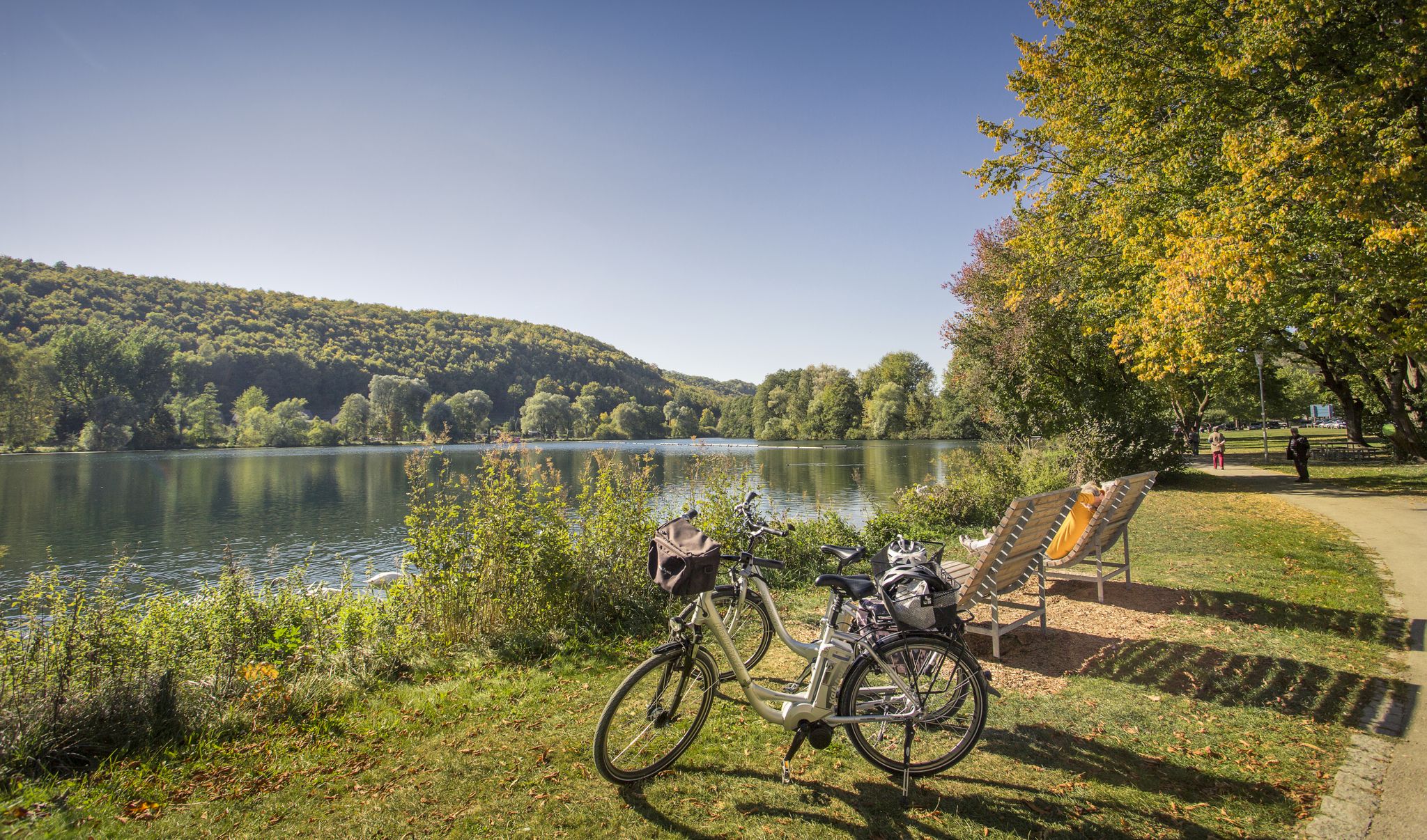
Prehistoric landscapes and the Ice Age – cycling in the Brenz region
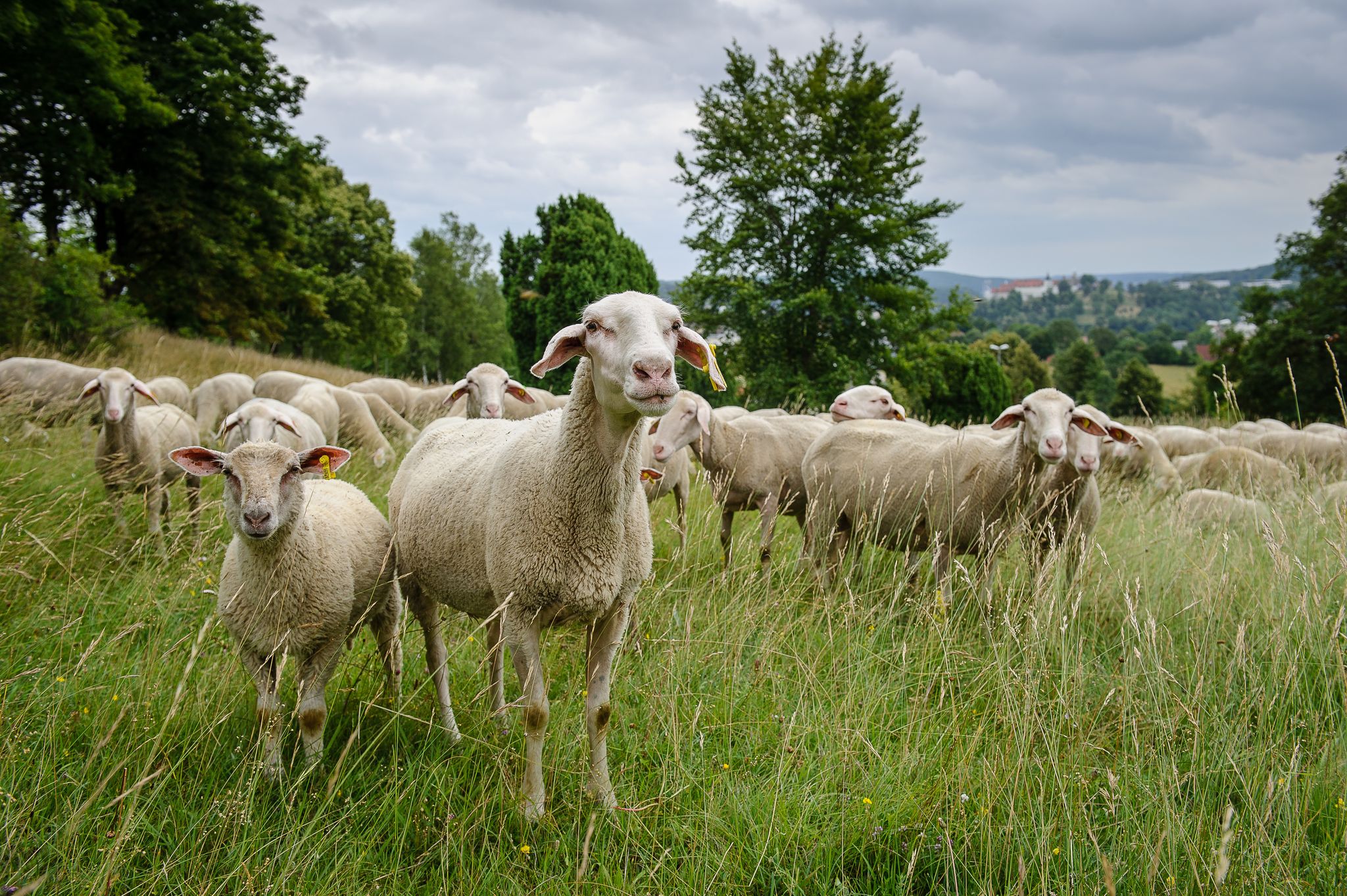
Counting sheep on the Albschäfer Trail
Counting sheep on the Albschäfer Trail
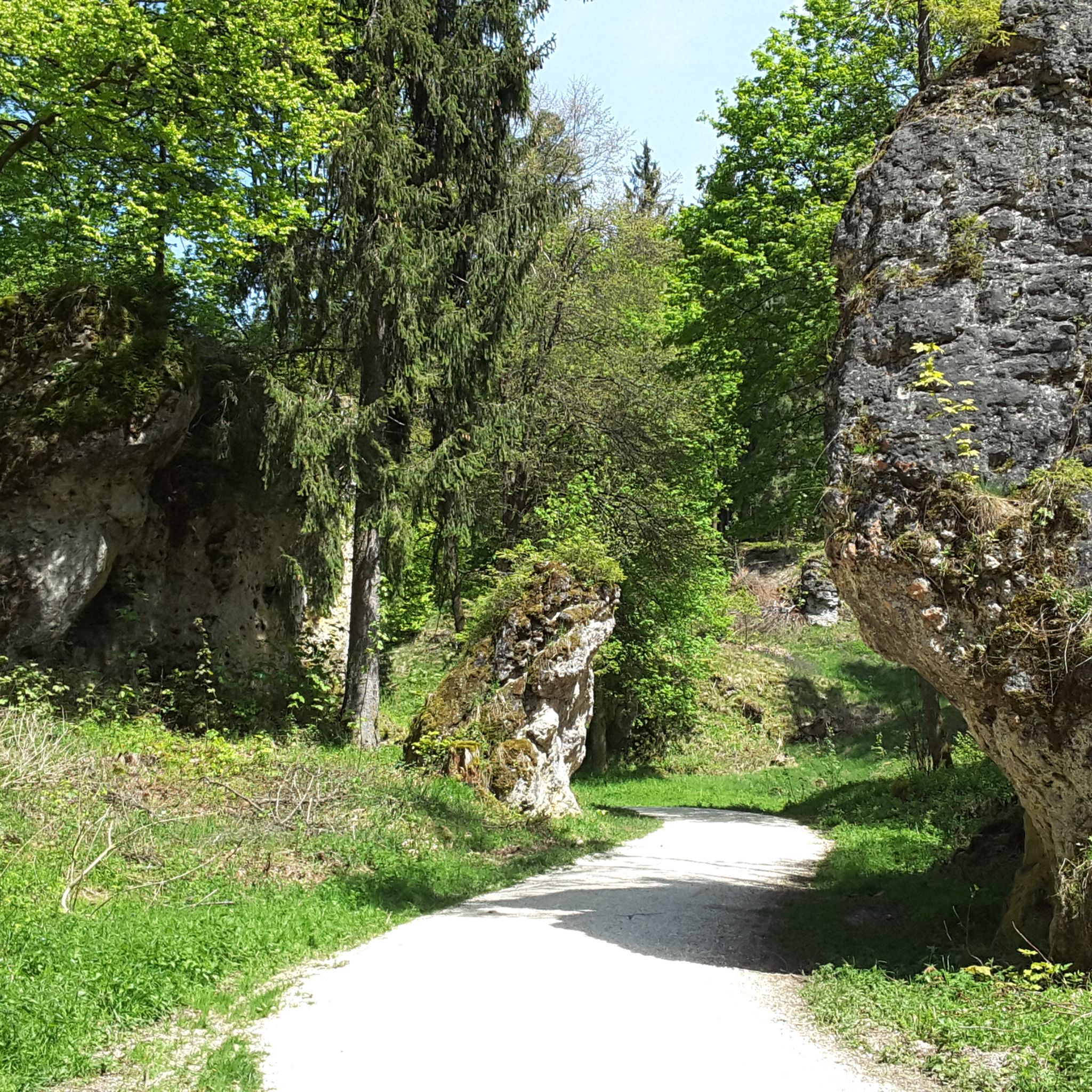
Hiking around Steinheim am Albuch
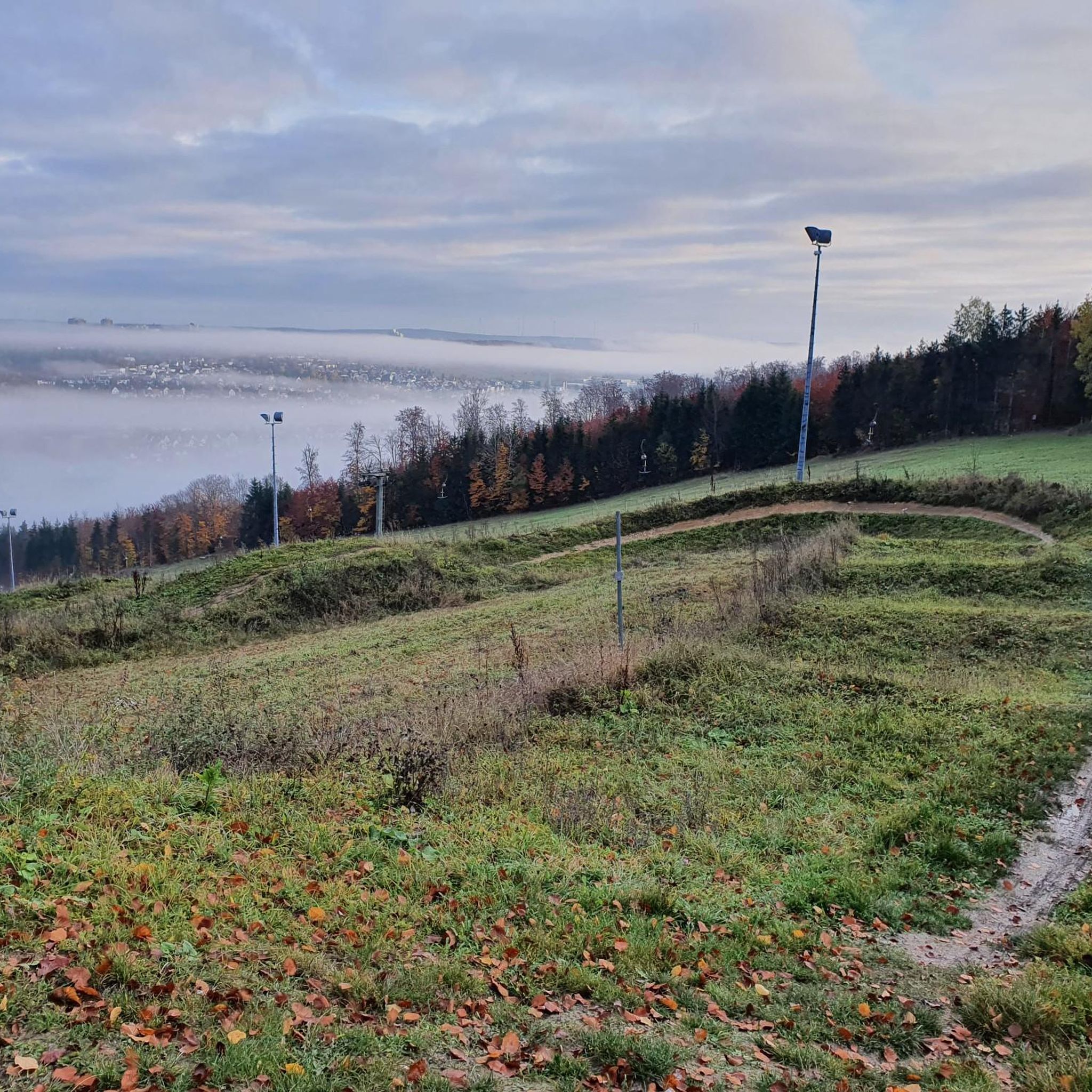
Cycling around Steinheim am Albuch
Road Cycling Routes around Steinheim am Albuch
Running Trails around Steinheim am Albuch
MTB Trails around Steinheim am Albuch

Gravel biking around Steinheim am Albuch
Mountain Hikes around Steinheim am Albuch

Tips from the Community

The sunlight turns the water turquoise... No wonder, the water is very fresh and the pot is not as deep as the Blautopf. Very nicely laid out and well explained on boards.
6
0
Always a great destination with a beer garden, sunbathing lawn and pedal boat rental. There is something here for the whole family.
7
0

The most famous feature of the Eselsburger Valley is undoubtedly the rock group of the "Stone Maidens". It consists of two slender rock needles, the origin of which is the subject of a mystical legend. https://www.herbrechtingen.de/Startseite/kultur+_+freizeit/steinere+jungfrauen.html
8
0

The Brenztopf (source of the Brenz) is an absolute highlight on every tour. The previous speakers/writers have already mentioned the most important things. The Brenz finally flows into the Danube, which is known to flow into the Black Sea. The Kocher has its source a few km to the north. This flows into the Neckar, which in turn flows into the Rhine and thus into the North Sea.
7
2
At the foot of the path are the two stone virgins. A popular photo motif.
13
0
There is a lot going on here at the weekend... But really worth seeing.
7
0

Great hiking trail through the Wental. Whether on foot, by bike or with a stroller. Hardly a notable slope.
7
0

there is a great natural spectacle to be admired here. Absolutely worth seeing!
4
0
Frequently Asked Questions
What are the most popular natural monuments to visit in Steinheim am Albuch?
Among the most popular natural monuments in the region are the Wental Rock Sea, known for its unique stone pillars and bizarre rock formations, and the Stone Maidens rock formations in the Eselsburger Valley, a popular spot for photos. Visitors also frequently enjoy the Brenztopf, the powerful source of the River Brenz.
Are there family-friendly natural monuments around Steinheim am Albuch?
Yes, several natural monuments are well-suited for families. The Wental Rock Sea offers an adventure playground and an interactive educational trail, making it engaging for children. The Stone Maidens rock formations and the Brenztopf are also easily accessible and offer interesting sights for all ages.
What unique geological features can I explore in Steinheim am Albuch?
Steinheim am Albuch is renowned for its unique geological history. The most significant feature is the Steinheim Basin, a well-preserved meteorite crater formed approximately 15 million years ago. You can explore its central uplift, the Steinhirt, and learn about its formation through educational trails. The Wental also showcases spectacular karst landscapes with dolomite rock formations like the Felsenmeer, shaped by millennia of erosion.
What kind of hiking trails are available near these natural monuments?
The region offers a variety of hiking trails. For instance, you can explore the Steinheim Basin via the 'Geologischer Lehrpfad Meteorkrater' or the 20-km 'Meteorkrater-Rundwanderweg'. The Wental features an interactive educational trail (Wentallehrpfad) that guides you through its unique rock formations. Many routes, like the 'Wentalweible Rock Formation – Wental rock formations loop from Albuch', are available for different difficulty levels. You can find more hiking options on the Hiking around Steinheim am Albuch guide page.
Can I go cycling or gravel biking near the natural monuments?
Yes, the area around Steinheim am Albuch is suitable for cycling and gravel biking. The Wental, with its scenic beauty, is an ideal location for cycling. Routes like the 'Felsenmeer Wental – Wental loop from Albuch' offer moderate gravel biking experiences. For more options, refer to the Gravel biking around Steinheim am Albuch guide.
What is the Wentalweible Rock Formation and its significance?
The Wentalweible Rock Formation is an approximately 20-meter-high rock tower located in the Wental valley. It's part of a beautiful landscape of towering limestone cliffs. Local legend tells of a shopkeeper who was turned into this stone pillar during a thunderstorm. It's a striking natural landmark and a popular point of interest along the Wental nature trail.
Is there a cave I can visit in the Wental area?
Yes, the Schreiberhöhle (Schreiber Cave) is the largest known cave in the Wental area. It's a complex structure, 210 meters long and 17 meters deep, featuring two superimposed halls with intricate passages and beautiful stalactites and stalagmites. It's also an important bat habitat, so access may be restricted during certain periods to protect the bat population.
What is the Wäldlesfels and how was it formed?
The Wäldlesfels is a distinctive rock formation situated on the Steinhirt, which is the central hill of the Steinheim Basin. This approximately eight-meter-high rock block was formed about 14 million years ago, after the meteorite impact, by freshwater limestone algae when the lake that filled the crater covered the central hill. It offers a tangible link to the post-impact geological history of the region.
What is the best time to visit the natural monuments in Steinheim am Albuch?
The natural monuments in Steinheim am Albuch can be enjoyed throughout the year, but spring and autumn often offer the most pleasant conditions for hiking and exploring, with mild temperatures and vibrant scenery. Summer is also popular, especially for longer days outdoors. Winter can provide a unique, tranquil experience, particularly in areas like the Wental, though some trails might be more challenging.
Are there any viewpoints offering panoramic views of the natural monuments?
Many natural monuments in the region double as excellent viewpoints. The Wental Rock Sea and Wentalweible Rock Formation offer spectacular views of the unique karst landscape. The Brenztopf also provides a scenic spot. Additionally, the central uplift of the Steinheim Basin, the Steinhirt, offers elevated perspectives of the crater landscape.
What makes the Eselsburger Valley a notable natural monument?
The Eselsburger Valley is a picturesque section of the Brenz river, known for its natural beauty and impressive rock formations, most famously the Stone Maidens. The river flows in a distinctive loop around the 'Buigen' ridge, creating a unique landscape of heathland and visible rocks, making it a popular destination for nature lovers and photographers.
Most popular routes around Steinheim am Albuch
Most popular attractions around Steinheim am Albuch

Get inspired with the komoot mobile app


Explore more
Extend your search for the best caves by checking out these guides of the top ones around Steinheim am Albuch:
