The best gravel rides around Marennes
4.7
(13)
153
riders
12
rides
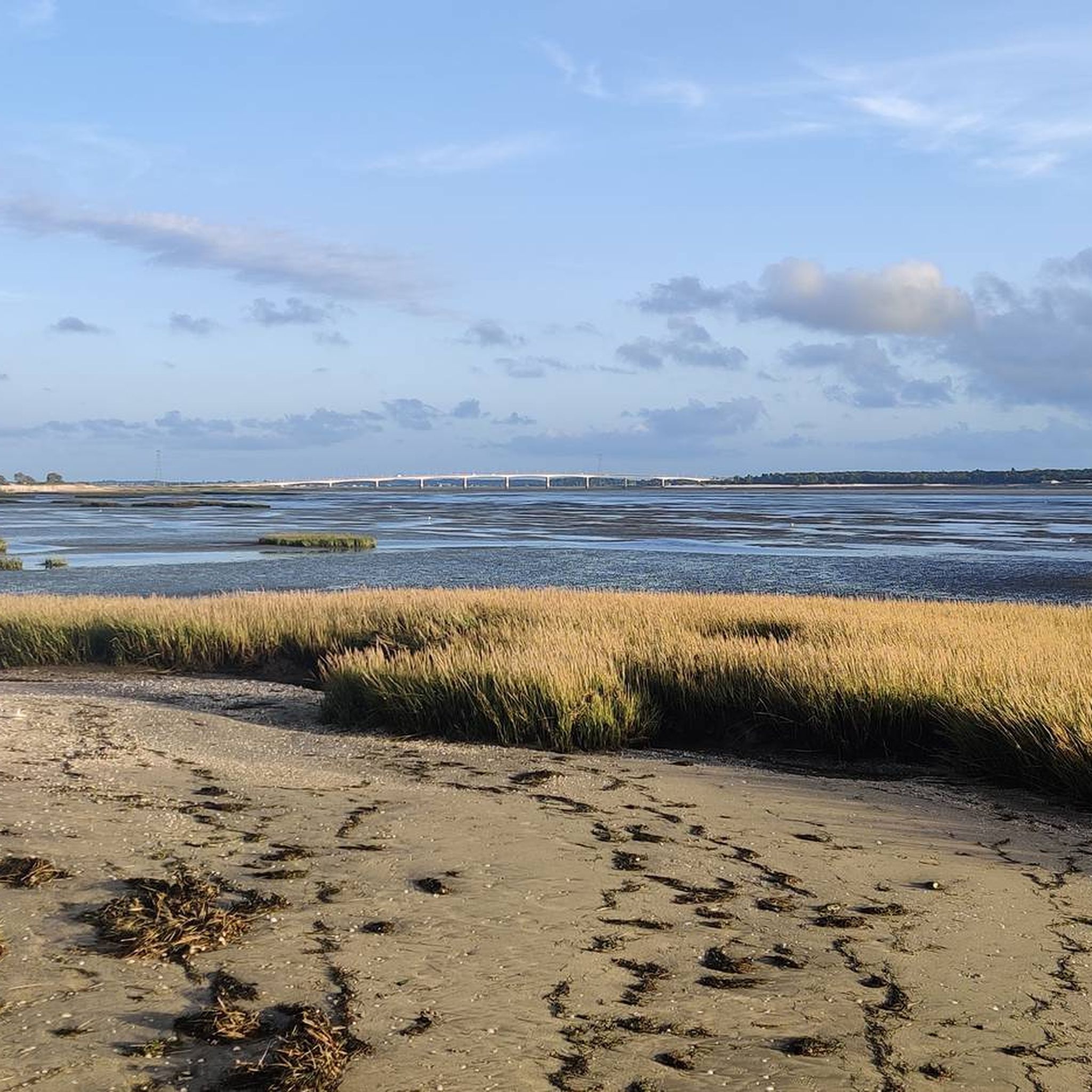
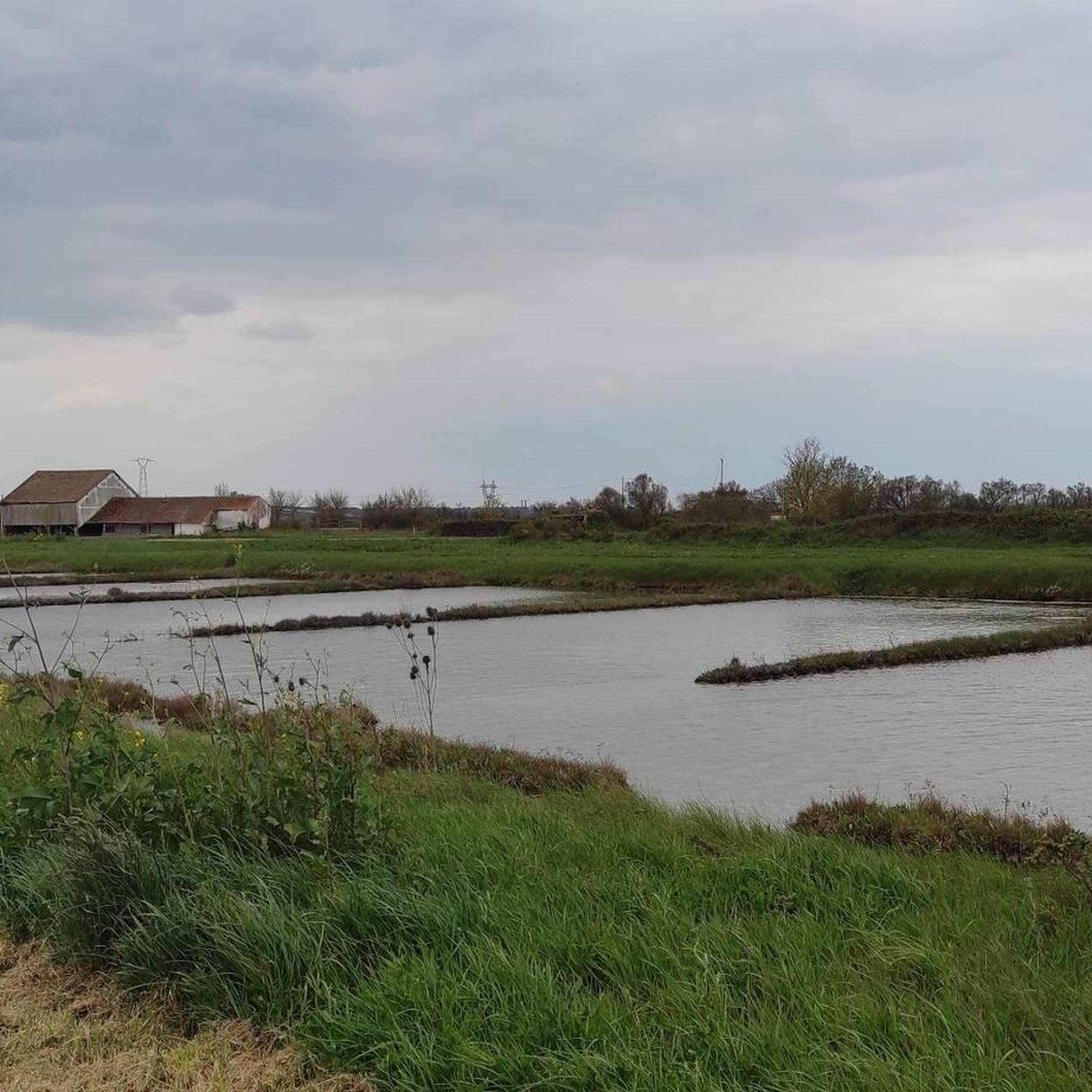
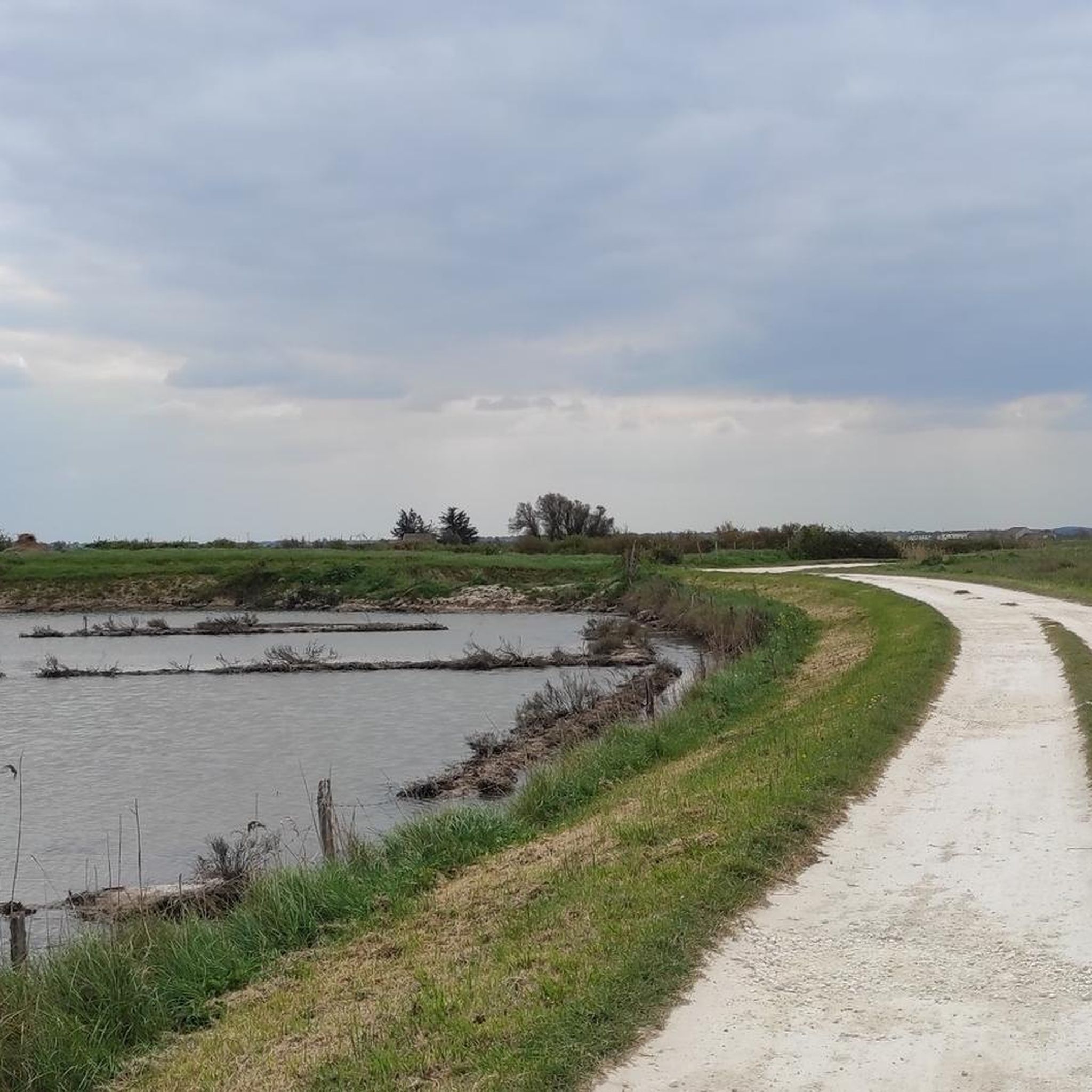
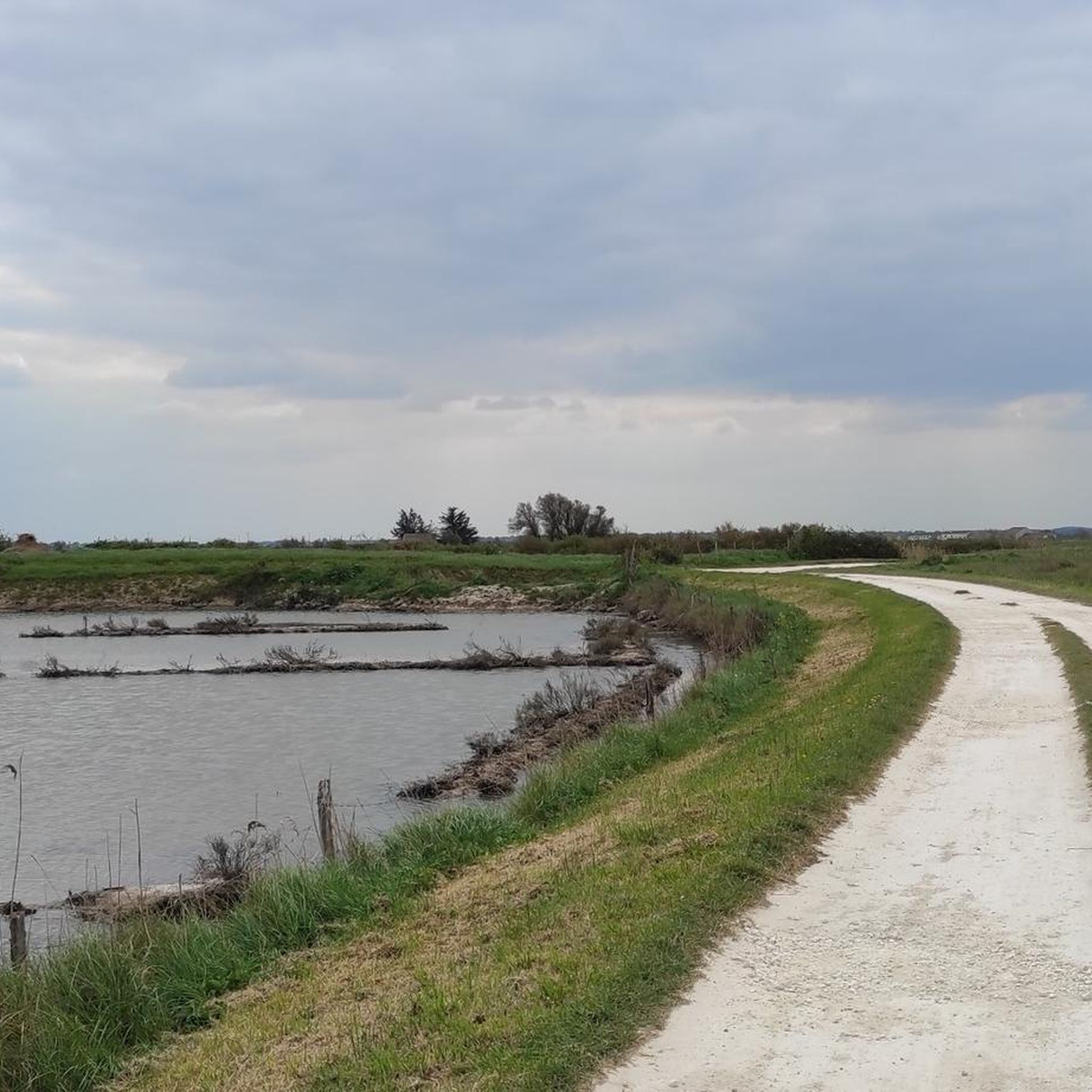
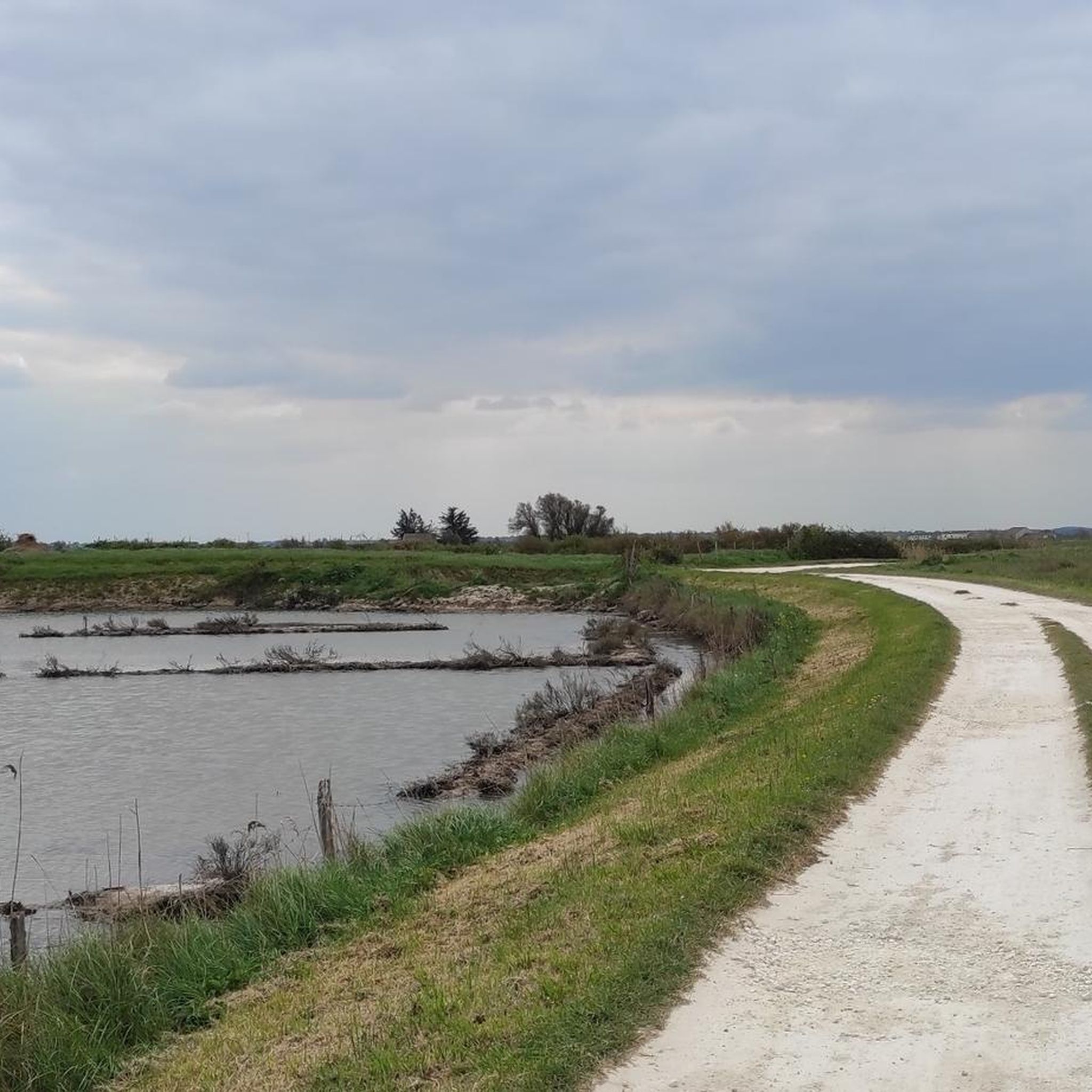
Gravel biking around Marennes offers routes through a diverse coastal and marshland environment. The region is characterized by its extensive network of flat to gently rolling paths, often traversing oyster beds, salt marshes, and river estuaries. Terrain primarily consists of compacted gravel, dirt tracks, and quiet country roads, providing accessible cycling for various skill levels. The landscape features open views across the Atlantic coastline and the Charente estuary, with minimal elevation changes.
Best gravel bike trails around Marennes
- The most…
Last updated: July 3, 2026
4.2
(5)
45
riders
Moderate gravel ride. Good fitness required. Mostly paved surfaces. Suitable for all skill levels.
4.0
(1)
31
riders
71.8km
03:31
160m
160m
Moderate gravel ride. Good fitness required. Mostly paved surfaces. Suitable for all skill levels.

Sign up for free
4.0
(1)
20
riders
Hard gravel ride. Good fitness required. You may need to push your bike for some segments of this route.
8
riders
Easy gravel ride. Great for any fitness level. Mostly paved surfaces. Suitable for all skill levels.
8
riders
Moderate gravel ride. Good fitness required. Mostly paved surfaces. Suitable for all skill levels.
Get access to more routes and recommendations from other explorers.
Sign up for free
Already have an account?
Our route recommendations are based on thousands of hikes, rides, and runs completed by other people on komoot.
Start today with a free account
Your next adventure awaits.
Login or Signup
Tips from the Community

The carrelets of Saint-Palais-sur-Mer are among the most emblematic elements of the Charente coastline. Their history blends traditional fishing, tourist development, and local heritage. 🐟 Origin of the carrelets Originally, the word "carrelet" referred to a square fishing net used since the 17th century. A precise description can be found as early as 1769, in the writings of the scholar Henri-Louis Duhamel du Monceau, who mentioned this type of fishing on the Saintonge coast. 👉 At that time, these were not yet the current huts, but simply a net operated from rudimentary structures. ⚓ Artisanal fishing structures The first local carrelets were simple wooden platforms, built by the fishermen themselves to stand above the water. They were mainly used to catch shrimp, fish, and crabs near the shore, without going out to sea. 👉 It was a family and coastal fishery, less dangerous than sea fishing. 🏖️ 19th – early 20th century: transition to a leisure activity At the turn of the 20th century, with the rise of seaside resorts like Saint-Palais, the carrelets evolved. Holidaymakers and notable figures adopted this practice: construction of fixed jetties, appearance of huts on stilts. The carrelets then became places for relaxation as much as for fishing. 👉 They already contributed to the postcard image of the coast. 🪵 After 1945: democratization and multiplication After the Second World War, the number of carrelets increased sharply. They became a symbol of popular leisure and conviviality. The transition was gradually made from a means of subsistence to a recreational activity. 🌊 Storms and reconstruction The carrelets are fragile in the face of storms: 1999: massive destruction (up to 90% in some areas) 2010 (Xynthia storm): new damage Many have been rebuilt identically, respecting tradition. 🏛️ Today: protected heritage In Charente-Maritime, there are about 400 carrelets. They are: integrated into the public maritime domain allocated by administrative authorization (often renewed every 5 years) Since 2018, they have been recognized as cultural heritage of the department. 👉 In Saint-Palais, they can be observed in particular: at Pont du Diable at the conche du Concié at the Puits de l’Auture
0
0
📍 Introducing the Gilet Cove The Gilet Cove is a small, natural beach on the oceanfront, located on Boulevard de la Conche de Gilet / Boulevard de la Falaise, in the town of Vaux-sur-Mer, just before Royan. 🌿 It's a sheltered, rocky cove, appreciated for its tranquility and more intimate setting compared to the larger urban beaches nearby. 🏖️ At high tide, the sea can completely cover this small beach, making the space very limited; at low tide, you can enjoy a patch of sand and rocks for relaxing or swimming. 🧭 Features & Tips 📍 Type of place: small, unsupervised beach, nestled among the rocks with sand and cliffs. 🏖️ Tides: access is best at low tide — at high tide the beach can disappear underwater. 🐶 Animals: prohibited from April 1st to September 30th (subject to municipal regulations). 👣 Access: via stairs from the boulevard above, surrounded by villas with sea views. 🚫 Lifeguard services: no lifeguard station or marked services. 📍 Location La Conche de Gilet is often considered the last small beach in Vaux-sur-Mer before reaching Royan/Pontaillac when following the coastline from Saint-Palais-sur-Mer.
0
0

A unique and peaceful spectacle.
0
0

You can rent boats for a closer look at the salt pans, and there are excellent bars for refreshments! https://www.port-des-salines.fr/
1
0

Do not stack pebbles as this promotes erosion.
0
0

Here you can observe local sea salt production. There's a small hiking trail between the sea salt fields and a shop where you can sample and purchase fresh sea salt.
0
0

A beautiful trail with pine scents. A real treat.
0
0
Frequently Asked Questions
How many gravel bike trails are available around Marennes?
Marennes offers a wide selection of gravel bike trails, with over 35 routes available. These include 11 easy trails, 22 moderate routes, and 4 more challenging options for experienced riders.
Are there easy gravel bike trails suitable for beginners or families in Marennes?
Yes, Marennes is well-suited for beginners and families. The region features 11 easy gravel bike trails, characterized by flat to gently rolling paths through coastal and marshland environments. These routes provide accessible cycling for various skill levels.
What are the typical distances for gravel bike routes around Marennes?
Gravel bike routes in Marennes vary in length. For example, the Promenade des Deux Phares – Carrelets de Royan loop from Indian Forest is about 32 miles (51.6 km), while the Chemin de la Charente – Rochefort Transporter Bridge loop from Hiers covers approximately 40.2 miles (64.7 km). Longer routes like the Chassiron lighthouse – Chenal du Douhet loop from Le p’tit train de Saint-Trojan extend to about 48.7 miles (78.4 km).
Are there challenging gravel cycling routes for experienced riders in Marennes?
Yes, for experienced riders seeking more challenge, Marennes offers 4 difficult gravel cycling routes. These routes may feature longer distances and more varied terrain, such as the Wild Coast of La Tremblade – Carrelets de Royan loop from Le Train des Mouettes - La Tremblade, which is over 50 miles (81 km) long.
When is the best time of year to go gravel biking in Marennes?
The best time for gravel biking in Marennes is generally from spring through autumn. During these seasons, the weather is typically mild and pleasant, making it ideal for exploring the coastal paths, marshland tracks, and estuarial routes. Summer offers warm conditions, while spring and autumn provide cooler temperatures and fewer crowds.
What are the conditions like for gravel biking in Marennes during winter?
During winter, gravel biking in Marennes can be cooler and potentially wetter due to its coastal location. While the paths remain accessible, riders should be prepared for colder temperatures and possibly muddy sections, especially in marshland areas. The flat terrain generally prevents significant snow or ice accumulation, but appropriate gear is recommended.
What essential gear should I bring for gravel biking in Marennes?
Given the varied terrain of compacted gravel, dirt tracks, and quiet country roads, we recommend a gravel-specific bike or a hardtail mountain bike. Essential gear includes a helmet, appropriate clothing for coastal weather changes, water, snacks, a repair kit, and navigation tools. Sun protection is also advisable due to open views across the Atlantic coastline.
What can I see along the gravel bike trails around Marennes?
Many gravel bike trails in Marennes offer scenic views and pass by notable attractions. You might encounter historical sites like the Château-d'Oléron Citadel or the Brouage Citadel. Other points of interest include the Oléron Island Bridge and the Fort Louvois, offering glimpses into the region's heritage and natural beauty.
Are there any loop gravel bike routes in Marennes?
Yes, many gravel bike routes in Marennes are designed as loops, allowing you to start and finish at the same point. An example is the Rochefort Transporter Bridge – Marais de Brouage loop from Bourcefranc-le-Chapus, which offers a circular journey through diverse landscapes.
What do other gravel bikers enjoy the most about gravel biking in Marennes?
The komoot community highly rates gravel biking in Marennes, with an average score of 4.5 stars from over 90 reviews. Riders frequently praise the region's diverse coastal and marshland environments, the extensive network of accessible paths, and the open views across the Atlantic coastline and Charente estuary.
Is parking available at the trailheads for gravel biking in Marennes?
While specific parking details vary by trailhead, many popular starting points for gravel bike routes in Marennes, especially those near towns or attractions, offer designated parking areas. It's advisable to check the tour details on komoot for specific parking information related to your chosen route.
Most popular attractions around Marennes

Get inspired with the komoot mobile app


Explore more
Browse the best Gravel rides in other regions.
