The best gravel rides around Willerwald
4.5
(18)
107
riders
38
rides
Gravel biking around Willerwald offers a diverse landscape characterized by mixed-surface paths, forest tracks, and routes along river valleys. The region, situated in the Moselle department, provides varied terrain suitable for gravel cyclists, including unpaved sections and forestry tracks. These routes often feature gentle climbs and descents, transitioning between natural areas and points of interest. The area's proximity to the Vosges Mountains suggests a similar network of trails, providing opportunities to explore both natural features and local landmarks.
Best gravel…
Last updated: October 6, 2026
4.5
(4)
22
riders
Hard gravel ride. Very good fitness required. Mostly paved surfaces. Suitable for all skill levels.
5.0
(2)
7
riders
Hard gravel ride. Very good fitness required. Mostly paved surfaces. Suitable for all skill levels.

8
riders
46.7km
02:57
390m
390m
Moderate gravel ride. Good fitness required. Mostly paved surfaces. Suitable for all skill levels.
4.2
(5)
7
riders
32.4km
01:57
190m
190m
Moderate gravel ride. Good fitness required. Mostly paved surfaces. Suitable for all skill levels.
2
riders
Moderate gravel ride. Good fitness required. Mostly paved surfaces. Suitable for all skill levels.
Get access to more routes and recommendations from other explorers.
Already have an account?
Our route recommendations are based on thousands of hikes, rides, and runs completed by other people on komoot.
Start today with a free account
Your next adventure awaits.
Tips from the Community

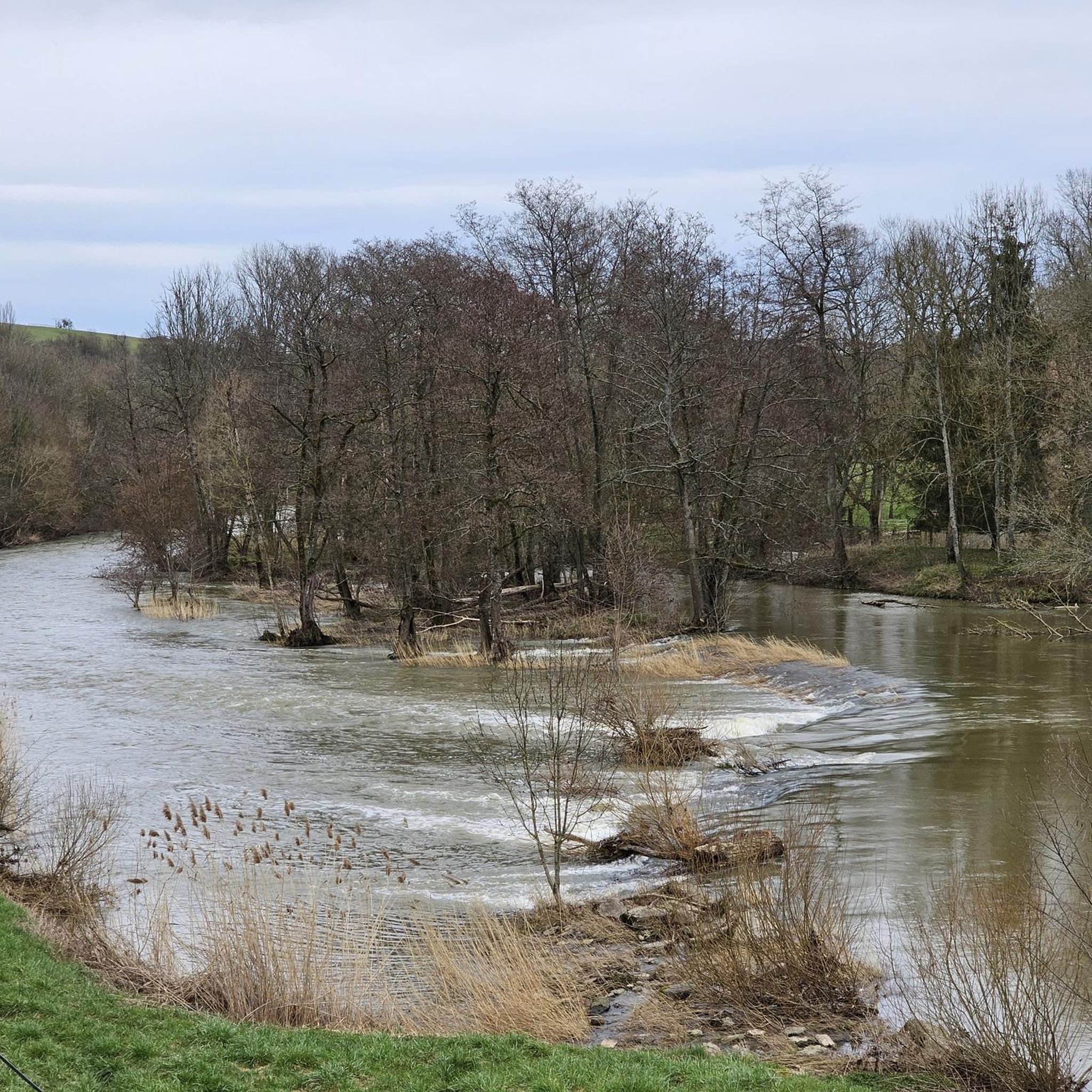
Here the canal was led across a river by means of a bridge
0
0


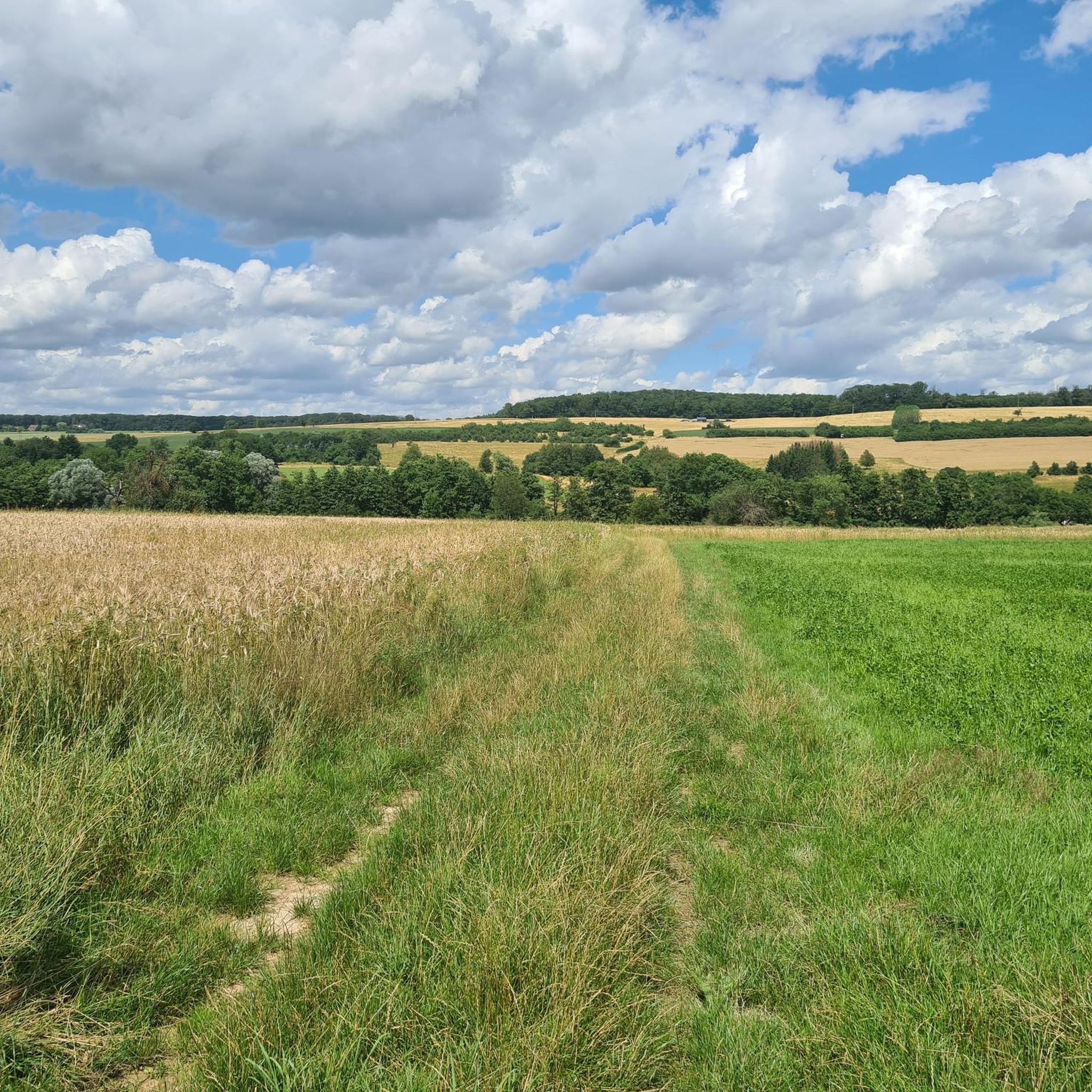
Viewpoint from one of the many bunkers along the Marginot Line. On a clear day, the view from here is fantastic, stretching all the way to the nearby Vosges Mountains. Even the Donon and Dabo peaks are easily visible to the naked eye. This shady spot with its bench is also perfect for a short break.
0
0


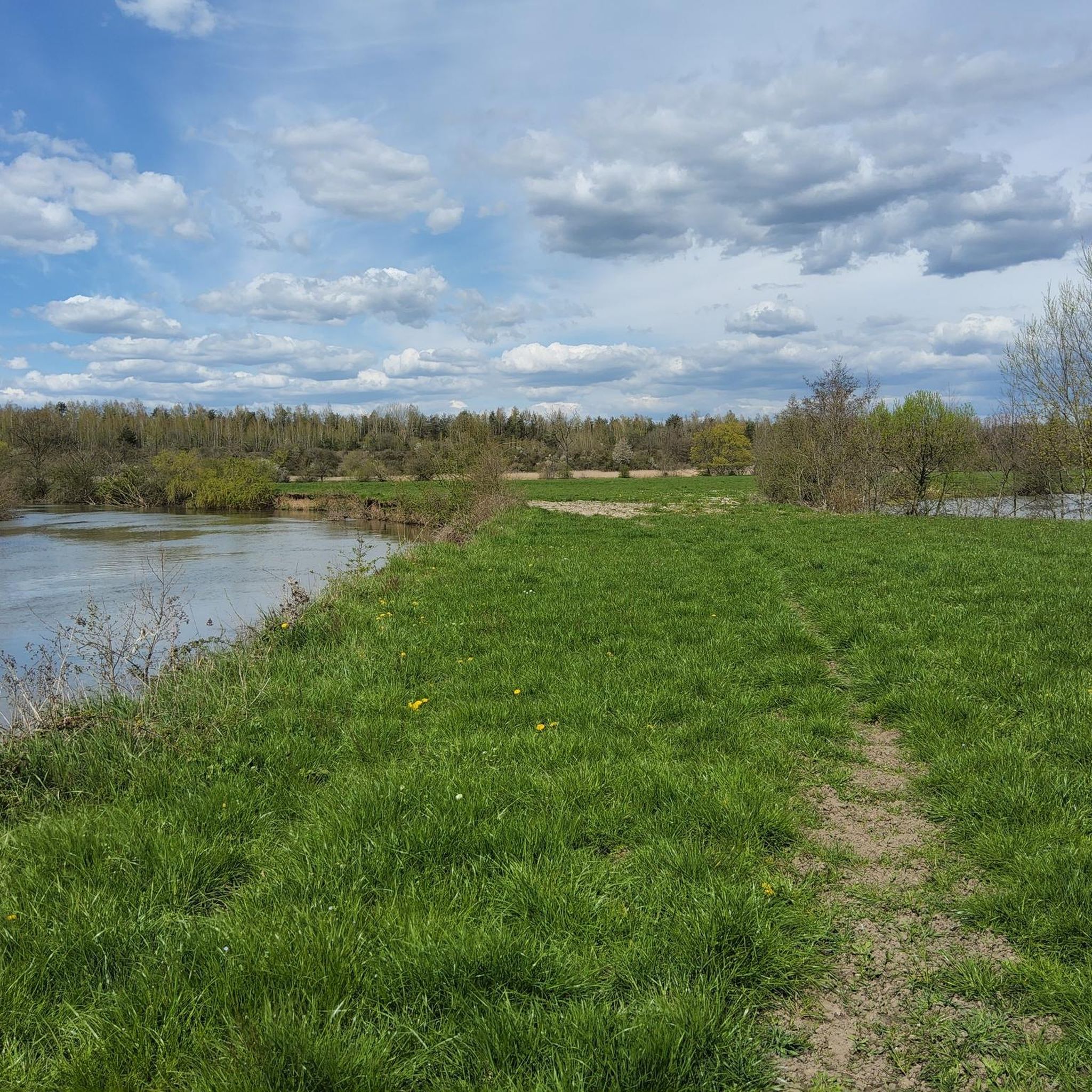
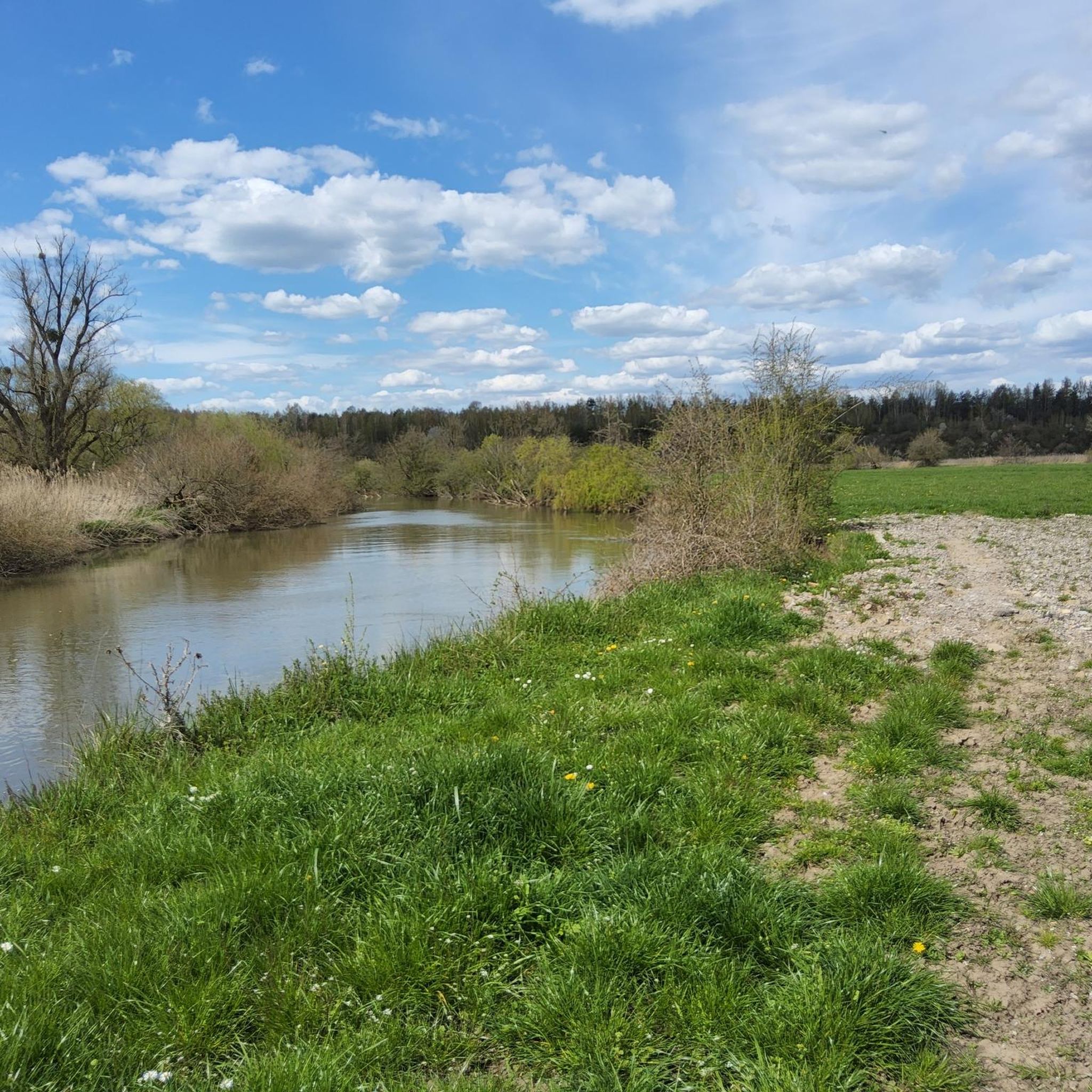
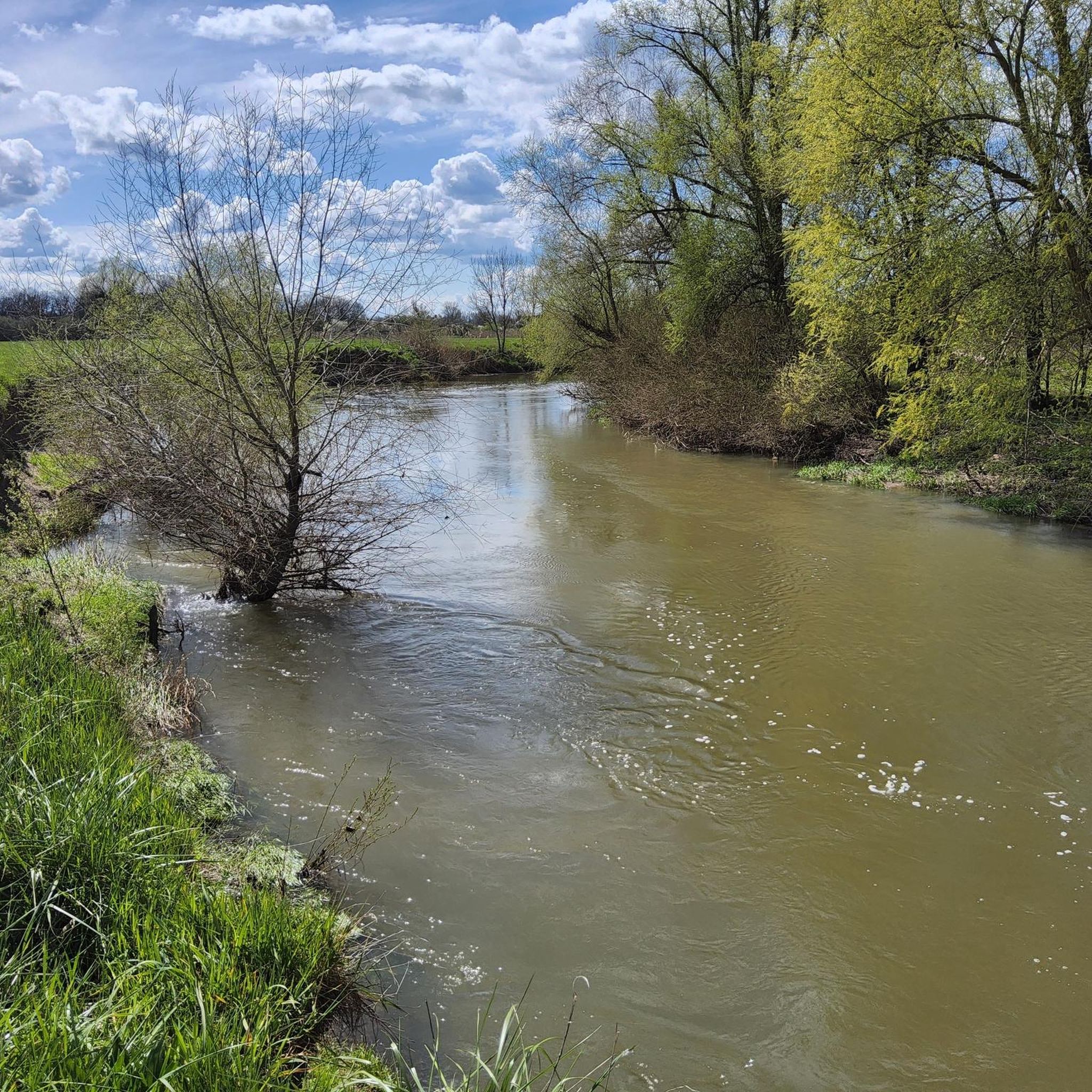
This reddish-brown wooden bridge safely crosses the Blies River and connects the hiking trails on both sides of the border. Surrounded by lush greenery, it offers an idyllic view of the river and invites you to pause for a moment. 💡 Tip: Pause for a moment in the middle of the bridge – from here, you can often spot ducks, fish, or even the shy kingfisher.
2
0

Information about the Kleinblittersdorf municipal forest
0
0

Great view 👍
0
0

Frequently Asked Questions
How many gravel bike trails are available around Willerwald?
There are over 45 gravel bike routes around Willerwald, offering a diverse range of experiences. These include routes of varying lengths and difficulties, ensuring options for most riders.
What kind of terrain can I expect on gravel bike trails near Willerwald?
The gravel bike trails around Willerwald feature a diverse landscape with mixed-surface paths, forest tracks, and routes along river valleys. You'll encounter unpaved sections and forestry tracks, often with gentle climbs and descents, transitioning between natural areas and points of interest. The region's proximity to the Vosges Mountains suggests a similar network of varied trails.
Are there routes suitable for beginners or more experienced gravel bikers?
Yes, the routes around Willerwald cater to different ability levels. While most of the 46 available routes are rated as moderate (30 routes) or difficult (14 routes), there are also 2 easier routes available for those new to gravel biking or looking for a more relaxed ride.
What are some scenic spots or natural features to look out for on the trails?
Many routes offer scenic views, particularly along river valleys like the River Blies. For example, the Border Bridge over the River Blies – View of Mandelbachtal loop provides beautiful vistas. You'll also find routes leading through forested areas, such as the Heidenkopf Observation Tower – Pont du Passeur loop, which passes an observation tower offering panoramic views.
Are there any historical landmarks or points of interest along the gravel routes?
Yes, some routes incorporate historical and cultural points of interest. For instance, the Mine Wendel – La Mine, Carreau Wendel loop explores areas with industrial heritage. Additionally, you might encounter highlights like the Saar Coal Canal at Dieding or the Harbor of the old Saar barges, which reflect the region's past.
What is the best time of year to go gravel biking around Willerwald?
The Moselle department generally offers pleasant conditions for outdoor activities for much of the year. Spring and autumn typically provide mild temperatures and beautiful scenery, ideal for gravel biking. Summer can also be enjoyable, though it's wise to start earlier in the day to avoid the midday heat. Winter riding is possible, but conditions may vary with snow or ice on unpaved sections.
Are there options for shorter or longer gravel bike rides?
Yes, the routes around Willerwald vary significantly in length. You can find shorter rides, such as the moderate 24.6-mile (39.6 km) Border Bridge over the River Blies – View of Mandelbachtal loop, or opt for longer, more challenging adventures like the 40.8-mile (65.7 km) Mine Wendel – La Mine, Carreau Wendel loop or the 47-mile (75.6 km) Dragonerweg – Southern Bliesgau loop.
Where can I park my car when visiting the gravel trails?
Many of the gravel routes around Willerwald start from locations like Hanweiler - Bad Rilchingen or Hundling, which typically offer public parking facilities. It's advisable to check the specific starting point of your chosen route on komoot for detailed parking information.
Is public transport an option to reach the trailheads near Willerwald?
While Willerwald is a commune in the Moselle department, public transport options to specific trailheads might be limited. For detailed information on reaching starting points like Hanweiler - Bad Rilchingen or Hundling via public transport, it's best to consult local transport schedules or plan your journey using a public transport app.
What do other gravel bikers say about the trails around Willerwald?
The gravel biking routes around Willerwald are highly regarded by the komoot community, with an average score of 4.6 stars from over 17 reviews. More than 150 gravel bikers have explored the varied terrain using komoot, often praising the diverse landscapes and the mix of surfaces from unpaved roads to forest tracks.
Are there any circular gravel routes available?
Yes, many of the gravel routes around Willerwald are designed as loops, allowing you to start and end at the same point. Examples include the Mine Wendel – La Mine, Carreau Wendel loop, the Border Bridge over the River Blies – View of Mandelbachtal loop, and the Heidenkopf Observation Tower – Pont du Passeur loop.
Can I find gravel routes that pass by water features?
Absolutely. The region is characterized by river valleys, and several routes follow or cross rivers. For instance, the Border Bridge over the River Blies – View of Mandelbachtal loop offers scenic views along the River Blies. You can also find highlights like the Sarreguemines Riverside Promenade and the Cycle path along the Saar, which are accessible from some routes.
Most popular routes around Willerwald
Most popular attractions around Willerwald

Get inspired with the komoot mobile app


Explore more
Browse the best Gravel rides in other regions.
